In the realm of industrial wastewater treatment, calculating filter press capacity for sludge is crucial. Efficient sludge dewatering relies on accurate calculations. According to the Global Water Intelligence report, up to 60% of treatment costs can be attributed to sludge management. Properly understanding how to calculate filter press capacity for sludge can lead to substantial savings and improved efficiency.
Expert Alan Smith, a renowned figure in wastewater technology, emphasizes this importance: "Accurate calculations streamline operations and reduce costs." His insights highlight the need for precise data on sludge characteristics. Factors such as solids concentration and desired cake moisture content significantly influence filter press performance.
However, challenges remain. Many facilities struggle with outdated calculations, leading to inefficiencies. Calculating filter press capacity is not just a technicality; it is an art that demands careful attention. With the right approach, the potential for better performance in sludge management is immense. The industry must continue to innovate and refine these calculations for sustainable solutions.
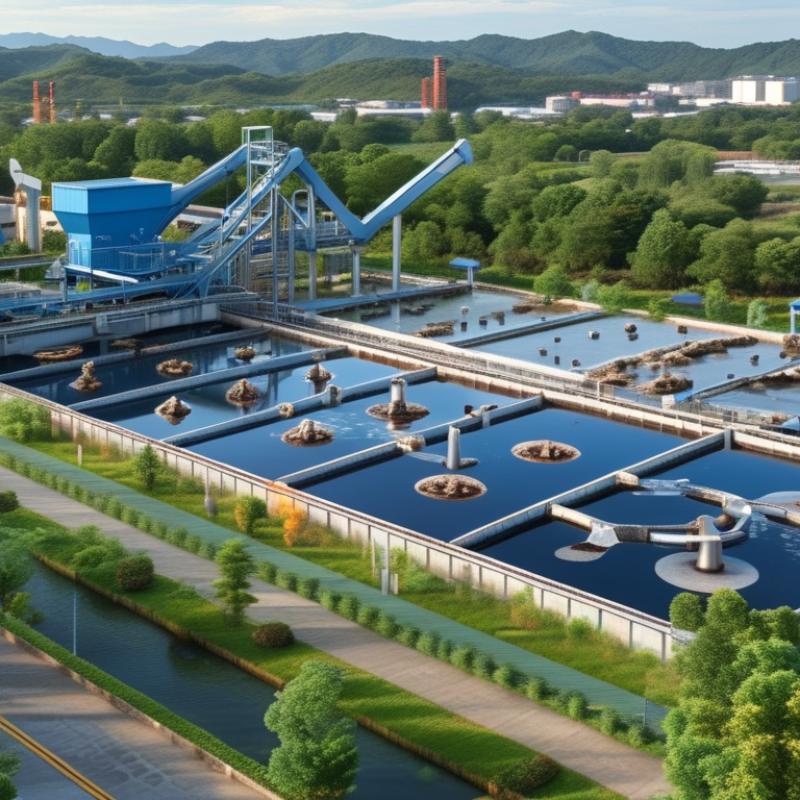
Understanding the basics of filter presses and sludge treatment is essential for effective wastewater management. Filter presses separate solids from liquids, producing a cake of solid sludge. The efficiency of this process can significantly impact operational costs and environmental compliance. According to industry reports, over 70% of industrial wastewater is treated using this method. Understanding the mechanics of filter presses helps optimize their performance and capacity for sludge dewatering.
In sludge treatment, identifying the right filter press capacity is crucial. It’s vital to consider factors such as the volume of sludge and its characteristics. Typically, the moisture content of sludge can affect the cycle time and yield. Studies indicate that a well-calibrated filter press can reduce moisture content to below 30%, enhancing solid recovery. However, inconsistencies in sludge composition can lead to unpredictable results and operational challenges.
This variability may require adjustments to filtering parameters, which can complicate the dewatering process. Furthermore, there is a need for continuous monitoring to maintain system effectiveness. Regular inspections and performance evaluations are necessary to identify potential bottlenecks. Industry experts suggest that maintaining proper pressure levels and monitoring flow rates contribute significantly to filter press efficiency. A well-operated filter press not only improves sludge quality but also reduces energy consumption. Continuous learning and adaptation in this field can enhance productivity and sustainability in sludge management.
When calculating filter press capacity for sludge, several key factors come into play. The type of sludge is crucial. Different sludges have unique properties that affect how much water they retain. The solid concentration and particle size impact the filtration process significantly. More concentrated sludges typically require longer filtration times and can reduce overall efficiency.
Temperature and pressure also influence capacity calculations. Higher temperatures can enhance filtration rates but may also cause chemical changes in the sludge. Conversely, low temperatures can lead to higher viscosity, slowing down processing. Pressure must be carefully optimized; excessive pressure may lead to membrane damage or affect the filter cake structure.
Regular monitoring is necessary to refine capacity calculations. Changes in sludge characteristics or operational conditions should prompt reassessment. Knowledge isn't static; it evolves with each attempt. This requires a continuous effort to understand the nuances of your specific situation. A thorough approach will ensure optimized filtration operations and better sludge management.
Calculating the filter press capacity for sludge is crucial for effective waste management. Understanding this process allows for optimized operations in various industries. A methodical approach helps businesses assess their needs accurately.
Begin by determining the total volume of sludge requiring treatment. Industrial reports indicate that typical sludges can range from 1% to 10% solids. Knowing this concentration helps in calculating the effective volume. For instance, a facility dealing with 10,000 liters of sludge at 5% solids would have roughly 500 liters of dry solids to process. This information is vital for selecting the right press.
Next, assess the filter press's cake thickness and cycle time. The average cake thickness can vary from 25 mm to 50 mm, impacting the efficiency of water removal. A study highlights that increased thickness can lead to longer drying times, often multiplying the total processing hours. Reviewing real-world cases reveals facilities sometimes underestimate these factors, leading to capacity issues.
Finally, explore the filtration rate. This varies widely based on the sludge types and press design. Reports suggest an average filtration rate of 50 to 250 liters per square meter per hour. Properly aligning these details enhances the filter press capacity calculations and can significantly improve operational efficiency.
Calculating the capacity of a filter press for sludge can be complex. Many professionals overlook critical factors. One common mistake is not considering the sludge characteristics. The solids concentration and particle size significantly impact the filtration process. Neglecting this can lead to underperformance.
Another frequent error stems from misestimating the required throughput. Operators often calculate based on ideal conditions. However, real-world variables can delay processing time and affect capacity. It’s essential to factor in things like pump efficiency and filter cloth condition.
Many forget to account for maintenance downtime as well. This oversight skews the efficiency calculations. Operators might assume continuous operation, but equipment needs regular checks. Identifying these pitfalls can improve your calculations significantly, leading to better performance outcomes.
| Parameter | Description | Typical Value | Unit |
|---|---|---|---|
| Sludge Volume | Volume of sludge to be treated | 500 | liters |
| Solid Concentration | Weight of solids per volume of sludge | 5 | g/l |
| Cake Thickness | Thickness of the formed cake after filtration | 30 | mm |
| Filtration Area | Total area available for filtration | 10 | m² |
| Filtration Rate | Rate at which the water is filtered | 20 | l/m²/h |
| Max Capacity | Maximum amount of sludge manageable | 800 | liters |
Optimizing filter press performance is crucial for efficient sludge management. A well-optimized filter press can significantly reduce waste volume and enhance dewatering effectiveness. According to the American Society of Civil Engineers, a properly managed filter press can achieve a solids recovery rate of up to 95%. This performance is vital for reducing disposal costs and ensuring environmental compliance.
Tips for optimizing filter press efficiency include regularly monitoring equipment for wear and tear. Wear can significantly affect the dewatering process. Ensure that the feed sediment concentration is within the recommended limits. High concentrations can lead to clogging and reduced efficiency. Selecting the appropriate filter cloth is also essential. A cloth with the right pore size can improve cake discharge and increase solids content.
Training operators on the importance of timely maintenance is vital. Operators must be aware of how various factors affect performance. For example, temperature and pressure should be consistently measured and controlled. Regular data analysis can provide insights into the filter press's operational efficiency. This analysis can identify trends and potential areas for improvement, ensuring long-term performance reliability. Always be prepared to adapt based on feedback and operational observations.
: Start by assessing the total volume of sludge needing treatment. Typical sludges have 1% to 10% solids concentration.
It helps calculate the effective volume of dry solids. For example, 10,000 liters at 5% solids means 500 liters dry solids.
Cake thickness, ranging from 25 mm to 50 mm, affects water removal efficiency. Thicker cakes increase drying times.
One common mistake is overlooking sludge characteristics like solids concentration and particle size, which impacts filtration performance.
Calculating based on ideal conditions can lead to inaccuracies. Real-world factors like pump efficiency skew results.
Regular maintenance downtime is crucial. Many operators forget this, leading to skewed efficiency calculations.
Filtration rates can vary widely. They typically range from 50 to 250 liters per square meter per hour.
Increased cake thickness can multiply total processing hours. This is often underestimated in real-world operations.
Capacity issues often arise from underestimating cake thickness and not accounting for downtime, leading to inefficiencies.
Identifying common mistakes and factoring in all variables can lead to better calculations and improved operational efficiency.
In the article titled "How to Calculate Filter Press Capacity for Sludge Efficiently?", the fundamental concepts of filter presses and sludge treatment are explored, providing a solid foundation for understanding their operation. The key factors influencing the filter press capacity calculation, such as the type of sludge, moisture content, and operational conditions, are discussed in detail. A step-by-step method for calculating filter press capacity for sludge is presented, ensuring clarity and ease of understanding for users.
Additionally, the article highlights common mistakes to avoid in filter press capacity calculation, which can lead to inefficiencies and operational challenges. Lastly, strategies for optimizing filter press performance are provided, emphasizing the importance of efficient sludge management. Overall, this comprehensive guide serves as a valuable resource for anyone looking to learn how to calculate filter press capacity for sludge effectively.

Jovios Equipment