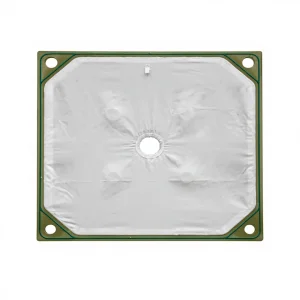
Explore our high-performance industrial liquid-solid filtration machinery, replacement membranes, and customized plate components.
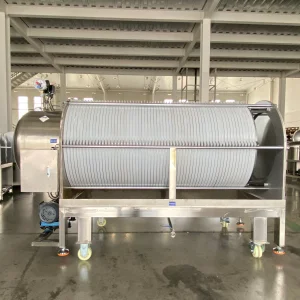
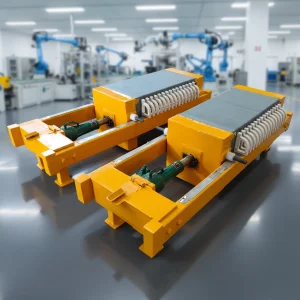
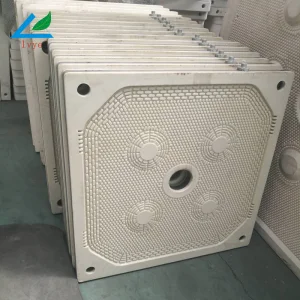
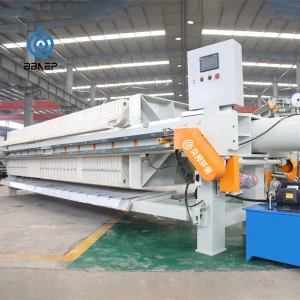
Modern industrial processing demands highly efficient solid-liquid separation solutions. The efficiency of a filter press is directly dictated by its core component: the chamber filter plate. Whether managing municipal wastewater, extracting minerals from highly abrasive tailing slurries, or separating ultra-pure compounds in pharmaceutical synthesis, selecting the correct plate design, material, and squeezing mechanism is critical to minimizing operational cost and maximizing dry solids cake recovery.
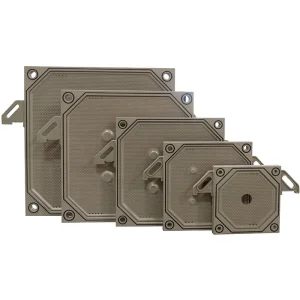
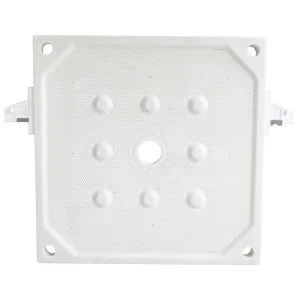
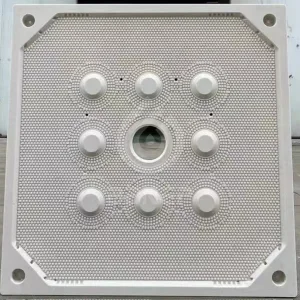
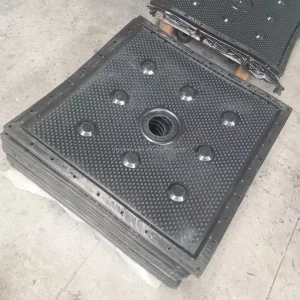
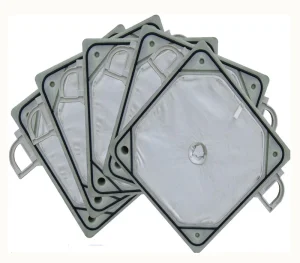
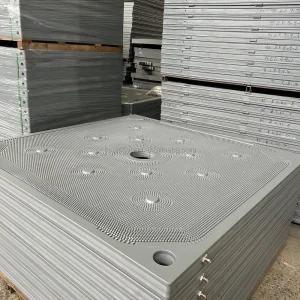
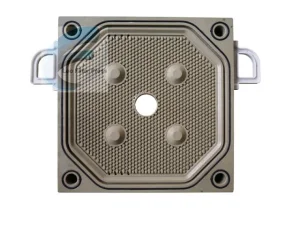
Recessed chamber filter plates are designed with a recessed center that forms a hollow cavity when consecutive plates are clamped together in a filter press. The interior surface of each plate features a patterned drainage surface—comprising cylindrical studs, raised ribs, or pip-shaped profiles. This geometry supports the filter cloth media while offering minimal resistance to filtrate outflow. Under high feed pressure, liquid passes through the cloth and escapes via the drainage channels, leaving the suspended particles to build up into a dry, dense cake inside the recess.
Standard recessed chamber plates rely entirely on the feed pump pressure (typically 6 to 15 bar) to dewater the cake. However, for sticky, fine-grained, or highly compressible sludges, standard pumping becomes inefficient as cycle times lengthen. This is where membrane squeezing technology provides significant advantages. By utilizing a flexible, impermeable membrane wall (made of Elastomeric Polypropylene or TPE) on the face of the plate, operator control is enhanced. Once the initial chamber filling and filtration cycle concludes, pressurized air or water is injected into the core of the membrane plate, physically inflating the membrane and exerting mechanical squeeze pressure (up to 30 bar or more) directly onto the filter cake. This dynamic compression forces out remaining capillary moisture, resulting in significantly shorter cycle times and vastly drier filter cakes.
Selecting the optimal polymer configuration is vital for chemical compatibility and wear protection. Modern reinforced polypropylene (PP) is the gold standard for chamber plate manufacture due to its exceptional chemical resistance, high flexural strength, and temperature tolerance (up to 100°C in specialized grades). For operations demanding extreme sealing reliability, CGR (Caulked, Gasketed, Recessed) plates feature integrated O-ring gaskets made of EPDM, Viton, or Nitrile rubber along the sealing borders. This prevents vapor emissions or liquid drips, creating a leak-proof system ideal for hazardous chemical processing or solvent-based extractions.
Adapting filtration technology to region-specific requirements, compliance guidelines, and environmental limitations.
With stringent EPA limits on heavy metals and chemical residue disposal in states like California and Ohio, municipal and industrial plants utilize advanced automatic chamber filter presses to achieve maximal dry-solid limits. This reduces transportation fees and landfills costs under EPA Part 503 standards.
Within the EU framework, chemical and biochemical facilities require FDA-compliant, REACH-certified polymer formulations. Our custom CGR high-pressure polypropylene membrane plates ensure volatile solvents are contained, avoiding toxic emissions while optimizing chemical recovery.
Processing copper, lithium, and gold concentrates requires robust wear-resistant machinery. High-tonnage plate setups withstand abrasive slurry feeding, allowing non-stop operation in isolated mining sites from the Andes to Western Australia.
Changzhou Jovios Equipment Co., Ltd. — A professional manufacturer and global solution provider specializing in solid-liquid separation and environmental protection equipment.
Located in the prestigious Changzhou National High-tech Industrial Development Zone, Jiangsu Province, China, the company operates a modern manufacturing base covering more than 50,000 square meters, equipped with advanced production facilities and a comprehensive quality inspection center.
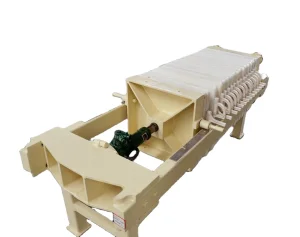
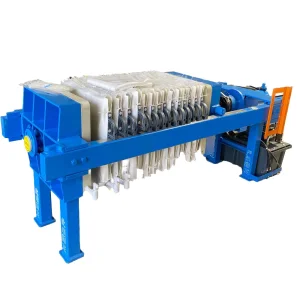
Jovios independently designs, develops, and manufactures a complete range of filtration and separation equipment, including plate and frame filter presses, membrane filter presses, automatic filter presses, intelligent filtration systems, as well as high-performance filter plates and filter cloths. With an annual production capacity exceeding 1,000 units, our products are widely applied in municipal wastewater treatment, chemical processing, petroleum, mining, metallurgy, pharmaceuticals, food and beverage production, paper manufacturing, textile dyeing, ceramics, building materials, and many other industries.
In addition to filtration equipment, Jovios provides complete wastewater treatment solutions and engineering services. From process design and equipment selection to installation, commissioning, and operational support, we deliver turnkey wastewater treatment systems for both municipal and industrial customers worldwide.
Our experienced research and development team consists of more than 30 senior engineers and technical specialists. Through close cooperation with universities, research institutes, and industry partners, we continuously integrate innovative technologies into product development, ensuring reliable performance, higher efficiency, and sustainable operation.
Supported by a growing global sales and service network, Jovios offers comprehensive technical support throughout the entire project lifecycle. From initial consultation and system design to installation, training, and after-sales service, we are committed to providing responsive and professional support wherever our customers operate.
At Jovios, we are dedicated to delivering efficient, energy-saving, and environmentally responsible separation solutions for industrial customers worldwide. Through continuous innovation and customer-focused engineering, we help businesses improve productivity, reduce operating costs, and achieve sustainable growth.
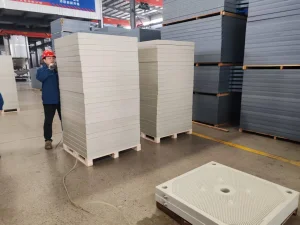
Take an interactive tour inside the Changzhou Jovios modern manufacturing plant, demonstrating precision machining, quality assembly, and heavy material stock.
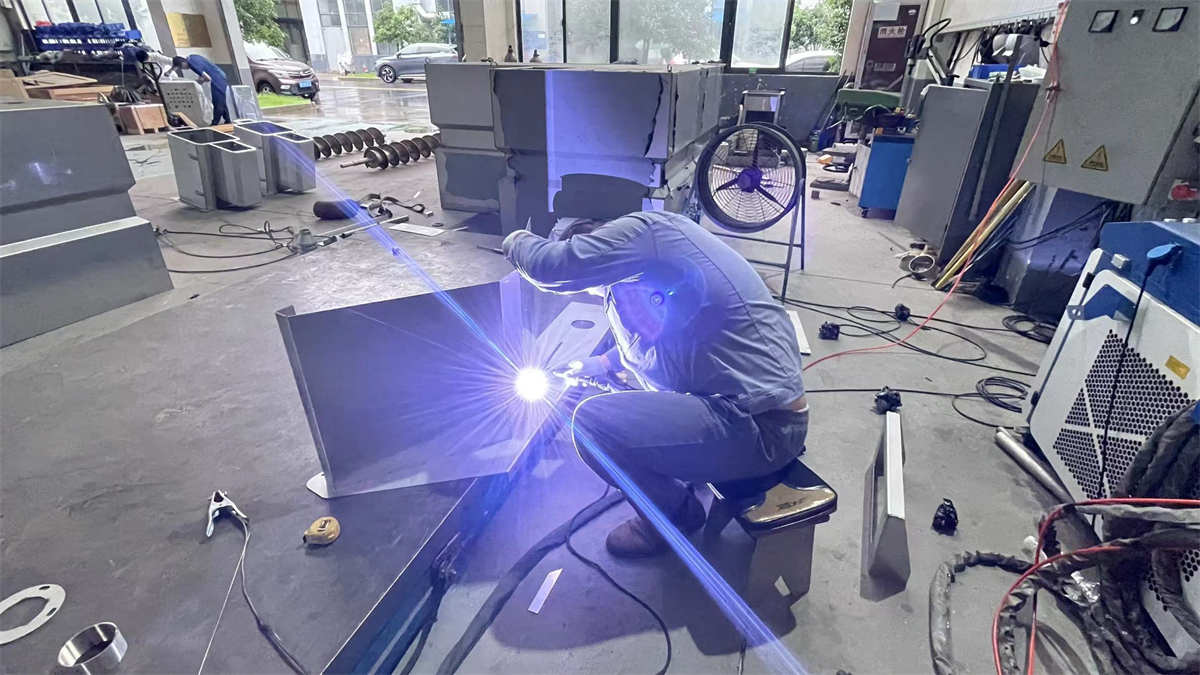
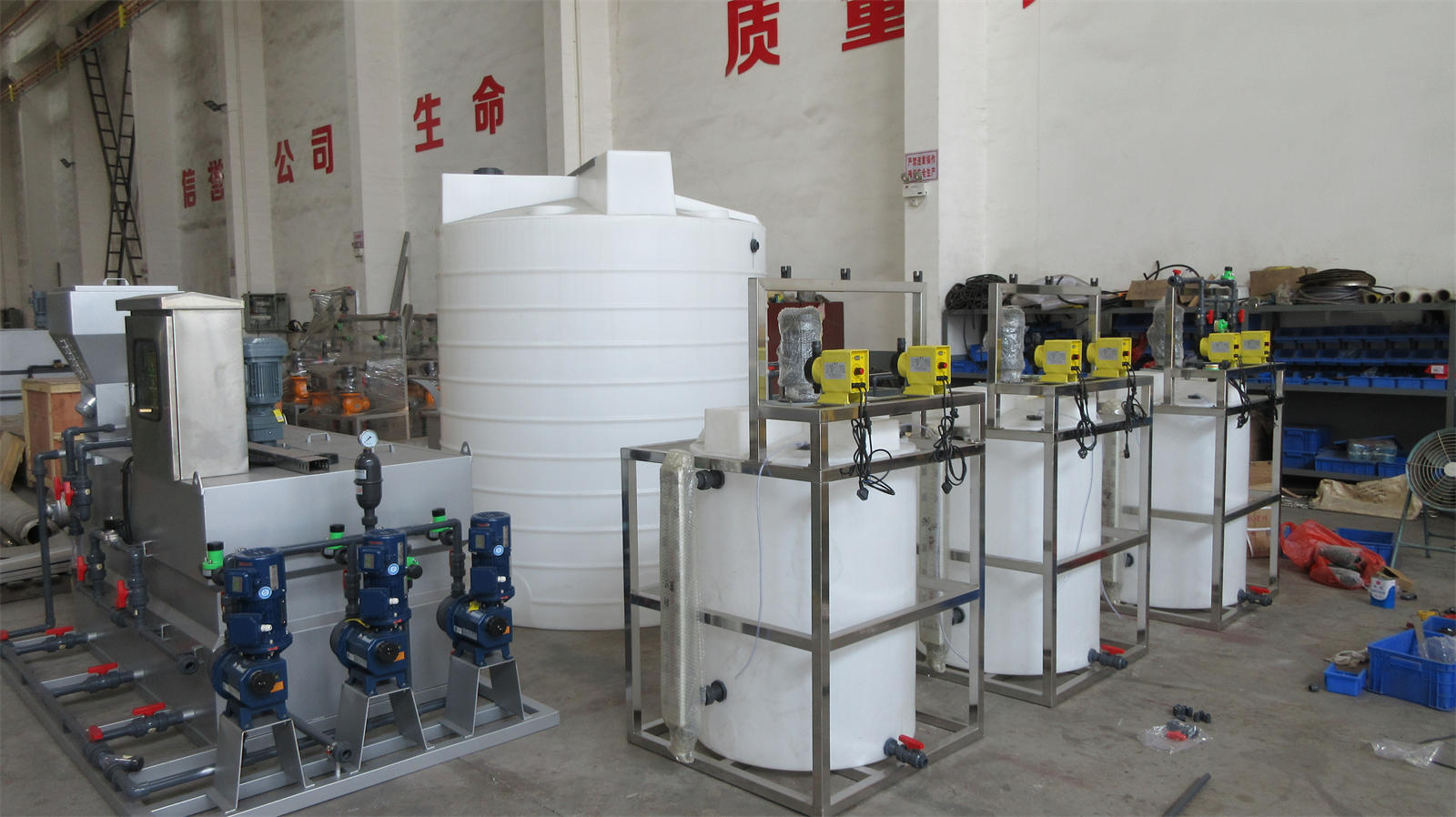
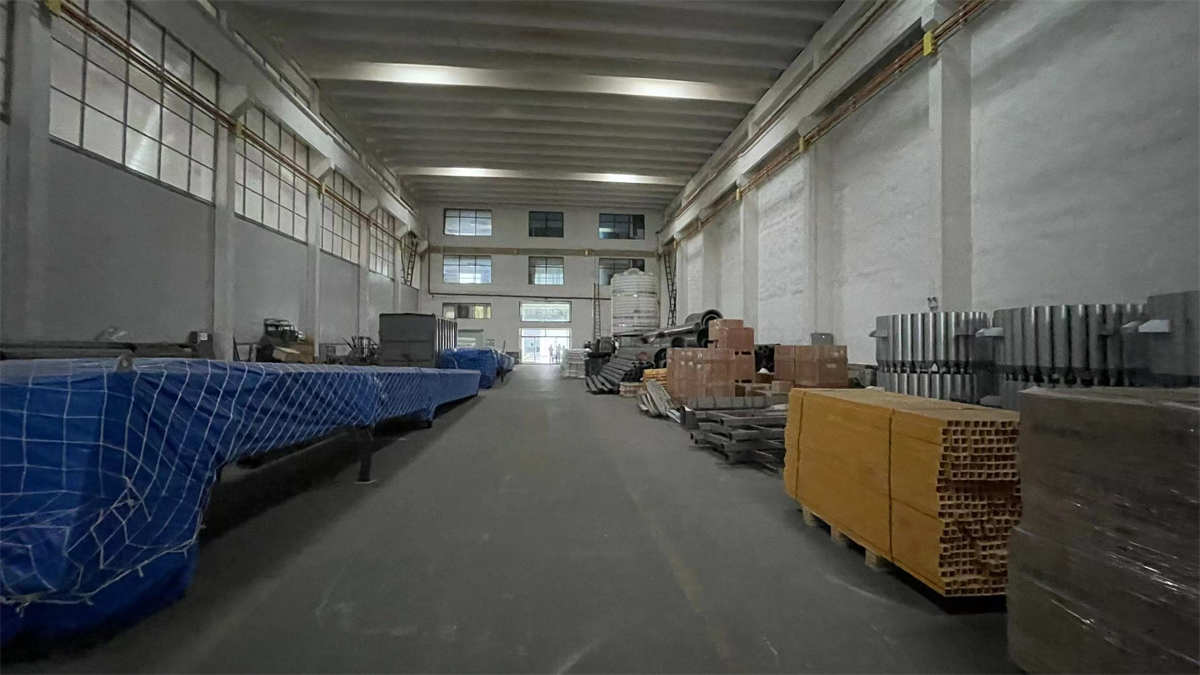
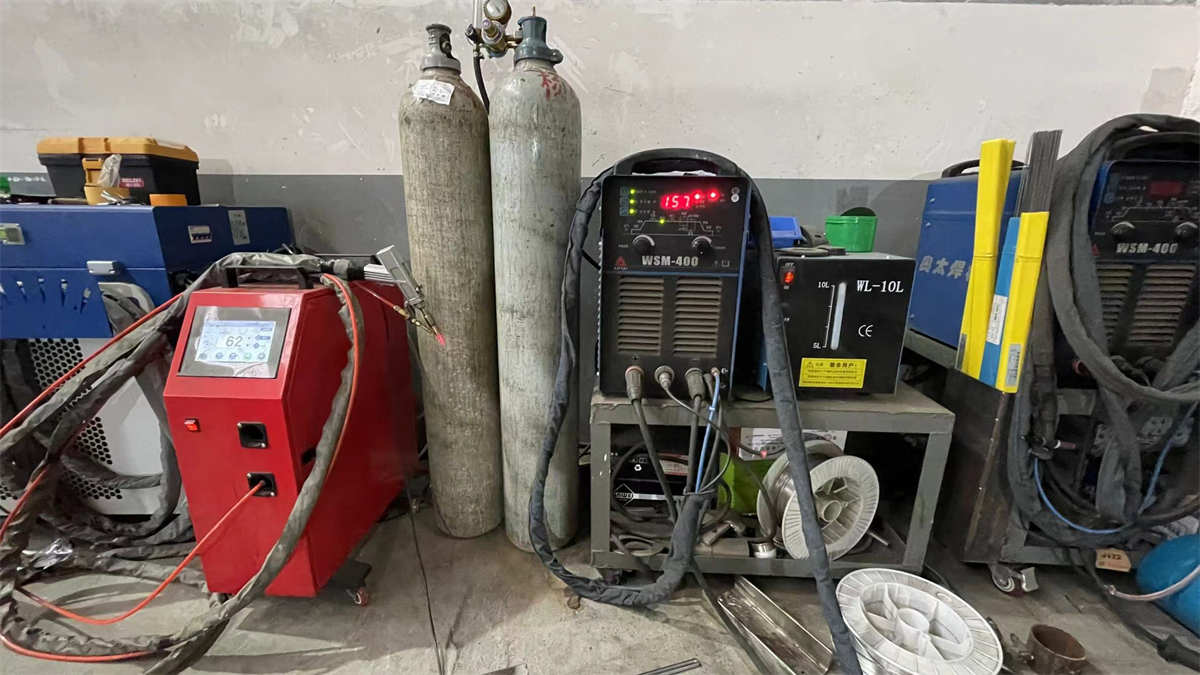
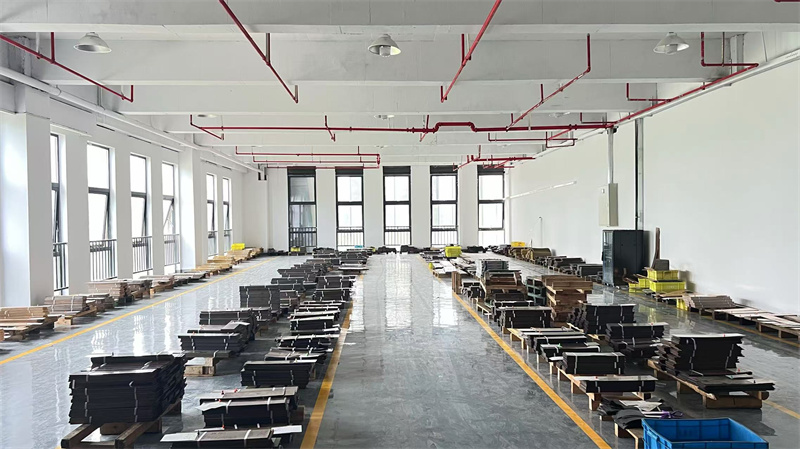
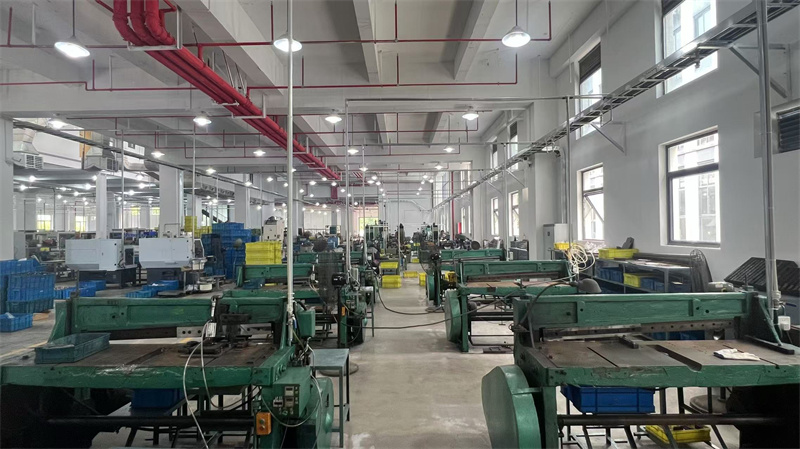
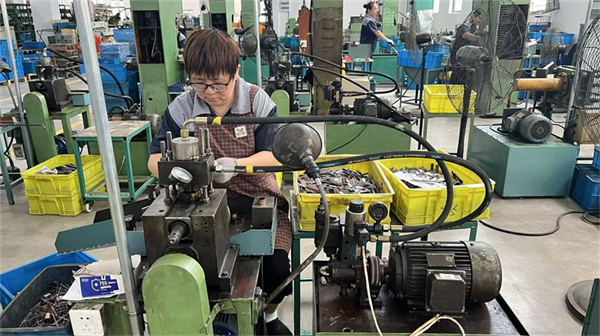
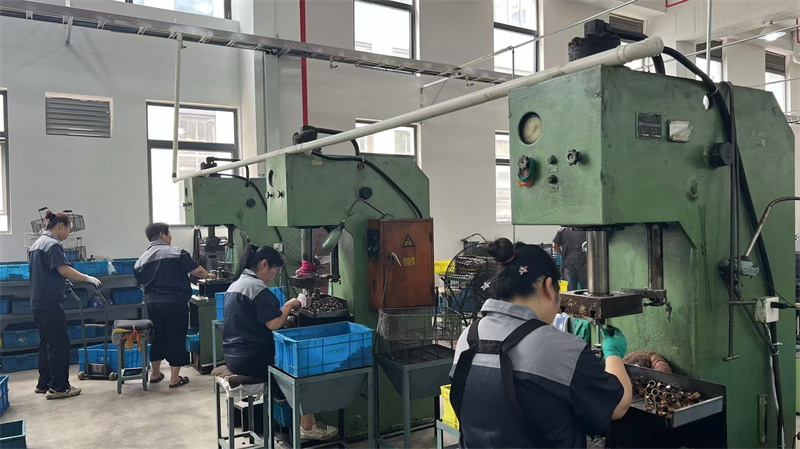
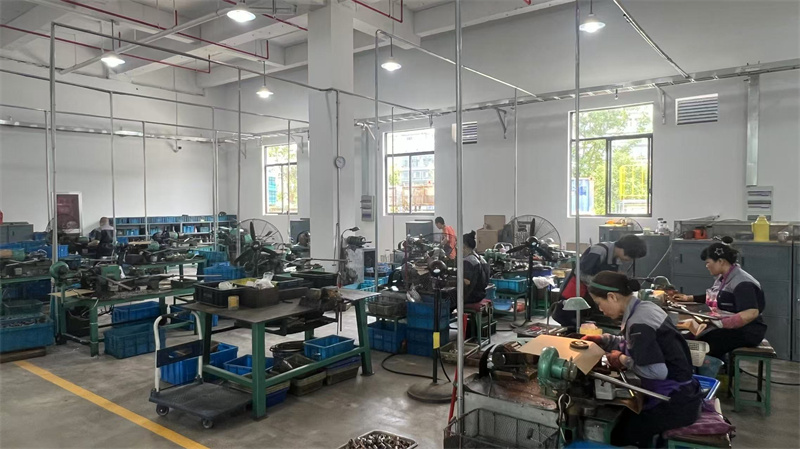
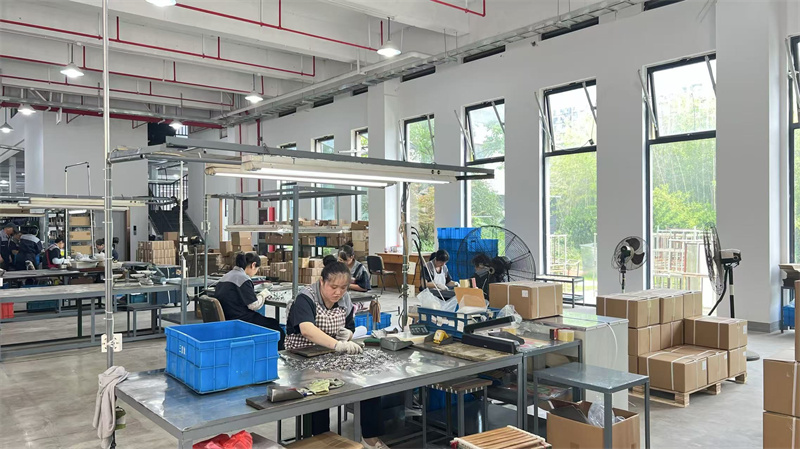
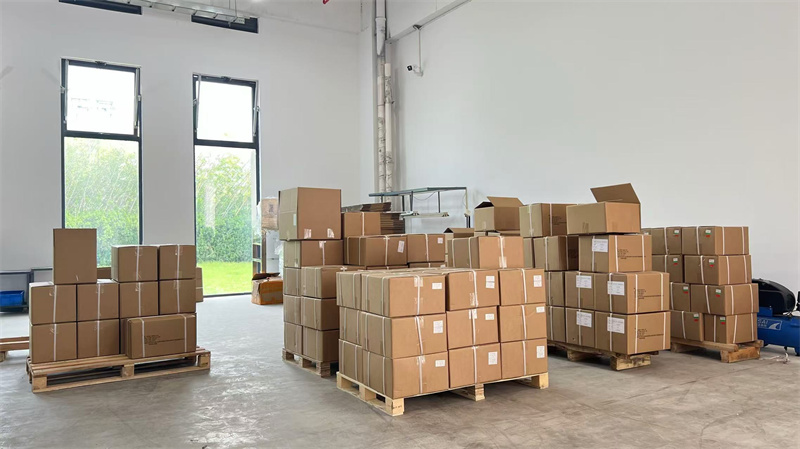
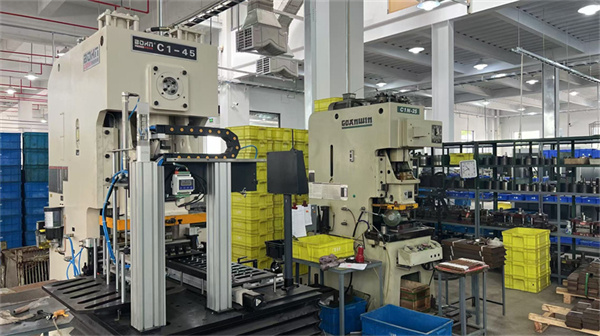
Navigating the complex landscape of global logistics requires supply partners that possess robust infrastructure, direct access to raw materials, and streamlined manufacturing lines. The Chinese supply chain model has evolved from simple high-volume manufacturing to highly integrated precision engineering, offering unmatched advantages:
Our production facilities benefit from direct raw material channels. High-density polypropylene (HDPP) and premium thermoplastic elastomers (TPE) are sourced directly from domestic chemical manufacturers. This minimizes processing delays, ensures raw polymer consistency, and avoids the vulnerabilities associated with cross-border transport of raw components.
Managing high volume means operating high-tonnage machines. Jovios utilizes heavy structural steel frame plates and advanced injection moulding presses to stamp out chamber filter plates up to 2000mm in size. Automated CNC milling systems carve precise drainage pathways and feed ports, guaranteeing consistent seal geometry on every single run.
Located in the Yangtze River Delta high-tech industrial cluster, Jovios is connected to world-class logistics hubs. High-frequency transport routes to Shanghai and Ningbo deep-water ports reduce maritime transit lead times, meaning fast distribution to South America, Europe, Australia, and North America.
Pioneering smart innovations, eco-friendly materials, and extreme-pressure dewatering technology for the next generation of industrial separation.
Integration of wireless micro-sensors within the polymer core to monitor internal cake temperature, localized pressure spikes, and flow rates in real-time, preventing structural cracking.
Developing next-gen composite matrix materials capable of managing continuous 35 to 40 bar membrane squeezing cycles, targeting zero thermal drying processes.
Engineering eco-friendly recycled polypropylene composites that retain tensile strength and chemical resistance, aligning with circular economy initiatives.
Expert engineering insights for common questions regarding filter plate configuration, maintenance, and lifetime extension.
Explore further chamber plates, replacement clothes, high-pressure membrane structures, and automatic filter press units.
 Jovios Equipment