Engineered for extreme performance, structural reliability, and high-pressure chemical resilience.
Maximizing Dewatering Efficiency, Mechanical Reliability, and Corrosion Resistance in Modern Filtration Infrastructure.
In modern industrial solid-liquid separation, the recessed filter plate represents a standard-setting technological development. Originally derived from the traditional plate-and-frame filter press system, the chamber recessed design integrates the frame and plate into a single high-durability component. This structurally sound configuration optimizes slurry distribution, simplifies mechanical handling, and enhances overall dewatering speed. As global process industries push toward zero liquid discharge (ZLD) and strict environmental mandates, purchasing agents and engineering leads are looking beyond basic pricing to analyze material compositions, fluid mechanics, and long-term operating costs.
Information Gain Insight: The efficiency of a recessed filter plate is governed by the hydraulic distribution across the piping feeds and the structural resilience of its stay bosses. Superior design reduces localized mechanical stress, preventing plate warpage and prolonging filter cloth lifespan by up to 45% compared to generic configurations.
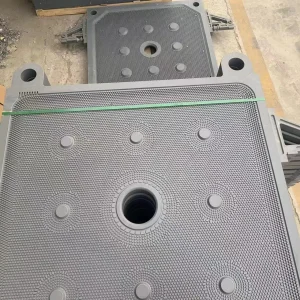
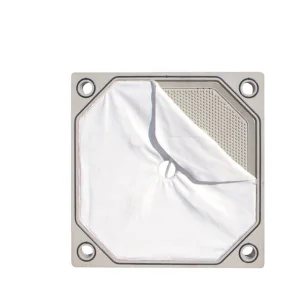
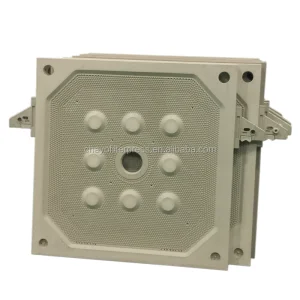
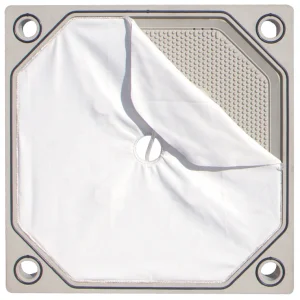
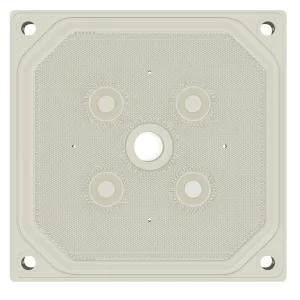
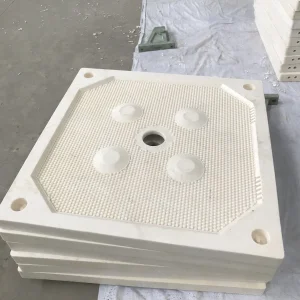
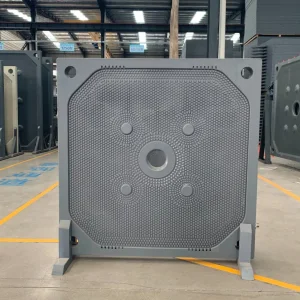
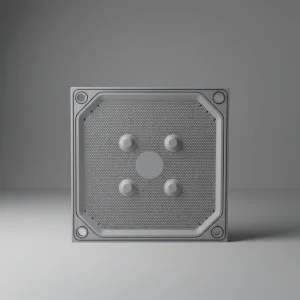
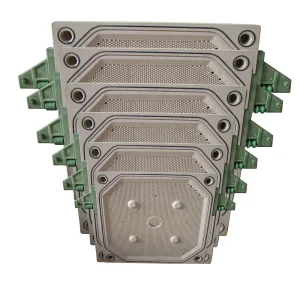
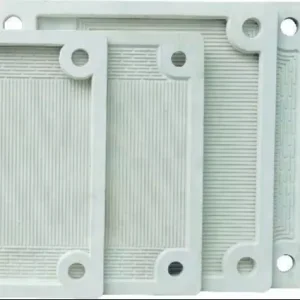
The core of a recessed filter plate's design is the concave chamber profile. When two plates are locked together under high hydraulic pressure, their matching recessed surfaces form a secure filtration chamber. Slurry enters through a centralized port, generating a uniform flow velocity across the filtration area.
Our design integrates engineered stay bosses—small raised support columns on the plate surface—that balance pressure variations across adjacent chambers. Without these stay bosses, pressure imbalances during early filling stages could cause structural deflection, resulting in gasket failure or structural damage.
The design of recessed filter plates is shifting toward higher automation, customized materials, and integrated diagnostic tracking. As filtration plants move toward smart systems, the components must adapt.
Developing embedded RFID chips and micro-pressure sensors within the plate body to monitor temperature, stress distribution, and cake thickness in real time.
Utilizing high-molecular-weight polypropylene (HMWPP) blended with thermoplastic elastomers to increase impact strength at low operating temperatures.
Optimizing gasket designs using Viton or EPDM elastomers, guaranteeing zero emissions when handling volatile organic compounds or hazardous materials.
Looking forward, the integration of autonomous cake discharge mechanisms and automated plate wash cycles requires plates to maintain precise external tolerances. Variations as small as 1mm can cause plate-shifting system malfunctions. As a result, modern manufacturers are switching from traditional cast molding to automated precision machining centers.
Recessed filter plates must perform reliably across a wide range of industrial environments. A single design cannot handle all materials. Choosing the right plate configuration depends on the specific operational conditions.
In gold, iron ore, and lithium mining operations, filter presses run continuously. The filter plates are subjected to high concentrations of abrasive solids. Enhanced PP recessed plates, featuring reinforced feed ports and abrasion-resistant surfaces, are designed to withstand abrasive mineral tailing flows under high pressures.
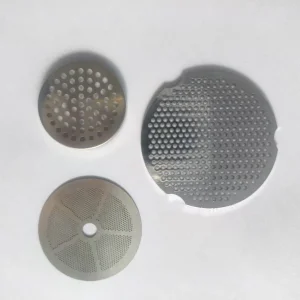
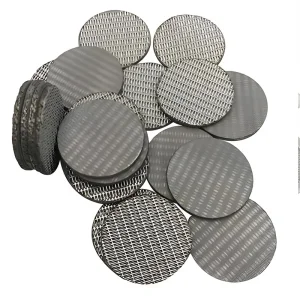
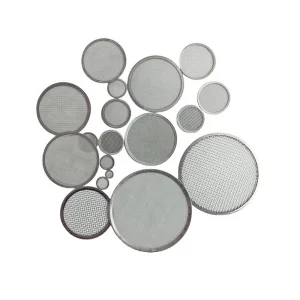
For chemical processing applications involving strong acids, hot alkalis, or organic solvents, standard plastics can degrade quickly. Specialty PVDF, high-density polyethylene, and stainless steel (304, 316L) sintered mesh plates are used to maintain structural stability, prevent chemical contamination, and ensure safe plant operation.
In cooking oil refining, brewing, and biopharmaceutical processing, system cleanliness is a priority. Food-grade polypropylene materials certified to FDA standards are designed to prevent contamination and bacterial growth. Smooth, non-porous surfaces allow for complete clean-in-place (CIP) sanitation cycles.
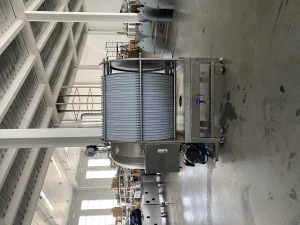
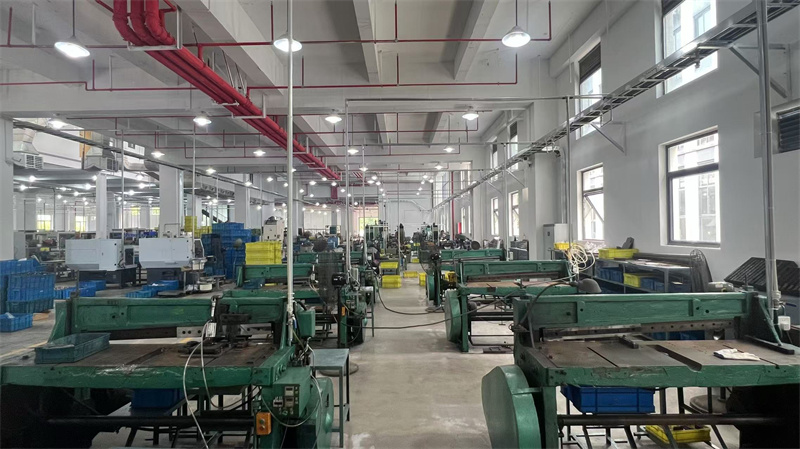
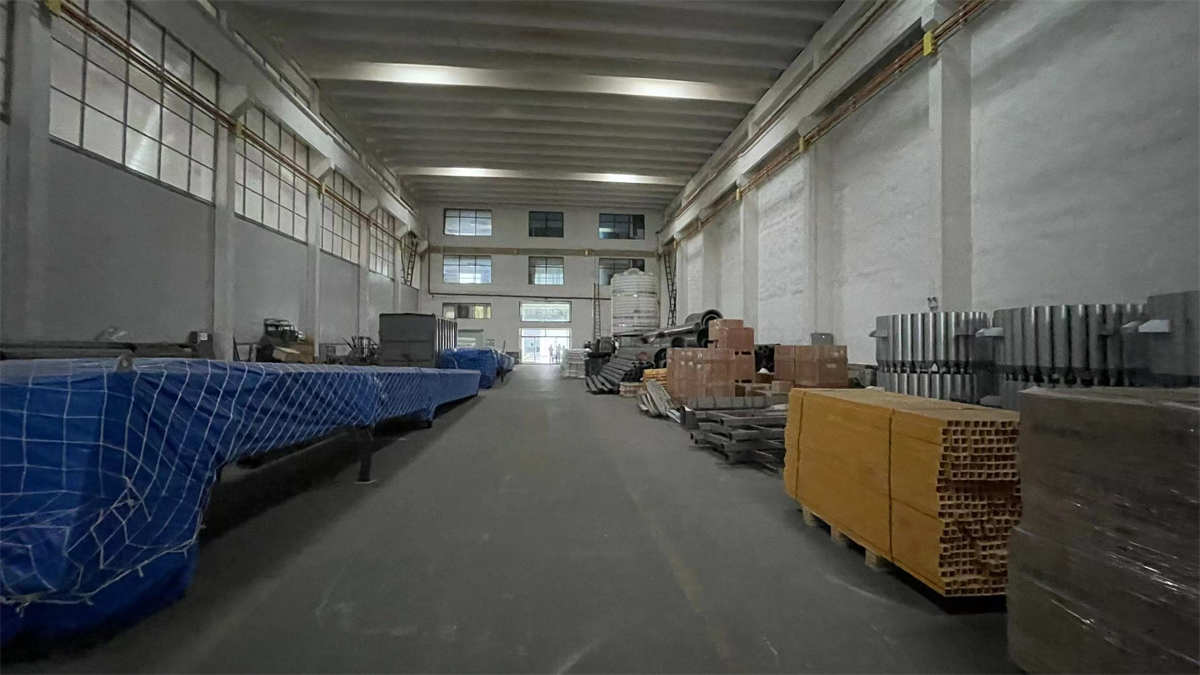
Changzhou Jovios Equipment Co., Ltd. is a professional manufacturer and solution provider specializing in solid-liquid separation and environmental protection equipment. Located in Changzhou National High-tech Industrial Development Zone, Jiangsu Province, China, the company operates a modern manufacturing base covering more than 50,000 square meters, equipped with advanced production facilities and a comprehensive quality inspection center.
Jovios independently designs, develops, and manufactures a complete range of filtration and separation equipment, including plate and frame filter presses, membrane filter presses, automatic filter presses, intelligent filtration systems, as well as high-performance filter plates and filter cloths. With an annual production capacity exceeding 1,000 units, our products are widely applied in municipal wastewater treatment, chemical processing, petroleum, mining, metallurgy, pharmaceuticals, food and beverage production, paper manufacturing, textile dyeing, ceramics, building materials, and many other industries.
Our Mission: At Jovios, we are dedicated to delivering efficient, energy-saving, and environmentally responsible separation solutions for industrial customers worldwide. Through continuous innovation and customer-focused engineering, we help businesses improve productivity, reduce operating costs, and achieve sustainable growth.
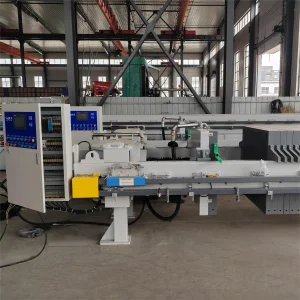
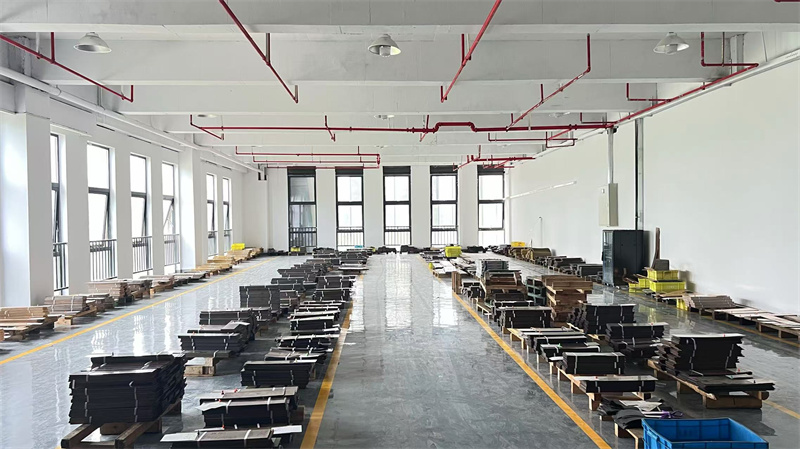
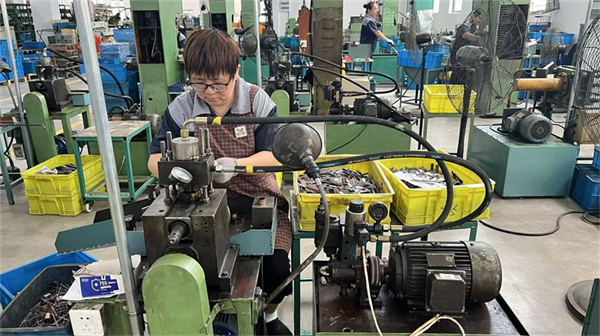
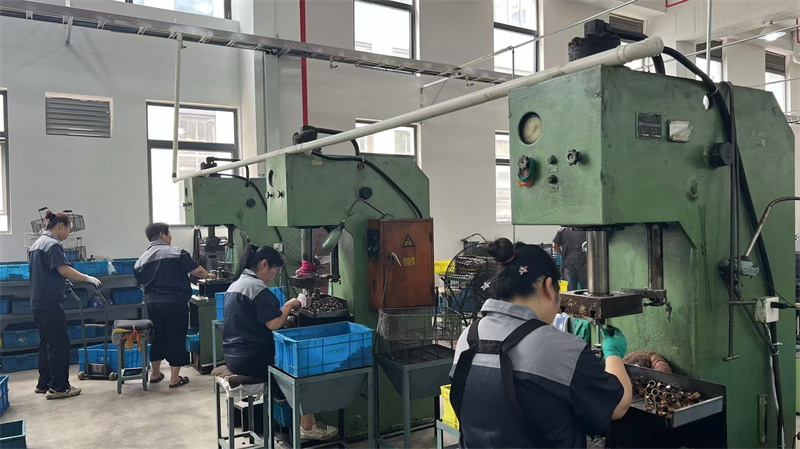
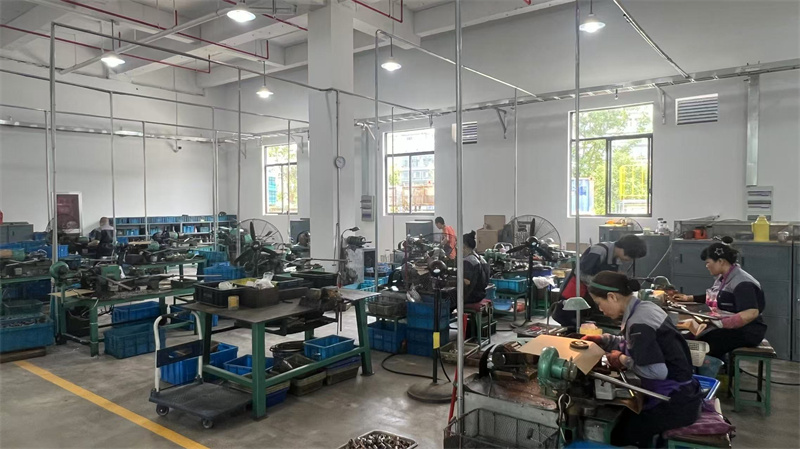
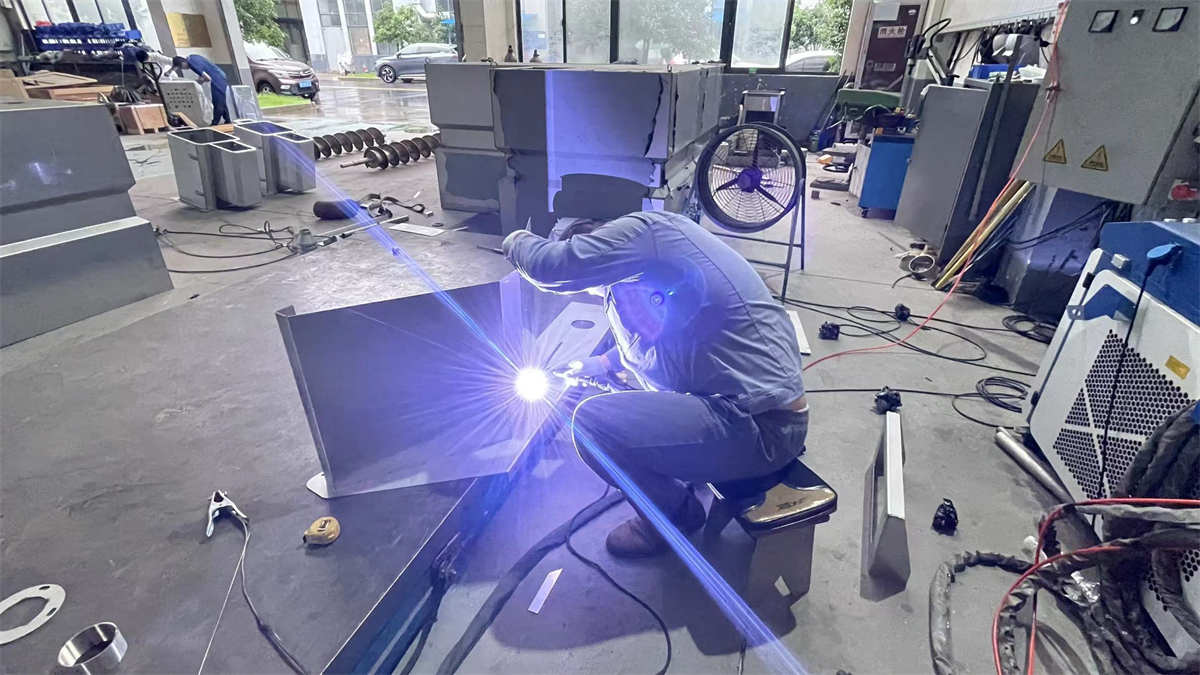
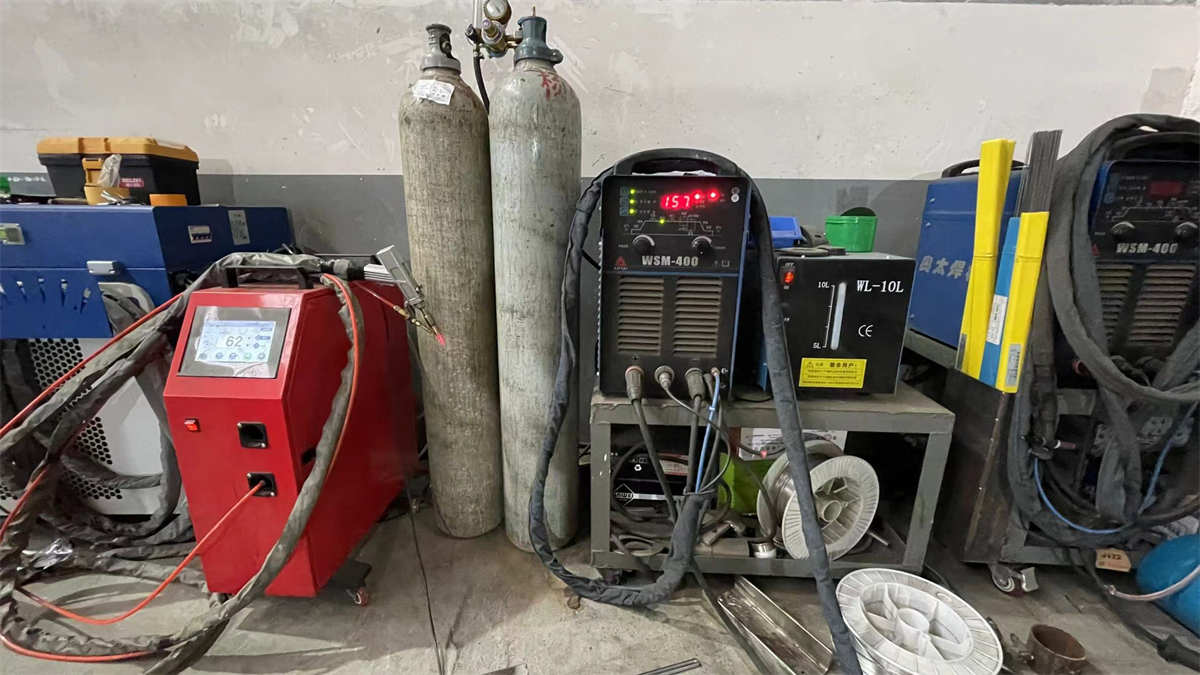
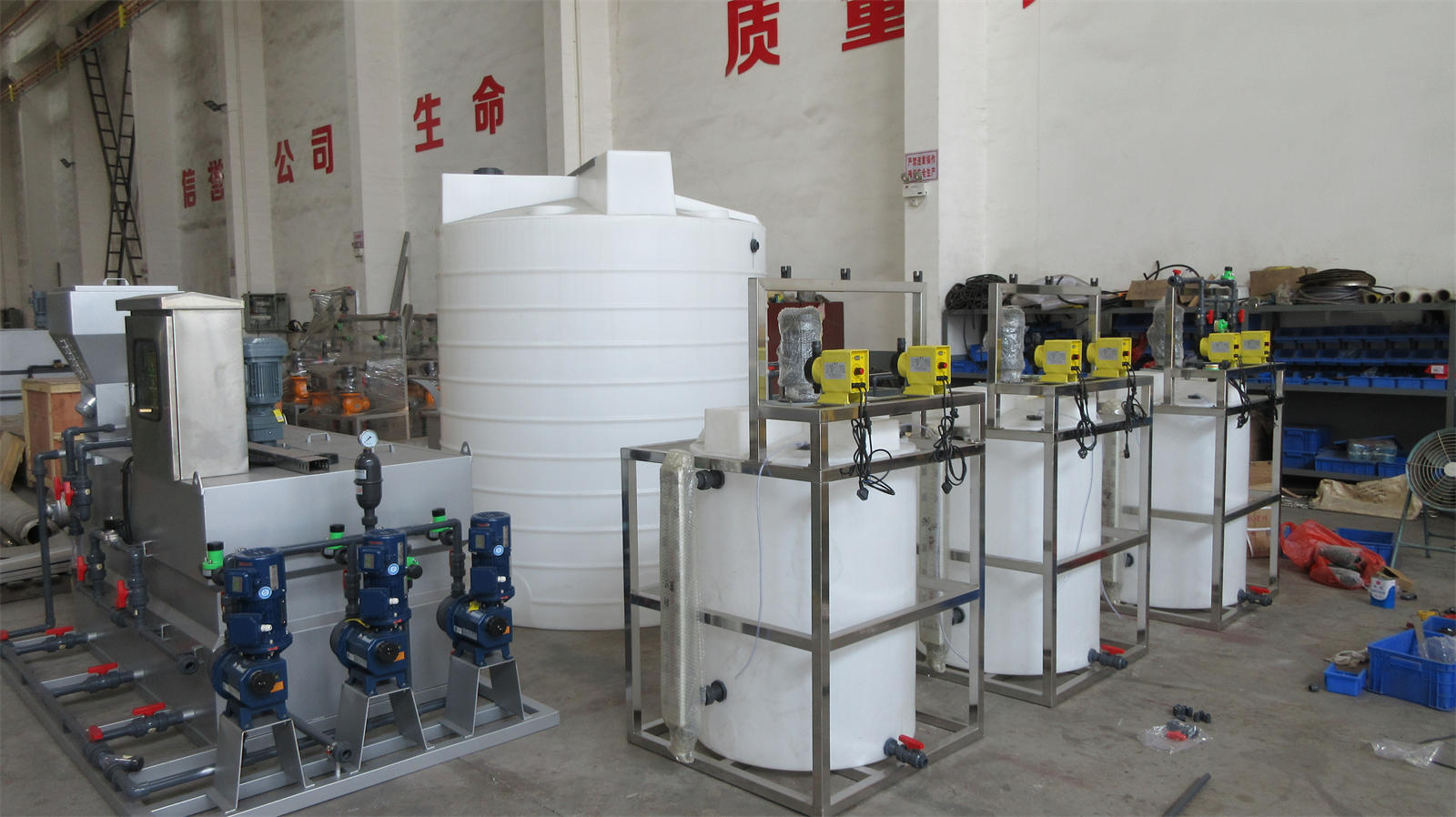
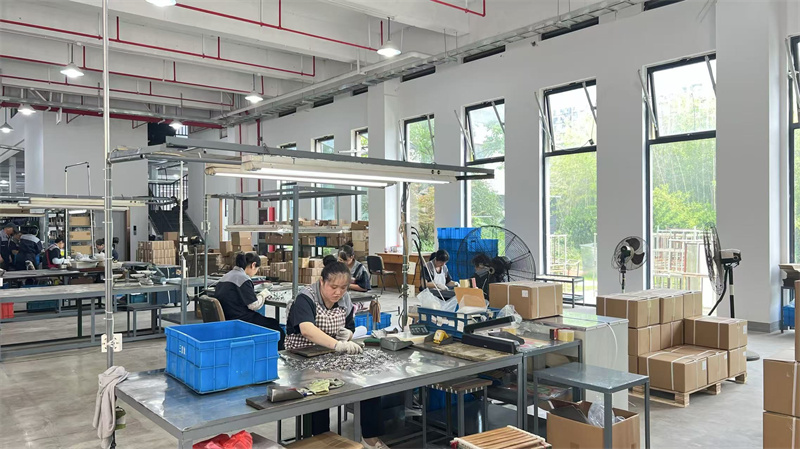
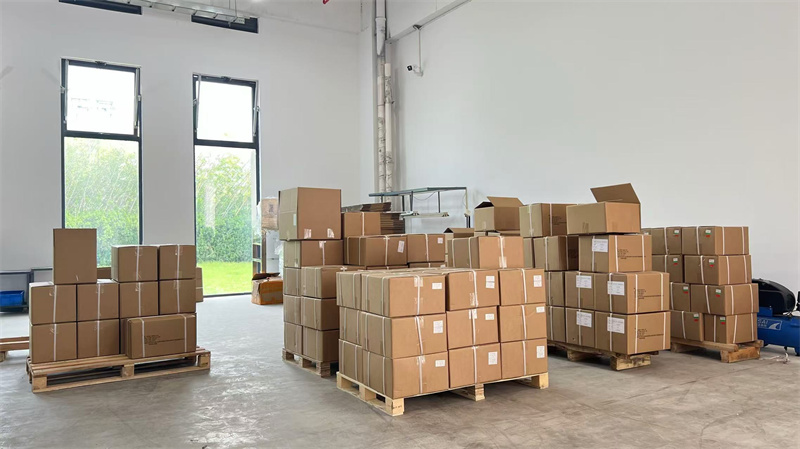
Our 50,000-square-meter facility utilizes automated processing machinery, testing systems, and specialized workstations. Below are the key manufacturing steps that ensure the quality of every plate we produce:

For procurement departments evaluating filter plate manufacturers, focusing on key parameters helps ensure the chosen product matches system requirements and operating conditions.
Determine if your process requires standard 6 bar, 10 bar, 16 bar, or high-pressure 20+ bar plates to avoid structural failures during fast injection cycles.
Choose between CGR (Clipped Gasket Recessed) for leak-proof operations handling chemical solvents, or Non-Gasketed plates for simpler applications.
Matching chamber depth (ranging from 15mm to 50mm) to solids concentration determines cycle times and prevents wet-core cake formations.
Partnering with a manufacturer that provides customized engineering support—such as Finite Element Analysis (FEA) testing for structural verification—helps minimize downtime during installation.
Jovios provides equipment engineered to meet global compliance standards. Our systems are certified to CE and ISO 9001:2015 regulations, ensuring reliable performance in demanding environments.
We understand that industrial operations depend on timely technical support. Our global technical service team assists customers with installation, system design adjustments, operational training, and maintenance scheduling. Through our network of regional partners, we supply replacement parts, including custom-cut filter cloths and plates, to keep your processes running smoothly.
Technical answers to key questions about recessed filter plate selection, operation, and maintenance.
A recessed chamber plate is a rigid solid plate that forms a fixed-volume chamber where solids are collected under feed pressure. A membrane plate features flexible membrane faces that inflate via air or water pressure to compress the filter cake, squeezing out additional moisture for drier cakes and shorter cycle times.
Virgin PP provides consistent tensile strength, thermal properties, and chemical resistance. Recycled polymers often contain impurities that can lead to stress cracking, reduced pressure capacity, and premature plate failure under high operating pressures.
CGR plates utilize an elastomer O-ring recess to create a leak-proof seal, preventing leakage of liquids or volatile organic compounds (VOCs). Non-gasketed plates are simpler and cost-effective, but allow minor edge weeping during initial pressurization.
Shallow chambers (15-20mm) accelerate cycle times and work well for fine, slow-filtering materials. Deeper chambers (30-50mm) hold more solids and are suitable for fast-filtering slurries, though they require longer cycle times to achieve dry cakes.
Warpage typically results from uneven pressure distribution inside the chamber. This can happen if the feed port is blocked, if feed pump pressures are inconsistent, or if the filter plates are misaligned during the clamping process.
Engineered for precision chemical separations, specialized industrial processes, and high-temperature filtration.
 Jovios Equipment