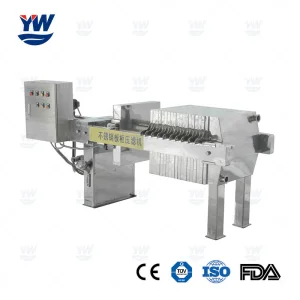
High-performance automatic, membrane, and stainless steel filter systems configured for international process standards.
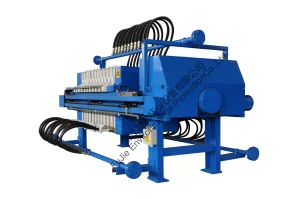
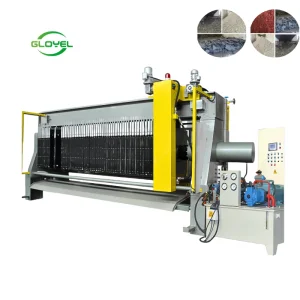
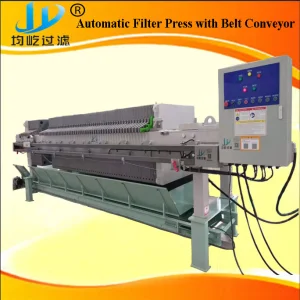
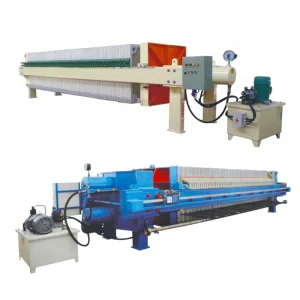
As modern process industries push toward Zero Liquid Discharge (ZLD) metrics, carbon mitigation, and closed-loop water reuse, the role of heavy-duty filtration technologies has undergone a critical paradigm shift.
Today's industrial ecosystems generate complex slurry streams characterized by high solids concentration, diverse particle size distribution, and aggressive chemical compositions. Standard gravitational sedimentation or centrifugal decantation systems frequently fail to reach the dryness thresholds required for sustainable solid disposal or downstream processing. This is where the Plate and Frame Filter Press becomes indispensable.
By applying mechanical pressure ranging from 6 bar up to 25 bar or more via hydraulic actuation and diaphragm squeeze cycles, modern filter presses force liquid phase migration through specialized filter media, leaving behind highly consolidated solid cakes. This mechanical dewatering process significantly reduces thermal drying energy requirements, directly impacting the facility's carbon footprint and operational expenditures (OPEX).
Across key global regions—including mining sectors in South America and Australia, petrochemical installations in the Middle East, and municipal wastewater treatment networks throughout Europe and North America—the demands on filter press configurations are shifting. Process operators no longer look for simple machinery; they require integrated systems offering high reliability, process validation capabilities, and custom-tailored automation. In the following sections, we explore how Changzhou Jovios Equipment Co., Ltd. serves as a reliable global partner, delivering world-class manufacturing, technical innovation, and supply chain reliability.
Changzhou Jovios Equipment Co., Ltd. – Leading the Era of Intelligent Separation
Based in the high-tech industrial node of the Changzhou National High-tech Industrial Development Zone, Jiangsu Province, China, Changzhou Jovios Equipment Co., Ltd. has established itself as an engineering authority in solid-liquid separation and environmental protection equipment. Operating from a modern, vertically integrated 50,000 square meter manufacturing base, Jovios produces over 1,000 filtration units annually, serving demanding industrial clients in more than 40 countries.
Jovios independently designs, develops, and manufactures a comprehensive portfolio of filtration systems, including classic plate and frame filter presses, high-pressure chamber membrane filter presses, fully automatic systems, and customized process units. Our expertise extends to the precise formulation of filter plates (from virgin polypropylene to high-temperature cast iron) and custom-woven filter media optimized for specific particle capture requirements.
Our operational capability is rooted in our dedicated research and development team, consisting of over 30 senior engineers and technical specialists. By working alongside top universities and environmental research institutes, we continuously refine our hydraulic structures, automated control mechanisms, and cake washing processes. This R&D commitment ensures that every Jovios machine provides optimal throughput, reduced cycle times, and robust operation under extreme field conditions.
A look into our vertically integrated manufacturing facility in Changzhou, showcasing precision machining and quality assurance steps.
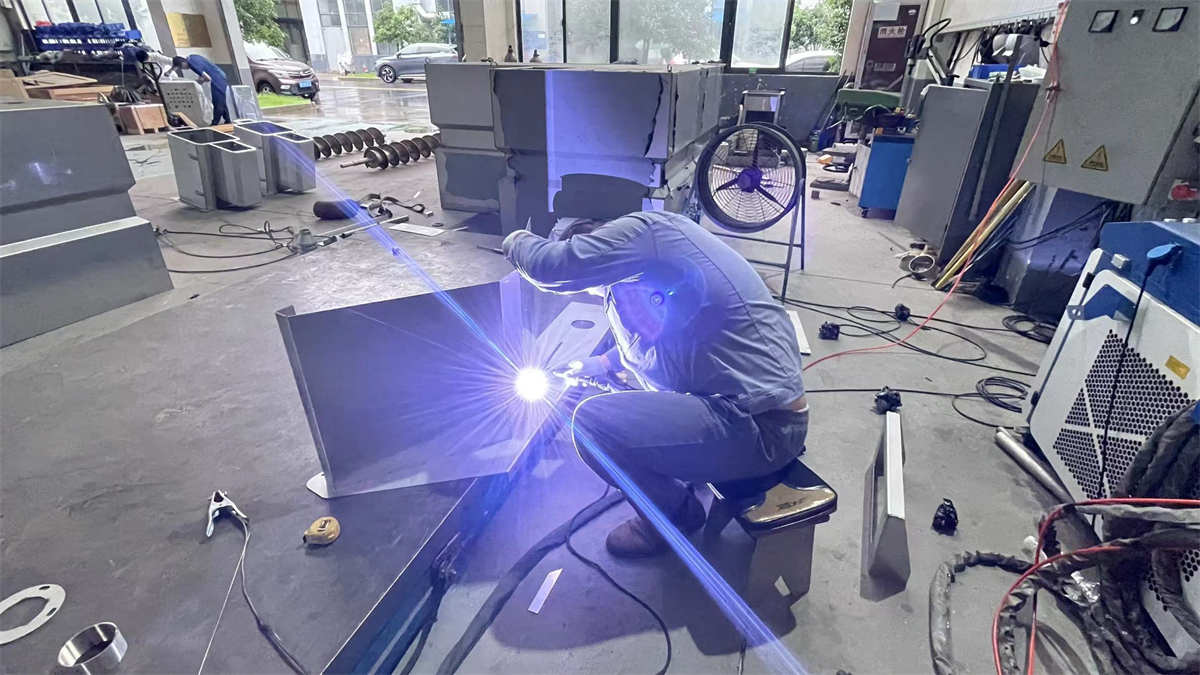
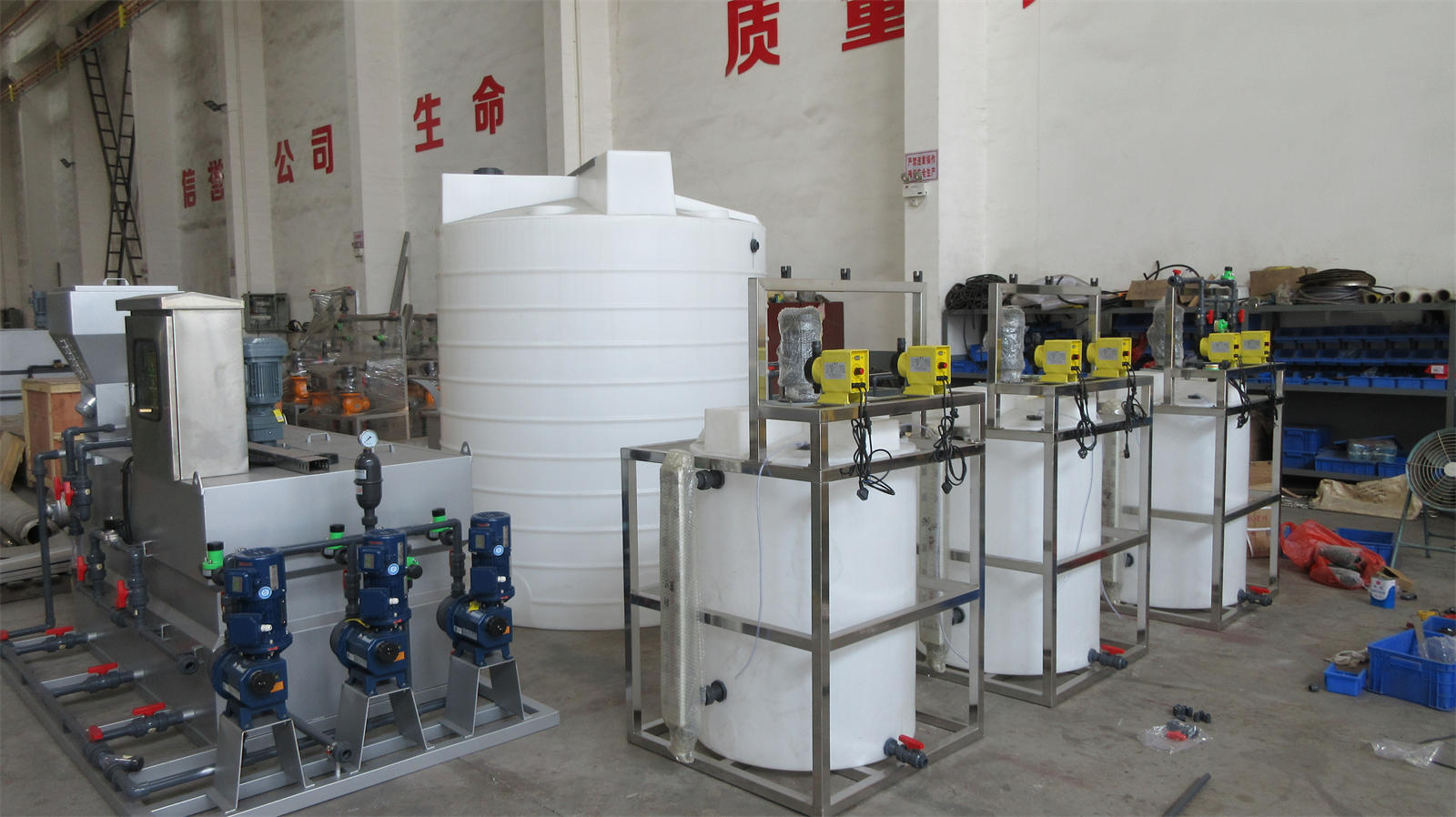
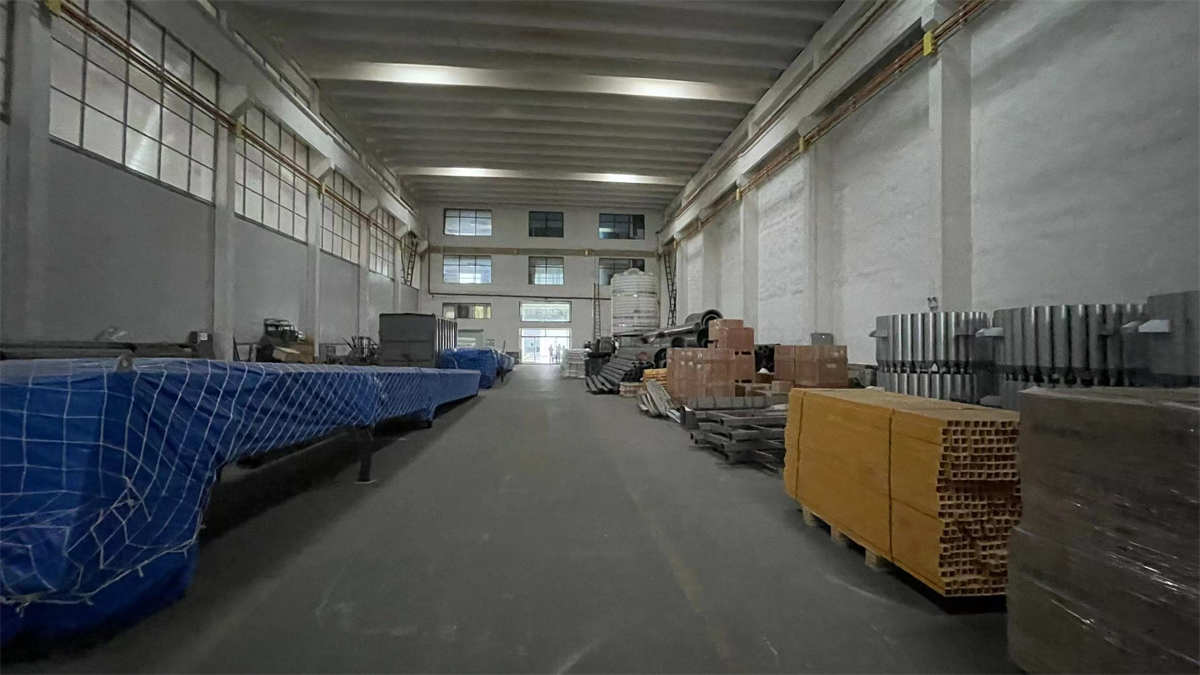
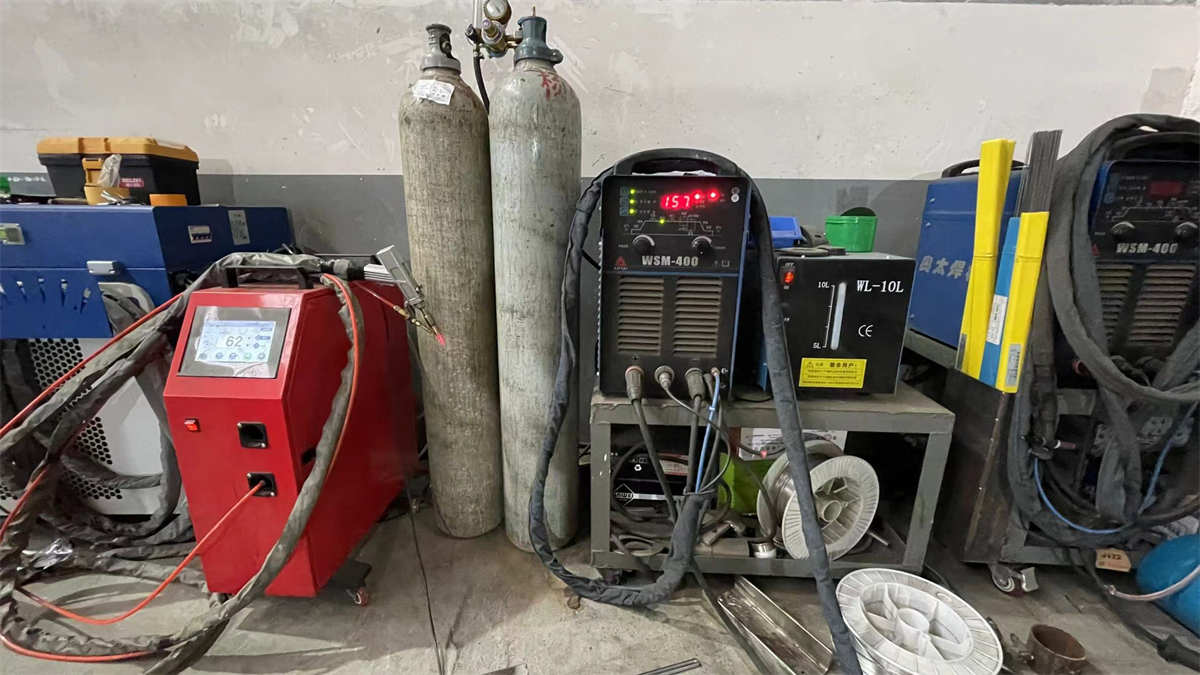
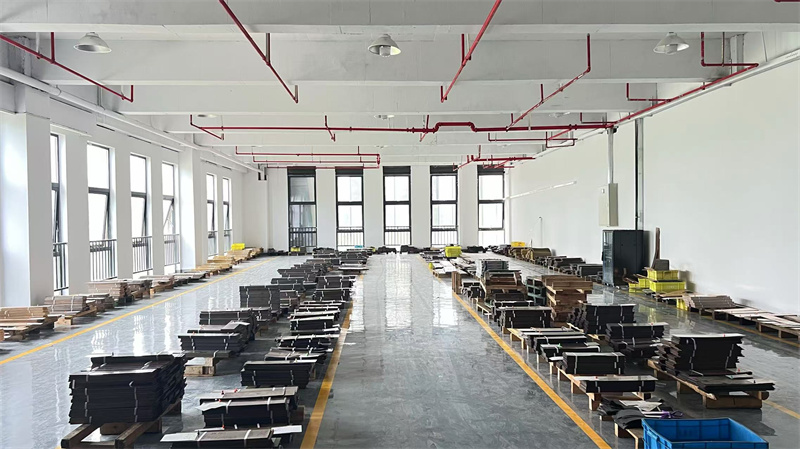
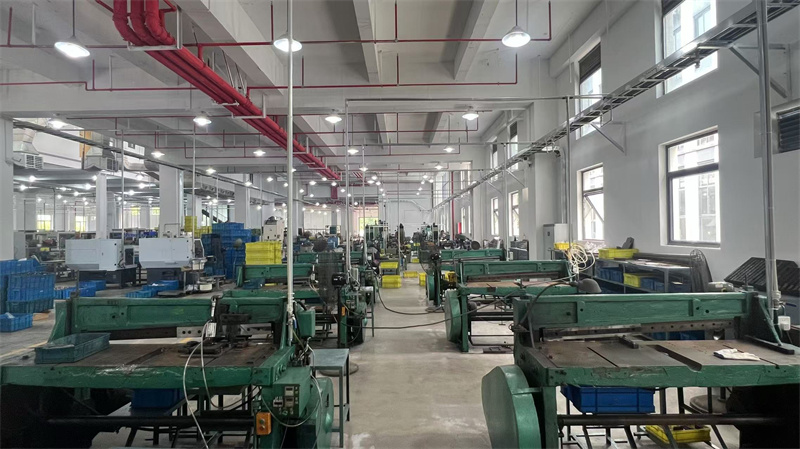
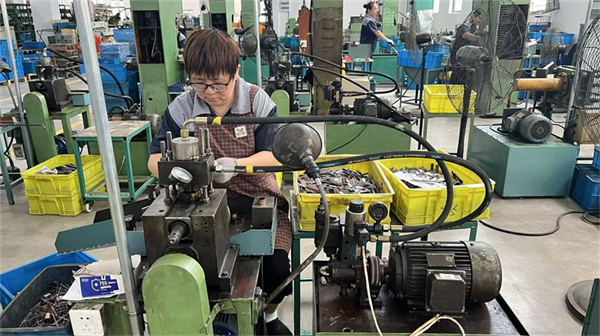
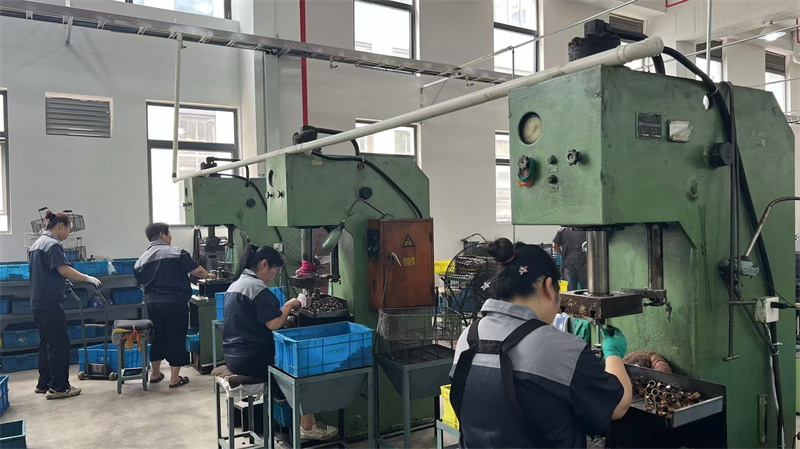
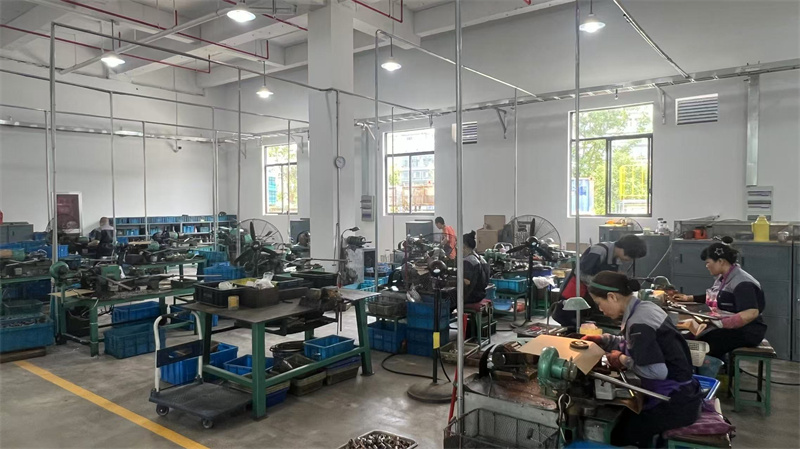
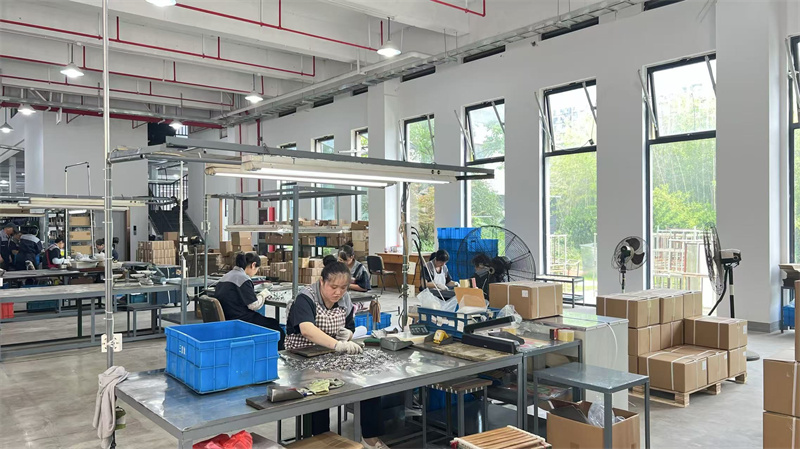
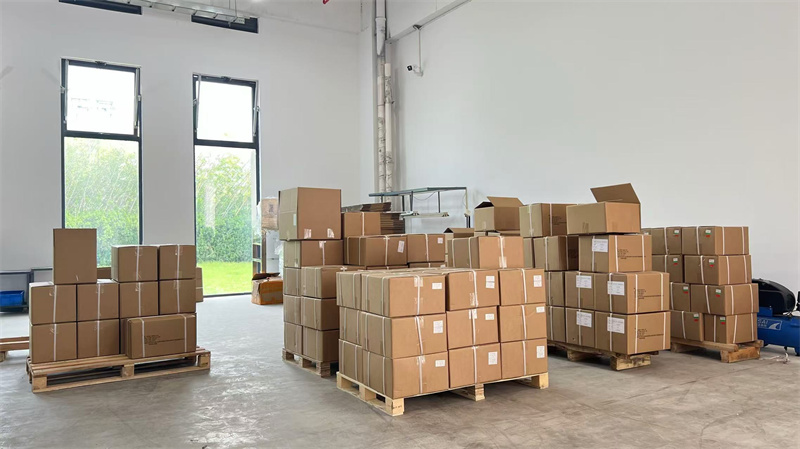
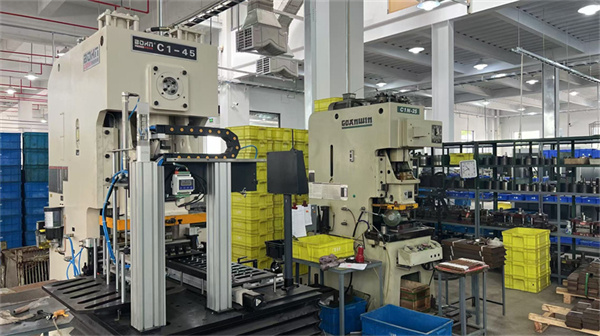
Why sourcing from Jovios' Changzhou manufacturing hub provides distinct cost and timeline advantages.
From raw steel shearing and roll bending to hydraulic assembly, PLC programming, and final testing, we control the entire value chain in-house. This minimizes reliance on third-party vendors and ensures strict quality control.
Each structural component undergoes ultrasound weld checking, hydraulic cylinder pressure-holding tests, and complete mechanical dry runs prior to packing. Our ISO 9001 certification underpins every step of production.
Located in the Yangtze River Delta industrial cluster, we leverage immediate access to high-grade steel, advanced polymer components, and international shipping lanes. This ecosystem allows us to achieve short delivery windows even for custom builds.
For global buyers, the combination of Jovios' specialized engineering expertise and China's manufacturing ecosystem translates into a highly competitive Total Cost of Ownership (TCO). Rather than paying premium pricing for standard configurations, our customers receive customized solid-liquid separation equipment tailored to their feed slurries, built to international standards, and delivered on schedule.
Understanding the technical variations between Chamber, Membrane, and Stainless Steel filtration options.
| Filter Press Type | Common Chamber Volume | Max Squeezing Pressure | Ideal Slurry Application | Key Performance Benefit |
|---|---|---|---|---|
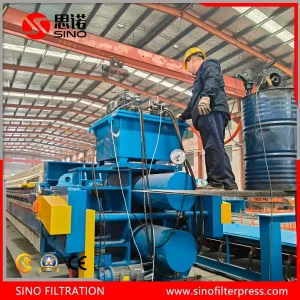
| Chamber Filter Press | 0.1 m³ to 20 m³ | 6 - 10 bar | Inorganic tailings, sand washing, construction mud | Low maintenance, high reliability, simple design |
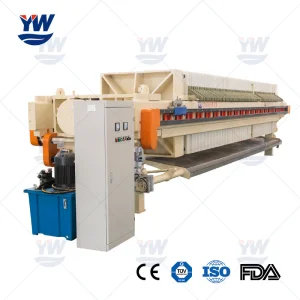
| Membrane Filter Press | 0.5 m³ to 30 m³ | 12 - 25 bar (diaphragm) | Municipal sludge, chemical waste, biological sludge | Ultra-dry filter cakes, shorter cycle times, cake washing efficiency |
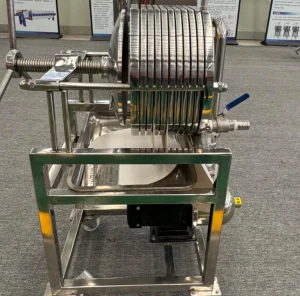
| Stainless Steel Plate & Frame | 0.05 m³ to 5 m³ | 4 - 8 bar | Food, beverages (beer/wine), pharmaceutical APIs | Sanitary execution, corrosion resistance, GMP compliant |
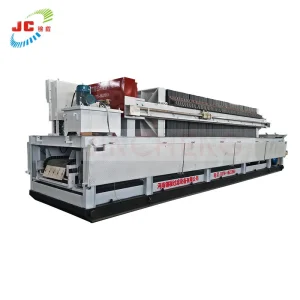
| Cast Iron Plate & Frame | 0.2 m³ to 10 m³ | 8 - 12 bar | High-temperature organic synthesis, oil refinery waste | Extreme temperature tolerance, high mechanical durability |
Adapting solid-liquid separation technology to regional climates, regulatory structures, and industrial realities.
In the high-altitude mining areas of the Andes or the dry expanses of Western Australia, water conservation is a critical operational constraint. Jovios designs high-pressure chamber and membrane filter presses specifically for mining tailings. These systems process fine-grained copper, gold, or iron ore slurries, recovering up to 95% of process water for immediate reuse. The resulting cakes are stable enough for dry stack tailings disposal, mitigating the risk of tailing dam failures and satisfying stringent environmental regulations.
For breweries, wineries, and edible oil refining plants, system cleanliness and compliance with FDA or EU food-contact standards are non-negotiable. Jovios provides specialized stainless steel plate and frame filter presses. Using food-grade polypropylene or stainless steel plates, these units feature automated CIP (Clean-in-Place) systems and sanitary valves, ensuring batch purity and preventing cross-contamination while maintaining high filtration clarity.
Urban municipal wastewater plants must process high volumes of biological sludge. Standard decanter centrifuges often yield cakes with 75-80% moisture, which are expensive to transport and landfill. Jovios automatic membrane filter presses use air or water squeeze technology to reduce cake moisture to under 60%. This substantial volume reduction lowers disposal costs and allows for direct incineration or composting, supporting municipal waste-to-energy initiatives.
How Jovios integrates digital control, smart automation, and energy-efficient hydraulics into modern filtration systems.
We are transitioning our filtration platforms to feature smart sensors that monitor feed pressure, filtrate clarity, and hydraulic fluid temperature in real-time. This data is fed into an industrial PLC with cloud connectivity, allowing for predictive maintenance and remote troubleshooting.
Rather than relying on fixed-time cycles, our advanced control algorithms analyze the rate of filtrate discharge. The system automatically determines when the chamber is full and initiates the membrane squeeze cycle at the optimal moment, reducing cycle times by up to 20%.
By utilizing variable-frequency drives (VFDs) on our hydraulic power packs, we significantly reduce idle energy consumption. The hydraulic system only draws peak power during the clamping and membrane squeezing phases, leading to lower operating costs.
Ensuring mechanical safety, electrical compliance, and reliable operation throughout the life of the machine.
A primary challenge for international buyers of heavy machinery is ensuring the equipment meets local safety and regulatory standards. Jovios designs and builds its filtration systems in strict compliance with international mechanical and electrical codes, including CE directives, ASME pressure vessel standards, and ATEX/IECEx certifications for hazardous environments.
Jovios provides end-to-end service support to ensure your system performs reliably from day one. Our lifecycle support packages include:
Answers to common engineering questions regarding plate and frame filter press selection, operation, and maintenance.
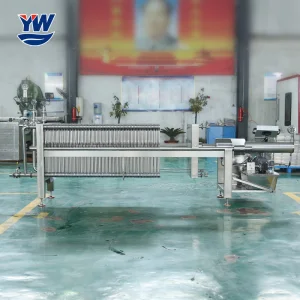
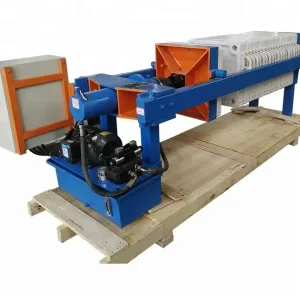
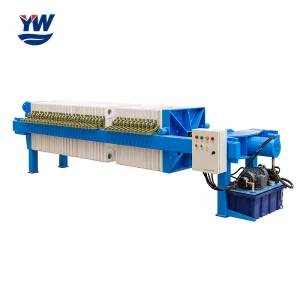
Specialty environmental, high-temperature cast iron, and food-grade stainless steel filter presses configured for specific process demands.
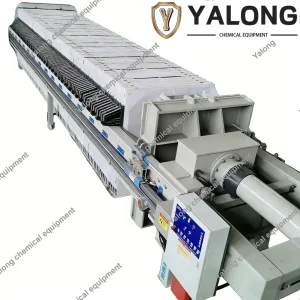
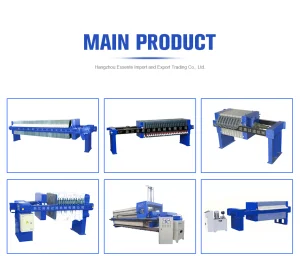
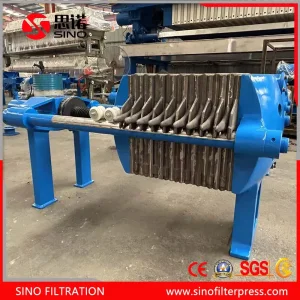
 Jovios Equipment