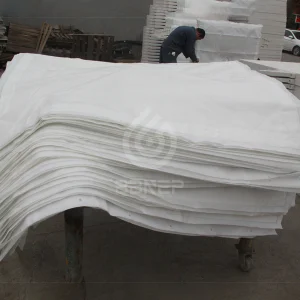
Explore our engineered industrial-grade nylon filter meshes designed for high tensile strength, outstanding chemical resistance, and precise particle size retention.
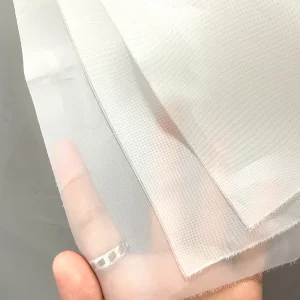
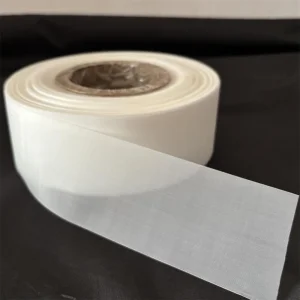
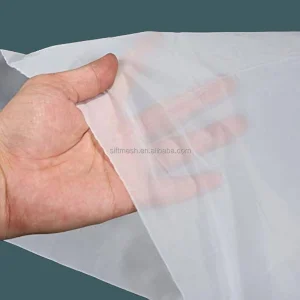
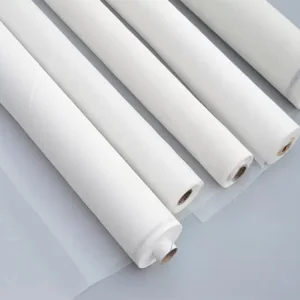

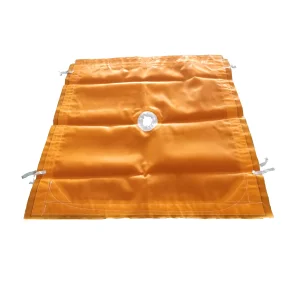
Synthetic filtration media have revolutionized solid-liquid and solid-gas separation across heavy industrial, pharmaceutical, municipal, and agricultural operations. Among these, nylon (polyamide) stands out due to its exceptional combination of high mechanical strength, elastic recovery, and remarkable abrasion resistance. Unlike polyester (PET) or polypropylene (PP), nylon contains amide linkages (-CO-NH-) in its molecular backbone, yielding unique characteristics such as high water absorption capacity, excellent alkaline stability, and superior elasticity.
When selecting a nylon filter cloth, engineers typically evaluate two primary chemical variants: Polyamide 6 (PA6) and Polyamide 66 (PA66). Polyamide 66 features a melting point of approximately 260°C, providing slightly superior heat resistance and tensile elasticity compared to Polyamide 6, which melts near 220°C. Both materials exhibit outstanding performance under high-torque dynamic stress. This makes them ideal for equipment such as rotary vacuum filters, vacuum drum washers, disc filters, and standard plate-and-frame filter presses. Understanding these polymer profiles ensures that system operators maximize filter lifetime and minimize replacement cycles.
Engineering Principle: The selection of the monofilament diameter and the weave density directly influences the capillary flow behavior and the cake discharge efficiency. Proper polymer selection prevents premature blind spots and maintains reliable operating pressure differentials across the system.
The operational environment dictates the required technical configuration of the nylon media. Factors such as operating temperature, pH ranges, mechanical tension, and particle morphology are critical criteria for material selection. The table below highlights the physical attributes of our premium-grade polyamide filters:
| Technical Parameter | Polyamide 6 (PA6) Monofilament | Polyamide 66 (PA66) Monofilament | Industrial Standard Compliance |
|---|---|---|---|
| Density (g/cm³) | 1.13 - 1.15 | 1.14 - 1.16 | ISO 1183 |
| Melting Point (°C) | 215 - 220 | 255 - 260 | ASTM D3418 |
| Dry Tensile Strength (cN/dtex) | 6.0 - 8.5 | 6.5 - 9.0 | ISO 2062 |
| Elongation at Break (%) | 18 - 35 | 15 - 30 | ISO 2062 |
| Continuous Operating Temp (°C) | ≤ 100 | ≤ 120 | Continuous exposure limits |
| Alkali Resistance | Excellent | Excellent | pH 7 - 14 stable |
| Acid Resistance | Poor / Moderate | Poor / Moderate | Degrades in strong mineral acids |
In the procurement of nylon filter cloth, clarity regarding the filtration mechanism is essential. Users searching for "nylon filter cloth manufacturers" often require solutions for specific filtration cut-offs, ranging from absolute micron ratings to nominal apertures. Industrial applications depend on precise pore-size distributions to prevent two major issues: "bleeding" (particle bypass) and "blinding" (pore clogging).
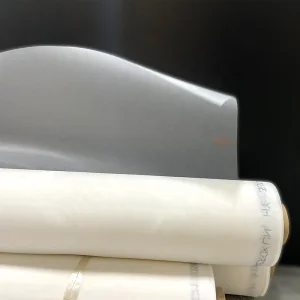
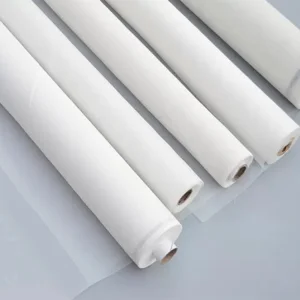
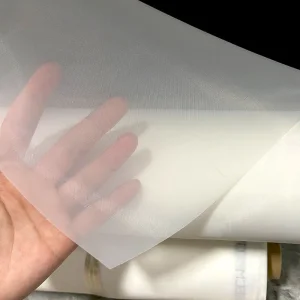
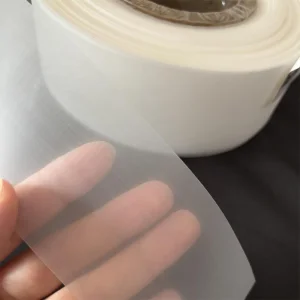
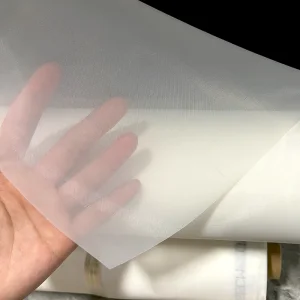
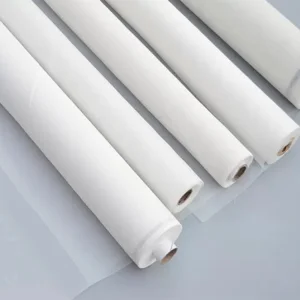
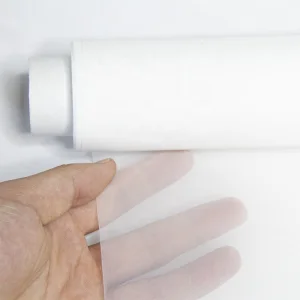
The pore structure is determined by the weave pattern. Monofilament nylon filter cloth features single, smooth synthetic strands woven into precise, square or rectangular openings. This clean configuration yields very low flow resistance, minimal cake adhesion, and easy cleaning. It is highly effective for fine wet processes such as flour milling, mineral tailing classification, and pharmaceutical separations. In contrast, multifilament weaves consist of several tiny filaments twisted together into yarns. This design captures finer particles within the structure, but it is more susceptible to progressive blinding, making it better suited for applications where deep filtration or high tensile strength is prioritized over easy cake discharge.
Provides the most stable, uniform pore sizing. Ideal for high-precision screening (e.g., 25μm to 150μm food-grade sifting) where consistent particle separation is critical.
Offers greater fabric density, flexibility, and improved wear resistance. Best suited for high-pressure industrial filter presses managing highly abrasive mineral slurries.
Provides a smooth, slick contact surface that facilitates immediate filter cake discharge. This reduces cycle times and optimizes overall washing efficiency.
The applications for nylon filter media vary by region. In North America and Western Europe, municipal environmental regulations demand highly efficient solid-liquid separation. This has driven the adoption of fine-mesh monofilament PA66 filters in municipal sludge dewatering and high-volume wastewater polishing. In contrast, emerging manufacturing hubs in Southeast Asia, Central America, and Eastern Europe rely heavily on durable, food-grade nylon meshes to support agricultural exports and food production operations.
Here are key localized scenarios where our nylon filter fabrics are widely used:
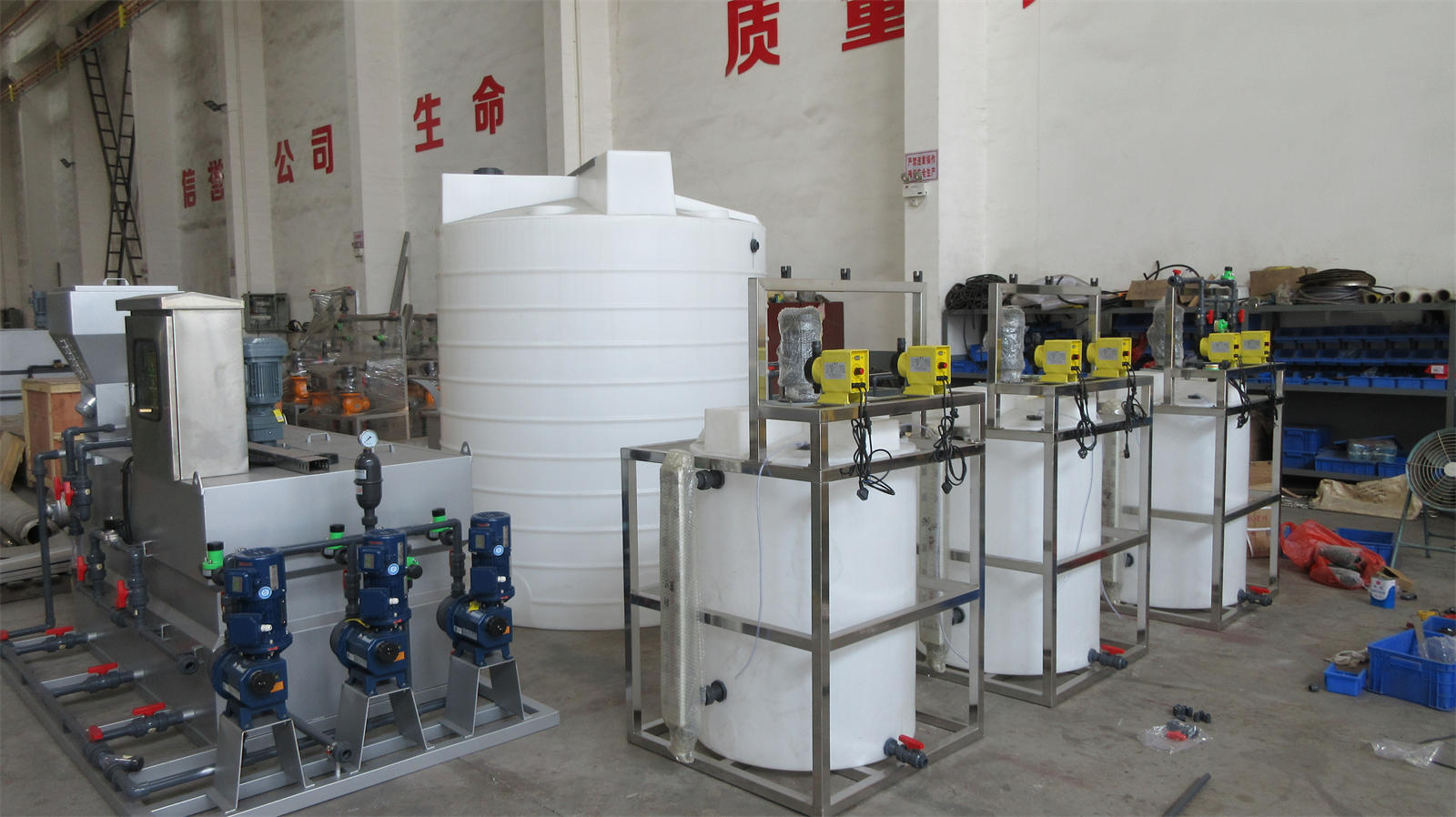
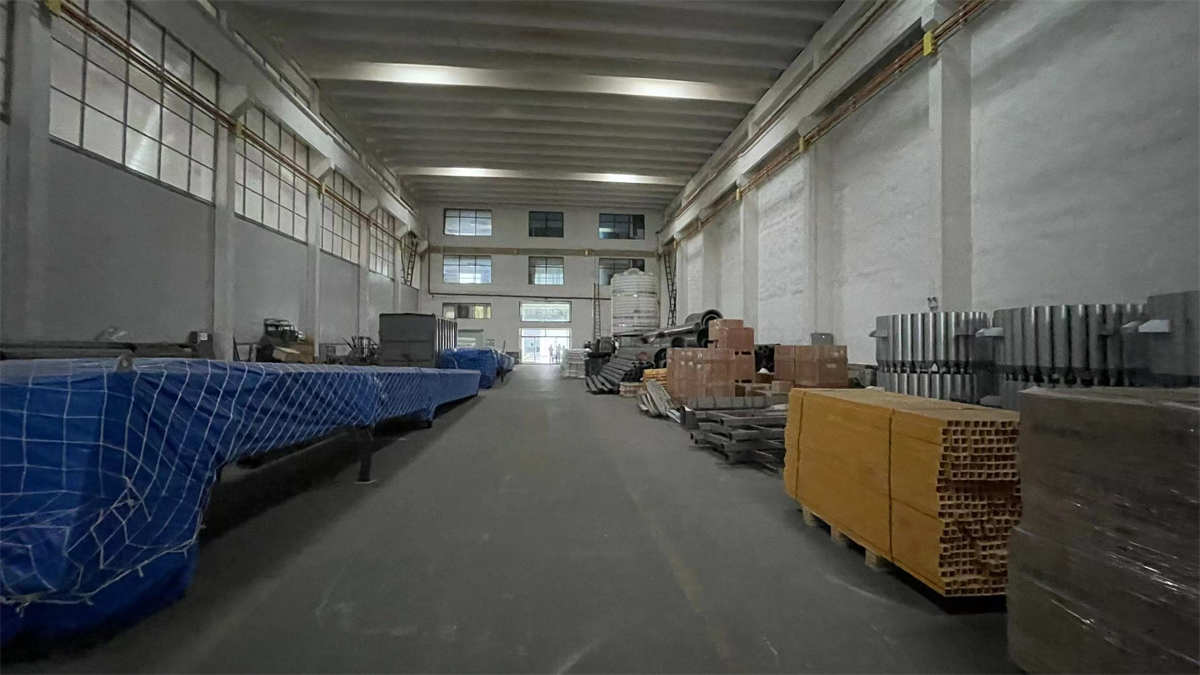
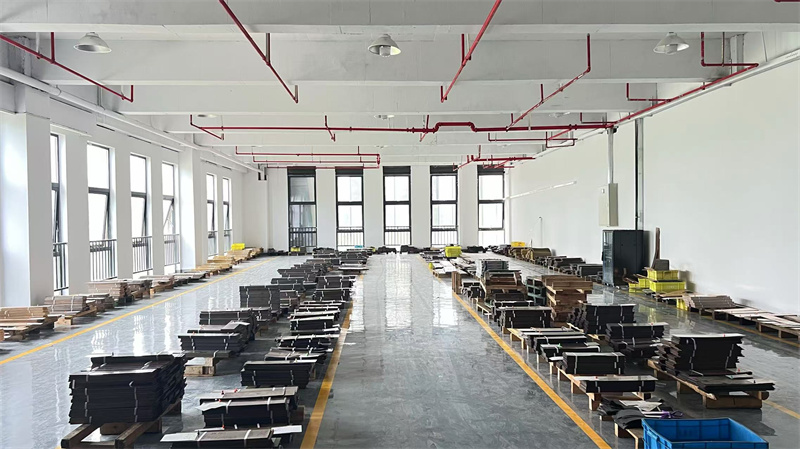
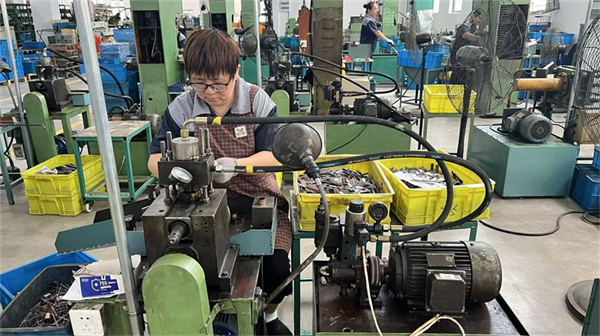
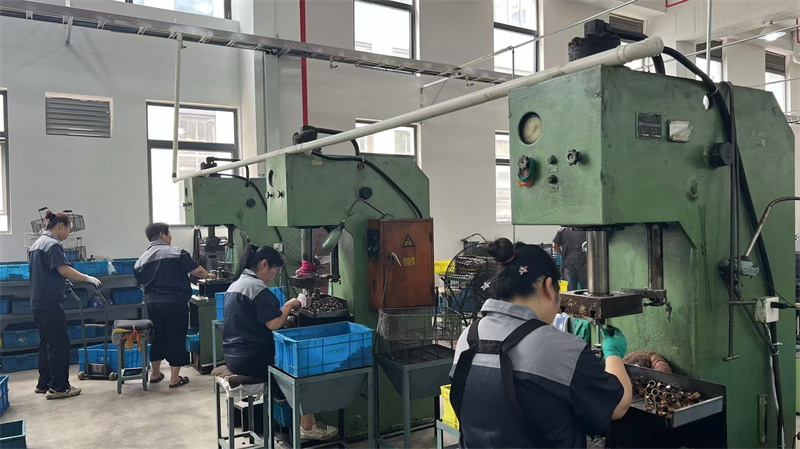
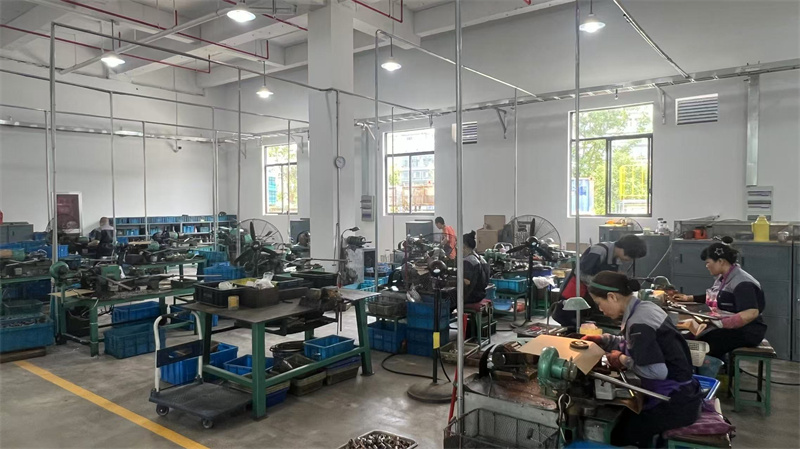
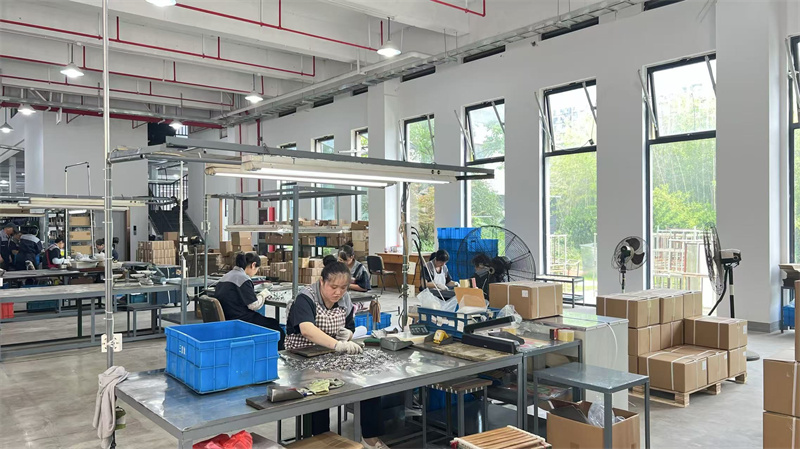
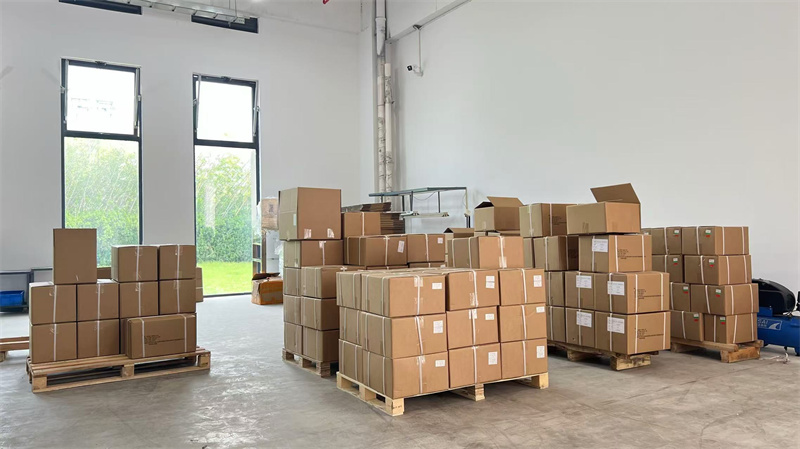
In the modern industrial landscape, supply chain stability is just as important as technical performance. Operating from the Changzhou National High-tech Industrial Development Zone in Jiangsu Province, China, Changzhou Jovios Equipment Co., Ltd. maintains a modern 50,000-square-meter manufacturing base. This location provides access to highly efficient supply chains, direct raw material sourcing, and convenient logistics hubs.
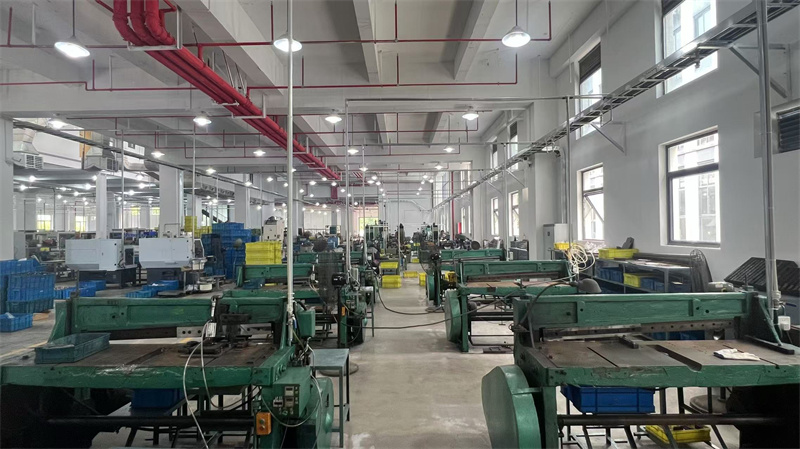
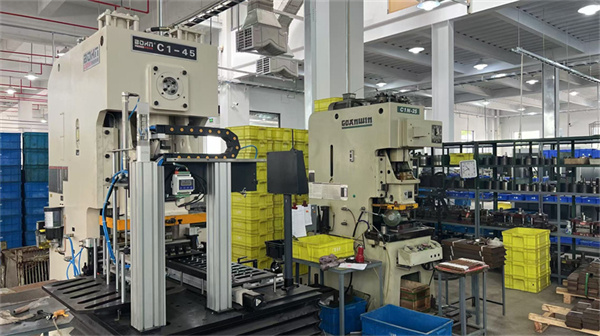
Our facility integrates raw polymer formulation, high-precision monofilament drawing, weaving, calendering, heat-setting, and final fabrication under one roof. This vertical integration allows us to respond quickly to custom specification requests while maintaining consistent quality. We employ shuttleless Swiss-made Sulzer looms to ensure uniform warp and weft tension. This is critical for producing meshes with precise pore opening tolerances (+/- 5% or better), even down to 5 microns.
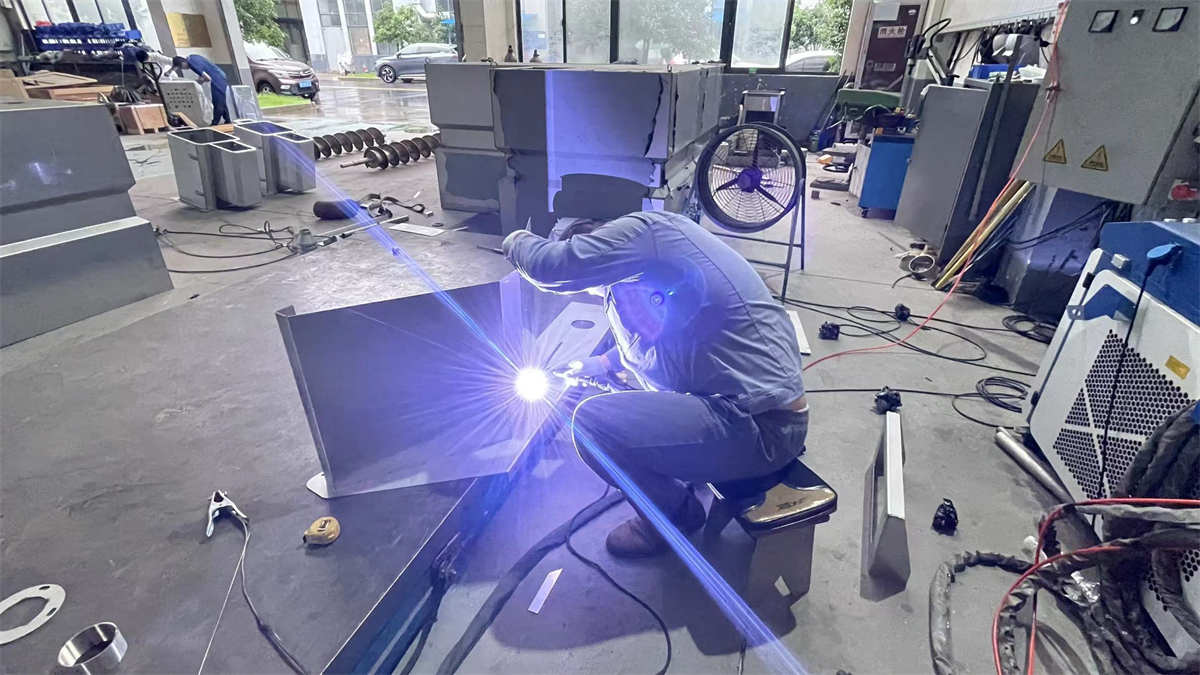
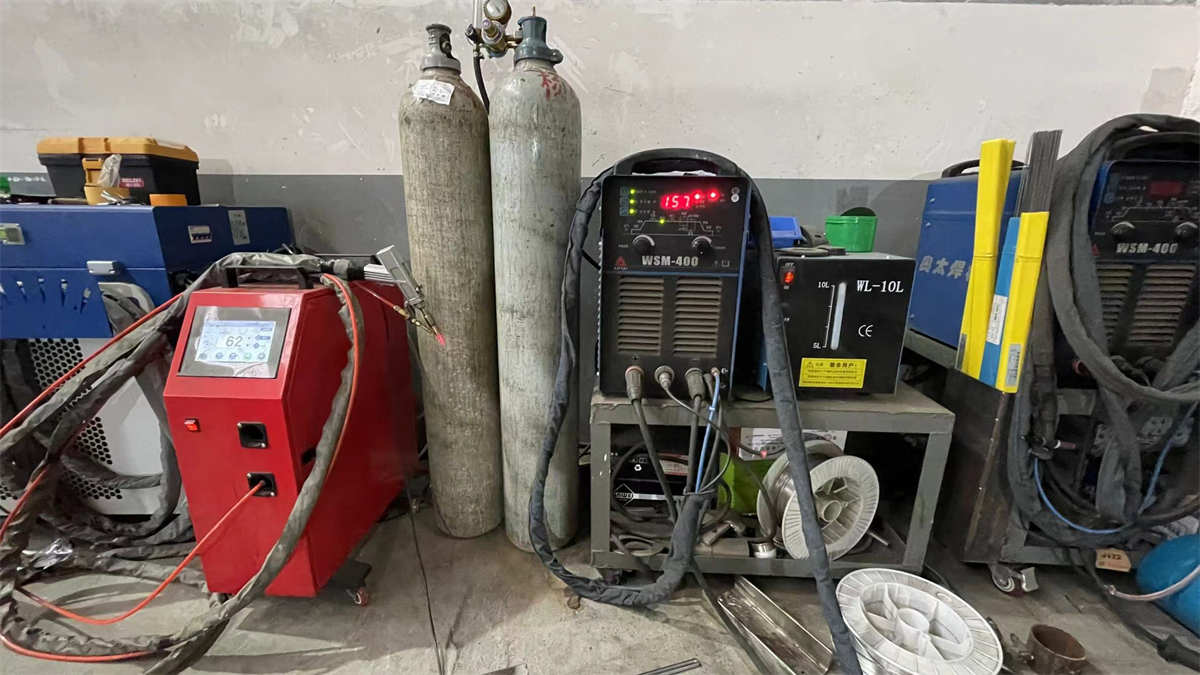
By coupling this advanced weaving infrastructure with our heavy fabrication capabilities—including custom plate-and-frame filter presses—Jovios delivers complete, integrated filtration systems. This eliminates compatibility issues between the filter media and the filtration machinery, reducing commissioning times and operational risks for our global customers.
Industrial filtration is evolving toward smaller particle retention, higher energy efficiency, and reduced environmental impact. The research and development team at Changzhou Jovios Equipment Co., Ltd. focuses on three key technical areas:
Changzhou Jovios Equipment Co., Ltd. combines engineering design with precision manufacturing to deliver reliable solid-liquid separation solutions globally.
Changzhou Jovios Equipment Co., Ltd. is a professional manufacturer and solution provider specializing in solid-liquid separation and environmental protection equipment. Operating a modern manufacturing base covering more than 50,000 square meters, our facility is equipped with advanced production machinery and a comprehensive quality inspection center.
We independently design, develop, and manufacture a complete range of filtration and separation equipment. This includes plate and frame filter presses, membrane filter presses, automatic filter presses, intelligent filtration systems, and high-performance filter cloths. With an annual production capacity exceeding 1,000 units, our products serve municipal wastewater treatment, chemical processing, metallurgy, mining, food and beverage production, and pharmaceutical manufacturing.
Supported by a global sales and service network, Jovios offers technical support throughout the entire project lifecycle—from process design and equipment selection to installation, commissioning, and after-sales service.
Answers to common engineering and procurement questions regarding nylon filter cloth selection, maintenance, and chemical compatibility.
Discover our heavy-duty industrial series, blending polymer configurations to meet specialized liquid-solid separation requirements.
 Jovios Equipment