Choosing the right filter press cloth is critical for operational efficiency. Renowned filtration expert Dr. Sarah Miller emphasizes, "The right cloth can make or break your filtration process." With various options available, making an informed decision is essential.
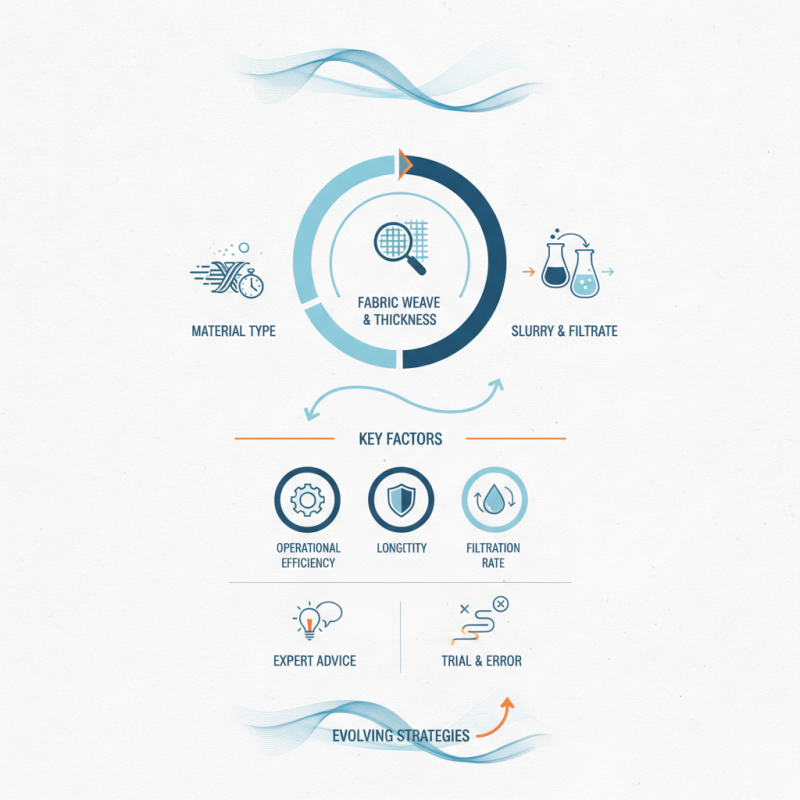
When considering how to choose the right filter press cloth, key factors come into play. For example, the type of material impacts not only the filtration rate but also the durability and longevity of the cloth. Often overlooked, the fabric's weave and thickness can greatly influence the results. Understanding this can prevent costly mistakes in the long run.
Additionally, adapting to specific needs should guide your selection process. Consider the type of slurry and the desired clarity of the filtrate. Technical specifications become your best ally, providing insights into what works best. Rely on expert advice, but remember that trial and error may be part of finding the perfect fit. This journey is about learning and evolving your filtration strategies.
Filter press cloth plays a crucial role in various filtration processes. The choice of the right cloth can significantly impact efficiency and product quality. Different materials and weaves offer unique benefits. For instance, a tighter weave may capture finer particles, while a looser weave allows for faster flow rates.
Each filtration application has specific requirements. Some require high chemical resistance, while others demand durability under high pressure. A mismatch in cloth choice can lead to poor filtering performance or costly downtime. Observing how cloth interacts with your materials is essential.
Regular maintenance and inspection of filter press cloth are necessary. Wear and tear can compromise filtration efficiency. Keeping track of how your cloth performs over time provides insights. It allows you to adapt and make informed decisions for future needs.
Choosing the right filter press cloth is crucial for efficient filtration. Different materials offer distinct advantages based on the application. For example, polypropylene is popular due to its chemical resistance and affordability. It is often used in wastewater treatment and food processing. According to a report from the Filtration Society, polypropylene can handle temperatures up to 90°C, making it suitable for various industrial uses.
Meanwhile, polyester filter cloths are known for their durability and strength. They are commonly employed in mining and mineral processing. Research indicates that polyester can withstand harsh conditions, extending the lifespan of the cloth. Its ability to resist abrasion is essential for applications with high solid content. On the other hand, some users find that while polyester lasts longer, it may not filter finer particles as effectively as other materials.
A lesser-known option is nylon, which offers excellent tensile strength. However, its susceptibility to certain chemicals limits its applications. The choice of material should reflect the specific needs of the filtration process. It’s vital to assess these properties carefully to ensure optimal performance. Overlooking these factors may result in inefficient filtration or increased operational costs. A detailed evaluation can save both time and resources in the long run.
Choosing the right filter press cloth is crucial for efficient filtration processes. Several key factors must be considered. Material type is one of the most significant elements.
Polyester and polypropylene are commonly used, offering different levels of chemical resistance and durability. According to industry reports, selecting the appropriate material can enhance filtration efficiency by up to 30%.
The cloth's weave structure also impacts performance. A tighter weave may prevent fine particles from passing through, but it might reduce flow rate. Balancing particle retention and permeability is essential. A study by filtration experts shows that optimizing weave design can improve cake release by 15%. This directly relates to reducing downtime and maintenance costs.
Tips: Always analyze the specific application needs. Conduct tests to see which cloth performs best. Regularly inspect and maintain your filter cloths to ensure longevity. Monitoring wear and tear is vital in preventing unexpected breakdowns. This approach enhances reliability and operational efficiency.
Choosing the right filter press cloth greatly impacts efficiency and cost-effectiveness. Proper filtration ensures that you achieve optimum performance in your filtration process. When cloths are mismatched with the application, it can lead to inefficiencies. For example, using a fabric that retains more solids than necessary can slow down the filtration cycle. This often increases the operational time and overall costs.
Inappropriate cloth selection may also lead to increased wear on equipment. A cloth that breaks down quickly can result in frequent replacements. Over time, this adds to maintenance costs and downtime. Furthermore, inefficient filtration can lead to a lower quality of the filtered product. In turn, this could affect customer satisfaction and business reputation.
One might think that any cloth would suffice, but that's a misconception. It’s crucial to consider factors like pore size, fabric material, and thickness. Each characteristic influences the filtration performance. Reflecting on past experiences can guide your selection process. Inadequate attention to these details can diminish productivity. While some may overlook these aspects, it can be the difference between a profitable and a costly filtration process.
Filter press cloths are critical for efficient filtration in various industries. Understanding how to maintain these cloths is essential for maximizing their lifespan. Regular care can prevent premature wear and tear. According to industry reports, improper maintenance can reduce filter cloth life by up to 50%.
Regular inspections can identify wear and tear early. Visual checks for holes or frays are vital. Additionally, maintaining proper washing techniques can preserve fabric integrity. Cleaning filter press cloths with hot water and mild detergents helps eliminate build-up. Avoiding harsh chemicals is crucial as they can degrade the material.
Changing operation conditions can impact cloth performance. Monitoring pressure fluctuations can help ensure optimal functionality. Sometimes, users overlook small changes in filtration performance, which could signal cloth damage. A proactive approach to maintenance ensures more effective filtration and cost savings. Implementing a structured maintenance schedule is beneficial. Regular attention can lead to better results and machine efficiency.
| Dimension | Details |
|---|---|
| Material Type | Polyester, polypropylene, nylon |
| Filtration Accuracy | 1-200 microns |
| Temperature Resistance | Up to 120°C |
| pH Range | 1-14 |
| Maintenance Frequency | Every 6-12 months |
| Cleaning Method | Water Jet, Soaking Solutions |
| Expected Lifespan | 1-5 years depending on usage |
| Replacement Indicators | Tears, reduced filtration speed |
: Filter press cloth is vital for effective filtration. It affects both efficiency and product quality.
Different materials offer varying chemical resistance and durability. This can enhance filtration efficiency significantly.
The weave structure affects particle retention and flow rate. Balancing these factors is crucial for optimal performance.
A mismatch can lead to poor filtering performance. It may result in costly downtime and reduced efficiency.
Regular inspections and maintenance are necessary. Monitoring wear can help prevent unexpected failures.
Yes, each application has unique needs. Understanding these is essential for selecting the right cloth.
Regular inspections should be part of your routine. Frequent checks help maintain efficiency and longevity.
Ignoring the interaction with your materials can backfire. Always analyze specific application requirements first.
Keeping track of cloth performance can provide valuable insights. This helps in making informed choices later.
No, optimization depends on specific needs. Different requirements call for tailored weave designs to achieve best results.
Choosing the right filter press cloth is crucial for optimizing filtration processes across various industries. This article delves into the essential role of filter press cloth, highlighting the diverse materials available and their specific applications. Key factors such as pore size, material durability, and chemical compatibility play significant roles in how to choose the right filter press cloth that suits your operational needs.
Additionally, the importance of proper filtration cannot be overstated, as it directly impacts both efficiency and cost-effectiveness in production. Regular maintenance and care are also vital for prolonging the lifespan of filter press cloth, ensuring sustained performance. By understanding these elements, users can make informed choices that enhance their filtration systems and overall operational efficiency.

Jovios Equipment