What is the Difference Between Chamber and Membrane Filter Plates?

Time:2026-06-13 Author:Madeline
0%

Understanding the intricacies of filtration technology is crucial for many industries. When delving into the specifics, one must ask: what is the difference between chamber and membrane filter plates? John Smith, a renowned expert in filtration processes, once stated, "Choosing the right filter plate can significantly impact efficiency and product quality."

Chamber filter plates offer a unique design ideal for solid-liquid separation. They often have larger surface areas, making them suitable for high-volume applications. On the other hand, membrane filter plates use a flexible membrane that enhances filtration efficiency. The choice between these two types can affect both cost and operational efficiency.

Many professionals often overlook these differences. This oversight can lead to subpar filtration and increased operational costs. A deeper understanding of these technologies could improve outcomes significantly. Thus, exploring what is the difference between chamber and membrane filter plates is not just beneficial—it's essential for industry success.
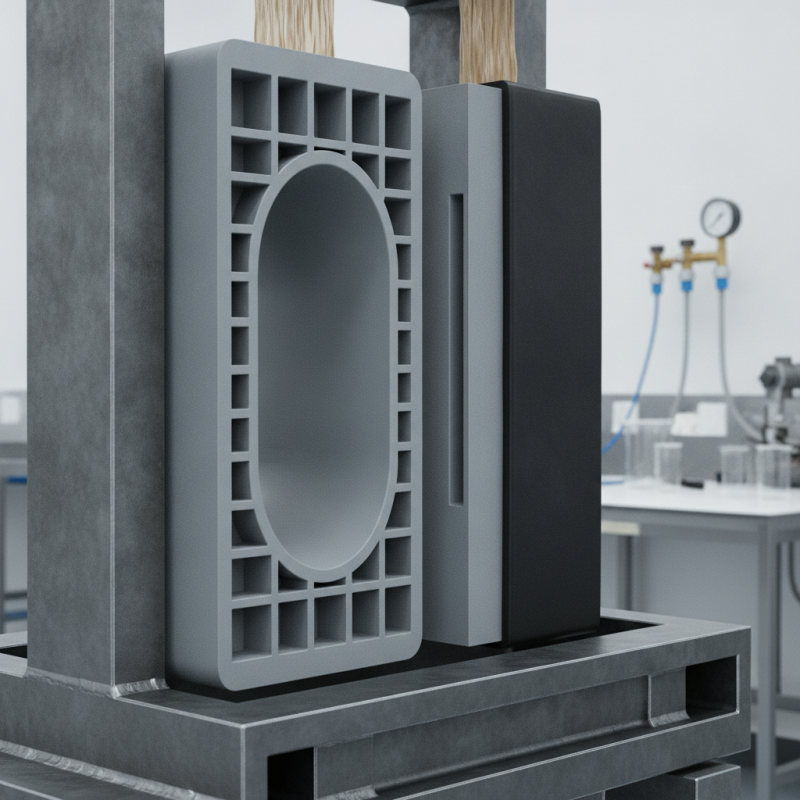
What is the Difference Between Chamber and Membrane Filter Plates?

Understanding Filter Plates: An Overview

Filter plates are essential in various industrial processes, particularly in separation and filtration operations. Chamber and membrane filter plates serve distinct purposes. Chamber plates are often used in batch operations where capacity is vital. They allow larger volumes of liquid to pass through, making them suitable for high-volume filtration. Conversely, membrane filter plates excel in fine filtration tasks. They provide a more controlled environment, minimizing the risk of clogging and maximizing efficiency.

According to a 2022 industry report, membrane filter technology has gained significant traction, expected to grow at a compound annual growth rate of 8% through 2030. This growth underscores their advantages in sectors such as pharmaceuticals and food processing, where purity is paramount. For instance, membrane filters can achieve particle retention rates as high as 90%. This capability reflects their utility in demanding applications where precision matters.

While these plates offer clear benefits, challenges remain. Maintenance of filter plates requires careful monitoring. Chamber plates can face issues with uneven filtration if not properly managed. Membrane plates, while precise, may require more frequent replacement due to membrane degradation. Understanding the trade-offs between these two types of plates can lead to improved operational efficiency. Balancing cost, performance, and application requirements is crucial for optimal results.

Defining Chamber Filter Plates and Their Functions

Chamber filter plates are essential tools in various filtration processes. They consist of two plates, creating a chamber that holds filtration media. In this setup, liquids can flow through, while solids are retained. This design allows for efficient separation of solids from liquids. Often utilized in industrial applications, they ensure high throughput and effective filtration.

These filter plates come in various materials, depending on the application. Common choices include polypropylene and stainless steel. Each material has distinct properties that affect filtration performance. For instance, polypropylene is resistant to many chemicals, while stainless steel offers durability. This variety allows for tailored solutions in diverse environments.

Despite their advantages, chamber filter plates require careful maintenance. Over time, clogs can develop, affecting efficiency. Operators must be mindful of this. Regular cleaning and inspection can help prolong the lifespan of the plates. Understanding the specific needs of the filtration process can guide users in choosing the right plate.

Exploring Membrane Filter Plates and Their Applications

Membrane filter plates are essential tools in various filtration processes. They are designed to separate particles and contaminants from liquids efficiently. The membranes used in these plates have very fine pores, allowing only specific substances to pass through. This is particularly useful in industries such as pharmaceuticals, food and beverage, and wastewater treatment.

One key advantage of membrane filter plates is their ability to ensure high purity levels. They can remove bacteria and other microorganisms, which is critical for producing safe and clean products. However, selecting the right membrane for your application is important. Different membranes offer various pore sizes, which can impact filtration efficiency.

Tip: Always consider the nature of the fluid being filtered. A membrane that works well for one type of liquid may not be suitable for another. Testing different membranes can lead to optimal results, but can also be time-consuming.

Another aspect to reflect on is the maintenance of membrane filter plates. While they offer reliable performance, membranes can become fouled over time. Regular checks and cleanings are essential to maintain their efficiency. Sometimes, the filtration process needs adjustment based on changing material properties.

Tip: Monitor performance metrics regularly. Set parameters for when to replace or clean membranes. This practice helps to avoid unexpected downtimes and ensures steady operations.

Key Differences Between Chamber and Membrane Filter Plates

Chamber and membrane filter plates are essential for various filtration processes in laboratories and industrial applications. The key difference lies in their structure and functionality. Chamber filter plates often contain multiple deep wells. These wells allow for higher sample volumes, which is advantageous for large-scale experiments. Reports show that chamber filters can process up to 500 mL per well, making them ideal for high-capacity needs.

On the other hand, membrane filter plates feature a thin layer of membrane material on a flat surface. They excel in applications requiring fine particle retention. The typical pore size for these membranes can be as small as 0.2 µm. This enables the removal of bacteria and other contaminants effectively. In fact, studies highlight that membrane filters achieve over 99% efficiency in retaining such particles.

Choosing between the two often depends on the application requirements. While chamber plates are suited for bulk filtration, membrane plates are better for precise, selective filtration. However, both types have limitations. Chamber filters may lead to clogging with high particulate solutions. Conversely, membrane plates can be prone to more frequent replacement due to wear and fouling. Understanding these distinctions helps users make informed decisions for their specific filtration needs.

Comparison of Chamber and Membrane Filter Plates

Choosing the Right Filter Plate for Your Needs

When it comes to choosing filter plates, understanding specific needs is crucial. Chamber and membrane filter plates serve distinct purposes, making the selection process vital. Chamber plates are ideal for bulk filtration tasks. They allow for high flow rates and offer significant filtration capacity. In contrast, membrane plates provide fine filtration. They are essential for applications requiring precision, such as in pharmaceutical or biotech industries.

Consider your application closely. If you need to separate large solids from liquids, chamber plates might be more effective. However, if the goal is to achieve a high level of purity, membrane plates should be your choice. The right filter plate will enhance your process efficiency. It also reduces waste and optimizes results.

It's essential to assess your setup before deciding. Sometimes, vendors may not adequately explain differences. Without the right knowledge, you may choose an unsuitable plate. Re-evaluating your filtration goals can lead to better decisions. Each type of filter plate has its benefits. Understanding those can save time and resources in the long run.

FAQS

: What are filter plates used for?

: Filter plates are essential in separation and filtration processes across various industries.

What is the difference between chamber and membrane filter plates?

Chamber plates are for bulk filtration, while membrane plates excel in fine filtration tasks.

How do membrane filter plates enhance purity?

They can remove contaminants and microorganisms, ensuring high purity levels in products.

Why is membrane selection important?

Different membranes have various pore sizes, impacting filtration efficiency significantly.

What maintenance is required for membrane filter plates?

They need regular checks and cleanings to prevent fouling and maintain efficiency.

How can I monitor the performance of filter plates?

Set performance metrics for replacement or cleaning to avoid unexpected downtimes.

Are there challenges with using filter plates?

Yes, uneven filtration can occur with chamber plates, and membranes may degrade over time.

What should I consider before choosing a filter plate?

Assess your specific application needs and understand the differences between plate types.

Can testing different membranes be beneficial?

Yes, it can optimize results but may be time-consuming and require careful consideration.

How can choosing the wrong filter plate affect operations?

It can lead to inefficiency, increased waste, and ultimately impact your overall process.

Conclusion

The article titled "What is the Difference Between Chamber and Membrane Filter Plates?" provides a comprehensive overview of filter plates, specifically focusing on two primary types: chamber filter plates and membrane filter plates. Chamber filter plates are designed to hold and filter liquids, functioning through gravity or pressure, making them suitable for applications that require substantial sedimentation. In contrast, membrane filter plates utilize a selective barrier that enables the passage of certain particles while retaining others, making them ideal for applications requiring high purity and precision.

Understanding the key differences between these two types is essential for selecting the right filter plate for specific needs. Chamber filter plates excel in larger volume applications, while membrane filter plates offer improved filtration accuracy and are preferred in settings with critical contamination concerns. Ultimately, the decision hinges on the specific requirements of the filtration process, leading to the crucial question: what is the difference between chamber and membrane filter plates?

Madeline

Madeline

Madeline is a dedicated marketing professional with a wealth of expertise in our company's core offerings. With a keen understanding of the industry, she brings a unique perspective to her role, consistently delivering high-quality content that highlights the superior aspects of our products. As......