In industrial applications, maintaining filter press clothes is crucial for optimal performance. Filter presses are widely used, with a market size expected to reach $3.68 billion by 2026, according to a recent report by Mordor Intelligence. However, the efficiency of these systems heavily depends on the cleanliness of the filter cloths. Dirty or blinded filter press clothes can lead to reduced flow rates and increased energy consumption, posing significant operational risks.
Knowing how to clean blinded filter press clothes is essential for companies seeking to enhance productivity and reduce costs. A study from the American Filtration and Separation Society highlights that proper maintenance can improve filtration efficiency by up to 30%. This emphasizes the importance of adopting effective cleaning methods. Though not all techniques work equally well, some strategies stand out for their reliability.
However, not every cleaning method can be applied universally, and challenges often arise. Over time, some filtration fabrics become less responsive to traditional cleaning solutions, requiring more innovative approaches. As such, a comprehensive understanding of cleaning procedures is necessary for those who wish to uphold high operational standards in their filtering processes.
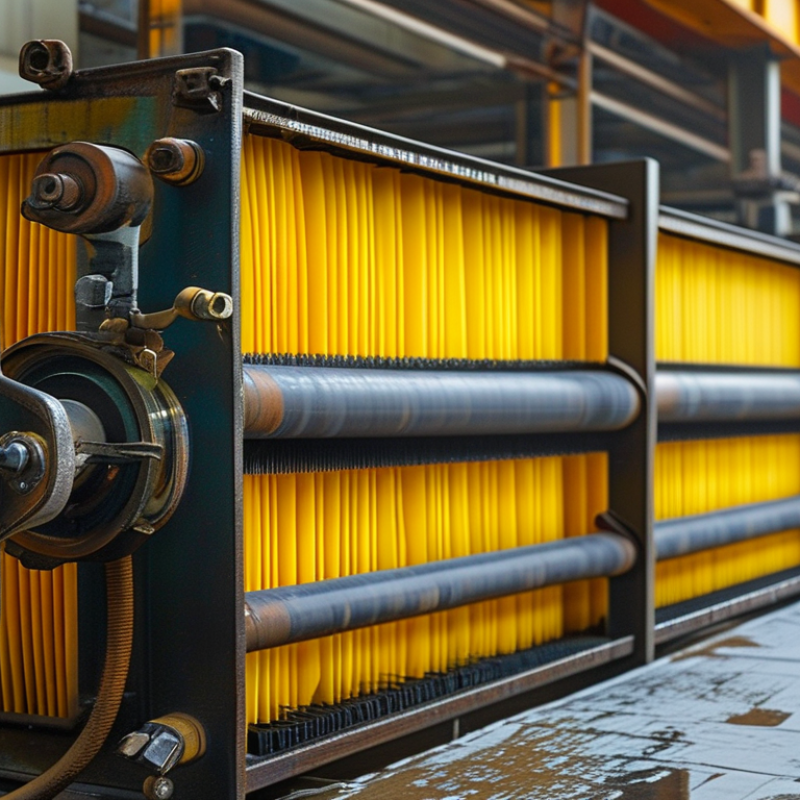
Cleaning blinded filter press clothes is crucial for maintaining operational efficiency. Neglecting this task can lead to reduced filtration performance and increased energy consumption. According to industry studies, improper maintenance can elevate operational costs by up to 25%. Ensuring that filter press clothes are clean helps maintain the desired filtration rates and extend their lifespan.
One effective tip is to schedule regular inspections of your filter media. Identifying signs of blinding early can prevent significant issues later. Use a backwash system to help dislodge particles. This method ensures the removal of retained solids without damaging the fabric. Consider using environmentally friendly cleaning agents to enhance the cleaning process while minimizing environmental impact.
Moreover, training staff on proper cleaning techniques is essential. Many operators may overlook the importance of cleaning intervals, leading to potential downtime. Regularly updating your cleaning protocols can significantly reduce the risks associated with clogged filter cloths. Remember, even experienced staff can have off days; monitoring their cleaning practices ensures consistent results. Adopting a proactive approach to the cleanliness of filter press clothes will not only improve performance but also contribute to a more sustainable operation.
| Tip Number | Tip Description | Importance |
|---|---|---|
| 1 | Use high-pressure water jets to dislodge particles. | Effective for removing stuck debris. |
| 2 | Implement chemical cleaners suitable for filter fabrics. | Helps dissolve greasy and oily deposits. |
| 3 | Regularly rotate and reposition the filter cloths during use. | Promotes even wear and easier cleaning. |
| 4 | Perform manual brushing to remove surface debris. | Enhances initial cleaning efforts. |
| 5 | Use ultrasonic cleaning methods for in-depth cleaning. | Effective for microscopic particles. |
| 6 | Rinse thoroughly with clean water after using chemical cleaners. | Prevent chemical residue from affecting performance. |
| 7 | Inspect for wear and tear regularly. | Ensures effectiveness and safety of the filter press. |
| 8 | Allow for proper air drying after cleaning. | Prevents mold and bacteria growth. |
| 9 | Follow manufacturer guidelines for cleaning frequency. | Maximizes filter life and efficiency. |
| 10 | Seek professional cleaning services if necessary. | Ensures a deeper clean for challenging blockages. |
: Cleaning filter press clothes maintains operational efficiency and reduces energy consumption. Neglecting this can elevate costs significantly.
Common causes include improper slurry preparation and inadequate filtration duration. Fine particles can clog the filter media.
Regular maintenance and proper slurry preparation help prevent blinding. Monitoring your practices can lead to improvements.
Soaking in mild detergent and using high-pressure water cleaning are effective techniques. Adjust the pressure carefully to avoid damage.
Regular inspections are vital. Look for signs of wear and maintain a log to track cleanliness and improvements.
Yes, training staff on proper cleaning techniques is essential. Consistent practices reduce the chance of overlooking cleaning intervals.
Adjust the pressure based on the fabric's tolerance. A gentle approach is often better than high pressure.
Overlooking cleaning intervals can lead to deteriorating performance and potential downtime. Consistency is key for optimal results.
Choosing environmentally friendly cleaning agents minimizes the ecological footprint while maintaining effective cleaning performance.
Small rips can worsen over time if not addressed. Regular checks can prevent further issues and ensure efficiency.
Cleaning blinded filter press clothes is crucial for maintaining efficient filter press operations. The article emphasizes the importance of understanding the common causes of blinding, which can significantly impact the filtering process. It provides a detailed step-by-step guide on pre-cleaning procedures that should be followed before applying any specific cleaning techniques.
Additionally, the effective cleaning methods highlighted in the article focus on removing blockages and restoring the filter clothes' functionality. To prevent future blinding, the article concludes with best practices for preventive maintenance, ensuring that operators are well-equipped to manage and sustain the performance of their filter press systems. This comprehensive overview serves as a valuable resource for anyone seeking to learn how to clean blinded filter press clothes effectively.

 Jovios Equipment