How to Wash Filter Press Cloths Efficiently for Best Results?

Time:2026-06-09 Author:Aria
0%

In the world of industrial filtration, the efficiency of filter press cloths is crucial. Renowned expert Dr. Emily Chen states, “Proper cleaning is the key to maximizing the lifespan and effectiveness of filter press cloths.” To address the question of how to wash filter press cloths efficiently, we must consider various practical techniques and insights from industry leaders.

Cleaning filter press cloths involves more than just removing visible dirt. It’s about restoring their full functionality. Neglecting proper maintenance can lead to reduced filtration efficiency. This impacts productivity and costs. The challenge lies in understanding the cleaning process tailored for specific cloth materials. Each type requires a unique approach.

Moreover, common mistakes often occur in the cleaning process. Rushing through steps or using inappropriate detergents can ruin cloth integrity. Taking time to analyze and reflect on these practices is essential. As Dr. Chen emphasizes, learning from experience can significantly enhance results. The journey to mastering how to wash filter press cloths efficiently is ongoing, with findings that can continually improve operational standards.
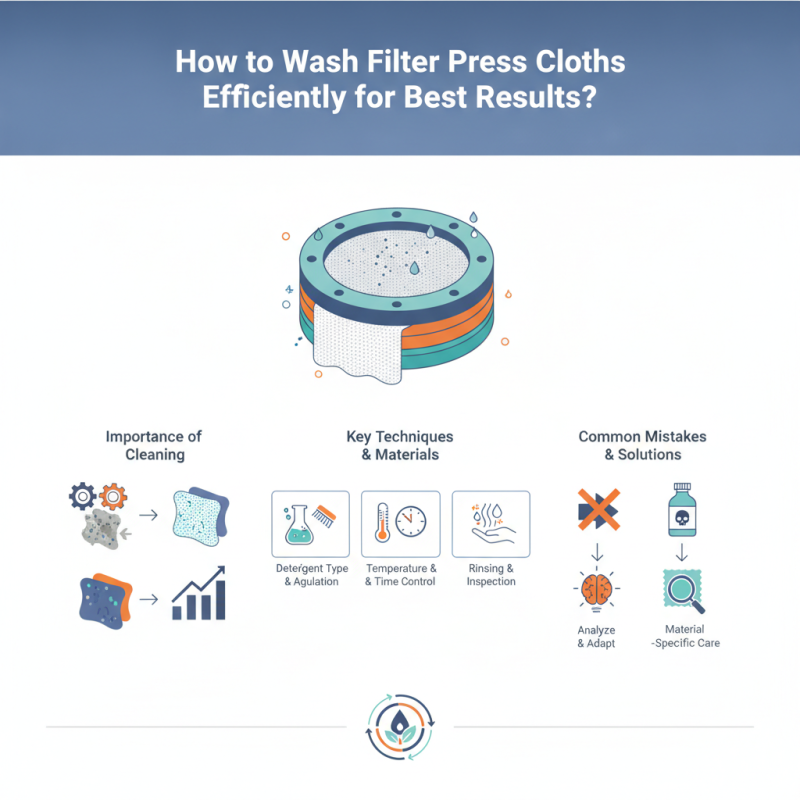
How to Wash Filter Press Cloths Efficiently for Best Results?

Understanding the Importance of Regular Filter Press Cloth Maintenance

Regular maintenance of filter press cloths is crucial for optimal performance. Studies indicate that well-maintained cloths can boost filtration efficiency by 30%. Over time, an accumulation of particles and chemicals can compromise filter performance, leading to increased energy consumption and reduced throughput.


The cleaning procedure significantly impacts cloth longevity. Research shows that operators often overlook the specific cleaning techniques required for different materials. For instance, using high-pressure washing may damage delicate fabrics, leading to premature wear. Implementing a tailored cleaning schedule can improve cloth lifespan by up to 20%.


Neglecting proper maintenance practices can result in costly downtime. Reports indicate that a significant percentage of filtration issues stem from dirty or damaged cloths. Regular inspections and a proactive cleaning approach can prevent these pitfalls, enhancing overall system reliability and efficiency. Focus on developing a routine that addresses specific operational challenges while considering the unique characteristics of your filter press cloths.

Selecting the Appropriate Cleaning Solutions for Different Filter Cloth Materials

When it comes to maintaining filter press cloths, choosing the right cleaning solution is crucial. Different materials require specific approaches. For instance, polyester cloths are commonly used and can generally withstand a variety of cleaning agents. Alkaline detergents work well here, effectively breaking down organic residues. However, avoid high temperatures, as they can damage the fibers.

On the other hand, polypropylene is more sensitive to harsh chemicals. A mild, pH-neutral cleaner is often the best option. Inexperience in handling these materials can lead to irreversible damage. Sometimes, even a simple solution like hot water and mild soap can suffice. Testing on a small section is advisable before full application.

Lastly, consider the condition of the filter cloth. If it shows signs of excessive wear, cleaning may not be enough. Sometimes, it’s better to replace them altogether. Reflect on your cleaning process regularly. Are the methods yielding consistent results? Keeping a log of cleaning procedures can help identify trends or issues over time. This self-assessment can facilitate the implementation of better practices.

How to Wash Filter Press Cloths Efficiently for Best Results?

Filter Cloth Material Recommended Cleaning Solution Cleaning Temperature (°C) Cleaning Method Drying Method
Polyester Alkaline Detergent 60-70 High-Pressure Wash Air Dry
Polypropylene Neutral Detergent 50-60 Ultrasonic Cleaning Tumble Dry
Nylon Solvent-Based Cleaner 40-50 Spray Wash Air Dry
Polyvinylidene Fluoride (PVDF) Acidic Cleaner 30-40 Soak and Rinse Natural Drying
Acrylic Enzymatic Cleaner 20-30 Manual Scrubbing Hang Dry

Step-by-Step Process for Efficient Washing of Filter Press Cloths

Washing filter press cloths requires a methodical approach for optimal results. Start by removing the cloths from the press. Use gloves to ensure safety and hygiene. Inspect each cloth for any tears or blockages. A thorough inspection is key to understanding the level of cleaning required.

Next, prepare a washing solution. A mix of warm water and a mild detergent is effective. Soak the cloths in this solution for about 30 minutes. This step helps loosen dirt and debris. After soaking, gently scrub the cloths using a soft brush. Pay close attention to areas with heavy soiling. Rinse thoroughly with clean water to avoid any detergent residue.

Finally, hang the cloths to dry in a well-ventilated area. Proper drying is crucial to prevent mildew. Avoid using a dryer, as high heat can damage the fabric. It’s worthwhile to revisit your washing process often. Are there areas for improvement? Do your methods yield the best results? Adjust your techniques based on those reflections for better efficiency.

Monitoring and Ensuring Cleanliness: Key Metrics and Indicators

Maintaining filter press cloths is crucial for operational efficiency. Key metrics to monitor include cloth permeability and cake release. High permeability allows for better fluid flow. According to industry studies, improper cleaning can reduce cloth life by up to 30%.

Regular inspections can help identify issues such as clogging or discoloration. Operators often overlook these signs, leading to decreased filtration performance. Cleaning should occur every few cycles, depending on usage. Visual inspections and pressure tests can reveal cloth effectiveness. A drop in pressure indicates potential blockages.

Cleaning solutions play a role in maintaining cloth integrity. The right concentration and temperature impact results. It’s important to document cleaning schedules and results. Accurate records help track cloth performance over time. A systematic approach enhances reliability and minimizes downtime.

Efficiency of Filter Press Cloth Washing

Best Practices for Drying and Storing Filter Press Cloths After Washing

After washing filter press cloths, proper drying and storage become essential for maintaining their efficiency. Once cleaned, hang the cloths in a well-ventilated area. Avoid direct sunlight as it can degrade the fabric over time. Ensure that they are completely dry to prevent mold and mildew. A climate-controlled environment can aid in the drying process, especially in high humidity areas.

Storing filter press cloths requires attention to detail. Roll the cloths loosely to avoid crushing the fibers. Use breathable storage bags or containers to allow air circulation. Label each cloth to identify its specifications quickly. This practice helps in quickly retrieving the right cloth for future use. Keep an eye on the storage space. Dust and contaminants can accumulate, so regular cleaning is crucial. Properly maintained cloths lead to more efficient operations. However, overlooking storage conditions can lead to premature wear. Regular checks can prevent unforeseen damage and ensure reliable performance.

FAQS

: Why is regular maintenance of filter press cloths important?

: Regular maintenance boosts filtration efficiency by 30%. It also reduces energy consumption and increases throughput.

What happens if filter press cloths are not cleaned properly?

Dirty or damaged cloths can cause costly downtime. Many filtration issues arise from neglecting proper maintenance.

How can cleaning procedures affect the lifespan of filter press cloths?

Tailored cleaning schedules can improve cloth lifespan by up to 20%. Improper techniques may lead to premature wear.

What is the best way to dry filter press cloths after washing?

Hang cloths in a well-ventilated area. Avoid direct sunlight to prevent fabric degradation and ensure complete drying.

How should filter press cloths be stored?

Roll them loosely in breathable bags. This helps avoid crushing and allows air circulation to maintain fabric integrity.

Why is labeling filter press cloths important?

Labeling helps in quickly identifying cloth specifications. This facilitates efficient retrieval for future use.

How can storage conditions impact filter press cloths?

Dust and contaminants can cause damage. Regular cleaning of storage spaces is vital to preserve cloth quality.

What are the consequences of neglecting filter press cloth maintenance?

Neglect may lead to decreased performance and higher operational costs. Operators should focus on practical, routine care.

Conclusion

Efficient maintenance of filter press cloths is crucial for optimizing performance and extending their lifespan. Understanding how to wash filter press cloths efficiently begins with recognizing the importance of regular maintenance. Selecting the appropriate cleaning solutions tailored to the specific materials of the filter cloths is essential for effective cleaning.

The article outlines a comprehensive step-by-step process for washing filter press cloths, focusing on proper techniques to ensure thorough cleanliness. Additionally, it emphasizes the importance of monitoring key metrics to verify the effectiveness of the cleaning process. Lastly, best practices for drying and storing filter press cloths post-washing are discussed, ensuring that the cloths remain in optimal condition for future use.

Aria

Aria

Aria is a dedicated marketing professional with a deep passion for innovative strategies and a keen understanding of our company's product offerings. With a wealth of experience in the industry, Aria excels at crafting engaging content that highlights the unique features and benefits of our......