Why is the Filter Press Cake Excessively Wet in China?

Time:2026-06-19 Author:Oliver
0%

The issue of why is the filter press cake too wet has been a persistent challenge in various industries across China. Understanding this problem is crucial for process efficiency and product quality. Many operators have reported higher moisture levels in their filter press cakes, which can lead to increased transportation costs and energy wastage.

Several factors contribute to this excessive moisture. One prevalent cause is the inadequacy of pre-conditioning the slurry. If the slurry contains particles that are too fine, it can restrict drainage through the filter cloth. Additionally, improper selection of filter media can play a role in trapping more liquid than necessary. Operators often overlook the importance of regular maintenance, which can exacerbate the issue.

Furthermore, variations in the chemical composition of the materials being filtered can impact the moisture content. For instance, certain slurries naturally retain water more effectively. Addressing why is the filter press cake too wet requires a multifaceted approach, including better training for operators and enhanced equipment. A thorough analysis of operational parameters is also essential. This ongoing struggle highlights the need for continuous improvement in filtration technologies and processes.
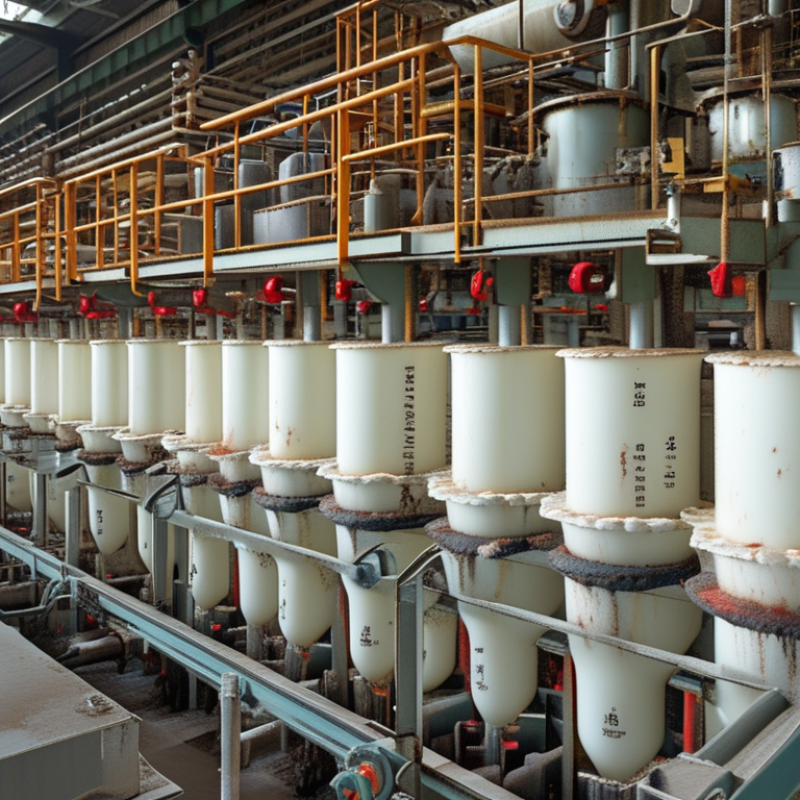
Why is the Filter Press Cake Excessively Wet in China?

Understanding Filter Press Technology in China

Filter press technology plays a crucial role in various industries across China. However, many facilities are grappling with the issue of excessively wet filter press cakes. Understanding the mechanics behind this technology can illuminate the root causes and potential solutions.

The dewatering performance of filter presses heavily relies on specific parameters such as cake thickness and filter cloth characteristics. Data from recent industry reports indicate that nearly 40% of projects in China are facing challenges due to high moisture levels in the final cake. Factors such as inadequate pre-treatment and improper chemical usage play a significant role in this inefficiency. Optimizing these factors can greatly enhance moisture reduction, leading to better resource recovery.

**Tip:** Regularly inspect chemical dosing systems to ensure proper rates.

Additionally, many operators underestimate the importance of maintaining optimal pressure during operation. Industry studies have shown that increasing pressure can sometimes lead to drier cakes. However, consistent pressure monitoring is essential to prevent operational fluctuations.

**Tip:** Implement routine maintenance checks on pressure gauges.

Understanding the complexities of filter press technology is essential for improving dewatering outcomes in Chinese facilities. By addressing these inefficiencies, companies can move closer to achieving their operational and environmental goals.

Factors Contributing to Excessive Moisture in Filter Press Cake

Excessive moisture in filter press cake is a common issue in China. Several factors contribute to this problem. One significant factor is the high water content in the feed materials. Certain industries, such as food processing or textiles, often have inherently wet inputs. This leads to challenges in achieving desired dryness levels in the final product.

Another contributing factor is the operational conditions during the filtration process. Inadequate pressure or insufficient filtration time can hinder optimal moisture removal. If the equipment is not properly maintained, it may lead to inefficiencies. This results in a wetter cake than anticipated. Notably, the skill level of the operators also plays a role. A lack of training can lead to mismanagement, complicating moisture control.

Environmental conditions can impact how filter presses perform. Humidity and temperature variations can affect drying times. Additionally, if the cake is not promptly removed, it continues to absorb moisture. Reflection on these factors is crucial for improving moisture control in such processes.

Impacts of Local Climate on Filter Press Cake Moisture Levels

The local climate in China plays a significant role in the moisture levels of filter press cake. High humidity and consistent rainfall increase water retention. This excess moisture leads to challenges in dewatering processes. As a result, filter press cake often becomes excessively wet, making disposal more difficult and costly.

Temperature variations also affect moisture levels. Warmer conditions can promote faster breakdown of organic matter, producing more water. In contrast, cooler, damp days can slow drying processes. This can lead to inconsistent moisture content in the filter press cake. Operators often struggle to maintain optimal conditions for dewatering during such varied weather.

Further complicating the situation is the regional diversity within China. Coastal areas experience high humidity while inland regions may not. Even within a single city, microclimates can create different results. These factors contribute to the ongoing challenge of managing filter press cake moisture. No straightforward solutions exist. Effective strategies may require adapting equipment and processes to local conditions.

Material Characteristics Affecting Water Retention in Filter Cake

The water retention in filter cake largely depends on the material characteristics used during the filtration process. In China, certain materials create excessive wetness in the filter press cake. For example, fine particle sizes tend to trap water more effectively. The moisture content is influenced by how these particles interact with the liquid. A higher surface area allows for better water retention, leading to a wet cake.

Additionally, the type of binding agents utilized in the material can influence water retention. Some agents attract moisture, resulting in a dense cake that holds more water. This phenomenon is particularly common with certain clay-based materials. The chemistry of these components plays a pivotal role in determining the filter cake's final moisture level.

Tips: Evaluate your materials closely. Understanding their characteristics can help optimize the filtration process. Experimenting with different binding agents may lead to drier cakes. Always analyze the particle size distribution to enhance performance efficiency.

Why is the Filter Press Cake Excessively Wet in China? - Material Characteristics Affecting Water Retention in Filter Cake

Material Type Moisture Content (%) Particle Size (µm) Solid Content (%) Application
Bentonite Clay 50 10 50 Construction
Silica Gel 30 5 70 Desiccant
Activated Carbon 40 8 60 Filtration
Natural Zeolite 35 12 65 Water Treatment
Limestone 45 15 55 Agriculture

Best Practices for Reducing Moisture in Filter Press Cake in China

Excess moisture in filter press cake is a widespread issue in China. Several factors contribute to this challenge. From the type of materials processed to the operation conditions, each aspect plays a role. The efficiency of the filter press can be impacted by various parameters including feed consistency and pressure settings. This intricacy often leads to higher moisture content in the final cake.

To reduce moisture levels, operators need to adopt best practices. Regular maintenance of the filter press is crucial. Clogged membranes or poorly maintained seals can severely impact performance. Adjusting the cake release mechanism is another effective strategy. It helps to ensure that the cakes are discharged efficiently, which can reduce moisture retention.

Training for personnel is essential. Workers should be aware of optimal parameters for different materials. However, there is often a gap in this knowledge. This leads to variability in performance. Continuous improvement through monitoring and feedback can enhance operational efficiency. Not all installations will achieve the same results, and that's something to reflect on.

FAQS

: What is a common issue with filter press cakes in China?

: Excessively wet filter press cakes are a major challenge across various industries.

What factors can lead to high moisture levels in cakes?

High water content in feed materials and poor operational conditions contribute significantly.

How does cake thickness influence dewatering performance?

Thicker cakes can retain more moisture, impacting the final dryness level.

Why is proper chemical usage important?

Inadequate chemical dosing can lead to high moisture retention in the filter cake.

What role does pressure play in filtration?

Optimal pressure can enhance moisture removal. Regular monitoring is key to consistent results.

How does operator skill affect moisture control?

Inexperienced operators may mismanage the process, increasing moisture levels in the cake.

Can environmental factors influence filter press performance?

Yes, humidity and temperature variations can affect drying times and cake moisture retention.

What should be considered when evaluating filter materials?

Material characteristics, such as particle size and binding agents, greatly affect water retention.

How often should maintenance checks be done?

Routine maintenance on pressure gauges and chemical dosing systems is essential for optimal performance.

What is one way to improve dewatering outcomes?

Reflecting on operational conditions and material characteristics can help enhance moisture control.

Conclusion

The article "Why is the Filter Press Cake Excessively Wet in China?" explores the various factors leading to high moisture levels in filter press cake within the country. By understanding filter press technology specific to China, the article highlights how local climate conditions, such as humidity and temperature fluctuations, significantly influence moisture retention in the cake. Additionally, the characteristics of the materials being processed play a crucial role in determining water retention capabilities.

To address the question of why is the filter press cake too wet, the article suggests implementing best practices that focus on optimizing operational parameters. These include adjusting the filter press settings, enhancing pre-treatment of materials, and ensuring optimal environmental conditions during the filtration process. By addressing these factors, industries can reduce excess moisture in filter press cakes, contributing to more efficient handling and processing.

Oliver

Oliver

Oliver is a seasoned marketing professional with a wealth of expertise in driving brand awareness and engagement. With a deep understanding of our company's product offerings, he consistently delivers high-quality content that enriches our professional blog. His insights not only shed light on......