How to Extend the Lifespan of PP Filter Plates Effectively?

Time:2026-08-04 Author:Liam
0%

Extending the lifespan of PP filter plates is crucial for many industries. According to Dr. Emily Harris, a renowned expert in filtration technology, “Regular maintenance and proper handling can drastically increase the longevity of PP filter plates.” Her insights highlight the significance of taking proactive measures.

Utilizing the right cleaning agents and techniques can truly make a difference. Avoiding abrasive substances is key. Such practices can prevent damage and wear. It's also important to monitor the filtration process regularly. Neglecting to do so may result in premature wear. Dr. Harris emphasizes that, “A small adjustment today can save significant costs tomorrow.”

Understanding how to extend the lifespan of PP filter plates requires attention to detail. Regular inspections, including checking for leaks and physical wear, can prolong their utility. This effort may seem time-consuming, but it pays off in the long run. Balancing best practices with operational demands can be challenging. Still, the rewards of increased efficiency and cost-effectiveness are undeniable.
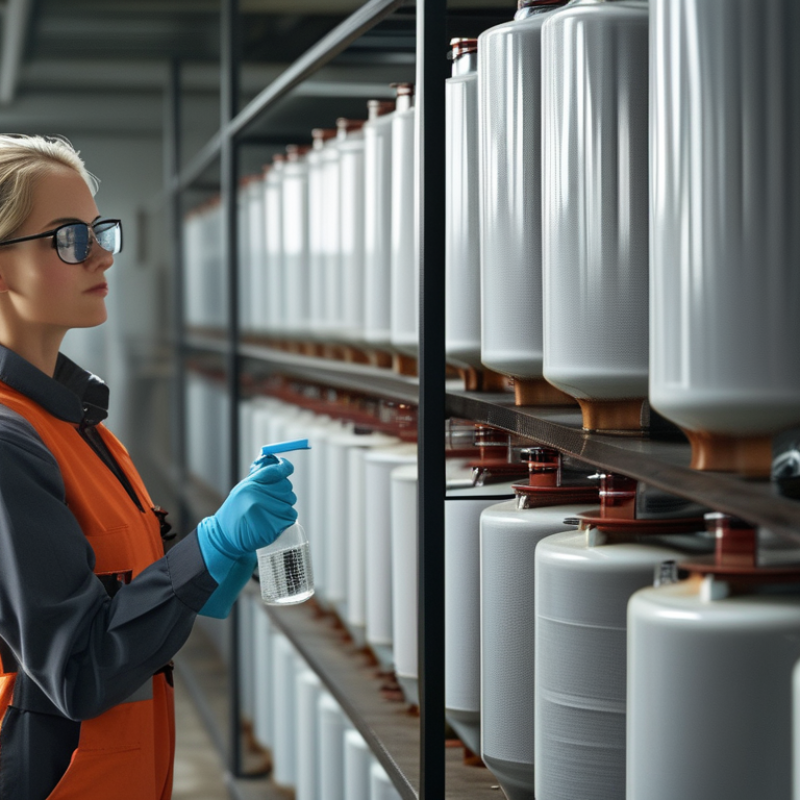
How to Extend the Lifespan of PP Filter Plates Effectively?

Factors Influencing the Lifespan of PP Filter Plates in Industrial Use

When considering the lifespan of polypropylene (PP) filter plates in industrial settings, several key factors come into play. The nature of the fluid being filtered greatly influences the durability of the plates. For instance, abrasive materials can wear down the surface, leading to reduced performance over time. Properly selecting materials that match the application requirements can enhance longevity.

Temperature and pressure also significantly affect the lifespan of PP filter plates. High temperatures can cause deformation, while excessive pressure can lead to structural failure. Regular monitoring of operating conditions is crucial. Neglecting these factors might result in frequent replacements and increased costs.

Maintenance practices play a vital role in extending the lifespan of filter plates. Regularly inspecting for wear and tear can help identify issues early. Cleaning methods should be appropriate for the materials being filtered. Chemical exposure can lead to degradation. Each of these aspects requires ongoing attention and might benefit from periodic reviews and adjustments to practices.

Best Practices for Cleaning and Maintenance of PP Filter Plates

Cleaning and maintaining polypropylene (PP) filter plates effectively can significantly enhance their lifespan. Regular maintenance improves filtration efficiency and reduces replacement costs. According to industry reports, proper cleaning can extend the lifespan of filter plates by up to 30%.

To maintain your PP filter plates, start with careful washing. Use warm water and mild detergents. High-pressure cleaning may damage the plates, so avoid it. Rinse thoroughly to remove any residues. Scrutinize the plates periodically for signs of wear or damage. An inspection every 3 months is recommended. Document any findings to identify patterns over time.

Additionally, storage is critical. Store filter plates in a cool, dry space. Avoid exposure to chemicals that can degrade polypropylene integrity. Improper storage can lead to warping or other forms of degradation. Consider training staff on proper handling techniques. Even minor oversights can lead to costly mistakes. Be proactive in addressing these issues to maintain optimal performance.

Understanding the Chemical Compatibility of PP Filter Plates with Various Liquids

The chemical compatibility of polypropylene (PP) filter plates plays a crucial role in extending their lifespan. Understanding the interaction between PP and various liquids helps in selecting the right applications. For instance, PP shows excellent resistance to most acids and alkalis, making it suitable for industrial processes involving these substances. However, it is essential to recognize that certain solvents can negatively impact PP's structural integrity.

Using PP filter plates with aggressive chemicals can lead to premature failure. According to a study published by the Material Compatibility Institute, exposure to ketones and esters can cause swelling or degradation. In contrast, water and moderate acids typically do not cause adverse effects. It's critical to access reliable chemical compatibility charts when choosing the right filter plate materials.

**Tip:** Always conduct compatibility tests when introducing new liquids to existing processes. This small step can uncover potential issues before they arise.

Monitoring temperature and pressure is equally important. High temperatures can amplify the chemical effects on PP, leading to faster degradation. Maintaining a consistent operational environment not only prolongs the lifespan of filter plates but enhances overall system performance.

**Tip:** Regular inspections and routine maintenance can identify signs of wear. This proactive approach ensures longevity and reliability in filtration systems.

How to Extend the Lifespan of PP Filter Plates Effectively? - Understanding the Chemical Compatibility of PP Filter Plates with Various Liquids

Liquid Type Chemical Compatibility Impact on Lifespan Recommended Treatment
Water Excellent Minimal effect Regular cleaning
Acids (e.g., HCl) Good Moderate effect Dilution recommended
Alkalis (e.g., NaOH) Fair Significant impact Periodic replacement needed
Organic Solvents (e.g., Benzene) Poor High risk of degradation Avoid contact
Hydrocarbons (e.g., Oil) Fair Moderate effect Limit exposure time

Regular Inspection Protocols for Enhancing PP Filter Plate Durability

Regular inspection protocols play a crucial role in enhancing the durability of PP filter plates. Inspecting these plates frequently can prevent small issues from escalating. Check for signs of wear, such as cracks or discoloration. These visual cues often signal underlying problems. Addressing them early can extend the life of your equipment.

Implement a structured inspection schedule. Make it a routine to examine filter plates weekly. Pay attention to the sealing areas, as they are vulnerable to wear. Consider moisture exposure in your inspections; excessive moisture can degrade performance. Keeping detailed records of each inspection fosters accountability and supports better maintenance decisions.

*Tip: Document all observations meticulously. This habit yields insights over time. You may notice patterns that require attention.*

Cleaning also deserves regular focus. Residue build-up can lead to inefficiencies. Use appropriate cleaning agents that won't damage the plates. A clean plate operates better, enhancing filtration and increasing lifespan. Be mindful, though; over-cleaning can cause wear.

*Tip: Rotate the use of multiple filter plates. This practice prevents fatigue and extends the life of each one.*

PP Filter Plates Lifespan Extension Strategies

Industry Standards and Testing Methods for Evaluating PP Filter Plate Longevity

When evaluating the longevity of PP filter plates, industry standards provide critical benchmarks. According to recent reports, the average lifespan of these plates can vary significantly, typically between 5 to 10 years. This variance depends on material quality, usage conditions, and maintenance practices. For instance, plates subjected to harsher chemical environments often degrade faster, which can lead to costly replacements and downtime.

Testing methods are vital for assessing durability. Standard tests include mechanical strength assessments and chemical resistance evaluations. A study by the Filtration Society indicated that plates withstand only a portion of their expected lifespan under aggressive conditions. This highlights the necessity for routine inspections. Periodic checks can discover early signs of wear, especially at critical junctions.

Reliable testing not only measures performance but also enhances trust in the product's capabilities. Industry professionals recommend a proactive approach, including documentation of usage patterns. This data can inform best practices and improve maintenance strategies, ultimately extending the life of PP filter plates. Investing in these precautions might seem cumbersome, but neglecting such strategies often leads to unforeseen expenses and operational interruptions.

FAQS

: How can I clean PP filter plates effectively?

: Use warm water and mild detergents for cleaning. Avoid high-pressure cleaning to prevent damage.

How often should I inspect my PP filter plates?

Inspect them every three months for wear or damage. Document findings to track patterns over time.

What is important about the storage of PP filter plates?

Store them in a cool, dry place. Avoid exposing them to chemicals that degrade polypropylene.

What liquids are safe for PP filter plates?

Most acids and alkalis are safe. However, aggressive chemicals like ketones and esters can cause damage.

How does temperature affect PP filter plates?

High temperatures amplify chemical effects, leading to faster degradation. Maintain stable conditions for longevity.

Why is staff training important in handling PP filter plates?

Proper handling prevents costly mistakes. Small oversights can lead to significant issues in performance and lifespan.

How can I ensure compatibility with new liquids?

Conduct compatibility tests before introducing new liquids. This step helps identify potential problems early on.

What maintenance practices can enhance filtration efficiency?

Regular cleaning and timely inspections improve efficiency. Proactive maintenance is essential for optimal performance.

Conclusion

To effectively address how to extend the lifespan of PP filter plates, it is essential to understand the various factors that influence their durability in industrial applications. Key considerations include the chemical compatibility of PP filter plates with different liquids, as exposure to harsh chemicals can lead to degradation. Regular cleaning and maintenance practices are critical, ensuring that the plates are free from contaminants that can affect performance.

Moreover, implementing a structured inspection protocol helps identify wear and potential issues before they escalate, further enhancing the longevity of the filter plates. Adhering to industry standards and testing methods is also crucial for evaluating the lifespan of PP filter plates, ensuring they meet operational requirements while optimizing their use in various processes. By focusing on these best practices, operators can significantly extend the lifespan of PP filter plates in their facilities.

Liam

Liam

Liam is a dedicated marketing professional with a profound expertise in the industry, where he excels at highlighting the unique advantages of our core products. With a keen understanding of market trends and consumer needs, Liam frequently updates our company’s professional blog, providing......