In the world of industrial filtration, maintaining consistent filter press cake thickness is crucial for operational efficiency. Variations in cake thickness can lead to problems, increasing downtime and affecting the quality of the final product. Many operators face this challenge, leading to questions on how to troubleshoot uneven cake thickness in filter press systems.
Inequalities in cake thickness can stem from several factors. One common issue is feed consistency. Fluctuations in feed material can create uneven compaction during the filtration process. Moreover, temperature variations can impact the viscosity of the slurry, further complicating the issue. Additionally, improper maintenance of the filter press itself can exacerbate thickness inconsistencies, sometimes revealing deeper operational flaws.
Understanding these factors can empower operators to implement effective solutions. Regular monitoring and adjustments can go a long way. However, it is essential to recognize that even with the best practices, some degree of variability may remain. Reflecting on this can lead to more robust troubleshooting protocols and improved processes in the future. Ultimately, a proactive approach to managing filtration systems is key to achieving consistency in filter press cake thickness.
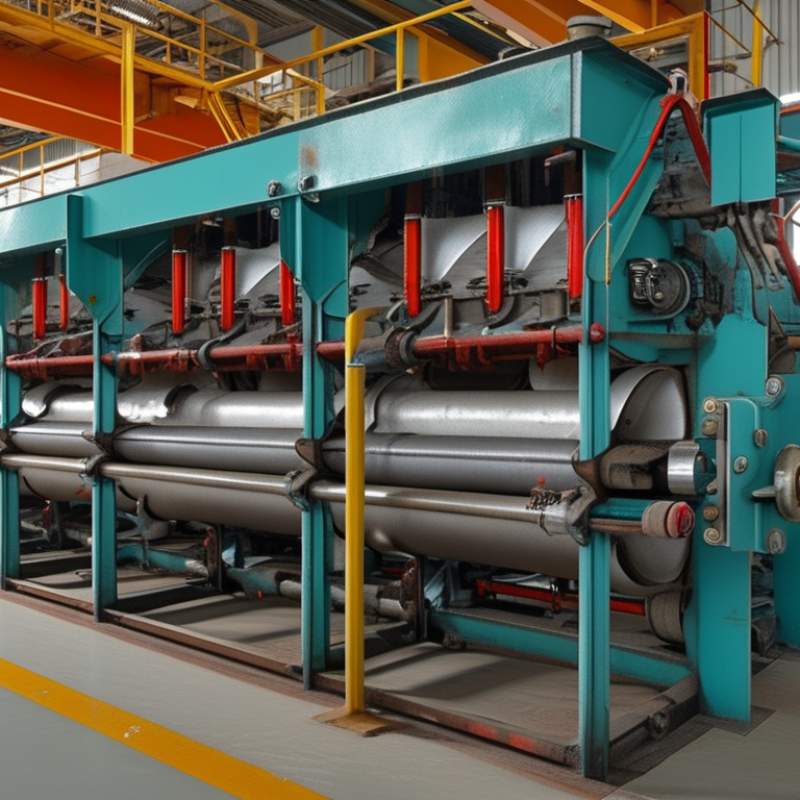
Filter press cake thickness is essential in various industries, particularly in wastewater treatment and mineral processing. The desired cake thickness directly influences efficiency and end product quality. Data from a recent industry report indicates that inconsistent cake thickness can lead to up to 15% increased operational costs. Variability can stem from factors such as feed consistency, pressure levels, and even filter cloth condition.
Understanding these aspects is crucial. For example, a study highlighted that optimizing pressure levels could reduce thickness variance by over 20%. Regular monitoring of feed characteristics can ensure a more uniform output. However, not all systems will perform perfectly. Operators may encounter issues with equipment wear and tear, which can cause unpredictable results, affecting productivity and increasing downtime.
By focusing on the nuances of filter press operation, operators can identify areas for improvement. A thorough analysis of past performance data can reveal trends in thickness variance, guiding necessary adjustments. With attention to detail, a more consistent cake thickness is achievable, leading to better process efficiency and substantial cost savings.
Variations in filter press cake thickness can significantly affect operational efficiency. Several factors contribute to this inconsistency. One major aspect is the feed consistency. Fluctuations in the particle size distribution can lead to uneven cake formation. According to industry reports, a well-controlled feed with a uniform particle size can help achieve a more consistent cake thickness, typically falling within a target range of 15-25 mm.
Another influence is the pressure applied during the filtration process. Excessive pressure can lead to overly thin cakes, while insufficient pressure can result in thick, poorly consolidated cakes. Studies suggest that maintaining pressure within optimal levels can enhance cake stabilization. Operators should regularly monitor pressure gauges and adjust settings as necessary.
Tips: Always calibrate your pressure settings before beginning operations. Regularly check the feed for particle size distribution, aiming to keep it stable within the specified range.
Also, consider investing in advanced monitoring systems to track any fluctuations in real-time. This proactive approach can help identify issues before they escalate into significant problems.
Variability in filter press cake thickness is a common challenge in many industrial processes. Several factors can contribute to this inconsistency. One primary factor is the feed material's properties. If the feed has varying particle sizes or moisture content, it can affect how the cake forms. This leads to uneven thickness across batches. Monitoring the feed consistency is essential for achieving uniform results.
Another significant aspect is the pressure applied during the filtration process. Inadequate or excessive pressure can result in cakes that are either too thin or excessively thick. Operators need to calibrate the system carefully to maintain optimal pressure levels. Regular maintenance of the filter press itself is equally crucial. Accumulated debris in the system can decrease efficiency and cause variability.
Finally, the filter cloth's condition plays a role. Worn or damaged cloth can lead to irregular filtration. Checking and replacing the filter cloth when necessary can mitigate these issues. Continuous training for operators can enhance the understanding of these variables. Adapting to these nuances in process control can significantly improve cake thickness consistency, leading to better product quality.
This chart illustrates the variability in filter press cake thickness across five samples. The differences in thickness can be influenced by several factors, including filter media, feed concentration, and operational parameters. Monitoring these variations is crucial for maintaining optimal filtration efficiency.
Variations in filter press cake thickness can be frustrating. The consistency of cake thickness directly impacts efficiency and product quality. Understanding potential causes can help you take action.
Several factors contribute to inconsistent thickness. One common issue is the filter medium's condition. A worn or damaged filter can cause uneven cake formation. Additionally, the slurry properties play a crucial role. Changes in viscosity or particle size can lead to variations in how the cake forms on the filter. Regular monitoring of these factors is essential.
To achieve uniform thickness, begin by examining the filter medium. Regular replacements can prevent issues stemming from wear. Assess the slurry composition as well. Adjustments to the chemical makeup can stabilize viscosity. It is also beneficial to maintain consistent operating parameters. Variations in pressure and flow can affect the cake's formation. Regular training for operators can enhance understanding and responsiveness to these challenges.
Maintaining optimal cake thickness in a filter press is crucial for efficient operation. A study from the American Filtration Society highlights that variations in cake thickness can lead to reduced filtration efficiency and higher operational costs. Preventive measures should focus on consistent feed characteristics and equipment maintenance. For instance, fluctuating feed particle size can directly affect cake formation. Regular monitoring of the particle size distribution can help mitigate this issue.
Another critical factor is the pressure applied during filtration. Excessive pressure can create uneven cake thickness, while too little pressure can prevent proper cake formation. The ideal pressure settings should be established based on the specific slurry characteristics. Adjustments should be made as needed, based on real-time observations.
Operators often overlook the importance of cleaning cycles. Regular cleaning can prevent the buildup of solids which can impact the filter media's performance. A report by Filtration and Separation Journal indicates that maintenance routines should be documented and followed consistently. This ensures that operators can identify potential problems early. Focus on these details can enhance the overall effectiveness of the filtration process.
: Factors like feed material properties, pressure applied, and filter cloth condition cause this variability.
Variations in particle size and moisture content in the feed can lead to uneven cake formation.
Inadequate or excessive pressure can create cakes that are too thick or too thin, impacting consistency.
Regular checks and timely replacements of the filter medium are necessary to prevent uneven filtration.
Changes in viscosity or particle size of the slurry can lead to variations in cake thickness during filtration.
Continuous training helps operators understand the nuances and adapt to prevent thickness variability.
Regularly maintaining the filter press prevents accumulated debris that decreases efficiency and causes variability.
Consistent cleaning prevents solid buildup, which can impair the filter medium’s effectiveness and cake formation.
Keeping particle size consistent helps stabilize cake formation and reduces thickness variation.
Establish ideal pressure settings based on slurry characteristics and adjust according to real-time observations.
In the operation of filter presses, achieving consistent cake thickness is crucial for optimal performance and efficiency. Several factors can lead to variations in filter press cake thickness, including feed characteristics, operational parameters, and equipment conditions. By diagnosing these variables, operators can better understand why uneven cake thickness occurs and implement effective strategies to troubleshoot the issue.
To address this problem, solutions such as adjusting the feed consistency, fine-tuning pressure settings, and ensuring proper maintenance of equipment are essential. Additionally, preventive measures should be established to maintain optimal cake thickness, such as routine checks and calibrations. By focusing on how to troubleshoot uneven cake thickness in filter press operations, operators can enhance productivity and reduce waste, leading to improved overall performance.
Jovios Equipment