When dealing with industrial processes, the functionality of equipment is crucial. "Why is my filter press pump not feeding?" is a common issue that can halt operations. This concern has been addressed by industry expert David Hanson, who states, "Understanding the root cause is essential for efficient resolution." His insight emphasizes the importance of troubleshooting to ensure productivity.
One potential reason for a non-feeding pump could be air entrapment within the system. This can prevent the fluid from flowing correctly. Regular maintenance is key to avoiding such situations. Inspecting valves and seals may reveal issues causing the malfunction.
Another consideration involves the material being pumped. Some materials can be more viscous, impacting the pump's performance. Pumping thick sludge or other challenging media can lead to clogs or blockages. Re-evaluating pump specifications against the material type could provide clarity. Addressing these problems head-on promotes reliability and efficiency in operations.
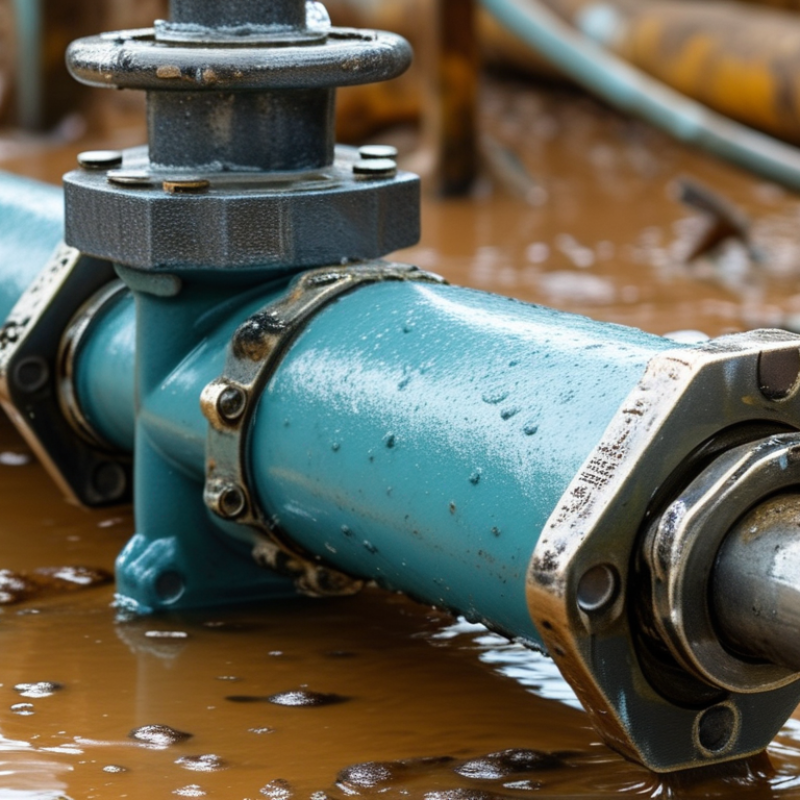
Filter press pumps are vital for many industrial processes. However, when they fail to feed properly, it can cause significant delays. Identifying the common reasons behind these issues is essential for maintaining efficiency.
One common issue is a clog in the pump or filter. This blockage can occur due to material build-up. Regular checks can help catch these problems early. Clean the filters and hoses frequently. Inspecting the system periodically can save time later.
Another factor is the pump's pressure settings. If the pressure is too low, it may not feed material effectively. Adjustments should be made according to the specific requirements of your application. Avoid operating outside of the recommended range for best results.
Tips for troubleshooting: Monitor the pump regularly. Look for unusual noises, vibrations, or leaks. These signs can indicate underlying issues. Addressing these concerns promptly can prevent bigger problems. Make sure to train employees on proper pump operation and maintenance. Investing time in education ensures a smoother operation.
| Issue | Description | Possible Solutions |
|---|---|---|
| Air Lock | Air trapped in the pump prevents proper suction. | Bleed the pump to remove air and ensure continuous flow. |
| Clogged Filters | Particles trapped in the filter can hinder flow. | Clean or replace filters to restore proper flow. |
| Insufficient Pump Pressure | Low pressure can cause the pump to underperform. | Check pressure settings; adjust or repair the pump as necessary. |
| Worn Out Seals | Seals can wear out over time, causing leaks. | Inspect and replace seals to ensure a tight fit. |
| Electrical Issues | Faulty wiring or components may interrupt pump operation. | Check electrical connections and replace any damaged parts. |
| Wrong Pump Size | Using a pump that is too small can limit performance. | Evaluate system requirements and replace with an appropriately sized pump. |
: An incorrect feed line setup can lead to feeding issues and affect overall performance.
Inspect all connections closely. Even a tiny crack can compromise the operation.
If wear is detected, it might be time for a replacement to prevent failures.
Use appropriate tools to remove any clogs or obstructions that may have developed.
Regular maintenance prevents feeding issues and enhances longevity and efficiency.
Incompatible materials can cause degradation and affect the pump's effectiveness.
Regular visual inspections can reveal issues that are often overlooked.
Yes, monitoring pressure and following a checklist can help identify and resolve problems.
Maintain records of all repairs and tasks to identify recurring issues over time.
Reflecting on past mistakes can guide you to avoid similar issues in the future.
When facing the dilemma of "why is my filter press pump not feeding," it's essential to systematically identify common issues that may be causing the problem. Begin by inspecting the pump components for any blockages or damage that could hinder proper operation. Additionally, assessing the feed line configuration and its integrity is crucial to ensure there are no leaks or restrictions affecting the feed process.
Furthermore, evaluating the pump's speed and pressure settings can help determine if they are adequately set for the specific application. Finally, maintaining a routine of regular maintenance and following troubleshooting protocols will not only help in resolving current feeding issues but also prevent future occurrences. By addressing these key areas, you can effectively troubleshoot and resolve any concerns related to filter press pump feeding.

 Jovios Equipment