China Top Filter Press Plates How to Store When Not in Use?

Time:2026-09-23 Author:Liam
0%

China’s top filter press plates can deliver long service life, but storage mistakes often damage them quietly. This introduction explains how to store filter press plates when not in use, especially after dewatering sludge, minerals, chemicals, or food-processing materials.

A practical view comes from Zhang Wei, a senior filter press maintenance engineer with experience in industrial plate inspection: “A plate should be stored as carefully as it is pressed, because hidden moisture becomes visible damage later.” His statement reflects a common maintenance lesson. Residual cake can harden inside corner ports. Water trapped around sealing surfaces can leave stains, swelling, or microbial growth. Small defects may only appear during the next pressure cycle.

Clean each plate with a suitable method recommended by the manufacturer. Avoid sharp tools that can scratch polypropylene surfaces. Rinse away solids, then allow every channel, hole, and gasket area to dry completely. Do not stack wet plates. That shortcut is tempting, but it often creates problems.

Store plates indoors, away from direct sunlight, ozone sources, welding fumes, and aggressive chemicals. Keep them on a clean, level support. Follow the supplier’s instructions for vertical or horizontal placement. Protect sealing edges from impact. If gaskets are removable, inspect them separately and record their condition. A simple label showing the cleaning date can prevent confusion later.

There is room for caution here. “Dry” does not always mean “ready.” A cool plate may still contain internal moisture. Before reuse, inspect thickness, flatness, ports, cloth contact areas, and gasket seating. Careful storage is not glamorous. It is dependable.
China Top Filter Press Plates How to Store When Not in Use?

Confirm Plate Material and Limits: PP Typically Handles 0–80°C in Service

China Top Filter Press Plates: How to Store When Not in Use?

Polypropylene filter press plates need temperature control during storage. Their typical service range is 0–80°C, but this limit does not define ideal storage conditions. Keep plates in a shaded, dry room between 10°C and 30°C. Avoid heaters, steam lines, direct sunlight, and outdoor exposure. Ultraviolet radiation can gradually weaken exposed polymer surfaces. The PlasticsEurope technical data for polypropylene shows very low water absorption, yet wet storage can still encourage contamination around sealing grooves.

Store plates vertically only when a stable rack supports their full weight. Otherwise, place them flat on clean, level pallets. Do not stack excessive quantities. Uneven loading may distort sealing faces over time. A practical inspection includes checking plate edges, recess corners, handles, and gasket channels. Small scratches can become leakage paths after repeated pressing. They often look harmless.

ISO 11357 testing places polypropylene melting behavior near 160–166°C, far above its normal operating range. That figure does not mean heat exposure is safe. ASTM D792 data commonly reports polypropylene density near 0.90 g/cm³, confirming its lightweight structure but not its resistance to prolonged stress. Remove trapped process chemicals before storage, and record the last operating temperature. I would also recheck plates after one month. That step is easy to skip, and storage problems often begin unnoticed.

Wash Residues with pH-Compatible Water; Dry Plates Before Storage

China Top Filter Press Plates: How to Store When Not in Use?

Proper storage begins before plates leave the filter press. Residues can harden in channels, grooves, and sealing surfaces. Rinse them with water compatible with the plate material and process residue. Check the process safety sheet before choosing acidic or alkaline water. Plain water is not always suitable. A mismatch may swell seals or weaken surfaces.

Use moderate pressure to remove solids without cutting into the cloth support. Brush corners gently with a soft nylon brush. Do not scrape with metal tools. Inspect each plate under bright light. Look for cracks, chips, warped edges, blocked feed holes, or flattened sealing lines. I once treated a “clean” plate as ready, but a thin oily film remained inside a corner groove. It caused sticking during the next setup. That mistake changed our inspection routine.

After washing, let plates drain vertically, then dry them completely. Moisture trapped between stacked plates can encourage corrosion, odors, or microbial growth. Use clean air or a lint-free cloth when appropriate. Avoid high heat unless the material supplier permits it. Store plates upright on a stable rack, away from sunlight, dust, and chemicals. Keep seals relaxed and avoid heavy objects on the stack. Record the cleaning date and damaged areas. Storage practice is not perfect every time; humidity and residue vary. Recheck plates before installation.

Store Plates Vertically with Support to Prevent Deflection and Damage

China Top Filter Press Plates How to Store When Not in Use?

Filter press plates should be cleaned immediately after removal. Rinse away cake residue, then dry every sealing surface and recessed area. Moisture trapped in corners can encourage corrosion, staining, or unwanted biological growth. Inspect the plate edges, handles, feed holes, and sealing faces under good lighting. Small cracks deserve attention. Do not store questionable plates with serviceable ones.

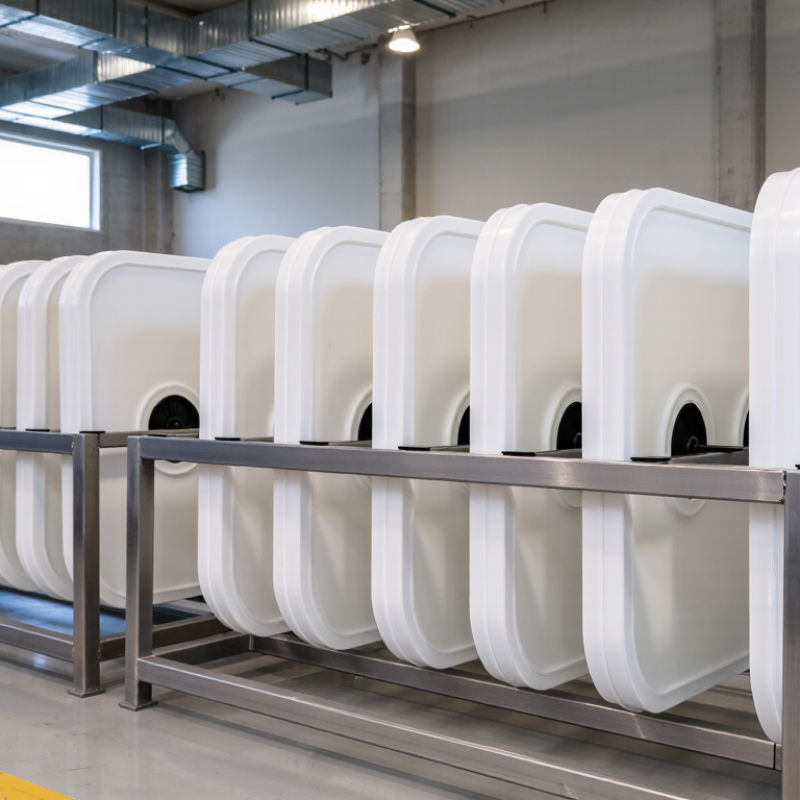
Store plates vertically on a rigid rack with broad, evenly spaced supports. The supports should hold the plates near their strongest areas, not only at one narrow edge. Use soft separators between plates to prevent scratches and pressure marks. Never lean a tall stack against a wall. It can slide, twist, or create uneven loading. Vertical storage reduces bending stress and helps prevent deflection over time.

Keep the storage area dry, shaded, and free from chemical fumes. Avoid direct sunlight and extreme temperature changes, especially for plates with polymer components. Leave enough clearance for safe handling and airflow. Label plates by size, material, and inspection status. A simple record helps prevent unsuitable parts from returning to service. One practical detail is often missed: check the rack itself. A slightly uneven floor can slowly tilt the entire row. We sometimes focus on the plates and overlook their support system. That mistake is easy to correct, but expensive to ignore.

Filter press plates should be stored vertically on a stable base with adequate support to reduce bending, edge damage, and accidental tipping. Keep plates clean, dry, protected from direct sunlight, and away from heat or corrosive chemicals. The suitability scores below are practical handling ratings, where 5 represents the preferred storage method.

Keep Storage at 5–35°C; Avoid UV Exposure, Frost, and Direct Heat

China Top Filter Press Plates: How to Store When Not in Use?

Keep polypropylene filter press plates between 5°C and 35°C during storage. This range limits thermal expansion, warping, and brittle behavior. ISO 291:2008 highlights temperature control as essential when evaluating plastic performance. Store plates indoors, on a level pallet, with clean separators between contact surfaces. Never place them directly on concrete. Moisture can collect underneath.

UV exposure deserves strict attention. ISO 4892-3 explains that fluorescent UV radiation can accelerate surface aging in plastics. A covered warehouse is safer than an open yard. Keep plates away from windows, welding arcs, and strong lamps. Frost is also risky. Water trapped in recesses may freeze, expand, and create small cracks. Those cracks can remain invisible until filtration pressure rises.

Direct heat causes another problem. Keep plates away from boilers, steam pipes, heaters, and hot process tanks. Local temperatures can exceed 35°C even when the room feels comfortable. A simple wall thermometer helps. Check it during the hottest afternoon, not only in the morning. Rotate stored plates occasionally and inspect sealing edges for distortion, dust, or missing surfaces. Our practical experience suggests that stacking too high often creates avoidable deformation, although the ideal stack height depends on plate size and support design. Storage records should include date, temperature, and inspection findings. Small details matter.

Inspect Seals and Filter Cloths Every 3–6 Months During Storage

China Top Filter Press Plates: How to Store When Not in Use?

Filter press plates need clean, dry, and stable storage between production cycles. During storage, seals and filter cloths deserve regular attention. Set an inspection cycle every three to six months. Shorter intervals are sensible in humid workshops or dusty storage rooms. Keep a simple inspection log. Record the date, storage conditions, and visible changes.

Check each seal for cracks, hardening, flattening, or loss of elasticity. Run a clean finger along the sealing edge. Small cuts can worsen after the press returns to service. Examine filter cloths for mildew, brittleness, blocked pores, and loose stitching. Residual cake often hides near corners and feed openings. Remove it carefully without scraping the cloth aggressively. Harsh cleaning can damage fibers.

Store plates upright on a level support, away from direct sunlight and heat sources. Keep cloths dry, but avoid sealing damp materials inside plastic. Ventilation matters. I once found a cloth set that looked clean but smelled musty after storage. The inspection had been too visual. Now, I check odor, flexibility, and stitching as well. If a seal feels unusually stiff, compare it with an unused section and document the concern before reassembly.

China Top Filter Press Plates: How to Store When Not in Use? — Inspect Seals and Filter Cloths Every 3–6 Months During Storage

Storage Item Recommended Inspection Interval Inspection Points Acceptable Condition Corrective Action Record
Filter Plates Every 3–6 months Check plate faces, edges, handles, feed holes, drainage ports, cracks, distortion, and deposits. Plates are clean, dry, aligned, and free from cracks, deep scratches, deformation, or blocked channels. Clean with a compatible method, remove deposits, and isolate any cracked or deformed plate before reuse. Inspection date and condition
Plate Seals and Gaskets Every 3–6 months Inspect sealing surfaces for cuts, flattening, swelling, hardening, brittleness, chemical attack, and permanent deformation. Seals remain elastic, continuous, securely seated, and free from visible damage or sticky residue. Clean the groove and replace damaged, hardened, swollen, or permanently compressed seals. Seal condition and replacement status
Filter Cloths Every 3–6 months Check for tears, frayed seams, blocked pores, hardened cake, stretching, discoloration, and weakened attachment points. Cloths are fully dry, clean, intact, correctly fitted, and free from persistent blockage or abnormal brittleness. Wash using a cloth-compatible procedure, dry completely, and replace cloths with structural damage. Cloth condition and cleaning date
Plate Stack and Alignment Every 6 months and before restart Confirm plates remain upright, evenly supported, and protected from impact, leaning, and excessive mechanical load. No visible leaning, contact damage, unstable stacking, or stress on plate handles and sealing surfaces. Rearrange the stack on a level support and use suitable spacers or covers where required. Stack and support check
Storage Environment Monthly visual check Check for rainwater, condensation, direct sunlight, dust, corrosive vapors, oil contamination, pests, and flooding risk. Storage area is clean, dry, ventilated, covered, and separated from incompatible chemicals and heat sources. Improve ventilation, repair leaks, remove contamination, and protect components with breathable covers. Area condition
Metal Parts and Fasteners Every 3–6 months Inspect exposed metal surfaces, clamps, hinges, support bars, bolts, and drainage components for rust or corrosion. Surfaces are dry and free from active corrosion, loose fasteners, and damage that could affect operation. Remove surface corrosion where appropriate, apply a compatible protective coating, and tighten or replace fasteners. Corrosion and hardware status
Protective Covering Every 3 months Check that covers are intact, clean, dry, and not trapping moisture against plates, seals, or cloths. Cover protects against dust and sunlight while allowing sufficient air circulation to prevent condensation. Dry the equipment, replace damaged covers, and avoid airtight wrapping when moisture may be present. Cover inspection
Pre-Start Verification Before every restart Verify plate count, cloth installation, seal seating, plate alignment, drainage paths, and absence of foreign objects. All components are correctly installed, clean, dry where required, and ready for controlled commissioning. Correct installation defects and perform a low-risk operational check before returning to normal service. Restart approval

Storage note: Clean filter press plates and cloths before storage, allow washable components to dry completely, keep them protected from direct sunlight and corrosive substances, and increase inspection frequency in humid, coastal, dusty, or chemically aggressive environments.

FAQS

What temperature is suitable for storing polypropylene filter press plates?

Store them in a shaded, dry room between 10°C and 30°C. Their usual service range is about 0–80°C. That range is not an ideal storage target. Avoid heaters, steam pipes, and sudden temperature changes.

Should filter press plates be stored vertically or flat?

Store them vertically on a rigid rack with broad, evenly spaced supports. The rack must support their full weight. Use flat pallets if the rack is unstable. Never lean a tall stack against a wall.

How can storage prevent plate bending and sealing damage?

Keep plates level and avoid excessive stacking. Uneven pressure can slowly distort sealing faces. Soft separators help prevent scratches and pressure marks. Check the rack and floor, too. A tilted floor can affect the entire row.

How should plates be cleaned before storage?

Rinse away filter cake and trapped process residue immediately after removal. Dry sealing faces, recesses, corners, and feed openings completely. Do not scrape filter cloths aggressively. Harsh cleaning can damage fibers. Dryness matters most.

What parts should be inspected before storage?

Inspect edges, handles, recess corners, feed holes, gasket channels, and sealing faces. Use bright lighting. Look for cracks, scratches, stains, and trapped residue. Small scratches may become leakage paths during repeated pressing. They can look harmless.

How often should seals and filter cloths be inspected?

Inspect them every three to six months. Use shorter intervals in humid or dusty rooms. Check seals for cracks, hardening, flattening, and reduced elasticity. Examine cloths for mildew, brittle fibers, blocked pores, and loose stitching. Record each inspection date.

How should filter cloths be checked during storage?

Check their smell, flexibility, stitching, and visible cleanliness. Do not rely only on appearance. A cloth may look clean but still smell musty. Keep cloths dry and ventilated. Do not seal damp materials inside plastic.

What records help prevent unsuitable plates from returning to service?

Label each plate by size, material, and inspection status. Record the last operating temperature and storage conditions. Separate questionable plates from serviceable ones. Recheck stored plates after one month. I might skip that step, but it catches quiet problems.

Conclusion

Knowing how to store filter press plates when not in use helps preserve their shape, sealing performance, and service life. Before storage, confirm the plate material and its operating limits; polypropylene plates, for example, typically handle service temperatures from 0°C to 80°C. Remove all remaining cake and chemical residues by washing the plates with water compatible with the residue’s pH. After cleaning, allow the plates to dry completely to reduce the risk of corrosion, biological growth, or surface deterioration.

Store the plates vertically on a stable support that prevents bending, slipping, or impact damage. Maintain a clean, dry storage area between 5°C and 35°C, and protect the plates from ultraviolet exposure, frost, and direct heat sources. During extended storage, inspect the seals and filter cloths every three to six months. Replace or repair any components showing cracking, hardening, distortion, contamination, or other signs of damage before the plates are returned to operation.

Liam

Liam

Liam is a dedicated marketing professional with a profound expertise in the industry, where he excels at highlighting the unique advantages of our core products. With a keen understanding of market trends and consumer needs, Liam frequently updates our company’s professional blog, providing......