How does a membrane squeeze filter press operate effectively?

Time:2026-07-15 Author:Isabella
0%

Understanding how does a membrane squeeze filter press work is essential for various industries. This technology plays a significant role in waste management and resource recovery. Membrane squeeze filter presses are efficient tools for separating solids and liquids. They enhance dewatering processes, which is crucial in areas like mining and textile manufacturing.

The mechanism behind this technology involves pressing a membrane against the filter cake. This action expels additional moisture from the cake, resulting in drier solids. Operators must consider factors like pressure and material characteristics to optimize performance. A well-tuned system can improve operating efficiency significantly.

However, achieving optimal operation isn't always straightforward. There can be challenges, such as varying feed consistency and clogging risks. Each application has unique demands that should be assessed. Industry professionals need to continuously refine their approaches to ensure reliable filter press performance. Balancing expertise with practical experience is vital for effective operation.
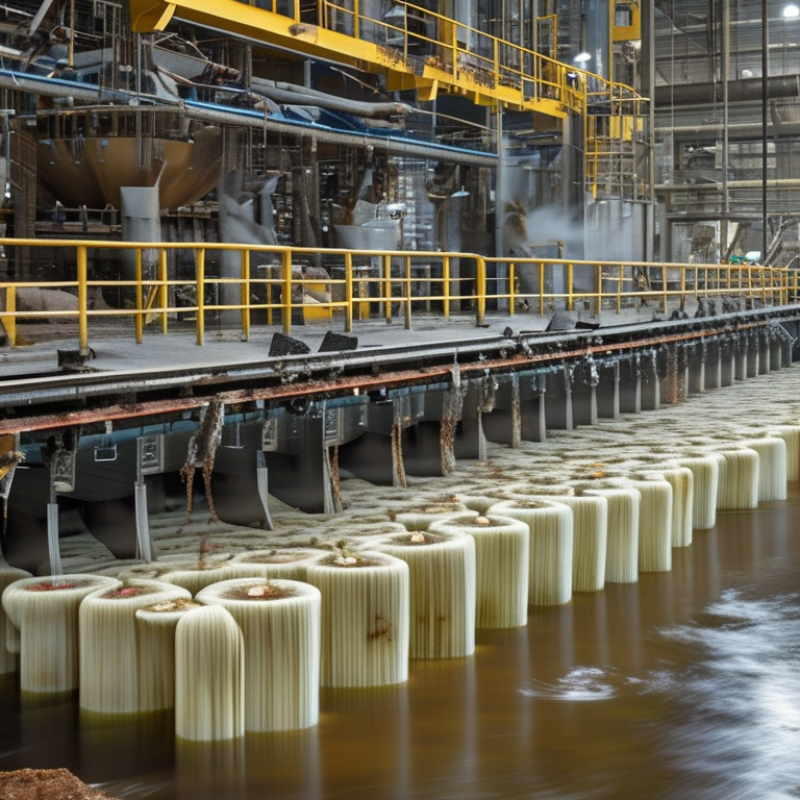
How does a membrane squeeze filter press operate effectively?

Principle of Operation of Membrane Squeeze Filter Press

The membrane squeeze filter press operates based on a unique principle that enhances liquid-solid separation. Its design incorporates membrane plates that allow for greater versatility in handling various materials. The pressing phase reduces moisture content significantly, achieving a cake dryness of over 90% in many applications. According to recent reports, this efficiency leads to a reduced need for further drying processes, saving energy and costs.

During operation, a feed slurry enters the chamber of the filter press. As the membrane inflates, it squeezes the cake further, enhancing solid recovery. Studies suggest that membrane squeeze filter presses can operate with a throughput increase of up to 30%. This technology is particularly useful in industries like food processing and wastewater treatment. However, some operators face challenges with membrane durability, which can lead to increased maintenance requirements.

Industry data indicates a trend towards automation in squeeze filter presses. Sensors monitor pressure and flow rates in real-time, optimizing performance. However, achieving the right balance between automation and manual control can be complex. Continuous learning and adjustments are often necessary to maintain optimal performance, reflecting the evolving nature of filtration technologies.

Key Components of Membrane Squeeze Filter Press and Their Functions

A membrane squeeze filter press is an efficient tool in various industrial applications. Its design includes vital components that enhance functionality. The membrane is the core element, allowing for additional pressing during the dewatering phase. This feature improves cake dryness and reduces the volume of the sludge.

Another key component is the frame. It provides stability and strength during operation. A well-constructed frame can handle significant pressures. Additionally, the hydraulic system controls the pressing force, ensuring that the membrane operates optimally. Operators must regularly check the fluid levels in this system for safe performance.

Finally, the control panel is crucial for monitoring the process. It helps track parameters like pressure and temperature. User experience can be limited if the control system is not intuitive. Adjustments in operation might be necessary based on the material being processed. These components work together, yet flaws can emerge. Regular maintenance is critical to avoid unexpected breakdowns.

Effectiveness of Membrane Squeeze Filter Press Components

Steps Involved in the Membrane Squeeze Process for Enhanced Filtration

The membrane squeeze filter press operates through a meticulous process aimed at enhancing filtration. The initial phase involves feeding the slurry into the filter press. This slurry may contain water, various solids, and other components. Proper preparation of the slurry is crucial, as its consistency can affect the overall efficiency of the filtration.

Next, the filter press applies pressure, which aids in separating the solids from the liquid. The membrane squeeze process involves inflating a membrane that lines the filter plates. This action exerts additional pressure, leading to improved moisture removal from the cake. Monitoring the pressure is vital; too much can damage the cake or equipment, while too little may reduce filtration efficiency.

After the squeezing step, careful attention to the cake discharge is essential. Any residual moisture can lead to increased costs due to transportation or disposal issues. Operators must regularly evaluate the effectiveness of the filtration process and be aware of the potential need for maintenance. Understanding the interplay between pressure, temperature, and time can optimize results, but there is no one-size-fits-all approach. Regular assessments can reveal areas for improvement in the operation.

Advantages of Using Membrane Squeeze Filter Press in Industrial Applications

Membrane squeeze filter presses are gaining traction in industrial settings for several compelling reasons. This technology not only enhances filtration efficiency but also maximizes cake dryness, which is crucial for waste management and resource recovery. Studies indicate that membrane squeeze filter presses can achieve up to 30% higher cake solids compared to traditional methods. This improvement leads to reduced disposal costs and enhanced material recovery options.

The advantages extend beyond mere efficiency. Membrane technology allows for better control over the filtration process. The ability to apply a squeeze pressure during the filtration cycle significantly reduces the moisture content of the cake. This reduction translates into lower operational costs and improved process sustainability. Industry reports show that using membrane filters can decrease water usage by as much as 50%. This is vital in an era where water conservation is paramount.

**Tip:** Regular maintenance is critical for optimal performance. Ensure that seals and membranes are checked routinely to avoid unexpected failures.

Moreover, companies using membrane squeeze filter presses have reported shorter processing times. This technology minimizes downtime, allowing for continuous operation and increased throughput. However, the initial investment can be a barrier. Businesses should weigh the long-term savings against upfront costs. End users must evaluate their specific needs before making a decision.

**Tip:** Consider running a pilot test to understand the technology's impact on your processes. This can reveal both benefits and challenges unique to your operations.

How does a membrane squeeze filter press operate effectively? - Advantages of Using Membrane Squeeze Filter Press in Industrial Applications

Feature Description Advantage
Operating Principle Utilizes membrane technology to expand and dewater slurries. Increases cake dryness and reduces moisture content.
Efficiency Rapid filtration cycle with lower residual moisture. Higher throughput compared to traditional methods.
Energy Consumption Lower energy requirements due to optimized operation. Reduces operational costs over time.
Maintenance Simplified maintenance protocols. Less downtime and increased productivity.
Material Compatibility Can handle a wide range of slurries. Versatile for various industrial applications.
Environmental Impact Reduces waste generation during filtration. Support sustainable practices in industry.

Maintenance Practices for Optimal Performance of Membrane Filter Press

The efficient operation of a membrane squeeze filter press relies heavily on its maintenance practices. Regular inspection of the filter cloth is essential. A study by the Filtration and Separation division indicates that proper care can extend the cloth's lifespan by up to 30%. Neglecting this aspect can lead to higher operating costs and reduced overall efficiency.

Another critical practice is monitoring the hydraulic system. Oil contamination can compromise performance. Research shows that maintaining clean hydraulic fluid can increase system reliability by 40%. Operators should routinely check for leaks and ensure fluid levels are optimal. Implementing a schedule for replacing hydraulic filters every six months is often recommended, yet many facilities overlook this.

Proper cleaning protocols for membrane plates also enhance performance. Residual buildup can hinder squeezing efficiency. A recent industry report found that regular cleaning can improve cake dryness significantly. In fact, dirty membranes can reduce output by up to 20%. These simple yet thorough maintenance steps are crucial for achieving optimal performance and prolonging the equipment's lifespan. Without them, operations can suffer unexpectedly.

FAQS

: What is the membrane squeeze filter press used for?

: It enhances filtration efficiency and maximizes cake dryness, crucial for waste management and resource recovery.

How is the slurry prepared for filtration?

Proper preparation ensures the right consistency, affecting overall filtration efficiency significantly.

Why is monitoring pressure important during the process?

Too much pressure damages the cake or equipment; too little decreases filtration efficiency.

What are the benefits of using membrane squeeze technology?

It improves cake solids by up to 30%, reduces disposal costs, and enhances material recovery.

How can maintenance impact the performance of the filter press?

Regular inspections and cleaning can extend equipment lifespan and improve efficiency, preventing unexpected costs.

What should operators check to maintain the hydraulic system?

Operators must monitor for leaks and ensure clean hydraulic fluid to boost system reliability.

Why is routine cleaning important for membrane plates?

Cleaning prevents residual buildup, which could reduce output by up to 20%, ensuring better squeezing efficiency.

Is the initial investment a barrier for businesses?

Yes, companies must weigh long-term savings against initial costs before adopting this technology.

How does water usage compare with traditional filtering methods?

Membrane filters can decrease water usage by as much as 50%, important for conservation efforts.

What should businesses consider before implementing this technology?

Running a pilot test can reveal specific benefits and challenges related to their operational needs.

Conclusion

A membrane squeeze filter press operates by leveraging the principle of pressure to enhance filtration efficiency. The process begins with the introduction of slurry into the chambers of the filter press, where key components such as the membrane, plates, and hydraulic system play crucial roles. The membrane applies additional pressure during the filtration phase, which helps to extract more liquid and create a drier cake, thereby enhancing overall filtration effectiveness.

Key steps in the membrane squeeze process include filling the chambers, applying pressure through the membrane, and then extracting the filtrate, allowing for optimal separation of solids and liquids. The advantages of using a membrane squeeze filter press in industrial applications include improved cake dryness, higher throughput, and better quality of the filtrate. To ensure optimal performance, regular maintenance practices such as inspecting membranes, checking hydraulic systems, and cleaning plates are essential. Ultimately, understanding how does a membrane squeeze filter press work can help industries achieve more efficient filtration processes and improved productivity.

Isabella

Isabella

Isabella is a dedicated marketing professional with a sharp focus on driving brand growth and engagement through strategic content creation. With an extensive background in digital marketing, she combines her passion for storytelling with her keen understanding of industry trends to deliver......