How to Properly Install a Filter Press Cloth in 2026?

Time:2026-06-29 Author:Liam
0%

Understanding how to install a filter press cloth properly is critical for optimal operation in filtration processes. In 2026, studies indicate that improper installation can lead to a 15% decrease in efficiency and increased operational costs. Industry experts emphasize that filter press performance hinges on the correct cloth installation. Detailed attention to this process enhances both effectiveness and reliability.

Research from the Filtration Society shows that more than 30% of filter press failures stem from inadequate installation techniques. This statistic highlights a need for industry professionals to refine their skills. A survey of operators indicates a common struggle with ensuring ideal tension and alignment during installation. It's clear that expert guidance can significantly mitigate such challenges.

In addition, a well-installed filter cloth improves cake release and reduces the need for maintenance. However, there remains a gap in proper training. Many operators admit they lack thorough knowledge about installation best practices. Addressing this gap will enhance performance and uphold industry standards. Embracing a meticulous approach to learning how to install a filter press cloth properly is essential for achieving operational excellence.
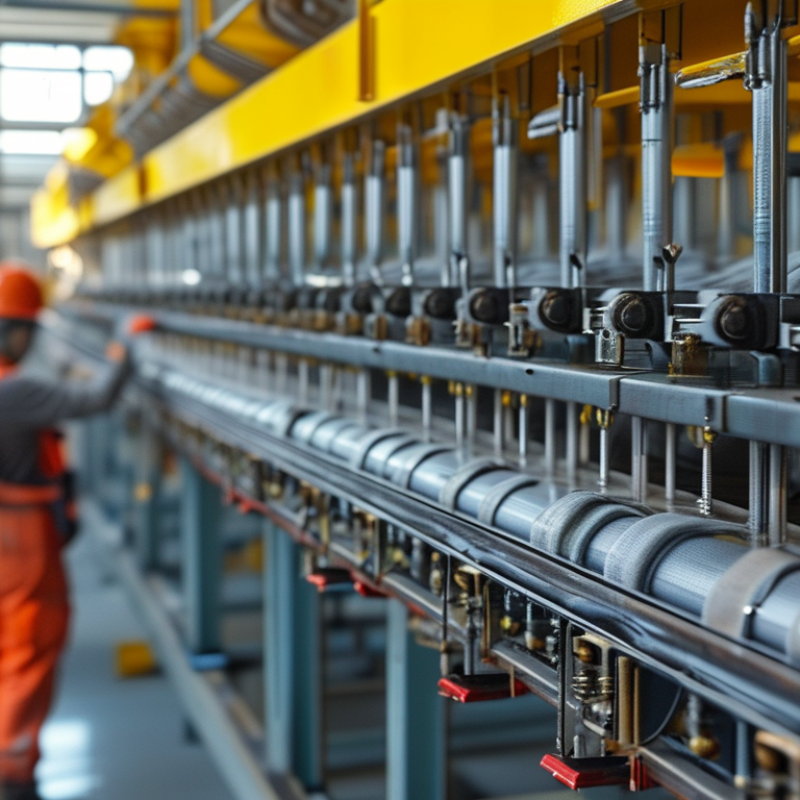
How to Properly Install a Filter Press Cloth in 2026?

Understanding Filter Press Cloths and Their Importance

Filter press cloths are vital in various industrial applications. They separate solids from liquids, ensuring effective filtration. A recent industry report indicates that filter press systems can achieve up to 95% efficiency in certain operations. Understanding their role is crucial for optimal performance and longevity.

Proper installation of filter press cloths can significantly affect overall efficacy. A poorly installed cloth may lead to operational problems. For example, improper tension can cause uneven filtration and premature wear. Regular inspections and adjustments are essential to ensure the cloth maintains its shape and effectiveness over time.

Tip: Always clean the filter press cloths after each use. This helps prevent clogging and extends the cloth's lifespan.

In addition, verifying the compatibility of cloth materials with specific chemicals is crucial. Using inappropriate materials can lead to deterioration and inefficiency. Many experts suggest consulting with filtration specialists to select the best cloth for your application. This step can save both time and costs in the long run.

Selecting the Right Material for Your Filter Press Cloth

Selecting the right material for your filter press cloth is crucial for efficient performance. The choice of fabric impacts filtration speed and cake dryness. Common materials include polypropylene, polyester, and nylon. Each has unique properties that affect durability and resistance to chemicals or heat.

Polypropylene is often favored for its cost-effectiveness. However, it may not withstand extreme temperatures. Polyester offers higher tensile strength, making it a better choice for rigorous applications. Nylon, while strong, can be sensitive to certain chemicals. You must carefully analyze your specific needs before deciding on a material.

Reflecting on these aspects can lead to better filtration results. Think about the operating conditions and compatibility with the liquid you are processing. If you overlook these factors, you might face inefficiencies or increased costs. Testing small samples can reveal unexpected challenges. Always be prepared for adjustments during the selection process.

Step-by-Step Guide to Removing Old Filter Press Cloth

Removing old filter press cloth can be a challenging task. The first step is to ensure safety. Wear gloves and goggles to protect yourself. Start by identifying the release mechanisms on your filter press. This varies by model. Some presses have clips, while others use screws. Make sure to have the right tools handy.

Once you’ve accessed the cloth, look for wear and tear. Old cloths often show signs of fraying or staining. These imperfections indicate it's time for replacement. Carefully detach the cloth from its supports. Do this slowly to avoid damaging the components. If you're struggling, don’t hesitate to consult operational manuals. They can provide valuable insights.

After removing the cloth, inspect the filter press itself. Look for debris or signs of buildup. Cleaning the surface is vital. A clean filter press ensures better performance when you install the new cloth. Collect any leftover material from the old cloth. This step reduces contamination risks during the next installation. Taking these precautionary measures will lead to a smoother process and extend the longevity of the new filter press cloth.

Filter Press Cloth Installation Data - 2026

This chart displays the average time taken (in minutes) to install filter press cloth for various operational scenarios in 2026.

Techniques for Properly Installing New Filter Press Cloth

Installing a filter press cloth requires attention to detail and careful techniques. Start by gathering all necessary tools and materials. The cloth should be laid out flat to avoid wrinkles. Ensure that it fits the frame dimensions precisely. Any excess fabric can cause filter inefficiency. Use a measuring tape to confirm the size before proceeding.

When placing the cloth, align it with the edges of the filter plates. Secure it with clips or fasteners. This step is crucial for maintaining an airtight seal. If the cloth slips or is not taut, it could lead to leaks. Regularly check the installation during the process. It’s common to overlook minor adjustments, which can affect performance.

After installation, conduct a thorough inspection. Look for any creases or folds that may have developed. These can disrupt filtration and affect productivity. Sometimes, it may require a second look to ensure everything is in place. Trust your instincts. Experience matters in this process. Taking time to recheck your work can save future headaches.

Routine Maintenance Tips for Filter Press Cloth Longevity

Routine maintenance of filter press cloth is vital for optimal performance. According to recent industry reports, proper upkeep can enhance cloth longevity by up to 30%. This extension of lifespan translates to cost savings and improved efficiency in operations. Regular inspections should be part of a maintenance routine. Check for wear and tear early to prevent significant issues later.

Cleaning is another crucial aspect. Using the correct cleaning solutions can prevent clogging. A clogged filter press cloth reduces output and increases energy consumption. Research indicates that up to 15% of operational inefficiencies stem from uncleaned filter cloths. It’s essential to follow manufacturer guidelines for cleaning frequency.

Environmental factors also play a role. High temperatures and humidity levels can degrade cloth materials faster than expected. Monitoring these conditions may prevent premature material failure. Regular training on maintenance practices is advisable for all operators. Knowledge about the importance of maintenance will foster a culture of care in the workplace. Without consistent efforts, even high-quality materials will show deterioration sooner than anticipated.

How to Properly Install a Filter Press Cloth in 2026? - Routine Maintenance Tips for Filter Press Cloth Longevity

Dimension Specification Maintenance Tip Expected Lifespan
Thickness 1.5 mm Regularly inspect for wear and tear 2-3 years
Material Type Polypropylene Use appropriate cleaning solutions 3-5 years
Filtration Area 50 m² Ensure proper fit to prevent leaks 5+ years
Weight 10 kg Store in a dry location 2-4 years

FAQS

: Why is selecting the right filter press cloth material important?

: The material affects the filtration speed and cake dryness. Choices include polypropylene, polyester, and nylon.

What is the advantage of polypropylene?

Polypropylene is cost-effective but may not withstand extreme temperatures. Consider this for your specific needs.

How does polyester differ from other materials?

Polyester has higher tensile strength, suitable for rigorous applications. It’s more durable in challenging conditions.

What should I look for when removing old filter press cloth?

Identify release mechanisms on the press. Check for clips or screws based on your model.

Why is cleaning the filter press important after removing old cloth?

Cleaning removes debris that could affect performance. A clean press helps the new cloth work efficiently.

How can I extend the lifespan of filter press cloth?

Regular inspections and cleanings can enhance longevity by up to 30%. Monitor for wear and follow maintenance routines.

What are the risks of not maintaining filter press cloth?

Neglect can lead to operational inefficiencies. Up to 15% of inefficiencies are from uncleaned filter cloths.

How do environmental factors affect filter press cloth?

High temperatures and humidity can degrade materials. Monitor these conditions to prevent premature failure.

What should I do if I struggle to remove the cloth?

Consult operational manuals for help. They provide valuable insights for your specific model.

How do I know when to replace filter press cloth?

Signs include fraying or staining. If you notice these imperfections, it’s time for a replacement.

Conclusion

In the article "How to Properly Install a Filter Press Cloth in 2026," the importance of filter press cloths is emphasized, highlighting their critical role in various filtration processes. The piece begins with an overview of filter press cloths, focusing on the right material selection crucial for optimal performance. It then offers a comprehensive, step-by-step guide on how to install a filter press cloth properly, including detailed techniques for safely removing old cloths and ensuring the new ones are installed efficiently.

Moreover, the article stresses the importance of routine maintenance practices to extend the longevity of filter press cloths, ensuring they operate effectively over time. By following these guidelines, users can enhance their filtration systems and maximize productivity in their operations.

Liam

Liam

Liam is a dedicated marketing professional with a profound expertise in the industry, where he excels at highlighting the unique advantages of our core products. With a keen understanding of market trends and consumer needs, Liam frequently updates our company’s professional blog, providing......