In the world of industrial filtration, understanding why does a filter press lose hydraulic pressure is crucial for efficiency. Michael Thompson, a hydraulic systems expert, emphasizes, “Pressure loss can indicate underlying inefficiencies in the system.” This highlights the importance of recognizing potential issues before they escalate.
Common factors like clogged filters, worn seals, or incorrect settings contribute to hydraulic pressure loss. For instance, a clogged filter will prevent fluid flow, leading to decreased performance. Regular maintenance is essential to identify these problems early on. Unaddressed, these issues could result in costly downtimes and inefficient production.
Hydraulic pressure serves as the backbone of filter press functionality. A drop in pressure not only hinders operations but also signals a need for system inspection. Taking preventive measures is not just smart; it's necessary. Operators should strive to understand their equipment fully. Exploring questions like "why does a filter press lose hydraulic pressure" can lead to better management practices and enhanced operational reliability.
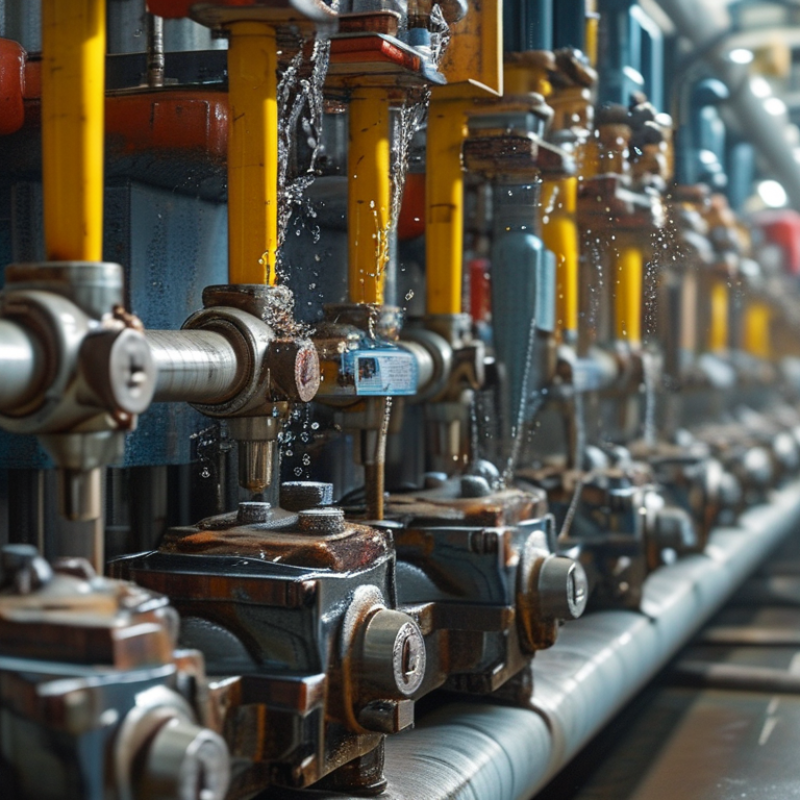
Common Causes of Hydraulic Pressure Loss in Filter Presses
Hydraulic pressure loss in filter presses can be attributed to several factors.
One common cause is wear and tear in the hydraulic components.
Over time, seals, valves, and cylinders may degrade.
According to industry studies, around 30% of hydraulic failures stem from such mechanical issues.
Regular maintenance can significantly reduce these risks.
However, many operations overlook this necessity, risking inefficiencies.
Another reason relates to improper material handling.
If the feed material is too thick or contains large particles, it may not travel smoothly through the system.
This condition can lead to blockages and pressure drops.
Reports indicate that about 25% of pressure loss incidents arise from material-related complications.
Monitoring the feed consistency remains crucial, yet many fail to adapt when changes occur.
Additionally, incorrect settings on the filter press can lead to failures.
Operators may not calibrate pressures or flows correctly.
A survey showed that nearly 40% of operations do not follow recommended guidelines for optimal settings.
The risks of these oversights are significant, ultimately leading to reduced operational efficiency.
Adopting a more disciplined approach to setup could mitigate frequent failures.
Impact of Worn Seals on Hydraulic System Performance
Worn seals can significantly impact the performance of a filter press's hydraulic system. These seals are critical for maintaining pressure. When they become damaged or degraded, leaks can occur. Even small leaks can lead to substantial drops in hydraulic pressure, affecting overall efficiency. The filtration process relies heavily on consistent pressure; any fluctuation can compromise the quality of the output.
Regular inspections of seals are essential. Identifying wear early can prevent larger system failures. Operators should look for visible signs of wear, such as cracks or deformation. A proactive approach may save time and resources in the long run. Proper maintenance of seals involves replacement at adequate intervals based on usage and conditions.
Addressing seal wear is not always straightforward. Sometimes, choosing the right material for the seals can be a challenge. Environmental factors can cause unexpected wear. This scenario emphasizes the need for a balanced approach to maintenance. Pressure loss due to worn seals illustrates the complexity of hydraulic systems. Operators must pay attention to every detail and remain vigilant.
Top 10 Reasons Why a Filter Press Loses Hydraulic Pressure? - Impact of Worn Seals on Hydraulic System Performance
| Reason |
Description |
Impact Level |
Solution |
| Worn Seals |
Degraded seals leading to fluid leakage and loss of pressure |
High |
Regular inspection and replacement of seals |
| Clogged Filter Elements |
Obstruction preventing flow and causing pressure drop |
Medium |
Routine cleaning and replacement of filter elements |
| Damaged Hydraulic Hoses |
Leaks or blockages in hoses affecting pressure stability |
High |
Inspect and replace hoses periodically |
| Pump Malfunction |
Issues with pump performance affecting system pressure |
Very High |
Regular maintenance checks on pumps |
| Air in Hydraulic Lines |
Air pockets causing inconsistent pressure readings |
Medium |
Bleed hydraulic lines to remove air |
| Incorrect Fluid Levels |
Low fluid levels leading to insufficient pressure |
High |
Regularly check and refill hydraulic fluid |
| Valves Malfunctioning |
Faulty valves affecting pressure control |
Very High |
Inspect and replace malfunctioning valves |
| Temperature Fluctuations |
Extreme temperatures affecting fluid viscosity |
Medium |
Monitor and maintain optimal temperature |
| Contaminated Fluid |
Debris and dirt in fluid affecting performance |
High |
Implement fluid filtration and regular changes |
| System Overload |
Excessive burden on the hydraulic system |
Very High |
Ensure operations are within system limits |
Effects of Blockages in Hydraulic Lines on Pressure Maintenance
Blockages in hydraulic lines can significantly impact the performance of a filter press. When hydraulic pressure fluctuates or deteriorates, it often comes down to these obstructions. According to industry reports, nearly 30% of hydraulic system failures stem from blocked or leaking lines. This data underscores the importance of regular maintenance and inspection.
One might think they would notice these issues immediately. However, blockages may develop gradually. Media accumulation can silently obstruct flow. This can result in pressure losses that operators may not detect until efficiency suffers significantly. If left unresolved, severe pressure drops can lead to costly operational delays.
In a reliable hydraulic system, optimal pressure maintenance is essential. Studies show that even a 10% drop in pressure can translate to dramatically reduced filtration efficiency. Ensuring that hydraulic lines are clear should be a priority for operators. Implementing routine checks can help catch these problems before they escalate. Unfortunately, downtime remains a challenge, reminding us that vigilance is key in maintaining hydraulic integrity.
Role of Hydraulic Fluid Quality in Pressure Retention
Hydraulic fluid quality plays a crucial role in maintaining pressure in filter presses. Poor fluid quality can lead to contaminated or degraded hydraulic oil. This directly impacts the system's performance and efficiency. For instance, if the hydraulic fluid contains particles or water, it can cause wear and tear on components. Over time, this wear may lead to leaks and pressure loss.
Moreover, fluid viscosity must be appropriate for the system's operational temperature. If the hydraulic fluid is too thick, it can create resistance. Conversely, if it is too thin, it may not provide adequate lubrication. Such conditions can lead to overheating and potential system failure. Regular monitoring and maintenance of hydraulic fluid quality cannot be overstated. Neglecting this aspect could result in costly downtime and repairs.
Understanding the importance of hydraulic fluid is essential. Regular checks on cleanliness and viscosity can prevent significant issues. Reflecting on the state of hydraulic fluid often reveals hidden problems. This proactive approach can save money and ensure smooth operation. Utilizing quality fluids and maintaining them diligently should be standard practice in any filtration operation.
Top 10 Reasons Why a Filter Press Loses Hydraulic Pressure
Importance of Regular Maintenance to Prevent Pressure Loss
Regular maintenance of a filter press is crucial for maintaining optimal hydraulic pressure. Over time, components wear out or become clogged. This not only affects efficiency but can also lead to complete system failure. Routine inspections often reveal small issues that can escalate into significant problems if ignored. Addressing these early can save money and reduce downtime.
Maintaining the hydraulic system includes checking seals and gaskets. A tiny leak can compromise the entire system. Keeping an eye on fluid levels and quality is essential. Contaminated hydraulic fluid can severely impact performance. Implementing a maintenance schedule can keep the system functioning smoothly. It is also essential to train staff on identifying potential issues before they cause pressure loss.
Even with diligent care, issues can still arise unexpectedly. Operators might miss a detail during inspections, leading to pressure fluctuations. Re-evaluating maintenance practices regularly can help identify gaps. Documenting maintenance actions and results can provide insights into patterns of failure. This practice fosters continuous improvement in maintaining hydraulic pressure in filter presses.
Conclusion
Understanding why does a filter press lose hydraulic pressure is crucial for maintaining optimal performance in filtration processes. Common causes of hydraulic pressure loss include worn seals that compromise the integrity of the hydraulic system, leading to inefficient pressure retention. Additionally, blockages within hydraulic lines can obstruct the flow of hydraulic fluid, significantly impacting the system's ability to maintain pressure.
Moreover, the quality of hydraulic fluid plays a vital role in pressure retention; contaminated or degraded fluids can adversely affect performance. Regular maintenance is essential in preventing pressure loss, as it allows for timely identification and resolution of potential issues, ensuring the longevity and efficiency of the filter press system. Prioritizing these factors can help operators mitigate pressure loss and enhance overall system reliability.

 Jovios Equipment