Top 10 Standard Operating Pressures for Filter Presses?

Time:2026-07-30 Author:Sienna
0%

Filter presses are vital in various industries, often handling difficult separation tasks. Understanding "what is the standard operating pressure for a filter press" is crucial for effective operation. Research indicates that many professionals overlook this parameter, leading to inefficient processes and increased operational costs. The standard pressure typically ranges from 8 to 20 bar, depending on the application and material being processed.

Maintaining the optimal pressure is key to achieving maximum throughput. For instance, pressures that are too low may result in incomplete filtration, while excessive pressures can damage the equipment. A report from the American Filtration Society highlights that up to 30% of operational failures stem from incorrect pressure settings. This underscore the importance of adhering to recommended operating pressures in filter press applications.

Regular monitoring and adjustments to the operating pressure can significantly enhance filter press performance. However, many operators still struggle with this aspect. They often fail to recognize that deviations from the standard operating pressure can lead to reduced life expectancy of the equipment and lower quality of the final product. Investing time in understanding and verifying the standard operating pressures can yield substantial long-term benefits.
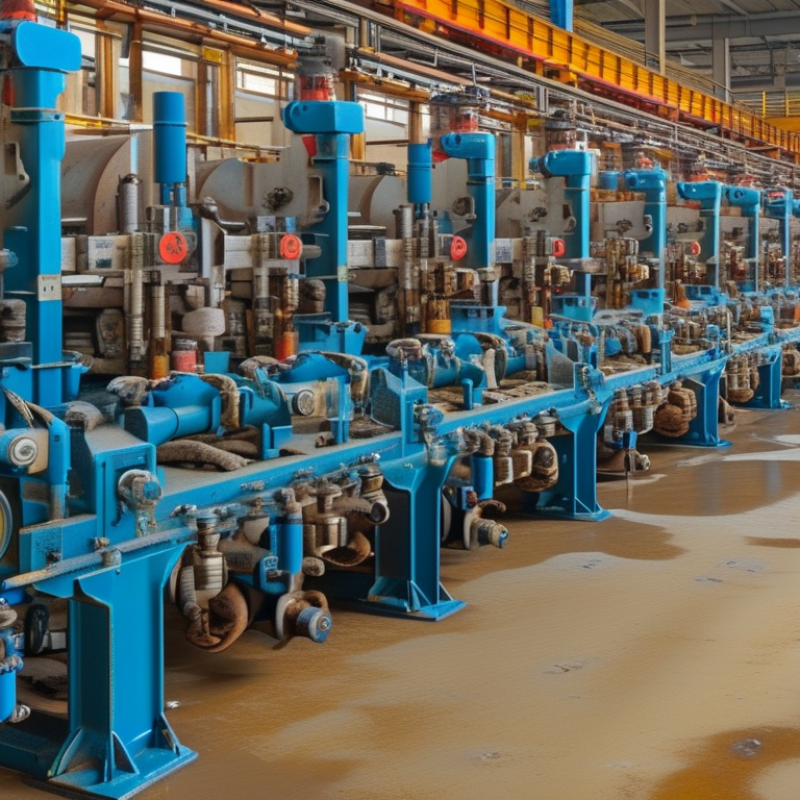
Top 10 Standard Operating Pressures for Filter Presses?

Importance of Standard Operating Pressures in Filter Presses

The importance of standard operating pressures in filter presses cannot be overstated. Proper pressure settings directly affect efficiency and product quality. Many industry studies highlight that maintaining optimal pressure can increase cake dry solids by up to 20%. This statistic underscores the need for careful monitoring and adjustments during operations. An analysis by the American Filtration Association indicates that deviations from standard pressures can lead to increased operational costs and reduced lifespan of equipment.

Operators often overlook the nuances of pressure management. It's essential to consider material characteristics and environmental factors. Studies show that inconsistent pressure can lead to uneven filtration rates. This variability affects not just productivity but also the final product's purity. A report by the International Society of Separation Science emphasizes that every industry application may require a tailored approach to pressure settings.

Real-world scenarios illustrate the challenges in pressure management. Some facilities report erratic performance due to fluctuating input materials. These inconsistencies highlight a gap in understanding the importance of tailored pressure configurations. Addressing this gap can significantly enhance operational reliability and product quality. Optimal pressure management in filter presses is a dynamic process, where operators must constantly adjust and refine their approaches based on ongoing results.

Factors Influencing Ideal Operating Pressures for Filter Presses

Operating pressures for filter presses are crucial for efficient processing. They can significantly influence the filtration rate and cake dryness. Factors determining ideal pressures include the characteristics of the slurry, the type of filter medium, and operational parameters.

Studies indicate that optimal pressures often range between 5 to 20 bar for various applications. For example, slurries with higher solid content may require pressures at the higher end of this spectrum. In contrast, delicate materials may need lower pressures to prevent damage. Viscosity plays a large role. Higher viscosity can necessitate increased pressure for effective filtration.

Additionally, the equipment’s design impacts what is ideal. Some filter presses are built to handle higher pressures safely, while others may not. Operators must regularly assess performance and adjust pressures accordingly. This balancing act ensures safety and efficiency. Inaccurate pressure settings can lead to inconsistent results. It can also cause unnecessary wear on machinery. Understanding these variables is essential for optimal filtering processes.

Top 10 Standard Operating Pressures for Filter Presses

This chart displays the standard operating pressures (in psi) for different types of filter presses, showcasing how various factors can influence the ideal operating pressures.

Top 10 Recommended Operating Pressures for Different Filter Press Applications

When considering filter press applications, the recommended operating pressures can greatly influence efficiency and product quality. For sludge dewatering, a common operating pressure falls between 150 to 250 psi. Reports highlight that exceeding this range may lead to premature cake rupture, resulting in higher disposal costs. In many mineral processing applications, however, pressures can reach 300 psi. It's essential to understand that while higher pressures often result in better cake dryness, they can also increase wear on equipment.
In the food industry, filter presses typically operate around 100 psi. This reflects the need for both safety and efficiency in processing. Overly high pressures can risk contamination and compromise the product's integrity. According to industry assessments, adjusting the pressure can yield significant improvements in throughput. Additionally, in wastewater treatment, a pressure of 60 to 80 psi often suffices. However, careful monitoring is crucial to avoid potential clogging, which can disrupt the filtration process.
Each application demands a tailored approach to operating pressures. Even minor adjustments can profoundly affect performance. For example, while many standard practices exist, individual plants may require unique settings based on their specific conditions. Continuous evaluation is vital for optimal results.

Common Challenges Faced at Unapproved Operating Pressures

Operating a filter press at unapproved pressures can lead to various challenges. One major issue is the potential for equipment failure. When pressures exceed recommended limits, the structural integrity of the press may be compromised. This can lead to costly repairs and downtime. Operators must regularly inspect for leaks, which become more common at high pressures.

Another concern is the impact on filtration efficiency. At inappropriate pressures, the filter medium can become damaged. This diminishes the ability to separate solids from liquids effectively. Additionally, abnormal pressures can cause uneven cake formation. It complicates the subsequent cake discharge process, leading to further operational challenges.

Moreover, the health and safety of operators can be at risk. High-pressure operations pose dangers such as bursting or releasing hazardous materials. Proper training and adherence to safety protocols are essential. However, even trained staff may overlook certain warning signs. Striking a balance between achieving productivity and maintaining safety remains an ongoing challenge in many facilities.

Best Practices for Monitoring and Adjusting Filter Press Operating Pressures

Monitoring and adjusting filter press operating pressures is essential for optimal performance. Many operators lack a clear understanding of the ideal pressure ranges for their specific applications. Experience shows that maintaining these pressures can significantly enhance the efficiency of solid-liquid separation. Regular pressure checks can reveal inconsistencies that may lead to operational issues.

Regular maintenance is another key element. Dirty or worn-out membranes can affect pressure readings. Routine inspections can ensure the system operates within optimal limits. Operators should be aware of environmental factors that could alter pressure dynamics. Adjustments may be necessary based on temperature fluctuations or feed characteristics.

Training staff on best practices can improve overall reliability. Operators often make unintentional mistakes during adjustments. In some cases, they may not document changes, leading to confusion. Establishing a standard operating procedure for monitoring pressures is vital. Clear guidelines help in making the necessary adjustments efficiently.

FAQS

: Why are standard operating pressures important in filter presses?

: They directly impact efficiency and product quality. Optimal pressure can enhance cake dry solids by up to 20%.

What happens if operating pressures deviate from the standard?

Increased operational costs and reduced equipment lifespan may occur. It's critical to monitor and adjust pressures.

How do material characteristics affect pressure management?

Variability in materials can lead to inconsistent filtration rates, affecting productivity and product purity significantly.

What is a common challenge with poor pressure management?

Erratic performance often arises due to fluctuating input materials. This indicates a gap in understanding tailored pressure needs.

What pressures are recommended for sludge dewatering?

Typical operating pressures range from 150 to 250 psi to avoid premature cake rupture and higher disposal costs.

How does pressure affect the food industry filter processes?

Operating around 100 psi is crucial for safety and efficiency. High pressures risk contamination and product integrity.

What should operators consider in wastewater treatment pressure settings?

A range of 60 to 80 psi is often sufficient, but monitoring is necessary to prevent clogging.

What are the risks of using unapproved operating pressures?

Equipment failure, filtration efficiency loss, and uneven cake formation can occur, complicating the operational process.

How can high pressures impact operator safety?

Risks include bursting or releasing hazardous materials. Proper training and safety adherence are vital but sometimes overlooked.

What is needed for optimal pressure management?

Continuous evaluation and adjustments based on specific conditions are essential for achieving the best results.

Conclusion

The article titled "Top 10 Standard Operating Pressures for Filter Presses" emphasizes the significance of understanding what is the standard operating pressure for a filter press to ensure optimal performance and efficiency. It discusses various factors that influence the ideal operating pressures, such as the type of slurry being processed and the design of the filter press itself. Additionally, the article outlines the top ten recommended operating pressures for different applications, helping operators tailor their practices to specific operational needs.

Furthermore, it addresses the common challenges faced when operating outside approved pressure ranges, which can lead to issues like reduced filtration efficiency and increased wear on equipment. Best practices for monitoring and adjusting operating pressures are also highlighted, encouraging operators to regularly assess their systems to maintain peak performance. Overall, adherence to standard operating pressures is crucial for maximizing the lifespan and effectiveness of filter presses in various industrial applications.

Sienna

Sienna

Sienna is a skilled marketing professional with a deep expertise in our company’s core products and services. With a passion for innovation and detail, she plays a pivotal role in crafting insightful blog posts that not only highlight the unique features of our offerings but also provide valuable......