Top 10 Causes of Filter Plate Breakage in Filter Presses?

Time:2026-06-26 Author:Liam
0%

Breaking filter plates in filter presses can lead to significant operational disruptions. Understanding "what causes filter plate breakage in a filter press" is crucial for maintenance. Dr. Emily Greene, a renowned filtration expert, emphasizes, "Proper handling and operation can minimize breakage."

Several factors contribute to this issue. For instance, uneven pressure distribution can cause serious damage. If a plate is not aligned correctly, the stress increases immensely. Environmental factors also play a role; extreme temperatures might weaken the structural integrity.

Beyond physical factors, maintenance practices are vital. Inadequate cleaning can lead to residue buildup that stresses the plates. Regular inspections are essential to catch potential failures before they escalate. Thus, with expert insights and diligent care, the longevity of filter plates can significantly improve.
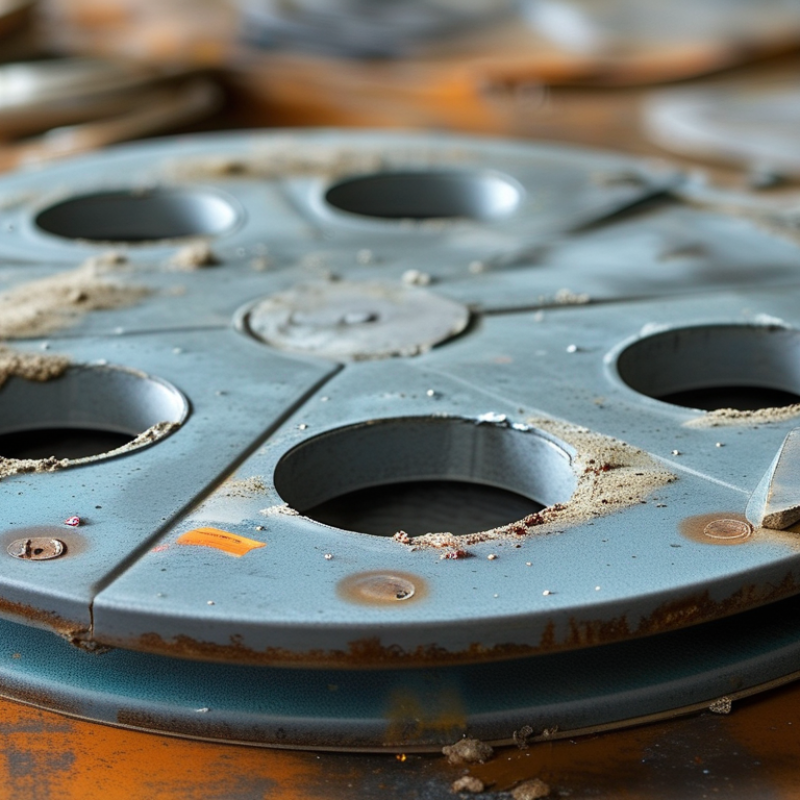
Top 10 Causes of Filter Plate Breakage in Filter Presses?

Top 10 Causes of Filter Plate Breakage in Filter Presses

Filter presses are essential in many industries for separating solids from liquids. However, filter plate breakage is a common issue that can lead to costly downtime. Understanding the causes is crucial for effective maintenance.

One major cause of breakage is improper handling during installation and operation. Plates are often heavy and can be mishandled, leading to cracks. Overloading is another significant factor. When filter plates experience excessive pressure, they can fail. This scenario is frequently seen in the initial stages when operators underestimate the weight. Another common issue is wear and tear from frequent use. Plates degrade over time, becoming more susceptible to damage.

Chemical corrosion also plays a role in filter plate longevity. Certain substances can weaken materials and lead to cracking. Operators must choose compatible chemicals to avoid this. Additionally, inadequate cleaning can create blockages and uneven pressure, leading to failures. Regular maintenance, coupled with proper training, is vital to tackle these issues effectively. Ensuring operators recognize the signs of wear can help mitigate breakage risks. Problems still persist, often due to neglect and oversight in day-to-day operations.

Understanding the Material Properties of Filter Plates: A Key Factor

The material properties of filter plates play a crucial role in their performance and longevity. Filter plates are often made from various materials like polypropylene, polyethylene, and stainless steel. Each material has unique characteristics that affect strength, flexibility, and resistance to chemical degradation. Understanding these properties is essential for selecting the right filter plate for specific applications.

Tips: Always consult material datasheets. Check for compatibility with your specific chemicals. Testing smaller samples can save time and costs.

Certain factors can lead to filter plate breakage. Excessive pressure is one common cause. If the plates are not rated for high pressure, they may crack or shatter. Another reason involves poor handling practices. Mishandling during installation can create stress points in the material.

Tips: Ensure proper training for staff handling filter plates. Use appropriate lifting tools to minimize damage. Regularly inspect plates for wear and tear.

Impact of Incorrect Installation on Filter Plate Durability

Incorrect installation can significantly diminish filter plate durability in filter presses. Often, operators overlook the importance of precise alignment and securing mechanisms. A misaligned filter plate can lead to uneven pressure distribution. This unevenness increases the risk of cracks and breakage over time.

Inadequate training for staff contributes to installation errors. Having untrained personnel handle equipment leads to mistakes. Simple oversights, like neglecting to clean surfaces before installation, can result in seal failures. This situation not only shortens the lifespan of the filter plates but also affects filtration efficiency.

Regular maintenance checks and staff retraining are essential. These practices help identify potential issues early on. Even minor adjustments can save costs in the long run. Reflection on past installation practices can highlight areas of improvement. Addressing these gaps leads to better operational outcomes and enhanced filter plate performance.

Top 10 Causes of Filter Plate Breakage in Filter Presses

Common Operational Practices Leading to Filter Plate Failures

Filter presses are widely used in various industries for solid-liquid separation. However, filter plate breakage remains a common issue. One major cause is improper handling during installation and maintenance. Many operators overlook the importance of using the right lifting equipment, leading to stress on the plates. A report from the Filtration Society indicates that improper handling contributes to approximately 30% of all filter plate failures.

Another frequent operational practice that can lead to breakage is excessive pressure during filtration. Plates can only withstand certain amounts of pressure. Exceeding these limits can cause them to crack or shatter. As per recent studies, nearly 25% of breakages stem from over-pressurization. Operators often lack training, which increases the risk of mistakes.

Tips: Regular training for operators can mitigate risks. Encourage teams to follow strict protocols for handling and maintenance. Always monitor pressure levels and set alarms for abnormal readings. Reinforcing these practices can significantly reduce the occurrence of filter plate failures.

The Role of Chemical Compatibility in Filter Plate Longevity

Chemical compatibility plays a crucial role in the longevity of filter plates in filter presses. When filter plates are subjected to aggressive chemicals, their structural integrity can be compromised. Studies show that approximately 30% of filter plate breakages result from chemical attack. This underscores the need for engineers to carefully select materials that resist corrosion and degradation.

For instance, polypropylene and polyvinylidene fluoride are commonly used materials. They offer excellent chemical resistance, but they are not universally compatible. Using a chemical that reacts with these materials can lead to premature failure. An industry report indicated that filters operating in hostile environments experience a 50% higher failure rate due to poor chemical compatibility.

Understanding the specific chemicals used in your processes is essential. Regular checks on filter plates can help identify early signs of wear. Implementing a routine maintenance schedule, focusing on chemical interactions, is advisable. Quality assurance protocols must account for chemical resistance when selecting filter plates. Adjustments based on these factors can improve overall lifespan significantly.

Analyzing Maintenance Practices to Prevent Filter Plate Breakage

Filter presses are essential in various industries for efficient liquid-solid separation. However, filter plate breakage can lead to significant downtime and increased costs. Understanding maintenance practices is crucial to minimize these risks.

Regular inspections are vital. Operators should check for signs of wear or damage. It's important to monitor press pressure levels and maintain proper load distribution. Neglecting these aspects can cause uneven stress on the filter plates. Additionally, operators should ensure that the plates are clean and free of any debris.

Staff training is often overlooked. Workers must understand how to operate the equipment safely. Misalignment during installation can result in immediate damage. Incorrect materials in the process can also contribute to plate failure. Implementing a preventive maintenance schedule can mitigate these risks. Engaging with experts in the field can provide valuable insights to enhance current practices.

Each facility should review its own history of breakages. This reflection can reveal patterns and inform future maintenance decisions.

FAQS

: What materials are filter plates commonly made from?

: Filter plates are usually made from polypropylene, polyethylene, and stainless steel. Each material has unique properties.

How can excessive pressure affect filter plates?

Excessive pressure can cause filter plates to crack or shatter. They have specific pressure limits that must not be exceeded.

What is a common cause of filter plate breakage?

Improper handling during installation is a major cause. Many operators overlook the importance of using the right lifting equipment.

How can training help prevent filter plate failures?

Regular training for operators helps mitigate risks. It ensures they follow strict protocols when handling and maintaining the plates.

Why is chemical compatibility important for filter plates?

Chemical compatibility affects the longevity of filter plates. Aggressive chemicals can compromise their structural integrity.

What should be done to maintain filter plates properly?

Regular inspections and routine maintenance schedules are essential. These help identify early signs of wear and chemical interactions.

How does the environment affect filter plate performance?

Filters in hostile environments have a higher failure rate. Poor chemical compatibility in such settings can lead to premature failures.

What should one do if a filter plate shows signs of wear?

Regular checks can help identify wear. If signs are evident, consider replacement to avoid operational issues.

Is it important to consult material datasheets?

Yes, consulting datasheets is vital. It ensures compatibility with specific chemicals used in your processes.

What common mistakes can lead to filter plate failures?

Not monitoring pressure levels and mishandling during installation are common mistakes. These can significantly increase the risk of failures.

Conclusion

Filter plates play a crucial role in the performance of filter presses, but understanding what causes filter plate breakage in a filter press is essential for maintaining their longevity. This article explores the top ten causes of breakage, beginning with the importance of material properties. Improper installation can significantly decrease the durability of filter plates, leading to premature failures. In addition, certain operational practices and the compatibility of chemicals used can adversely affect the integrity of the plates.

Maintenance practices are also highlighted as key factors in preventing breakage; regular inspections and proper handling can mitigate risks. By understanding these common pitfalls and implementing effective strategies, operators can enhance the lifespan of filter plates and improve overall filter press efficiency.

Liam

Liam

Liam is a dedicated marketing professional with a profound expertise in the industry, where he excels at highlighting the unique advantages of our core products. With a keen understanding of market trends and consumer needs, Liam frequently updates our company’s professional blog, providing......