When a filter press produces cloudy filtrate, the problem is rarely solved by increasing pump pressure alone. Many plant operators ask, “why is there solid bypass in my filter press filtrate,” after seeing dark particles flow into the clean filtrate tank. This guide examines China’s top 10 filter press brands and the design choices that influence filtration reliability. It considers plate sealing, cloth quality, feed distribution, hydraulic stability, and after-sales support. These details matter in mineral processing, wastewater treatment, chemical production, and food-related applications.
A solid bypass may begin with a small crease in the filter cloth. It may also come from worn plate edges, uneven closing pressure, damaged diaphragms, or excessive feed velocity. Check the filtrate first. Then inspect the cloth and plate sealing surfaces under good lighting. A thin cake can also allow particles to pass, especially during the first minutes of a cycle. That detail is often overlooked. Brand reputation helps, but it does not replace correct sizing, installation, and maintenance. No ranking is permanently final. Actual performance depends on slurry characteristics, operating temperature, cycle settings, and service response. Some supplier claims also deserve careful verification. Trial testing is wiser than relying on brochures alone. By comparing technical specifications, field experience, quality controls, and customer support, buyers can identify equipment that reduces bypass risks rather than merely promising higher capacity.
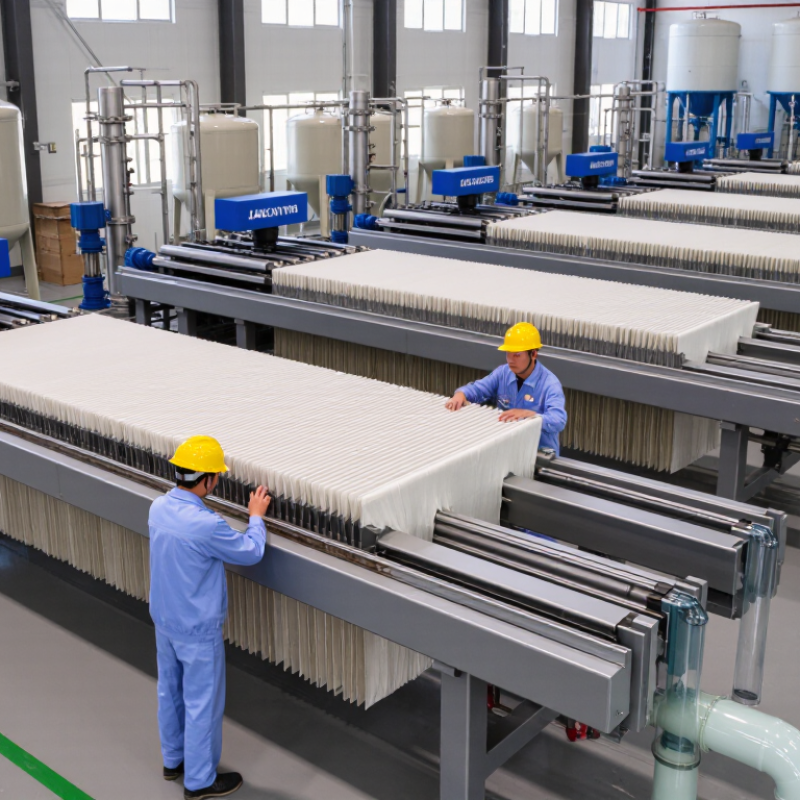
A filter press separates liquid from solids through a stack of recessed plates and filter cloths. Feed enters under pressure, while filtrate passes through the cloth. Solids remain and form a compact filter cake. The U.S. EPA Pressure Filtration Technology Fact Sheet reports typical cake solids of approximately 30–50%, depending on sludge characteristics and conditioning.
Solid bypass occurs when particles escape with the filtrate instead of staying inside the chambers. Damaged cloths, worn plate edges, poor plate alignment, or insufficient closing pressure are common causes. Excessive feed pressure can also force solids through tiny gaps.
Watch the filtrate first. It may change from clear to gray, while the cake edges remain unusually wet.
Chemical conditioning deserves careful attention. Inadequate polymer mixing creates weak flocs, but overdosing may blind the cloth and restrict drainage. The European Commission’s Waste Treatment Best Available Techniques reference notes that dewatering performance varies strongly with feed composition, conditioning, and equipment operation. Field checks should include cloth inspection, plate cleaning, pressure readings, and a simple filtrate turbidity comparison. Small leaks matter. A perfect cake is not always realistic. However, repeated bypass usually signals maintenance or process control problems, not merely “bad sludge.” I would also question the pressure gauge, because a faulty reading can send operators toward the wrong adjustment.
China’s top ten filter press brands are distinguished by different technical strengths, not by one universal design. Some specialize in membrane filter presses for lower cake moisture. Others focus on recessed-chamber models for stable sludge dewatering. Several manufacturers provide automatic plate shifting, cloth washing, and pressure control. These features reduce operator workload during long production cycles.
In field inspections, experienced buyers usually examine more than catalog capacity. They check plate alignment, hydraulic stability, cloth quality, and frame rigidity. Strong manufacturers often offer corrosion-resistant materials for chemical applications. Others excel at large-format equipment for mining and aggregate plants. A few stand out through compact designs for municipal treatment sites. Remote monitoring is another growing strength. It can record feed pressure, cycle time, and abnormal leakage.
Solid bypass still deserves careful attention. Poor cloth seating, damaged edges, uneven plates, or excessive feed pressure may let solids escape. Good suppliers provide installation guidance and practical troubleshooting support. However, equipment alone cannot fix every bypass problem. I have seen reliable presses perform poorly after careless cloth replacement. That detail is easy to overlook. Buyers should request material tests, operating references, spare-parts plans, and clear performance data. Some suppliers publish impressive numbers, but actual moisture results can vary with slurry chemistry. Independent testing remains worthwhile. A promising quotation is not proof of long-term reliability.
Technical comparison of commonly supplied filter press configurations and the main causes of solid bypass. Brand names and company-specific data are intentionally omitted.
| No. | Common Configuration | Core Technical Strength | Typical Operating Pressure | Typical Solid Bypass Risk | Main Cause of Bypass | Recommended Control |
|---|---|---|---|---|---|---|
| 1 | Recessed-chamber filter press | Simple chamber design, broad application range, and reliable cake formation for many slurries. | Up to approximately 7–16 bar | Medium | Cloth wrinkles, poor plate alignment, or insufficient initial cake formation. | Inspect cloth seating, align plates, and use a controlled low-flow start-up stage. |
| 2 | Membrane squeeze filter press | Additional membrane compression can reduce cake moisture after the filtration stage. | Filtration commonly up to 7–16 bar; squeeze pressure varies by design | Medium to high if incorrectly operated | Membrane inflation before adequate cake formation may force solids toward weak sealing points. | Complete the filling cycle before membrane squeezing and follow the specified pressure sequence. |
| 3 | Plate-and-frame filter press | Flexible selection of chamber depth and filter media for laboratory, chemical, and food processes. | Commonly 3–10 bar, depending on design | Medium | Incorrect plate sequence, damaged frames, or a gasket contaminated with solids. | Verify plate order, clean sealing faces, and replace distorted frames or gaskets. |
| 4 | Automatic plate-shifting press | Automated cake discharge improves cycle consistency and reduces manual handling. | Usually up to approximately 7–16 bar | Low to medium | Incomplete plate closing after discharge or residual cake on the sealing perimeter. | Confirm plate-position sensors, clean sealing edges, and verify closing pressure. |
| 5 | Sidebar beam filter press | Side-mounted plate support provides a compact arrangement and convenient plate access. | Typically 7–16 bar | Medium | Uneven plate loading or lateral misalignment can create a nonuniform sealing line. | Check beam level, plate alignment, hydraulic pressure, and wear on guide rollers. |
| 6 | Overhead beam filter press | Suitable for larger plate packs and automated handling systems with overhead lifting space. | Commonly 7–16 bar | Low to medium | Plate lifting or closing errors may leave gaps between adjacent plates. | Calibrate lifting mechanisms and confirm that every plate reaches the fully closed position. |
| 7 | High-pressure industrial press | Designed for difficult slurries requiring high mechanical strength and strong plate compression. | Approximately 10–25 bar in selected designs | Low when correctly matched | Excessive pressure can damage cloth, deform plates, or open a weak sealing area. | Use pressure limits specified for the plates, cloth, gaskets, and hydraulic system. |
| 8 | Polypropylene filter press | Good chemical resistance and relatively low equipment weight for many corrosive applications. | Often approximately 7–16 bar | Medium | Thermal expansion, chemical incompatibility, or plate distortion can reduce sealing quality. | Check material compatibility, operating temperature, and plate flatness. |
| 9 | Stainless-steel filter press | Suitable for hygienic, high-temperature, or chemically demanding process environments. | Depends on plate and frame construction; commonly 3–16 bar | Low to medium | Hard deposits on polished sealing surfaces can create small flow channels. | Clean and inspect sealing surfaces after each cycle and prevent scale accumulation. |
| 10 | Recessed-chamber press with air or water blow | Improves residual liquid removal and can reduce cake moisture after filtration. | Filtration commonly 7–16 bar; blow pressure is process-specific | Medium | Blow medium introduced before the filtrate becomes clear can disturb the cake and carry solids through the cloth. | Start blowing only after filtration is complete and confirm that filtrate valves are correctly configured. |
Solid bypass in filter press operations usually means slurry is escaping around the filter cake instead of passing through the cloth. During field inspections, I often find thin, wet streaks on the cake surface or cloudy filtrate returning from the outlet. These signs point to sealing problems, not only poor filtration.
A damaged filter cloth is a common cause. Even a small tear near the plate edge can release fine solids. Misaligned plates create narrow gaps between sealing surfaces. Hardened gasket residue can produce the same effect. Feed pressure also matters. Rapid pressure increases may deform the cake before it forms a stable structure. The result is a short flow path for solids.
Slurry preparation deserves close attention. Large particles, excessive water, or poor mixing can prevent uniform cake formation. Operators should inspect cloth tension, plate alignment, gasket condition, and filtrate clarity after each cycle. I once blamed the pump for bypass, but the real issue was uneven cloth installation. That mistake was useful. It showed why visual checks must support pressure readings. Regular cloth washing and controlled feeding reduce recurring bypass, although they cannot correct warped plates or damaged sealing surfaces.
Solid bypass in a filter press often begins with a small sealing problem. Slurry escapes around the cake instead of passing through the filter cloth. Operators may notice cloudy filtrate, wet cake edges, or sudden pressure loss. Check the plate pack while the press is empty. Look for damaged cloths, hardened slurry on sealing surfaces, and plates that do not align evenly.
Run the press at a moderate feed rate and watch the pressure curve. A rapid pressure increase can indicate blocked cloths or an uneven cake. A weak increase may suggest channeling, poor cloth tension, or a leaking feed connection. Confirm that the cloth opening matches the plate port. Even a slight mismatch can create a bypass path. Clean each sealing face carefully; a thin layer of dried solids can prevent proper closure. Keep the cloths flat and replace stretched or torn pieces.
Prevention requires consistent inspection, not occasional repair. Record feed pressure, cycle time, filtrate clarity, and cake moisture after every shift. These details reveal patterns that memory misses. I have seen teams blame the pump when the real cause was plate misalignment. That assumption can waste hours. Check the simplest mechanical causes before changing chemicals or pressure settings. Also, do not tighten the press beyond its designed closing force. Excessive force may deform plates and create a different leakage path.
Small bypasses deserve attention early.
When comparing China’s top filter press brands, buyers should study solid bypass before comparing prices. Solid bypass happens when particles escape through cloth edges, plate gaps, or damaged sealing surfaces. It can also follow poor slurry preparation or excessive feed pressure. Small gaps matter.
In field inspections, I check plate alignment, cloth tension, gasket quality, and filtrate channels. I also ask whether the manufacturer has tested similar slurry, not just clean water.
A reliable Chinese filter press brand should provide test data, material certificates, clear drawings, and traceable quality records. Experienced engineers should explain pressure limits and recommend suitable cloth materials. Vague answers are warning signs.
Request a pilot test using your actual feed. Measure filtrate clarity, cake moisture, cycle time, and bypass after repeated cycles. Do not trust polished brochures. Ask for references from plants handling similar solids and chemical conditions.
Check service response, spare-part availability, and installation support before signing a purchase order. One overlooked detail is cloth washing. Poor washing can harden solids on the sealing line and create new leakage paths.
I have seen promising machines underperform because operators received little training. That should influence the final selection. Reliability is proven through stable operation, honest data, and practical support, not attractive specifications alone.
A filter press separates liquid from solids using plates and filter cloths. Liquid passes through the cloth. Solids form a compact cake.
Solid bypass happens when particles escape with the filtrate. They should remain inside the filter chambers. Small gaps matter.
Damaged cloths, worn plate edges, and poor alignment can create leakage paths. Low closing pressure may also leave gaps. Excessive feed pressure can worsen leakage.
Watch the filtrate closely. It may change from clear to gray. Wet cake edges can also indicate leakage. A simple turbidity comparison helps.
Poor polymer mixing creates weak flocs that pass through the cloth. Too much polymer may blind the cloth and slow drainage. More chemical is not always better.
Request test data using slurry similar to your actual feed. Check plate alignment, cloth tension, gaskets, pressure limits, and filtrate channels. Clean-water testing is not enough.
Measure filtrate clarity, cake moisture, cycle time, and bypass over repeated cycles. One successful cycle proves very little. Repetition matters.
Poor cloth washing can harden solids along the sealing line. That may create fresh leakage paths. Spare parts, installation support, and practical training influence long-term reliability.
No. Feed composition changes dewatering results. However, repeated bypass usually suggests maintenance or control problems. I would also question the pressure gauge.
A filter press separates suspended solids from liquid by forcing slurry through filter cloths under pressure, forming a compact filter cake while clarified filtrate passes through. Solid bypass occurs when particles find a path around or through the intended filtration area, leading to cloudy filtrate and reduced separation efficiency. If you ask, “why is there solid bypass in my filter press filtrate,” common answers include damaged or incorrectly installed cloths, worn plate edges, insufficient closing pressure, uneven feeding, excessive slurry flow, poor gasket contact, or unsuitable operating conditions.
Reliable equipment selection should consider plate design, sealing quality, hydraulic stability, cloth compatibility, automation, maintenance support, and the manufacturer’s experience with your material. To prevent bypass, inspect plates and cloths, clean sealing surfaces, confirm correct assembly, check closing pressure, control feed pressure and flow, and examine filtrate clarity during operation. A systematic inspection of the feed system, plate pack, cloths, seals, and discharge area can identify the root cause and improve long-term filtration performance.

Jovios Equipment