2026 Top Reasons Why Is My Filter Press Leaking Water?

Time:2026-10-18 Author:Madeline
0%

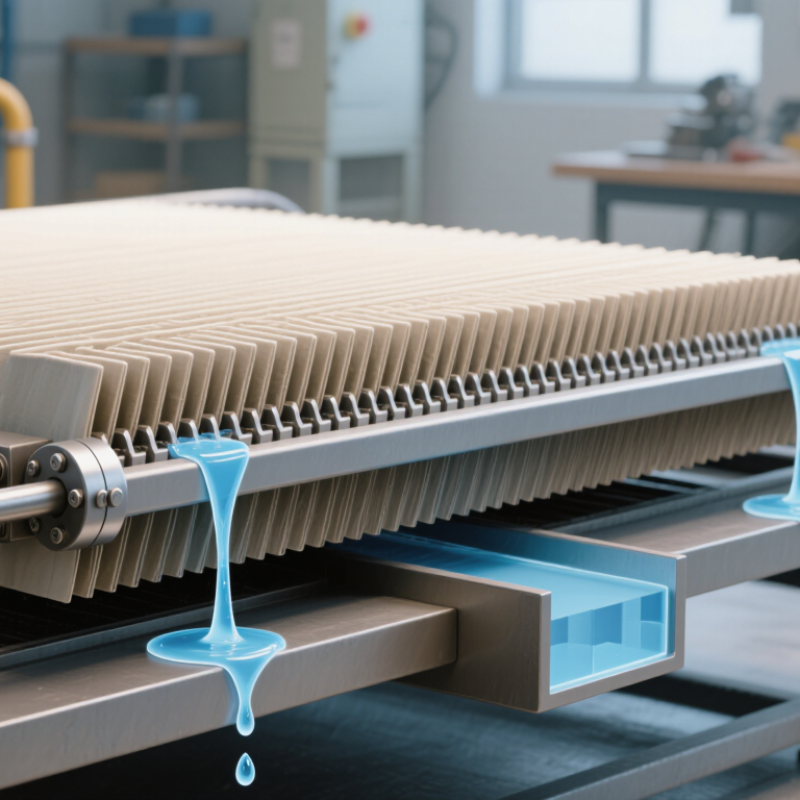
If you are searching “why is my filter press leaking water,” the answer may involve more than one failed component. In 2026, filter press leakage still commonly results from poor plate alignment, worn filter cloths, damaged seals, or insufficient closing pressure. A small drip along the plate edges can quickly become a wet floor, reduced cake dryness, and an unreliable filtration cycle.

Look closely. A trained operator should inspect the leak location before changing parts. Water escaping between plates often points to an uneven seal or cloth installation. Leakage from the feed channel may suggest a cracked plate, blocked port, or excessive pressure. A clean cloth, correct plate arrangement, and properly calibrated hydraulic system are essential. Always compare the observed symptoms with the manufacturer’s service manual and pressure limits. Guessing can damage equipment.

The details matter. Check whether the liquid appears during filling, compression, or cake discharge. Note its color, temperature, and flow pattern. A flashlight can reveal a thin stream hidden behind the plate pack. I have seen operators tighten the pump pressure immediately, but that response sometimes makes the leak worse. It is not always the pump.

This guide examines practical causes, inspection methods, and dependable repair decisions. It also recognizes an uncomfortable truth: maintenance records are often incomplete, and earlier repairs may have introduced new problems. Careful testing, experienced supervision, and suitable replacement parts provide a safer path than quick adjustments. Stop the machine before inspection, release stored pressure, and follow site safety procedures. Small leaks deserve attention.
2026 Top Reasons Why Is My Filter Press Leaking Water?

How to Identify Where Water Is Leaking From a Filter Press

2026 Top Reasons Why Is My Filter Press Leaking Water?

Finding the leak source is more useful than tightening every visible bolt. Stop the pump, isolate pressure, and inspect the press only after the system is safe. Look for fresh water trails, not old stains. A leak at the feed inlet often indicates a loose connection, damaged gasket, or excessive feed pressure. Water escaping between plates usually points to uneven plate closure, worn filter cloths, or trapped solids on sealing surfaces. Check each plate edge with a flashlight. The wettest point is not always the original source.

Trace the filtrate side carefully. Water around a corner outlet may come from a cracked port, blocked discharge line, or poorly seated hose. Check the manifold, valves, and collection tray for drips during a low-pressure test. Hydraulic oil near the closing cylinder is different from process water, so compare its color and texture. I once focused on the floor puddle and missed a slow leak above the second plate. That assumption delayed the repair. Record the plate number and photograph each wet area before cleaning.

Tips: Use clean absorbent paper around fittings to reveal the first wet mark. Inspect gasket compression, cloth alignment, and plate surfaces together. Replace hardened seals rather than forcing them tighter. If leakage changes when pressure rises, review the pressure setting and plate closure force. A short inspection log helps confirm whether the problem is mechanical, operational, or simply poor cleaning.

Common Causes of Filter Press Leaks and Their Warning Signs

2026 Top Reasons Why Is My Filter Press Leaking Water?

Common Causes of Filter Press Leaks and Their Warning Signs

A leaking filter press often shows warning signs before water reaches the floor. In field inspections, cloudy filtrate is one of the earliest clues. It may indicate damaged filter cloths, poor cloth installation, or an uneven cake. Check the cloth surface for pinholes, wrinkles, and hardened slurry deposits. A wet streak along the plate edge also deserves attention. Small drips can become serious leaks during the next filtration cycle.

Plate sealing problems are another common cause. Worn gaskets, cracked plates, and misaligned plate packs cannot maintain even pressure. You may notice leaks only on one side. That pattern often suggests uneven closing force or a distorted plate. Pressure fluctuations can point to a blocked feed line, unstable pump operation, or excessive feed pressure. Do not assume the pump is always responsible. The actual fault may be a simple alignment error.

Maintenance teams sometimes replace cloths too quickly. I have seen new cloths fitted over dirty sealing surfaces, which only hides the real problem. Clean the contact areas and inspect the hydraulic closing system. Check whether the plate pack reaches its specified closing pressure. Also watch for sudden pressure loss, muddy filtrate, and a thinner filter cake. These details help separate mechanical damage from operating mistakes. Some leaks remain intermittent, making diagnosis frustrating and imperfect. Record the leak location, pressure, slurry condition, and cycle time before changing several parts at once.

2026 Top Reasons Why Is My Filter Press Leaking Water?

Common filter press leak causes ranked by practical troubleshooting priority

Uneven plate alignment, worn or damaged filter cloths, insufficient closing pressure, clogged drainage channels, and incorrect slurry conditions are common contributors to filter press leaks. Warning signs include visible drips at the plate edges, wet filter cake, rising hydraulic pressure, cloudy filtrate, and inconsistent cake thickness. The priority score is a practical maintenance ranking rather than a company-specific market survey.

How Filter Plates, Cloths, and Gaskets Create Leakage Problems

2026 Top Reasons Why Is My Filter Press Leaking Water?

During filter press inspections, I often find leakage around the plate edges, not the pump. A single misaligned plate can leave a narrow escape path. Small faults spread quickly. Check the plate handles, side rails, and closing pressure before changing other parts. Uneven pressure may result from hydraulic issues, hardened sludge, or a frame that is not square.

Filter cloths create another common problem. A wrinkled cloth can sit across the sealing surface and prevent full contact. Cloths with stretched edges may also pull away during closing. Look closely. Remove trapped solids from the plate rim, then inspect for tears, blocked drainage holes, and incorrect cloth positioning. I have seen operators replace good cloths when the real cause was poor cleaning between cycles.

Gaskets usually leak after hardening, flattening, or chemical swelling. Even a small cut can release water under pressure. Compare the gasket profile with a new section, and check whether it sits evenly in its groove. Over-tightening is not a reliable fix; it may distort the plate or damage the gasket. Pressure should increase gradually during testing. A careful inspection record helps, although I admit records are often incomplete during urgent repairs. That missing detail can make a simple leak seem mysterious.

2026 Top Reasons Why Is My Filter Press Leaking Water? - How Filter Plates, Cloths, and Gaskets Create Leakage Problems

Leakage Source Typical Leakage Appearance Common Cause Inspection Method Recommended Corrective Action Priority
Filter plate sealing surface Water escapes from the joint between adjacent plates, often as a thin line or spray. Dirt, dried cake, scratches, warping, or mechanical damage on the sealing land. Stop and depressurize the press, separate the plates, and inspect the complete sealing perimeter under good lighting. Clean the sealing surfaces; replace damaged plates and remove any hardened deposits before reassembly. High
Insufficient closing pressure Several plate joints leak at the same time, especially when feed pressure increases. Low hydraulic pressure, incorrect closing settings, oil leakage, or a malfunctioning hydraulic cylinder. Check the hydraulic gauge, cylinder travel, hydraulic hoses, pump condition, and closing-pressure setting. Restore the specified closing pressure, repair hydraulic leaks, and verify that the moving head reaches its correct position. High
Filter cloth misalignment Localized leakage occurs at one section of the plate perimeter or near a cloth corner. Cloth edge is folded, twisted, trapped, or not seated correctly around the plate. Open the relevant plate and check the cloth position, hanging length, corner alignment, and feed-eye seating. Reinstall the cloth evenly, remove folds, and ensure no fabric is caught between sealing faces. Medium
Cloth damage or excessive wear Cloudy filtrate, pinhole jets, or leakage that continues after plate surfaces are cleaned. A torn, abraded, chemically attacked, or incorrectly sized filter cloth. Inspect the cloth against light and examine seams, corners, feed openings, and high-wear areas. Replace the damaged cloth with the correct material, dimensions, weave, and attachment style for the slurry. High
Gasket deterioration A narrow, continuous leak follows the gasket groove or sealing perimeter. Gasket hardening, swelling, cracking, flattening, chemical incompatibility, or age-related loss of elasticity. Check for cuts, permanent compression, brittle sections, uneven height, and changes in gasket flexibility. Replace the complete affected gasket and confirm compatibility with process temperature, pH, and chemicals. High
Gasket not seated in its groove Leakage is concentrated at a corner, joint, or short section of the gasket. The gasket is twisted, partially detached, stretched during installation, or contaminated with solids. Run a finger inspection around the groove after depressurization and confirm uniform gasket height. Clean the groove and reinstall or replace the gasket without stretching it; check that it sits flush. Medium
Uneven plate alignment Only one side of the plate pack leaks, or leakage changes after the pack is rearranged. Misaligned guide rails, worn handles, uneven plate hanging, or an obstructed plate movement path. Check that all plates hang squarely, move freely, and contact evenly when the press closes. Realign or replace worn components and arrange the plates evenly before applying closing pressure. Medium
Excessive feed pressure Leakage starts after pressure rises, often accompanied by cloudy filtrate or unstable flow. Operating above the allowable pressure for the press, plate, cloth, or slurry condition. Compare the pressure gauge reading with the equipment operating limit and review the pressure trend during the cycle. Reduce feed pressure, use a controlled pressure ramp, and inspect plates and cloths for damage caused by overpressure. High
Improper slurry conditioning Filtrate becomes cloudy and leakage increases as the cake forms unevenly. Poor flocculation, excessive fine particles, inadequate mixing, or unstable solids concentration. Review feed solids, flocculant dosage, mixing time, cake thickness, and filtrate clarity across chambers. Optimize slurry preparation and feed conditions so the cake forms uniformly and supports stable filtration. Medium
Blocked or damaged feed channel Leakage appears near the central feed opening or only around selected chambers. Dried solids, foreign material, cloth misplacement, or damage around the feed-eye area. Inspect the feed holes, cloth openings, plate ports, and channel continuity after the unit is isolated. Remove obstructions, replace damaged components, and confirm that each cloth opening is correctly aligned. Medium
Inadequate cleaning after filtration Leakage gradually worsens over successive cycles and is accompanied by residue on sealing faces. Residual cake, crystallized solids, or chemical deposits prevent plates and gaskets from closing evenly. Inspect plate edges, gasket grooves, cloth surfaces, and drain areas for accumulated material. Improve the cleaning cycle, remove deposits with an approved method, and avoid tools that scratch sealing surfaces. Medium
Incorrect replacement parts New cloths, plates, or gaskets leak immediately after maintenance. Incorrect dimensions, gasket profile, cloth attachment, material, or plate type. Measure the replacement part and compare its dimensions and configuration with the equipment specification. Install parts that match the press design, process conditions, and original technical requirements. High

Safety note: Always stop the feed pump, isolate the equipment, release internal pressure, and follow the applicable lockout/tagout procedure before opening or inspecting a filter press.

Step-by-Step Inspection and Troubleshooting Methods

Why Is My Filter Press Leaking Water in 2026?

A leaking filter press usually shows a specific fault, not a mysterious failure. Start with the drip pattern. Water from the plate edges often indicates damaged cloths, uneven plate alignment, or hardened solids on sealing surfaces. Leakage from the feed channel suggests a worn gasket or excessive feed pressure. In field inspections, I mark each leaking plate with chalk before opening the press. This prevents guesswork. Typical chamber pressures range from 7 to 15 bar, while cake moisture commonly remains between 20% and 40%, depending on the slurry. These operating ranges are reported in Water Environment Federation technical guidance and wastewater dewatering studies.

Inspect the cloth for pinholes, stretched seams, and blocked drainage grooves. Hold it toward a strong work light. Tiny bright spots can reveal damage. Clean the sealing rim with a plastic scraper, not a metal blade. Measure plate thickness and check hydraulic alignment. A pressure gauge that rises sharply may indicate a blocked filtrate outlet, not better dewatering. The U.S. Environmental Protection Agency’s industrial wastewater guidance emphasizes routine monitoring of flow, pressure, and solids loading. Still, pressure alone cannot confirm a healthy press. I have seen operators tighten the plate pack repeatedly, which sometimes hides a warped plate for only a few hours.

Tips: Check gasket compression after every cloth replacement. Confirm the feed pump’s pressure at the press inlet. Collect filtrate samples from both ends. Sudden turbidity changes matter. Record pressure, cycle time, cake weight, and leak location. Review the notes after each cycle; small patterns are easy to miss.

Preventive Maintenance to Stop Future Filter Press Leaks

2026 Top Reasons Why Is My Filter Press Leaking Water?

Preventive maintenance is the most reliable way to stop future filter press leaks. Start by checking the plate pack before each shift. Look for damaged cloths, hardened gaskets, trapped solids, or uneven plate alignment. Even a small fragment on a sealing surface can create a steady drip. Clean these areas with suitable tools, not sharp metal objects. Sharp tools can leave scratches that worsen leakage.

Check hydraulic closing pressure and inspect the cylinder, hoses, and connections regularly. Low pressure may leave gaps between plates. Excessive pressure can damage plates or seals. Follow the equipment manual and record pressure readings after every adjustment. A simple maintenance log can reveal gradual changes. Do not ignore cloudy water near the frame. It may indicate a worn seal before a serious leak develops.

Tips: Rinse filter cloths after each cycle. Remove cake from plate edges. Inspect gasket channels weekly. Tighten loose fittings evenly. Replace damaged parts promptly. Keep spare cloths and seals clean and dry.

Preventive work is not always perfect. A missed rinse or rushed inspection can allow solids to harden overnight. Review the cause after every leak, even when the repair seems obvious. This habit improves inspection accuracy and reduces repeated shutdowns.

FAQS

What should I do before inspecting a leaking filter press?

Stop the pump and isolate pressure before touching the press. Safety comes first. Wait until movement stops. Then inspect fresh water trails, not old floor stains.

Where does leakage around the feed inlet usually come from?

A loose connection, damaged gasket, or excessive feed pressure may cause inlet leakage. Check the fitting, gasket, and pressure reading together. Do not tighten every bolt blindly.

Why does water escape between the filter plates?

Common causes include uneven closure, damaged cloths, hardened gaskets, or trapped solids. Use a flashlight along each plate edge. The wettest spot may not be the original source.

How can I find the earliest leak mark?

Place clean absorbent paper around fittings and outlets. The first wet mark can reveal the source. Mark leaking plates with chalk. Take photographs before cleaning the area.

What should I inspect on the filtrate side?

Check corner outlets, hoses, valves, manifolds, and the collection tray. A cracked port or blocked line may redirect water toward another location. Test carefully at low pressure.

How can I tell process water from hydraulic oil?

Process water is usually thinner and clearer, while hydraulic oil feels heavier and looks oily. Check near the closing cylinder. The difference matters. If uncertain, stop and ask qualified maintenance personnel.

Can high pressure cause a filter press to leak?

Yes. Excessive feed pressure can force water through weak seals or poorly aligned plates. Typical chamber pressure may range from 7 to 15 bar, depending on the process. Pressure alone does not prove better dewatering.

What filter cloth problems can create leakage?

Inspect for pinholes, stretched seams, blocked grooves, and poor alignment. Hold the cloth toward a strong work light. Tiny bright spots may show damage. A replacement can still leak if its gasket compression is uneven.

How should I clean plate sealing surfaces?

Remove solids with a suitable plastic scraper and rinse the cloths after each cycle. Avoid sharp metal tools. They can scratch sealing surfaces and worsen future leaks. A rushed cleaning job may create tomorrow’s drip.

What maintenance records help prevent repeated leaks?

Record plate number, pressure, cycle time, cake weight, and leak location. Also note cloth changes, gasket condition, and filtrate clarity. Small patterns become visible later. Review the notes after every leak. My first assumption may be wrong.

Conclusion

Why is my filter press leaking water? This article explains how to locate the source of a leak and identify the warning signs behind it. Water may escape from the plate edges, filter cloths, feed ports, drainage channels, or hydraulic closing system. Common causes include damaged or misaligned filter plates, worn or incorrectly installed cloths, hardened or broken gaskets, excessive operating pressure, uneven plate compression, and accumulated solids on sealing surfaces. Understanding these issues helps operators distinguish between equipment wear, installation problems, and process-related pressure changes.

The article also presents a practical, step-by-step inspection and troubleshooting approach, including stopping the machine safely, checking plate alignment, examining cloths and gaskets, cleaning sealing surfaces, and verifying pressure settings. Finally, it highlights preventive maintenance practices such as regular inspections, timely replacement of worn components, proper cloth installation, consistent cleaning, and accurate pressure control. These measures can reduce leakage, improve filtration performance, and extend the service life of the filter press.

Madeline

Madeline

Madeline is a dedicated marketing professional with a wealth of expertise in our company's core offerings. With a keen understanding of the industry, she brings a unique perspective to her role, consistently delivering high-quality content that highlights the superior aspects of our products. As......