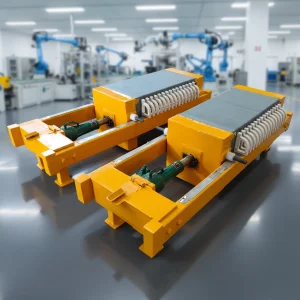
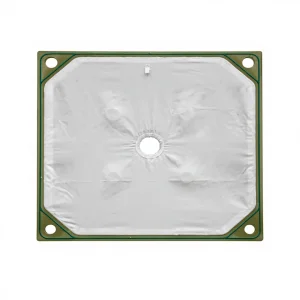
Explore our leading chamber filter plates and modular pressing systems configured to comply with European industrial standards and Hamburg environmental regulations.
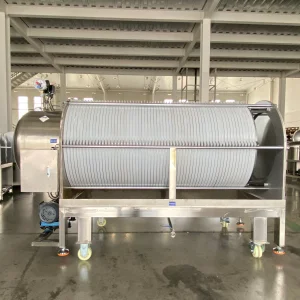
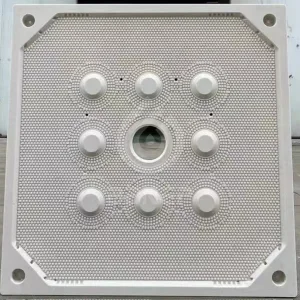
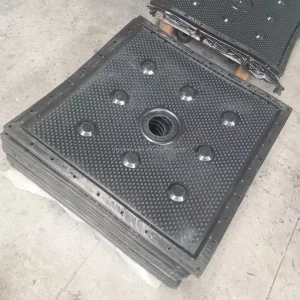
A comprehensive overview of local challenges, technical specifications, and mechanical integration for solid-liquid separation plants.
Hamburg is not only Germany's major maritime gateway but also an industrial powerhouse containing massive chemical facilities, copper refineries, and municipal sludge treaters. Operating a filter press inside Hamburg requires strict alignment with the German Federal Water Act (WHG) and local wastewater directives (AbwV). Solid-liquid separation equipment must achieve high dry solids content to minimize disposal logistics fees, which have skyrocketed in Western Europe.
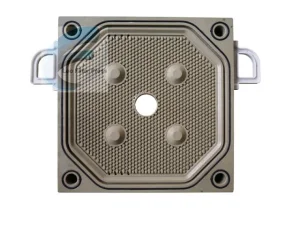
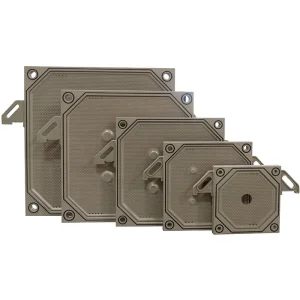
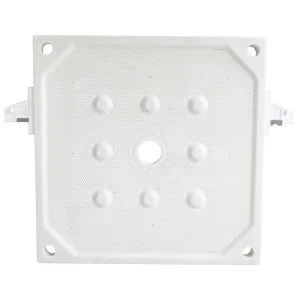
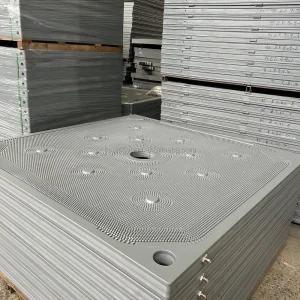
Whether handling copper tailings, fine chemicals, or port sludge, filter plates must resist intense corrosive forces and extreme pressure variations. Jovios chamber and membrane filter plates are custom engineered using high-molecular reinforced polypropylene, ensuring compliance with DIN 24420 standards for dimensional parameters and operating tolerances.
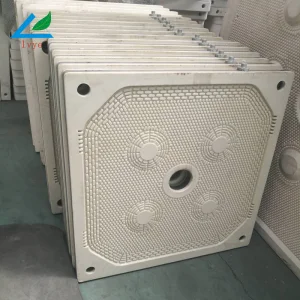
Our chamber filter plates feature optimized feed ports, advanced chamber depths, and sophisticated piping flow configurations. The structural ribs are engineered to maximize cake thickness consistency while maintaining minimal cycle duration.
For volatile or hazardous chemicals processed in regional German facilities, we supply CGR (Caulked, Gasketed, Recessed) plates. These plates feature double-seal integrity, preventing liquid leakage and keeping gas emissions well below the threshold specified in Germany's TA Luft regulation.
Combining the robust Chinese industrial supply chain of Changzhou with precision quality controls destined for German buyers.
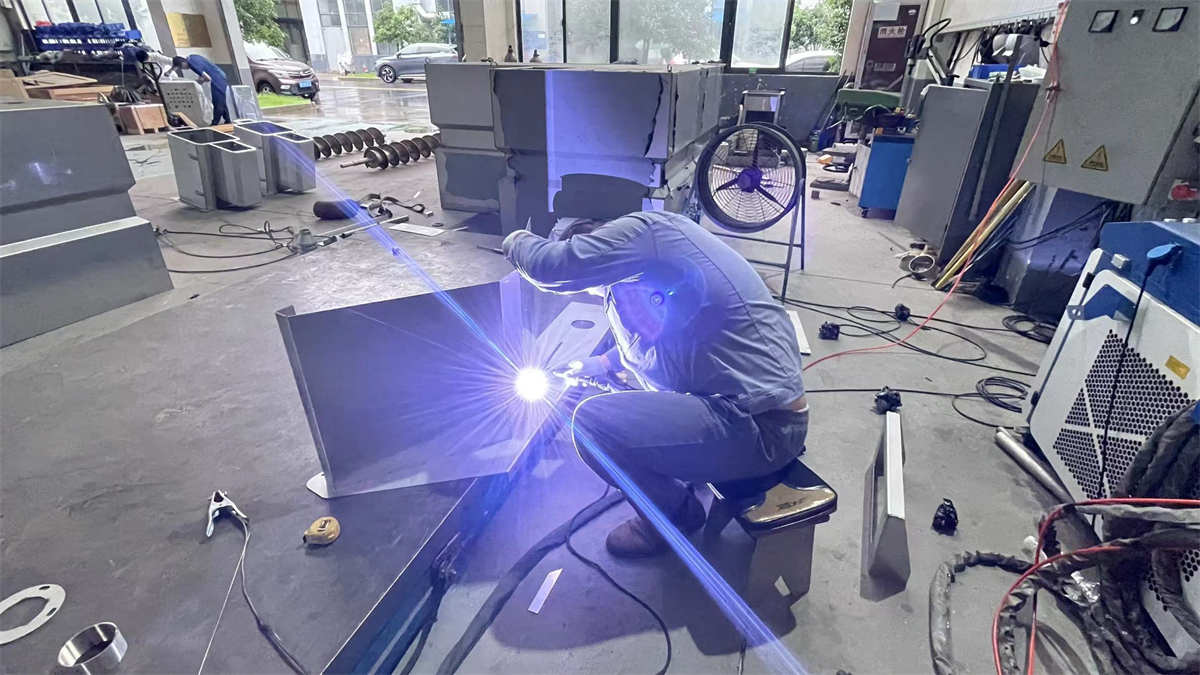
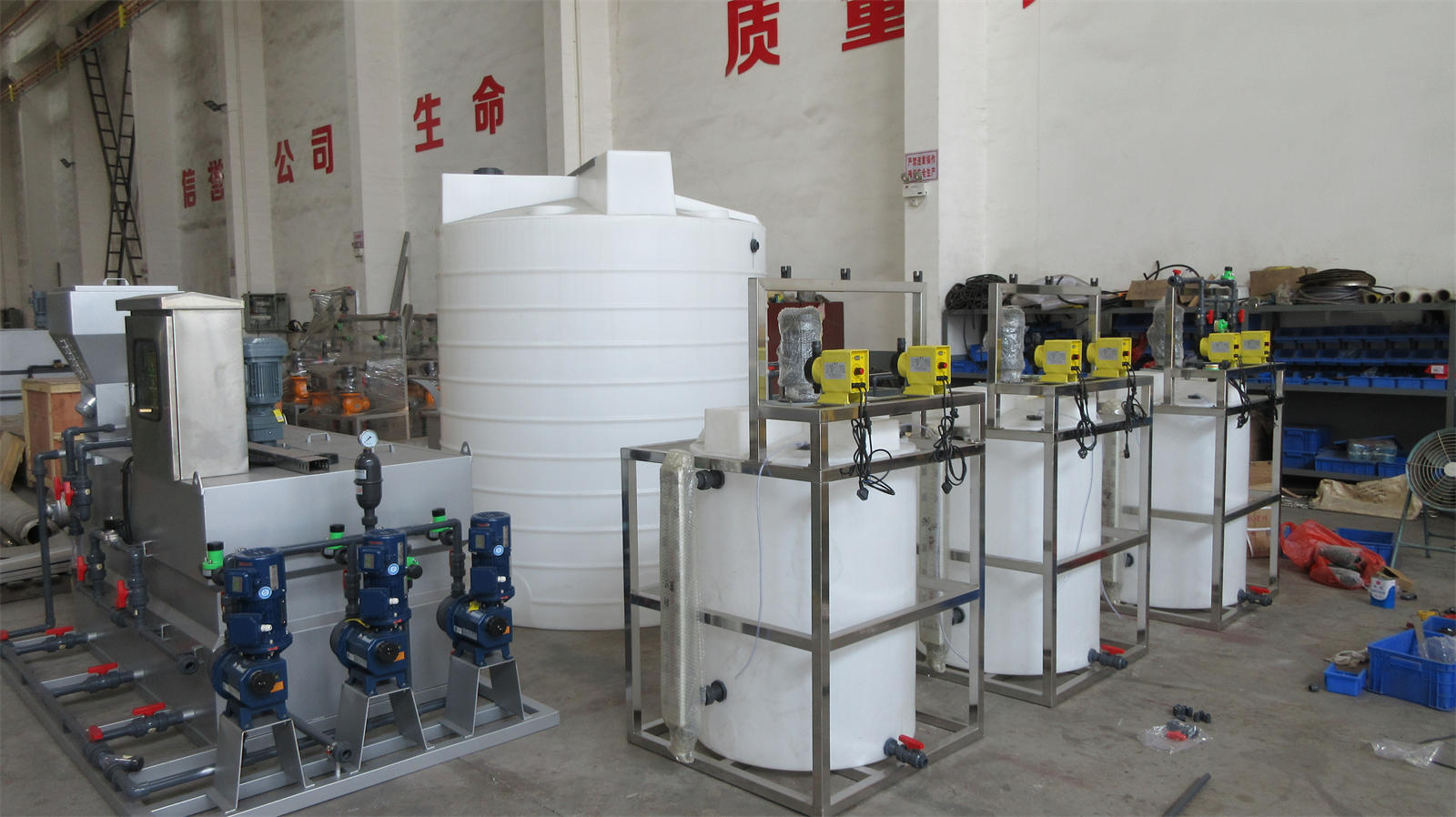
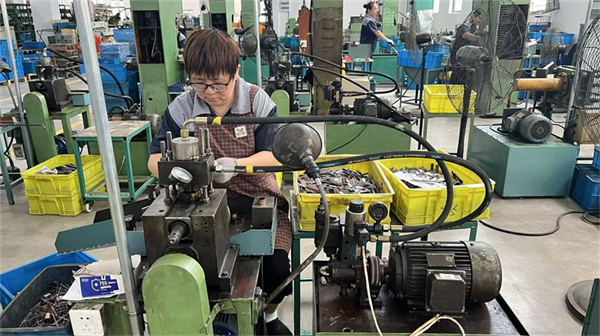
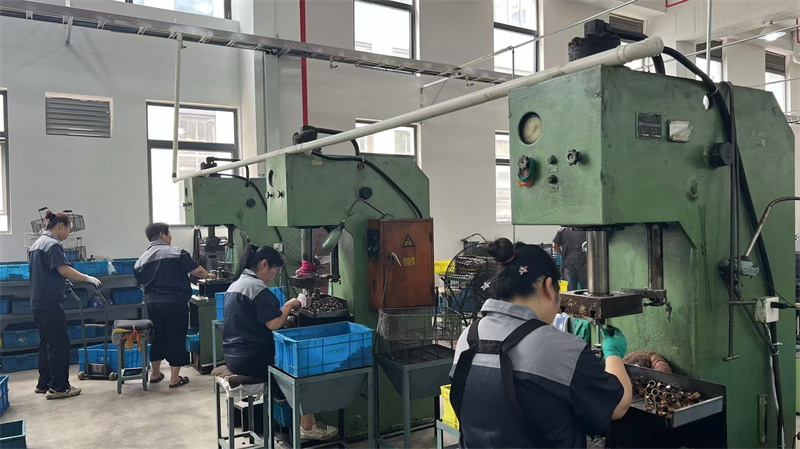
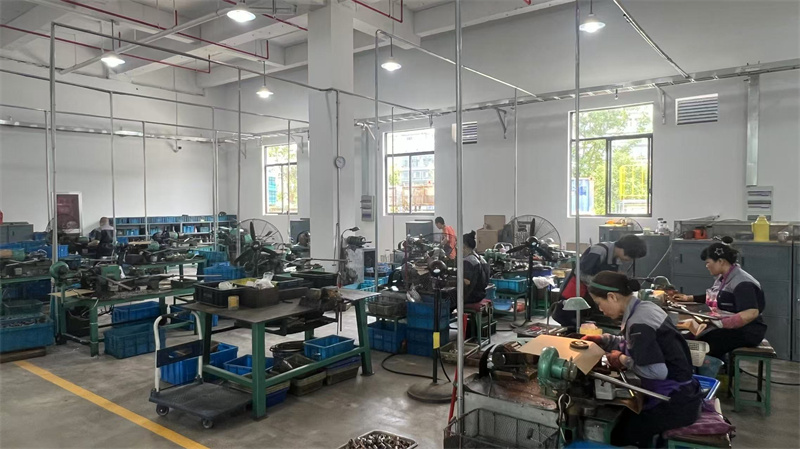
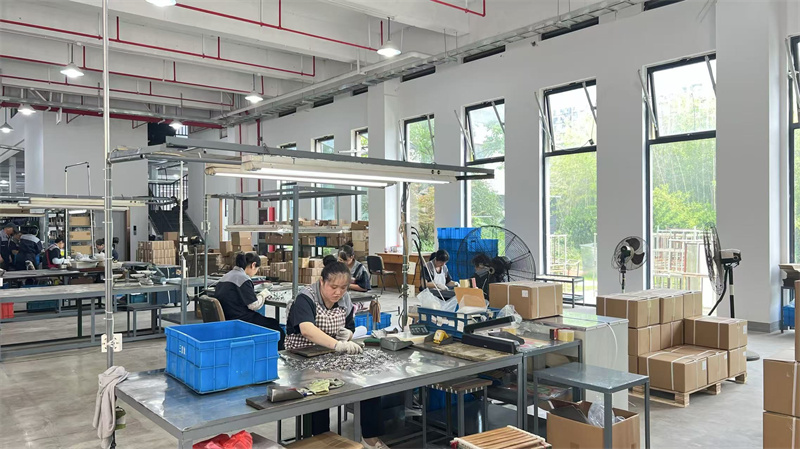
Changzhou Jovios Equipment Co., Ltd. stands as a premier solution provider in the field of solid-liquid separation. Positioned in the National High-tech Industrial Development Zone, Jiangsu Province, China, our factory processes raw polypropylene and steel through computerized machining, rigorous ultrasonic testing, and automated molding. By maintaining complete control over compounding and plate molding, we offer customized OEM options and spare part replacements for well-known European filter press brands at a fraction of the cost, without compromising performance.
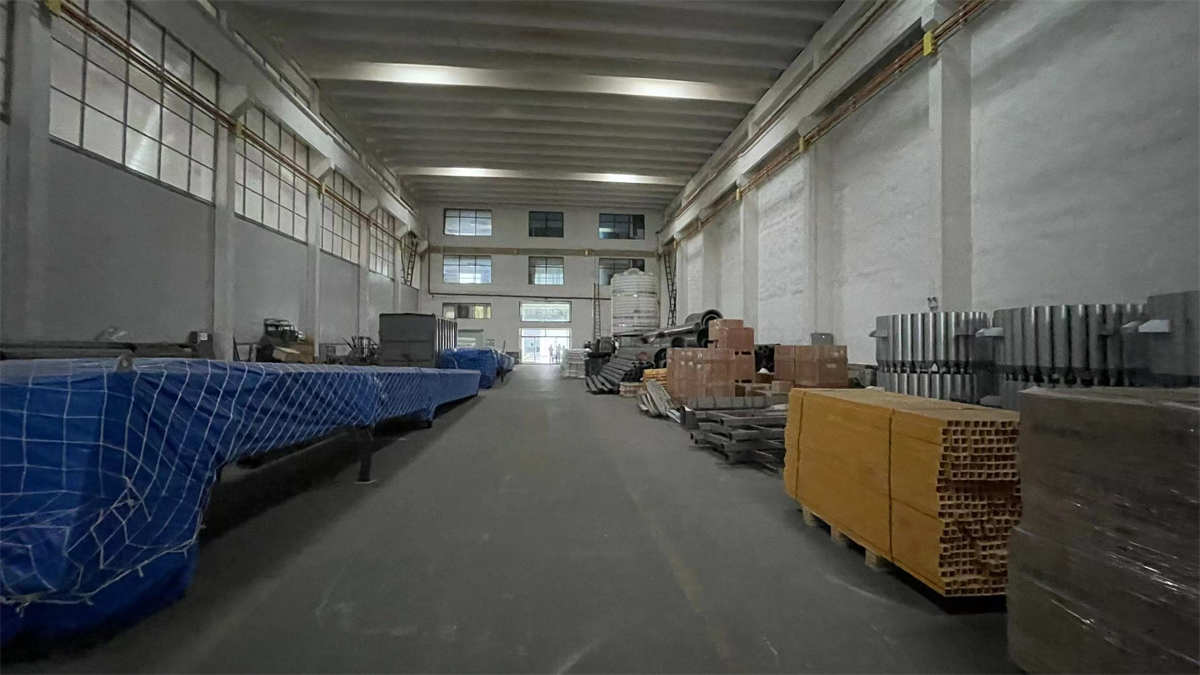
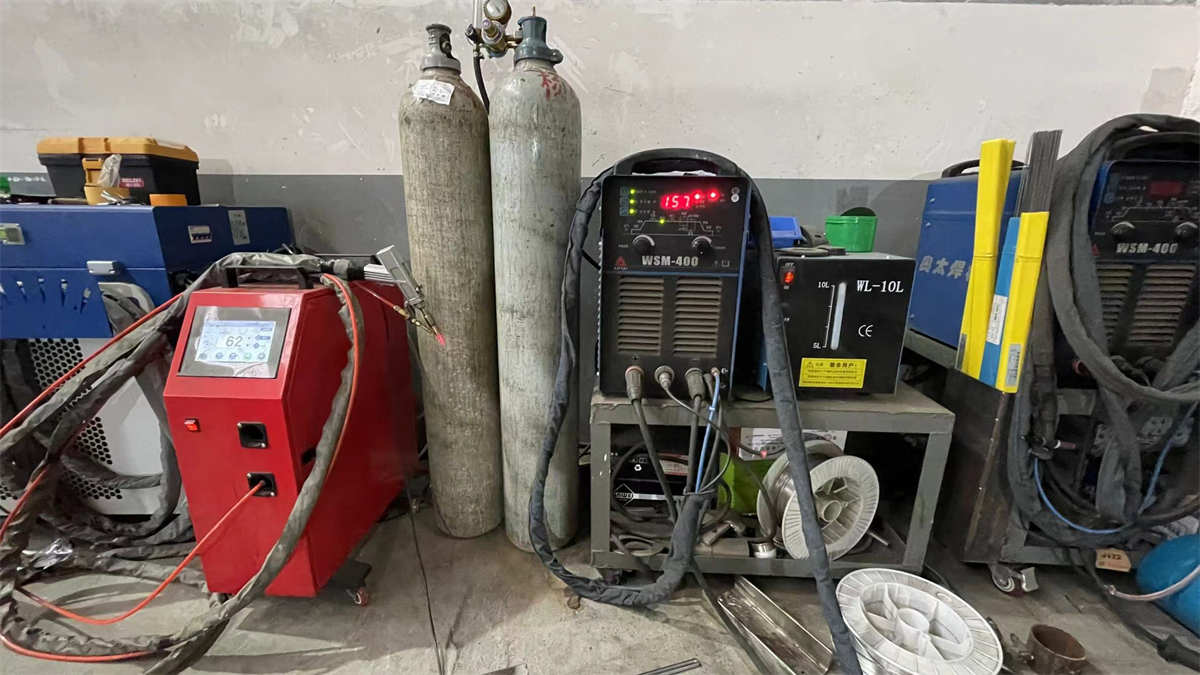
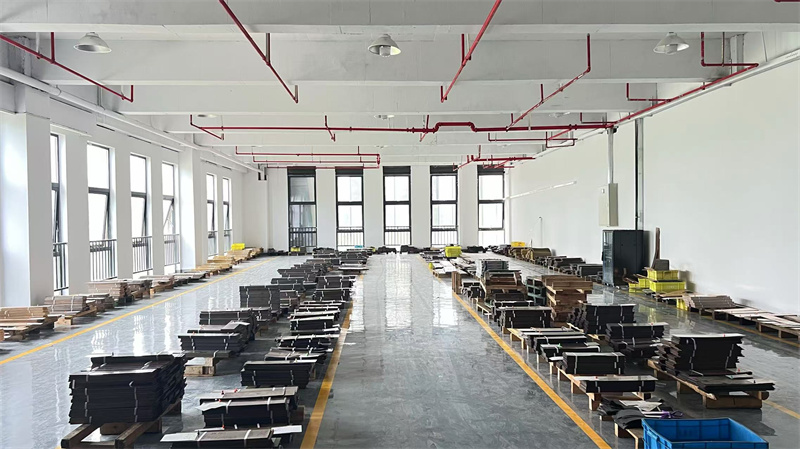
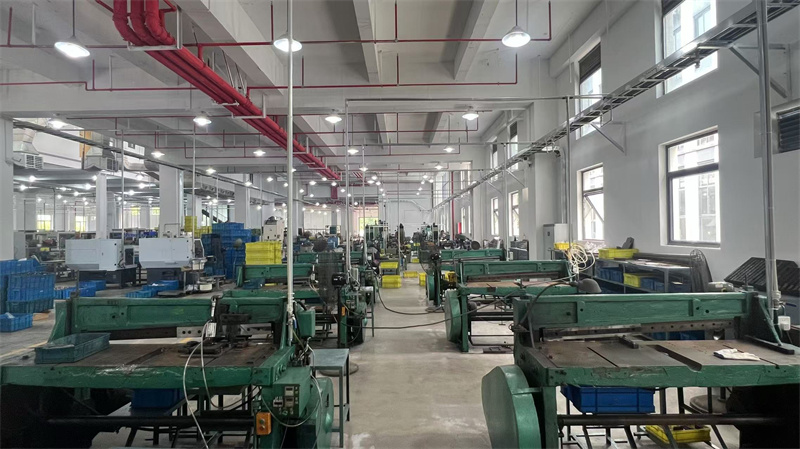
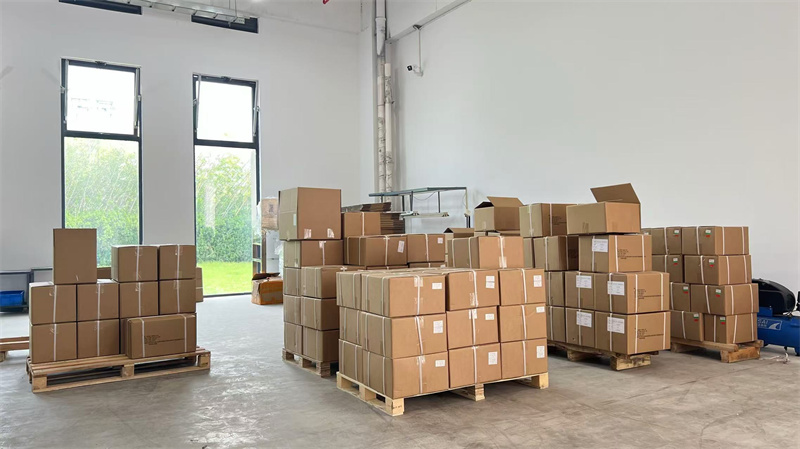
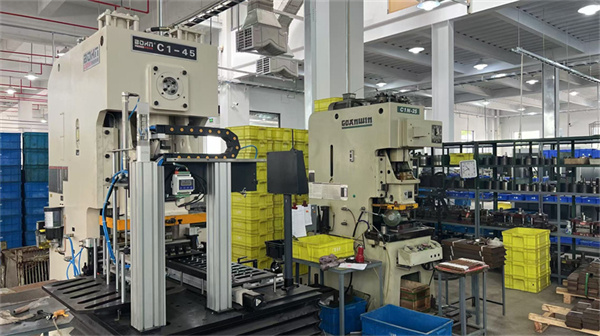
Engineered for high temperature resistance, chemical inertness, and standard mechanical configurations.
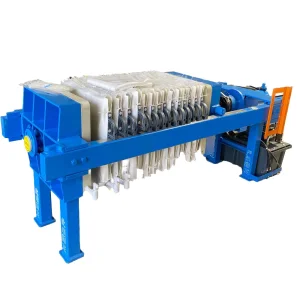
A deep engineering guide outlining mechanical tolerances, material selection, and process efficiency parameters for process engineers.
In modern process plants, choosing between standard Chamber (Recessed) Filter Plates and Membrane Squeezing Plates directly influences cycle productivity, cake dry solids, and operational cost. Below is a professional breakdown mapping mechanical performance:
| Technical Characteristic | Standard Chamber Filter Plates | Membrane Squeezing Plates (PP+TPE) |
|---|---|---|
| Working Squeezing Pressure | Typically 6 bar to 10 bar maximum | Up to 15 bar to 30 bar via air/water inflation |
| Typical Cycle Duration | Longer filtration step to achieve cake density | Shortened step + immediate squeezing sequence |
| Cake Residual Moisture | Typically 30% to 50% (highly slurry-dependent) | Can reduce moisture by up to 10%-15% absolute |
| Washing Cake Capability | Standard washing efficiency (slower process) | Maximum washing rate due to pressurized stabilization |
| Suitability | High-abrasion, simple sludges, stable slurry | Highly viscous, sticky cakes, fine chemical separation |
Jovios plates use pure copolymerized polypropylene (PP) compounded with high-strength impact-resistant elastomers. Standard industrial PP plates can deform or warp if exposed to thermal fluctuations. To counter this, our hot-filtration plates incorporate specialized thermal stabilizers allowing operation up to 95°C without dimensional shifting or sealing failures.
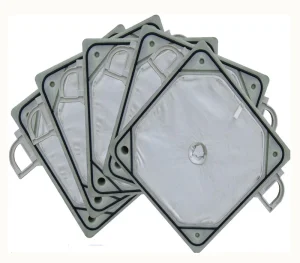
Our membrane diaphragms utilize premium TPE (Thermoplastic Elastomer) co-molded directly to the structural PP core. This ensures the elastic membrane survives more than 100,000 flexing cycles under maximum pressures, providing reliability in continuous industrial runs.
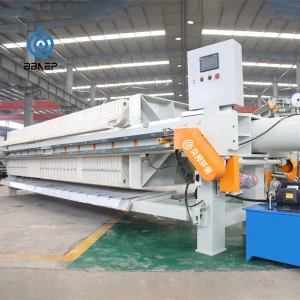
Explore our wide selection of plates, cloths, and complete filtration systems built to lower total cost of ownership (TCO).
How Jovios manages cross-continental logistics, customs clearances, and technical compatibility for European machinery.
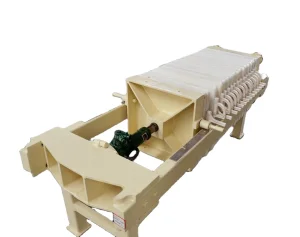
Operating out of Jiangsu, Jovios leverages direct shipping routes from Shanghai port to the Port of Hamburg. With predictable container transport cycles, we supply spare parts and heavy machinery frames directly to Northern German industrial parks.
Many filtration operators in Hamburg run older machinery from legacy European brands. Jovios engineers supply custom-molded retrofits that match exact mechanical alignments, flange positions, and locking pin parameters of existing structures.
All products exported to Germany carry full CE documentation. Pressure testing profiles, polymer purity certificates (suitable for food contact under FDA/EU directives), and structural load calculations are supplied with every dispatch.
In-depth responses to critical technical queries compiled by our R&D engineering department.
 Jovios Equipment