High-efficiency filtration systems customized for the Baltic environmental compliance and industrial purification applications.
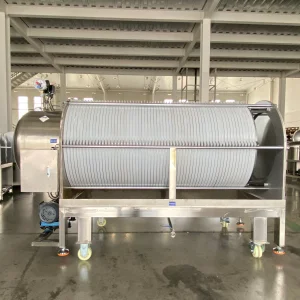
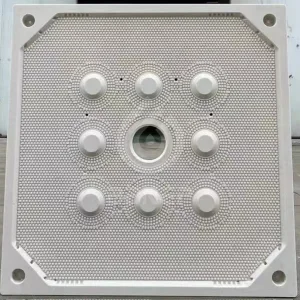
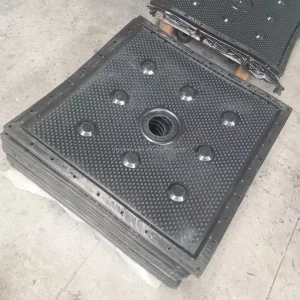
A macroeconomic analysis of Latvia’s strict environmental laws and solid-liquid separation requirements.
As a key member of the European Union, Latvia has aligned its environmental regulations with the European Water Framework Directive and HELCOM (Baltic Marine Environment Protection Commission) standards. Key cities like Riga, Liepāja, Daugavpils, and Ventspils are seeing massive investments in green industrial practices, municipal wastewater treatment, and advanced bio-based manufacturing.
Latvian wood-processing industries, pharmaceutical plants (e.g., manufacturing active pharmaceutical ingredients), dairy operations, and municipal sewage management companies face critical challenges in handling high-volume sludge. Traditional dewatering methods no longer suffice under strict EU waste disposal costs and environmental taxes.
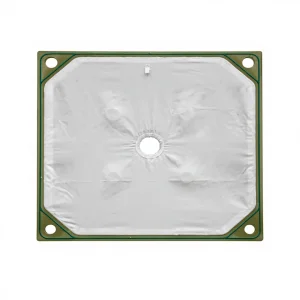
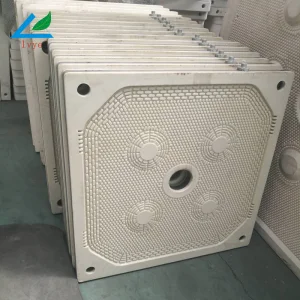
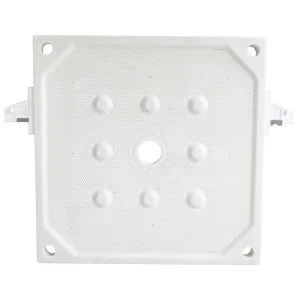
High moisture content in sludge increases landfill fees. High-performance membrane and recessed chamber filter plates reduce final cake moisture below 55%, significantly lowering logistics and disposal costs for Latvian businesses.
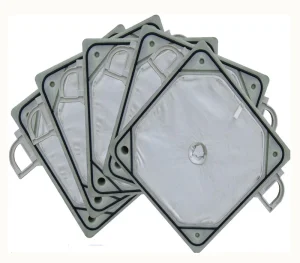
Additionally, Latvia’s chemical and pharmaceutical sectors require corrosion-resistant, high-temperature, and completely sealed filtration mechanisms. Standard filter plates fail under intense chemical exposure. Jovios customizes PP (Polypropylene) and TPE membrane filter plates with CGR (Caulked, Gasketed, and Recessed) gas-tight technologies to prevent hazardous leaks, matching the exact regulatory expectations of Latvia’s State Environmental Service (Valsts vides dienests).
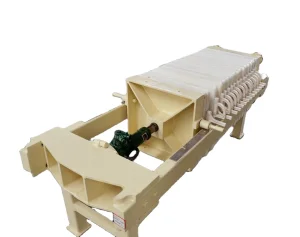
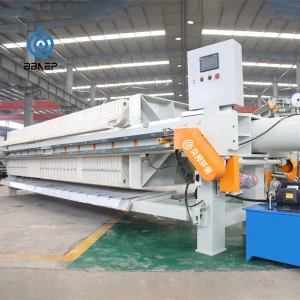
With our specialized engineering support, Baltic factories can transition from legacy filter systems to modern, automatic, high-pressure squeezing systems that achieve zero-liquid discharge (ZLD) requirements and clean water reuse.
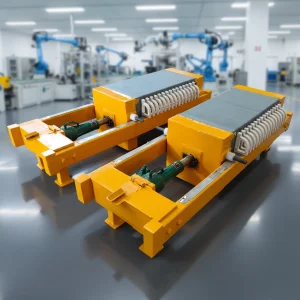
Comparing Recessed Chamber, Membrane Squeezing, and CGR Gas-Tight designs for optimal filtration efficiency.
| Feature Parameter | Standard Recessed Chamber Plates | Membrane Squeezing Plates | CGR Gas-Tight Filter Plates |
|---|---|---|---|
| Operating Pressure | Up to 10 Bar (Custom up to 16 Bar) | 16 Bar to 20 Bar (High pressure) | 10 Bar to 12 Bar |
| Cake Moisture Content | 65% - 75% | 45% - 55% (Maximum dryness) | 60% - 70% |
| Gas/Liquid Sealing | Standard sealing (Minimal weeping) | Standard to high sealing | Zero-leakage, 100% gas-tight |
| Material Formulation | 100% Pure Virgin Polypropylene (PP) | Polypropylene body + TPE membrane face | Polypropylene with EPDM/Viton Gaskets |
| Best Applications | Wastewater dewatering, mining tailings | Fine chemicals, bio-tech, food processing | Volatile acids, toxic pharmaceuticals |
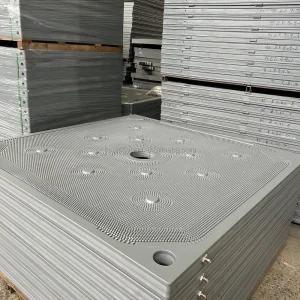
Recycled materials crack under high cyclic pressure. Jovios uses only premium, virgin molecular polypropylene (PP) to withstand high mechanical stresses and rapid temperature variations without structural failure.
Proper cake chamber thickness (typically 30mm, 40mm, or 50mm) balances filtration cycle times and solid volume capacity, maximizing output per cycle based on specific slurry characteristics.
Specifically developed for chemical processes involving organic solvents and acidic liquids, ensuring long service life under high temperature (up to 120°C) and extreme pH levels.
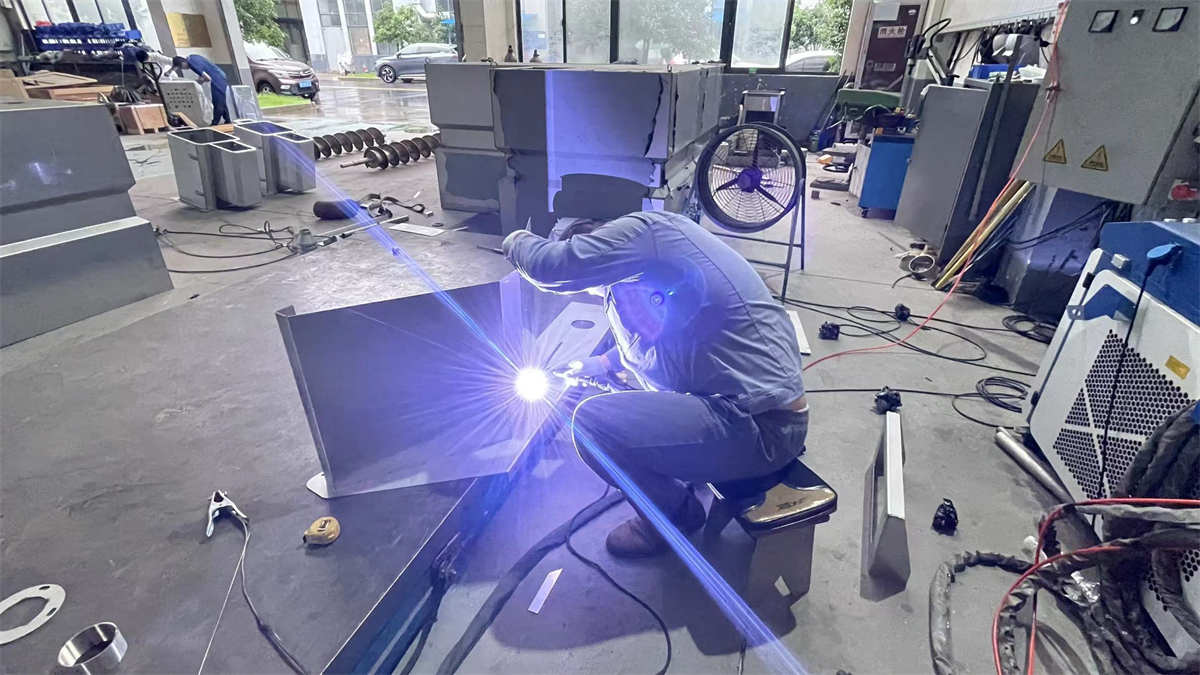
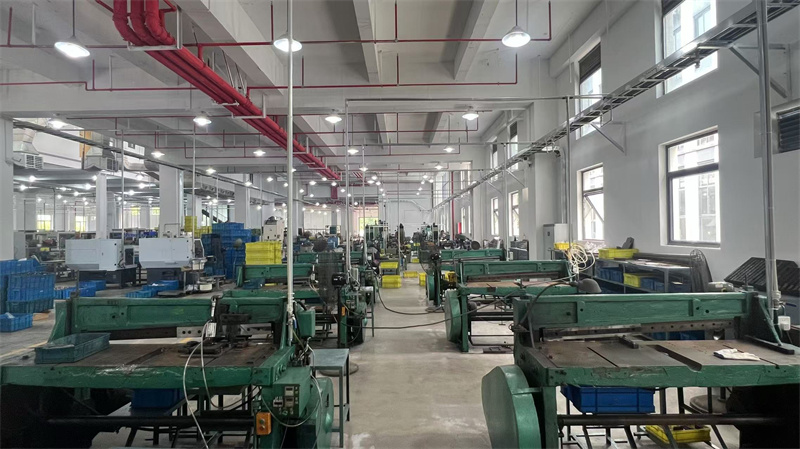
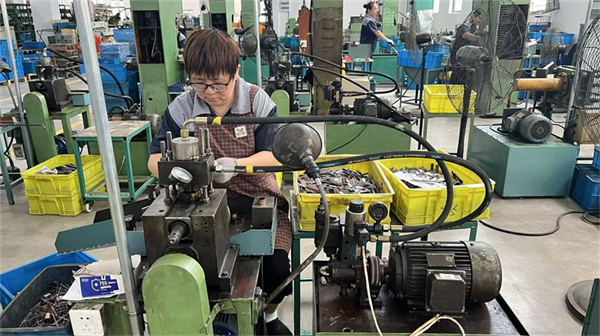
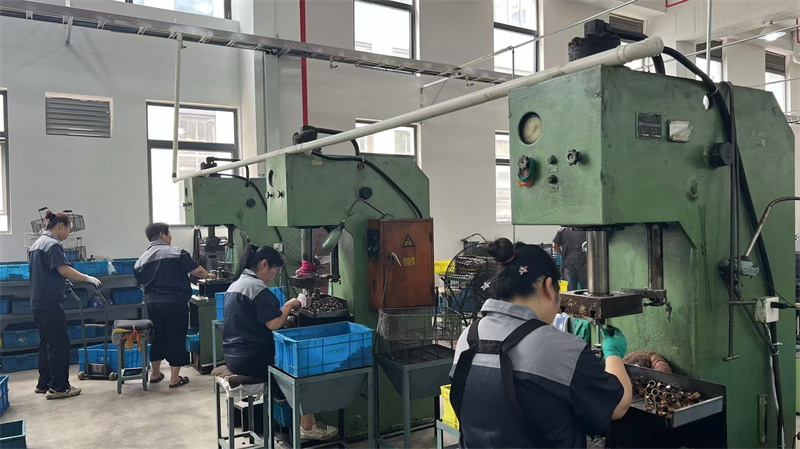
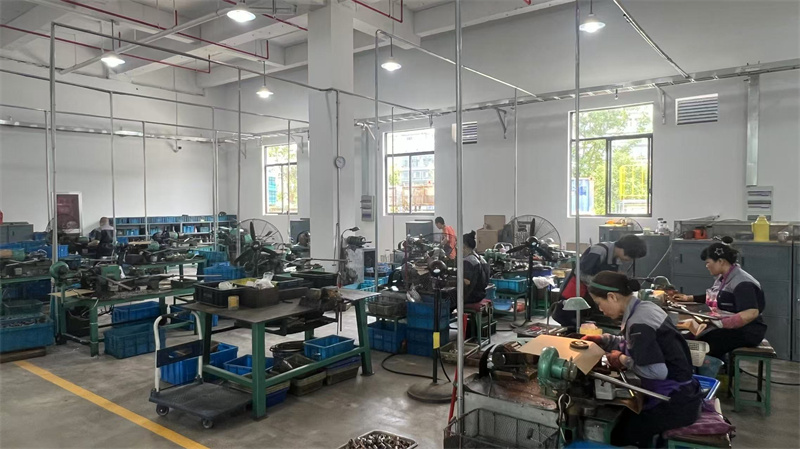
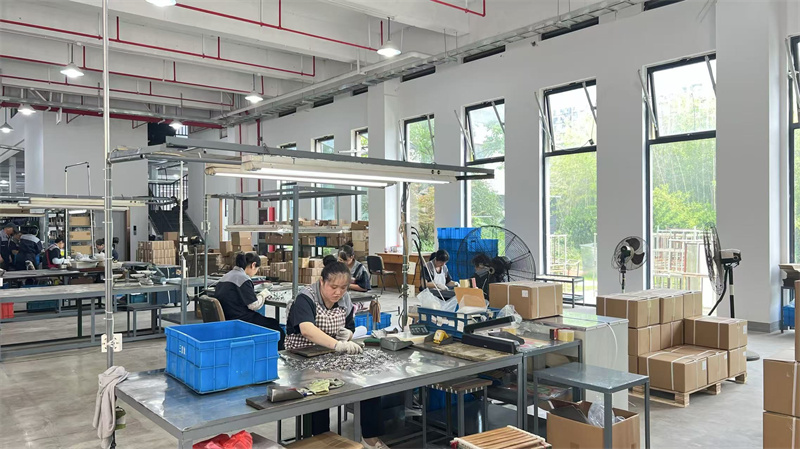
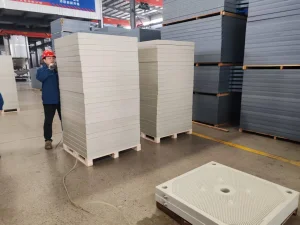
Discover how Changzhou Jovios Equipment Co., Ltd. ensures exceptional build quality and consistent tolerances.
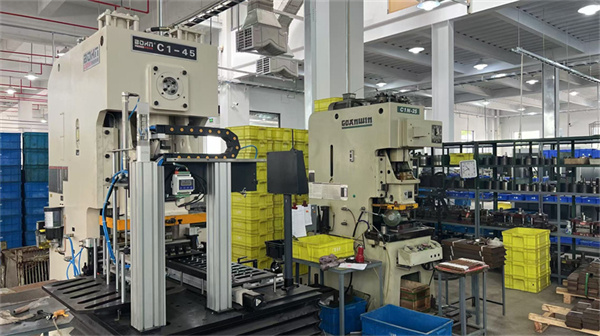
Changzhou Jovios Equipment Co., Ltd. is a professional manufacturer and solution provider specializing in solid-liquid separation and environmental protection equipment. Located in Changzhou National High-tech Industrial Development Zone, Jiangsu Province, China, the company operates a modern manufacturing base covering more than 50,000 square meters, equipped with advanced production facilities and a comprehensive quality inspection center.
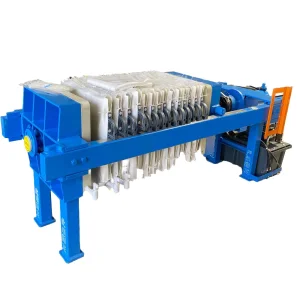
Jovios independently designs, develops, and manufactures a complete range of filtration and separation equipment, including plate and frame filter presses, membrane filter presses, automatic filter presses, intelligent filtration systems, as well as high-performance filter plates and filter cloths. With an annual production capacity exceeding 1,000 units, our products are widely applied in municipal wastewater treatment, chemical processing, petroleum, mining, metallurgy, pharmaceuticals, food and beverage production, paper manufacturing, textile dyeing, ceramics, building materials, and many other industries.
In addition to filtration equipment, Jovios provides complete wastewater treatment solutions and engineering services. From process design and equipment selection to installation, commissioning, and operational support, we deliver turnkey wastewater treatment systems for both municipal and industrial customers worldwide. Our experienced research and development team consists of more than 30 senior engineers and technical specialists.
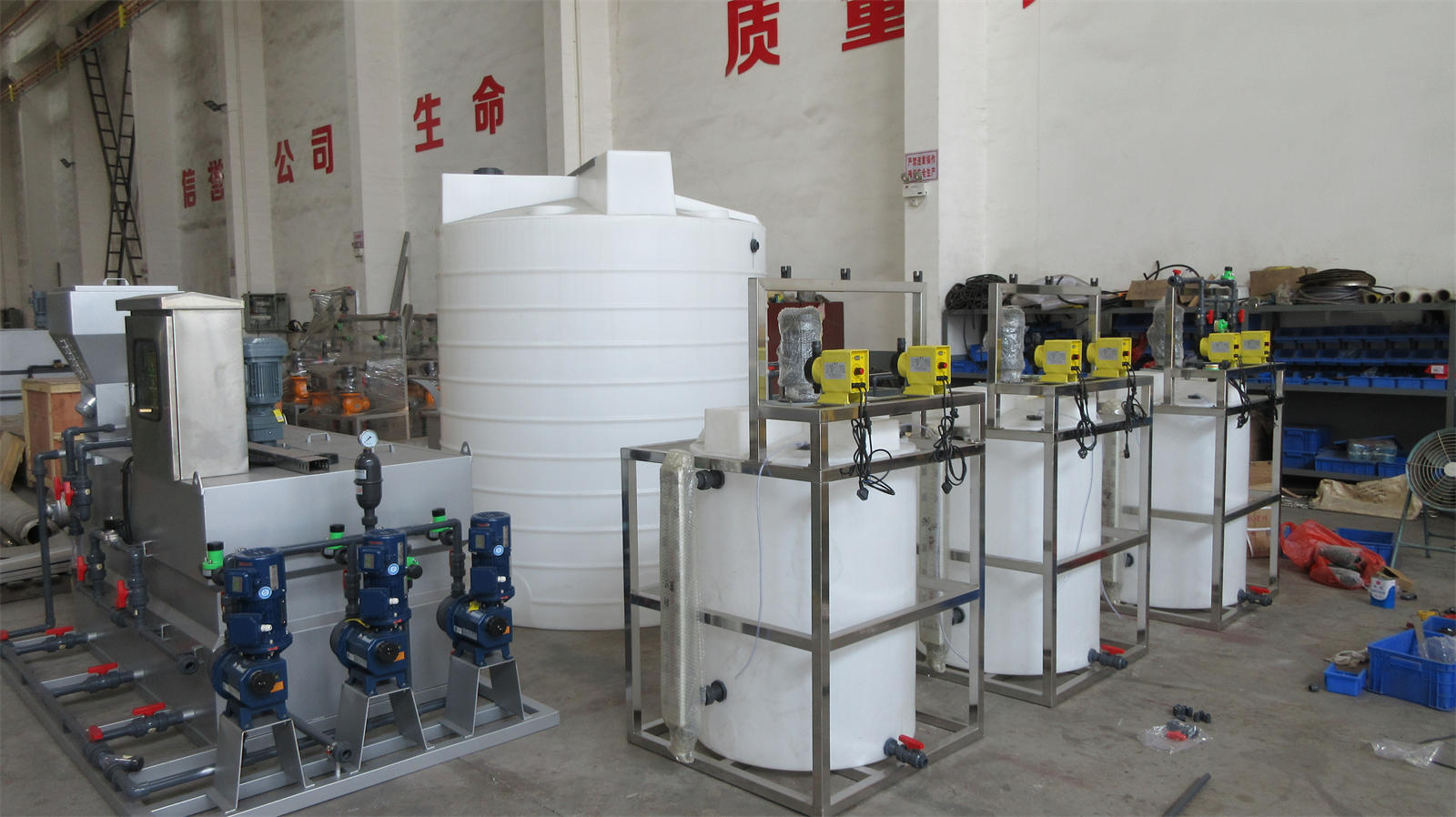
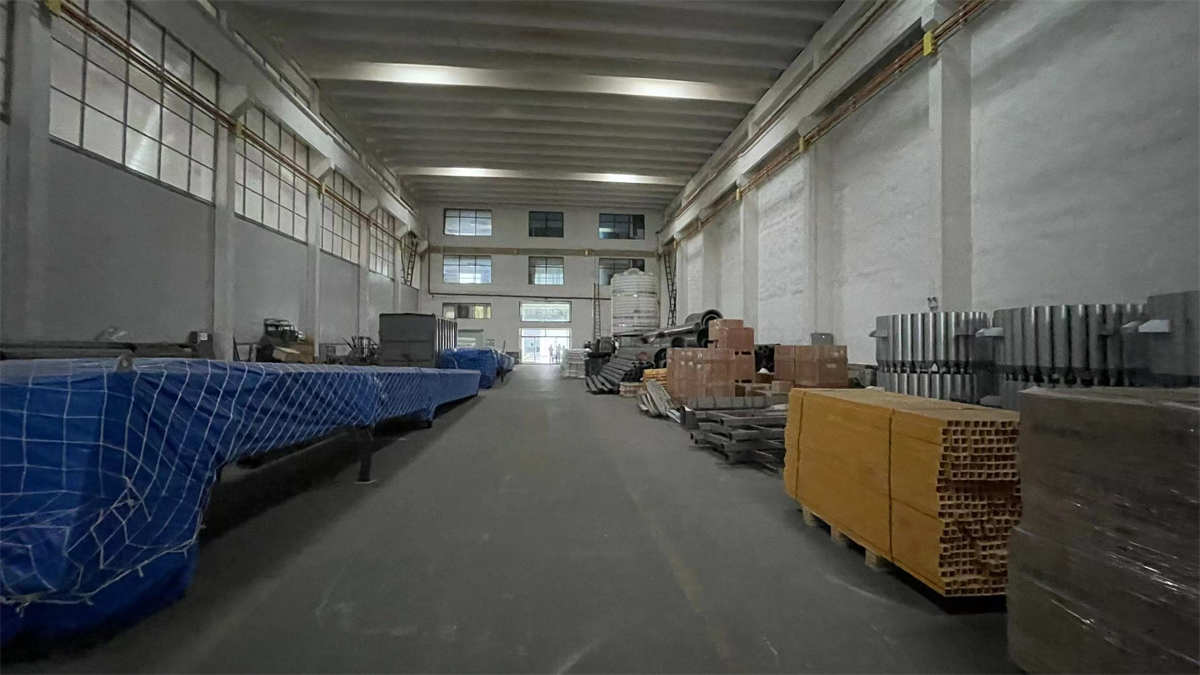
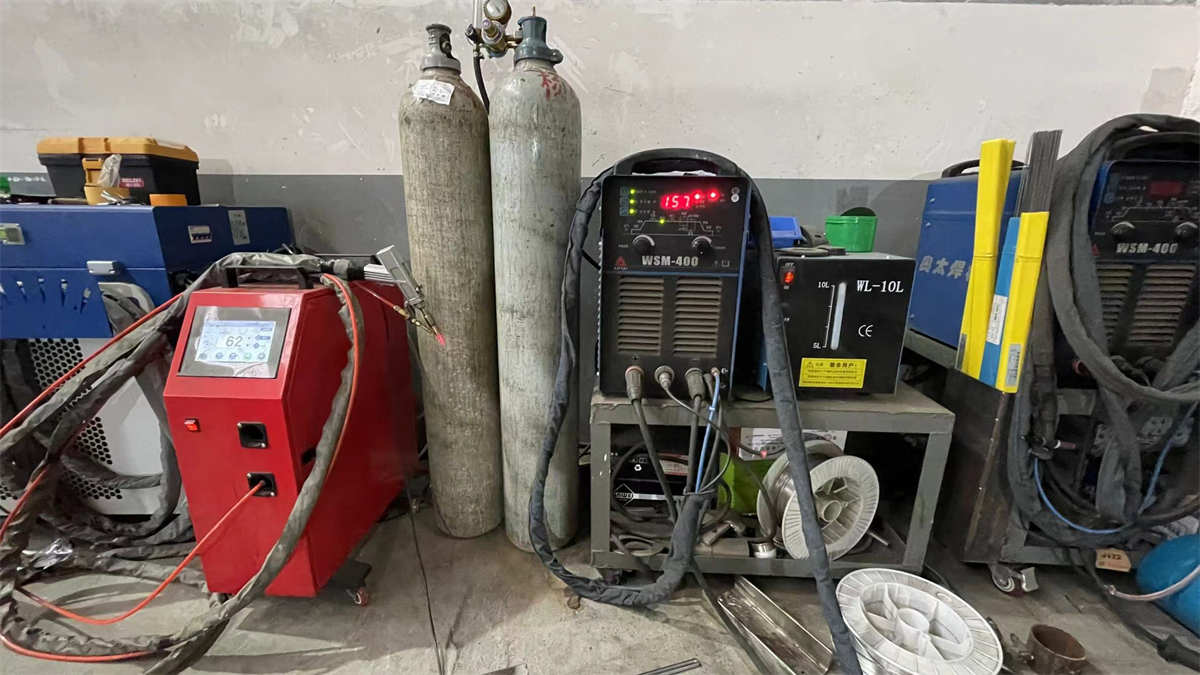
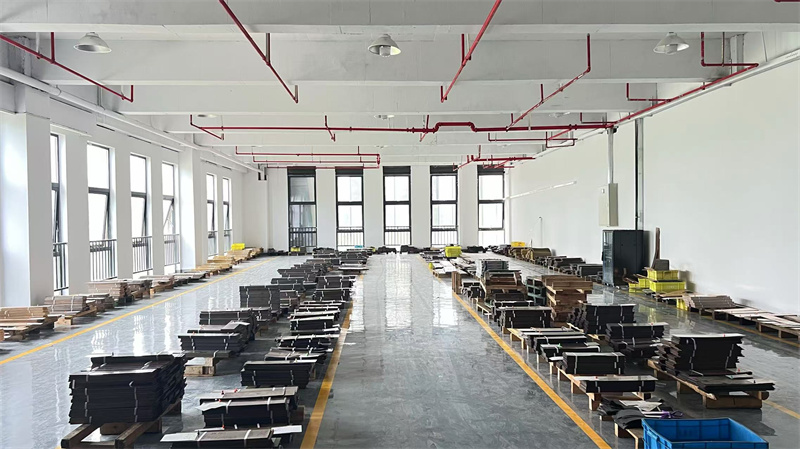
Ensuring compliance, seamless installation, and reliable operation across the Baltic states.
All filter plates and machinery supplied to Latvia conform strictly to EU directives, including the Pressure Equipment Directive (PED) 2014/68/EU and CE standards. Jovios guarantees that high-pressure membrane squeezer systems possess integrated safety relief valves and pressure transmitters to prevent system over-pressurization.
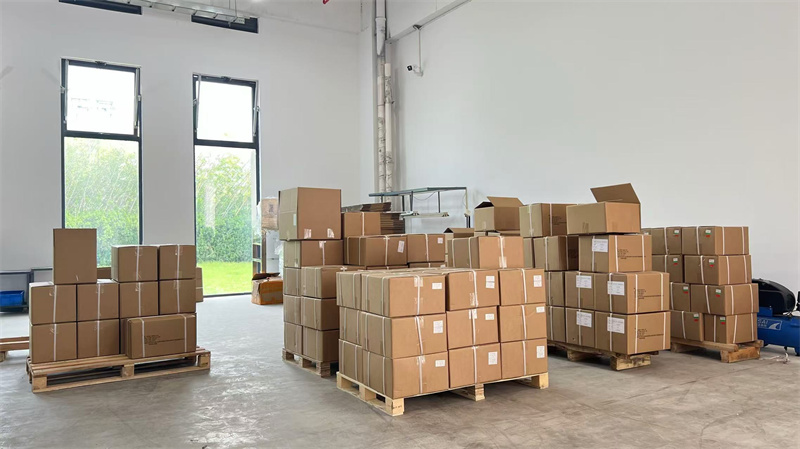
We understand that operational downtime is costly. Through our global sales network and shipping lanes connecting major Latvian ports (Riga, Liepāja, Ventspils), we maintain a consistent stock of filter cloths, customized gasket sets, and replacement PP membrane plates ready for rapid dispatch.
In-depth insights into selection, maintenance, and structural durability for process engineers.
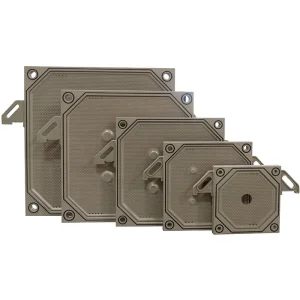
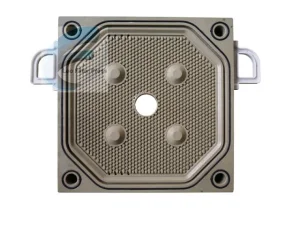
Explore our comprehensive product portfolio engineered for chemical, mining, and wastewater systems.
 Jovios Equipment