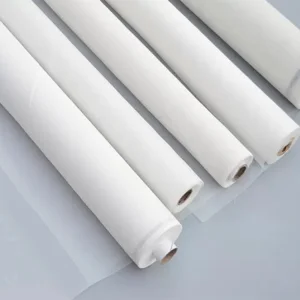
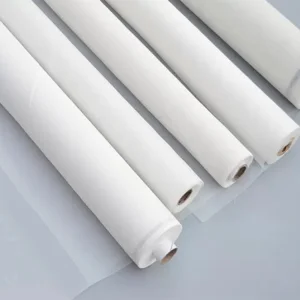
Explore our top-tier nylon mesh and filter fabrics tailored for Kenyan industrial and food-grade applications.
An in-depth analysis of high-performance Polyamide (Nylon) filter cloths in agricultural processing, municipal infrastructure, and mineral extraction across East Africa.
Kenya is currently positioning itself as the key manufacturing hub for East and Central Africa. Driven by the government's economic blueprints and the robust expansion of the agricultural and mineral processing sectors, local factories are rapidly modernizing. Standard filtration mechanisms are shifting toward highly precise, durable, and chemically stable materials. High-strength nylon filter cloths (polyamide monofilament and multifilament weaves) have emerged as essential assets within this transition.
Whether clarifying beverages in Nairobi, refining minerals in the Rift Valley, or implementing advanced wastewater recycling structures at key industrial zones like the Athi River Export Processing Zone (EPZ), high-grade nylon weaves offer a balance of mechanical durability, high throughput, and cost-efficiency. Our research highlights that as local environmental laws become more stringent, companies are utilizing high-quality monofilament filter textiles to reduce environmental footprints and optimize product yields.
Information Gain Insight: Unlike standard polyester alternatives, Nylon (specifically Polyamide 6.6) provides unmatched alkaline resistance and mechanical recovery, making it highly effective for recurring industrial washing cycles under high mechanical pressure in Kenyan processing mills.
Nylon, or polyamide, represents a synthetic polymer group defined by recurring amide groups along the molecular chain. In filtration technologies, two main structures are used: Polyamide 6 (PA6) and Polyamide 6.6 (PA66). PA66 offers superior wear resistance, higher melting points, and minimal structural deformation under thermal stress, making it the preferred option for complex industrial slurry separation systems.
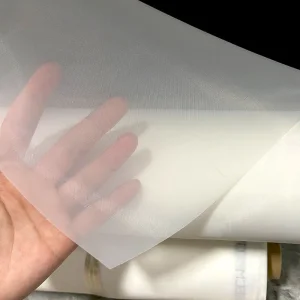
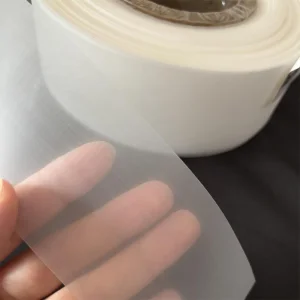
The primary advantage of monofilament nylon filter cloth lies in its uniform weave geometry. Unlike multifilament structures where fibers are twisted together, monofilament weaves use single, continuous threads. This creates smooth, non-binding apertures that prevent particle entrapment within the yarn. The smooth surface makes cake discharge easy, reducing downtime for cleaning. In applications requiring high mechanical strength, multifilament nylon weaves provide elevated tensile strength and particulate capture capability.
| Property | Polyamide (Nylon 6.6) | Polyester (PET) | Polypropylene (PP) |
|---|---|---|---|
| Tensile Strength (cN/dtex) | 6.0 – 8.5 | 5.5 – 7.5 | 4.5 – 6.5 |
| Abrasion Resistance | Excellent (Highest) | Good | Moderate |
| Alkaline Resistance | Excellent | Poor | Excellent |
| Max Operating Temp (°C) | 115 - 130 | 140 - 150 | 90 - 100 |
| Specific Gravity (g/cm³) | 1.14 | 1.38 | 0.91 |
Understanding user intent and operational reality in East Africa means recognizing that local operating conditions are often demanding, with high variations in source water quality and power availability. Nylon filter cloth is widely used in the following local scenarios:
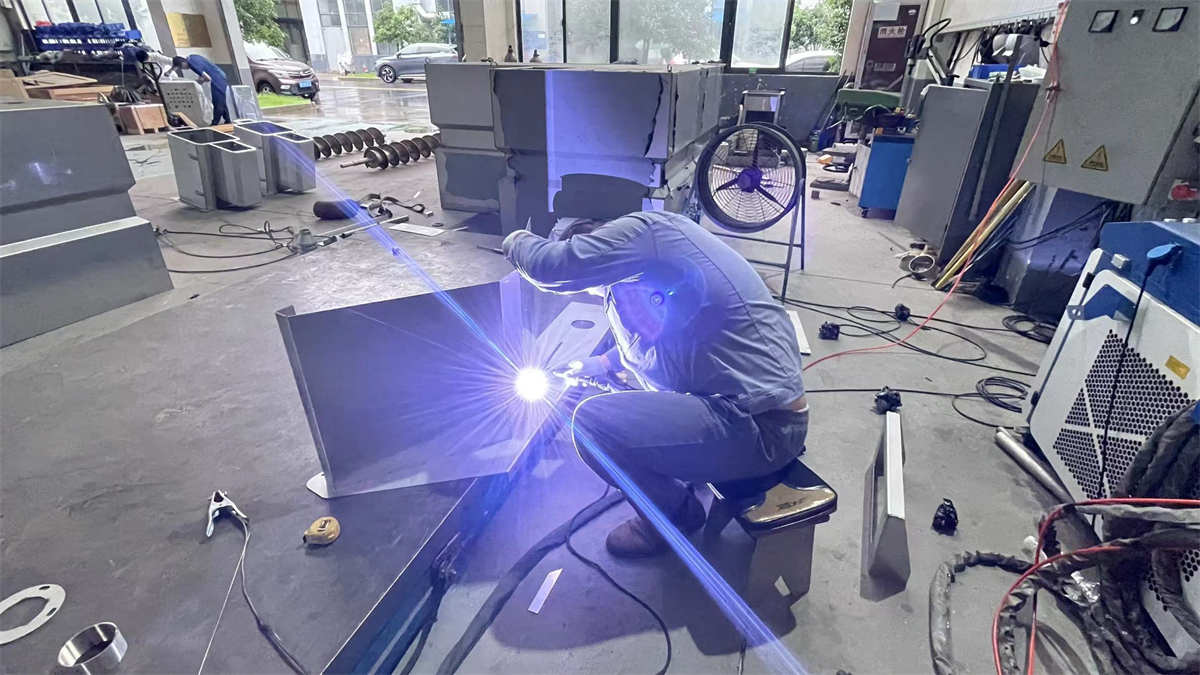
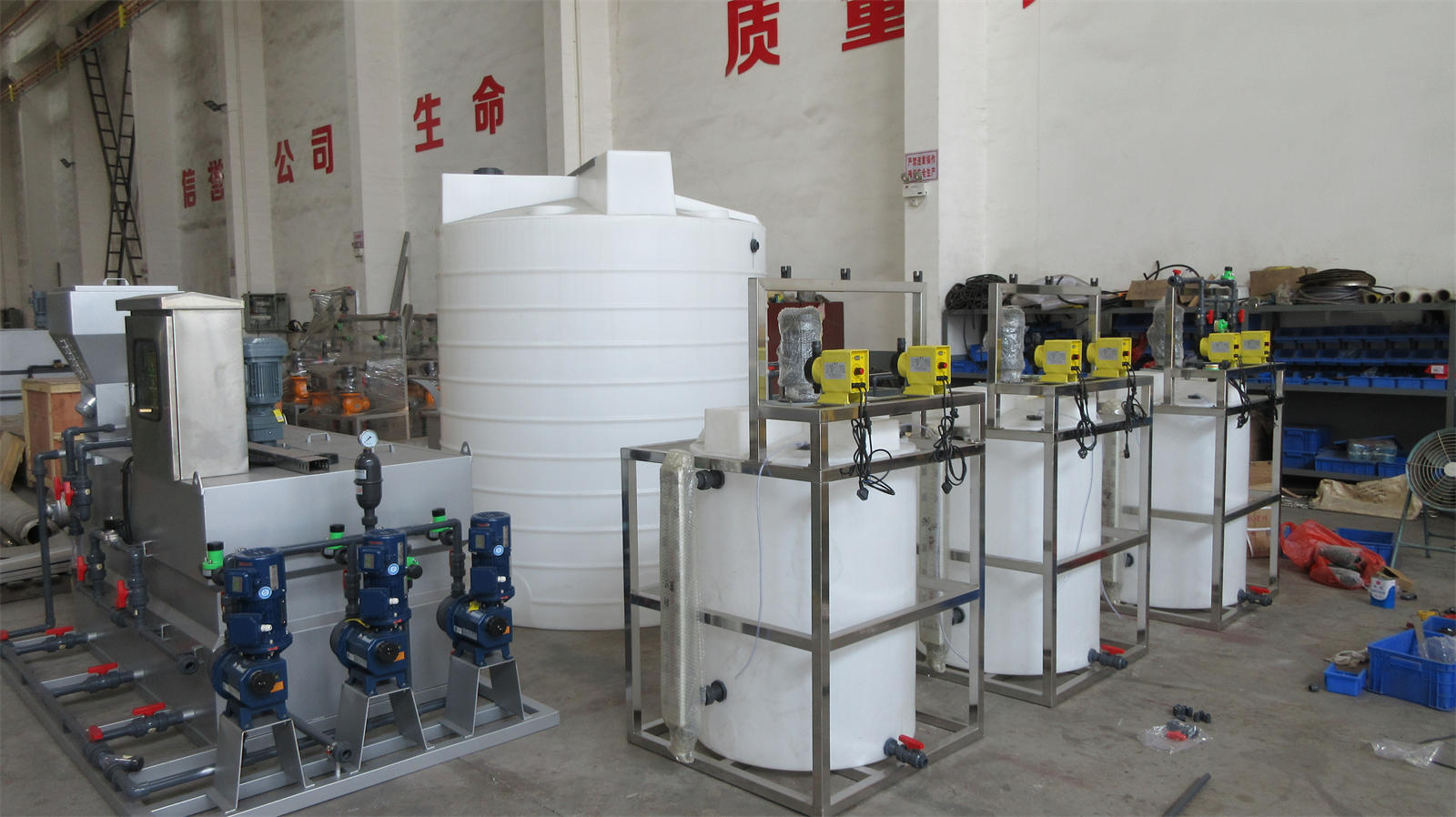
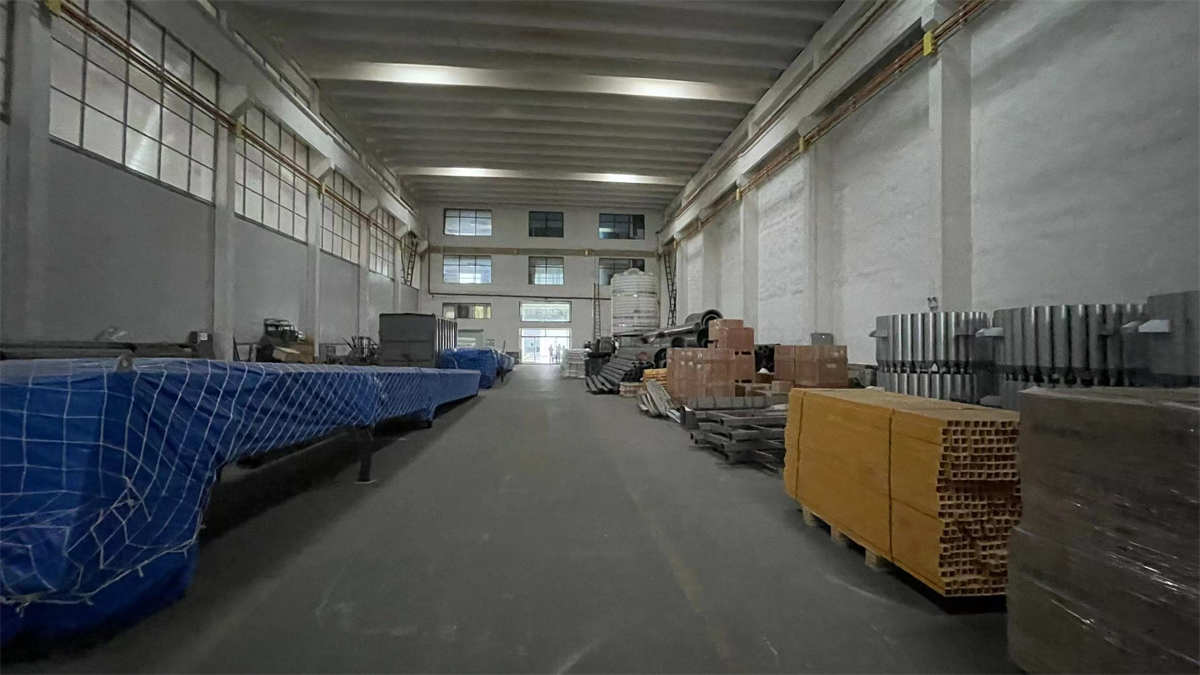
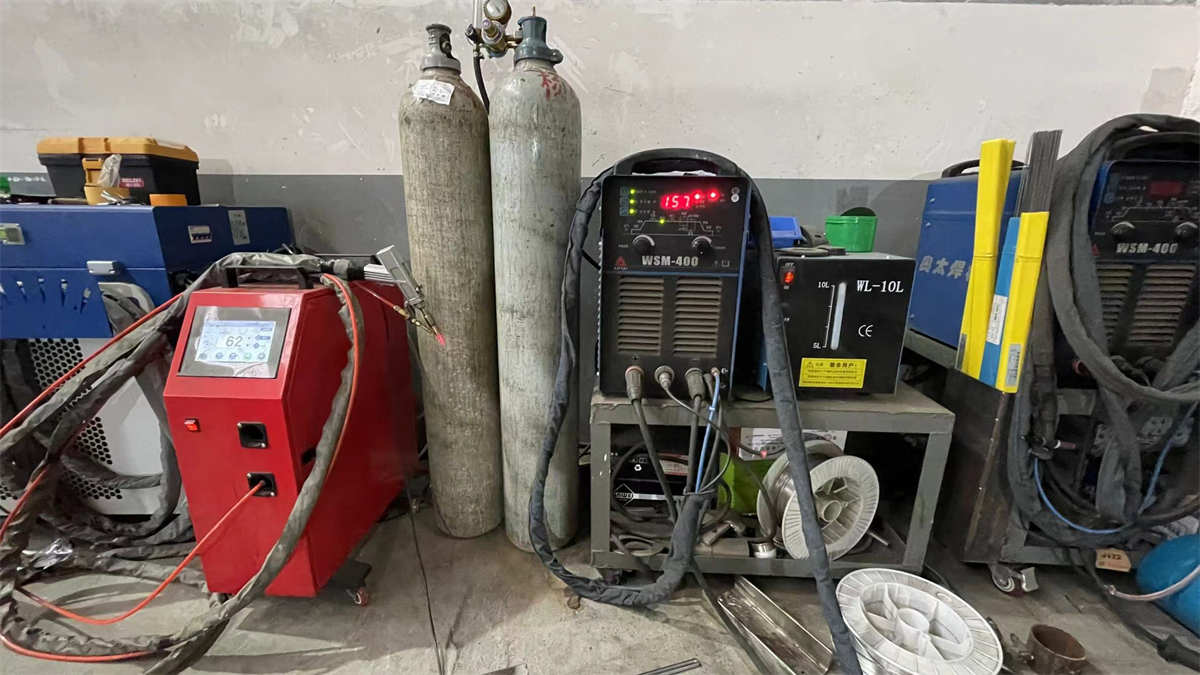
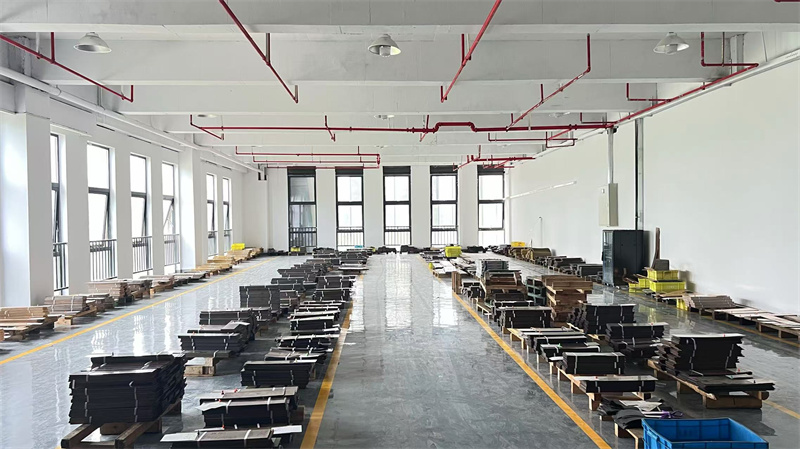
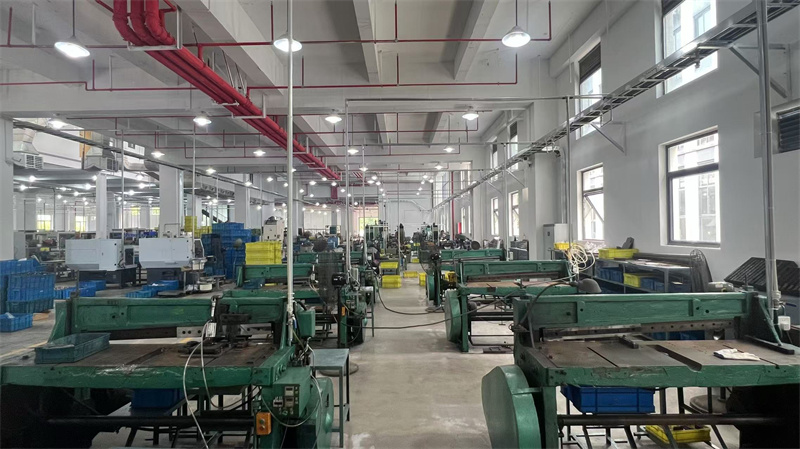
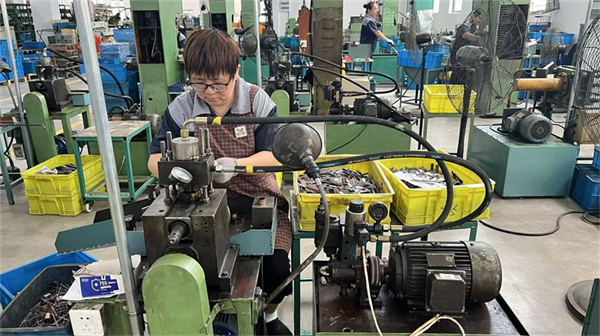
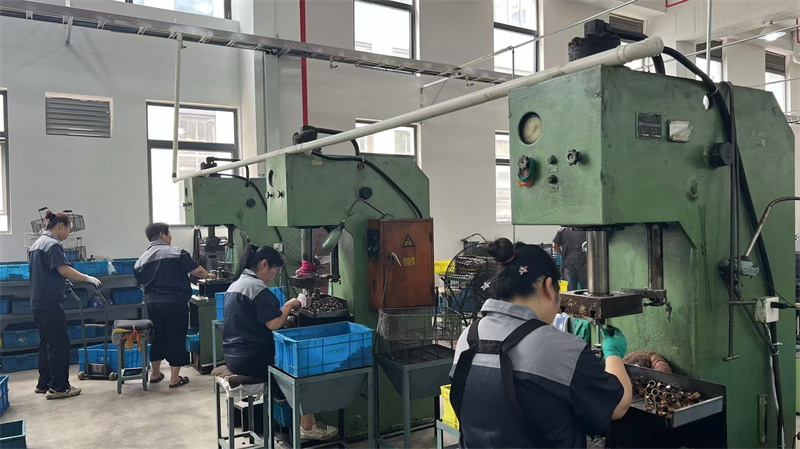
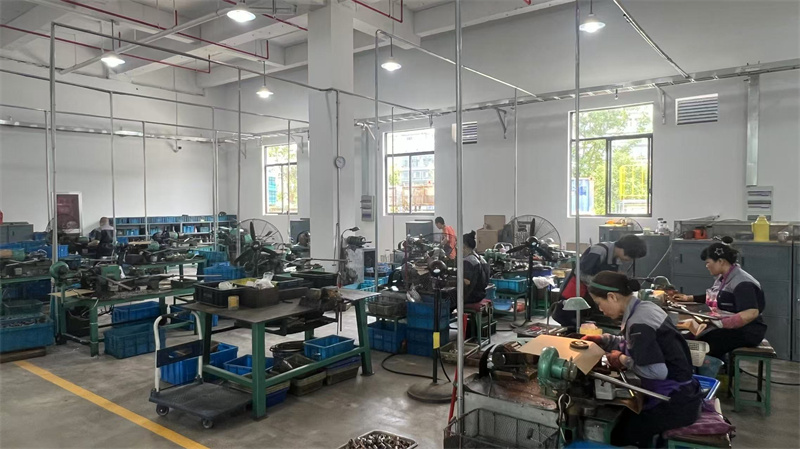
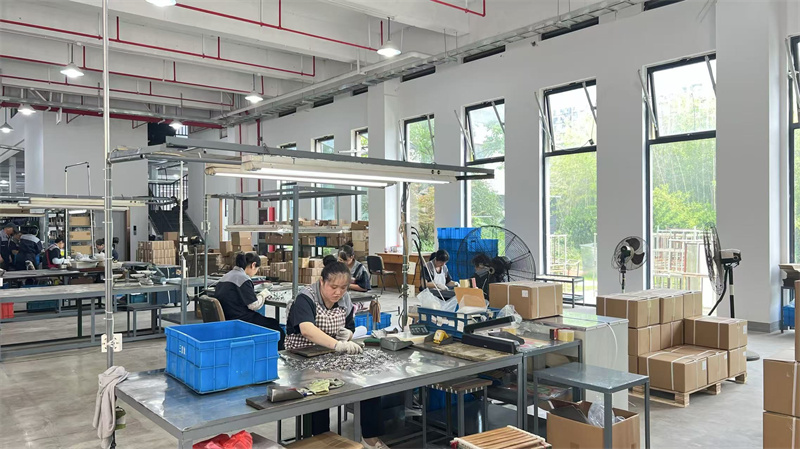
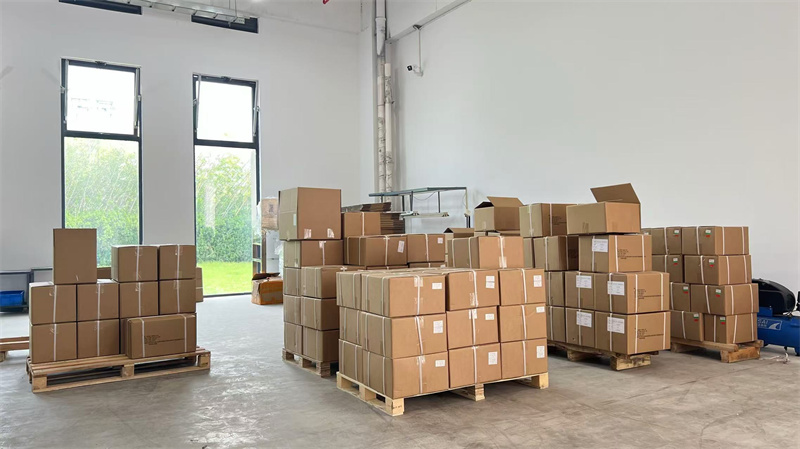
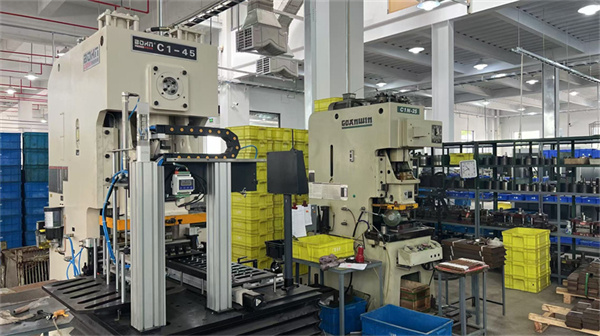
Changzhou Jovios Equipment Co., Ltd. features a modern production base equipped with automated manufacturing machinery, ensuring precision quality and global compliance.
Modern industrial separation systems increasingly demand smarter, more efficient filtration processes. One major global trend is the integration of composite fiber configurations. By combining standard nylon monofilament yarn with minor conductive components, manufacturers can produce static-dissipative filtration media, mitigating risk in highly combustible chemical environments.
Another key technological focus is improving surface finishes to prevent blinding. Calendering, a finishing process that exposes nylon fabrics to high-temperature steel rollers under extreme pressure, helps flatten the yarn surfaces. This process locks weave spacing in place and delivers a smooth surface, ensuring clean cake release and reducing the water required for backwashing cycles.
Sustainability Note: Because water security remains a critical concern across East Africa, using calendered nylon filter cloths helps reduce the water volume needed for high-pressure spray cleaning, supporting local water conservation efforts.
For large-scale processing facilities in Kisumu, Thika, and Eldoret, filtration efficiency directly impacts overall system profitability. Using lower-quality filter cloth can result in fine particles bypassing the media, leading to downstream equipment wear or poor product quality. Selecting the appropriate nylon grade and micron rating can prevent downstream pump erosion and maximize product recovery rates.
To support local industrial operations, Jovios offers complete industrial solutions, providing technical assistance from fabric selection to installation and process optimization. Our team works with local operations to analyze factors like pH levels, operating temperatures, and slurry characteristics, helping determine the ideal nylon weave for their specific process conditions.
Premium solutions engineered to meet demanding industrial and food-grade separation requirements.
Expert answers to common questions about selecting and using nylon filter cloth in Kenya's industrial sectors.
 Jovios Equipment