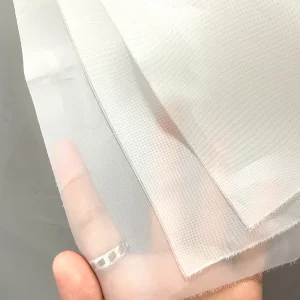
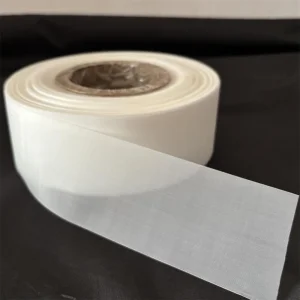
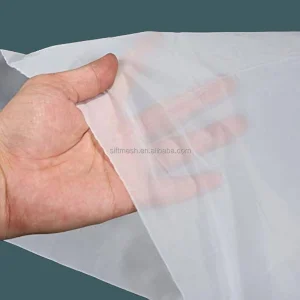
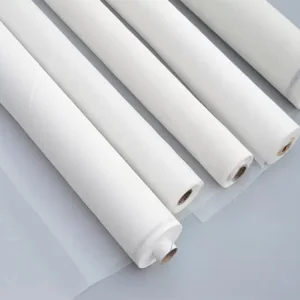
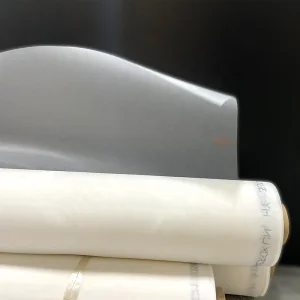
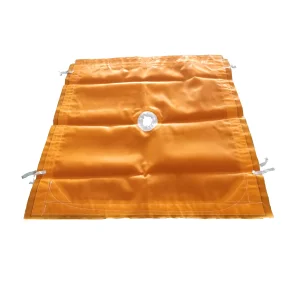
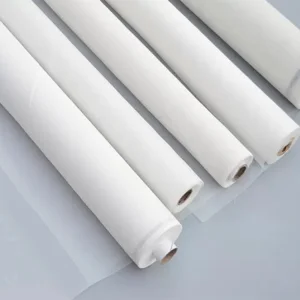
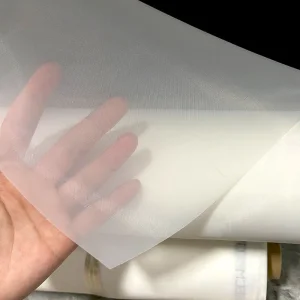
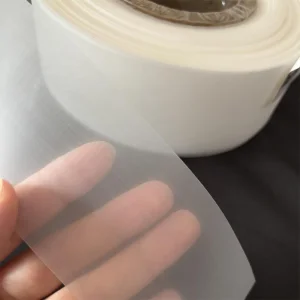
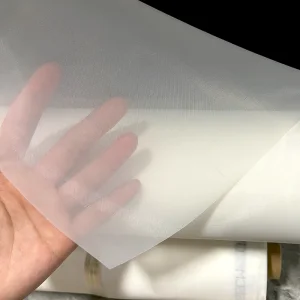
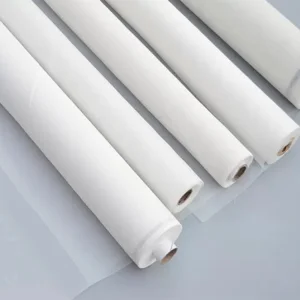
Explore our range of premium, high-strength food-grade and industrial monofilament nylon filter meshes optimized for Canadian manufacturing and processing environments.
Canada’s industrial economy is highly diversified, ranging from mining operations in Ontario and Quebec to large-scale agriculture and food processing plants in Alberta and British Columbia. Across these sectors, high-efficiency filtration remains a critical cornerstone of environmental compliance, operational efficiency, and product purity. The demand for monofilament nylon filter cloth has surged as companies transition toward strict wastewater recycling targets and automated closed-loop production systems.
In the resource extraction sector, particularly in gold, copper, and iron mining across the Canadian Shield, tailing pond management and mineral concentration require robust filter media. Monofilament nylon, known for its outstanding tensile strength and wear resistance, is widely utilized in drum filters, horizontal belt filters, and disc filters to handle abrasive mineral slurries under extreme physical stress.
Unlike polyester (PET) which is prone to hydrolytic degradation in warm, humid environment, or polypropylene (PP) which has lower wear-resistance under high mechanical loads, Polyamide (PA6 / PA66) offers excellent abrasion resistance, high elasticity, and superb stability in alkaline solutions. This makes it the ideal polymer material for demanding environments, especially in Northern and Western Canadian industrial zones.
Furthermore, Canada’s stringent food safety regulations under the Canadian Food Inspection Agency (CFIA) and the Safe Food for Canadians Regulations (SFCR) require all contact-level filtration equipment to meet cleanability, non-toxicity, and durability benchmarks. High-quality nylon mesh is uniquely suited for sifting and liquid-solid separation in milling, brewing, dairy processing, and confectionery applications.
Deploying high-performance filtration media designed to resolve complex municipal, mining, and food-grade challenges.
Extremely uniform pore distributions from 5 microns up to 1000 microns ensure clean classification, preventing particulate bypass in critical pharmaceutical and chemical filtration loops.
Woven with robust monofilament polyamide yarns, our products stand up to pressure spikes in belt filters, filter presses, and centrifuges, reducing down-time.
100% compliant with FDA Title 21, Health Canada guidelines, and European Regulation (EU) No 10/2011, ensuring trace element safety in food contact processes.
| Property Parameter | Polyamide 6 (PA6) Mesh | Polyamide 66 (PA66) Mesh | Comparative Benefit for Canada Market |
|---|---|---|---|
| Specific Gravity | 1.13 g/cm³ | 1.14 g/cm³ | Consistent fiber density, stable structure in liquids. |
| Tensile Strength (Dry) | 4.5 - 6.5 g/denier | 5.5 - 7.5 g/denier | Excellent pressure threshold in filter presses. |
| Elongation at Break | 30% - 45% | 25% - 40% | Absorbs heavy pulse impact without tearing. |
| Max Operating Temp | 105°C (221°F) | 115°C (239°F) | Suitable for warm sugar, oil, and resin processes. |
| Alkali Resistance | Excellent | Outstanding | Withstands CIP (Clean-in-Place) caustic washing cycle. |
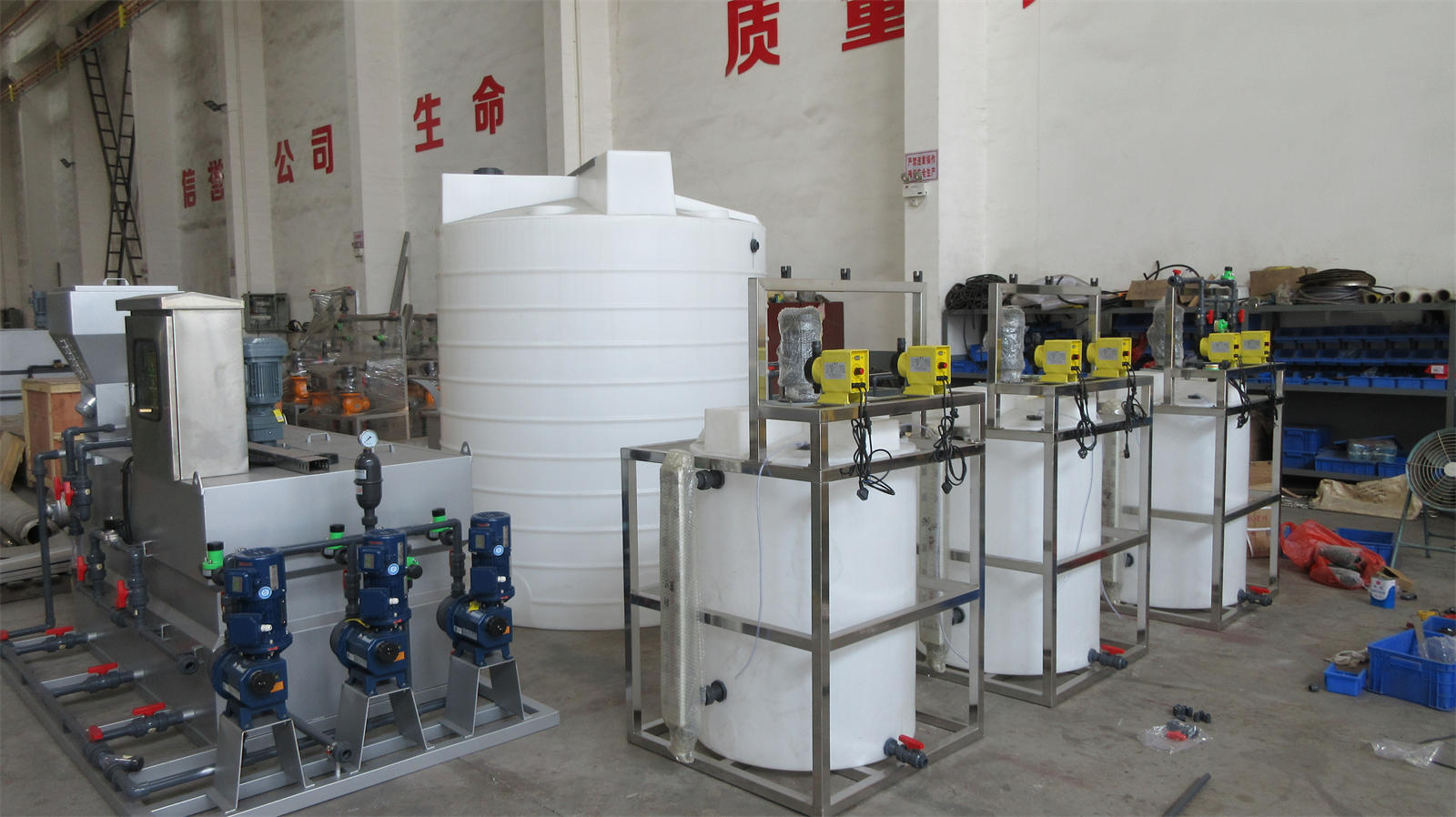
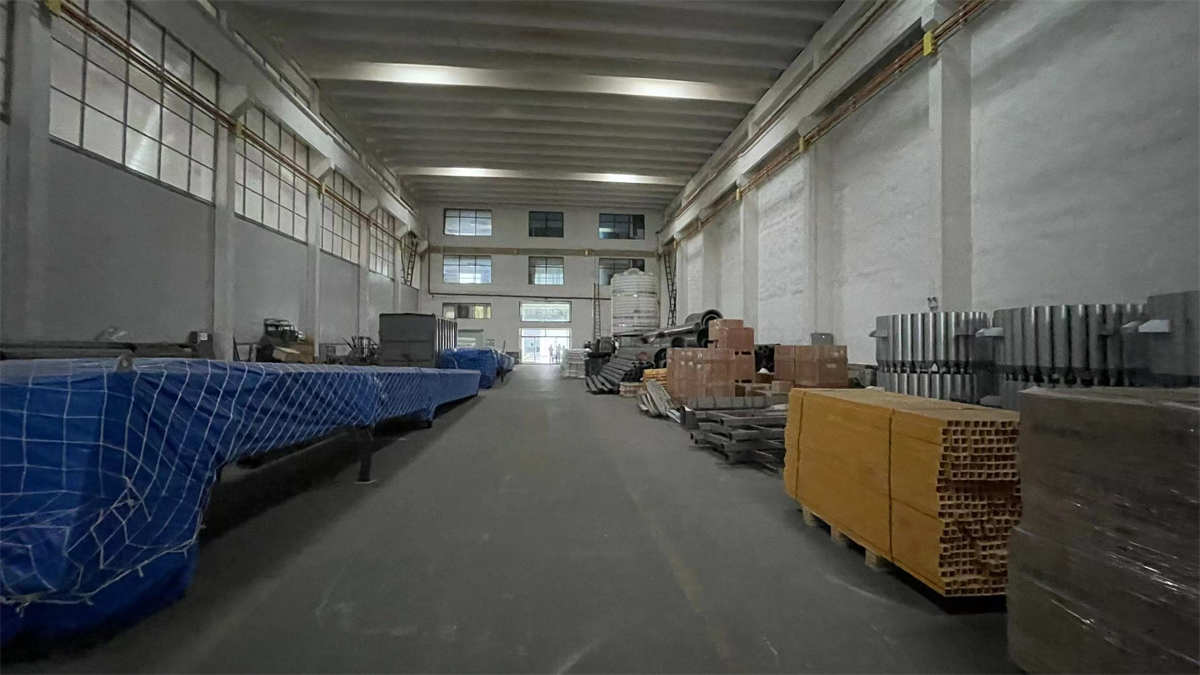
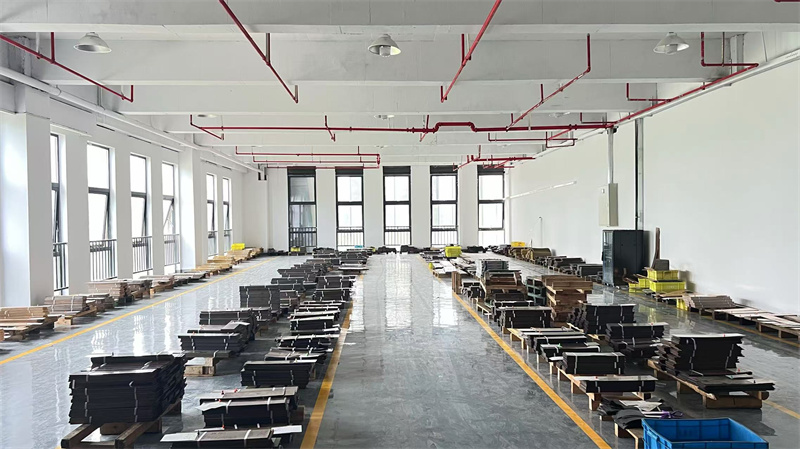
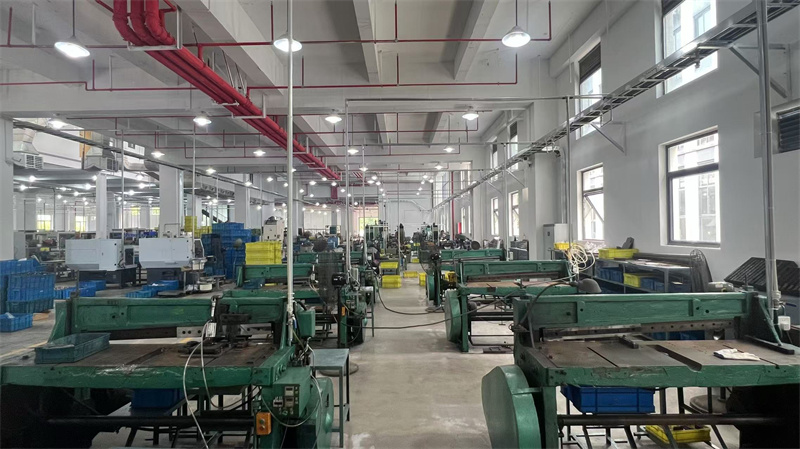
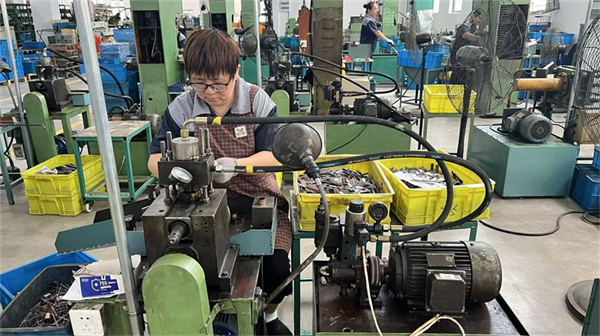
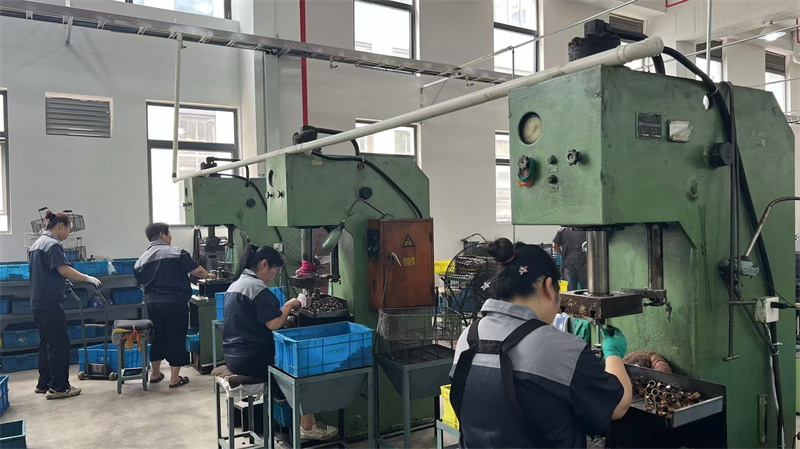
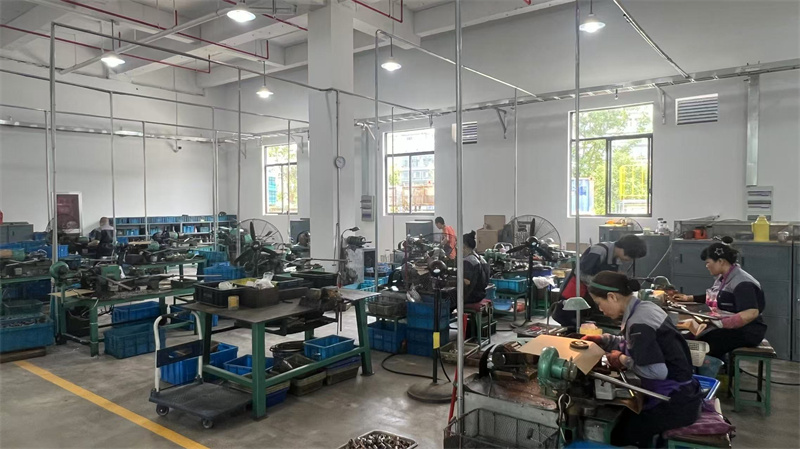
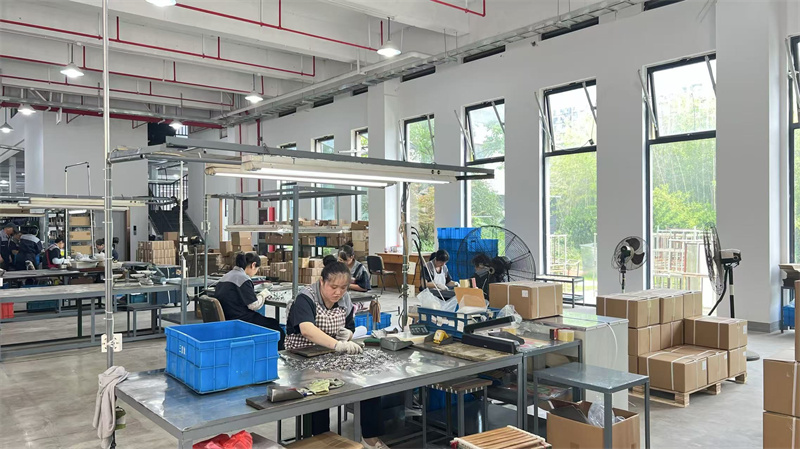
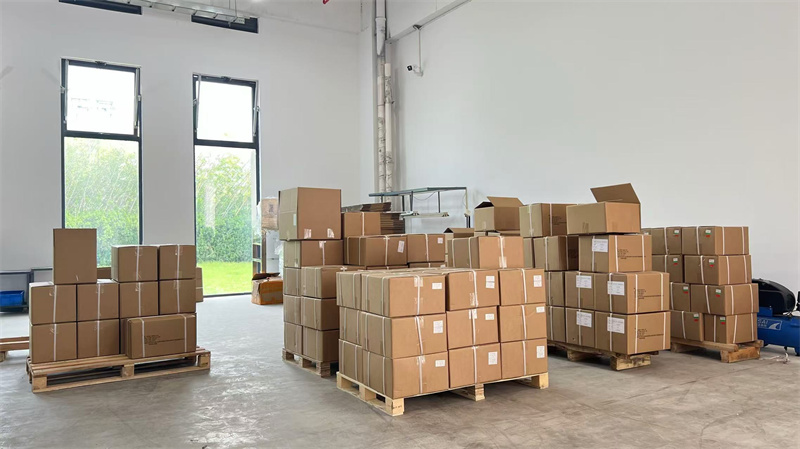
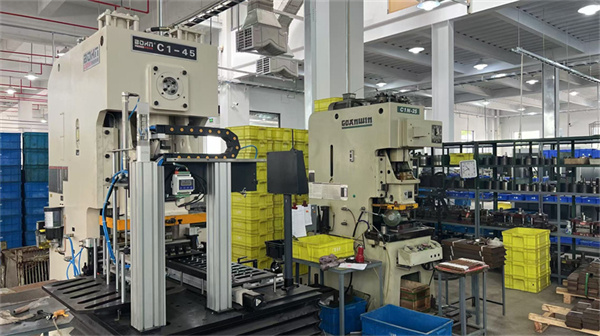
Located in the high-tech industrial cluster of Jiangsu, China, Changzhou Jovios Equipment Co., Ltd. is a leading manufacturer specializing in solid-liquid separation. With a production base spanning 50,000 square meters, we support our partners across Canada—from Vancouver to Montreal—with direct factory logistics, custom engineering, and reliable quality control systems.
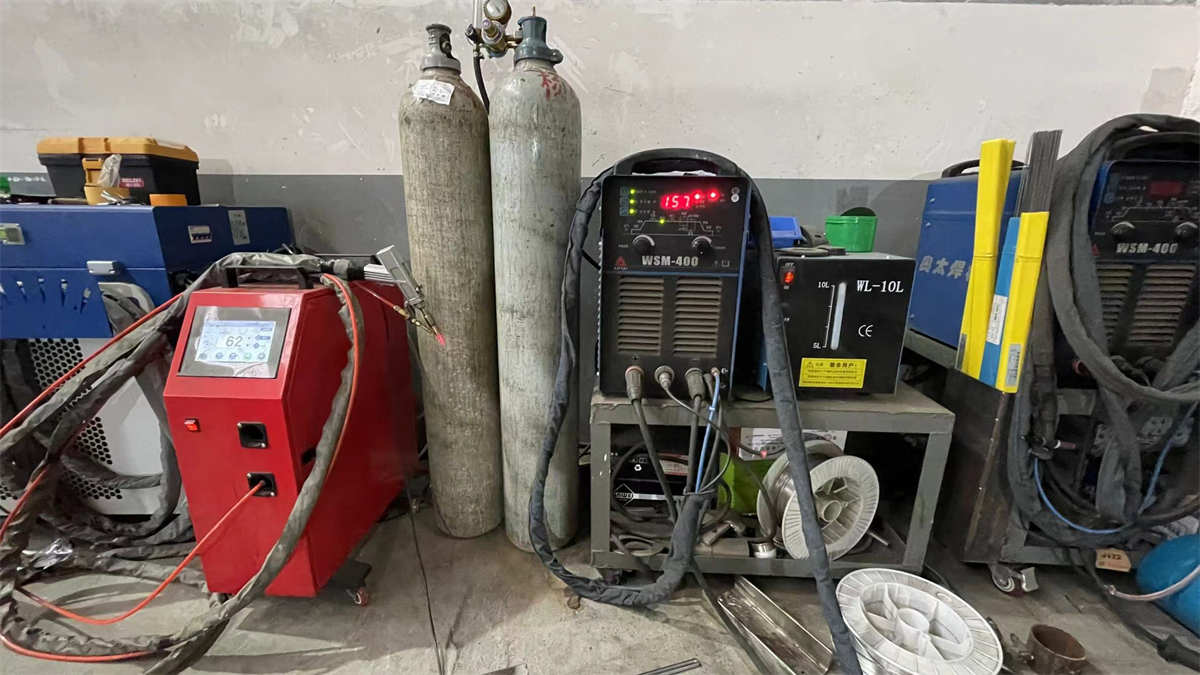
Our state-of-the-art weaving looms produce monofilament meshes with high accuracy, eliminating variation in pore size that can cause process contamination or yield drops. We operate advanced testing rigs to simulate physical wear, pressure limits, and chemical exposure, ensuring that every shipment of nylon filter cloth delivered to Canada satisfies the absolute highest expectations of local engineers.
Every stage of production—from selection of virgin polyamide polymer granules to precise heat-setting, cutting, and quality control checks—takes place under strict ISO 9001:2015 conditions.
In the production of traditional Canadian maple syrup, removing "sugar sand" (calcium malate precipitates) is crucial for clarity, grading, and taste. Food-grade polyamide meshes with ratings from 50 to 150 microns are utilized in pressure filter assemblies to filter raw maple sap efficiently. The high heat resistance of monofilament PA66 allows it to withstand high-temperature filtration loops up to 100°C without shedding polymer microfibers into the product.
Canadian mineral processing requires continuous dewatering of mineral slimes and metallurgical tailing slurry. Traditional needle felts often blind rapidly due to the fine particle sizes. Jovios' woven monofilament nylon filter cloths, with smooth surfaces and precise square pores, promote clean cake release, minimize wash cycles, and resist abrasion from hard silica and heavy metal concentrates.
The booming microbrewery and beverage industry in Canada depends heavily on filtration to clarify wort, separate yeast, and manage spent grains. Woven nylon mesh acts as an excellent pre-filter. It stands up to caustic cleanings, offering low pressure drop and easy rinsing, which drastically lowers operational cost compared to single-use cartridges.
As the industry pivots toward automation and sustainable practices, filter cloth technology is evolving. Innovation centers are focusing on smart surface coatings, including superhydrophobic or antistatic finishes, to prevent premature mesh blinding.
Another critical shift in Canada’s industrial sector is the demand for circular economy solutions. Jovios is researching high-durability polymers that endure longer operational spans before disposal, and we are working toward fully recyclable, mono-material filtration panels that streamline waste management for ecological-oriented Canadian corporations.
Technical questions and industrial solutions curated by Jovios engineering consultants.
Discover our wide-ranging inventory of woven screens, rolls, and industrial filter cloth designs for diverse Canada-based applications.
 Jovios Equipment