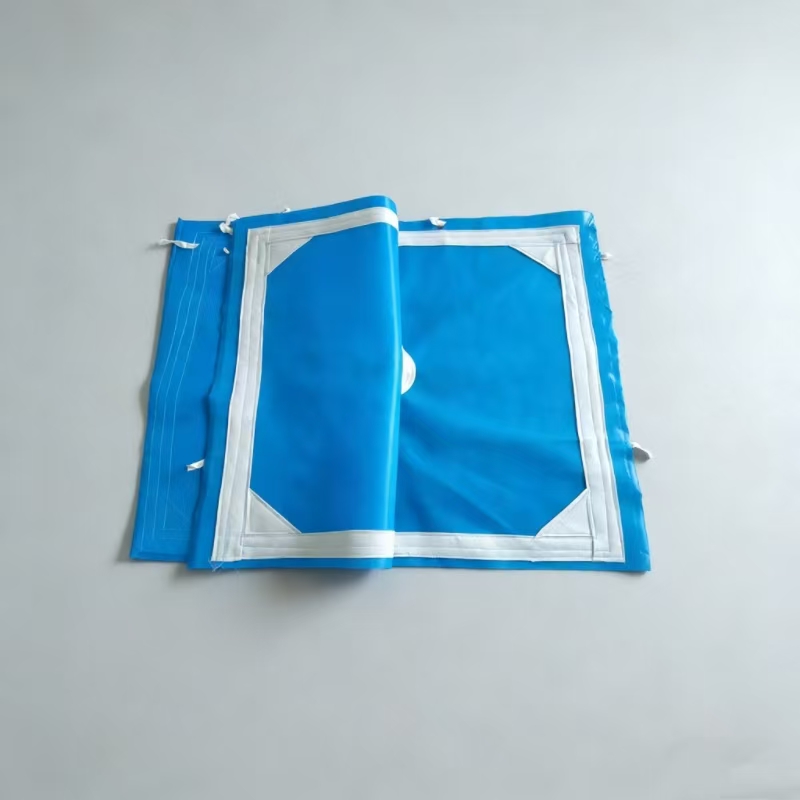
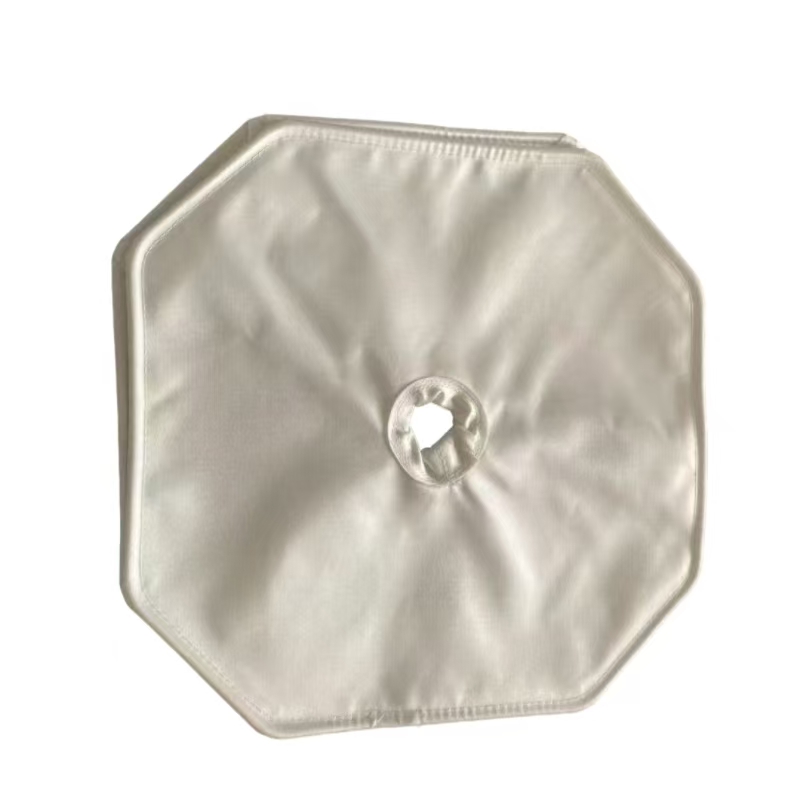
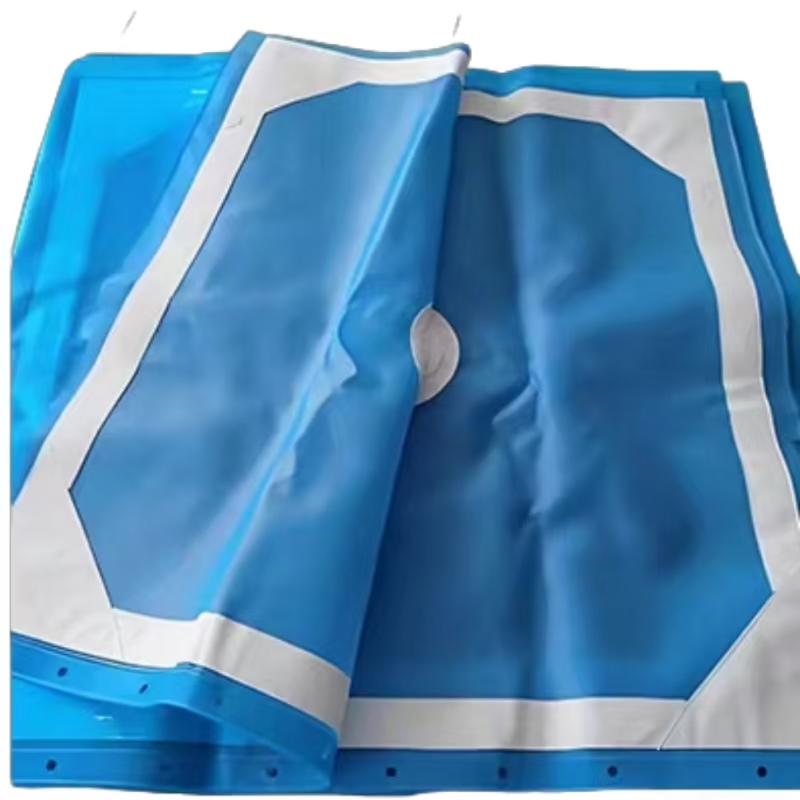
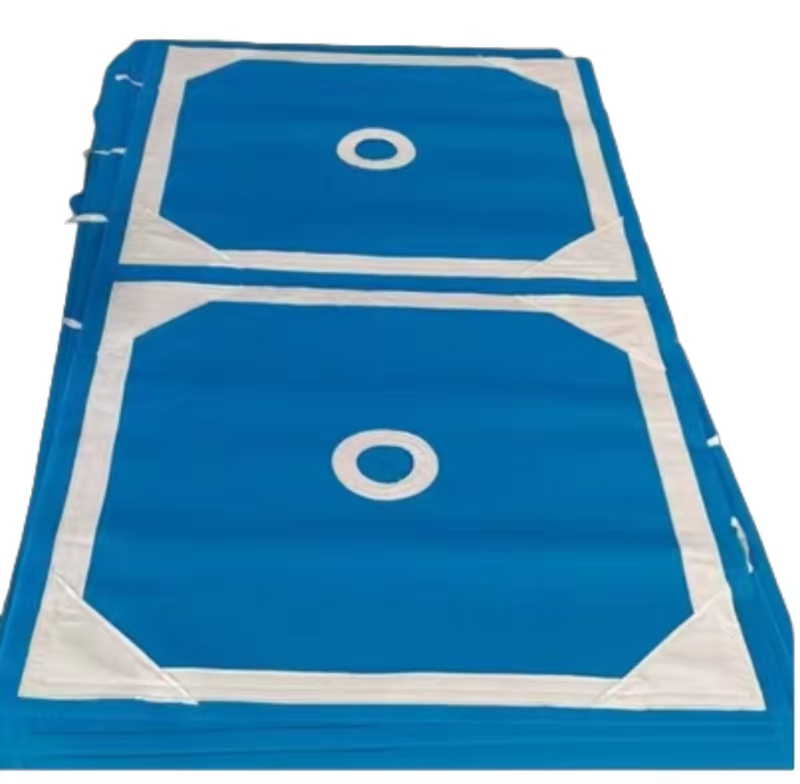
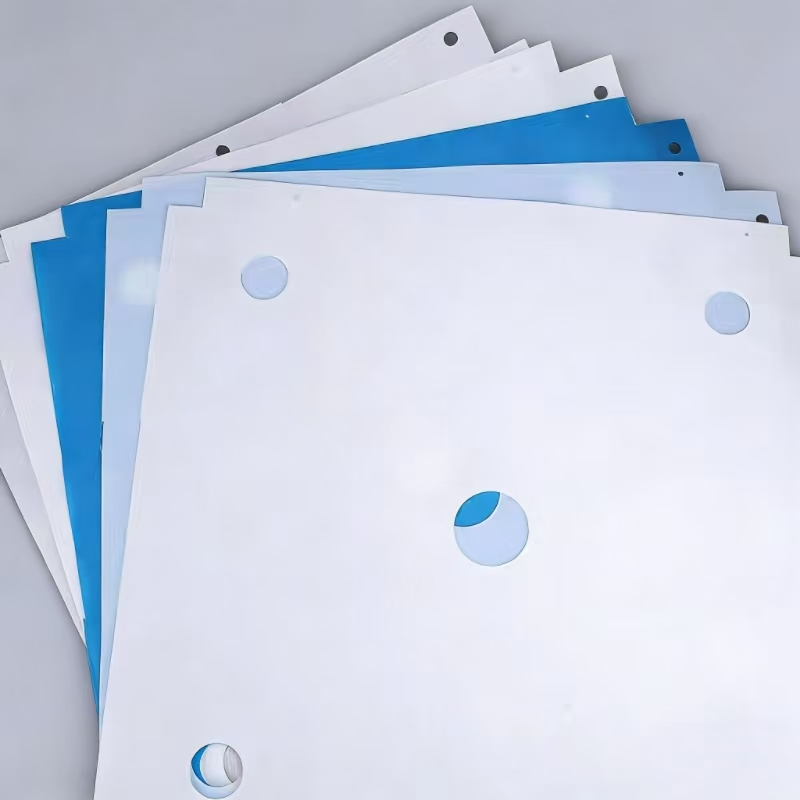
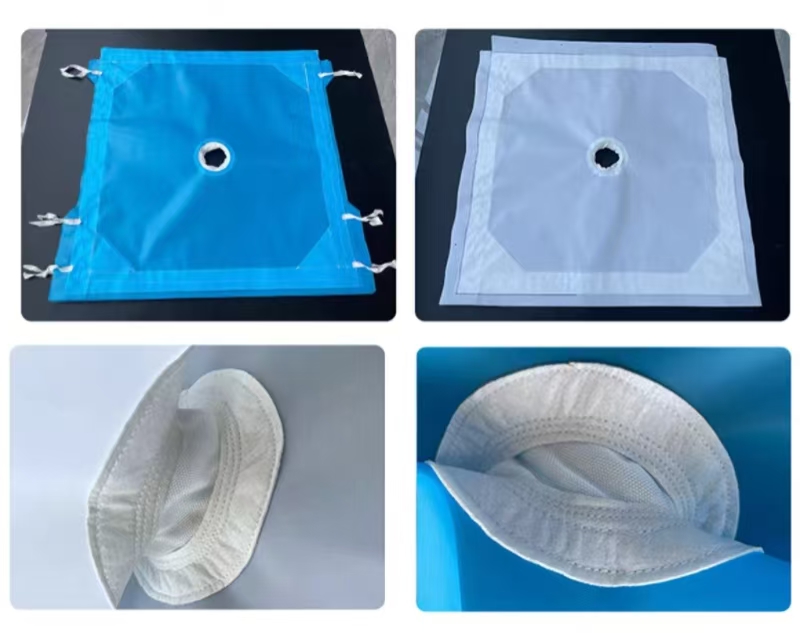
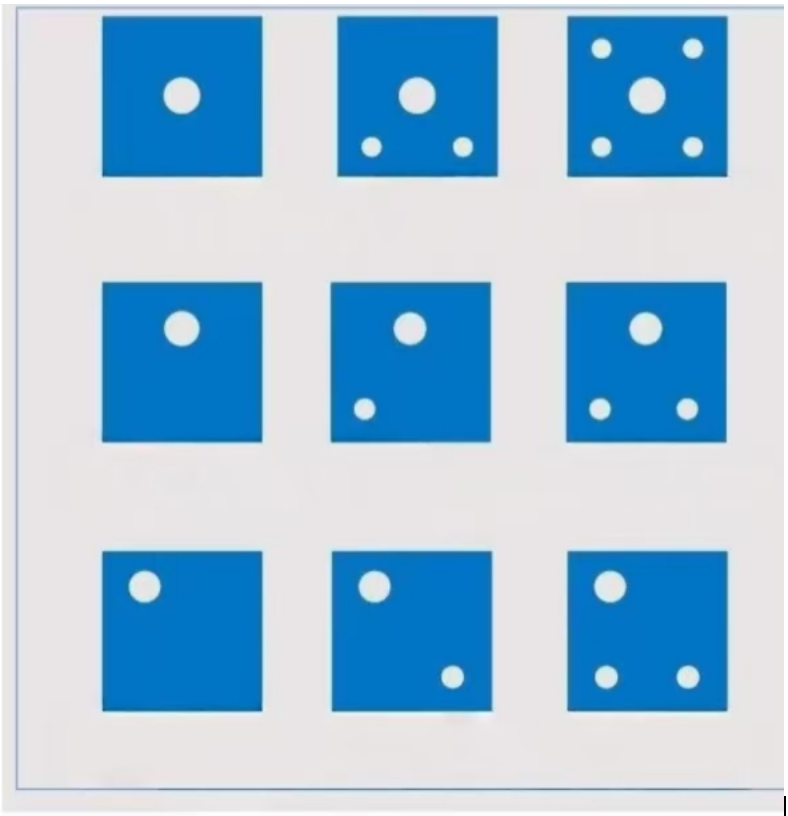
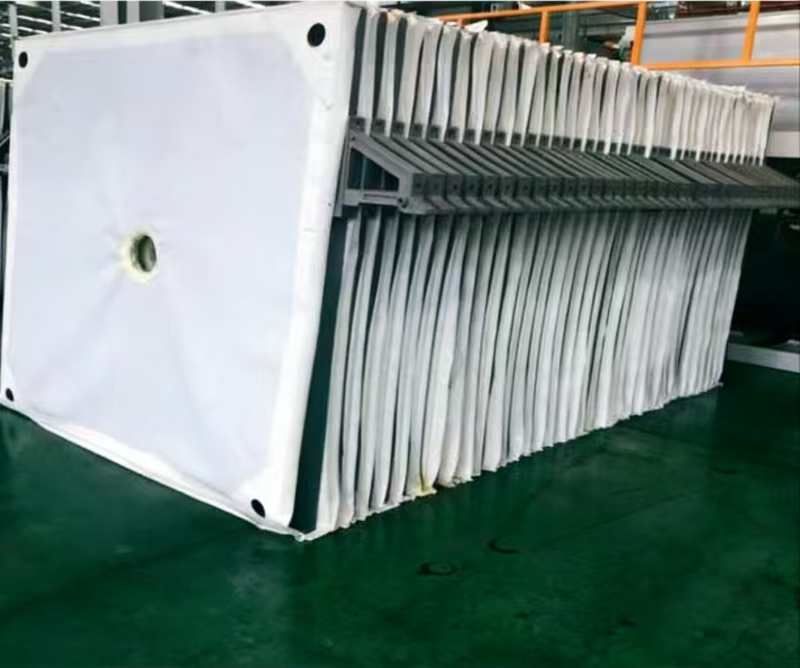
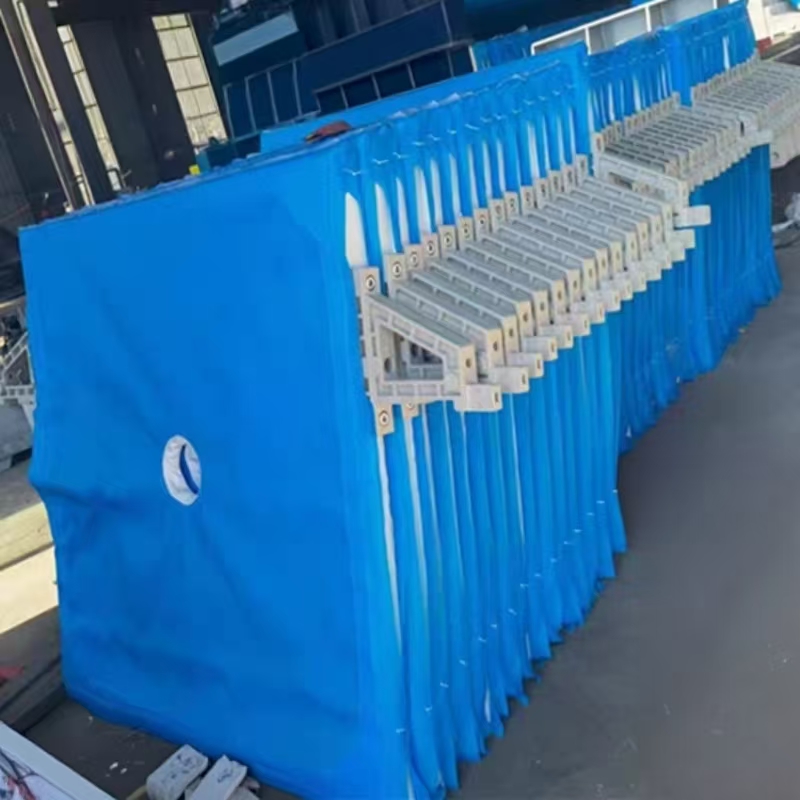
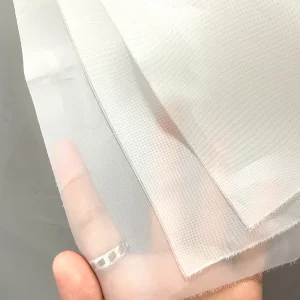
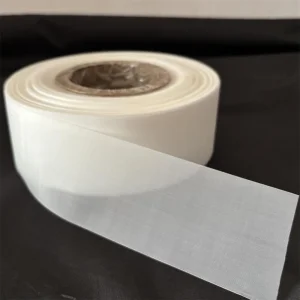
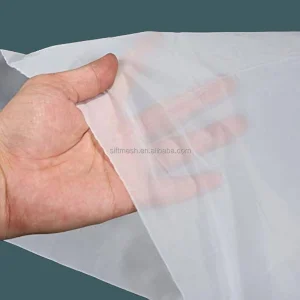
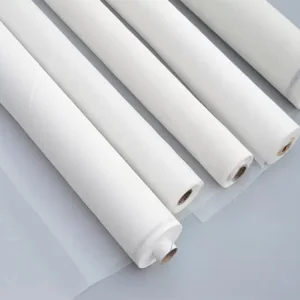
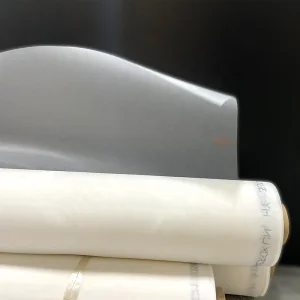
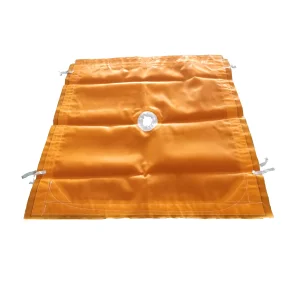
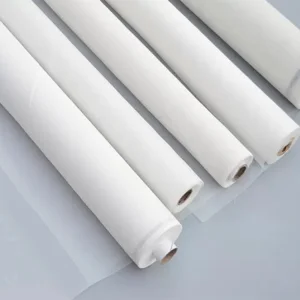
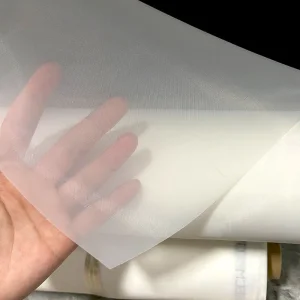
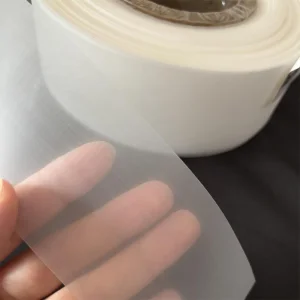
Filter cloth with Confucius-style openings
This specialized filter cloth is designed for high-precision industrial filtration, featuring reinforced openings to ensure stability and efficiency during the solid-liquid separation process.
✔
Form: The longitudinal surface of polypropylene fiber is straight and smooth, and the cross-section is circular.
✔
Density: The greatest advantage of polypropylene fiber is its lightweight nature, with a density of only 0.91 g/cm³, making it the lightest among common chemical fibers.
✔
Strength and elongation: Polypropylene fiber exhibits high strength, significant elongation, and excellent elasticity, resulting in good wear resistance. Its wet strength is nearly equal to its dry strength.
✔
Moisture absorption: Polypropylene fiber has minimal moisture absorption. It exhibits wicking properties, allowing it to transfer water vapor without absorbing it.
✔
Acid and alkali resistance: Polypropylene fiber has good chemical corrosion resistance. It resists acids and alkalis well, except for concentrated nitric acid and sodium hydroxide.
✔
Light resistance: Polypropylene has good electrical insulation. While prone to aging, anti-aging agents can improve its properties significantly.
Frequently Asked Questions
What is the primary material of the filter cloth?
The filter cloth is made of high-quality Polypropylene, known for its lightweight nature and excellent chemical resistance.
What is the maximum operating temperature for this cloth?
It can withstand a continuous operating temperature of up to 90°C.
Is the filter cloth resistant to chemicals?
Yes, it features excellent alkali resistance and general acid resistance, making it suitable for various industrial chemical processes.
Does this material absorb water?
Polypropylene fiber has minimal moisture absorption (close to zero), but it has excellent wicking properties to transfer water vapor.
What is the weaving method used?
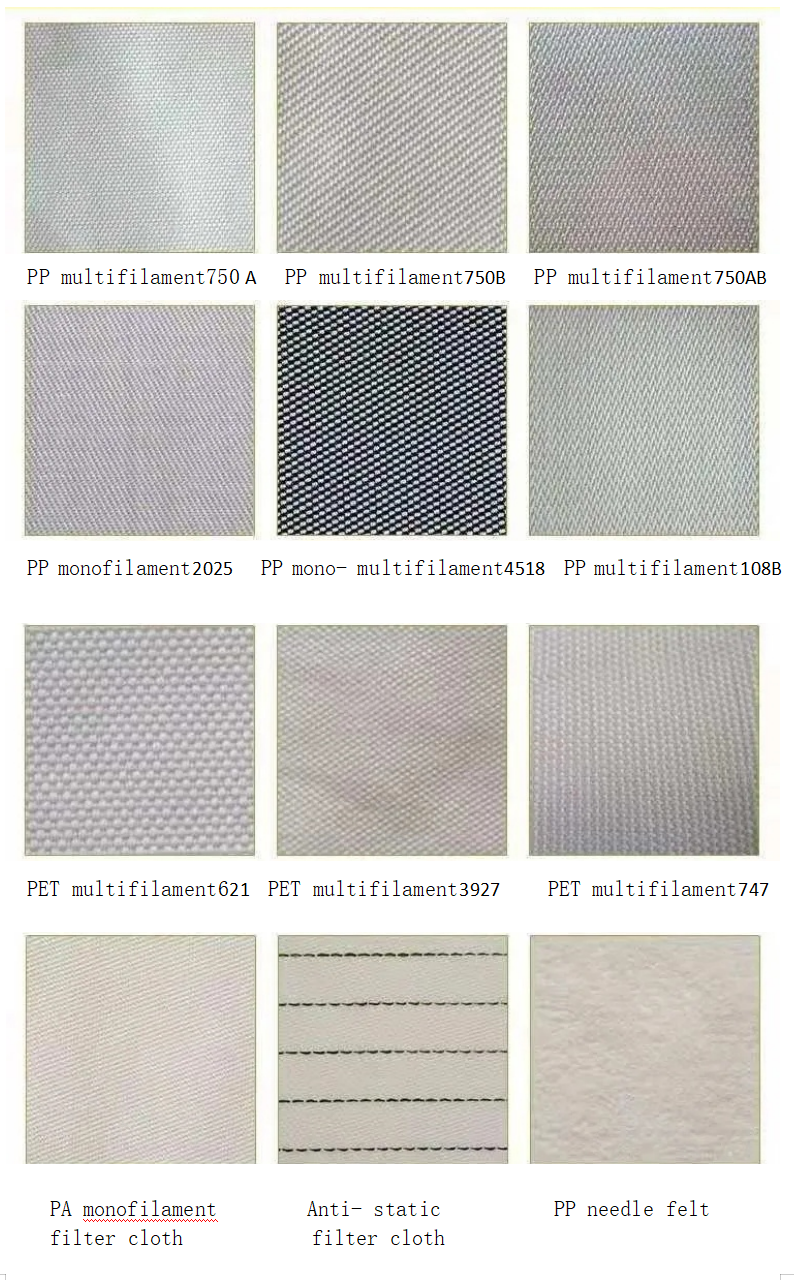
This filter cloth uses a single-layer twill weaving method, ensuring high strength and efficient solid-liquid separation.
How does the wet strength compare to dry strength?
The wet strength of this polypropylene filter cloth is nearly equal to its dry strength, maintaining durability in liquid environments.
 Jovios Equipment