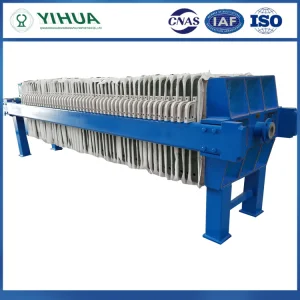
High-precision machinery engineered to integrate seamlessly with custom polypropylene and synthetic filter cloths.
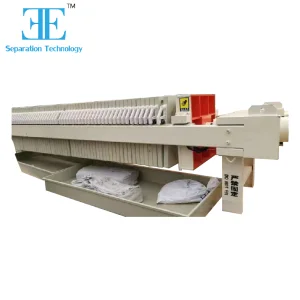
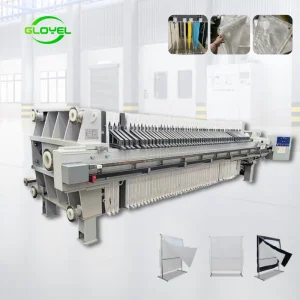
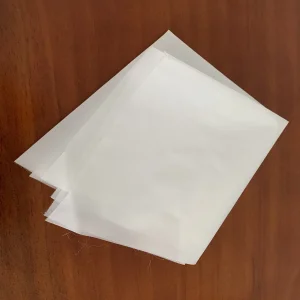
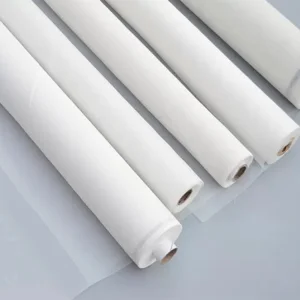
In modern industrial solid-liquid separation, Polypropylene (PP) cloth reigns supreme as the most versatile, reliable, and cost-effective filter medium. Its exceptional properties derive from the chemical structure of polypropylene—a linear hydrocarbon polymer (-(CH2-CH(CH3))n-) with minimal moisture absorption (<0.01%) and a hydrophobic nature. This chemistry prevents fibers from swelling when exposed to aqueous systems, maintaining precise pore size dimensions and outstanding cake release properties under high mechanical load.
Understanding the mechanical and physical performance parameters of PP fabric requires analyzing three key variables: weave pattern, fiber structure, and secondary finishing processes. Sourcing agents and filter press designers must analyze these factors to guarantee compatibility with corrosive fluids, abrasive minerals, or high-viscosity biological slurries.
| Fiber Construction Type | Filtration Efficiency | Cake Release Quality | Tensile Strength (Weft/Warp) | Primary Applications |
|---|---|---|---|---|
| Monofilament PP | Moderate to High (25µm - 100µm) | Excellent (Smooth surface, clean release) | High tensile; resists mechanical wear | Mining tailings, coal washing, aggregates, metal hydroxides |
| Multifilament PP | High (5µm - 25µm) | Moderate (Slight fiber interlocking) | Very High (Flexible structural fibers) | Fine chemical separation, wastewater clarification, pigment processing |
| Spun / Staple Yarn PP | Excellent (Sub-micron to 10µm) | Low to Moderate (Fuzzy surface anchors cake) | Moderate (Higher stretch capacity) | Extremely fine particle retention, starch, syrup polishing, clays |
| Combination Weaves | Custom Tailored | Optimized Profile | Reinforced Matrix | Heavy-duty mining filter presses, specialized pharmaceutical processing |
Our engineering research team at Changzhou Jovios Equipment Co., Ltd. specializes in modifying synthetic fabrics. By executing thermomechanical finishes like calendering (passing fabric through high-pressure heated rollers) and singeing (burning off superficial microfibers), we alter the air permeability (measured in l/dm²/min at 200 Pa) and customize particle retention profiles down to exact micron levels. This minimizes blinding, accelerates throughput, and maximizes the service life of filter press systems.
Procuring filter cloth for food processing (starch, syrup, honey) or pharmaceutical systems requires compliance with global safety standards. Jovios guarantees raw material traceability, providing materials that meet FDA food-contact standards, EU Regulation 10/2011, and RoHS/REACH standards.
Standardized fabrics often fail under high-pressure conditions. We customize filter cloths for specific plate sizes, designs (barrel neck, sewn eyelets), and chemical exposure. Edge reinforcement using latex coating or thermal sealing prevents leakage and bypass.
Every roll of Jovios polypropylene fabric undergoes strict QC protocols. We test and document air permeability (ASTM D737), Mullen burst strength, warp/weft tensile strength, and shrinkage rates under simulated operating temperatures (up to 95°C).
"Sustainable global operations require selecting filter media that minimize energy consumption. High-performance polypropylene cloth reduces filtration cycle times, lowers cake moisture content, and decreases thermal energy requirements during subsequent drying stages."
Changzhou Jovios Equipment Co., Ltd. is a professional manufacturer and solution provider specializing in solid-liquid separation and environmental protection equipment. Located in Changzhou National High-tech Industrial Development Zone, Jiangsu Province, China, the company operates a modern manufacturing base covering more than 50,000 square meters, equipped with advanced production facilities and a comprehensive quality inspection center.
Jovios independently designs, develops, and manufactures a complete range of filtration and separation equipment, including plate and frame filter presses, membrane filter presses, automatic filter presses, intelligent filtration systems, as well as high-performance filter plates and filter cloths. With an annual production capacity exceeding 1,000 units, our products are widely applied in municipal wastewater treatment, chemical processing, petroleum, mining, metallurgy, pharmaceuticals, food and beverage production, paper manufacturing, textile dyeing, ceramics, building materials, and many other industries.
In addition to filtration equipment, Jovios provides complete wastewater treatment solutions and engineering services. From process design and equipment selection to installation, commissioning, and operational support, we deliver turnkey wastewater treatment systems for both municipal and industrial customers worldwide. Our experienced research and development team consists of more than 30 senior engineers and technical specialists. Through close cooperation with universities, research institutes, and industry partners, we continuously integrate innovative technologies into product development, ensuring reliable performance, higher efficiency, and sustainable operation. Supported by a growing global sales and service network, Jovios offers comprehensive technical support throughout the entire project lifecycle.
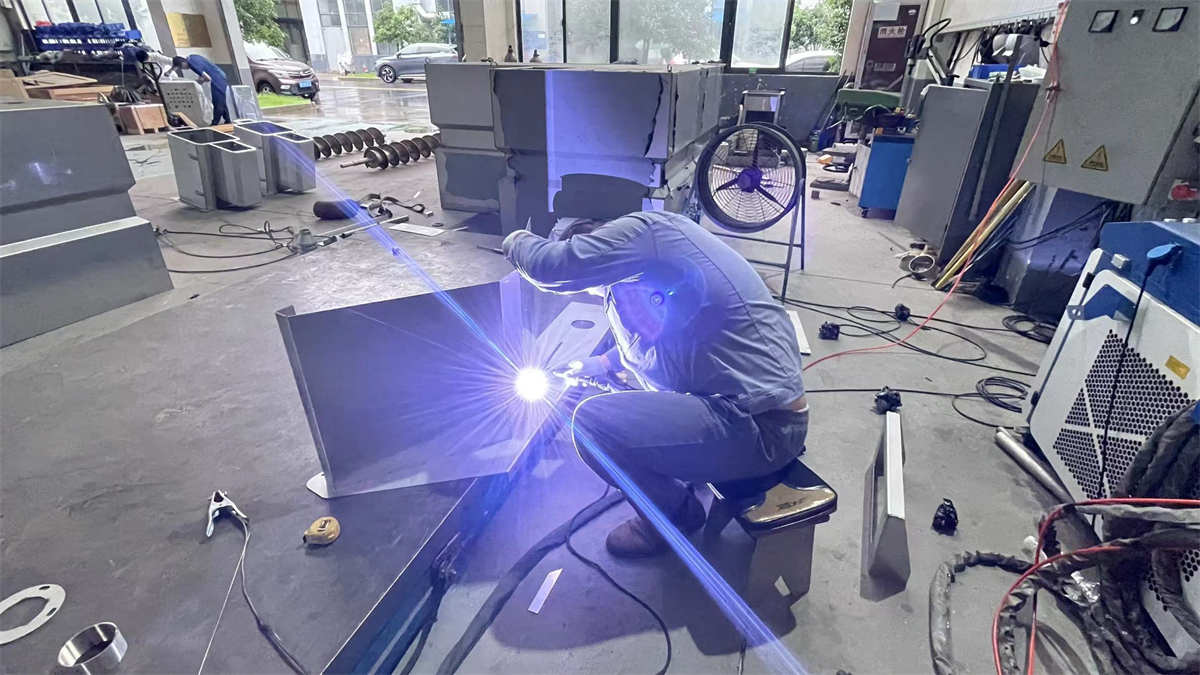
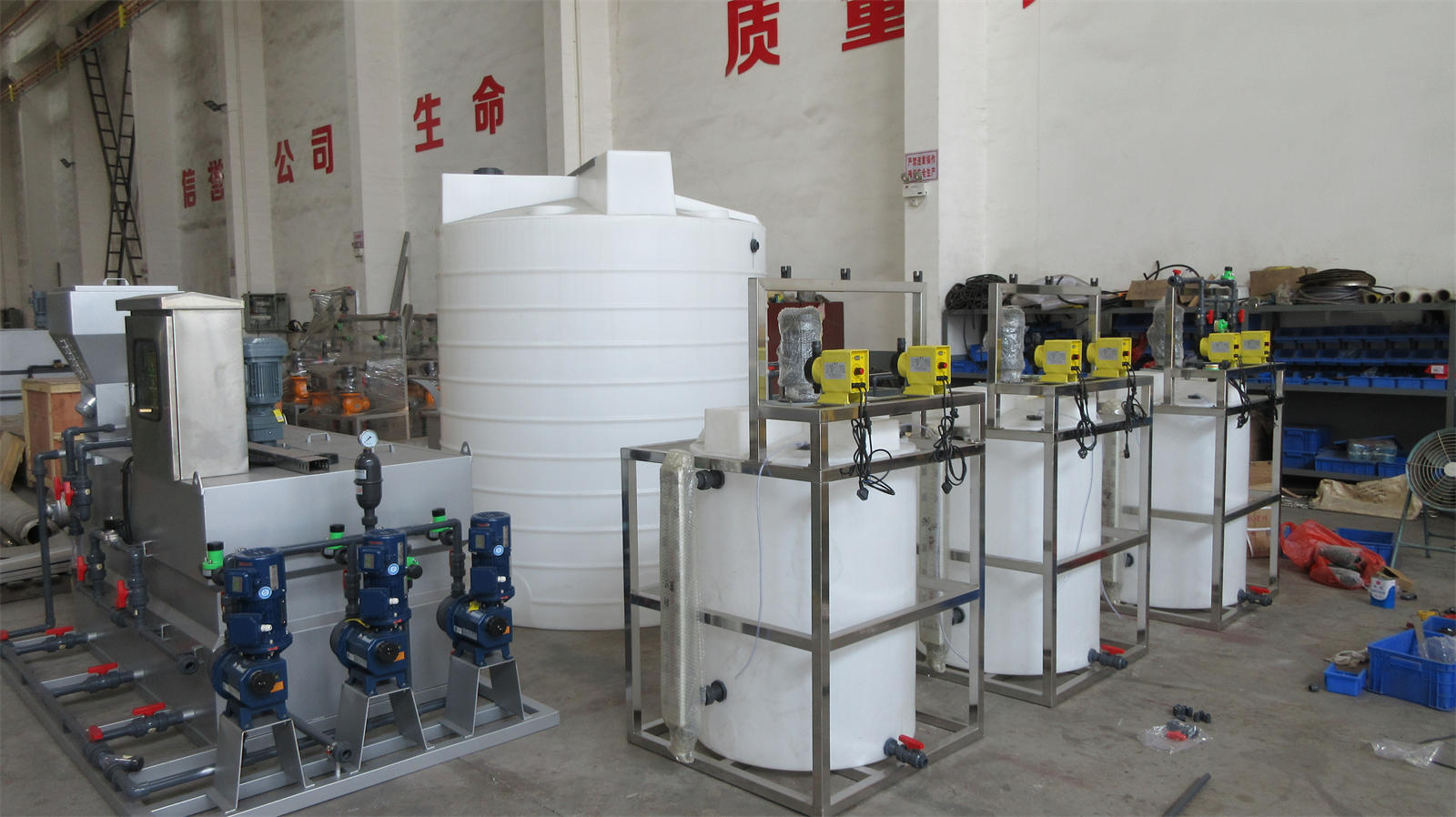
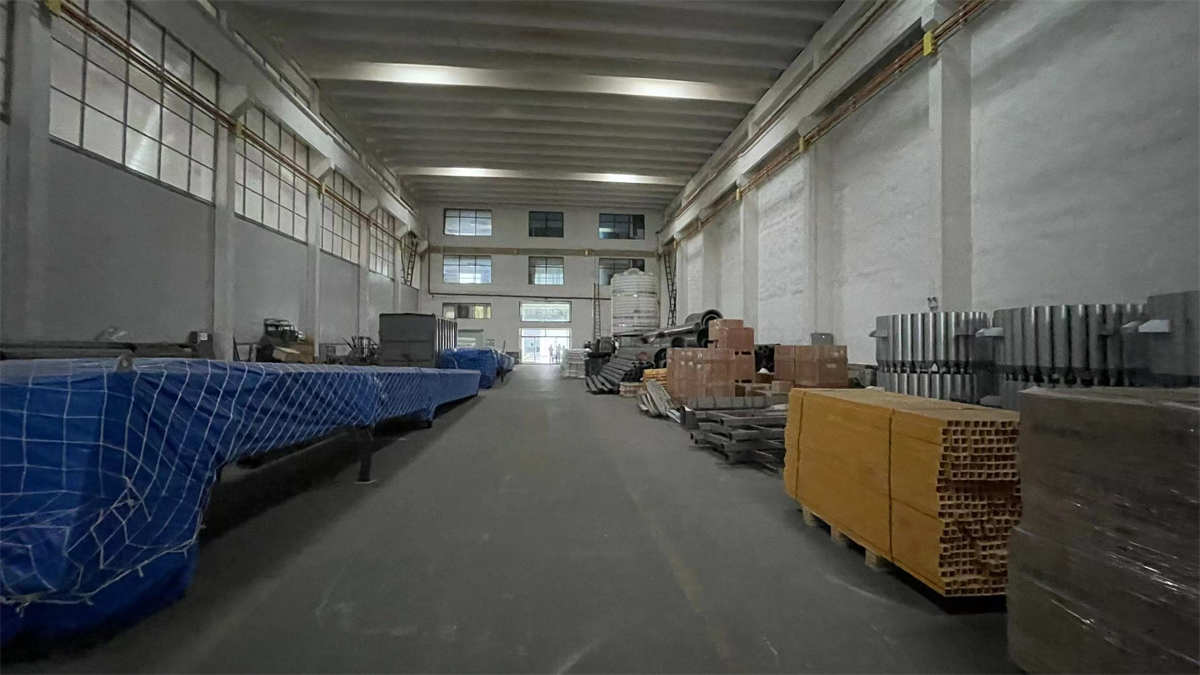
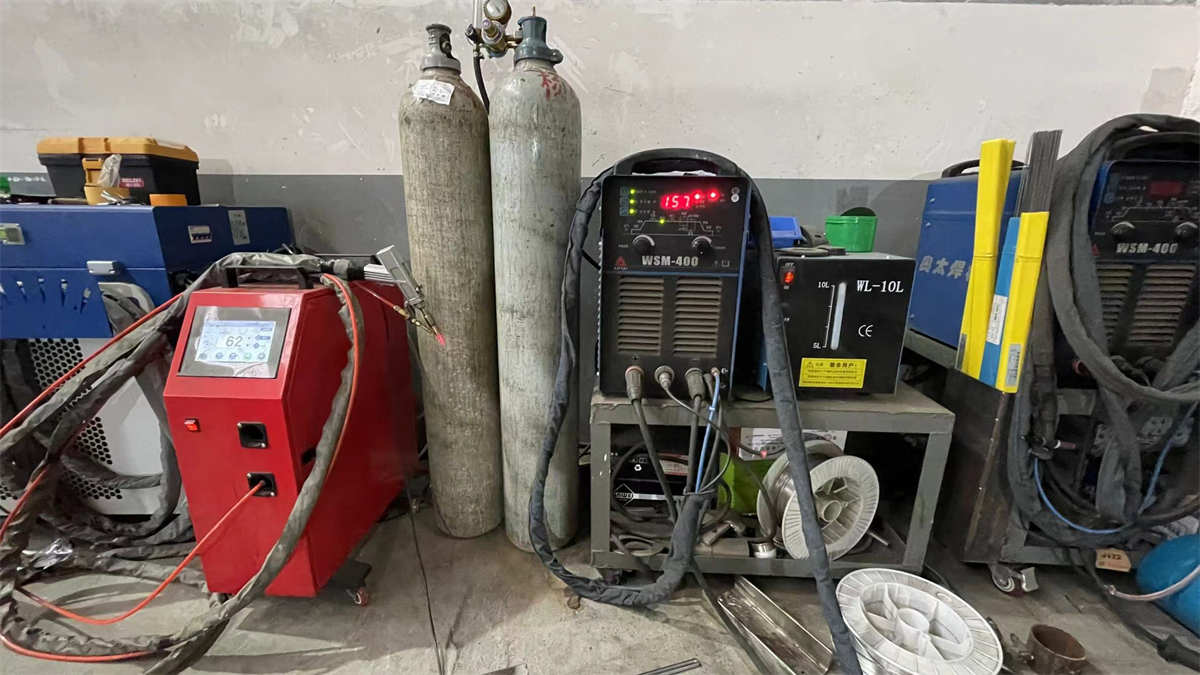
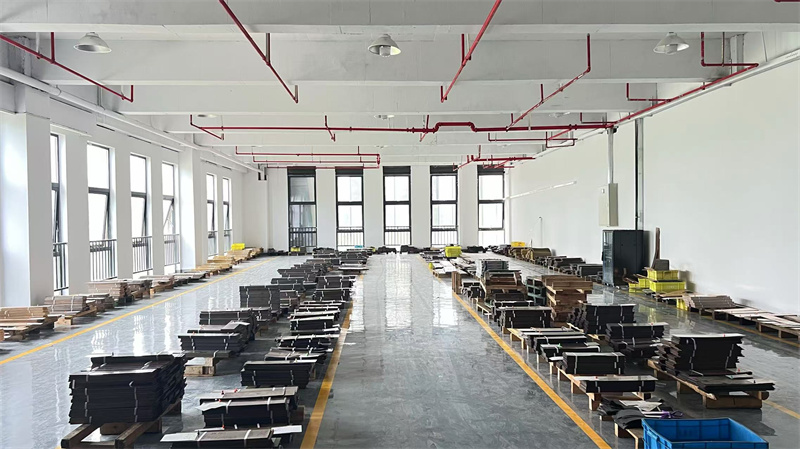
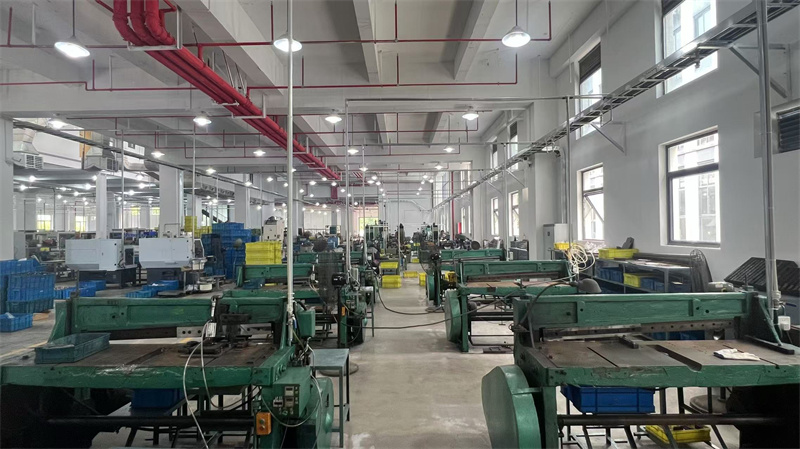
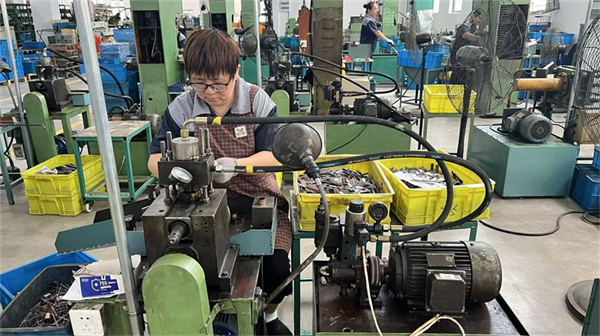
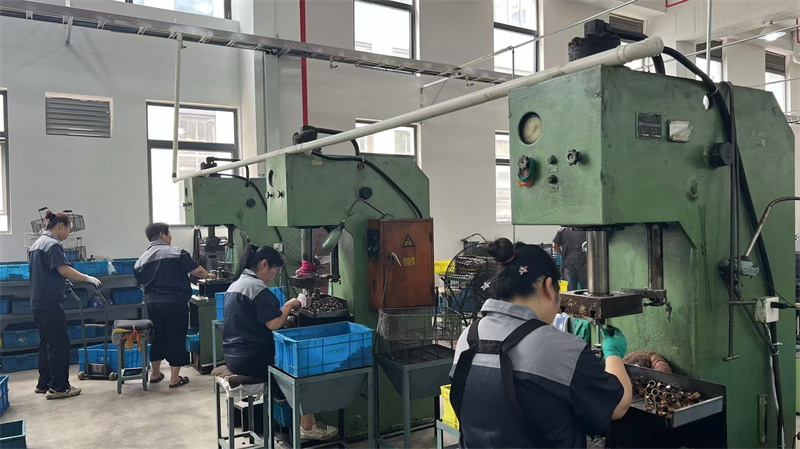
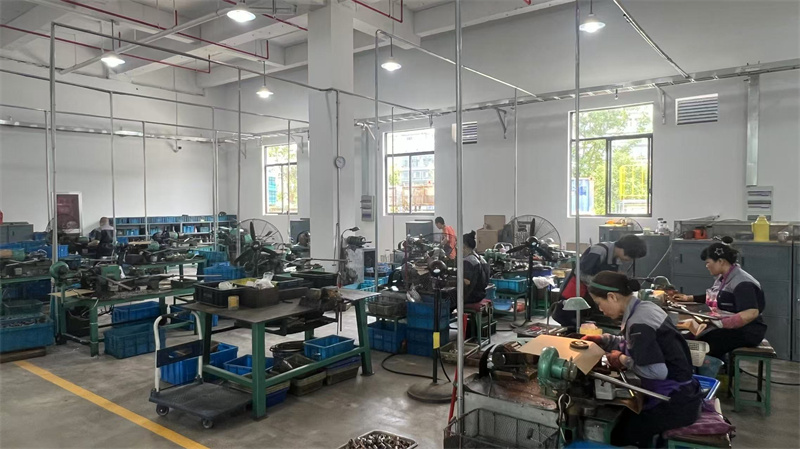
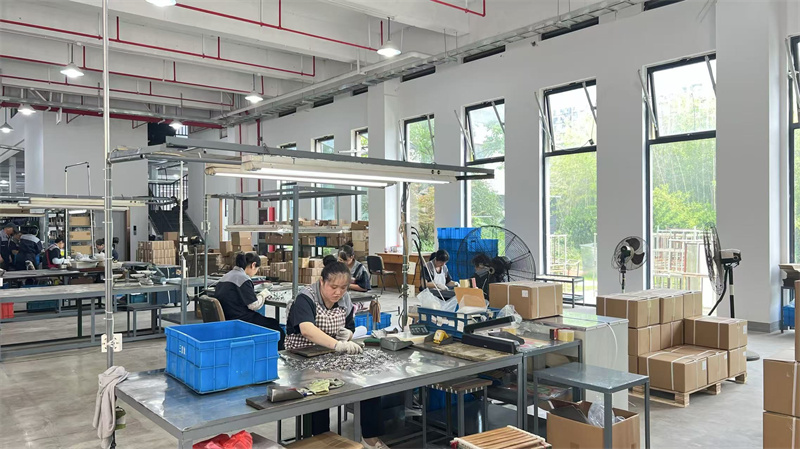
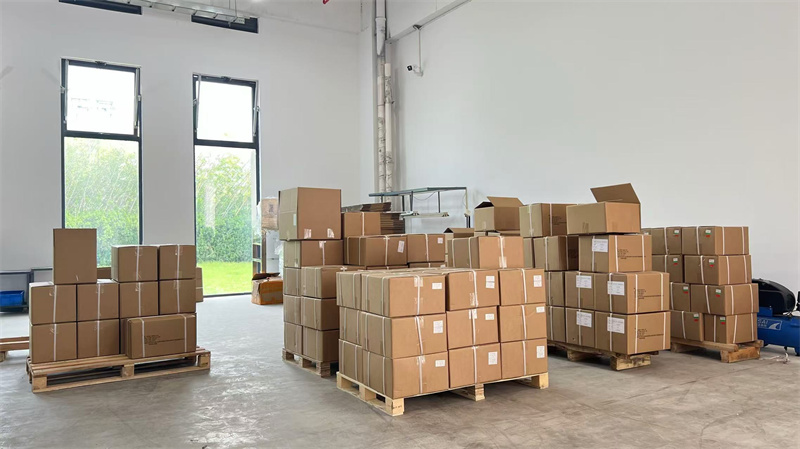
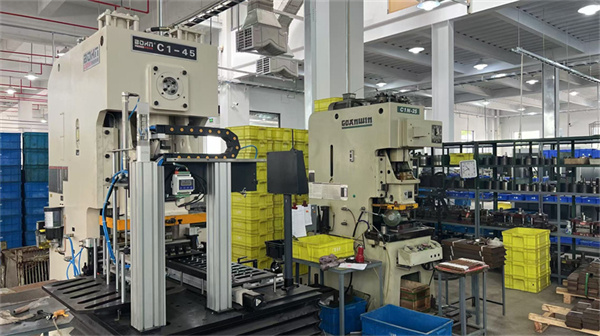
Industrial filtration is rarely a one-size-fits-all scenario. Environmental, chemical, and physical factors differ across municipal, metallurgical, chemical, and food processing applications. A robust solid-liquid separation solution requires analyzing the system holistically, aligning the filter press mechanics with the physical properties of the synthetic filter cloth.
The filtration industry is evolving to meet demand for higher efficiency, longer service life, and sustainable production. Jovios is researching several key technological trends:
1. Nanofiber-Augmented Surface Membranes: Coating traditional polypropylene fabrics with electrospun nanofibers creates a thin surface filtration layer. This structural design captures sub-micron particles directly on the fabric surface, preventing depth penetration and blinding, while maintaining high air permeability and flow rate.
2. Smart Filtration Diagnostics: Integrating RFID chips and sensor systems into the filter cloth borders allows operators to monitor wear, temperature exposure, and flow resistance in real time, enabling predictive maintenance.
3. Bio-Based Synthetic Fabrics: In support of circular economy initiatives, Jovios is researching bio-based polymers to reduce carbon footprints while maintaining the chemical resistance of traditional polypropylene.
Expert technical insights regarding polypropylene cloth procurement, maintenance, and system integration.
The choice depends on your prioritize: filtration precision vs. cake release. Monofilament yarns are single, smooth strands that resist blinding and release filter cakes easily, making them ideal for crystalline solids and mining tailings. Multifilament yarns consist of multiple fine fibers twisted together, offering higher tensile strength and particle retention, but are more susceptible to blinding.
Polypropylene filter cloths operate reliably up to 90°C (194°F) under continuous load. Beyond 95°C, the fibers soften and lose dimensional stability, leading to shrinkage and structural changes. For higher operating temperatures, we recommend polyester, nylon, or PTFE filter media.
Jovios uses high-purity polypropylene resins that are resistant to most acids, alkalis, and organic solvents. We provide compatibility charts and can run lab-scale test panels on sample slurries to select the optimal synthetic fiber and weave pattern for your system.
We provide custom options for filter cloths, including barrel-neck designs, reinforced support borders, edge-latex seals to prevent capillary leakage, and custom grommet configurations. Our technical team works directly from your drawings to ensure fitment on any filter press model.
Explore our full line of synthetic meshes, ceramic membranes, and specialized filter plates.
 Jovios Equipment