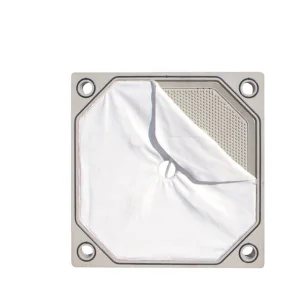
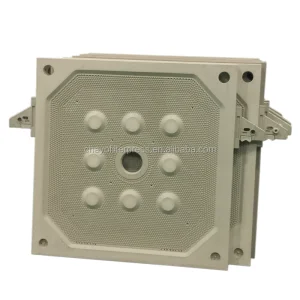
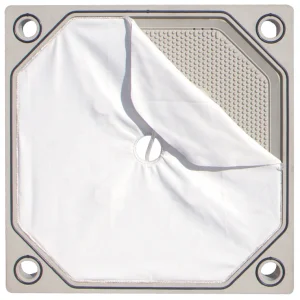
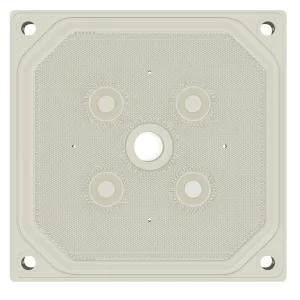
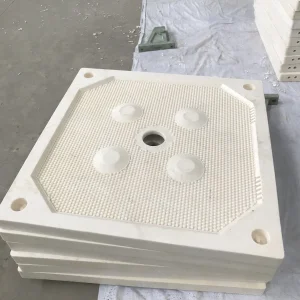
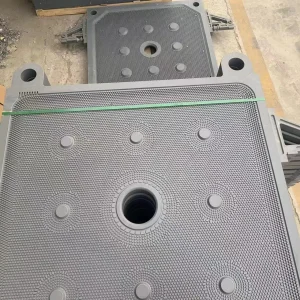
High-efficiency engineered recessed chamber and membrane plates designed for heavy-duty dewatering systems.
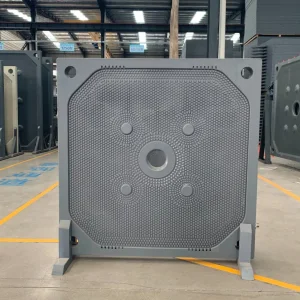
An in-depth perspective on the evolving requirements of local manufacturers and global compliance standards.
As Pakistan's industrial sectors experience modernization and stricter environmental regulations, efficient solid-liquid separation systems have become paramount. From the massive textile processing clusters in Faisalabad and Karachi to the growing chemical processing plants in Lahore and the resource-rich mining zones of Khyber Pakhtunkhwa (KPK) and Balochistan, industrial operators face a common operational hurdle: optimizing cake dryness while meeting stringent environmental effluent discharge standards.
The implementation of environmental policies by bodies such as the Sindh Environmental Protection Agency (SEPA) and the Punjab Environmental Protection Department (EPD) has shifted the focus toward efficient Wastewater Treatment Plants (WWTP) and Effluent Treatment Plants (ETP). In these systems, recessed filter plates form the mechanical core. High-quality polypropylene (PP) recessed chamber filter plates allow plants to reduce moisture content in sludge, substantially lowering logistics costs associated with sludge disposal and ensuring compliance with local hazardous waste discharge protocols.
Procuring recessed chamber plates and membrane plates from international manufacturers requires deep understanding of total cost of ownership (TCO). Procurement managers in Pakistan must balance transport logistics through Port Qasim or Karachi Port with the longevity of the equipment. A low-grade filter plate might save capital up front but can lead to frequent production halts, high maintenance labor costs, and reduced filtrate clarity.
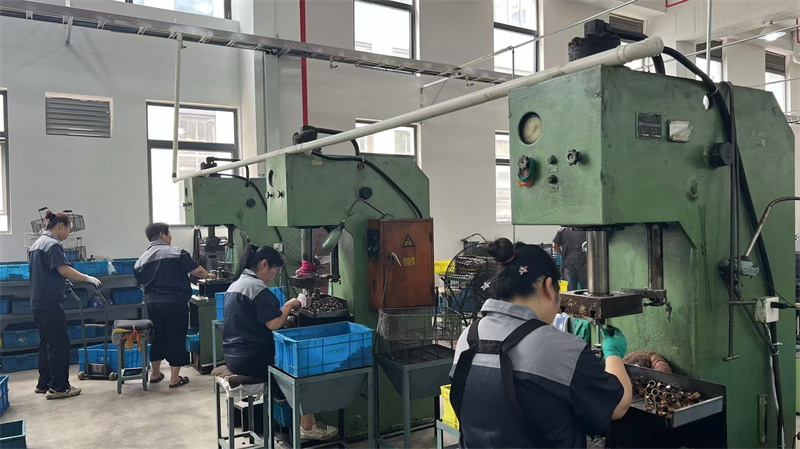
Jovios bridges this gap by ensuring that all recessed filter plates exported to Pakistan are manufactured in our state-of-the-art facilities under strict ISO 9001 and CE certifications. By utilizing high-pressure hydraulic molding presses, we ensure that every plate possesses high structural density, preventing warping under feed pressures reaching up to 20 bar.
Explore our extensive catalog optimized for chemical, food-grade, and heavy industrial separation processes.
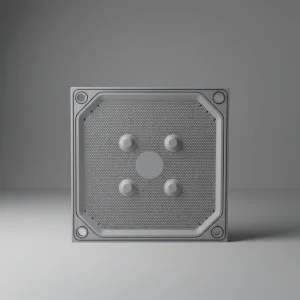
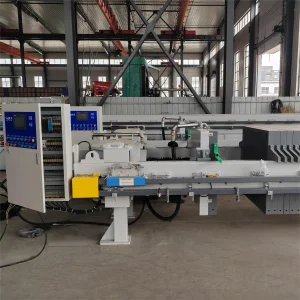
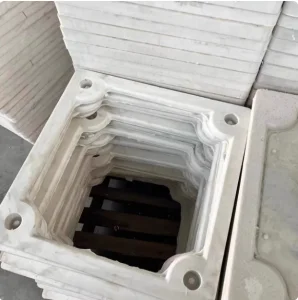
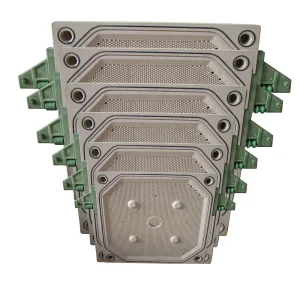
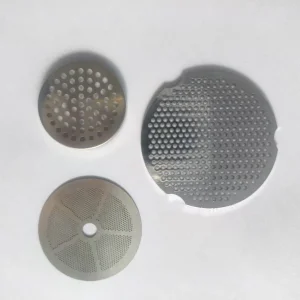
Heavy-duty multi-layer mesh discs and custom chamber plates configured for high-temperature and highly acidic media.
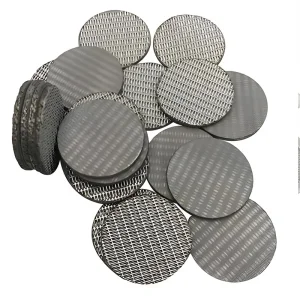
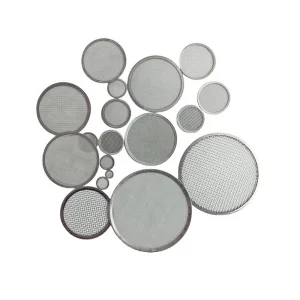
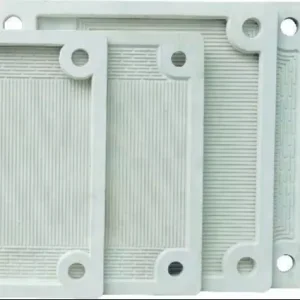
Assess standard mechanical properties to choose the appropriate plate configurations for your processing requirements.
In highly demanding applications, standard specifications determine the lifecycle efficiency of the filtration system. Jovios engineers customize chamber depth, feed port designs, and washing configurations based on the physical properties of the target slurry. Below is a comparison table outlining parameters for recessed chamber vs. membrane diaphragm configurations.
| Performance Characteristic | Standard Polypropylene Recessed Chamber Plates | High-Pressure Membrane Diaphragm Plates | Stainless Steel (304/316L) Filtration Units | |
|---|---|---|---|---|
| Cake Dryness (Solids Content) | 35% - 50% (Slurry Dependent) | 55% - 75% (Secondary Compression) | 40% - 60% (High Thermal Resistance) | Highly dependent on flocculation efficiency |
| Max Feed Pressure | 8 Bar - 12 Bar | Up to 20 Bar (Squeeze Pressure) | Up to 25 Bar | Critical for deep slurry filtration |
| Chemical Stability | Broad resistance (pH 1-14) | Excellent, elastomer choice dependent | Exceptional for organic solvents | Prevents plate corrosion in acid cycles |
| Primary Application in Pakistan | Municipal Sludge, Marble Slurry, Coal Wash | Textile Dye Sludge, Fine Chemicals | Edible Oil Fractionation, Pharma API | Tailored to match industrial demands |
The performance of Jovios Polypropylene (PP) filter plates relies on the polymer configuration. Standard recycled materials can contain micro-voids and impurities that cause internal stress fractures when subjected to thermal cycles or rapid pressure spikes. We utilize pure virgin polypropylene co-polymer blended with specialized elastomeric modifiers.
This chemical formulation achieves high tensile strength and chemical resistance. In Pakistan's textile processing facilities, where hot dyeing effluents are treated at temperatures up to 80°C, Jovios plates resist warpage and preserve the tight perimeter seals needed to prevent blowouts and maintain safe working environments.
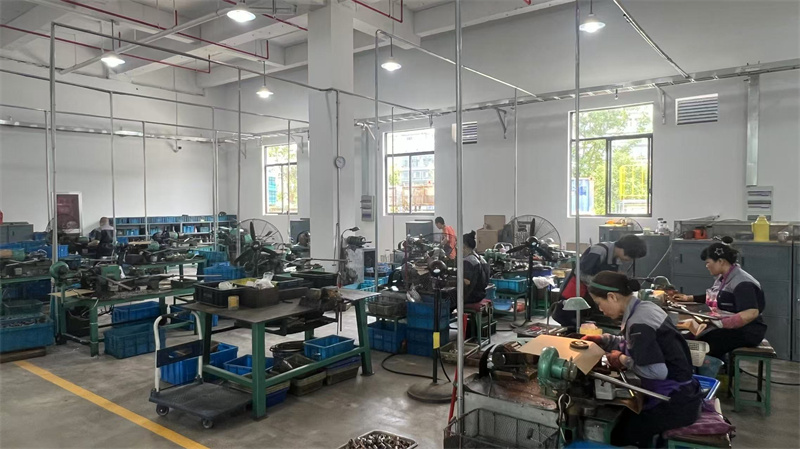
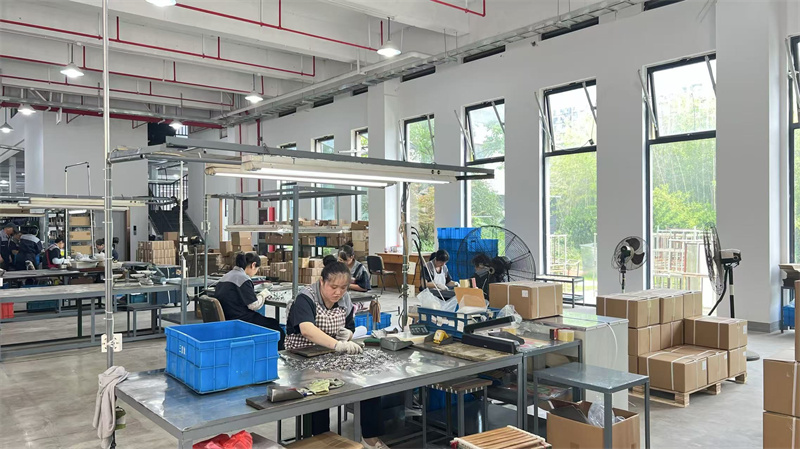
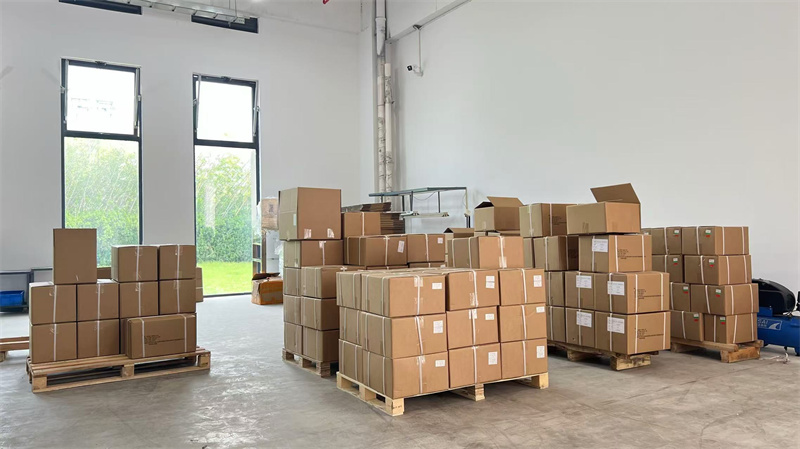
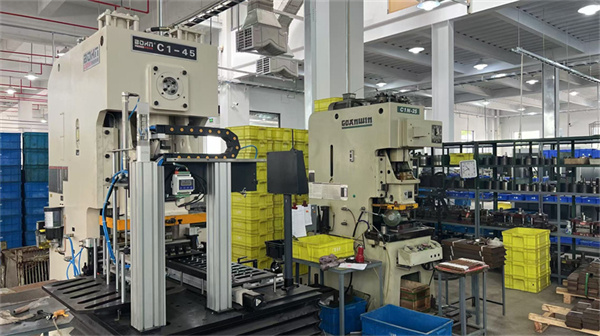
Inside Changzhou Jovios Equipment Co., Ltd. - A reliable partner for solid-liquid separation systems worldwide.
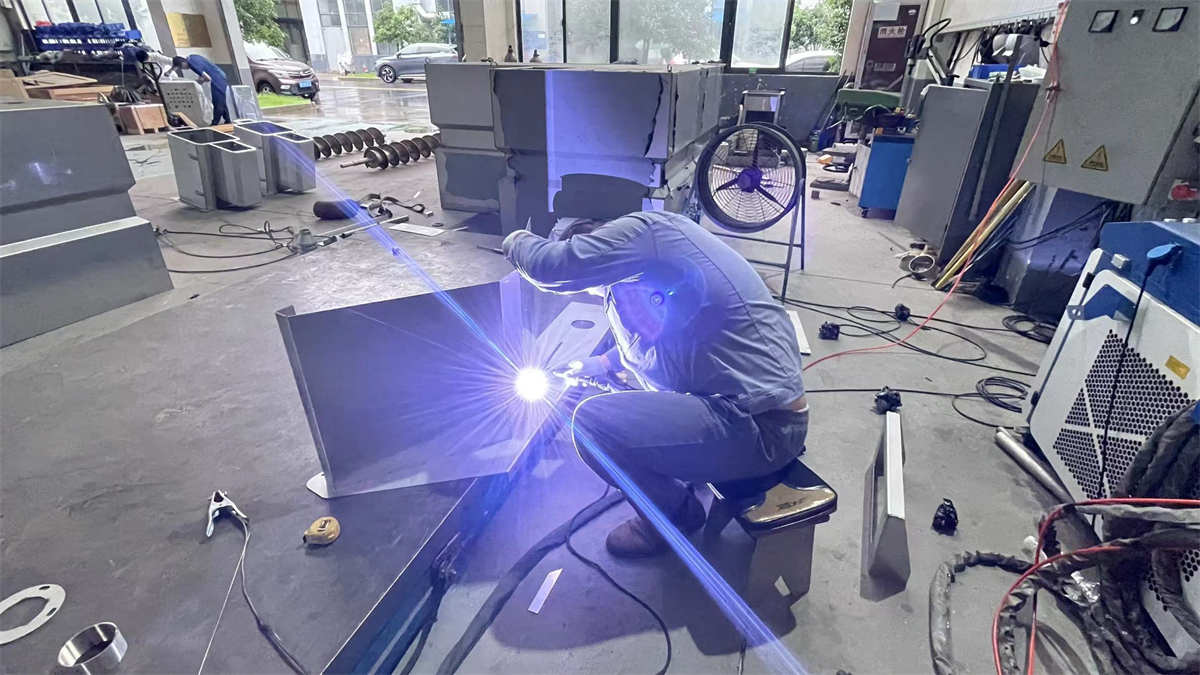
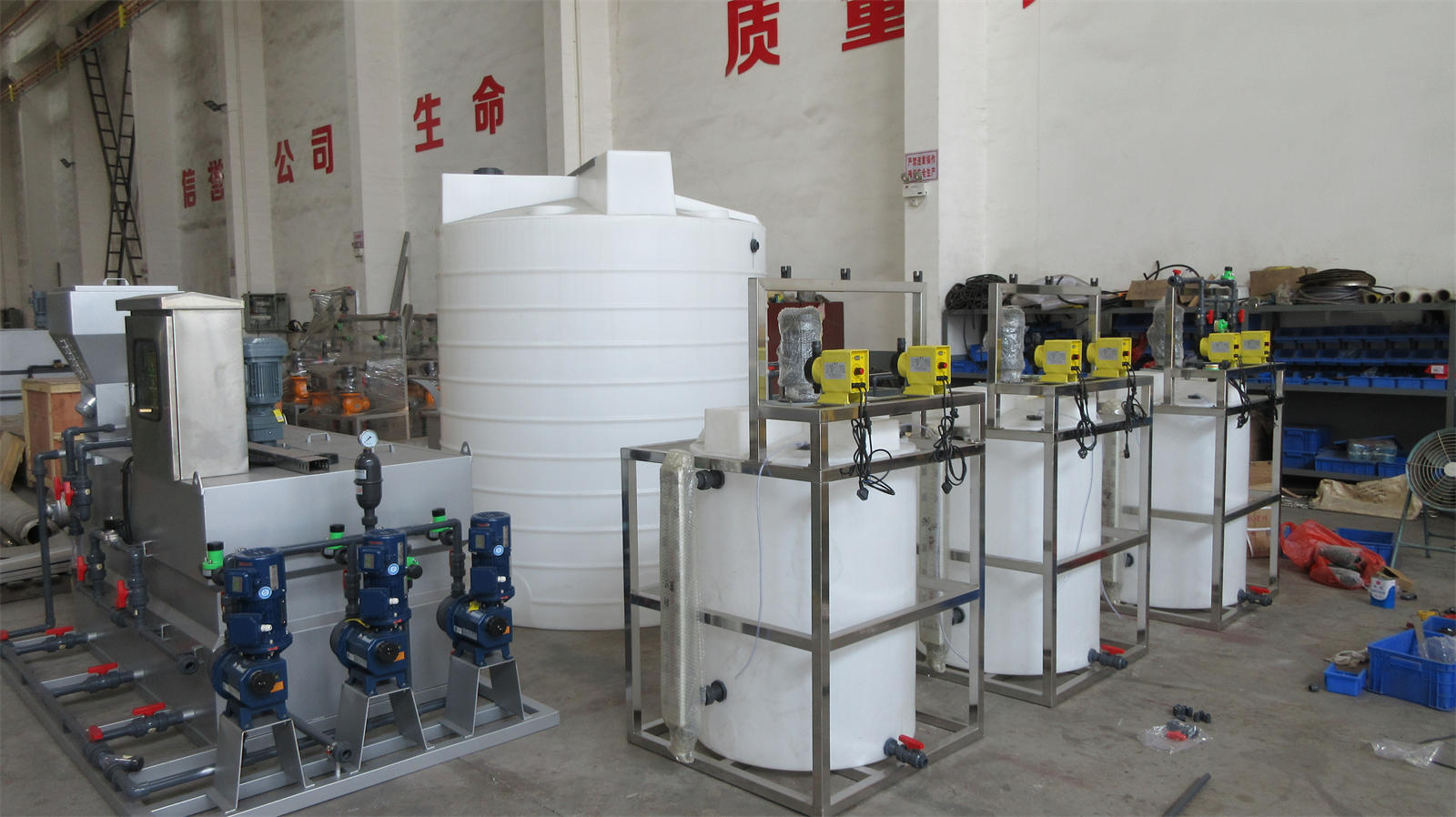
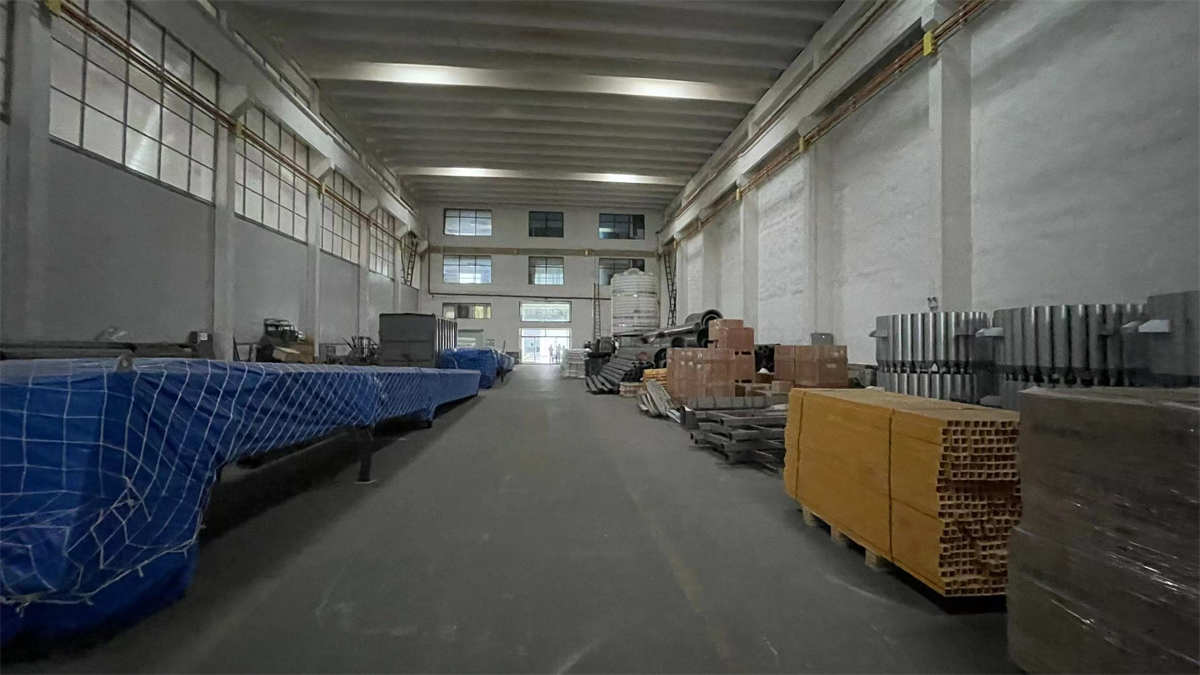
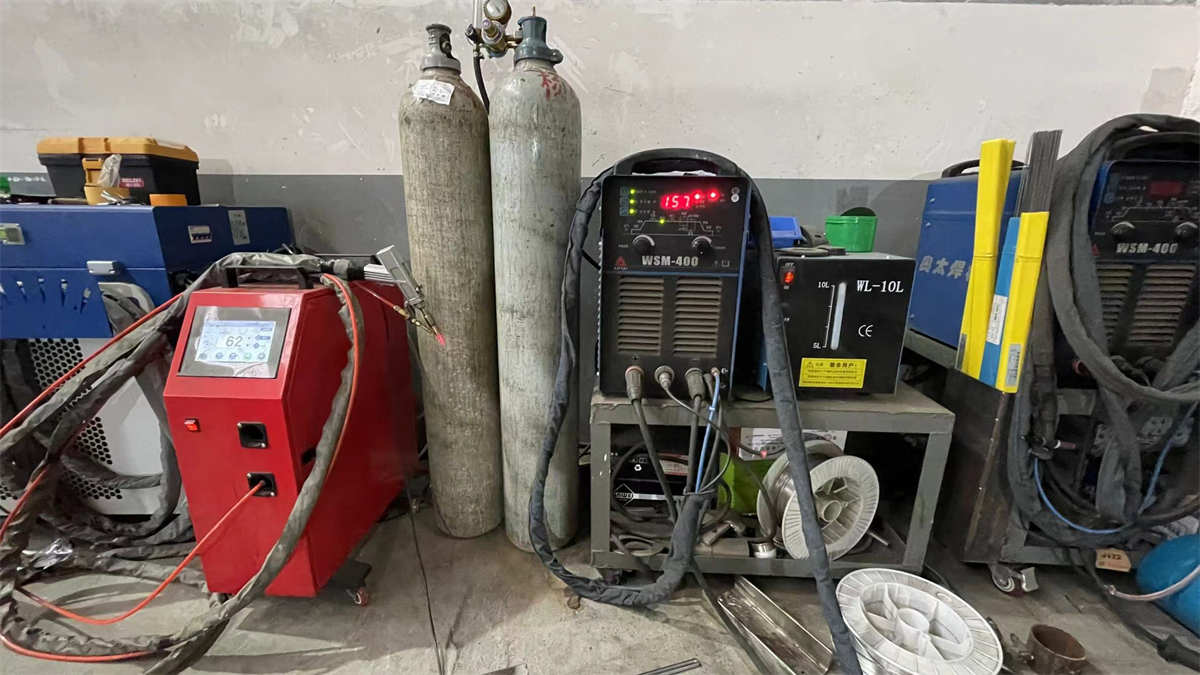
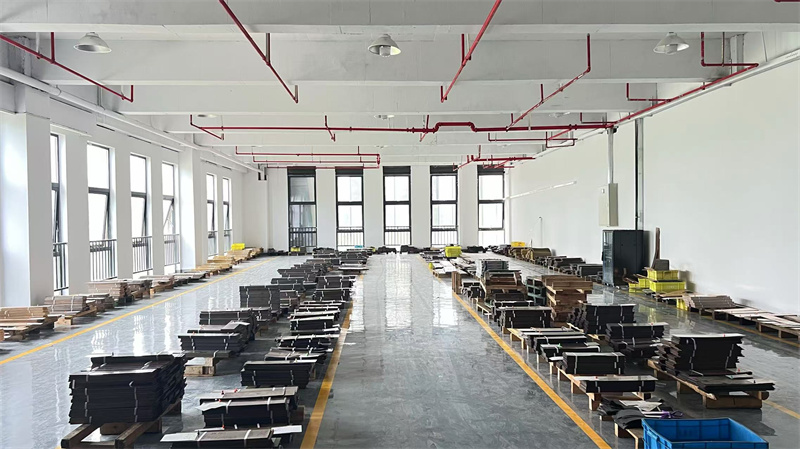
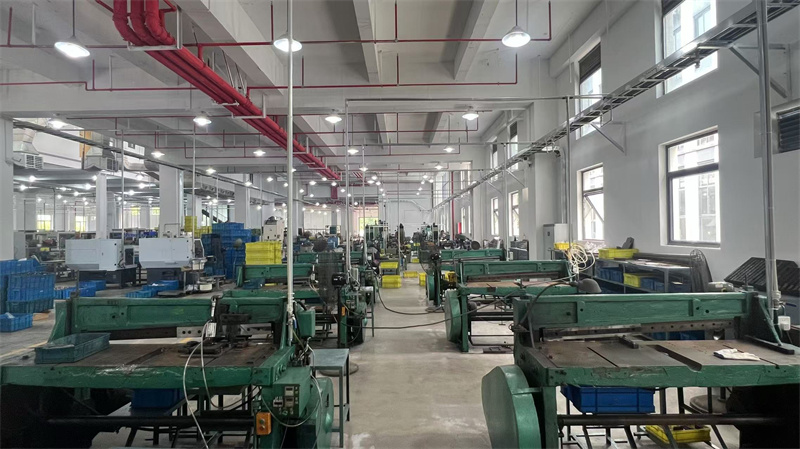
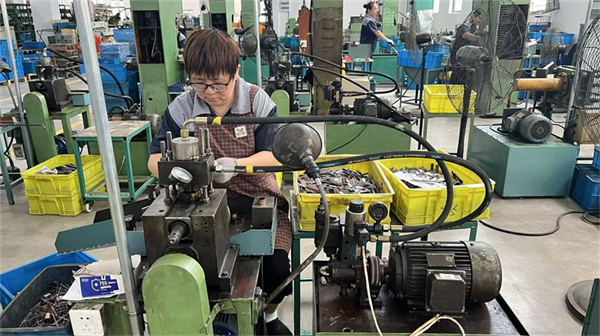
Changzhou Jovios Equipment Co., Ltd. is a specialized manufacturer and solution provider focusing on solid-liquid separation and environmental protection systems. Situated within the Changzhou National High-tech Industrial Development Zone in Jiangsu Province, China, the company operates a modern production facility spanning over 50,000 square meters. The plant is equipped with advanced machinery and a dedicated quality testing lab.
Jovios designs and manufactures a comprehensive selection of filtration systems, including plate and frame filter presses, membrane filter presses, automatic systems, and high-performance plates and cloths. With an annual production capacity exceeding 1,000 filtration units, our equipment is deployed globally in municipal wastewater processing, chemical refinement, petroleum extraction, mining, metallurgy, pharmaceuticals, food and beverage processing, paper manufacturing, textile printing, ceramics, and structural materials production.
Beyond hardware supply, Jovios provides comprehensive wastewater treatment planning and engineering support. From process analysis and system dimensioning to on-site assembly, testing, and operational training, we deliver integrated, ready-to-run treatment systems for municipal and industrial operators globally.
Our research and engineering division comprises over 30 experienced technical specialists. Collaborating with technical universities and engineering consultants, we continually integrate new material improvements and controls to deliver system reliability, higher separation efficiency, and lower energy footprints.
Real-world examples demonstrating operational cost reductions and environmental compliance.
A major chemical manufacturer in Karachi's Landhi Industrial Area was struggling with high sludge disposal fees due to excess moisture in their neutralized waste cake. The plant operated a system with aging standard plates, which achieved a dry solids content of only 28-30%. The resultant wet cake was heavy, costly to transport, and prone to leakage during hauling.
The Solution: Jovios engineers retrofitted the existing system with our Custom Premium Quality Chamber Plates (630x630mm) and high-performance gasketed CGR seals. We optimized the feed cycles and adjusted the operating pressure to 12 bar.
The Outcome: The plant achieved a dry cake solids content of 45-48%, cutting weekly waste transport volumes by 35%. The sealed CGR plates eliminated acidic mist spraying, improving workplace safety and aligning the plant with Sindh EPA requirements.
A large textile weaving and dyeing facility in Faisalabad faced high wastewater volumes with significant chemical dye loads. Their primary biological and chemical treatment plant required a reliable dewatering system to separate sticky flocculated sludge before biological filters.
The Solution: Jovios provided a complete automatic recessed chamber filter plate package, customized with reinforced polypropylene membranes. The installation utilized our PP Recessed Chamber Membrane Filter Press Plates, which allow for secondary mechanical squeezing after the initial feed cycle.
The Outcome: Squeezing the cake at 15 bar pressure reduced the filtration cycle time by 40% compared to standard chamber plates. The drier cakes released cleanly from the cloths, saving operator time and reducing freshwater usage by enabling higher rates of filtrate return to the dye plant.
Technical guidance for choosing, installing, and maintaining recessed filter plates in industrial systems.
 Jovios Equipment