Overview
Product Description
Detailed Photos
📋 Basic Info.
Manufacturing Method
Manufacturing Cloth
Material Name 1
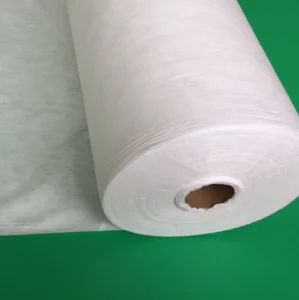
PP Filter Cloth
Material Name 2
Polypropylene Filter Cloth
Application 1
Water Filter Cloth
Application 2
Industrial Filter Cloth
Application 3
Filter Press Cloth
Knitting
Mono Filter Cloth
Cost
China Filter Cloth Price
Original
China Filter Cloth
Cloth Type
Filter Cloth for Filter Press
Surface Process
Calendering Filter Cloth
Transport Package
Seaworthy Filter Cloth
Specification
China filter cloth
Trademark
Premium Filter cloth
Production Capacity
2000 M Filter Cloth Per Day
📦 Packaging & Delivery
Package Size
150.00cm * 150.00cm * 150.00cm
Package Gross Weight
10.000kg
China Industrial Mono Polypropylene PP Filter Press Cloth Price
💡 Product Description
Instruction
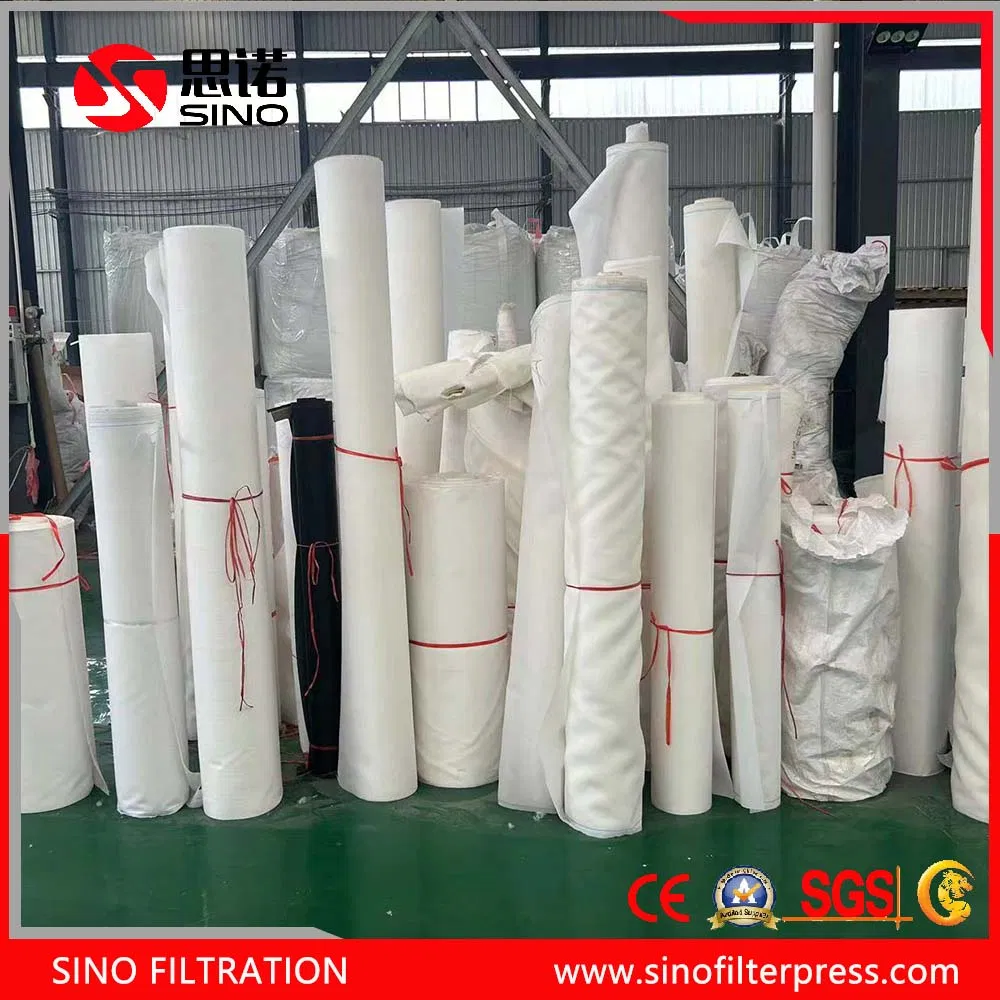
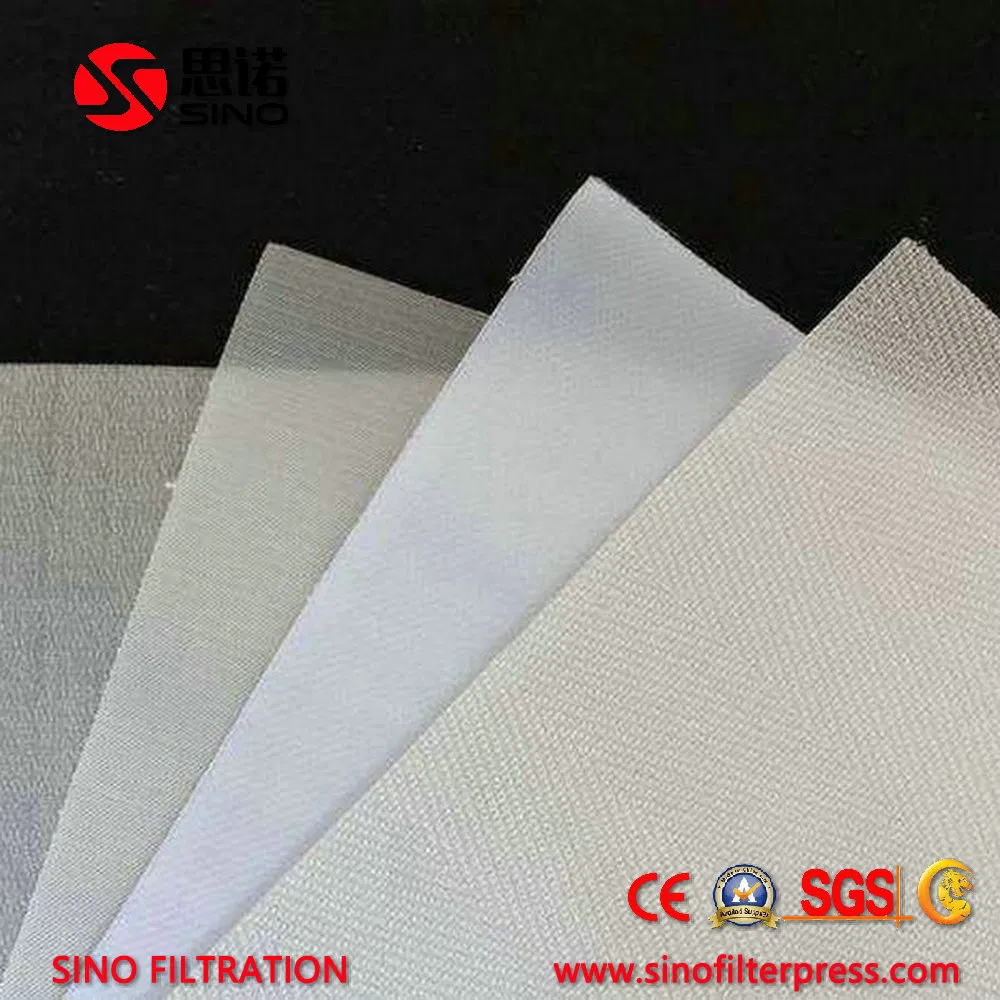
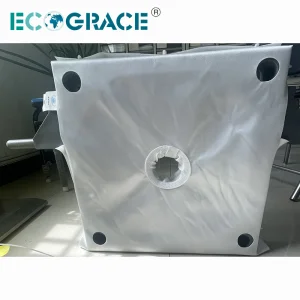
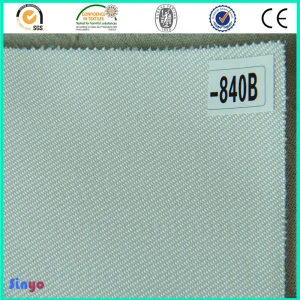
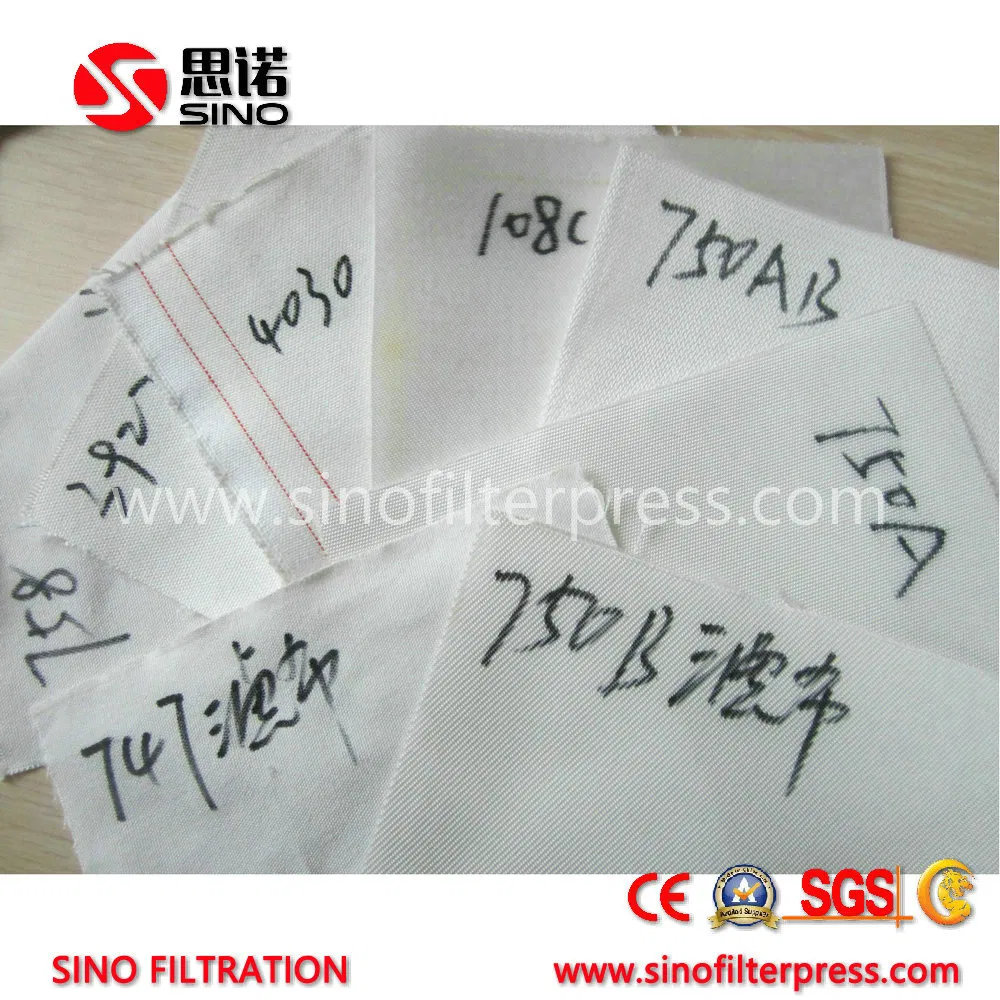
Filter press cloth normally includes 4 types: polyester (terylene/PET), polypropylene (PP), chinlon (polyamide/nylon), and vinylon. Especially the PET and PP materials are very popularly used.
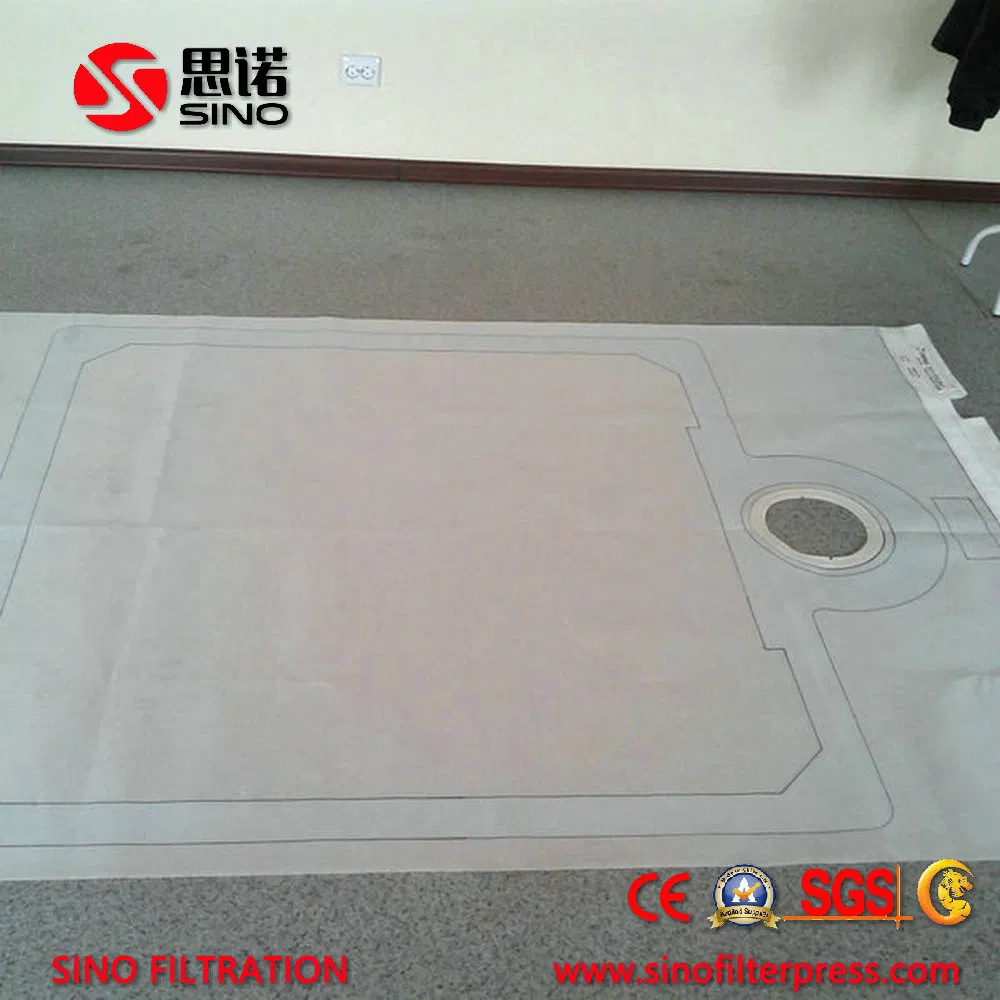
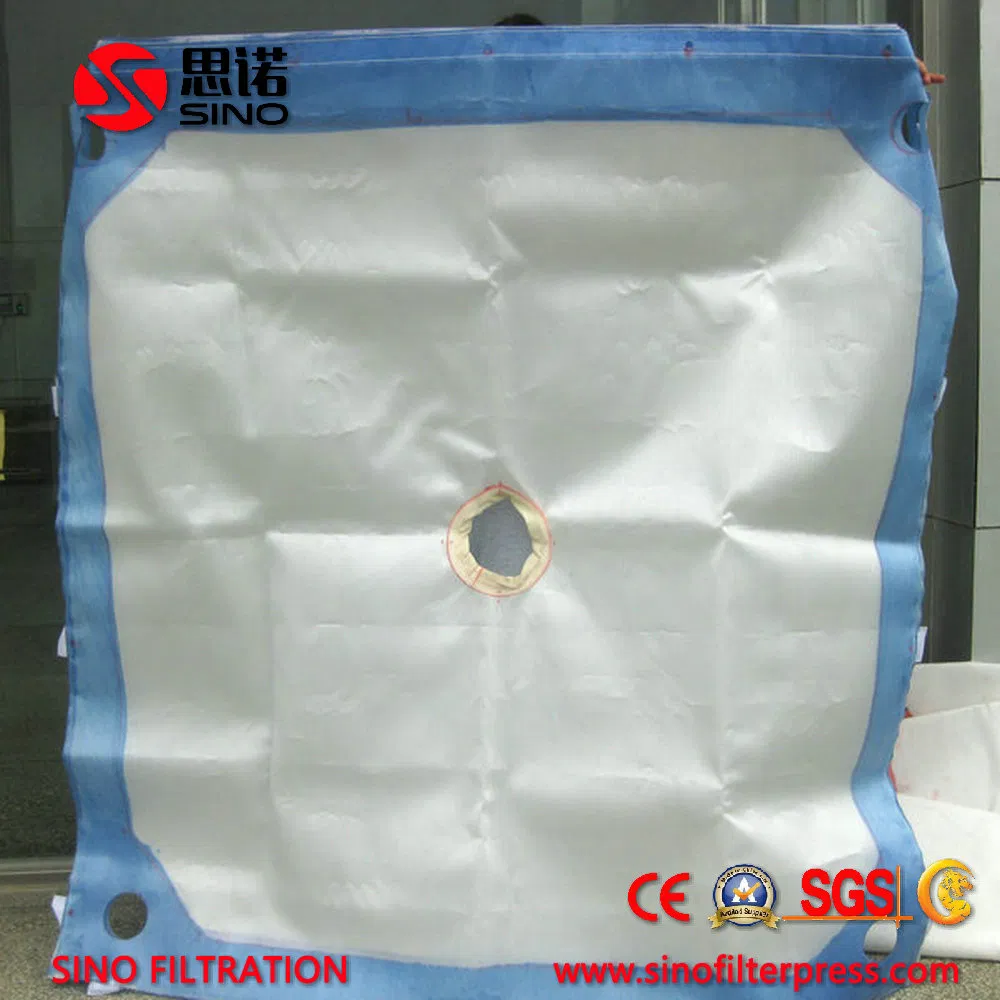
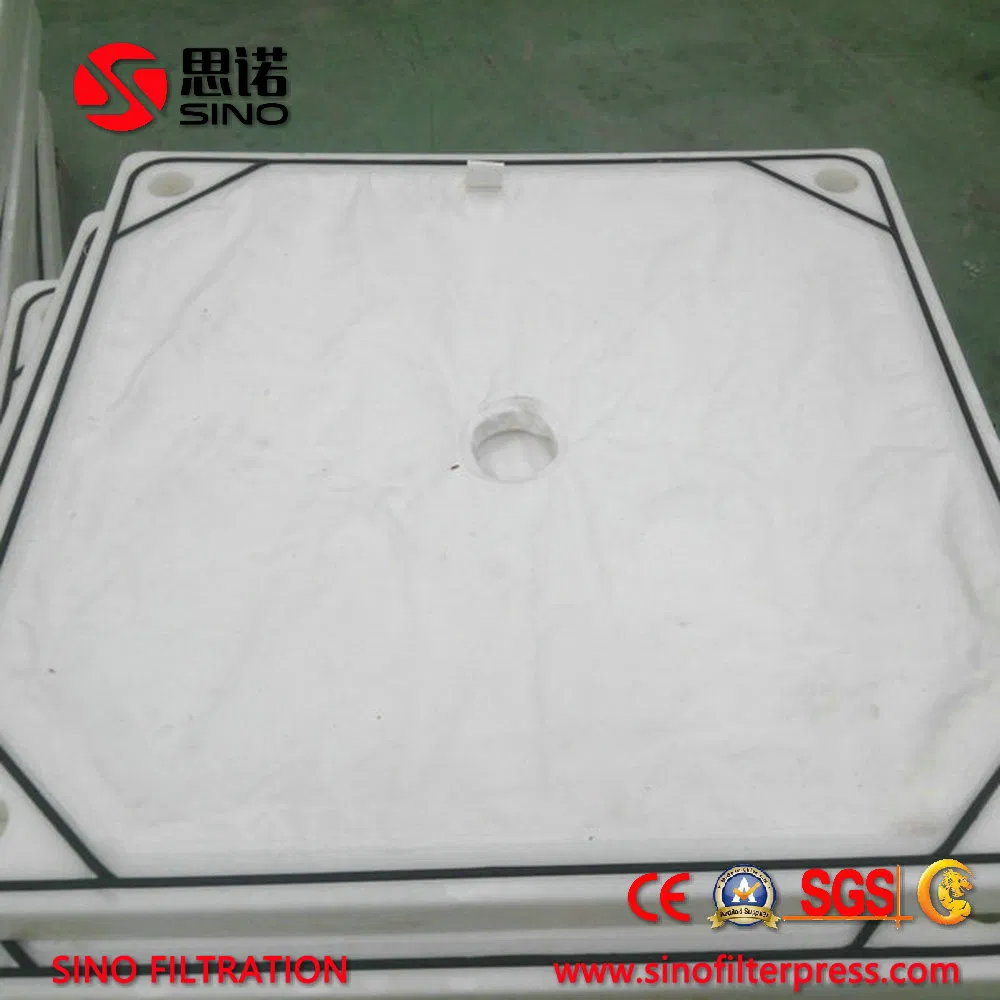
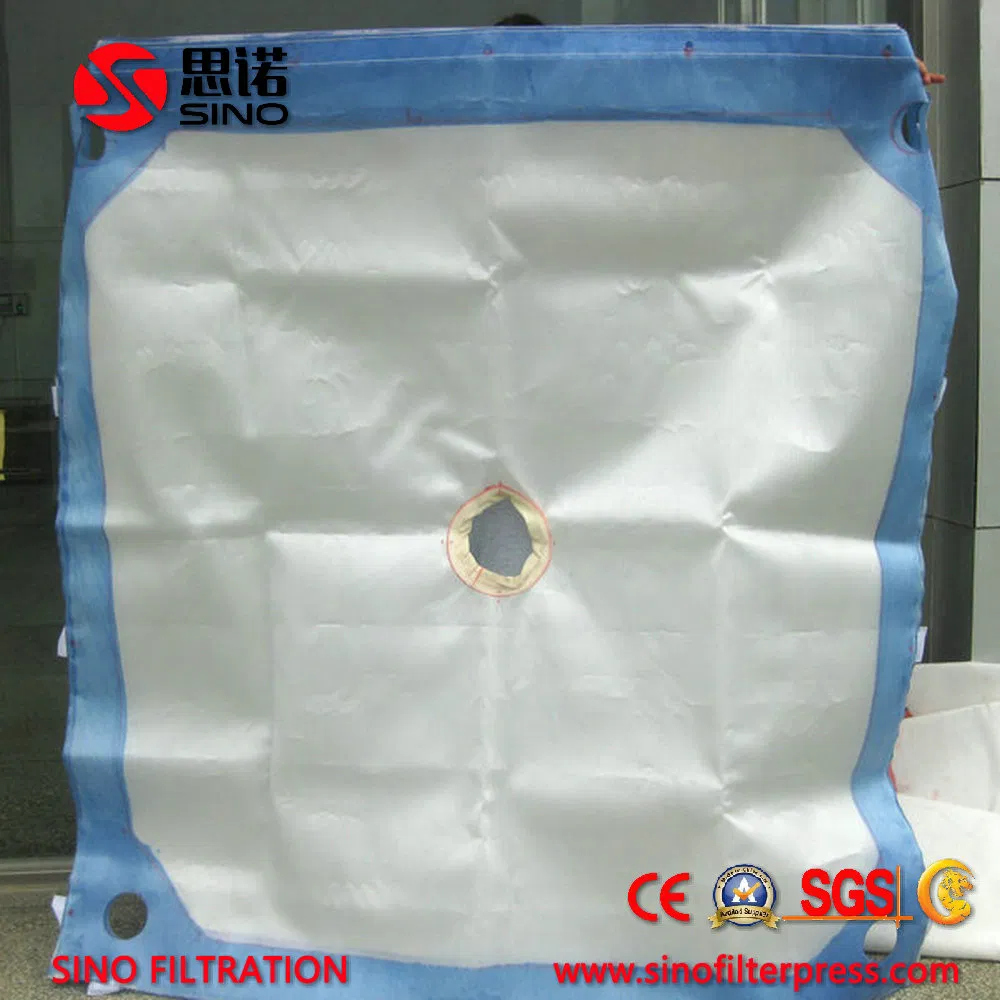
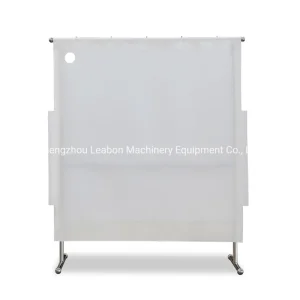
Plate frame filter press filter cloth is used for solid-liquid separation, so it has higher requirements on resistance performance to both acid and alkali, and sometimes temperature etc. Our team has very rich experience in filter cloth and can offer the best quality filter cloth to meet your individual demands.
Polyester/PET Filter Press Cloth
Polyester Filter Cloth can be divided into PET staple fabrics, PET long thread fabrics, and PET monofilament. These products possess properties of strong acid-resistance, fair alkali-resistance, and an operating temperature of 130 centigrade degrees. They can be widely used in pharmaceutical, non-ferry melting, and chemical industries for the equipment of frame filter presses, centrifuge filters, vacuum filters, etc. The filtering precision can reach less than 5 microns.
📷 Detailed Photos
Polypropylene/PP Filter Press Cloth
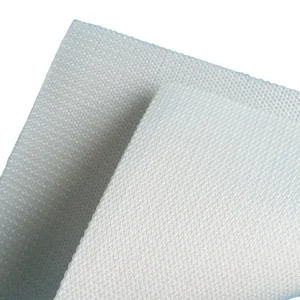
Polypropylene filter cloth possesses the properties of acid-resistance, alkali-resistance, small specific gravity, a melting point of 142-140 centigrade degrees, and an operating temperature maximum of 90 centigrade degrees. They are mainly used in precision chemicals, dye chemical, sugar, pharmaceutical, and alumina industries for the equipment of frame filter presses, belt filters, blend belt filters, disc filters, drum filters, etc. The filter precision can reach less than 1 micron.
The Difference Between Various Filter Cloth Materials
| Material performance |
polyester |
polypropylene |
nylon |
vinylon |
| acid resistance |
Good |
Better |
Bad |
acid nonresistant |
| Alkali resistance |
Resistance to weak base |
Better |
Good |
Resistance to alkali |
| conductivity |
Bad |
Well |
Better |
Normal |
| breaking elongation |
30%-40% |
Better than polyester |
18%-45% |
12%-25% |
| resilience |
Better |
Better than nylon |
At 10% elongation, the response rate is above 90% |
Worse |
| durability |
Better |
Good |
Better |
Better |
| Heat resistance |
170ºC |
90ºC a little shrinkage |
130ºC a little shrinkage |
100ºC a shrinkage |
| Softening point |
230ºC-240ºC |
140ºC-150ºC |
180ºC |
200ºC |
| fusing point |
255ºC-265ºC |
165ºC-170ºC |
210ºC-215ºC |
220ºC |
PP (Polypropylene) Characteristics:
- Operating Temperature: < 90 centigrade
- Maximum Temperature: < 100 centigrade
- Wear Resistance: Fair
- Hydrolysis Resistance: Excellent
- Alkaline Resistance: Excellent
- Acidic Resistance: Excellent
- Anti-oxidability: Fair
- The filter precision can reach less than 1 micron
🚀 What We Can Offer:
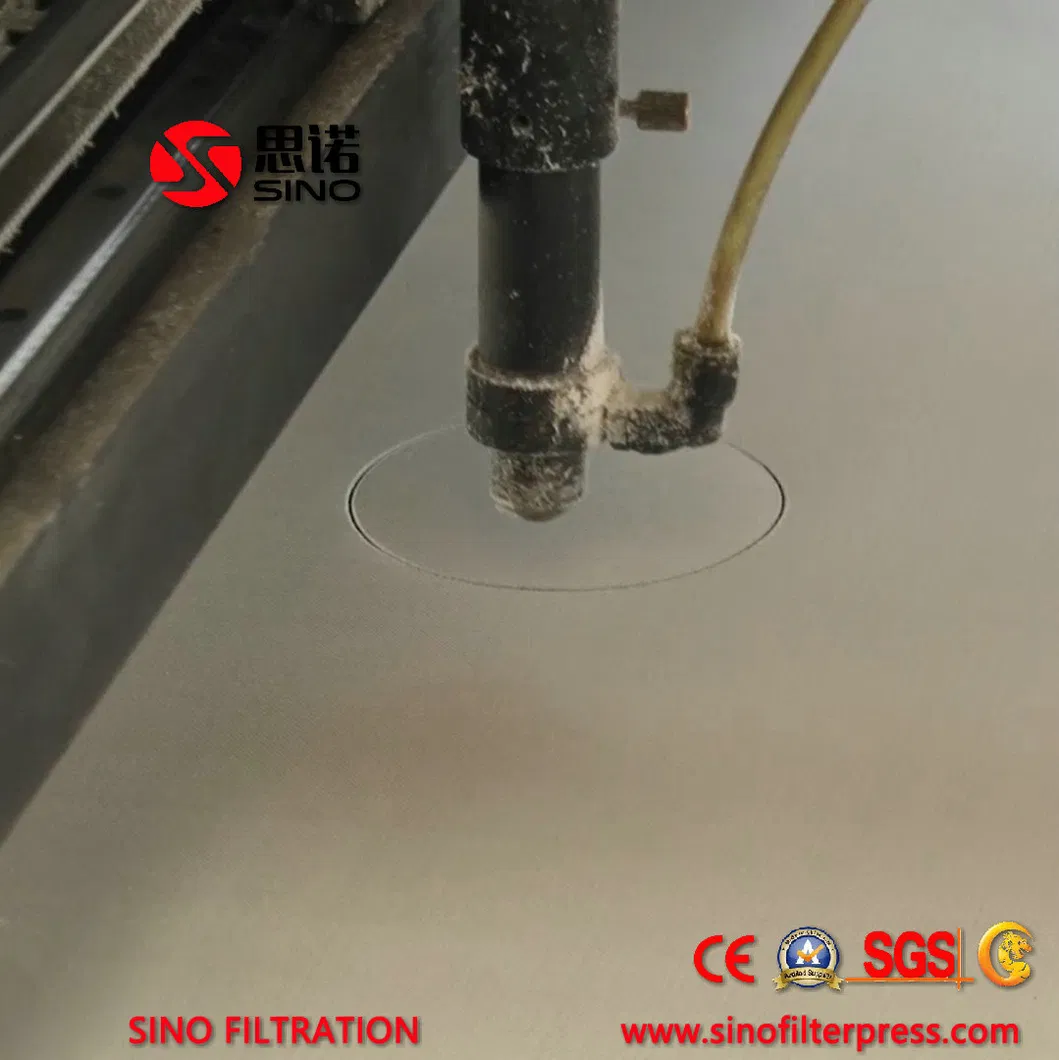
- We can customize filter cloth according to your needs, including options such as cable ties, velcro, and buttonholes.
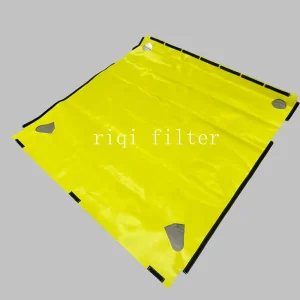
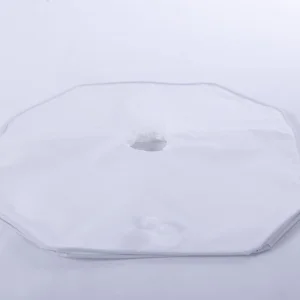
- Various filter cloth styles: plate frame filter cloth, recessed filter cloth, membrane filter cloth, CGR filter cloth, high-temperature filter cloth, anti-wear filter cloth, etc.
- Custom solutions mapped out accurately based on your operational specifications or directly from sent physical samples.
❓ Frequently Asked Questions (FAQ)
Q1 What are the standard materials used for industrial filter press cloths?
The four primary materials are polyester (PET), polypropylene (PP), nylon (chinlon/polyamide), and vinylon. Out of these, polyester and polypropylene are the most widely used due to their balanced and robust performance features.
Q2 How does Polypropylene (PP) filter cloth perform under chemical exposure?
PP filter cloth exhibits outstanding resistance to both high-acidic and strong-alkaline environments. It also has excellent hydrolysis resistance, making it ideal for aggressive chemical processes and wastewater applications.
Q3 What is the filtration precision range for these materials?
The filtration precision varies by material type. Polypropylene (PP) filter cloth can achieve extra-fine filtration down to less than 1 micron, while Polyester (PET) fabric options typically filter down to less than 5 microns.
Q4 Can the filter press cloths be customized for specific configurations?
Yes. Filter press cloths can be tailored to match your specific operation layout, including special auxiliary additions like velcro closures, reinforced cable ties, custom-fit buttonholes, and configurations made for plate-frame, recessed, membrane, or CGR systems.
Q5 What temperature limitations should I keep in mind for PET and PP materials?
Polyester (PET) fabrics operate stably up to 130°C and maintain structure well up to 170°C. Polypropylene (PP) has a lower thermal limit, operating up to 90°C with slight shrinkage observed as temperature approaches 100°C.
 Jovios Equipment