Basic Information
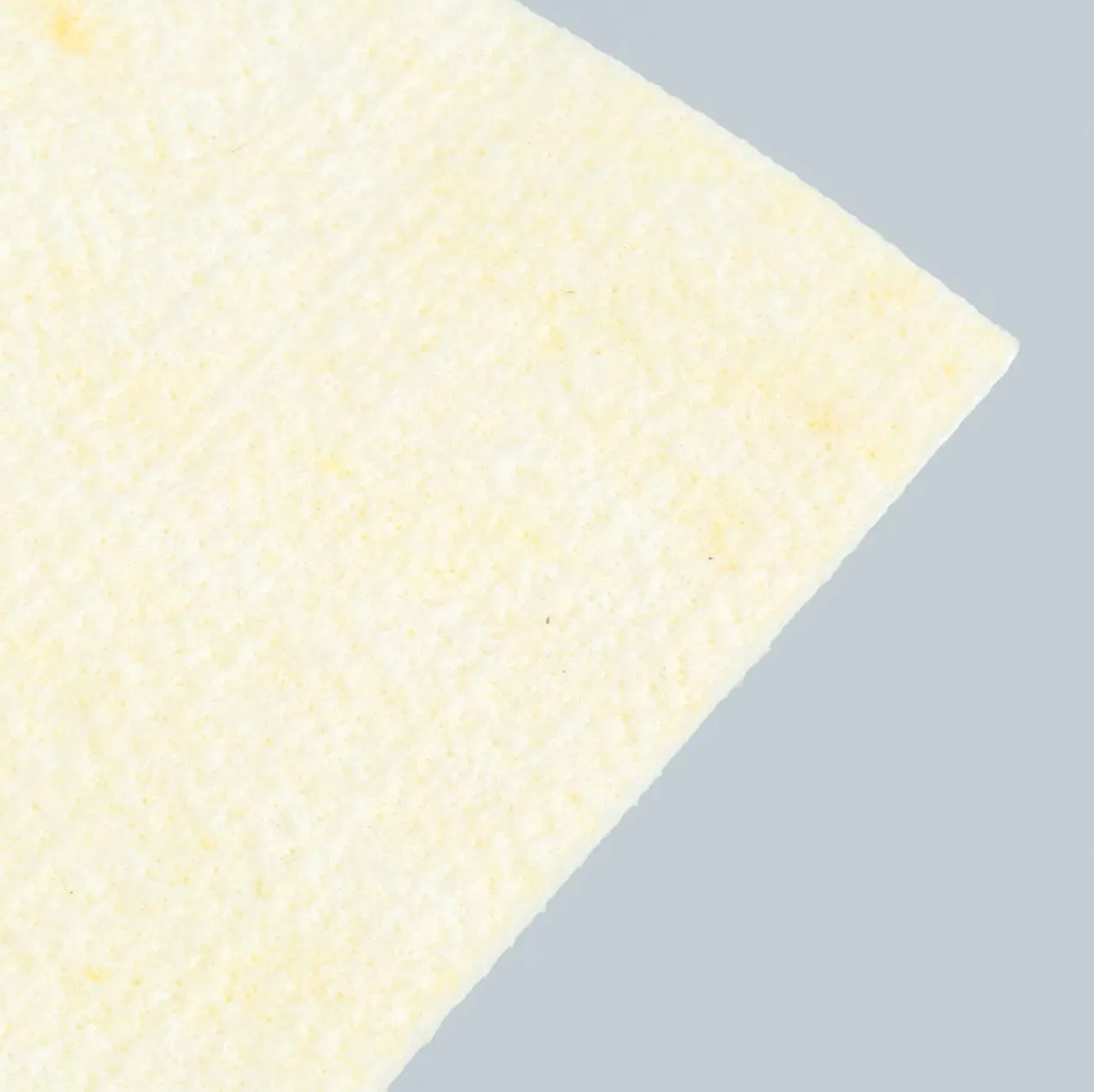
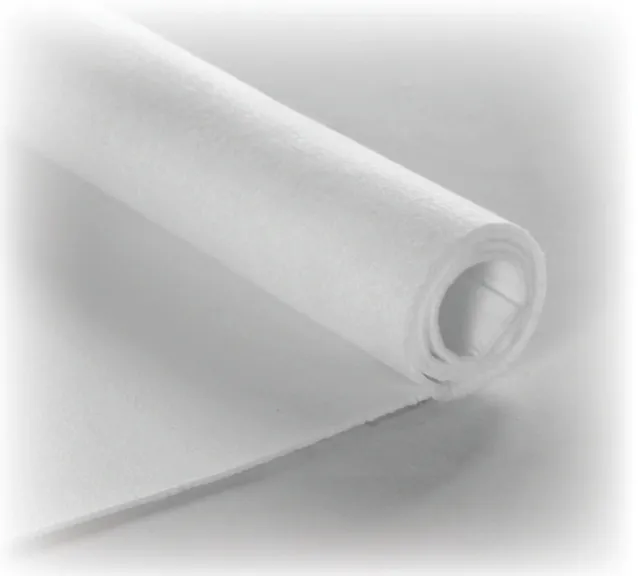
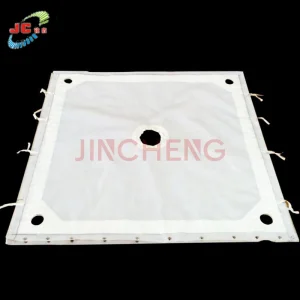
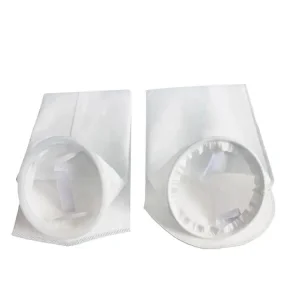
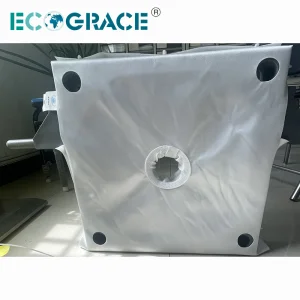
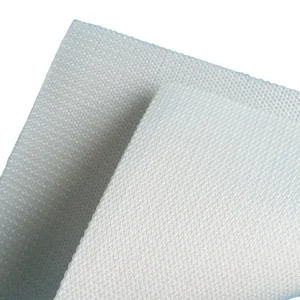
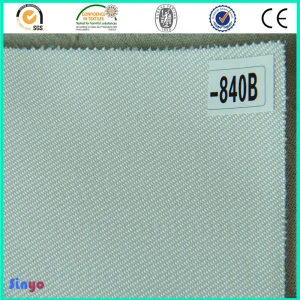
Type:Filter Felt
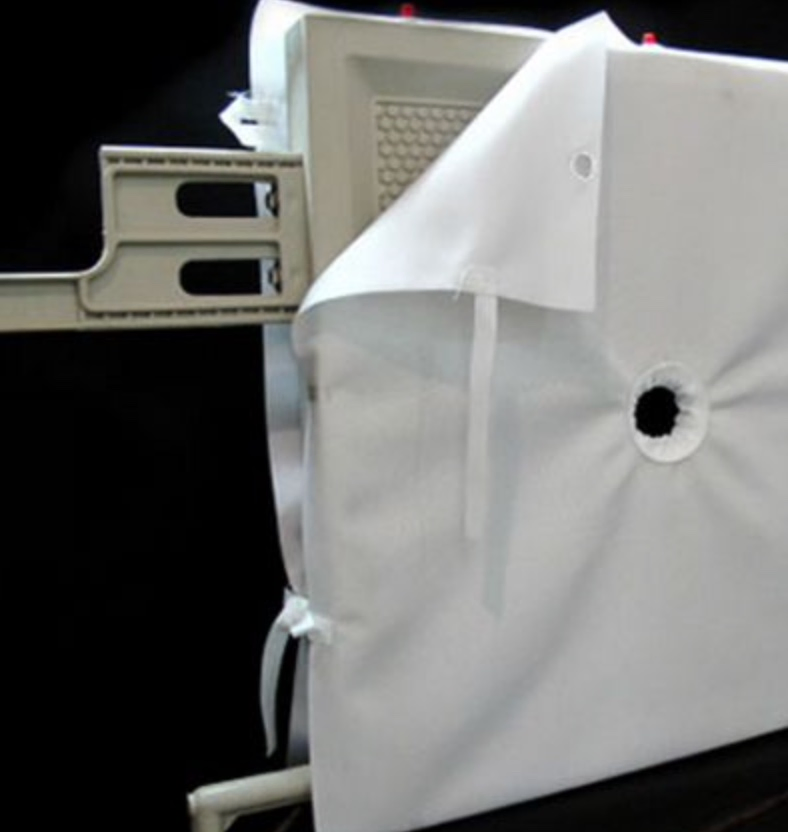
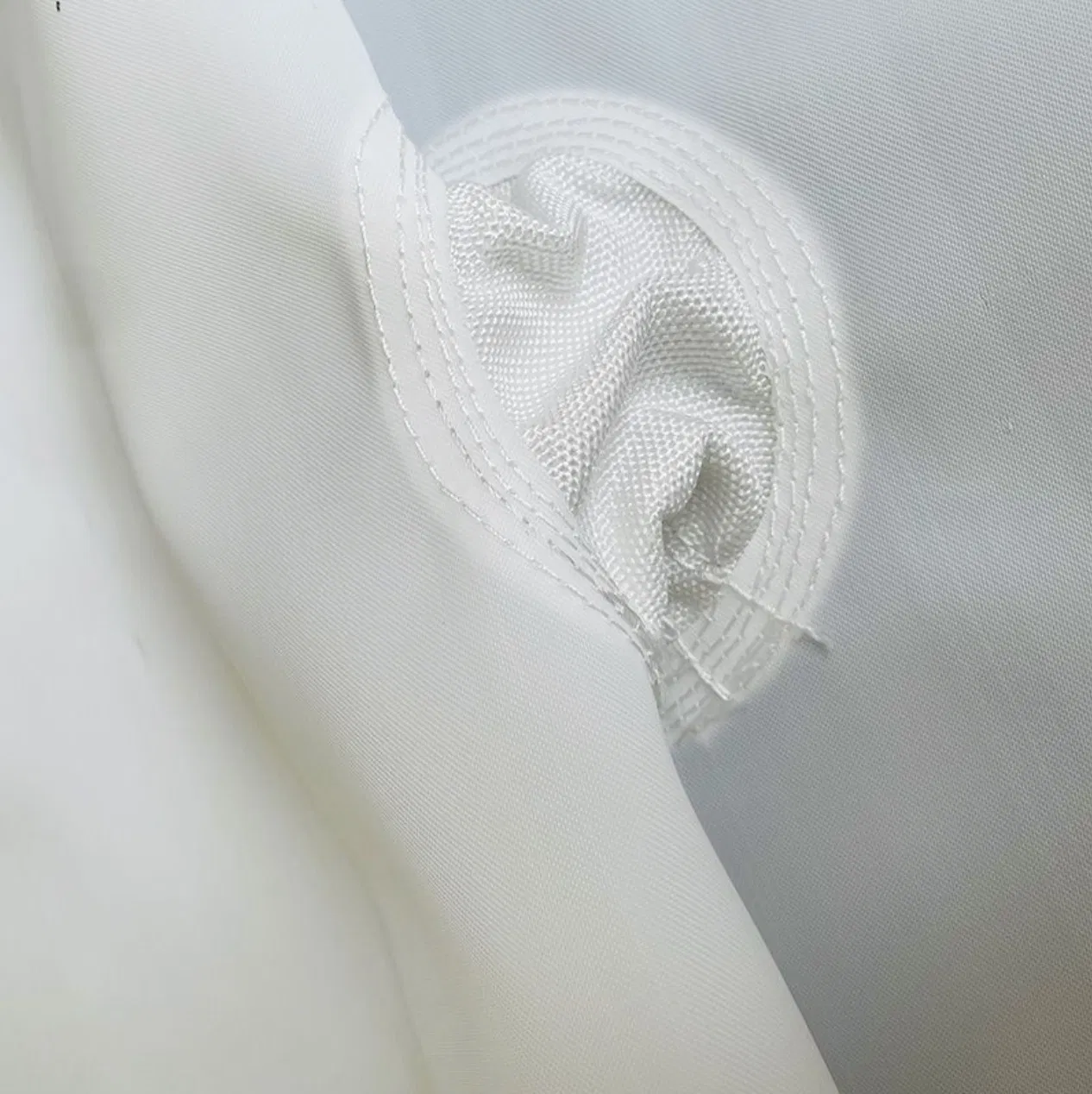
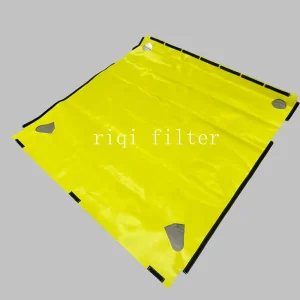
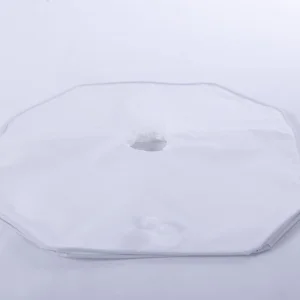
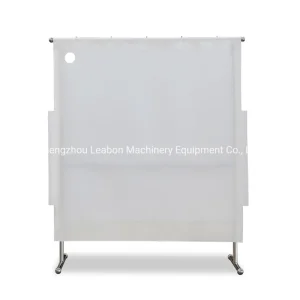
Hole Shape:Round
Manufacturing:Manufacturing Cloth
Paper Type:Qualitative
Application:Insulation, Waterproof, Water Filter
ODM & OEM:Available
Storage:Cool environment
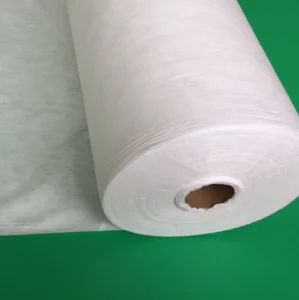
Package:Roll wrap, Woven Plastic Bag
HS Code:5603949000
Daily Capacity:1,000,000 Pieces
Packaging & Delivery
Package Size:100cm * 50cm * 100cm
Gross Weight:10.000kg
Lead Time:
• 15 days (1 - 100 Square Feet)
• 20 days (101 - 1000 Square Feet)
• To be negotiated (> 1000 Square Feet)
Product Description & Materials
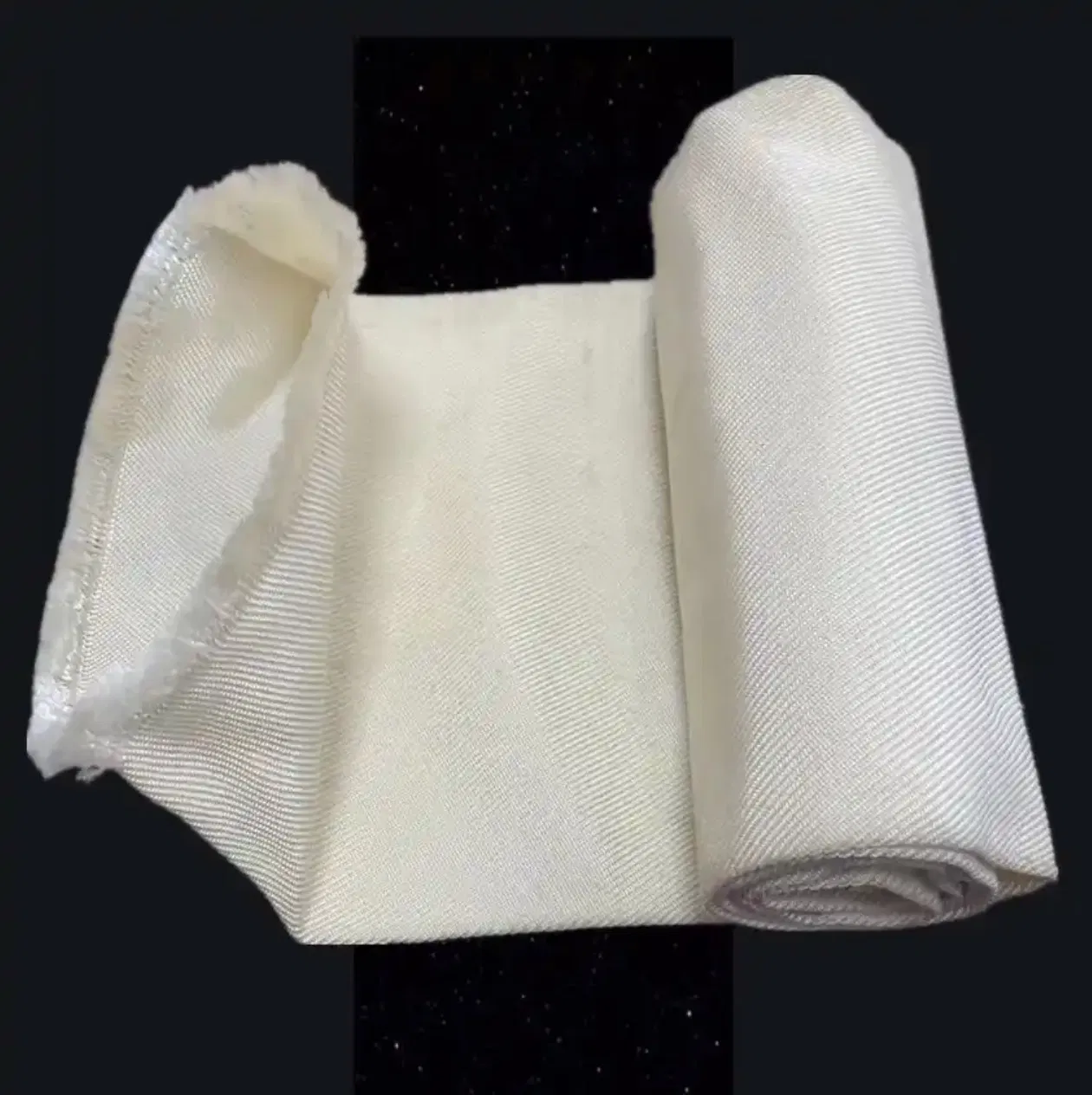
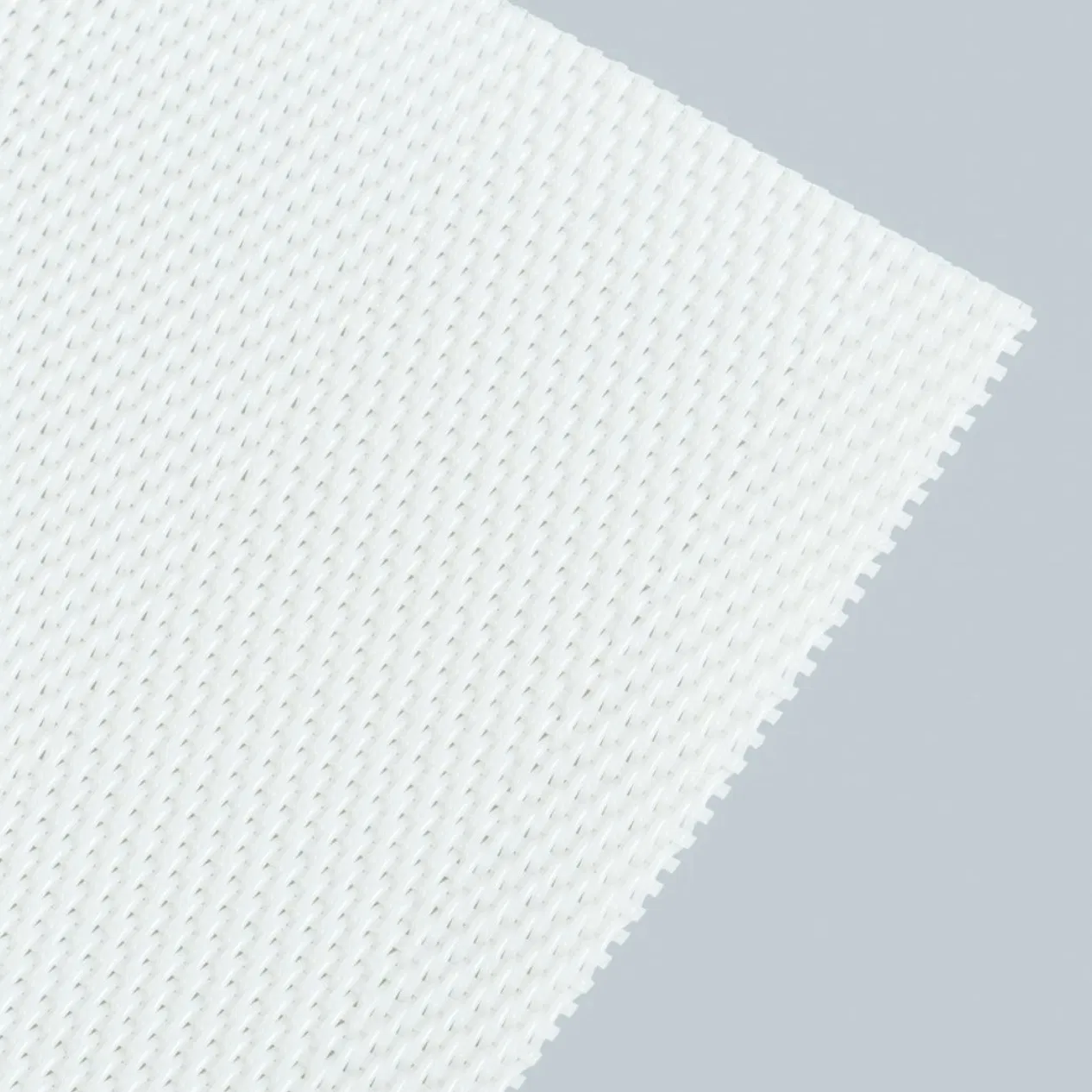
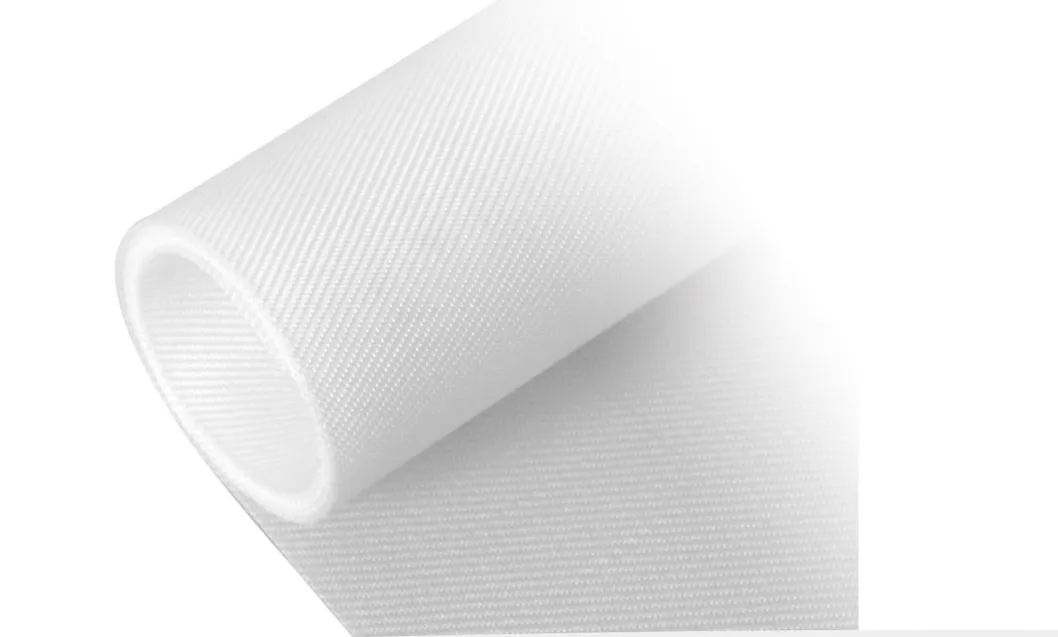
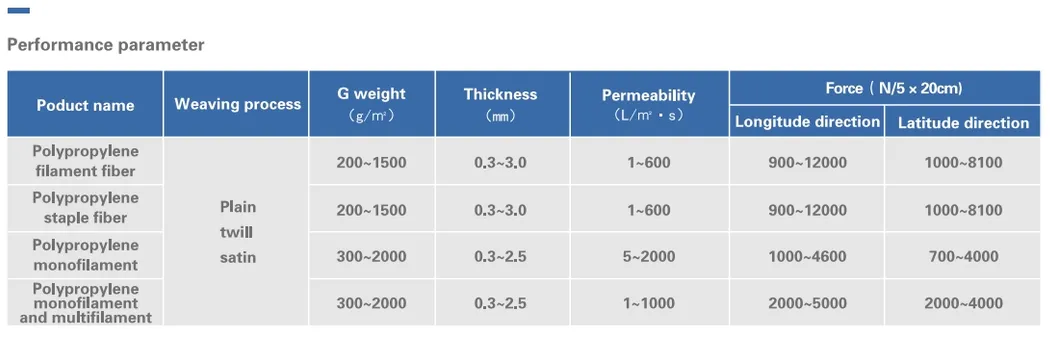
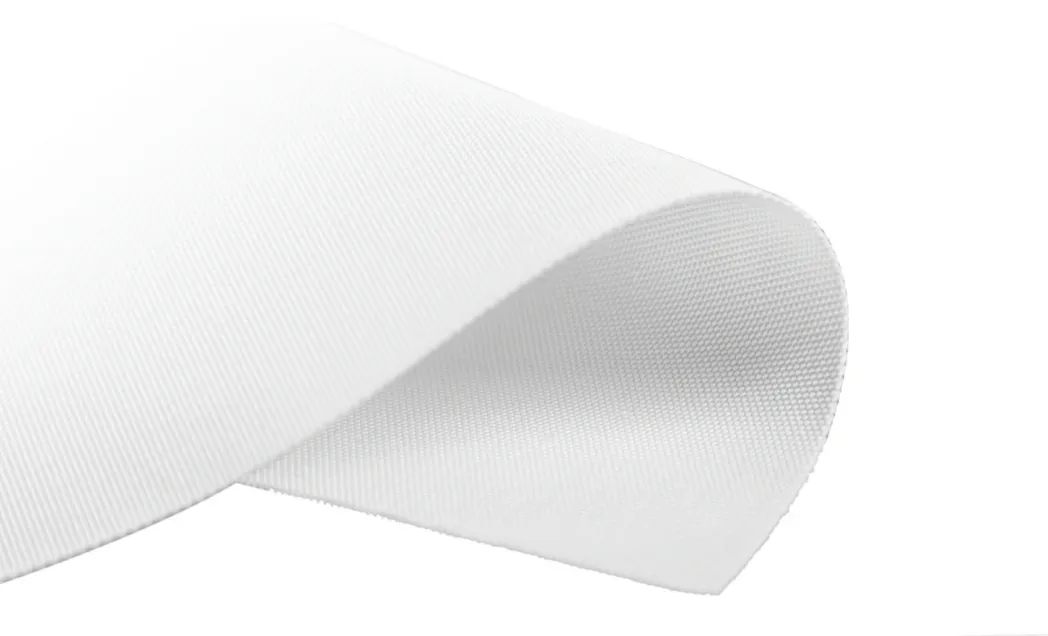
Polypropylene (PP) Industrial Filter Cloth
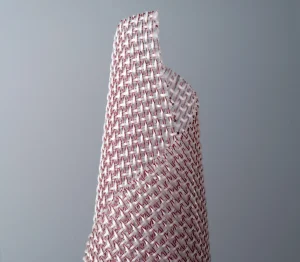
Product Categories: Polypropylene filament fiber, staple fiber, monofilament, and multifilament.
Applications: Suitable for chemical, pharmaceutical, mineral processing, environmental protection, smelting, ceramics, and food industries.
Key Features: Excellent resistance to strong alkalis and weak acids. High wear resistance and good electrical conductivity. Smooth surface ensures good air permeability and efficient cake stripping.
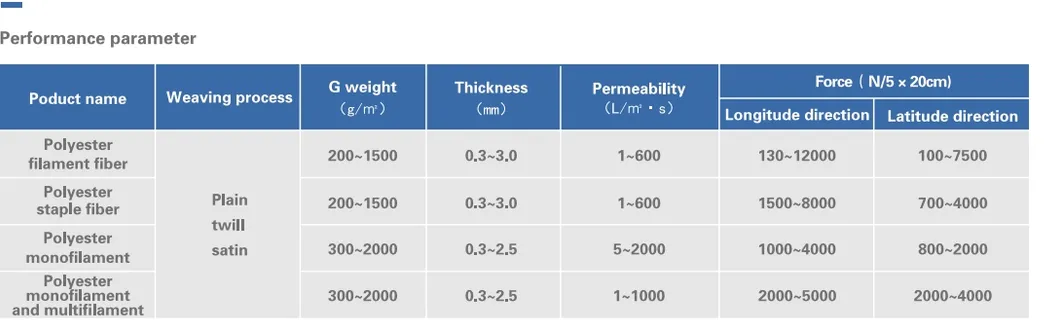
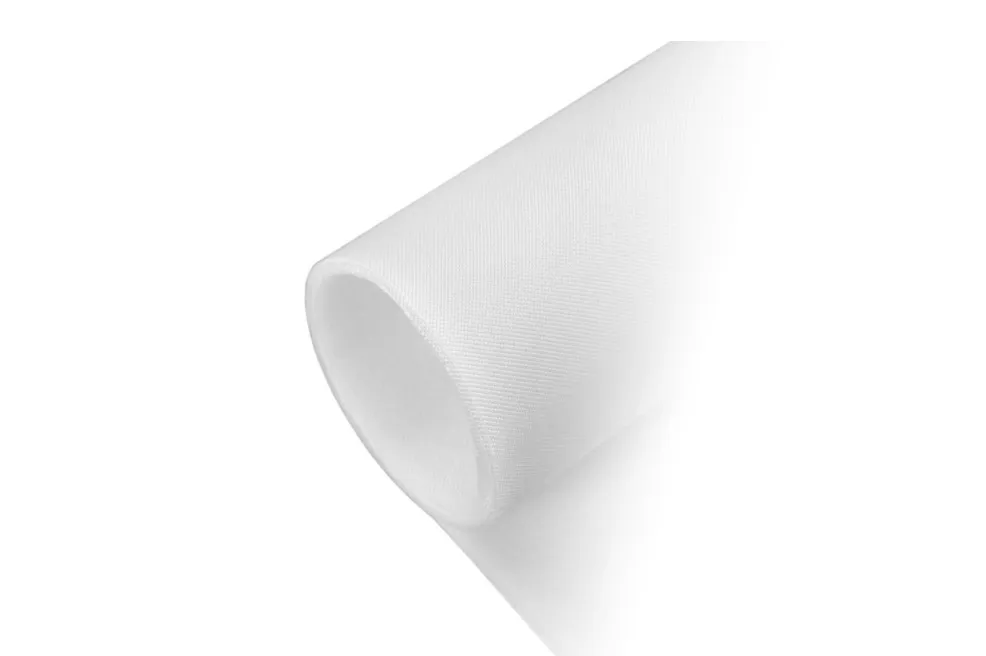
Polyester Woven Filter Fabric
Features: Resistant to strong acids and weak alkalis. Heat resistant up to 130°C. High strength, good breathability, and fast water permeability.
Usage: Ideal for chemical and pharmaceutical applications where acid resistance is paramount.
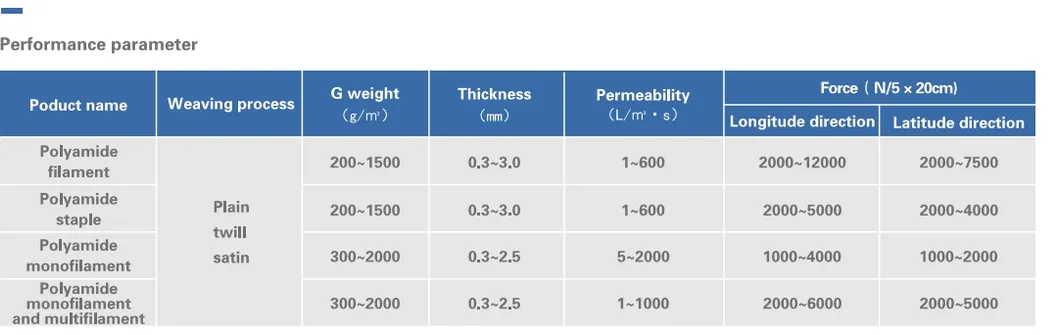
Nylon Woven Filter Fabric
Properties: The strongest fiber with superior wear and corrosion resistance. Heat resistant to 180°C. Fast filtering speed and stable performance.
Note: Polyamide 66 should not be used in pharmaceutical and food industries due to health safety standards.
Cotton & Needled Felt Solutions
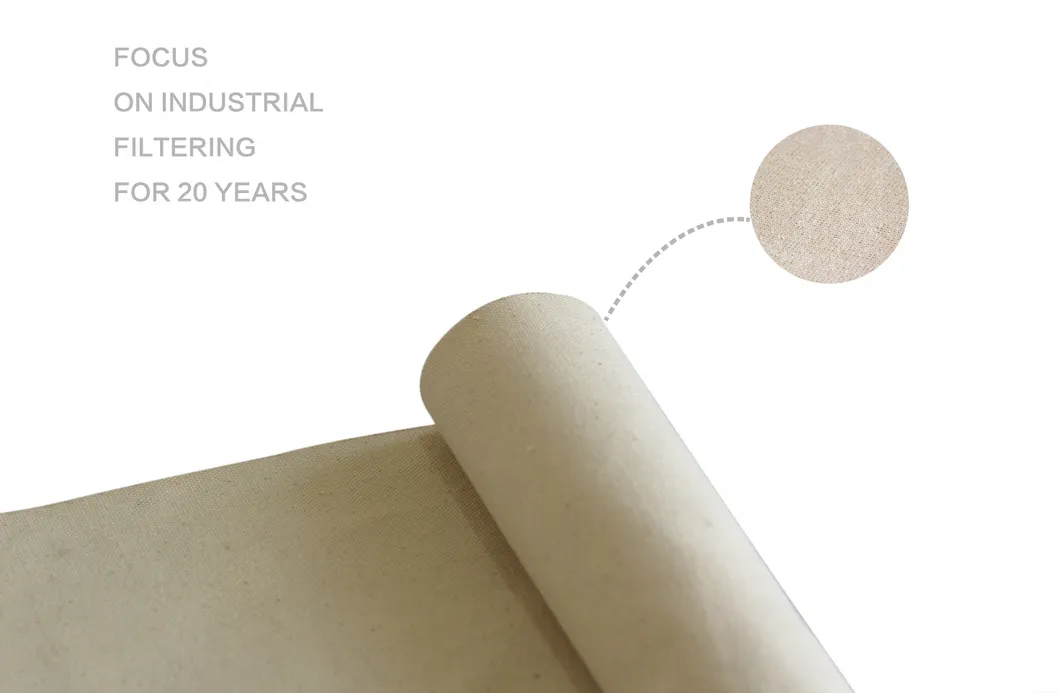
Cotton: Natural alkali resistance and heat resistance up to 110°C. Commonly used in sugar, rubber, and oil industries.
Needled Felt: Three-dimensional filtration layer for high efficiency and precision. Special processing ensures a smooth working surface and uniform micropore distribution.
Technical Parameters
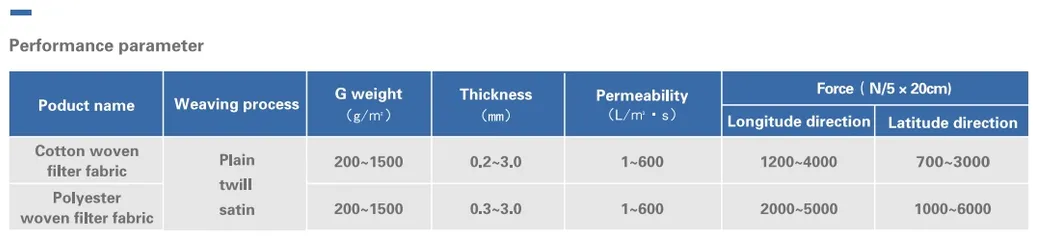
| Gram Weight (g/m²) |
Thickness (mm) |
Breaking Strength (kn/m) |
CBR Burst Strength (KN) |
Elongation at Break (%) |
Tear Strength (KN) |
Sieve Size O99 (mm) |
| 100 | 0.9 | 2.5 | 0.3 | 25-100 | 0.08 | 0.07-2.0 |
| 150 | 1.3 | 4.5 | 0.6 | 25-100 | 0.12 | 0.07-2.0 |
| 200 | 1.7 | 6.5 | 0.9 | 25-100 | 0.16 | 0.07-2.0 |
| 300 | 2.4 | 9.5 | 1.5 | 25-100 | 0.24 | 0.07-2.0 |
| 400 | 3.0 | 12.5 | 2.1 | 25-100 | 0.33 | 0.07-2.0 |
| 500 | 3.6 | 16.0 | 2.7 | 25-100 | 0.42 | 0.07-2.0 |
| 600 | 4.1 | 19.0 | 3.2 | 25-100 | 0.46 | 0.07-2.0 |
| 800 | 5.0 | 25.0 | 4.0 | 25-100 | 0.60 | 0.07-2.0 |
Frequently Asked Questions
How to choose the right product for filtration?
Consider the application, target particle size, working temperature, pH value of the filtrate, and the specific type of filter machine used.
What is particle size in filtration?
Particle size refers to the diameter of fine particles in the filtrate. This determines the required density and weave of the filter cloth to ensure proper separation.
Why is pH value important for filter cloth selection?
pH measures acidity or alkalinity. Materials have different tolerances; for instance, Polypropylene (PP) is versatile across the scale, while Polyester (PES) is typically recommended for pH 3 to 9.
What are the main types of industrial filter fabrics?
Main classifications include Woven (cross-relationship yarns), Knitting (knotted yarns), and Non-woven (fibers connected through mechanical or thermal means, like needled felt).
What is the difference between monofilament and multifilament yarns?
Monofilament consists of a single continuous strand for high efficiency and easy cleaning. Multifilament consists of a bundle of slender filaments twisted together for higher strength and particle retention.
What are the primary applications for industrial filter cloths?
They are used for liquid-solid separation in mining, chemicals, and food industries, and gas-solid separation in flue gas dust removal systems for steelworks and foundries.
 Jovios Equipment