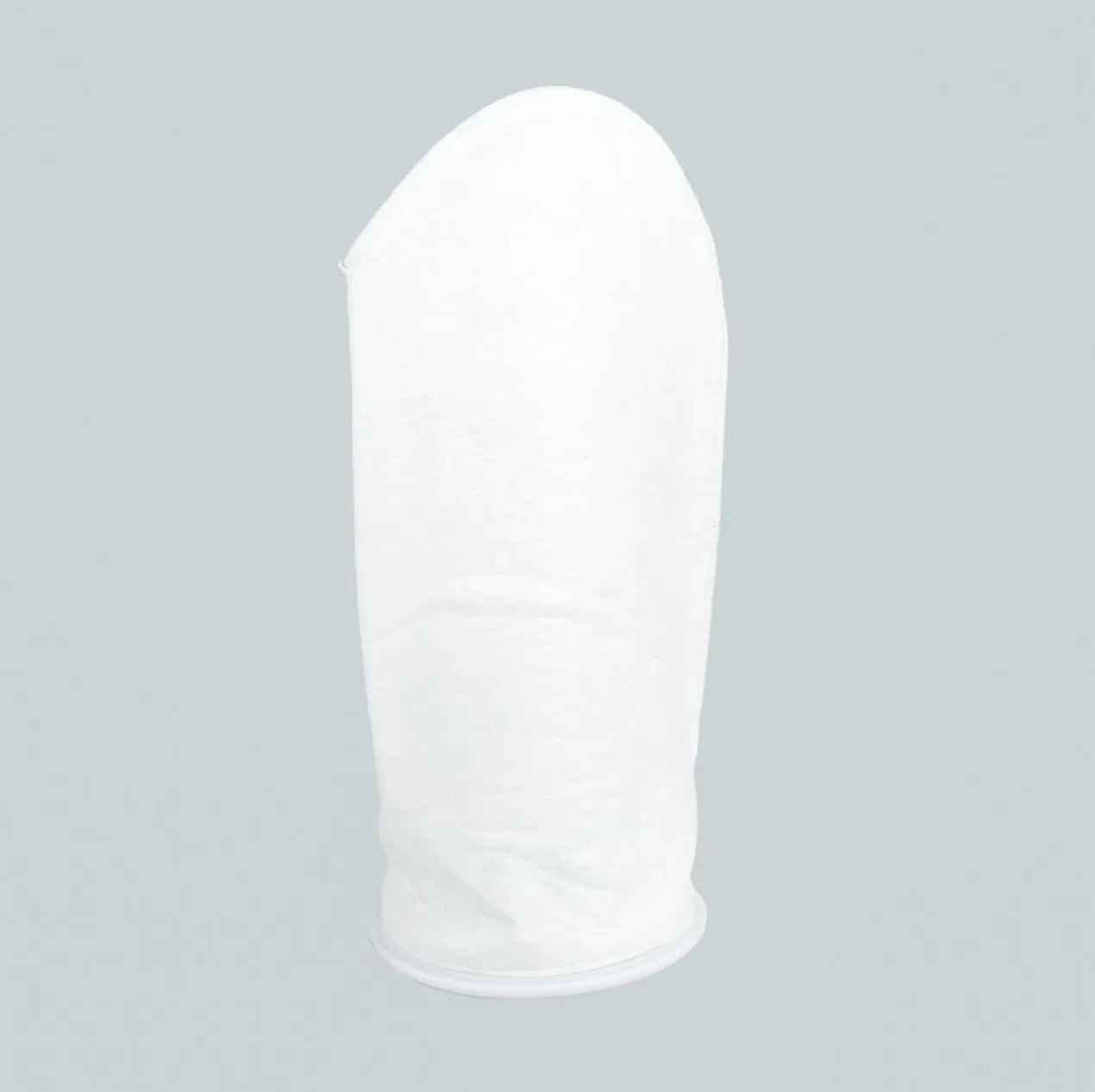
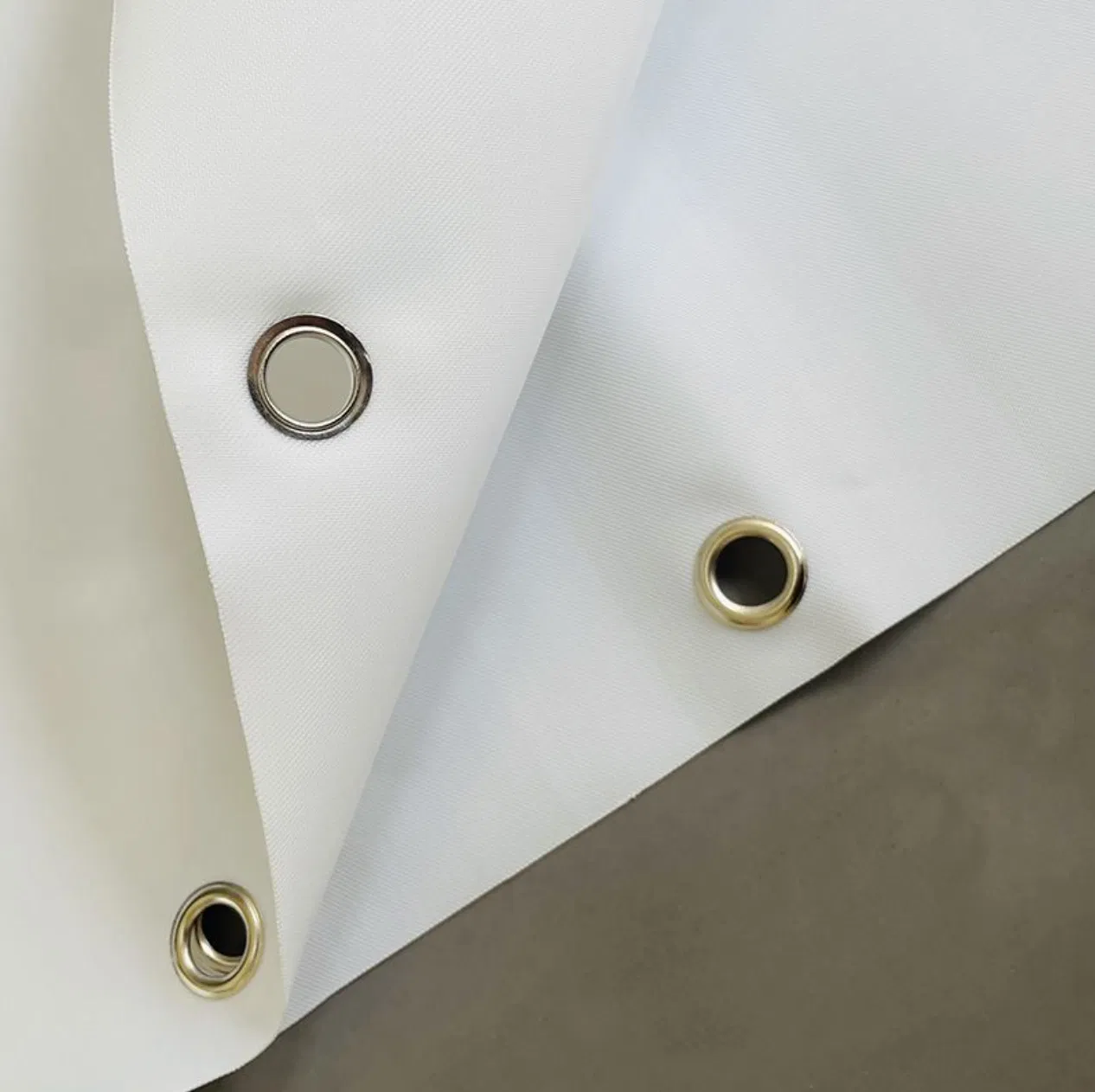
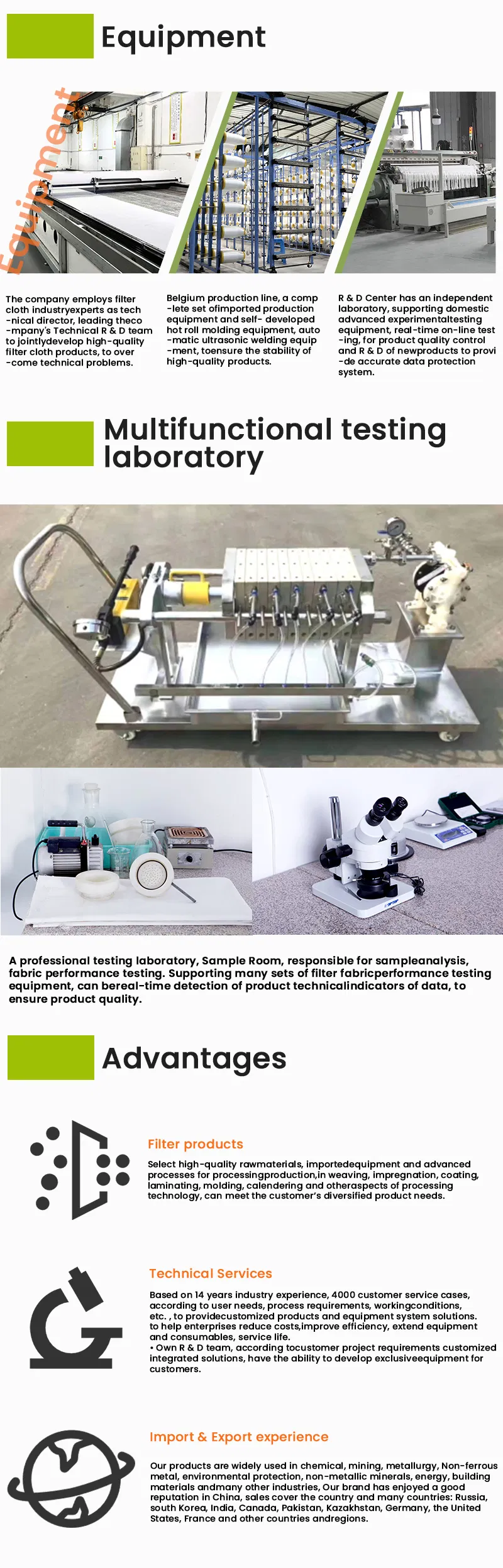
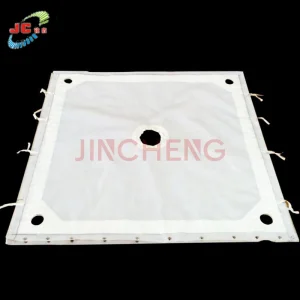
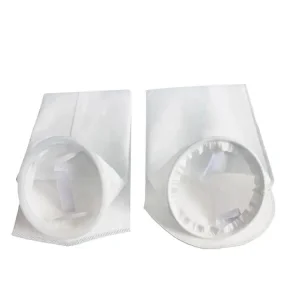
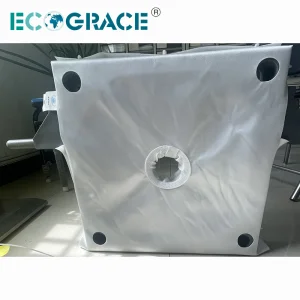
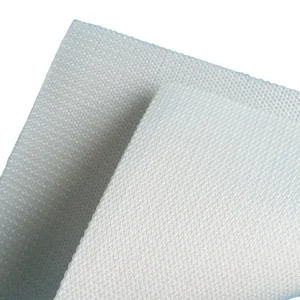
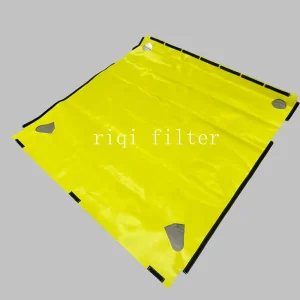
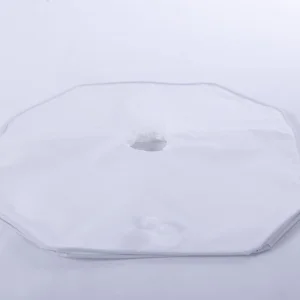
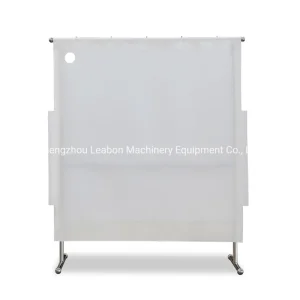
Polyester PP Filter Press Cloth Manufacturer Price China Filter Material Cloth

Still deciding? Get samples of $ !
Order Sample

Product Description

Basic Specifications
Model NO.
TNN10
Type
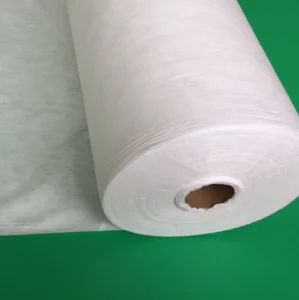
Filter Felt
Hole Shape
Round
Paper Type
Qualitative
Application
Insulation, Waterproof, Water Filter
OEM/ODM
Available
Package Size
100cm * 50cm * 100cm
Lead Time
15-20 Days
Polypropylene (PP) Filter Series
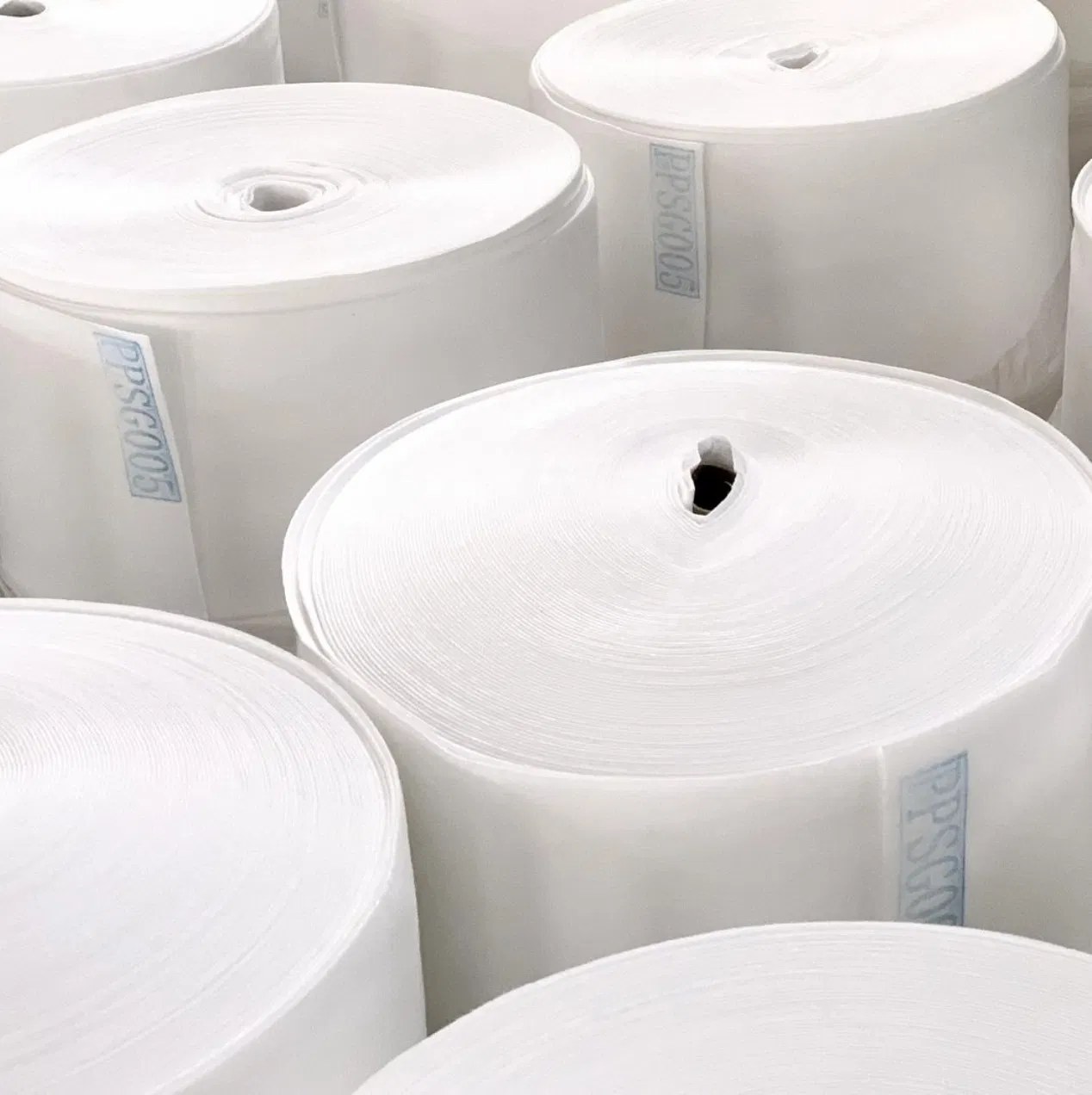
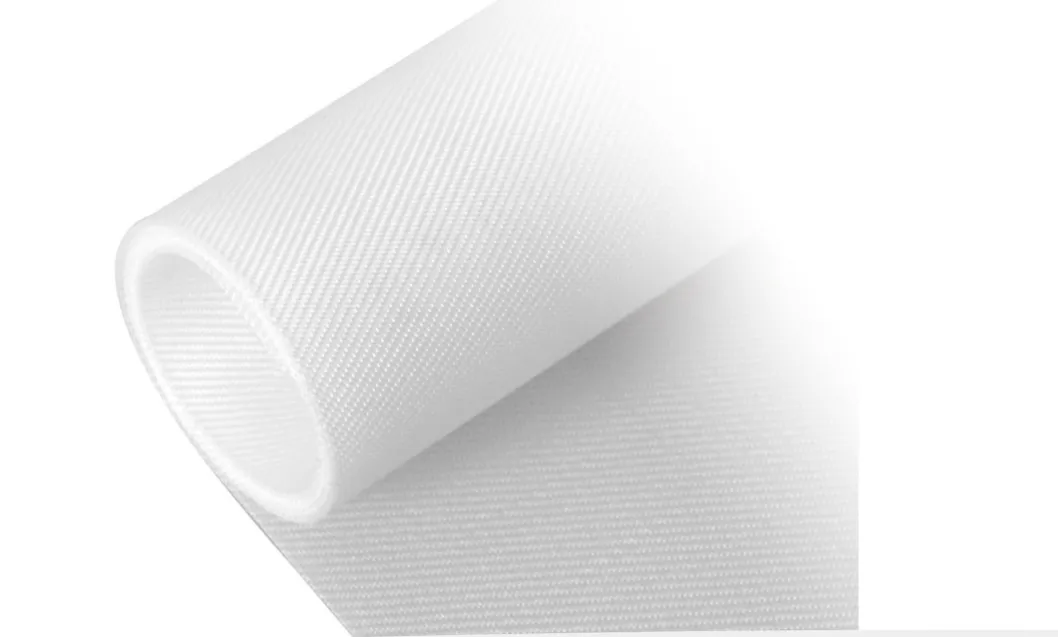
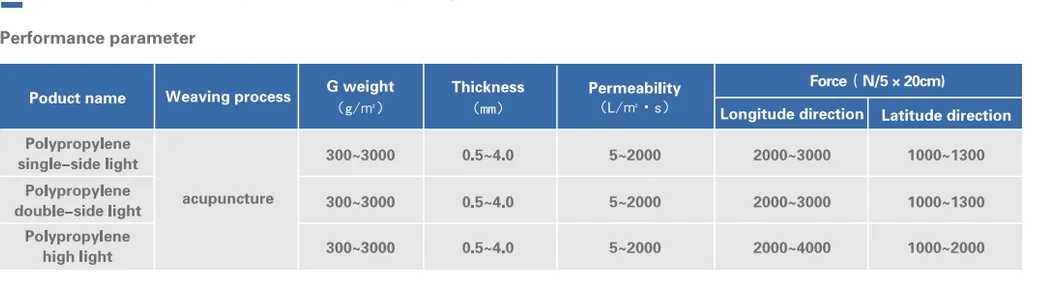
Polypropylene Filter Cloth

Product Category: Filament fiber, staple fiber, monofilament, and multifilament.

Application Field: Chemical pharmaceutical, mineral processing, environmental protection, smelting, ceramics, and food industries.
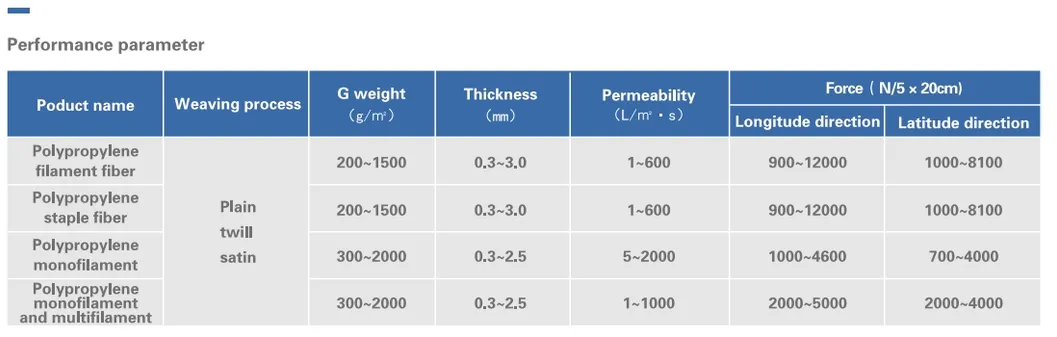
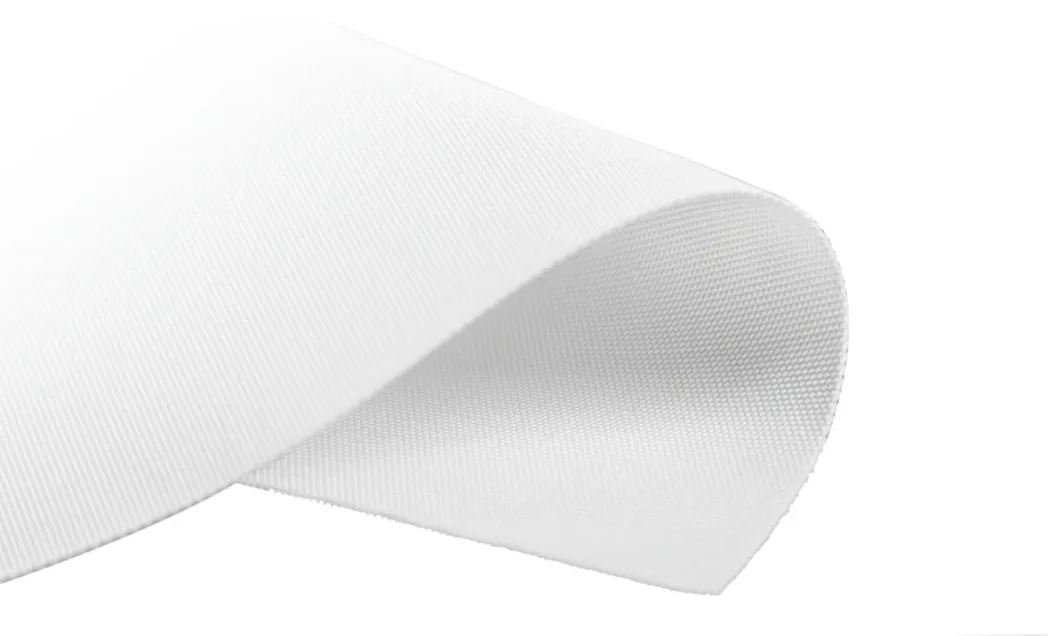
Key Features: Good resistance to strong alkali and weak acid. Features fast filtering speed, stable dimensional stability, and excellent cake stripping effect. Smooth surface with superior air permeability.
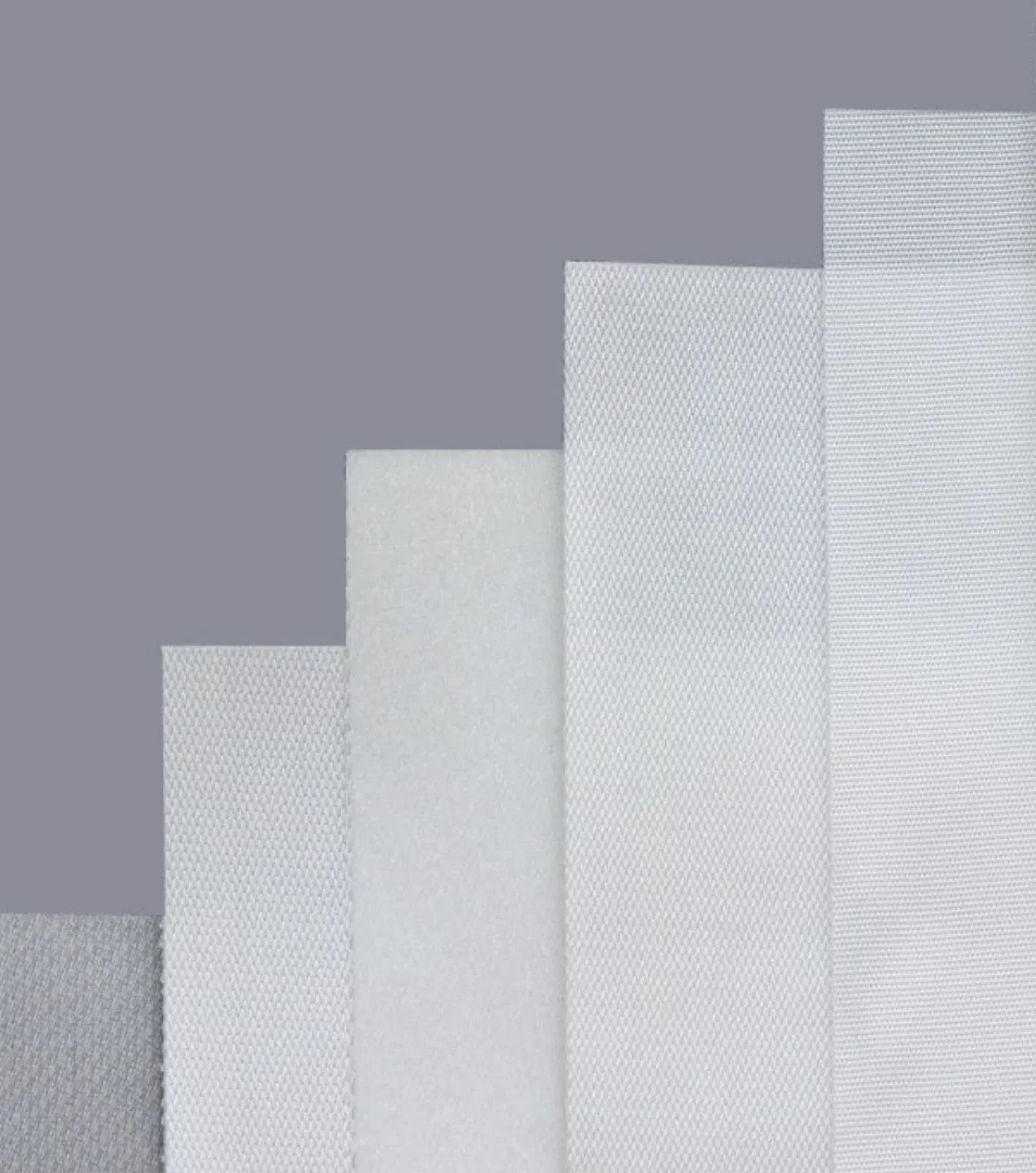
Filter Material 1
Filter Material 2
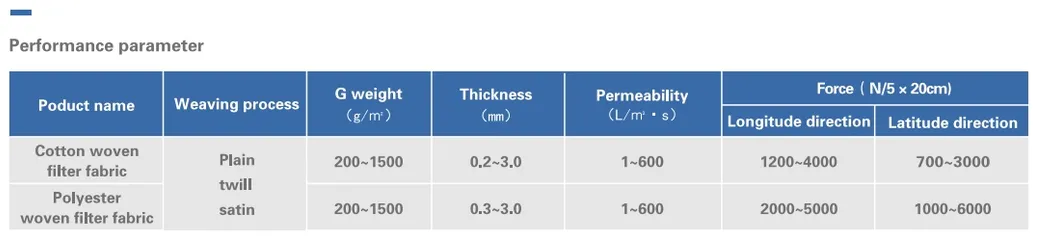
Polyester (PES) Woven Filter Fabric

Product Category: Polyester filament, staple, and monofilament.

Performance: Heat resistant up to 130°C. Resistant to strong acid and weak alkali. High strength and good breathability.
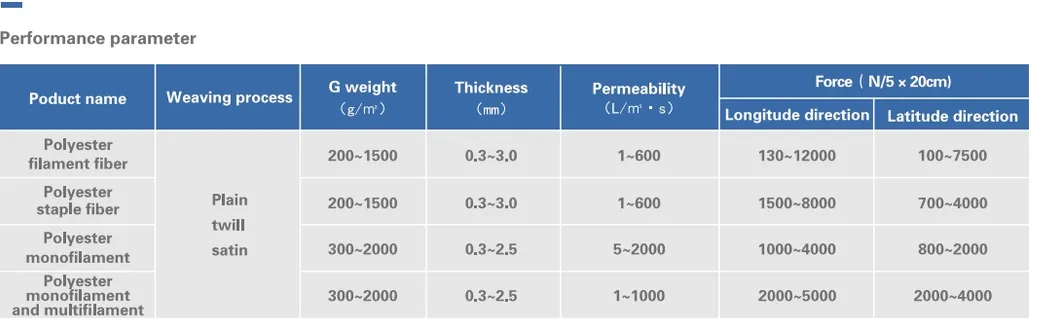
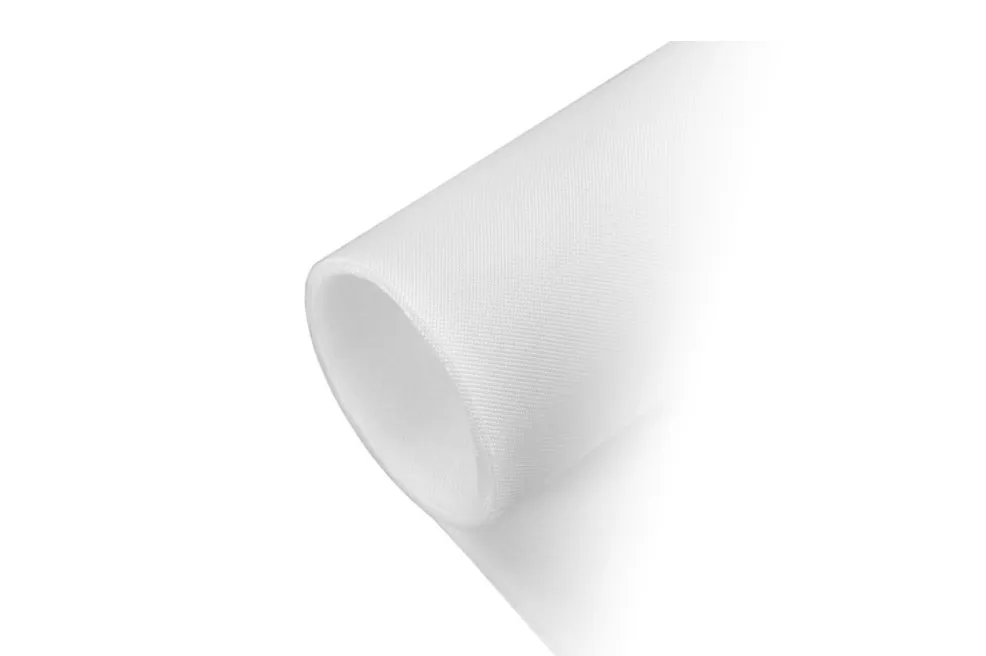
Advantages: Excellent wear and corrosion resistance. Polyester filament provides a smooth surface for easy cleaning and high strength water permeability.
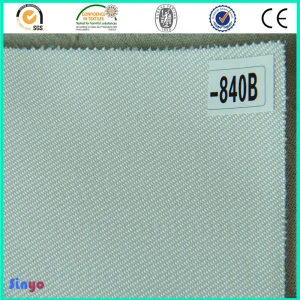
Polyester Filter Fabric
Nylon (Polyamide) Filter Fabric
Nylon Filter Fabric

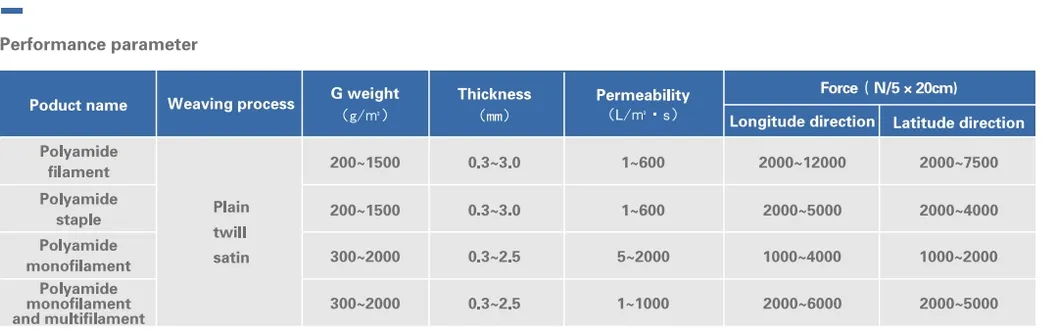
Usage: Rubber, ceramics, pharmaceutical, and metallurgy.

Characteristics: Strongest fiber strength. Superior wear resistance. Heat resistant to 180°C. Nylon monofilament offers stable filtering speeds and excellent trapping effects.
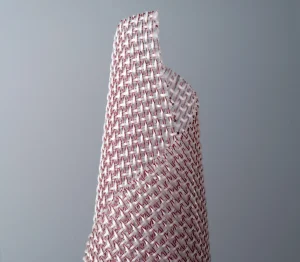
Nylon Mesh
Nylon Detail
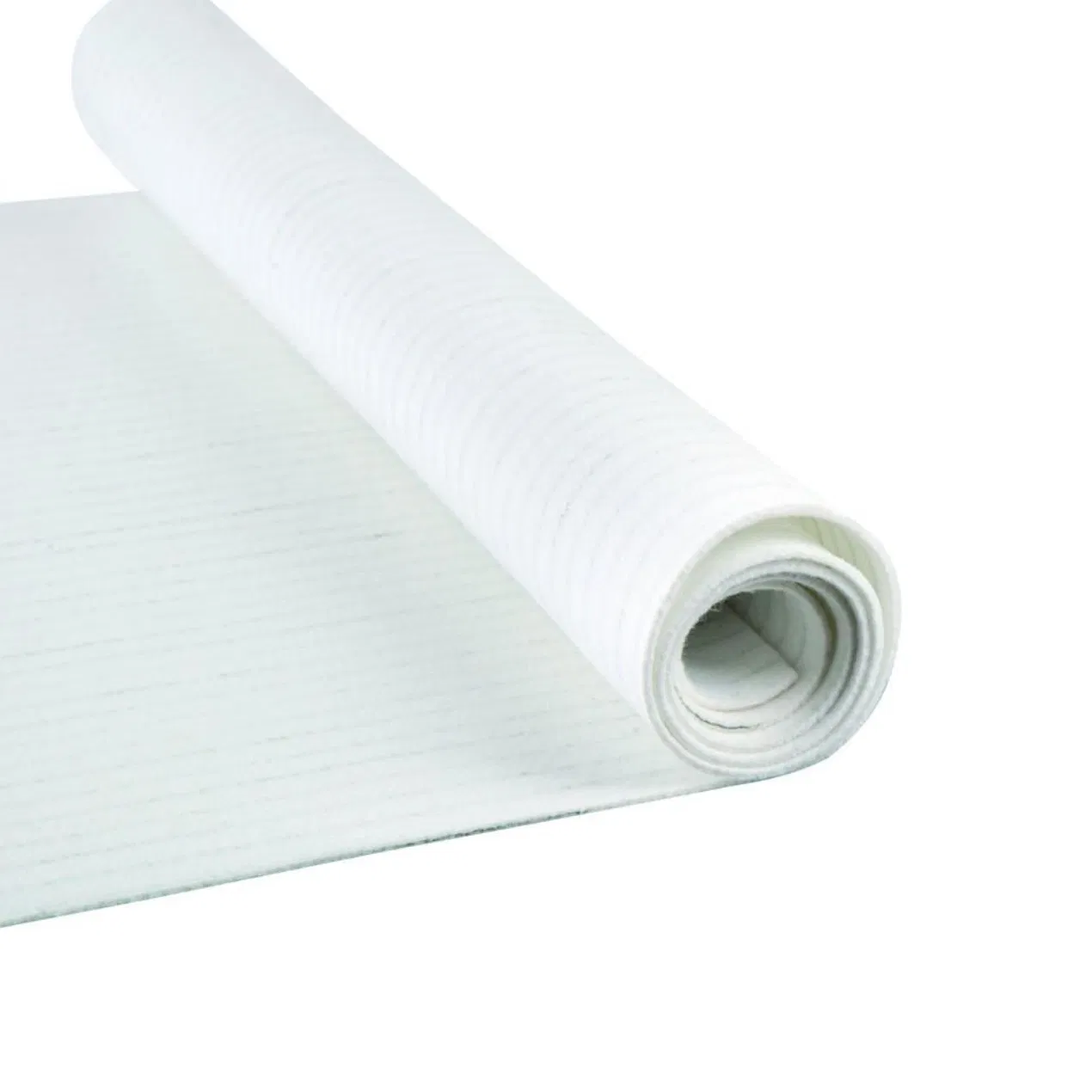
Cotton & Polypropylene Needled Felt

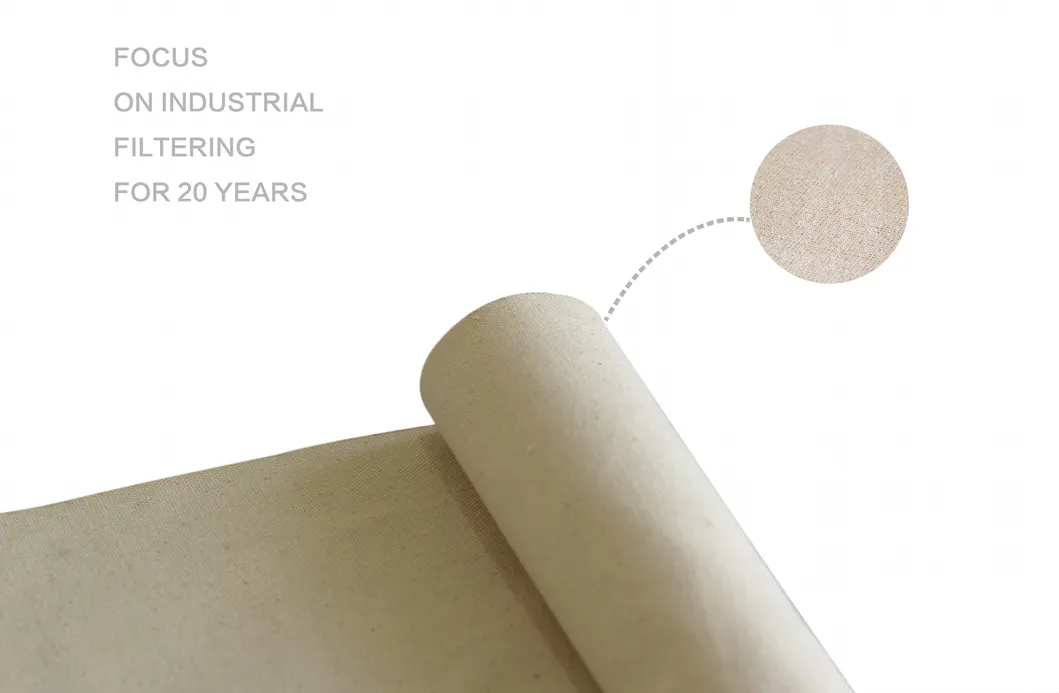
Cotton Woven: Highly heat resistant (up to 110°C) and washable. Ideal for chemical, sugar, and paint industries.

PP Needled Felt: Three-dimensional filtration layer for high efficiency and accuracy. High tensile strength and uniform micropore distribution.
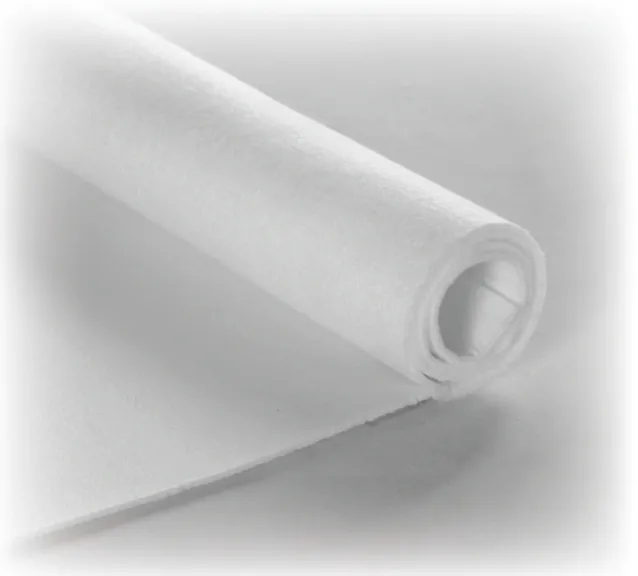
Needled Felt
Cotton Fabric
Needled Felt Roll
Technical Parameters
Gram Weight (g/m²) Thickness (mm) Breaking Strength (kn/m) CBR Burst Strength (KN) Elongation at Break (%) Tear Strength (KN) Sieve Size O99 (mm)
1000.92.50.325-1000.080.07-2.0
2001.76.50.925-1000.160.07-2.0
3002.49.51.525-1000.240.07-2.0
4003.012.52.125-1000.330.07-2.0
5003.616.02.725-1000.420.07-2.0
8005.025.04.025-1000.600.07-2.0
Application Scenarios
Factory Application 1
Factory Application 2
Frequently Asked Questions
Q: How to choose the right product for filtration?
Consider factors such as application environment, required particle size selection, working temperature, pH value of the liquid, and the type of filter machine used.
Q: What is the significance of the pH value in material selection?
The pH value determines the chemical compatibility of the filter cloth. For example, Polypropylene (PP) works across a wide range, while Polyester (PES) is generally recommended for pH levels between 3 and 9.
Q: What are the main materials used for industrial filter cloths?
Common materials include Polypropylene, Polyester, Nylon, Vinylon, Aramid, and Full-Cotton. Polypropylene and Polyester are the most widely used due to their versatile properties.
Q: What are the primary applications of these filter fabrics?
They are primarily used for liquid-solid separation in mining, chemicals, and food industries, as well as gas-solid separation for flue gas dust removal in steelworks and foundries.
Q: What is the difference between monofilament and multifilament yarns?
Monofilament consists of a single continuous fiber, providing high separation efficiency and easy cake stripping. Multifilament yarns consist of a bundle of slender filaments, offering different levels of permeability and strength.
Q: What is defined as breaking strength?
Breaking strength is the maximum force applied to the material during the process of pulling it to the point of failure. It is a critical metric for determining the durability of the filter cloth.

Related Products