In modern process engineering, solid-liquid separation represents a critical phase that directly dictates operational profitability, environmental compliance, and process efficiency. Global procurement teams face the daunting challenge of sourcing industrial filtration equipment that balances heavy-duty performance with dynamic adaptability. Key selection drivers have expanded past basic unit pricing, centering instead on total cost of ownership (TCO), long-term thermal-chemical structural stability, and modular configurations.
From chemical refining lines in North America to massive tailing containment systems in South America, process plants require reliable filtration substrates. An optimal system must offer rapid cycle speeds, optimal moisture expression (cake dryness), and minimum cloth blinding. For industrial buyers, the priority lies in finding a partner capable of tailoring pore dimensions, polymer fabrics, structural plates, and full machinery control interfaces to match highly variable feed slurries.
Experienced EPC contractors look beyond standard catalogue specifications. Slurry behavior under high compaction pressures (up to 25 bar for high-pressure membrane squeeze) requires precise alignment between the polymer feed chemistry and the structural plates. Factors such as wash efficiency, coefficient of thermal expansion of the filter plates, and weave structural density must be carefully measured before choosing an OEM/ODM provider.
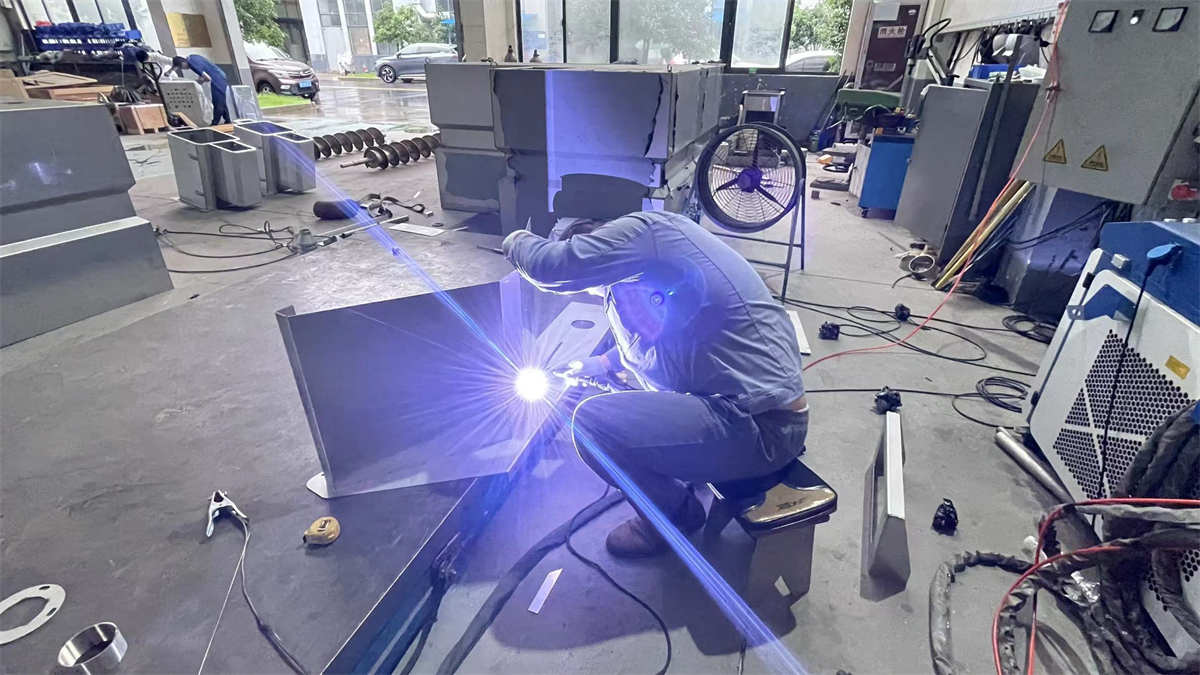
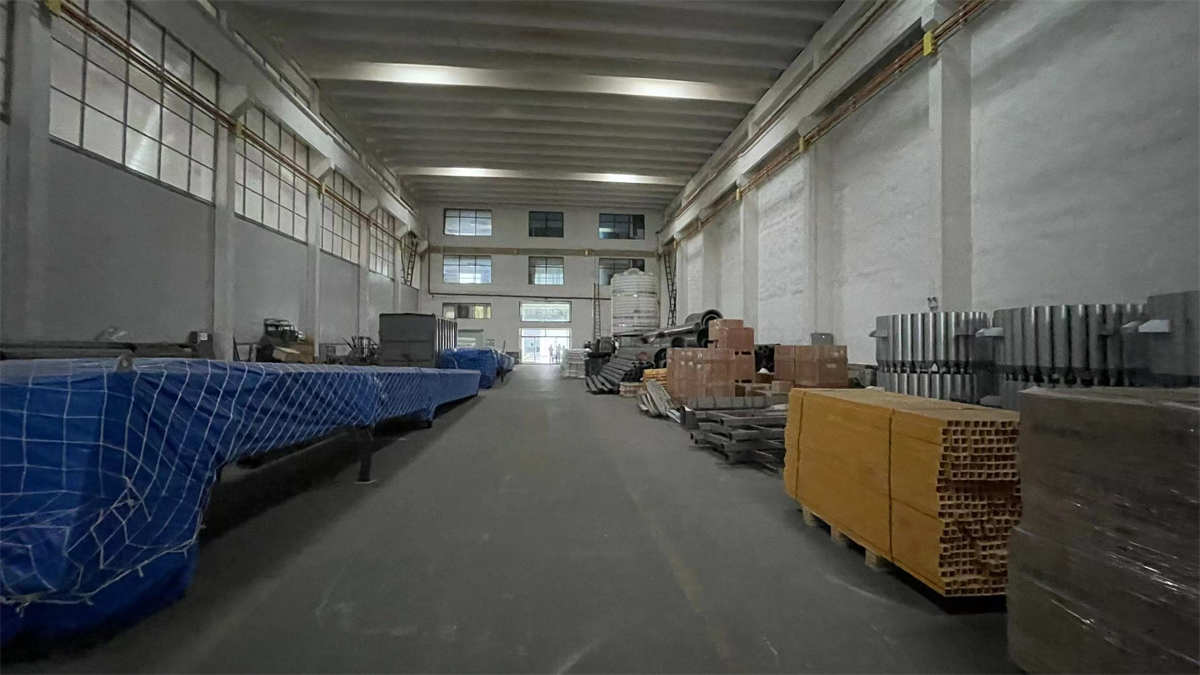
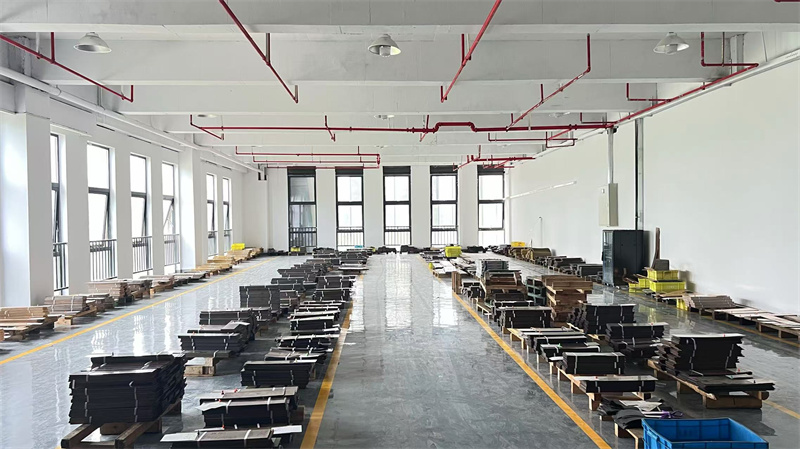
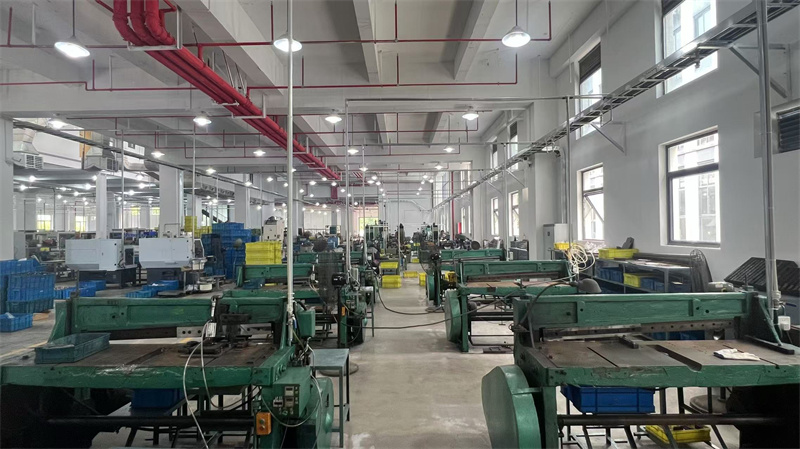
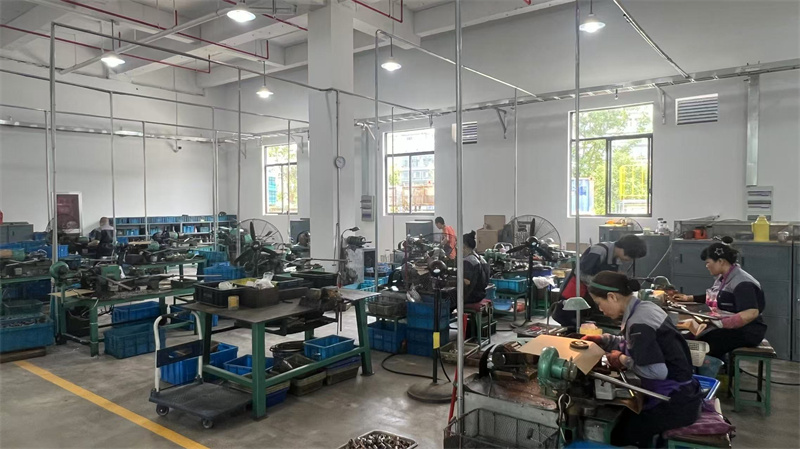
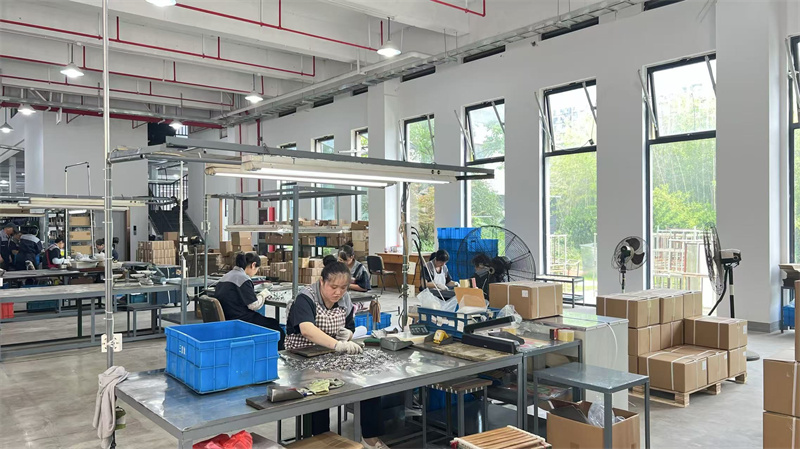
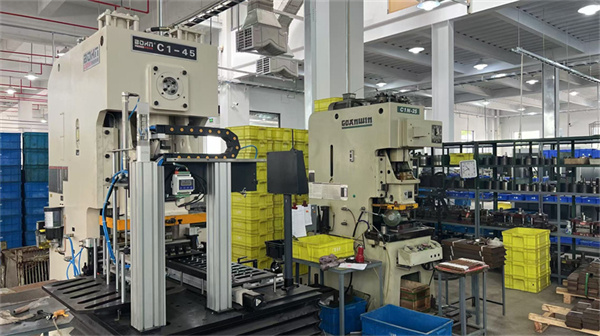
Changzhou Jovios Equipment Co., Ltd. stands as a premier manufacturer and integrated solution provider specializing in solid-liquid separation machinery and environmental protection technology. Situated within the highly connected Changzhou National High-tech Industrial Development Zone, Jiangsu Province, China, our company runs a high-efficiency manufacturing plant spanning 50,000 square meters. We leverage advanced automated fabrication tools, heavy CNC machining cells, and specialized testing labs to deliver consistent operational quality.
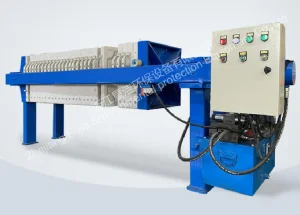
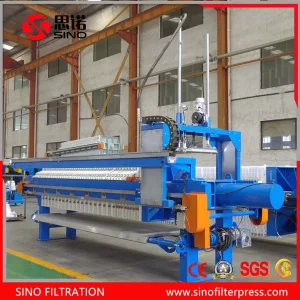
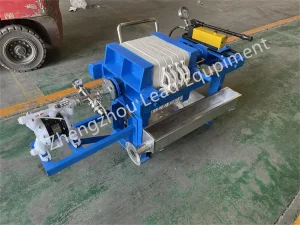
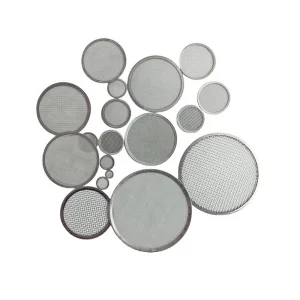
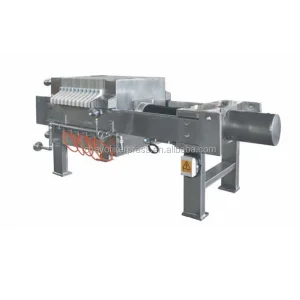
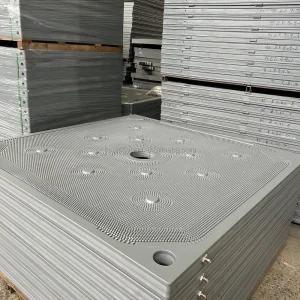
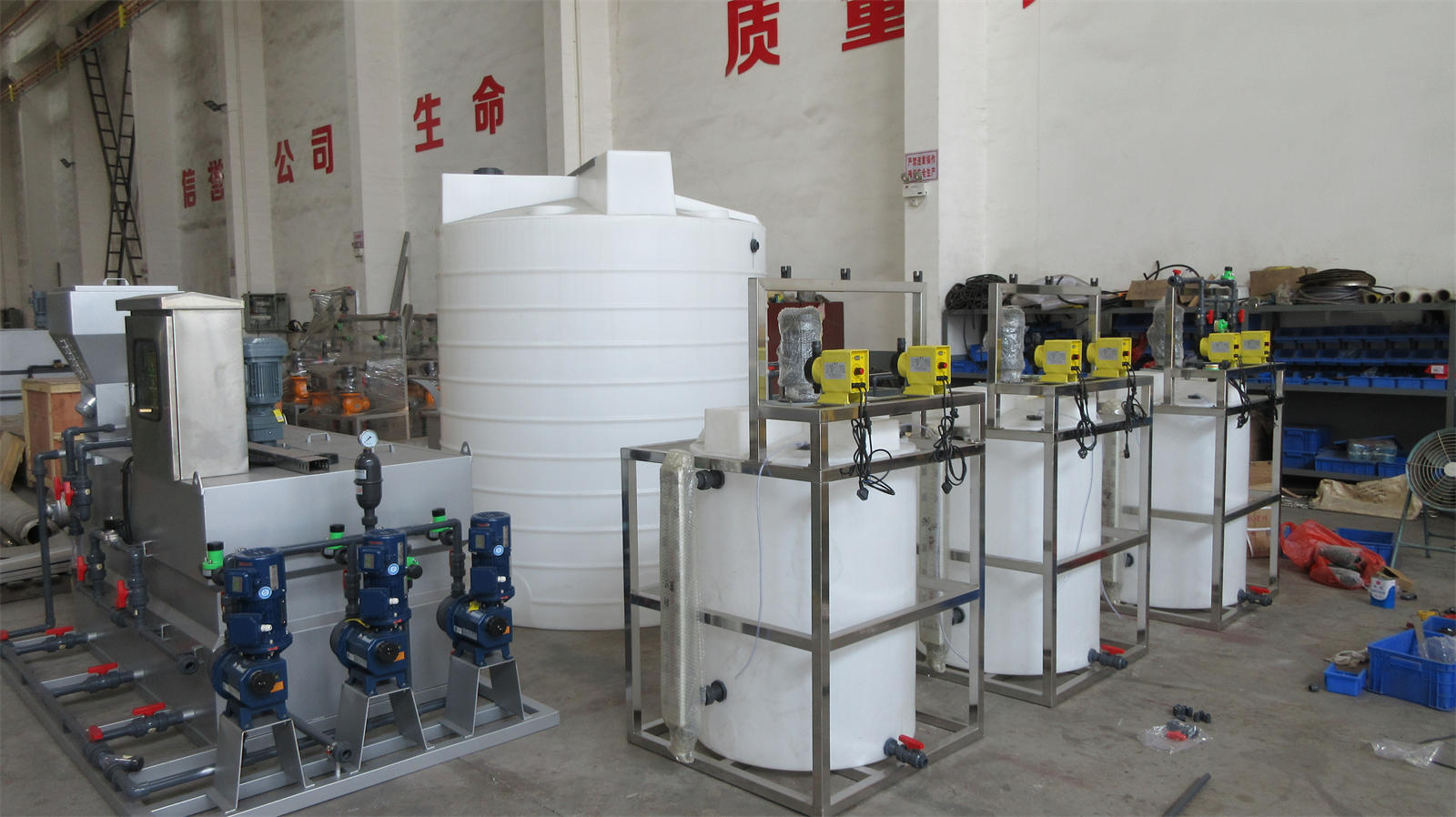
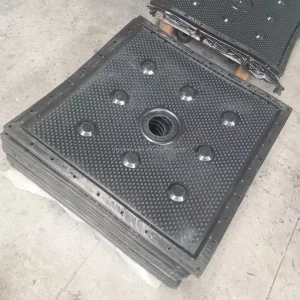
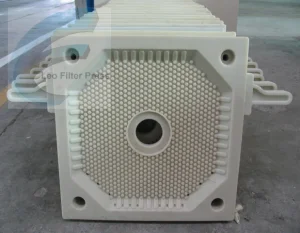
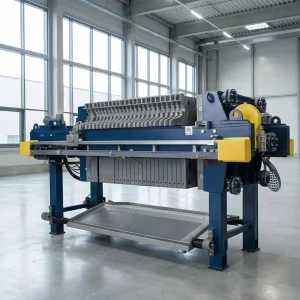
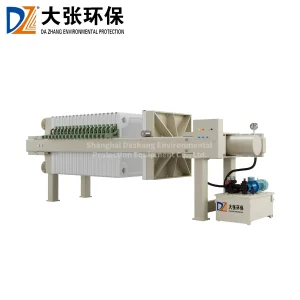
Jovios leads the market by offering deep engineering support alongside comprehensive custom design. We manufacture everything from basic plate and frame systems to automatic, high-capacity, membrane-press setups, supplemented by custom-developed filter plates and specialty filter cloths. Delivering over 1,000 systems every year, our configurations support heavy chemical processing, oil/petrochemical refining, municipal sludge management, mineral tailing recovery, pharmaceuticals, and food/beverage operations.
Our commitment reaches beyond hardware fabrication. Jovios engineers complete turn-key packages that include initial slurry assessment, pilot-scale testing, full design coordination, mechanical integration, plant commissioning, and ongoing maintenance support. Partnering with top academic institutes in solid-liquid separation, our 30+ member engineering unit works continuously to introduce advanced designs in hydraulic automation, control platforms, and long-life polymers.
The next decade of industrial filtration focuses on automation, sustainability, and high-performance material science. Industrial process plants require systems that can adapt to feed slurry variability in real time while reducing energy and water footprint. Below is our engineering roadmap outlining the structural advancements we are bringing to the field.
Development of composite filter media featuring nano-coatings that prevent cake blinding and resist chemical degradation. These structures are designed to withstand exposure to organic solvents, high temperatures, and extreme pH ranges (1 to 14) without losing mechanical strength or separation accuracy.
Integrating smart sensors directly into the filter plates to measure cake thickness, moisture levels, and hydraulic pressure in real time. Advanced automation loops adjust cycle parameters automatically, reducing cycle times and optimizing cake washing efficiency without needing manual supervision.
Maximizing cake dryness through high-pressure gas purge systems and mechanical membrane compression. Our target is to achieve cake dry solids levels above 85% for common municipal and industrial sludges, helping processing plants transition to energy-efficient zero liquid discharge operations.
Industrial process streams vary significantly between industries. Sourcing the right filtration setup requires understanding the chemical and mechanical demands of the target process stream.
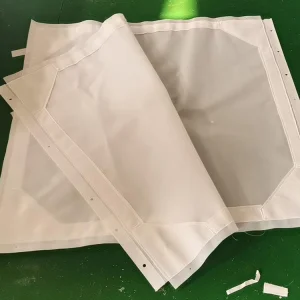
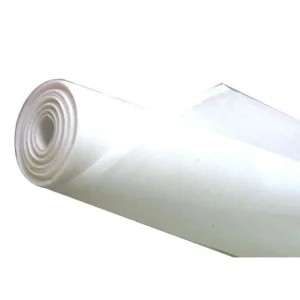
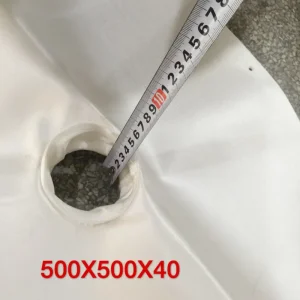
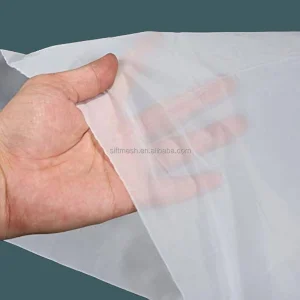
Our polyester filter cloths and specialized plates are engineered for chemical stability under high operational temperatures and corrosive conditions, ensuring high recovery rates for catalysts and organic pigments.
Automated high-capacity chamber and membrane presses deliver fast throughput and dry filter cakes, lowering municipal hauling and disposal costs.
We manufacture FDA-compliant PA66 nylon fabrics and sanitary grade filter presses to meet hygiene standards for food starch, sugar, syrup, and soy milk processing.
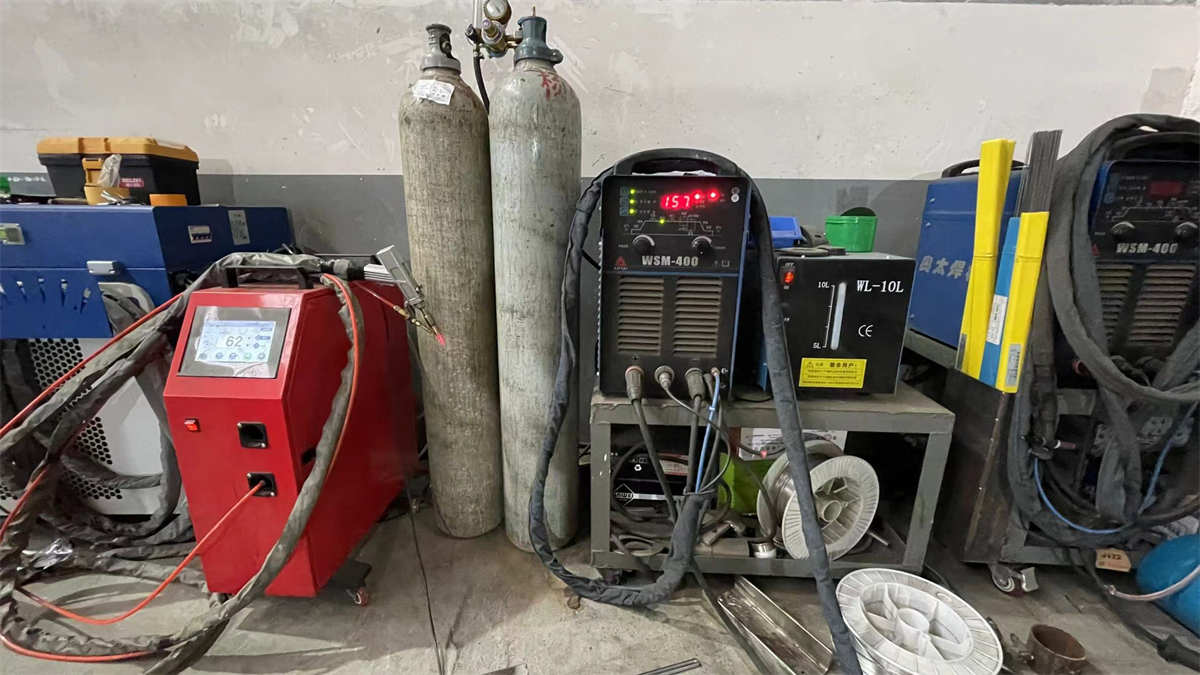
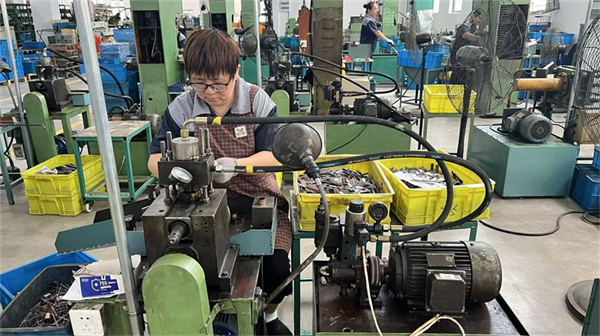
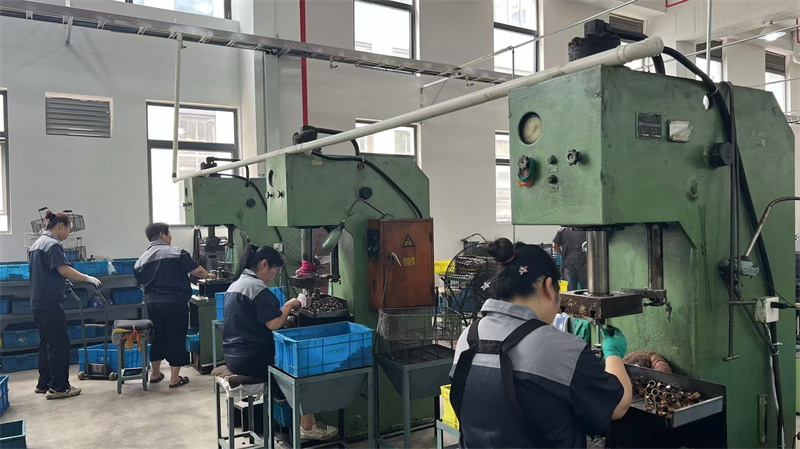
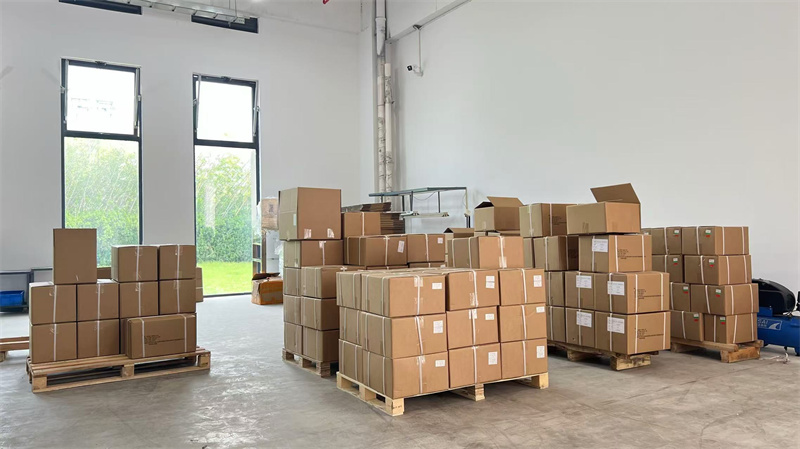
By utilizing localized manufacturing in Changzhou's industrial hub, Jovios benefits from raw material access, integrated supply chains, and specialized fabrication expertise. Our production base is equipped with automated plate molding lines, heavy-duty mechanical frame fabrication machinery, and clean room facilities for filter media production. This level of vertical integration allows us to offer shorter lead times and consistent product quality for global buyers.
Choosing the correct polymer and weave structure is vital to avoid premature fabric failure and blinding. Below is a comparative guide of common filtration materials used in industrial operations:
| Material Class | Temperature Range | pH Resistance Range | Tensile Strength | Best Applied Industries |
|---|---|---|---|---|
| PA66 Nylon | Up to 120°C | 4 - 14 (Excellent in alkaline) | Extremely High | Food processing (Soy Milk), Milling, Mining slurries |
| Polyester (PET) | Up to 150°C | 1 - 9 (Excellent in acids) | High | Petroleum, Lubricants extraction, Chemical processing |
| Polypropylene (PP) | Up to 90°C | 1 - 14 (Broad chemical resistance) | Medium-High | Corrosive chemicals, Municipal sewage sludge |
Operating in the global process sector requires adhering to strict regulatory standards. Jovios ensures that our OEM/ODM machinery complies with national and international pressure vessel directives, electric safety guidelines, and environmental frameworks. Our systems carry CE marks, comply with ASME design criteria for pressure components, and are built within an ISO 9001:2015 quality management framework.
To support international engineering companies, we maintain dedicated documentation packages, offering full traceability of materials, weld qualification records, and non-destructive testing (NDT) reports. For food and pharmaceutical applications, our filter cloths (such as our food-grade PA66 nylon fabrics) comply with FDA and EU regulations for direct food-contact surfaces.
Our global engineering network provides support throughout the project lifecycle. From initial material testing in our testing labs to local installation supervision, PLC programming adjustments, and fast spare parts delivery, we help you maintain system uptime and high filtration efficiency.
 Jovios Equipment