Engineered for extreme workloads, maximum dry cake solid discharge, and superior long-term chemical compatibility in demanding settings.
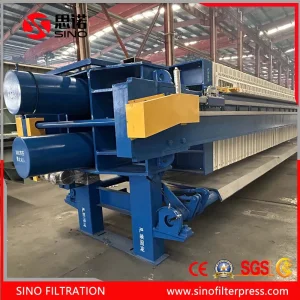
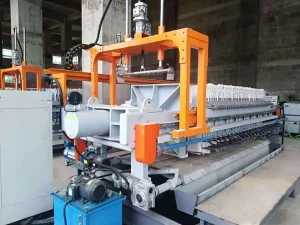
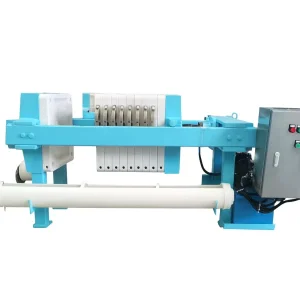
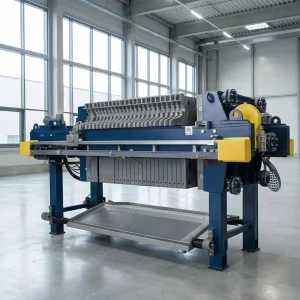
Sqm Modern Manufacturing Base
Maximum Squeezing Pressure
Senior R&D Engineers
Annual Filter Press Production
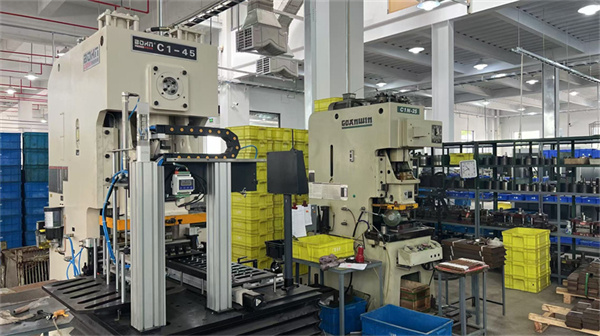
Changzhou Jovios Equipment Co., Ltd. is a high-ranking professional manufacturer and complete solution provider specializing in solid-liquid separation, high-pressure hydraulic filtration machinery, and ecological protection equipment. Located strategically in the Changzhou National High-tech Industrial Development Zone, Jiangsu Province, China, our company boasts a massive manufacturing facility spanning over 50,000 square meters. It is outfitted with heavy-duty robotic tooling, precision fabrication bays, and a comprehensive quality inspection complex to ensure peerless engineering reliability.
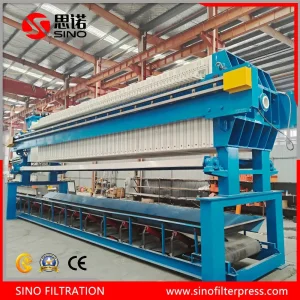
We independently oversee the entire lifecycle—concept design, material verification, hydraulic system integration, production, and field commissioning—of our expansive product lines. This includes automatic chamber and membrane filter presses, plate and frame filter systems, intelligent automated dewatering stations, as well as ultra-durable engineering filter plates and weave-tailored filter cloths.
"We strive to engineer highly efficient, energy-saving, and eco-friendly separation systems. Through continuous thermodynamic and fluid mechanical innovations, we empower global processing enterprises to reduce operations budgets, optimize dry cake production, and reach stringent ESG compliance standards."
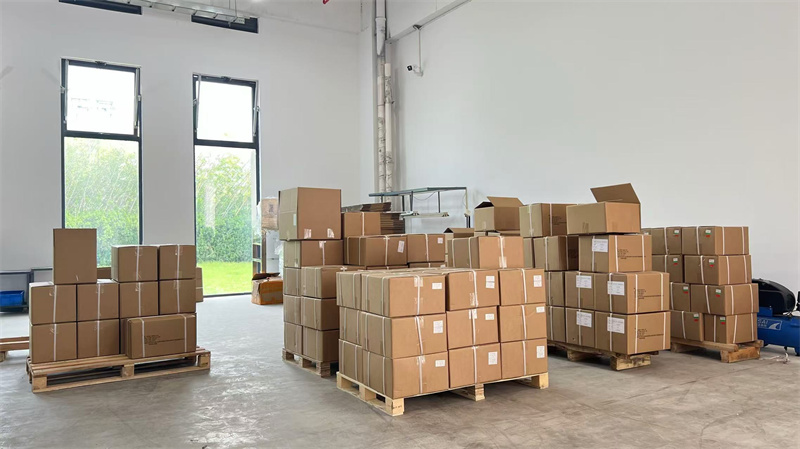
How micro-precision hydraulic pressing and optimized filter media are solving global resource recovery challenges and meeting zero-liquid-discharge (ZLD) mandates.
Mining and smelting sectors globally face strict zero-liquid-discharge rules. Our high-pressure membrane chambers recover up to 98% of process water directly for closed-loop recycling.
Lowering the thermal load by mechanical squeezing at 6.0 MPa significantly reduces fuel consumption in downstream waste incinerators or mineral kiln drying loops.
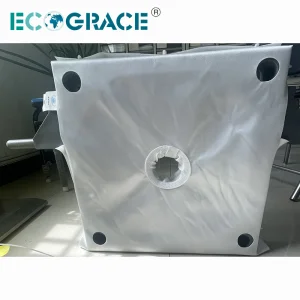
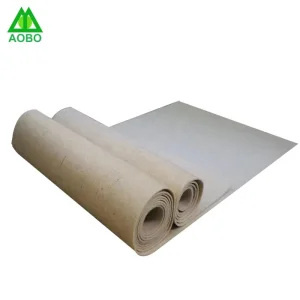
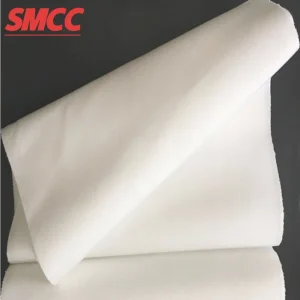
By selecting high-tech elastomers, reinforced polypropylene, Nomex, Ryton, and special weave filter media, our systems run reliably in severe acid, alkali, and thermal environments.
Modern cake dewatering has transitioned from conventional passive gravity and medium-pressure separation to active, mechanically driven high-pressure cake compaction. In hydraulic filter presses, the physical structure of the sludge or mineral concentrate cake determines the moisture retention characteristics. Conventional plate filter presses rely strictly on the feed pump's hydraulic head (typically 0.6 to 1.0 MPa) to squeeze water out. However, this method leaves substantial interstitial water inside the filter cake capillary structures.
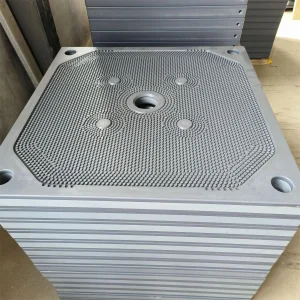
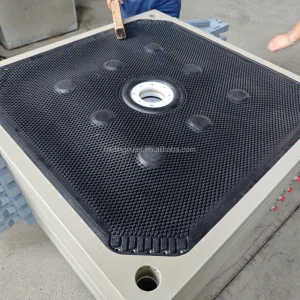
By incorporating the New BOYAN 6.0 MPa High-Performance Membrane Chamber Plates, our filtration systems initiate a secondary physical squeezing phase. After the slurry chamber is filled, an external pressurized fluid (such as high-pressure water or air) is injected behind the flexible membrane. This inflates the membrane uniformly, reducing the chamber volume and exerting a physical crushing pressure of up to 6.0 MPa (60 Bar) onto the wet filter cake. This high squeezing pressure breaks open colloidal capillary matrices, forcing out intra-particle moisture and reducing the cake's thermal footprint. Consequently, cake moisture drops significantly lower than that achieved by traditional non-membrane chambers.
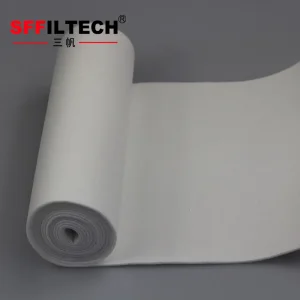
For high-pressure separation to succeed, the chosen filter media must possess excellent structural resilience, chemical stability, and precise pore sizing. Selecting the ideal polymer is vital for continuous operation:
Custom-engineered processing systems that easily integrate with existing operational layouts and comply with demanding regional standards.
Highly abrasive mine tailing concentration, copper/zinc/lead float ore recovery, and coal washery fine-material reclamation. Designed for continuous 24/7 runtimes with automated washing cycles.
Managing highly acidic or alkaline waste streams, salt slurry separations, and organic polymer refining. Outfitted with high-temp, corrosion-resistant PE plates and specialized nonwoven filter fabrics.
Turning difficult-to-treat municipal biological waste sludge into hard, easily handled, low-moisture cakes. This slashes waste volume, dramatically lowering municipal transport and disposal costs.
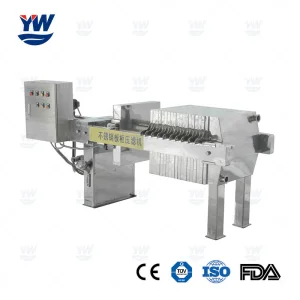
Clean-in-place sanitary designs featuring grade 304/316 stainless steel plate cladding. Exceptional performance for starch dewatering, wine polishing, yeast recovery, and pharmaceutical separations.
Treatment of kaolin clay, waste wash water from quarrying operations, and concrete processing runoff. Delivers rapid cycle times and highly consistent operational performance.
Treating hyper-saline chemical wastewater stream byproducts through high-pressure physical squeezing. Promotes active salt precipitation and allows high-purity water recirculation back into plant loops.
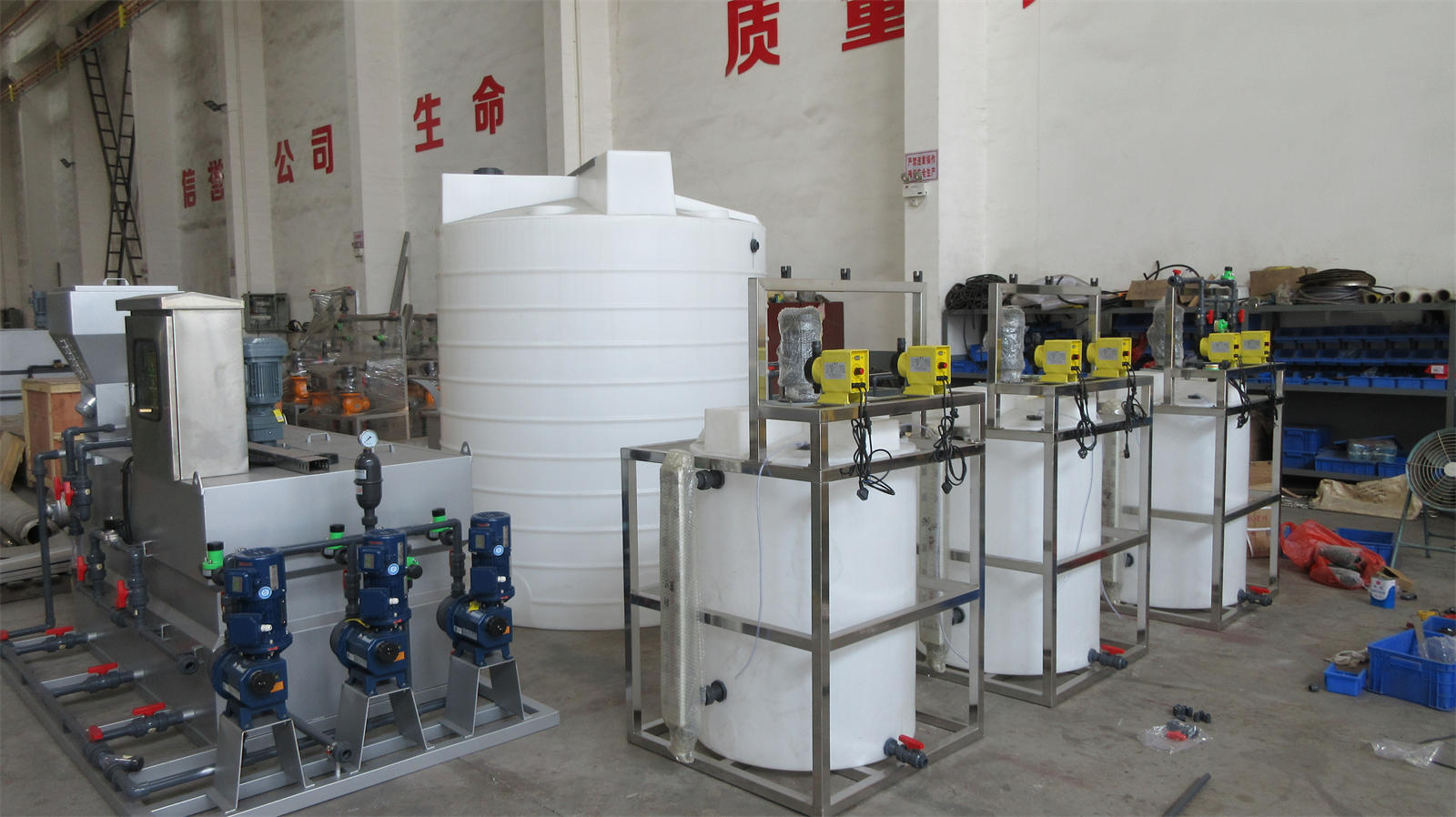
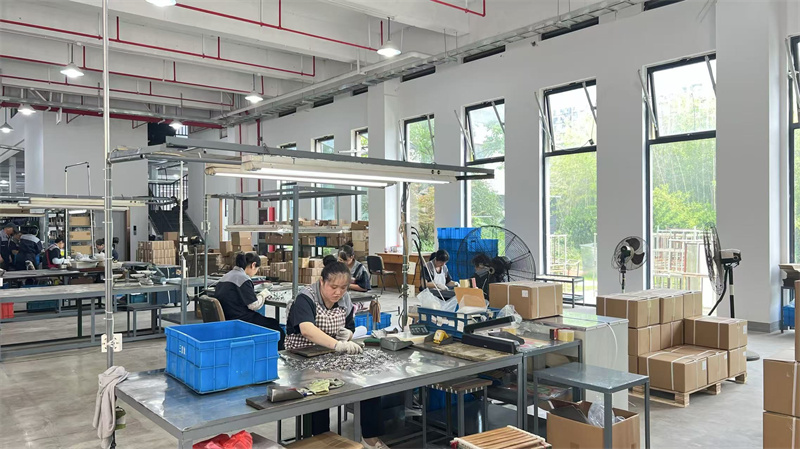
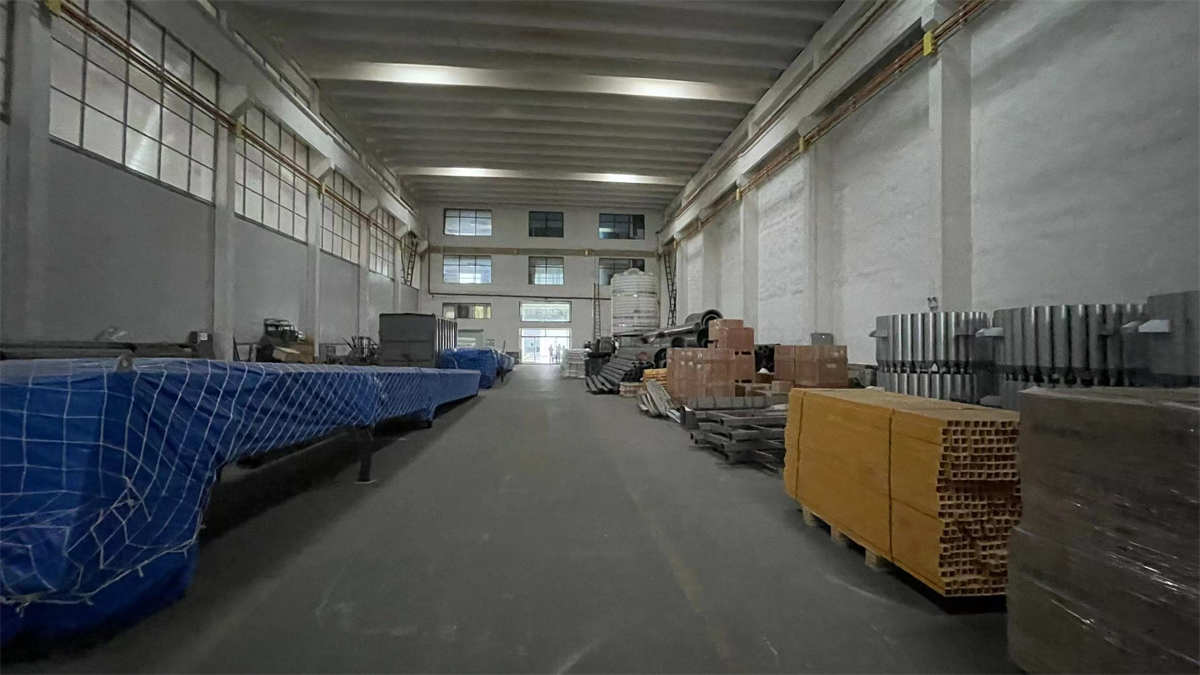
A behind-the-scenes look at our state-of-the-art facility, showcasing the steps we take to guarantee high performance and reliable operation.
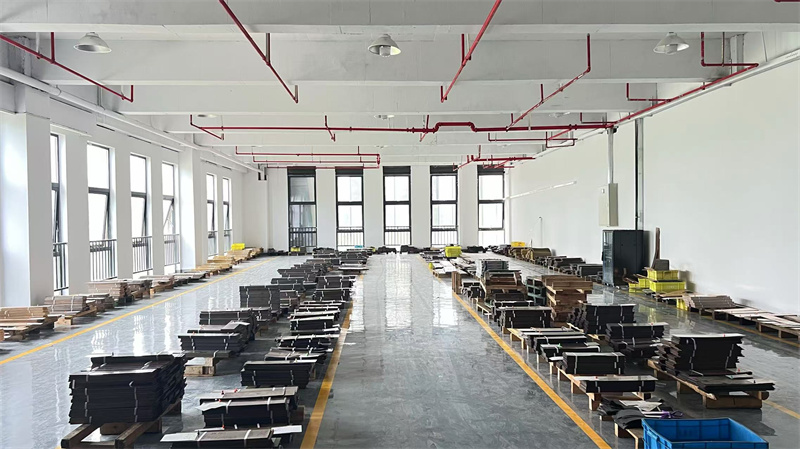
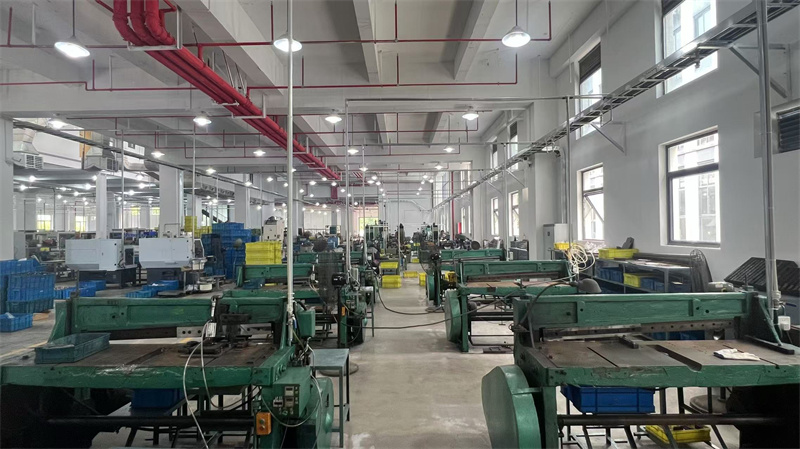
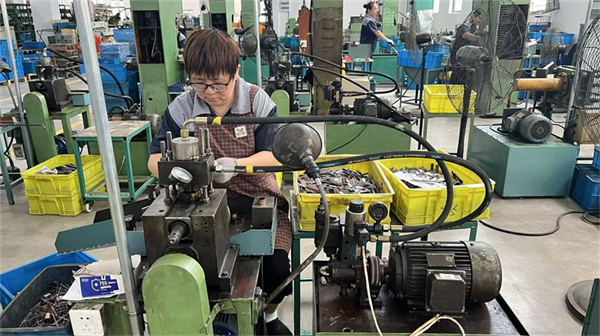
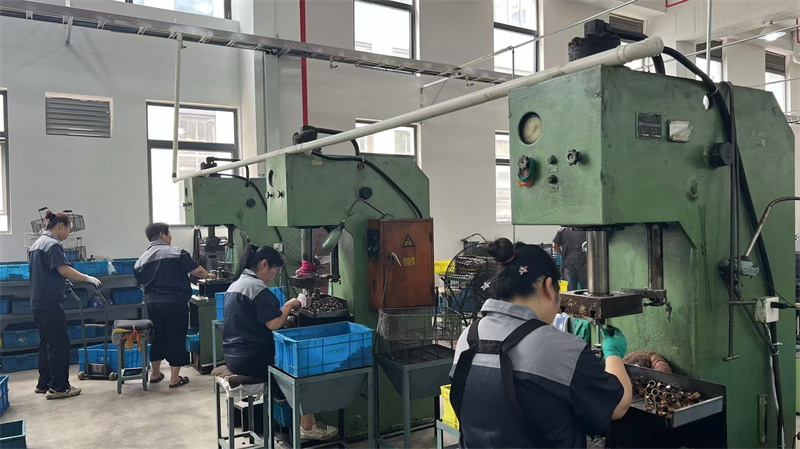
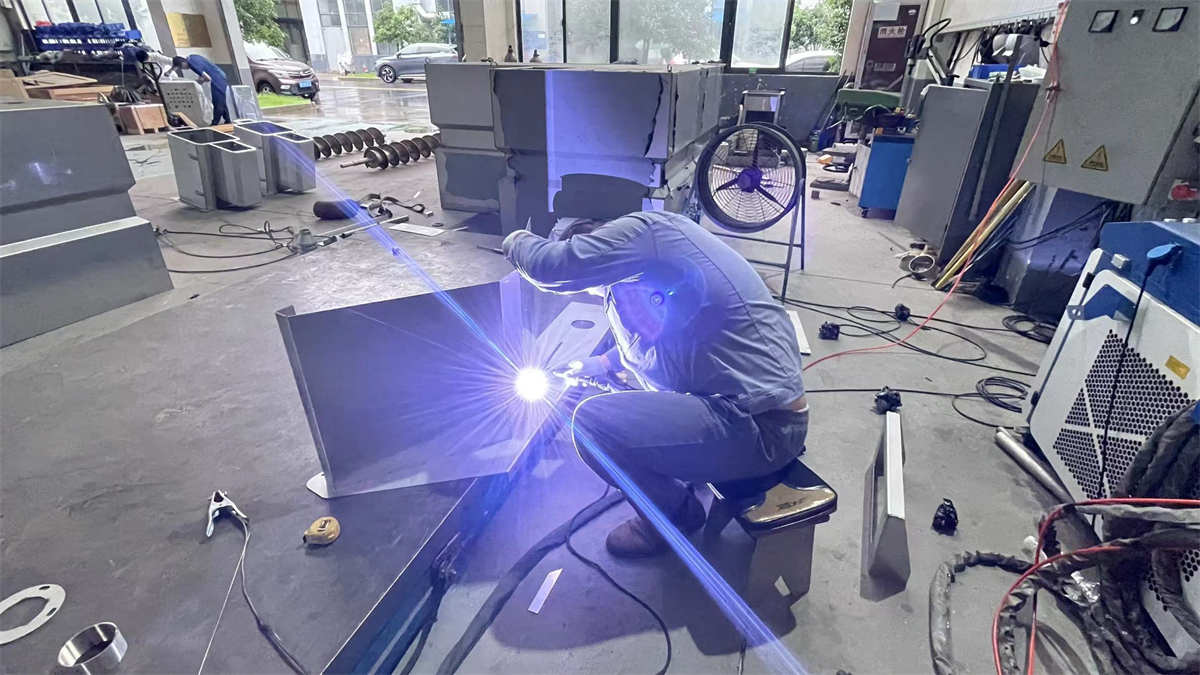
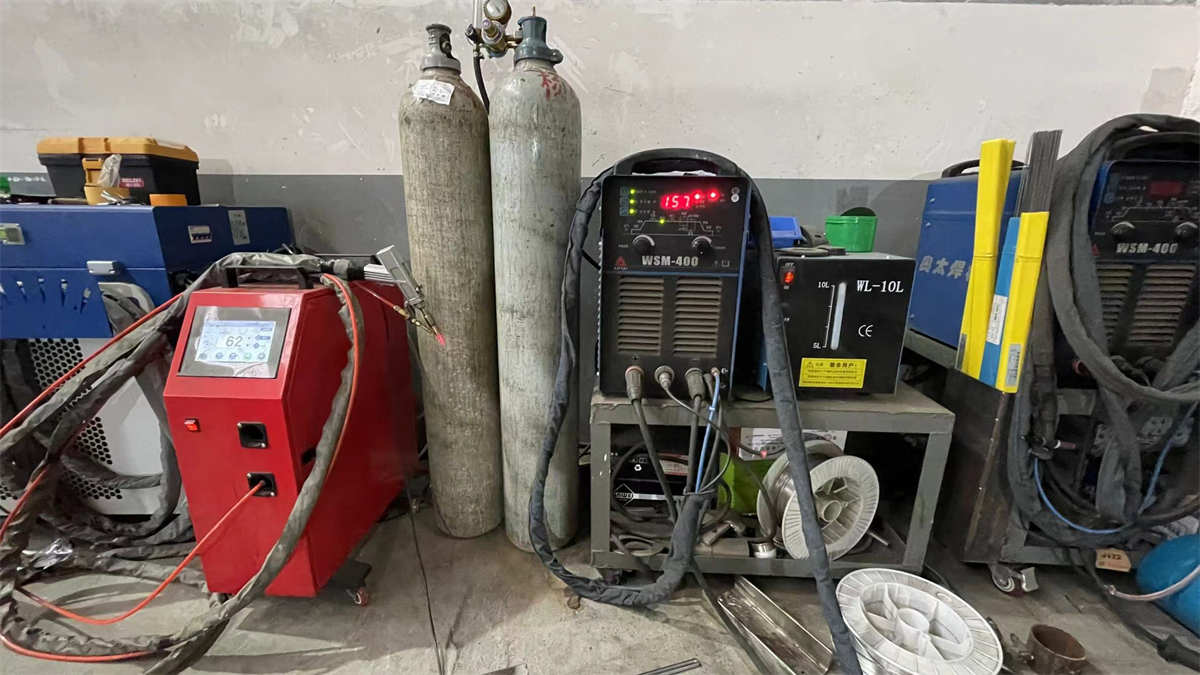
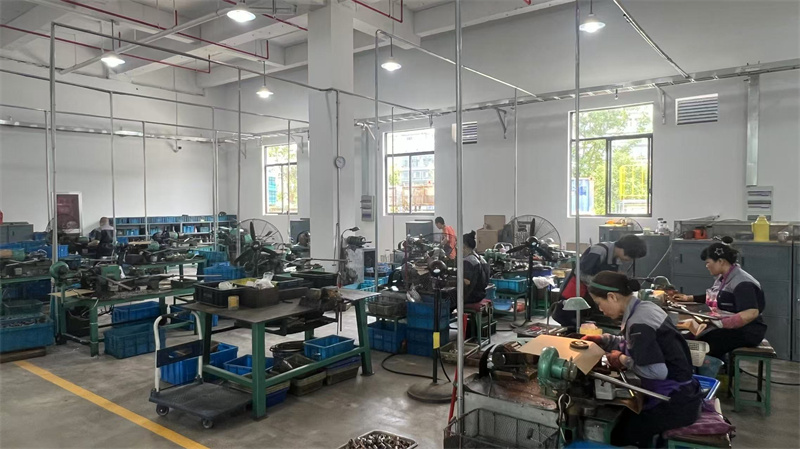
As we transition into the era of Industrial IoT (IIoT), the focus of industrial fluid processing has evolved from simple mechanical squeezing to continuous self-optimizing operations. Changzhou Jovios is leading this shift by developing intelligent closed-loop filtration architectures:
Integrating inline slurry thickness sensors and flow-rate meters directly into our automated filter presses. This dynamic monitoring system continuously calculates and adjusts feed volumes on the fly, preventing feed line clogging and optimizing energy use.
Developing advanced optical vision sensors that inspect the discharge zone during cake drop. The system tracks moisture profiles and discharge times to automatically optimize chamber open/close cycles.
R&D focused on advanced co-polymer membrane materials. Our goal is to extend membrane lifespans past 100,000 cycles under continuous squeezing pressures of up to 6.0 MPa, even in highly alkaline chemical processes.
Developing carbon-neutral drying stages that utilize industrial waste heat loops directly within the filter press chambers. This significantly lowers downstream thermal kiln drying requirements.
We recognize that procurement and installation of heavy-duty industrial separation systems are high-risk decisions. To ensure absolute reliability and project safety, Changzhou Jovios maintains a robust global service network and strict quality control standards:
Addressing the technical, metallurgical, and chemical questions most frequently raised by process engineers and procurement teams.
Q: How does membrane secondary squeezing at 6.0 MPa specifically compare to standard 1.0-1.6 MPa chamber dewatering?
A: Standard chamber filter presses rely solely on the pump pressure to push liquid through the cloth. As solids accumulate, flow rate drops and pressure peaks, leaving a thick, moisture-rich cake. Secondary squeezing at 6.0 MPa physically reduces the internal chamber volume, crushing the cake matrix. This forces out trapped capillary water, dropping moisture levels by 15% to 35% compared to standard systems and reducing energy consumption in downstream thermal drying processes.
Q: Which factors should guide our choice between PA (Polyamide), PP (Polypropylene), and Ryton (PPS) filter cloths?
A: Select PP for general applications, as it has exceptional acid and base chemical compatibility (pH 1–14). For high wear rates and abrasive solids like sharp mineral concentrates, choose PA (Nylon) for its superior mechanical strength and abrasion resistance. When dealing with extreme temperatures above 110°C, highly oxidizing acids, or complex hot chemicals, select Ryton (PPS) or Nomex to prevent premature fiber hydrolysis and fiber degradation.
Q: What steps can we take to prevent high-viscosity municipal slurry from blinding our industrial filter cloths?
A: Filter cloth blinding is usually caused by fine particles lodging within the fabric pores. To prevent this, we recommend choosing our customized double-layer monofilament/multifilament PP filter cloths. Their smooth, polished surfaces facilitate clean cake discharge. This can be combined with automatic clean-in-place (CIP) high-pressure washing systems and optimized flocculation treatment to encourage large, easy-to-filter agglomerations.
Q: How long is the typical operational lifespan of a reinforced polypropylene filter plate under 6.0 MPa squeezing?
A: Our premium reinforced virgin polypropylene filter plates are designed for a service life of over 10 to 15 years when operated within specified temperature limits. To ensure this durability, we use advanced molding presses and high-grade materials to prevent warping, localized stress cracks, and dynamic chemical wear under continuous high-pressure conditions.
Q: Can the automatic plate-pulling and flushing systems run without manual supervision?
A: Yes. Our automated filter presses feature advanced PLC controls. The system automates the entire process: closing the plates, feeding slurry, starting secondary squeezing, opening plates, pulling them sequentially to release cakes, and executing water-curtain wash cycles—all without manual intervention, reducing operational labor and cycle times.
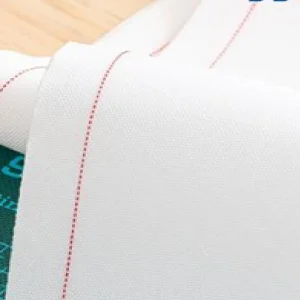
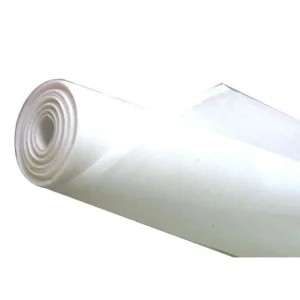
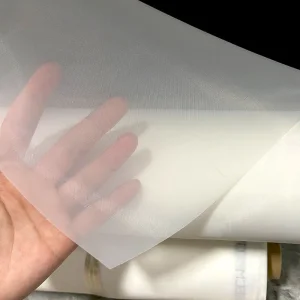
Premium-grade industrial textiles, custom-woven nylon mesh rolls, and specialty chemical-resistant membrane filtration plates.
 Jovios Equipment