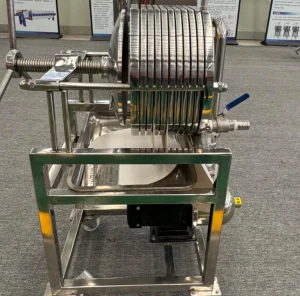
Engineered for high-volume clarifying, precise solid retention, and chemical compatibility in demanding operating environments.
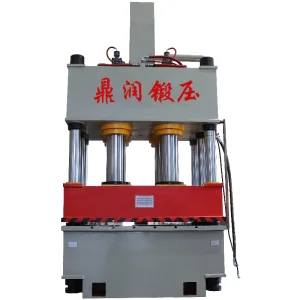
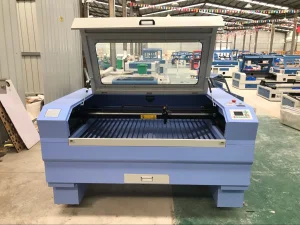
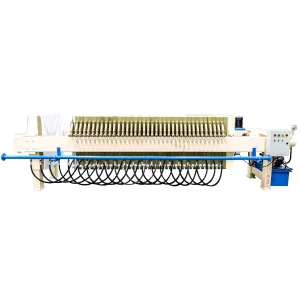
Worldwide industrial infrastructures are undergoing rapid transitions toward sustainable operation, zero liquid discharge (ZLD), and stringent ecological regulations. In this landscape, liquid filtration acts as a primary defense mechanism, protecting processing machinery and preserving environmental health. As a top China liquid filtration manufacturer, Changzhou Jovios Equipment Co., Ltd. combines advanced material science and hydraulic engineering to address these global dynamics.
From high-temperature acidic chemical plants in Western Europe to complex mining tailings facilities in South America, modern operators require durable components. Standard filtration methodologies are evolving into high-precision, automated membrane and mechanical systems. These solutions optimize dry-cake output, facilitate filtrate recovery, and reduce energy footprints across global production loops.
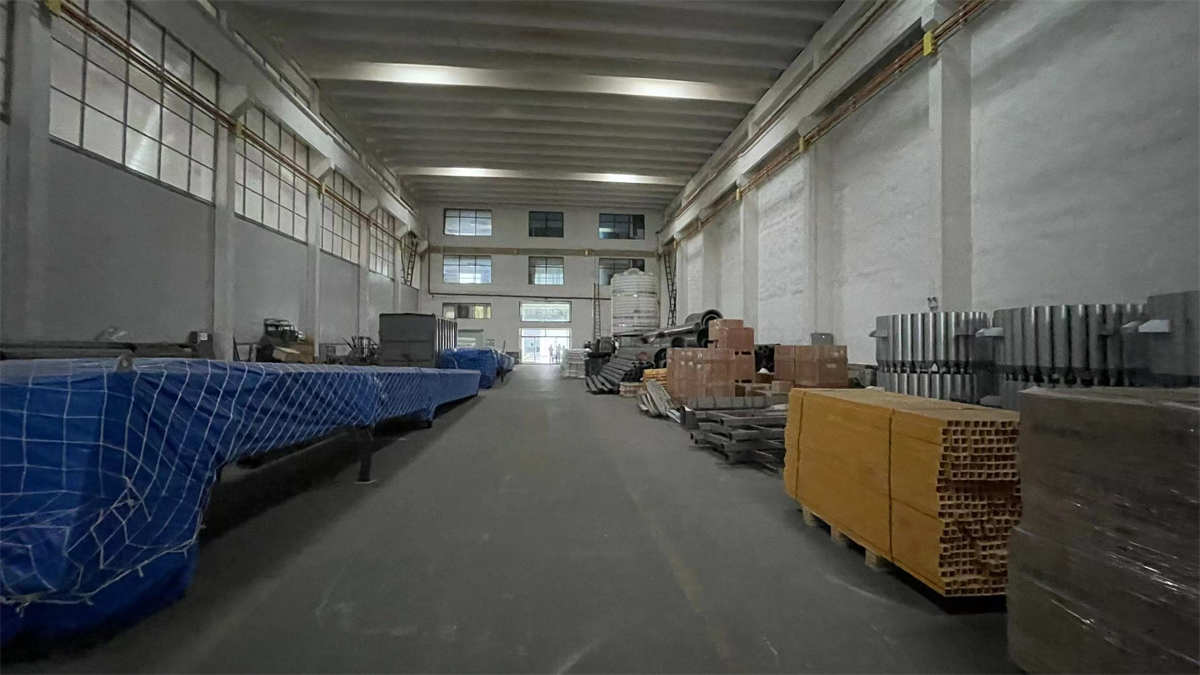
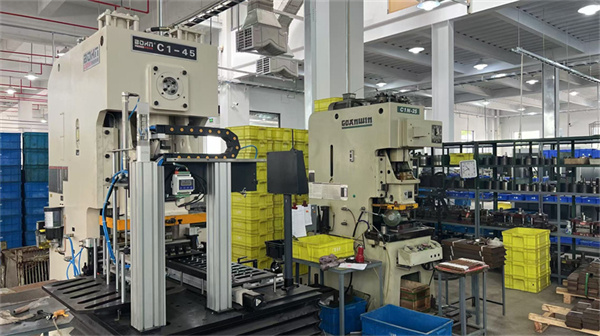
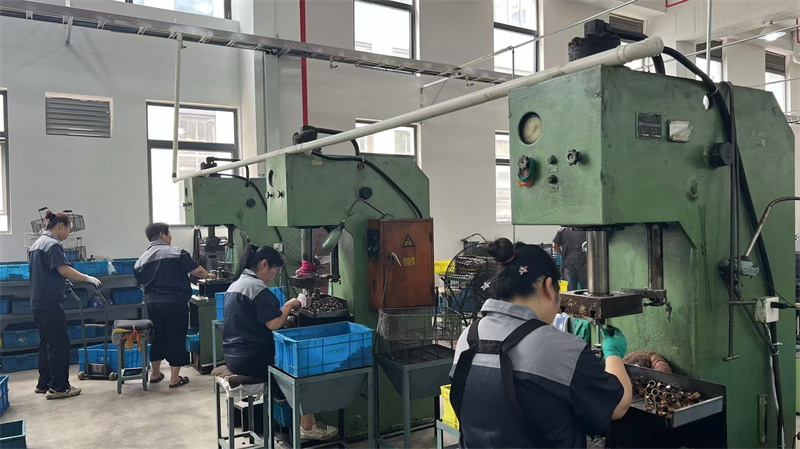
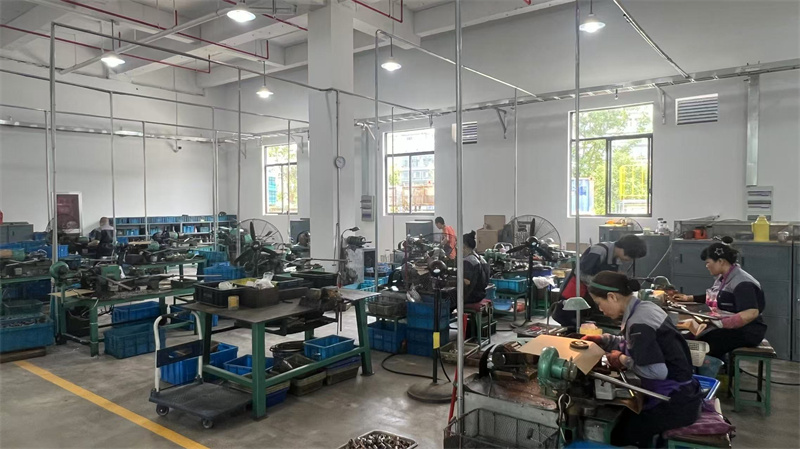
A trusted solid-liquid separation manufacturer, operating from a modern 50,000 m² production hub in Changzhou, China.
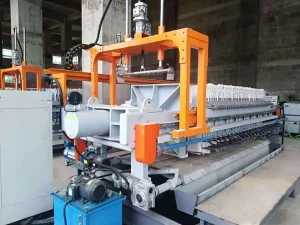
Located within the Changzhou National High-tech Industrial Development Zone, Jiangsu Province, Jovios maintains specialized production lines for plate and frame filter presses, membrane filter presses, automatic systems, and customized media cloths. Our research and development center cooperates with technical universities to refine hydraulic configurations, structural wear resistance, and membrane polymer compounds. Through this focus on design and material quality, our systems deliver consistent filtration cycles under extreme conditions.
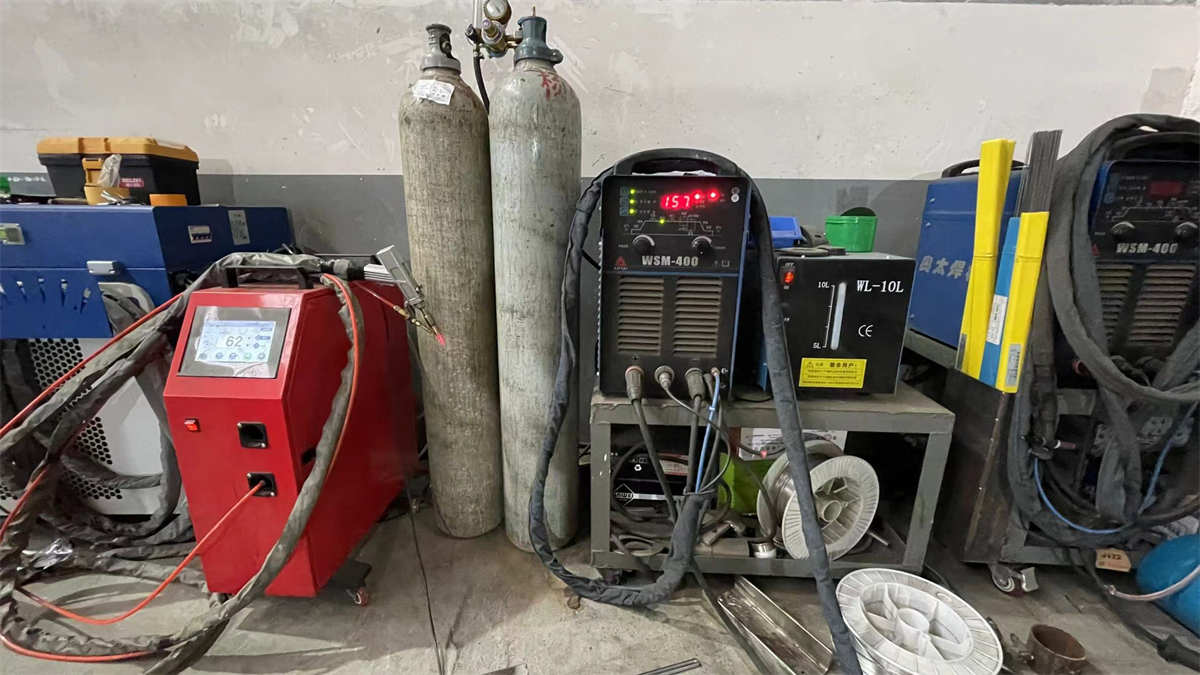
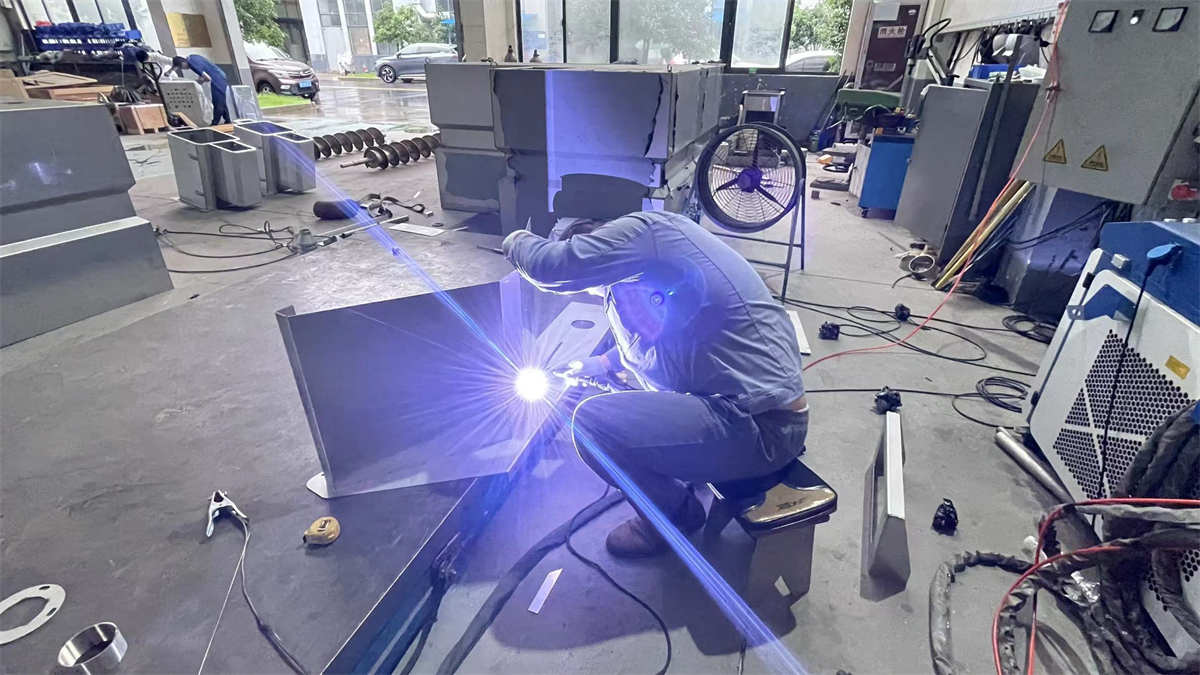
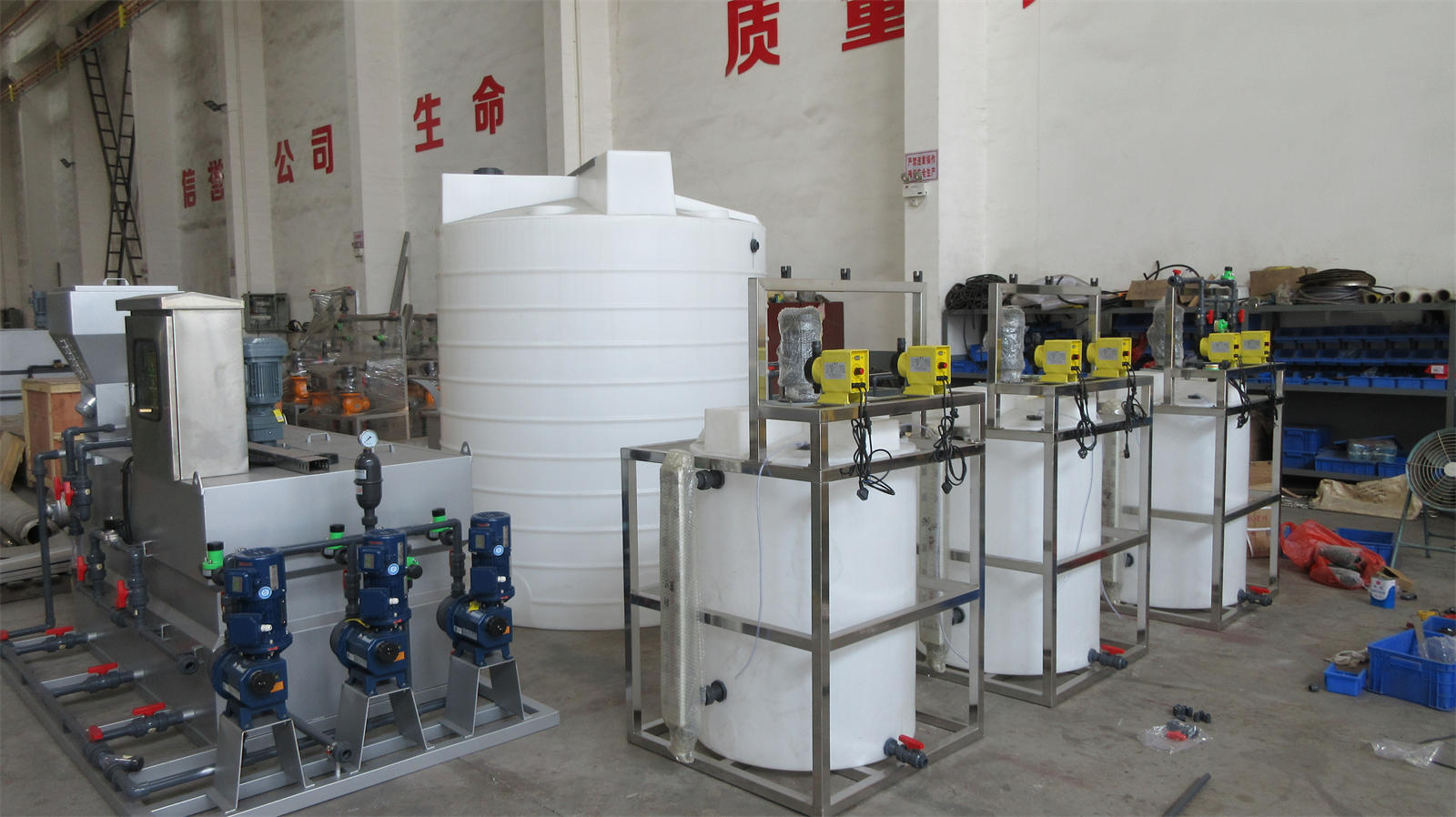
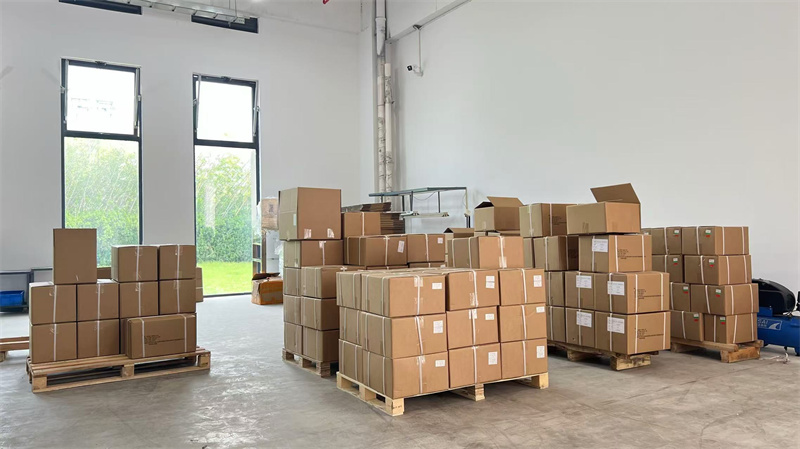
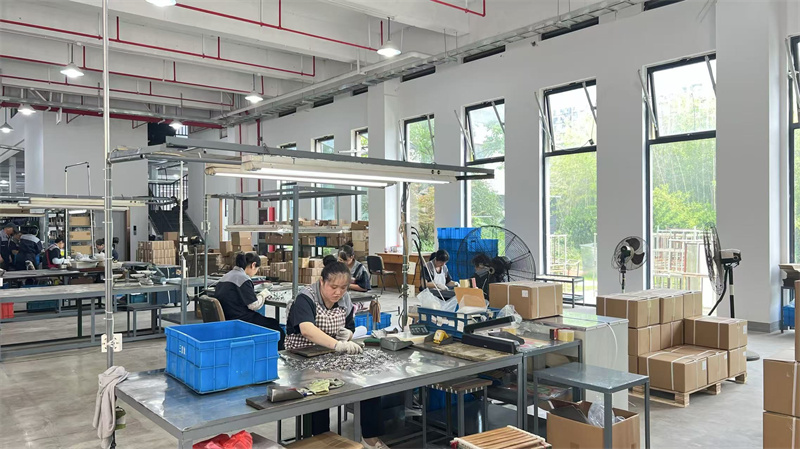
Every phase, from raw steel processing to final product inspection, is completed in-house to maintain quality control.
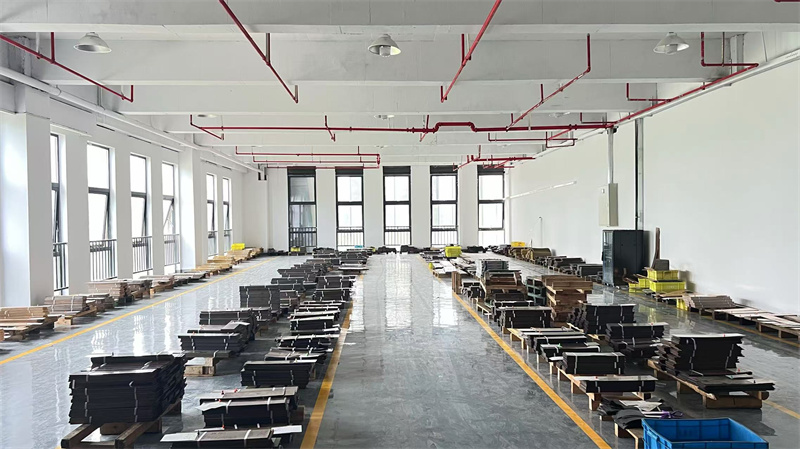
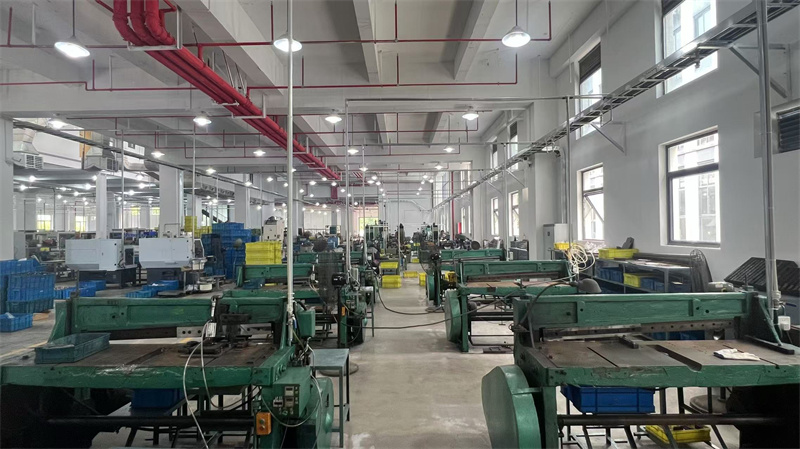
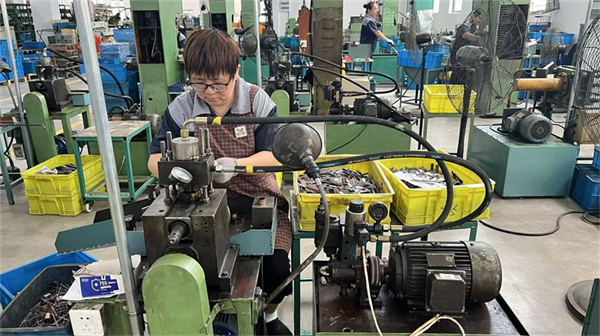
Developing next-generation materials and smart systems to increase filtration efficiency while lowering resource consumption.
We are engineering high-molecular-weight polypropylene and fluoropolymer (PTFE) alloys. These materials improve thermal stability beyond 130°C and resist degradation in concentrated acidic or basic environments, extending membrane plate lifespans.
Integrating pressure sensors and automated plate-shifting linkages allows real-time system monitoring. Smart control panels track cake formation and adjust feed cycles to prevent overpressurization and reduce manual labor.
Our membrane squeeze systems optimize moisture removal. Producing drier cakes minimizes secondary heating requirements, helping processing plants lower their overall carbon footprint.
Custom-engineered solid-liquid separation plants tailored to specific mechanical, chemical, and operational requirements.
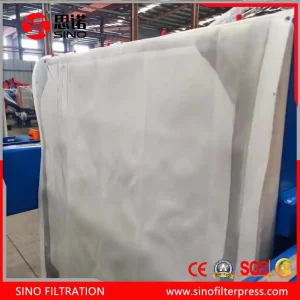
Heavy-duty mineral recovery requires systems that can handle coarse, abrasive particles. We supply reinforced filter press cloths and high-tonnage hydraulic presses that withstand abrasive wear while delivering dry cakes suitable for dry-stack disposal.
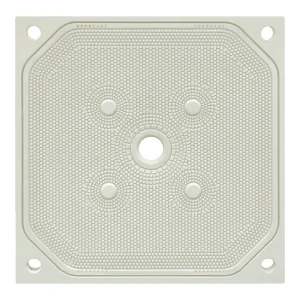
Refining and synthesis processes require systems that tolerate aggressive organic solvents, high temperatures, and broad pH variations. Our polypropylene membrane plates and PA66/PTFE filter cloths provide reliable chemical resistance.
Clarifying food ingredients, beverages, and honey requires compliance with food safety regulations. We manufacture food-grade nylon and polypropylene mesh materials that ensure sanitary processing without affecting flavor or purity.
Evolving wastewater regulations require efficient dewatering systems. Our submerged membrane bioreactors (MBR) and high-capacity automatic filter presses reduce sludge volume, producing clean effluent suitable for recycling or discharge.
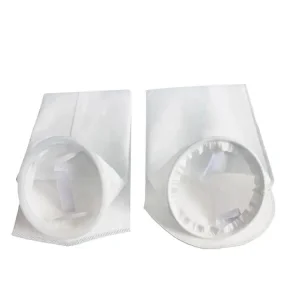
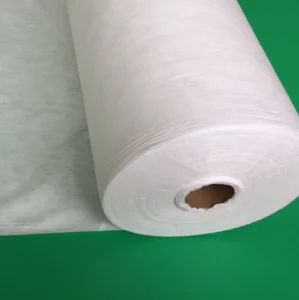
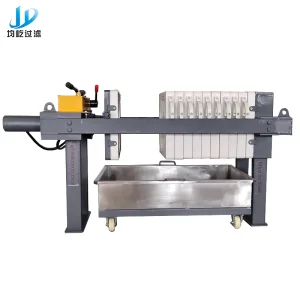
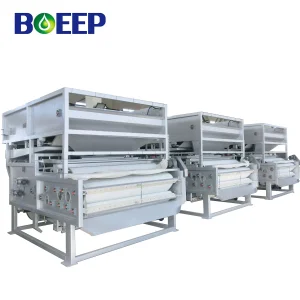
A comprehensive line of filter media, membrane plate assemblies, and specialized separation systems designed for modern industrial applications.
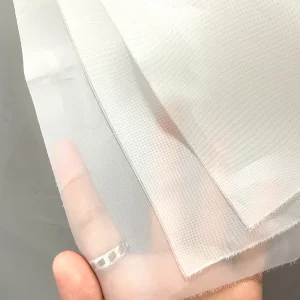
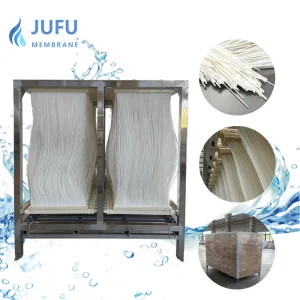
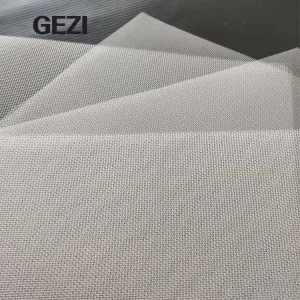
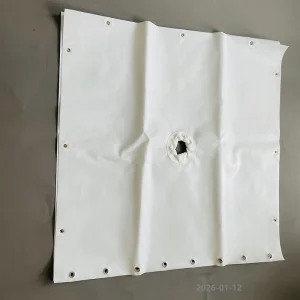
Industrial filtration systems must perform reliably under changing field conditions. Factors like variable particle distributions, chemical exposure, and slurry viscosity changes require adaptable equipment configurations. Our systems are designed with the flexibility needed to handle these processing demands.
For example, in deep-well mining operations, tailings slurries must be quickly dewatered to recover process water and meet dry-stack disposal regulations. Under these conditions, standard filter plates can experience uneven pressure distribution, leading to bypass leakage or structural cracks. By using 1000-ton hydraulic compression assemblies and reinforced polypropylene composite chamber plates, our systems maintain reliable sealing and prevent blowouts during high-pressure cycles.
Similarly, chemical manufacturing processes often involve hot, corrosive, and reactive fluids that degrade standard filter cloths. For these applications, we utilize synthetic fibers like PA66 and PTFE. Combined with automated plate-washing mechanisms, these materials maintain consistent permeability, reducing downtime for cleaning or cloth replacement.
Answers to common questions regarding modern liquid filtration systems, material selection, and system optimization.
 Jovios Equipment