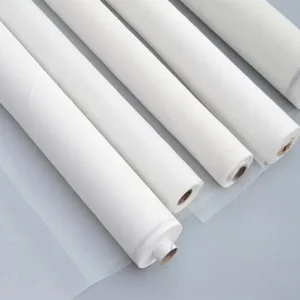
High-performance industrial filtration components designed to optimize cake dryness and accelerate cycle times.
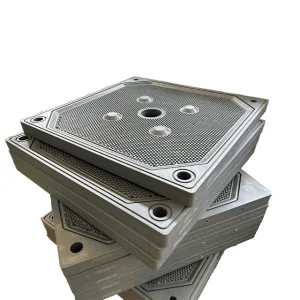
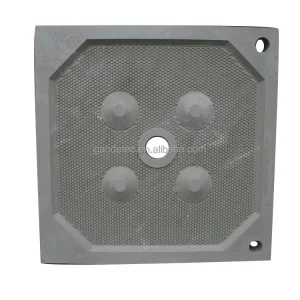
The Berlin-Brandenburg metropolitan region is transitioning into a primary hub for green technologies, clean water management, and high-tech manufacturing. Guided by Germany's strict Federal Water Act (Wasserhaushaltsgesetz - WHG) and European Union environmental regulations, industrial plants are required to optimize resource recovery and minimize waste generation.
Within this regulatory framework, the dewatering of municipal and industrial sludges has become critical. The local water utility, Berliner Wasserbetriebe (BWB), operates complex sewage treatment works that require efficient dewatering technologies to reduce sludge volumes prior to thermal recovery or agricultural application. Jovios membrane filter plates are designed to meet these exact processing challenges, offering high dry solids content (DS) that reduces transport costs and energy consumption in downstream thermal disposal processes.
Furthermore, local advanced manufacturing facilities, automotive sub-suppliers, and chemical processing plants in industrial areas like Adlershof, Marienfelde, and Spandau face strict discharge limits. Implementing high-pressure membrane squeeze plates allows these operators to recover process water, achieve Zero Liquid Discharge (ZLD) goals, and minimize operating costs.
On a global scale, the industrial filtration sector is moving toward automated, energy-efficient, and high-pressure separation technologies. Standard recess chamber filter plates are increasingly being replaced by dynamic membrane squeezing systems. Squeezing cake dynamically using secondary inflation media (air or water) significantly shortens filtration cycle times and reduces washing water consumption by up to 50%.
Key global market drivers include:
Tailored solid-liquid separation solutions designed for regional municipal networks and industrial operations.
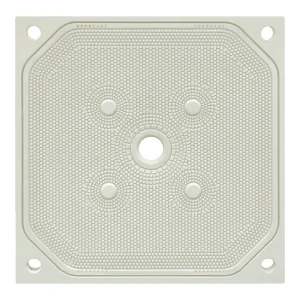
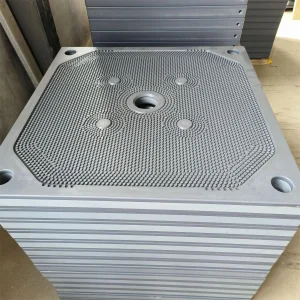
Municipal sewage treatment plants in the Berlin-Brandenburg region process massive daily volumes of domestic and industrial wastewater. Jovios high-pressure PP membrane filter plates achieve optimal cake dryness, reducing landfill disposal volumes and reducing energy consumption during incineration.
As the automotive and gigafactory ecosystem develops in neighboring Brandenburg, wastewater streams containing high levels of heavy metals and process chemicals require precise separation. Our chemical-resistant PVDF and specialty copolymer plates ensure reliable operation and compliance with strict wastewater laws.
Serving Berlin's biotech start-ups and food processing businesses, Jovios delivers food-grade nylon mesh filters and specialty filtration plates. These components maintain product purity, support thorough clean-in-place (CIP) wash procedures, and prevent cross-contamination.
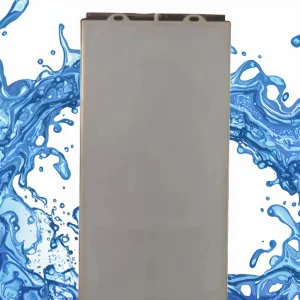
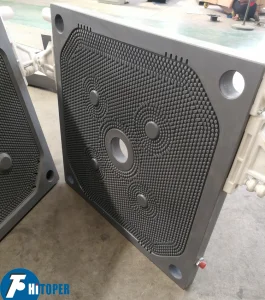
Jovios membrane filter plates are manufactured using advanced high-molecular-weight polypropylene (PP) formulations blended with thermoplastic elastomers (TPE). This combination provides high flexural fatigue resistance, allowing the membrane to withstand thousands of squeeze cycles without cracking or losing elasticity.
Key technical design features include:
As industry moves toward smart manufacturing and Internet of Things (IoT) platforms, Jovios is developing next-generation filtration technologies:
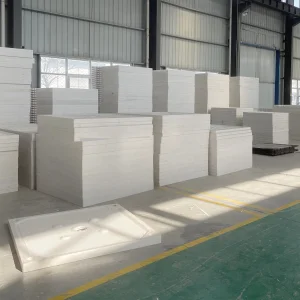
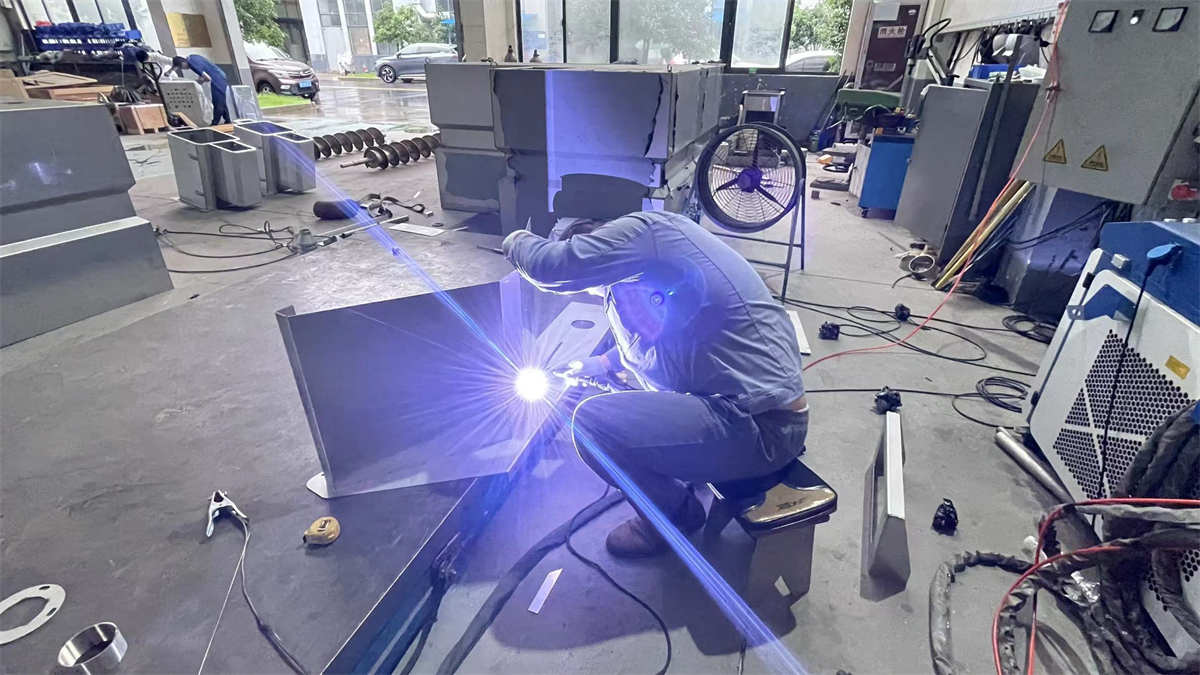
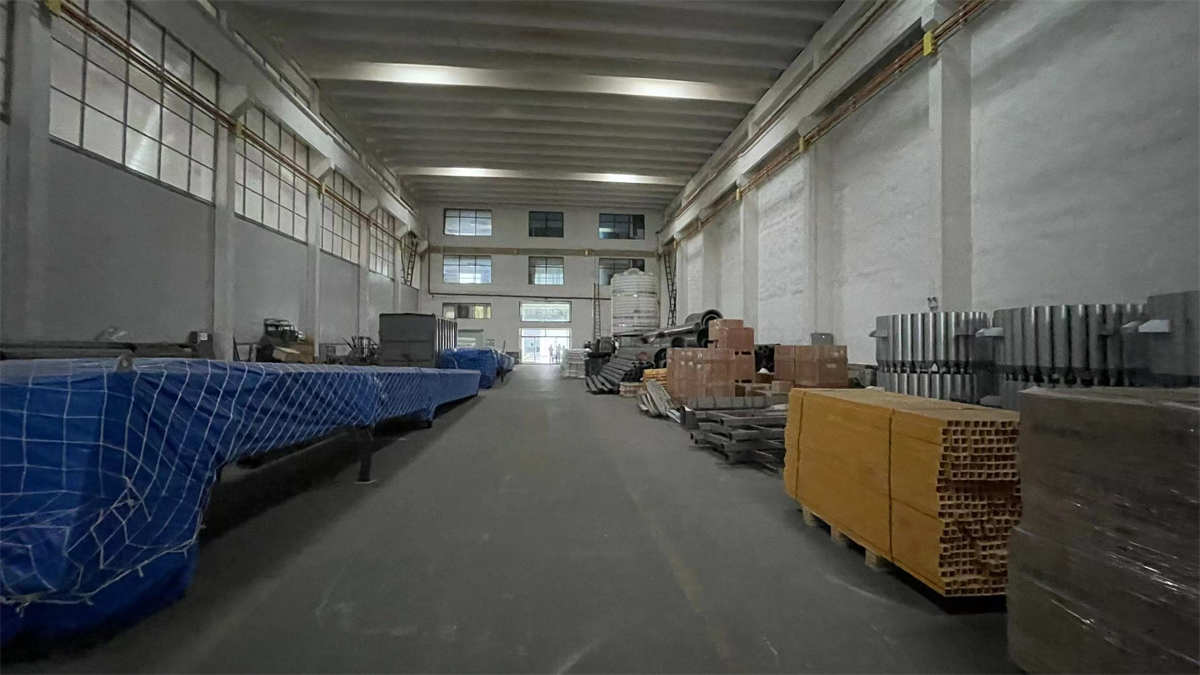
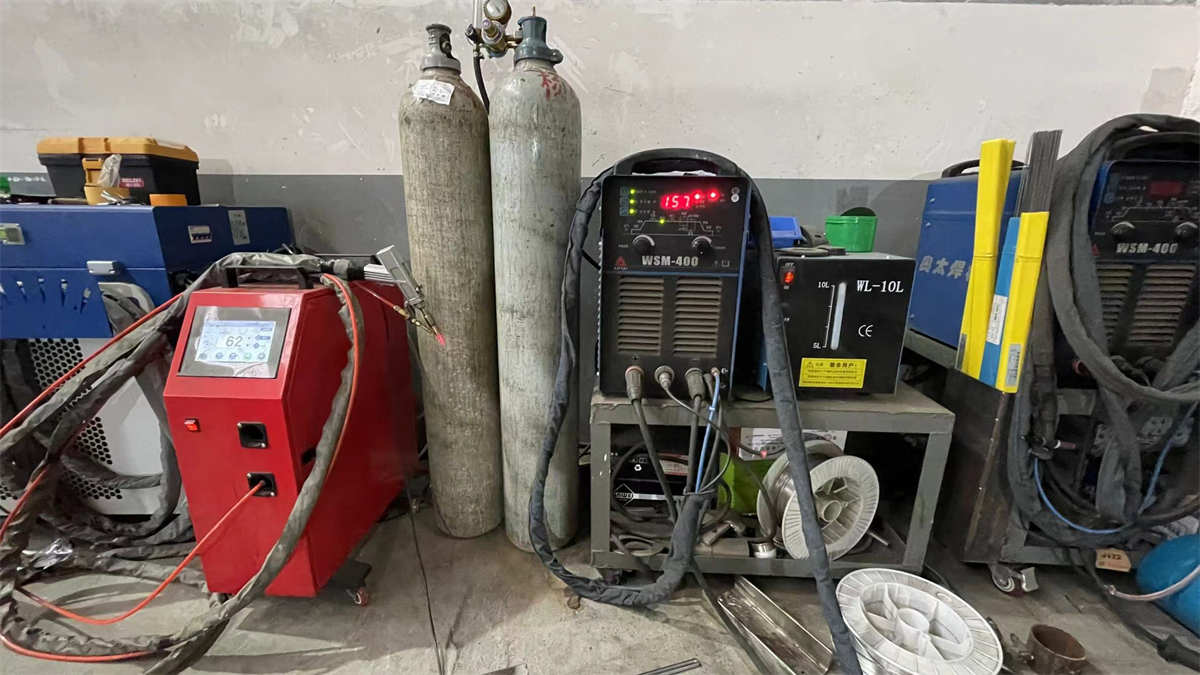
Changzhou Jovios Equipment Co., Ltd. is a professional manufacturer and solution provider specializing in solid-liquid separation and environmental protection equipment. Located in Changzhou National High-tech Industrial Development Zone, Jiangsu Province, China, the company operates a modern manufacturing base covering more than 50,000 square meters, equipped with advanced production facilities and a comprehensive quality inspection center.
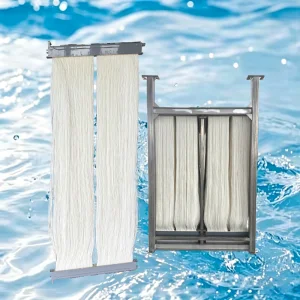
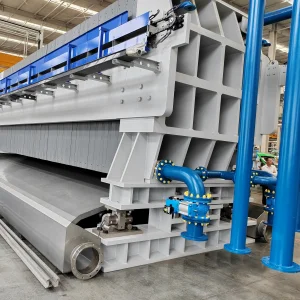
Jovios independently designs, develops, and manufactures a complete range of filtration and separation equipment, including plate and frame filter presses, membrane filter presses, automatic filter presses, intelligent filtration systems, as well as high-performance filter plates and filter cloths. With an annual production capacity exceeding 1,000 units, our products are widely applied in municipal wastewater treatment, chemical processing, petroleum, mining, metallurgy, pharmaceuticals, food and beverage production, paper manufacturing, textile dyeing, ceramics, building materials, and many other industries.
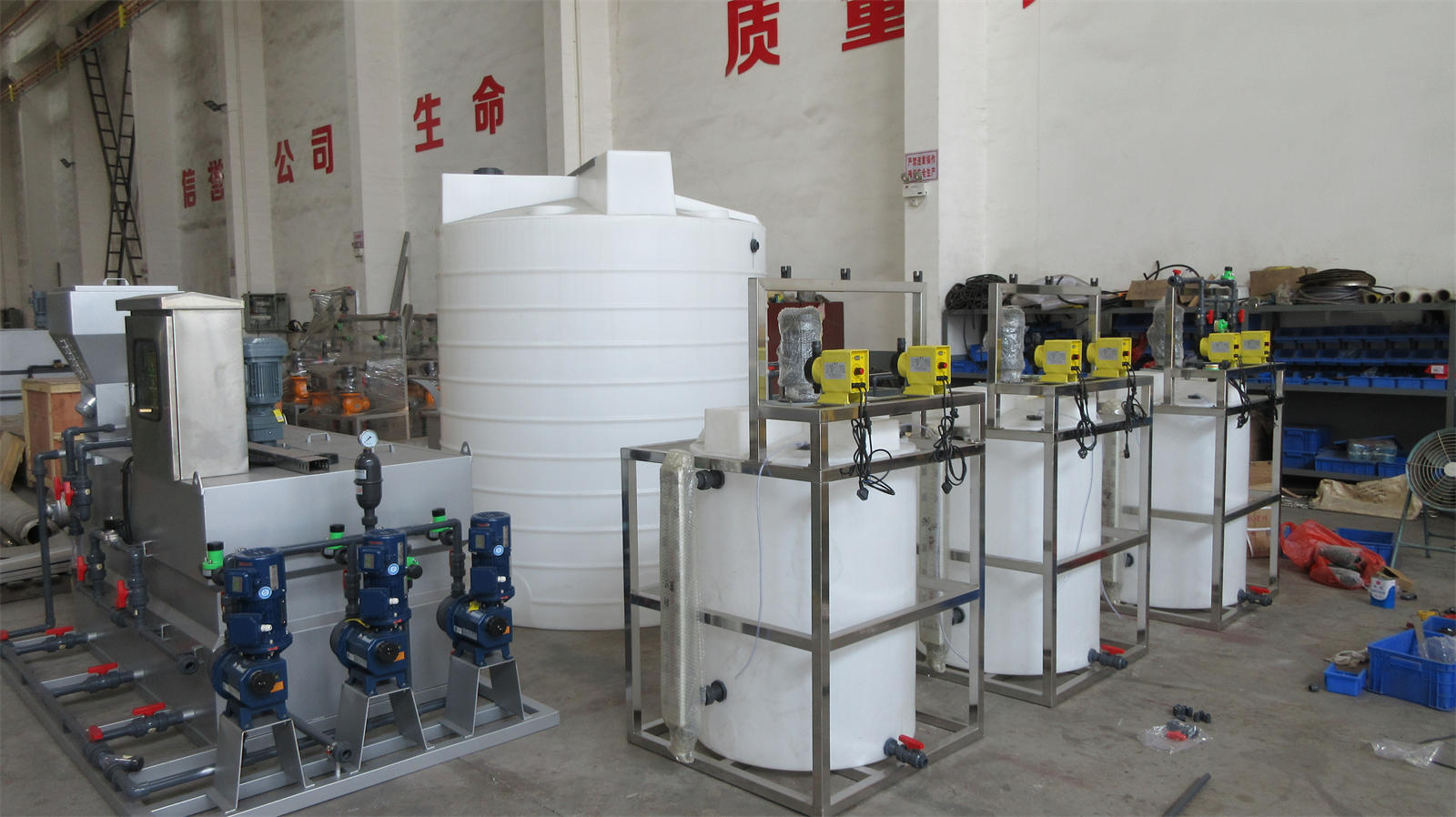
In addition to filtration equipment, Jovios provides complete wastewater treatment solutions and engineering services. From process design and equipment selection to installation, commissioning, and operational support, we deliver turnkey wastewater treatment systems for both municipal and industrial customers worldwide.
Our experienced research and development team consists of more than 30 senior engineers and technical specialists. Through close cooperation with universities, research institutes, and industry partners, we continuously integrate innovative technologies into product development, ensuring reliable performance, higher efficiency, and sustainable operation.
Supported by a growing global sales and service network, Jovios offers comprehensive technical support throughout the entire project lifecycle. From initial consultation and system design to installation, training, and after-sales service, we are committed to providing responsive and professional support wherever our customers operate.
At Jovios, we are dedicated to delivering efficient, energy-saving, and environmentally responsible separation solutions for industrial customers worldwide. Through continuous innovation and customer-focused engineering, we help businesses improve productivity, reduce operating costs, and achieve sustainable growth.
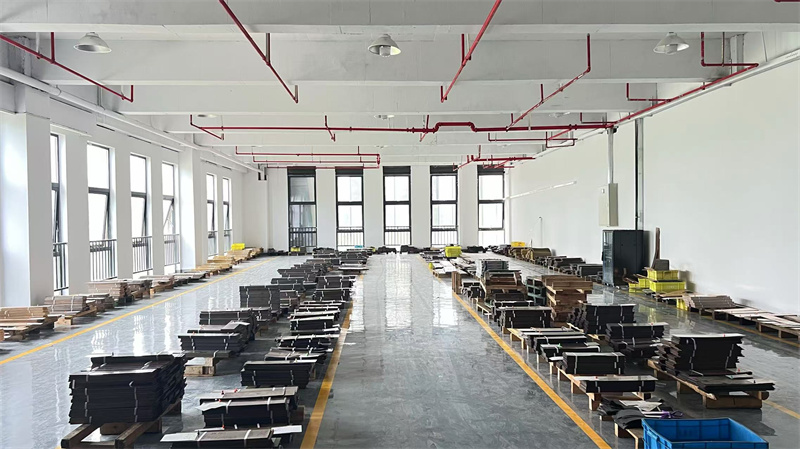
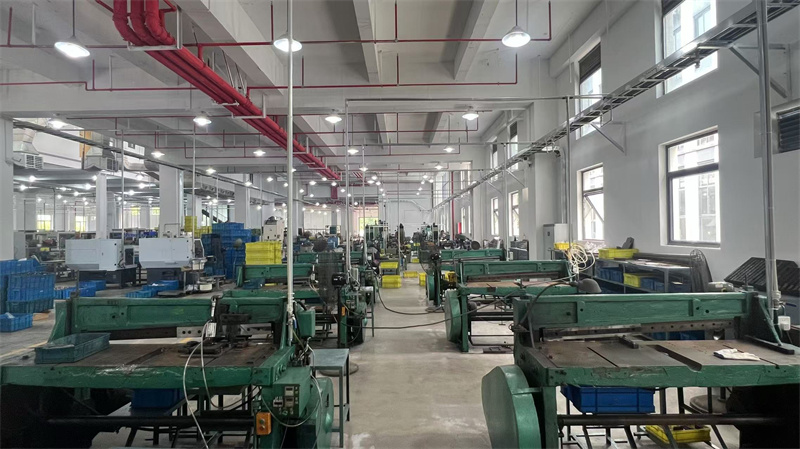
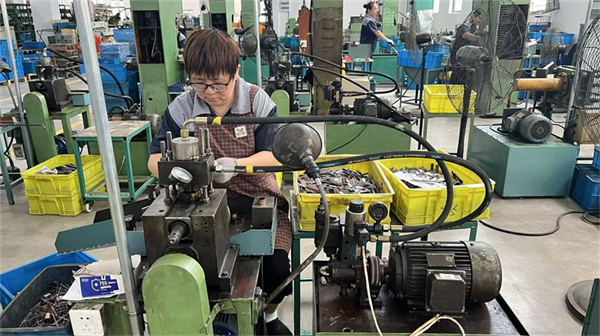
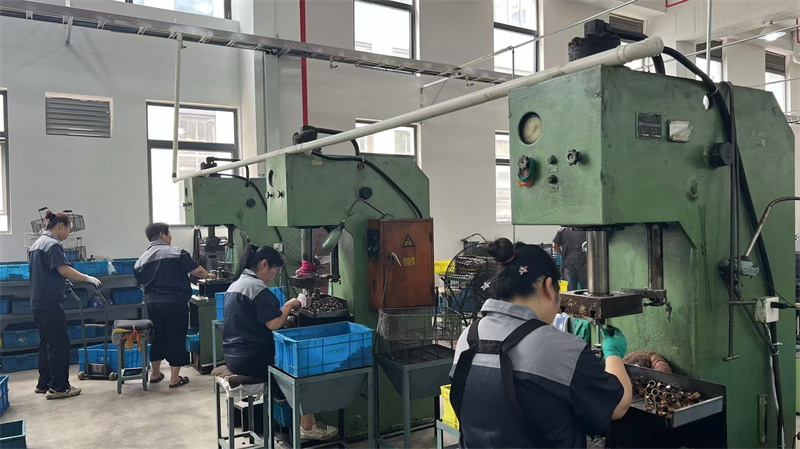
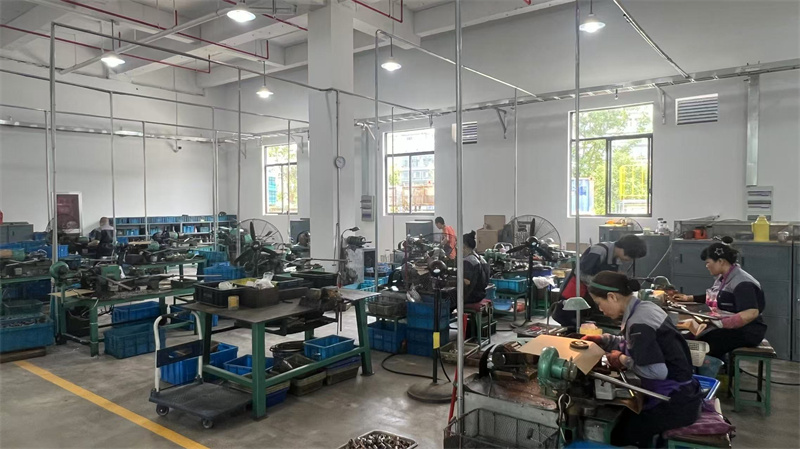
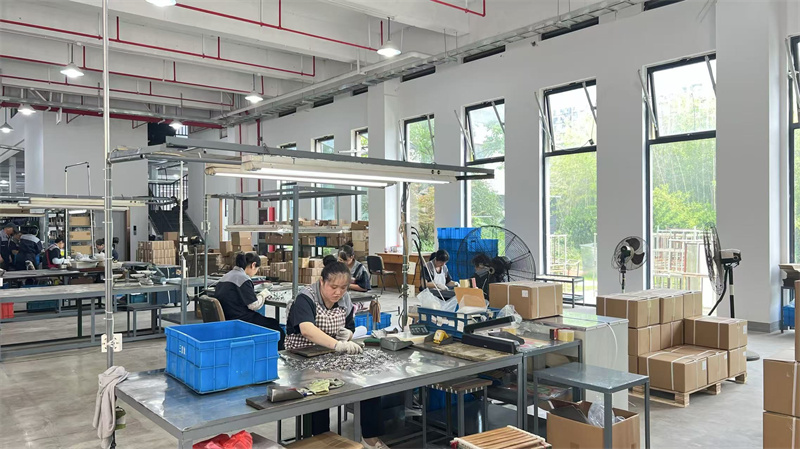
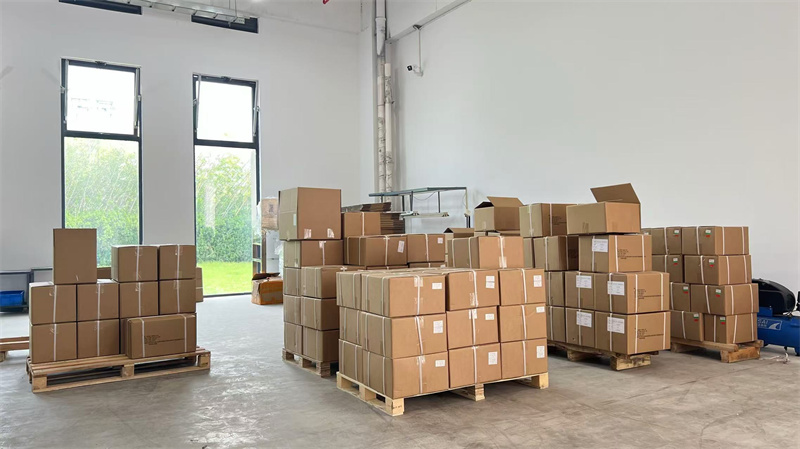
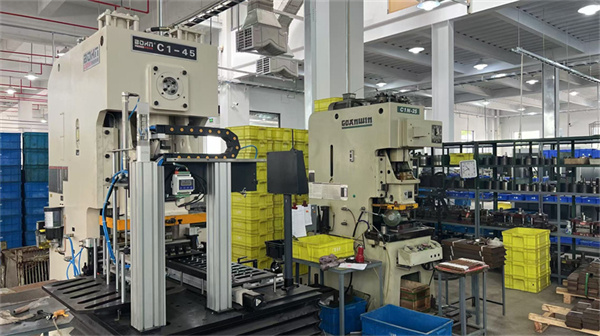
High-durability filtration solutions matching German industrial benchmarks for environmental protection.
How Jovios helps plant engineers optimize throughput and reduce chemical usage.
Achieving low moisture content in the filter cake requires effective chemical conditioning before the slurry enters the filter press. Our technical support team works with engineers in Berlin to match chemical conditioners (such as cationic polyacrylamides or inorganic coagulants like iron salts) to the specific physical characteristics of the target slurry.
Adjusting the feed pH and floc size ensures the slurry is optimized for rapid dewatering, preventing premature clogging of the filter cloth and maximizing feed-stage filtration efficiency.
Once the initial feeding phase is complete, a secondary squeezing medium (water or compressed air) is introduced behind the flexible thermoplastic elastomer membrane. This mechanical compression reduces the chamber volume, squeezing out capillary water held between the suspended particles.
For applications requiring high purity—such as pharmaceutical extraction or chemical synthesis—the press initiates a cake washing cycle. The wash fluid flows through the filter cake, removing remaining mother liquor. The membrane can then be inflated a second time to remove residual wash fluid, achieving optimal cake dryness.
Expert engineering insights regarding membrane plate operation, maintenance, and system design.
Connect with our expert application engineers to discuss membrane sizing, slurry testing, and local system integration in Berlin and Brandenburg.
Send Inquiry Now Jovios Equipment