Engineered to excel in chemical plants, waste treatment, and agro-industrial setups across Thailand
Navigating Regulatory Demands, Technological Adaptations, and Wastewater Challenges
Thailand’s industrial landscape is undergoing a massive paradigm shift, driven by the ambitious Eastern Economic Corridor (EEC) initiative and increasingly rigid environmental guidelines from the Department of Industrial Works (DIW). In provinces like Rayong, Chonburi, and Chachoengsao, the demand for highly efficient municipal sludge dewatering and heavy industrial solid-liquid separation solutions is at an all-time high. Conventional filtration mechanisms are falling short of meeting the stringent guidelines on cake moisture contents and total dissolved solids (TDS) discharge parameters.
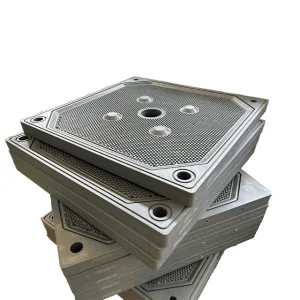
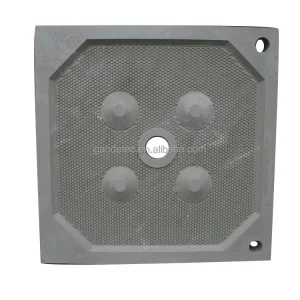
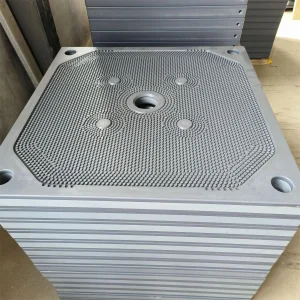
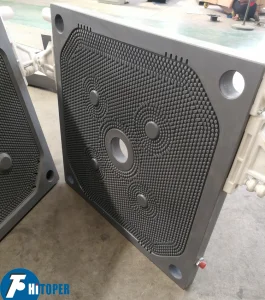
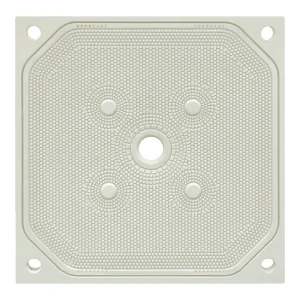
Within this ecosystem, the membrane filter plate plays a decisive role. Unlike standard chamber plates, membrane filter plates feature a flexible elastomeric diaphragm that expands during a secondary squeeze stage (using water or compressed air). This secondary pressure decreases the overall filtration cycle duration by up to 50% and achieves exceptionally low moisture levels. This transition translates to significantly minimized transport and disposal costs for manufacturing operations throughout Thailand, turning waste processing from a cost sink into a highly optimized logistical operation.
Align easily with Thailand's DIW Zero-Liquid-Discharge (ZLD) directives. Our high-pressure membrane structures guarantee ultra-low sludge cake moisture values, simplifying safe transport and solid landfill compliance.
Significantly cut filtration cycle times in starch, palm oil, and biochemical processes. Achieve faster cycle-to-discharge ratios, which amplifies throughput without requiring a larger physical factory footprint.
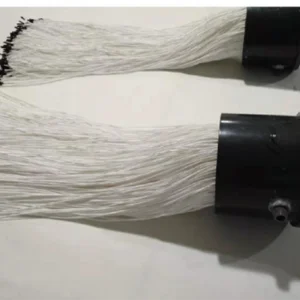
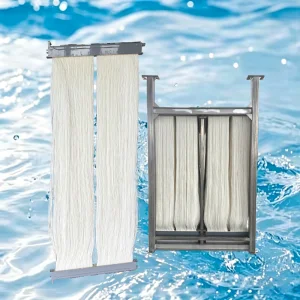
Maximize wastewater recycling and water reclamation efficiency. Our specialized silicon carbide and hollow fiber assemblies deliver crisp filtrate clarity, safeguarding valuable local ecosystems.
On a global scale, the solid-liquid separation industry is transitioning towards automation, digitalization, and extreme pressure engineering. The global market is rapidly embracing automated, high-temperature, and chemical-resistant polymer composites. In China, North America, and Europe, filter presses have evolved into intelligent closed-loop platforms that use advanced sensor arrays to adjust feed pump cycles based on live pressure curves.
In Thailand, this global evolution meets specific regional agricultural and chemical processing applications. Let’s look at how localized requirements dictate material choices and engineering configurations:
Advanced engineering assemblies optimized for highly acidic, biological, and corrosive environments
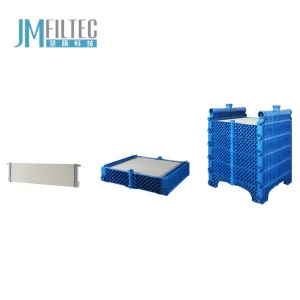
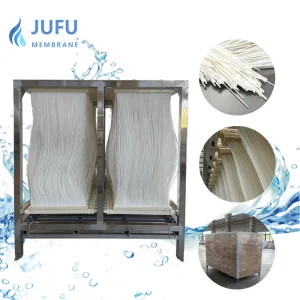
From an engineering perspective, selecting a membrane filter plate is a balance of chemistry, thermodynamics, and fluid dynamics. In modern chemical plants, specifying a generic filter plate is a recipe for premature degradation. Equipment must be precisely selected according to chemical and thermal exposure profiles. Here is our technical roadmap for material selections:
Polypropylene is the backbone of wastewater treatment. Co-polymerized with elastomer compounds, our modern PP membrane plates provide excellent resistance to acids and alkalis (pH 1-14). Thermoplastic Elastomers (TPE) are integrated into high-pressure squeezing membranes to endure repeated physical expansion without work-hardening or cracking, withstanding pressure limits of up to 6.0 MPa.
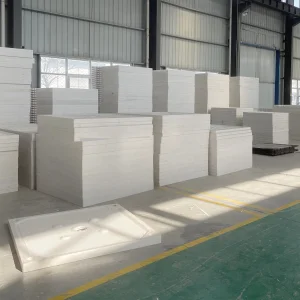
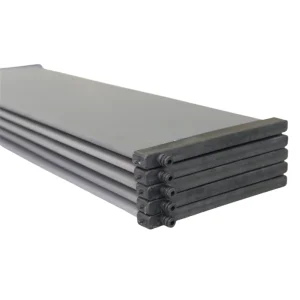
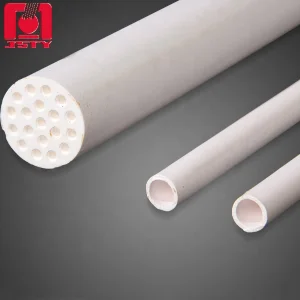
For highly corrosive chemical lines and drinking water plants requiring zero leaching, Silicon Carbide (SiC) has emerged as the ultimate standard. SiC's thermal shock limits exceed 800°C, and its material hardness is second only to diamonds. It is highly resistant to aggressive chemical CIP (Clean-in-place) flushes, yielding an ultra-long operating lifecycle compared to organic polymer membranes.
The squeezing profiles also play an essential role in system performance. Traditional chamber plates rely entirely on feed pump pressure to pack solids into the filter chamber. In contrast, our membrane system allows for a flexible two-stage cycle:
Empowering Global Solid-Liquid Separation with Rigorous Manufacturing Excellence
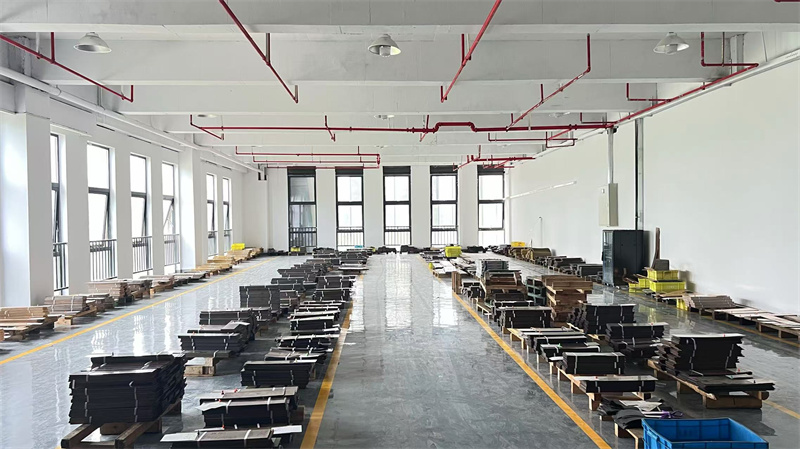
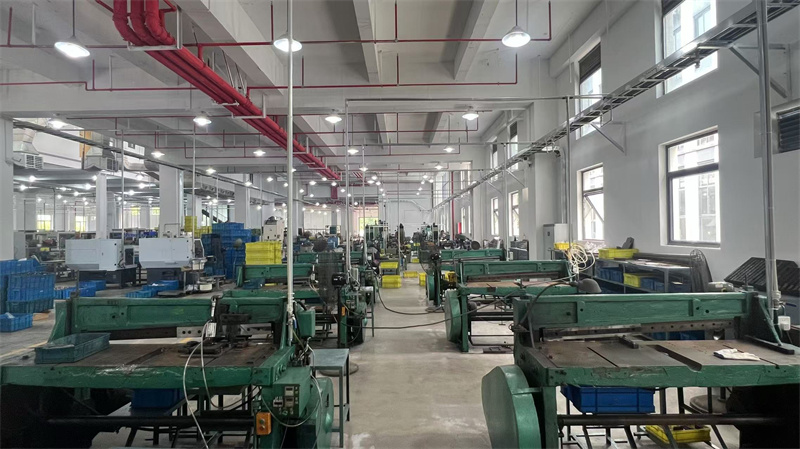
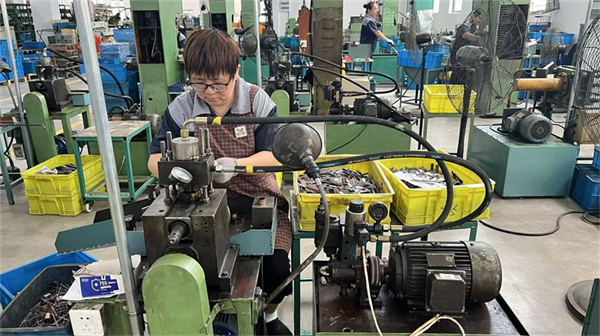
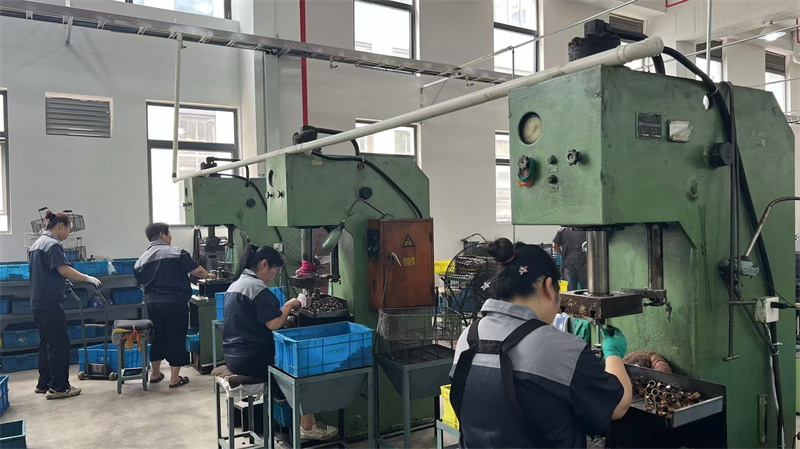
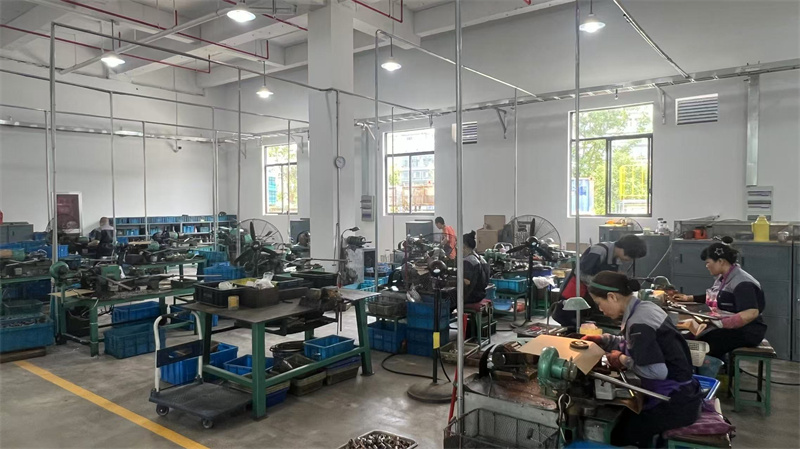
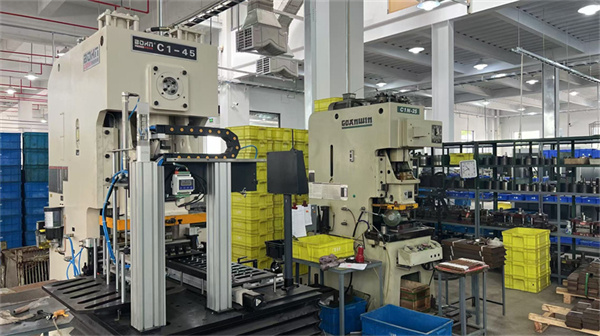
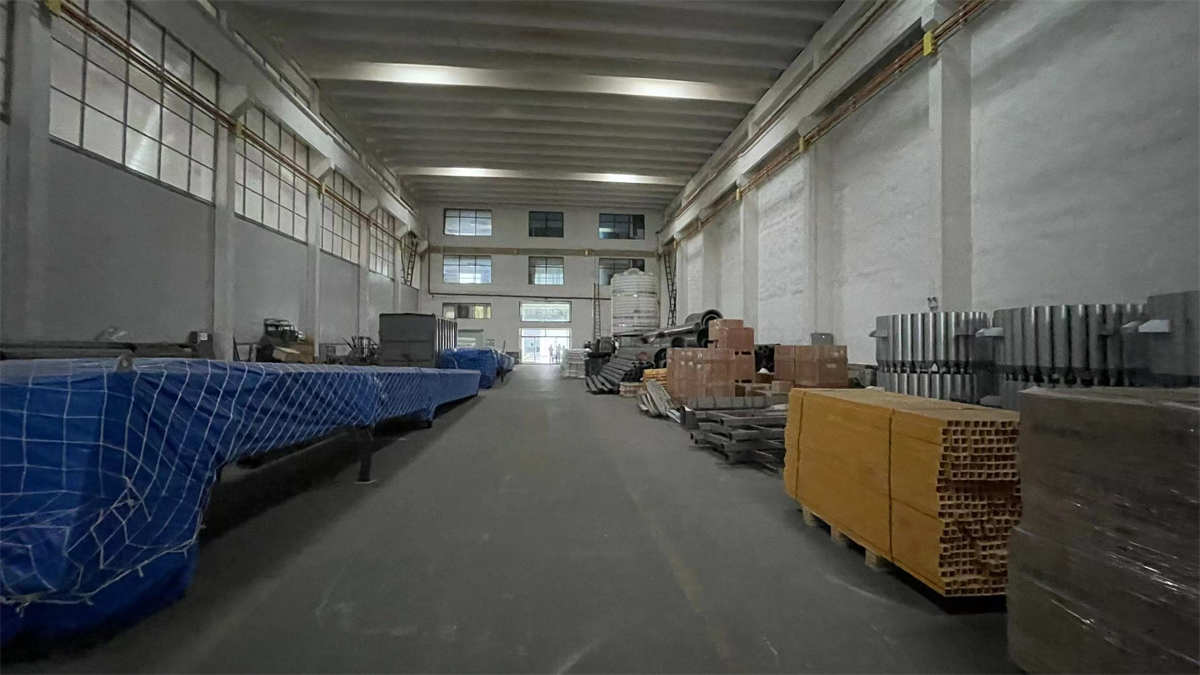
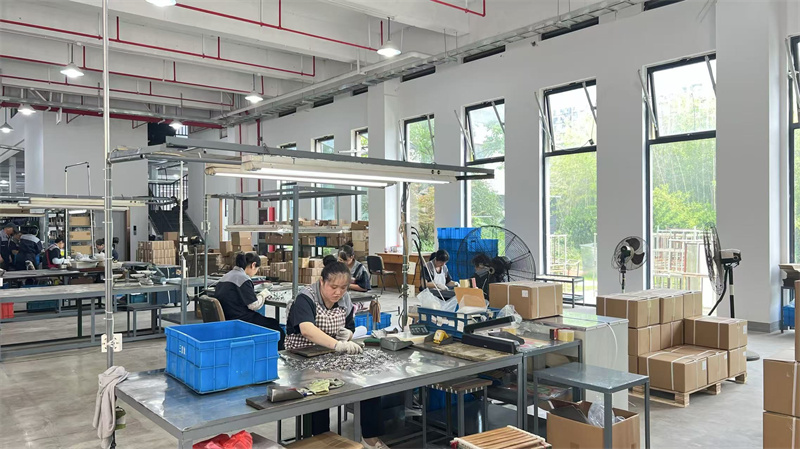
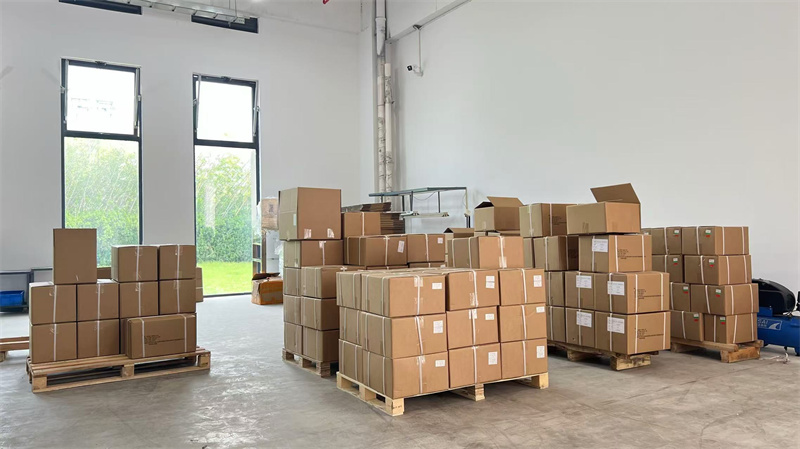
Changzhou Jovios Equipment Co., Ltd. is a professional manufacturer and solution provider specializing in solid-liquid separation and environmental protection equipment. Located in Changzhou National High-tech Industrial Development Zone, Jiangsu Province, China, the company operates a modern manufacturing base covering more than 50,000 square meters, equipped with advanced production facilities and a comprehensive quality inspection center.
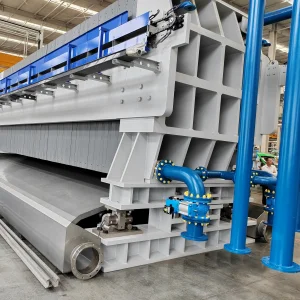
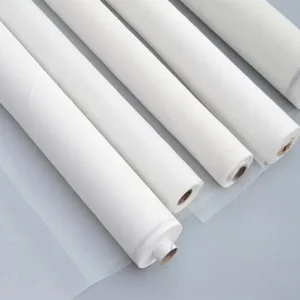
Jovios independently designs, develops, and manufactures a complete range of filtration and separation equipment, including plate and frame filter presses, membrane filter presses, automatic filter presses, intelligent filtration systems, as well as high-performance filter plates and filter cloths. With an annual production capacity exceeding 1,000 units, our products are widely applied in municipal wastewater treatment, chemical processing, petroleum, mining, metallurgy, pharmaceuticals, food and beverage production, paper manufacturing, textile dyeing, ceramics, building materials, and many other industries.
In addition to filtration equipment, Jovios provides complete wastewater treatment solutions and engineering services. From process design and equipment selection to installation, commissioning, and operational support, we deliver turnkey wastewater treatment systems for both municipal and industrial customers worldwide.
Our experienced research and development team consists of more than 30 senior engineers and technical specialists. Through close cooperation with universities, research institutes, and industry partners, we continuously integrate innovative technologies into product development, ensuring reliable performance, higher efficiency, and sustainable operation.
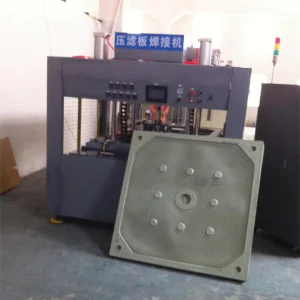
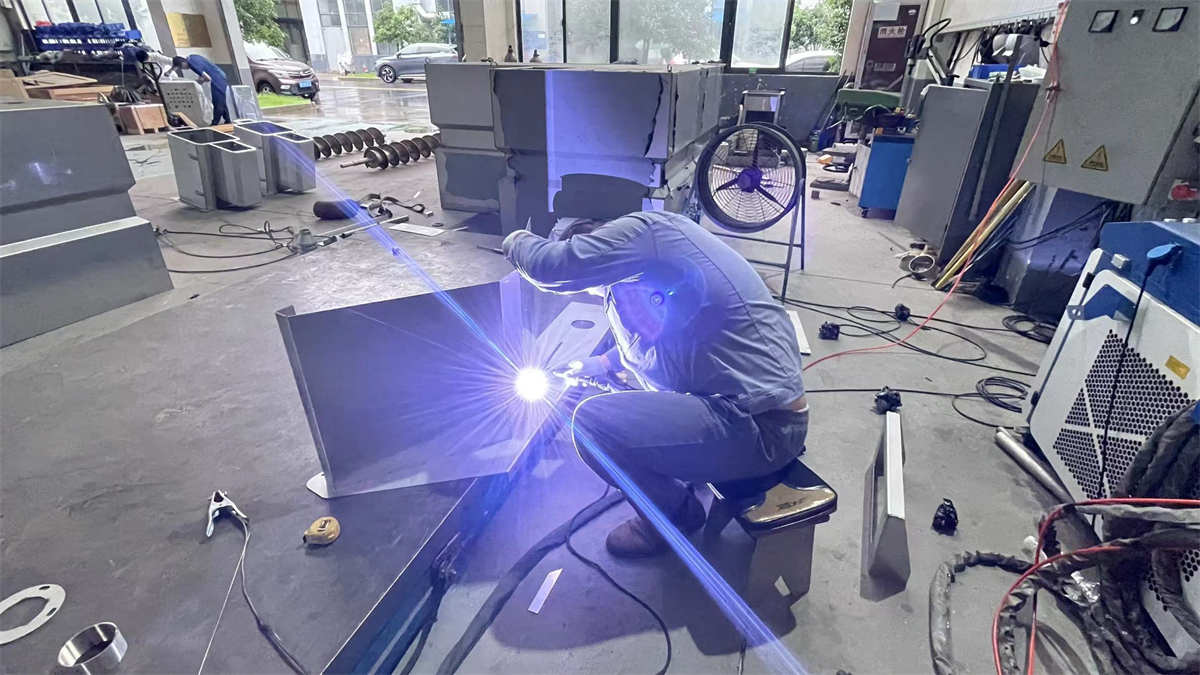
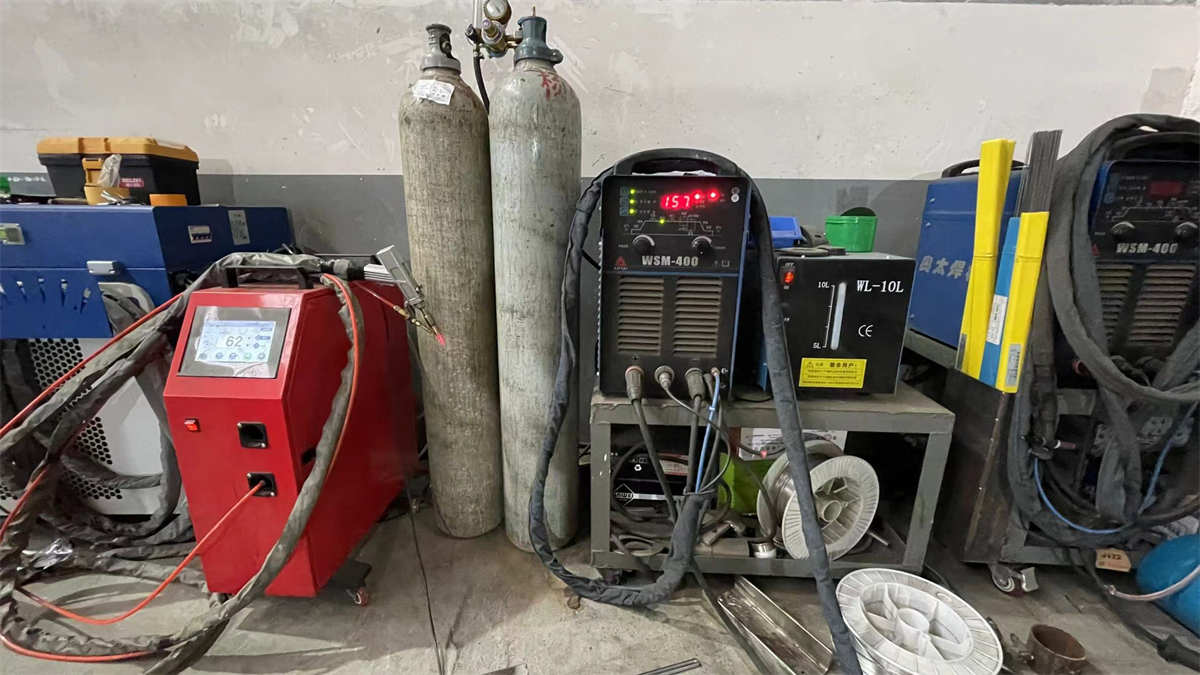
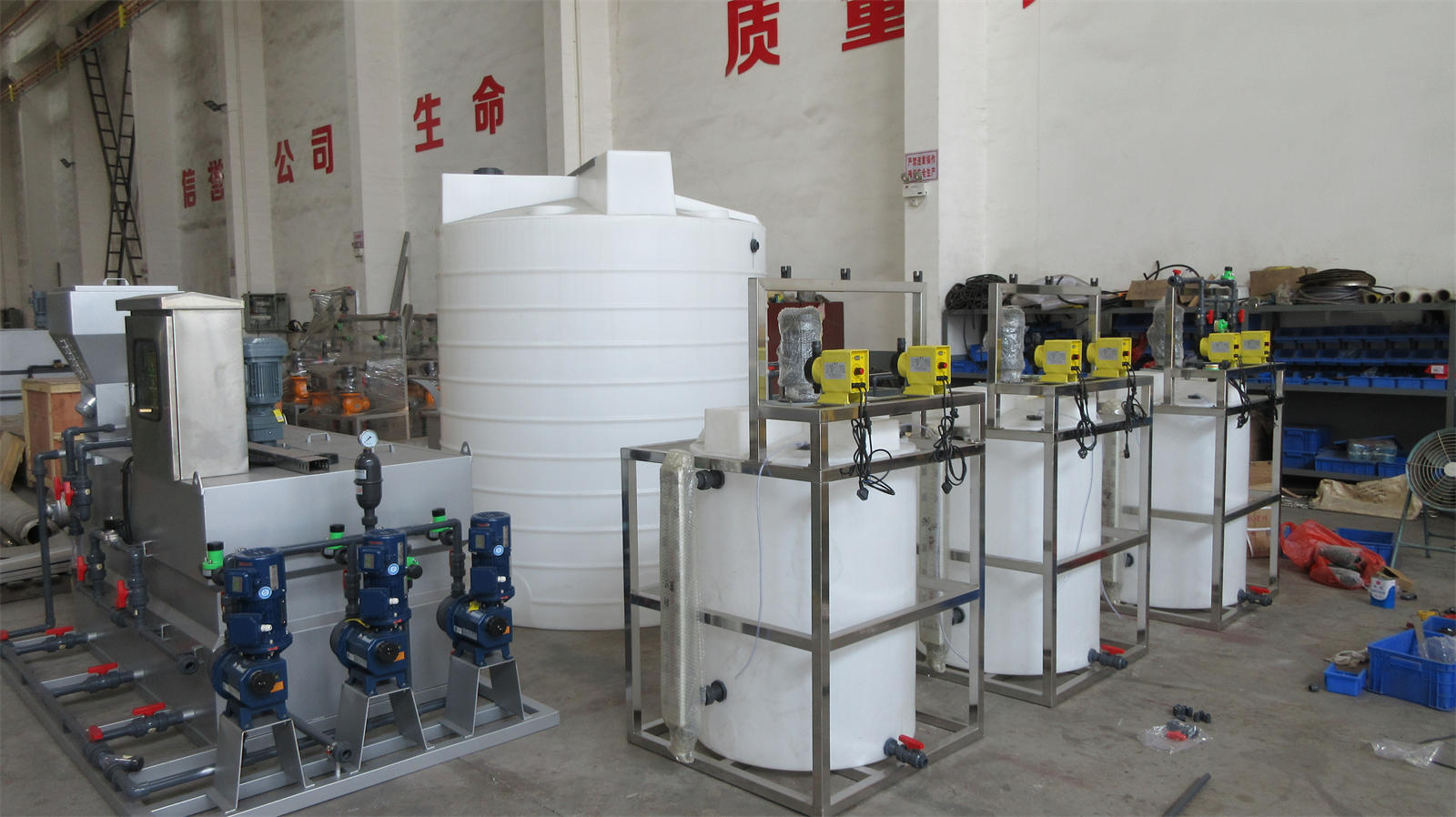
Step-by-step raw material preparation, high-frequency polymer welding, rigorous pressing test, and shipping control
How Jovios Solves Practical Processing Hurdles Across Industrial Landscapes
The Challenge: A petrochemical facility was grappling with rising logistics costs for disposing of high-COD sludge. Their conventional chamber plate setups achieved a cake moisture level of only 58%, resulting in dense, water-logged waste cakes.
The Solution: Jovios engineers retrofitted the automatic filter presses with High-Pressure TPE Elastomer Membrane Filter Plates running at a secondary squeeze pressure of 3.0 MPa. We optimized the feed and compression cycle times based on the slurry's specific gravity profiles.
The Results: Sludge cake moisture plummeted from 58% to a clean 31%, resulting in a 45% overall reduction in dry sludge volume. This reduction saved the client over 120,000 USD annually in land disposal fees and cut down wastewater treatment times by several hours daily.
The Challenge: A massive starch refining operation required increased starch recovery rates while lowering fresh process water consumption per ton of cassava roots.
The Solution: Installing Jovios Food-Grade PP Membrane Filter Plates equipped with an integrated high-temperature wash cycle. This setup allowed operators to inject wash water directly into the filter cake to recover starch, followed by a high-pressure membrane squeeze.
The Results: Starch recovery increased by 1.8% per batch, and water consumption dropped by 24%. This optimization translated to increased profitability and reduced environmental impact on the surrounding watershed.
Direct, technical answers regarding membrane filtration parameters and configurations
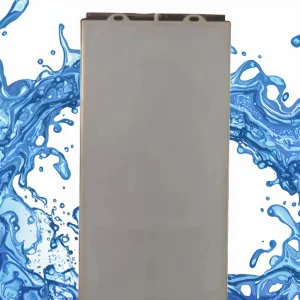
Browse our robust inventory of certified high-pressure chambers, ceramic plates, and biological filtration modules
Consult with our process engineers to customize membrane filter plates, sizing parameters, and squeeze ratios to match your specific industrial wastewater or chemical processing goals.
Send Inquiry Now Jovios Equipment