Bulgaria’s heavy industry has undergone rapid modernization to align with strict European Union environmental guidelines. Key sectors such as non-ferrous metallurgy (specifically copper, lead, and zinc smelting in Plovdiv and Sofia provinces), open-pit copper mining in the Srednogorie region, and massive thermal power generations require robust infrastructure for environmental compliance and resource extraction. At the core of these processes lies the science of solid-liquid separation.
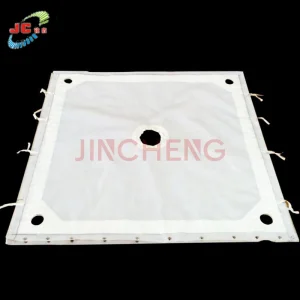
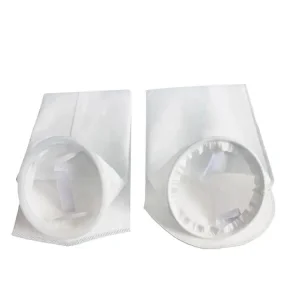
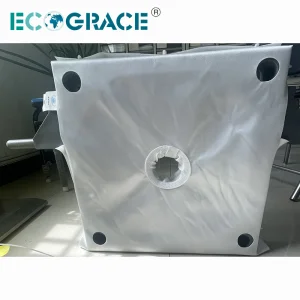
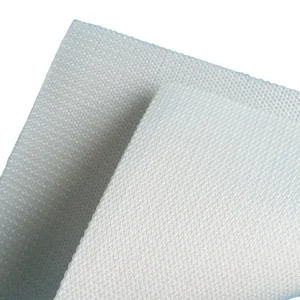
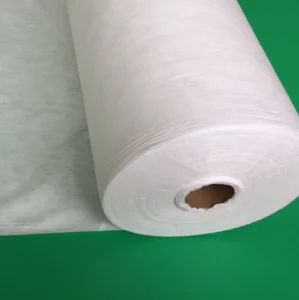
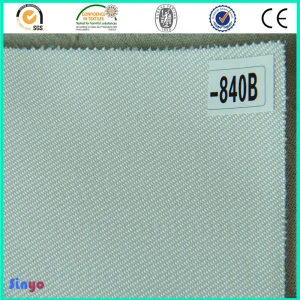
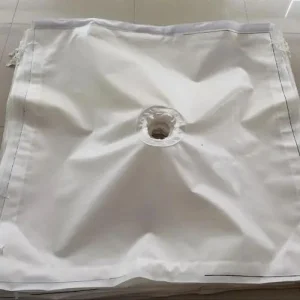
Polypropylene (PP) filter cloths have become the critical consumable of choice. Designed to withstand acidic and alkaline environments, these filtration elements are critical for mine tailings dewatering, metal concentration processes, and chemical synthesis. As Bulgaria positions itself as a central logistics hub in Southeastern Europe, local manufacturers and exporters must utilize filtration materials that reduce cycle times, optimize cake moisture content, and adhere to EU REACH standards.
"By integrating customized weave patterns and high-tenacity monofilament fibers, Jovios PP filter cloths assist Bulgarian operators in decreasing moisture content in copper concentrate cakes, saving significant thermal energy costs during subsequent smelting processes."
In modern industrial process engineering, the selection of the correct polymer for filter press media is governed by chemical compatibility, thermal limits, and physical wear parameters. Polypropylene (PP) stands out due to its extremely low specific gravity (approx. 0.91 g/cm³), excellent resistance to acid and alkali hydrolysis, and high mechanical tensile strength. Below is a comprehensive review of the physical metrics governing PP filter fabrics:
| Property / Characteristic | Polypropylene (PP) | Polyester (PET) | Polyamide (Nylon 6,6) |
|---|---|---|---|
| Acid Resistance | Excellent (pH 1-14) | Good in weak acids; Poor in hot concentrated | Poor (subject to acid hydrolysis) |
| Alkali Resistance | Excellent (pH 1-14) | Poor (susceptible to alkaline degradation) | Excellent |
| Hydrolysis Resistance | Outstanding | Moderate to Poor (breaks down under steam) | Good |
| Max. Continuous Temp | 90 °C (194 °F) | 130 °C (266 °F) | 110 °C (230 °F) |
| Wetting Behavior | Hydrophobic (0.01% moisture absorption) | Hydrophilic (0.4% moisture absorption) | Hydrophilic (approx. 4.0% absorption) |
| Tensile Strength (g/Denier) | 5.0 - 7.5 | 5.5 - 8.0 | 6.0 - 8.5 |
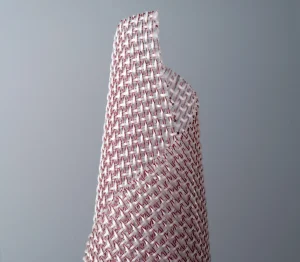
The performance of a filter cloth is not determined by chemical properties alone. The structure of the yarn plays a vital role:
Industrial operations throughout Bulgaria face distinct process challenges based on their geography. Jovios custom designs PP filter cloths to address these regional demands:
Copper processing facilities in the Srednogorie region rely heavily on our high-tensile strength multifilament PP fabrics. Our cloths handle abrasive tailing slurries, allowing for fast dewatering cycles and clean filter cake discharge.
Bulgarian soda ash and chemical processing operations utilize alkali-resistant monofilament PP fabrics. These materials endure extreme pH fluctuations and protect downstream municipal sewer inlets from trace contaminants.
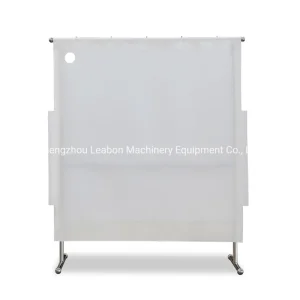
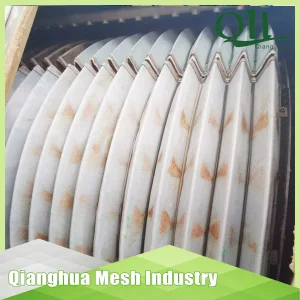
Wastewater treatment plants in Sofia, Plovdiv, and Varna employ membrane plate filter presses. Using our calendared PP cloths, these plants reduce sludge volume, lowering overall sludge disposal costs.
Compliance & Logistics Guarantee: We ensure that every shipment of PP filter cloth entering Bulgarian ports (Varna or Burgas) or transported overland via European routes is fully documented with CE marks, EN 10204 3.1 material certificates, and REACH compliance declarations, minimizing customs delays.
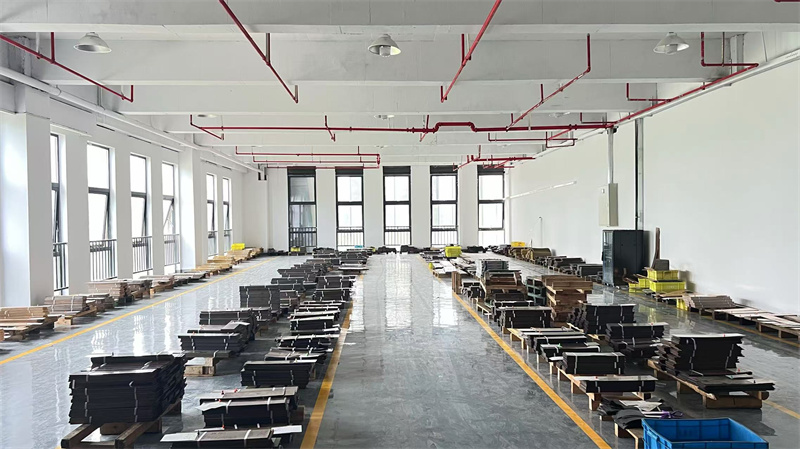
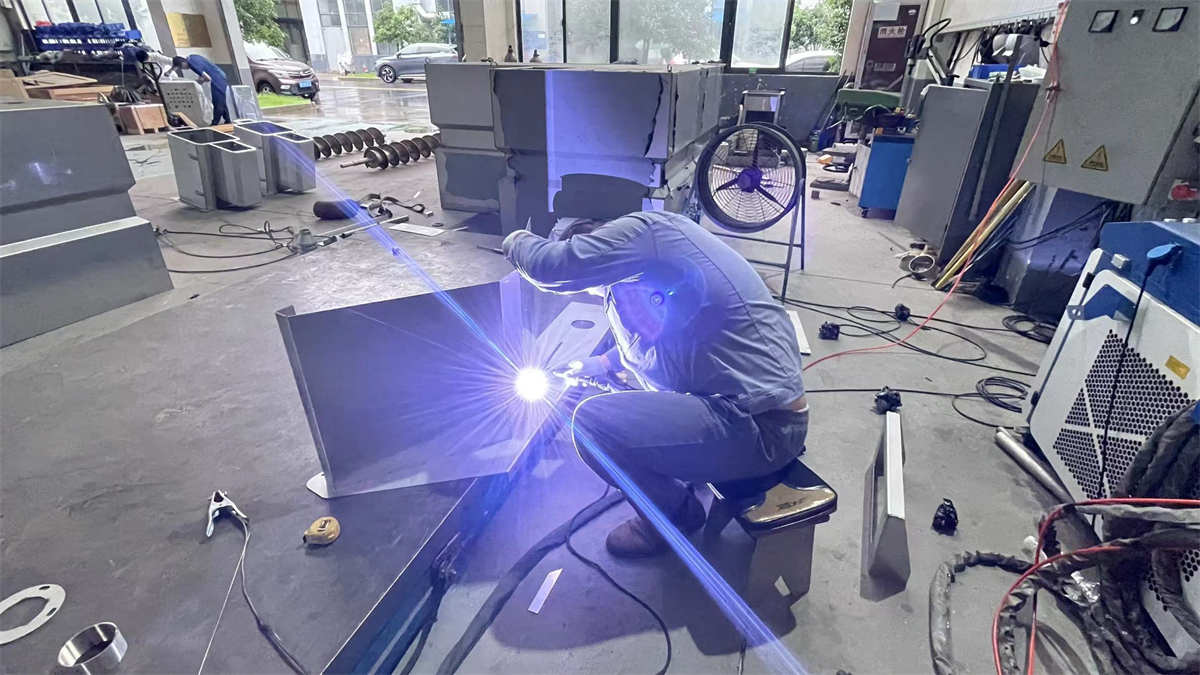
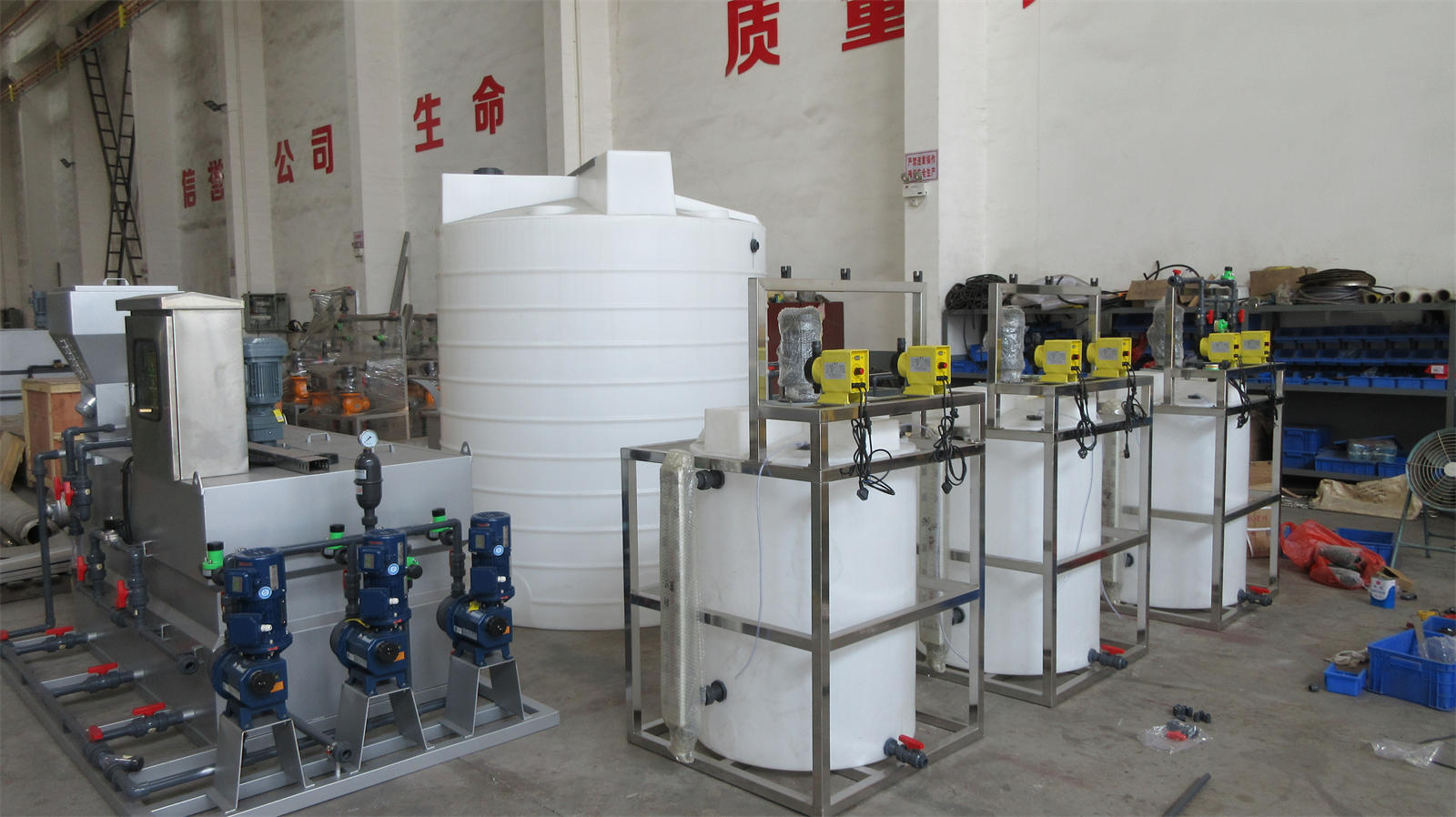
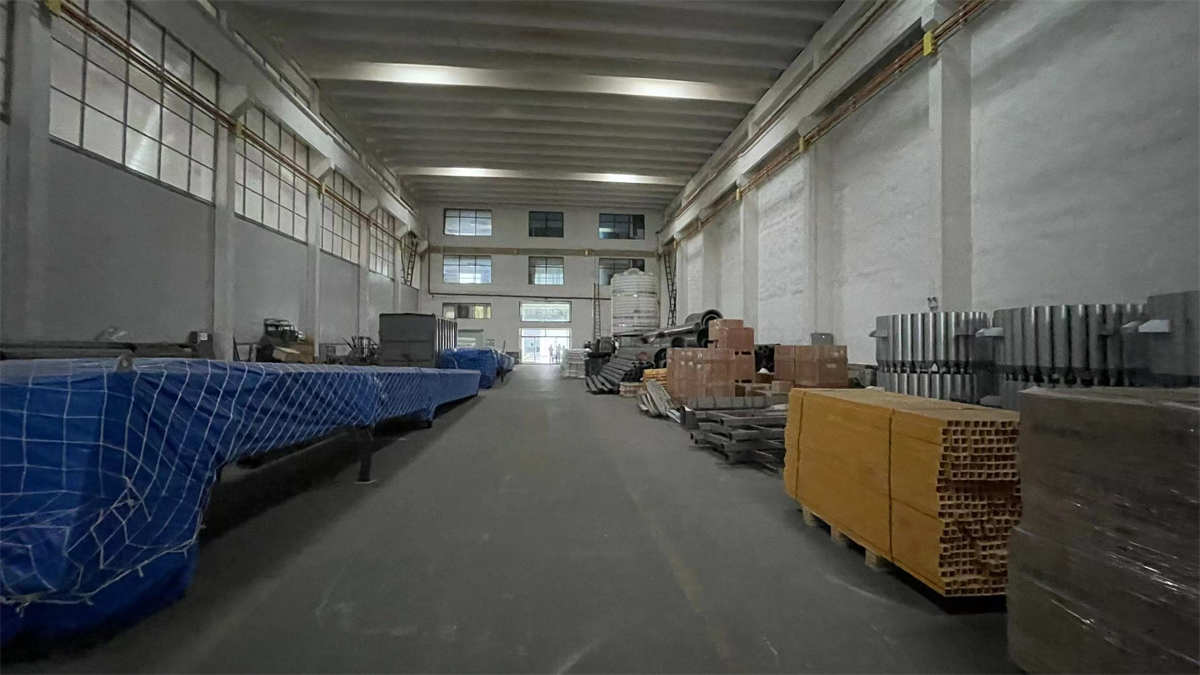
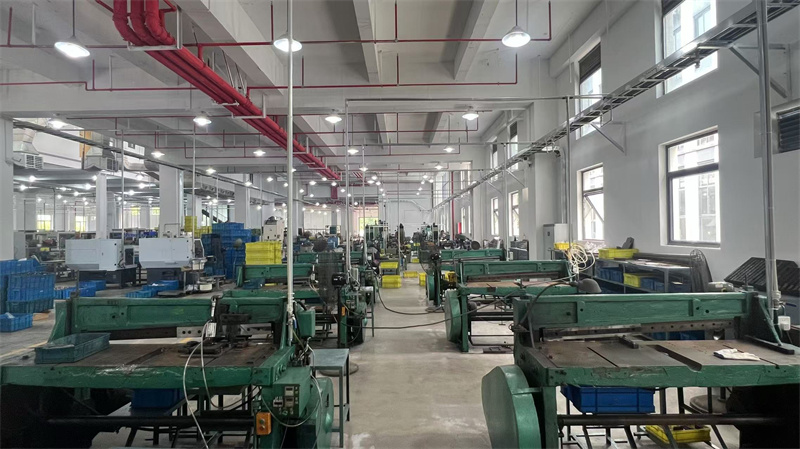
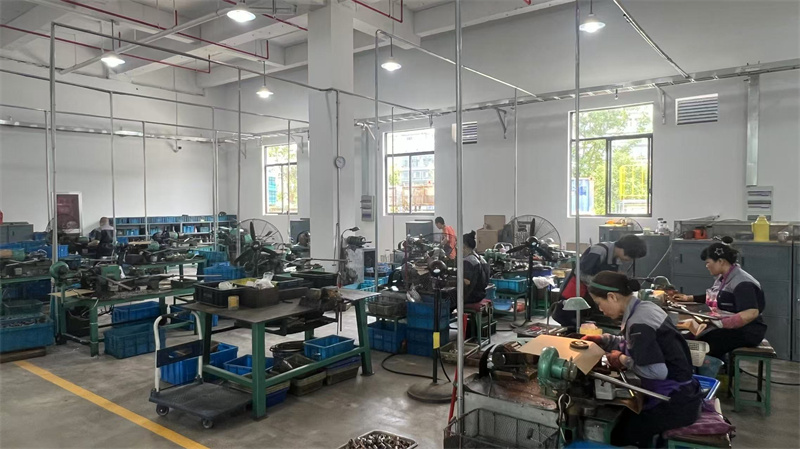
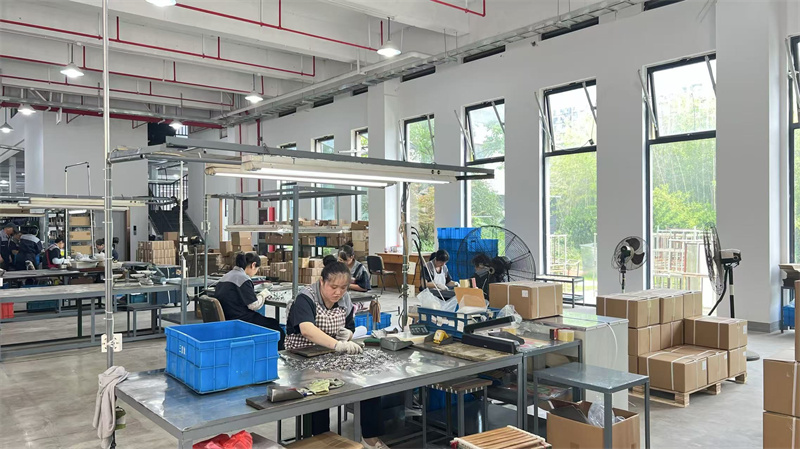
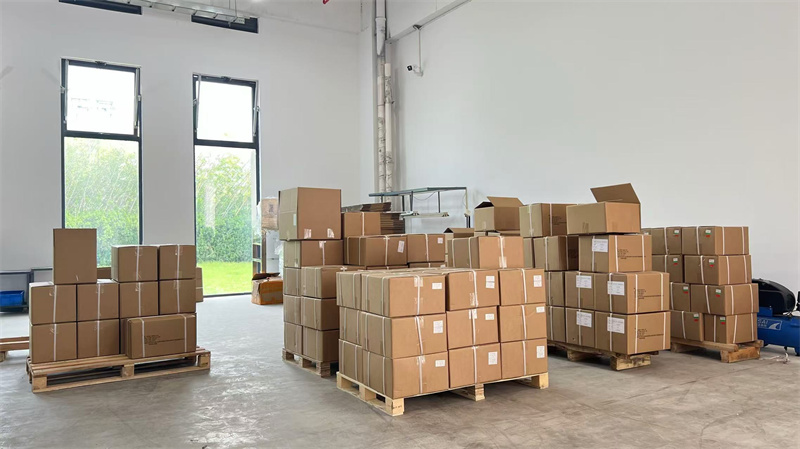
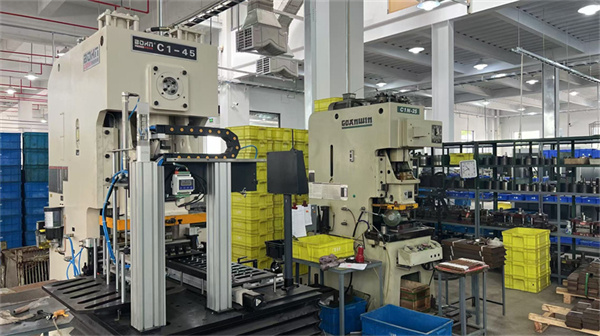
Changzhou Jovios Equipment Co., Ltd. is a professional manufacturer and solution provider specializing in solid-liquid separation and environmental protection equipment. Located in Changzhou National High-tech Industrial Development Zone, Jiangsu Province, China, the company operates a modern manufacturing base covering more than 50,000 square meters, equipped with advanced production facilities and a comprehensive quality inspection center.
Jovios independently designs, develops, and manufactures a complete range of filtration and separation equipment, including plate and frame filter presses, membrane filter presses, automatic filter presses, intelligent filtration systems, as well as high-performance filter plates and filter cloths. With an annual production capacity exceeding 1,000 units, our products are widely applied in municipal wastewater treatment, chemical processing, petroleum, mining, metallurgy, pharmaceuticals, food and beverage production, paper manufacturing, textile dyeing, ceramics, building materials, and many other industries.
In addition to filtration equipment, Jovios provides complete wastewater treatment solutions and engineering services. From process design and equipment selection to installation, commissioning, and operational support, we deliver turnkey wastewater treatment systems for both municipal and industrial customers worldwide.
Our experienced research and development team consists of more than 30 senior engineers and technical specialists. Through close cooperation with universities, research institutes, and industry partners, we continuously integrate innovative technologies into product development, ensuring reliable performance, higher efficiency, and sustainable operation.
Supported by a growing global sales and service network, Jovios offers comprehensive technical support throughout the entire project lifecycle. From initial consultation and system design to installation, training, and after-sales service, we are committed to providing responsive and professional support wherever our customers operate.
At Jovios, we are dedicated to delivering efficient, energy-saving, and environmentally responsible separation solutions for industrial customers worldwide. Through continuous innovation and customer-focused engineering, we help businesses improve productivity, reduce operating costs, and achieve sustainable growth.
Request customized lab testing or request a site-specific sample roll. Our filter press engineers will assist you in designing the optimal mesh structure for your slurry profile.
Send Inquiry NowThe industrial landscape is moving toward smart filtration networks. Jovios is actively developing composite filter fabrics integrated with conductive carbon fibers. These antistatic variants prevent charge buildup during organic solvent processing or dry dust collection, protecting facilities against explosion risks (ATEX zones).
In addition, our research centers are optimizing surface calendering processes. Calendering applies high thermal compression to the face of the PP fabric, fusing surface fibers slightly. This creates a smooth surface that reduces specific cake adhesion, allowing dry filter cakes to slide easily off the vertical plates during discharge. This optimization minimizes water wash cycles, prolongs the fabric’s service life, and reduces downtime for Bulgarian heavy manufacturing operators.
Whether operating in Sofia, Plovdiv, or Varna, we deliver custom-fit PP filter cloths to improve your cake dryness. Reach out to our technical team today for a tailored quote.
Send Inquiry Now Jovios Equipment