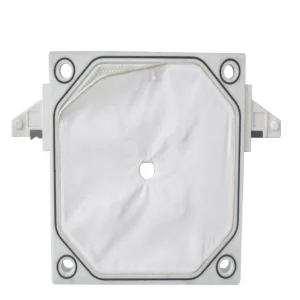
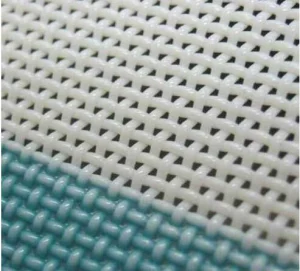
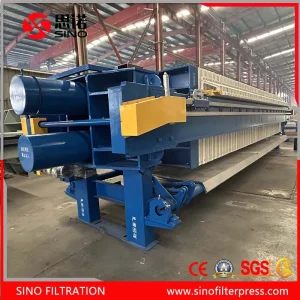
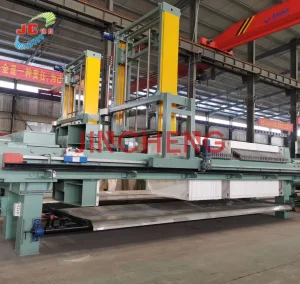
Explore our premium machinery, specialized filter plates, and high-performance filter cloths engineered for maximum dry-cake discharge.
A comprehensive analysis of industrial dewatering trends, regulatory criteria, and processing innovations.
In modern heavy industry, solid-liquid separation is no longer merely a basic operations process; it is a critical pivot point for financial efficiency, environmental compliance, and circular economy protocols. Globally, the demand for high-efficiency automatic filter presses has scaled dramatically. This is driven by rigorous municipal wastewater mandates, the push for Zero Liquid Discharge (ZLD) in chemical manufacturing, and the optimization requirements of mineral processing operations.
The absolute standard of compliance for machinery exported to or operated within the European Economic Area (EEA) is the CE Certification. For automatic press systems, this certification signifies alignment with the Machinery Directive 2006/42/EC, the Low Voltage Directive 2014/35/EU, and the Pressure Equipment Directive (PED) 2014/68/EU. As high pressures (often exceeding 16 to 25 bar during membrane squeezing steps) are native to these systems, rigorous engineering validation, structural integrity certifications, and redundant safety interlocks are non-negotiable for reliable global operations.
Changzhou Jovios Equipment Co., Ltd. is a professional manufacturer and solution provider specializing in solid-liquid separation and environmental protection equipment. Located in the prestigious Changzhou National High-tech Industrial Development Zone, Jiangsu Province, China, the company operates a modern manufacturing base covering more than 50,000 square meters, equipped with advanced production facilities and a comprehensive quality inspection center.
Jovios independently designs, develops, and manufactures a complete range of filtration and separation equipment, including plate and frame filter presses, membrane filter presses, automatic filter presses, intelligent filtration systems, as well as high-performance filter plates and filter cloths. With an annual production capacity exceeding 1,000 units, our products are widely applied in municipal wastewater treatment, chemical processing, petroleum, mining, metallurgy, pharmaceuticals, food and beverage production, paper manufacturing, textile dyeing, ceramics, building materials, and many other industries.
In addition to filtration equipment, Jovios provides complete wastewater treatment solutions and engineering services. From process design and equipment selection to installation, commissioning, and operational support, we deliver turnkey wastewater treatment systems for both municipal and industrial customers worldwide.
Our experienced research and development team consists of more than 30 senior engineers and technical specialists. Through close cooperation with universities, research institutes, and industry partners, we continuously integrate innovative technologies into product development, ensuring reliable performance, higher efficiency, and sustainable operation.
At Jovios, we are dedicated to delivering efficient, energy-saving, and environmentally responsible separation solutions for industrial customers worldwide. Through continuous innovation and customer-focused engineering, we help businesses improve productivity, reduce operating costs, and achieve sustainable growth.
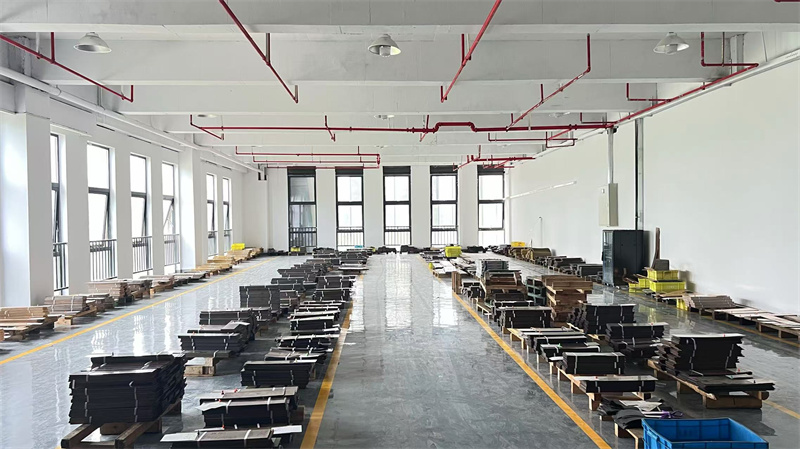
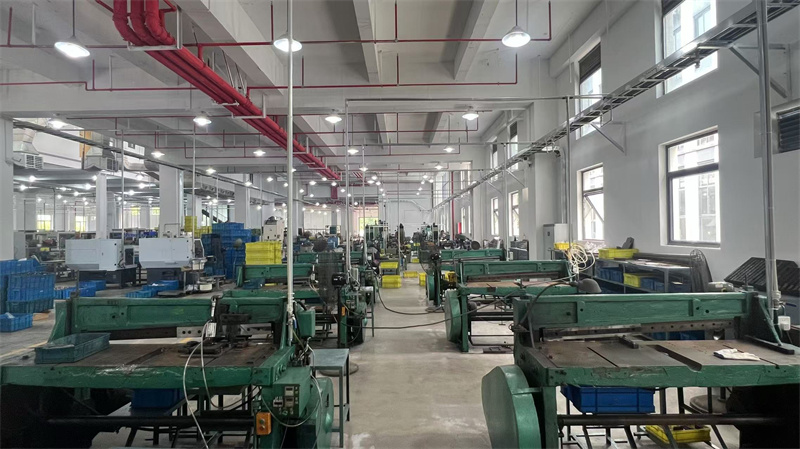
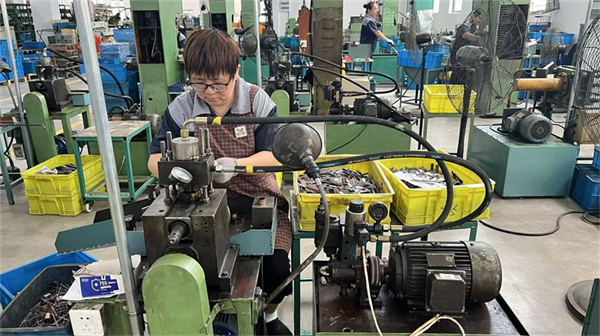
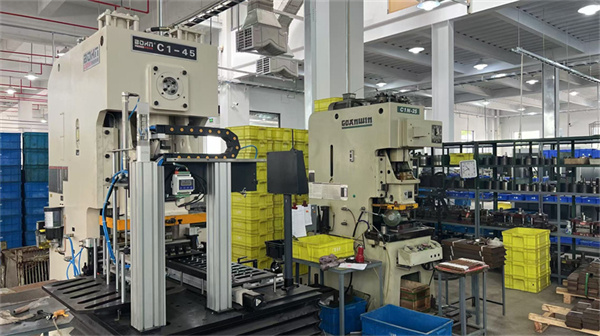
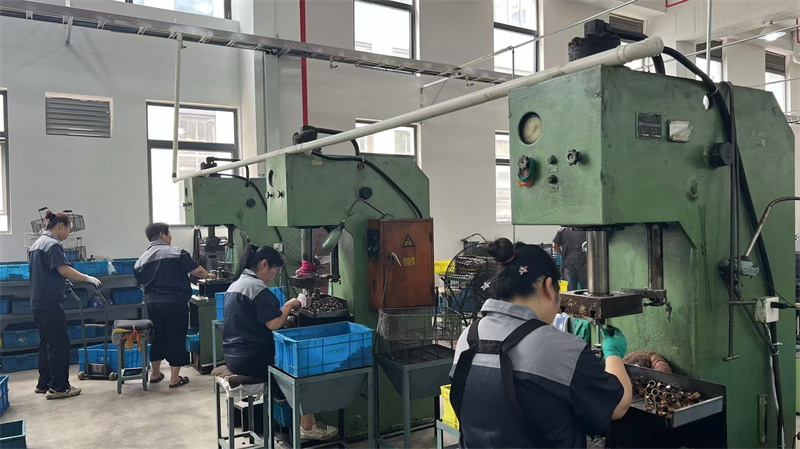
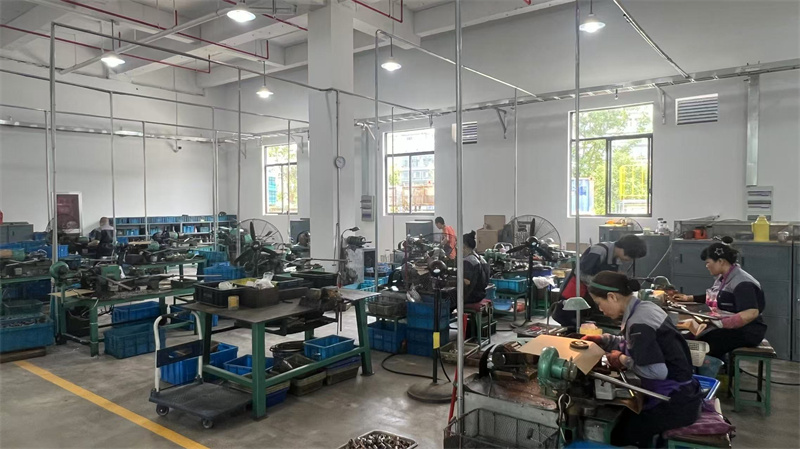
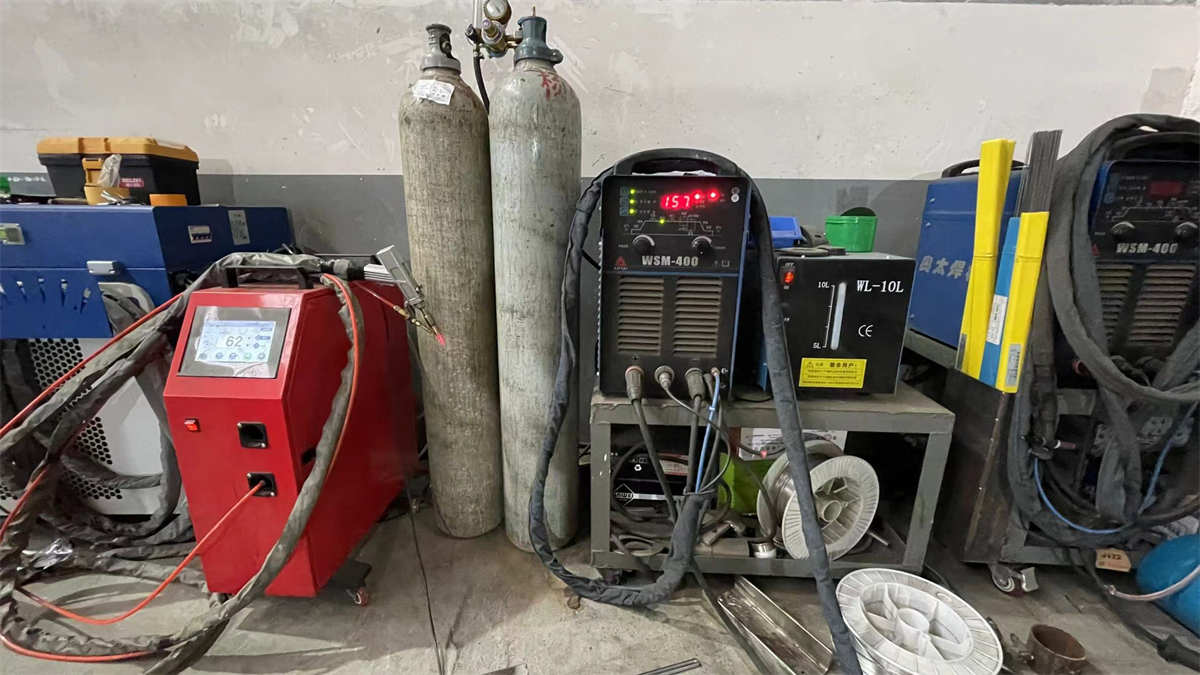
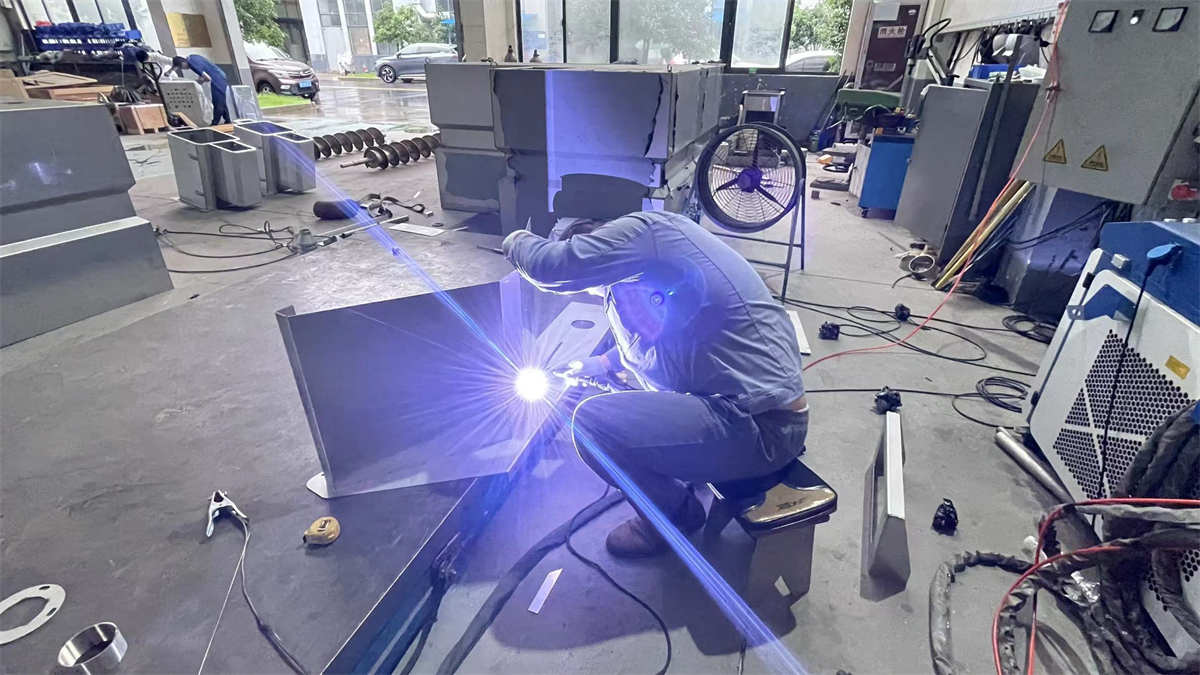
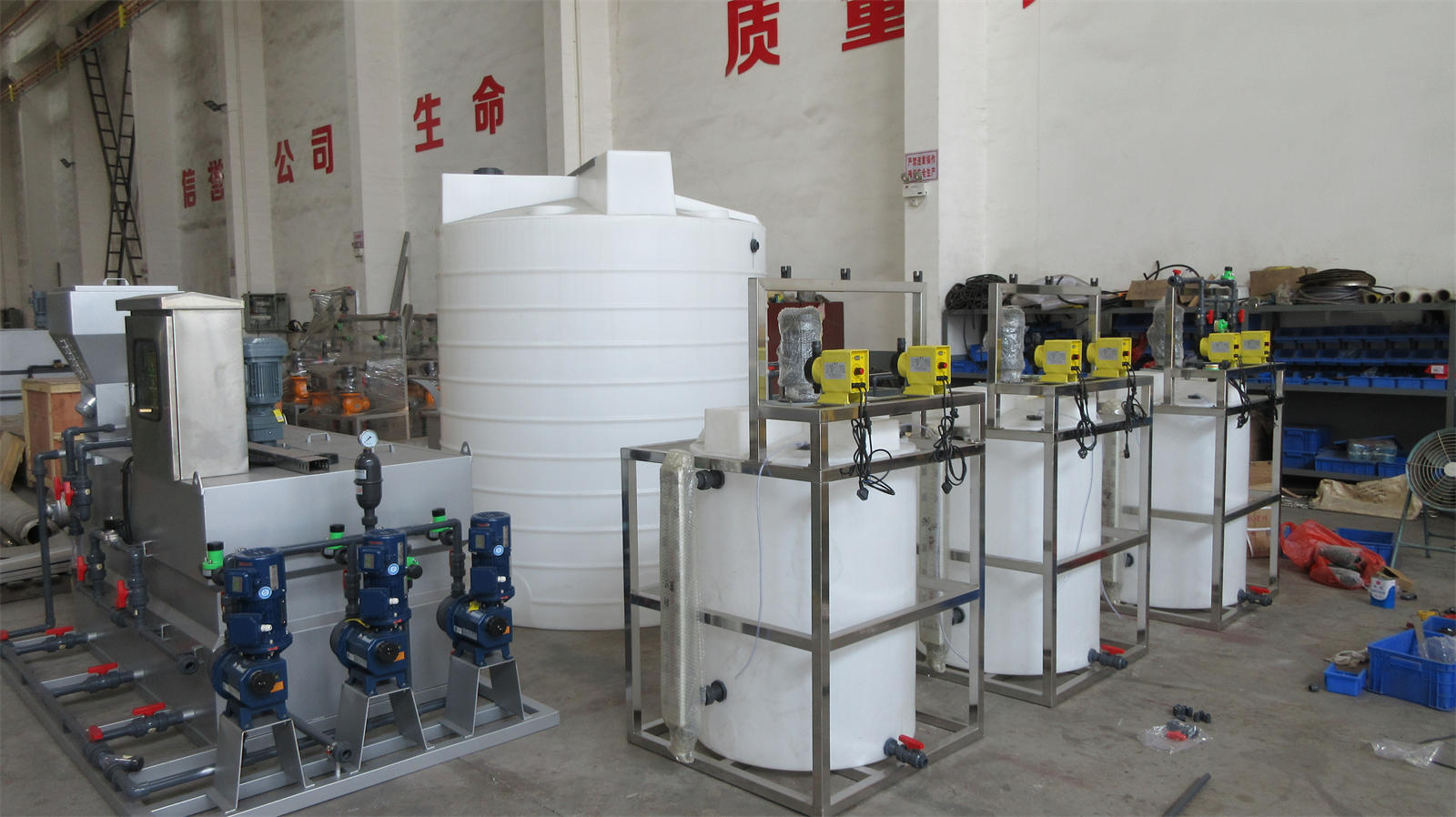
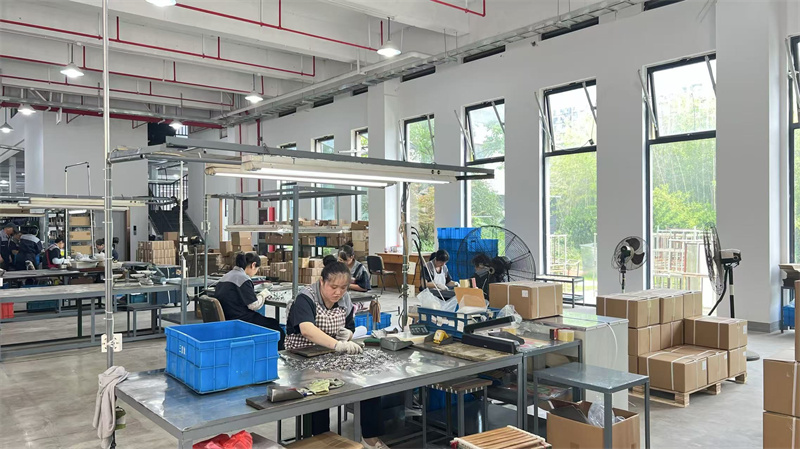
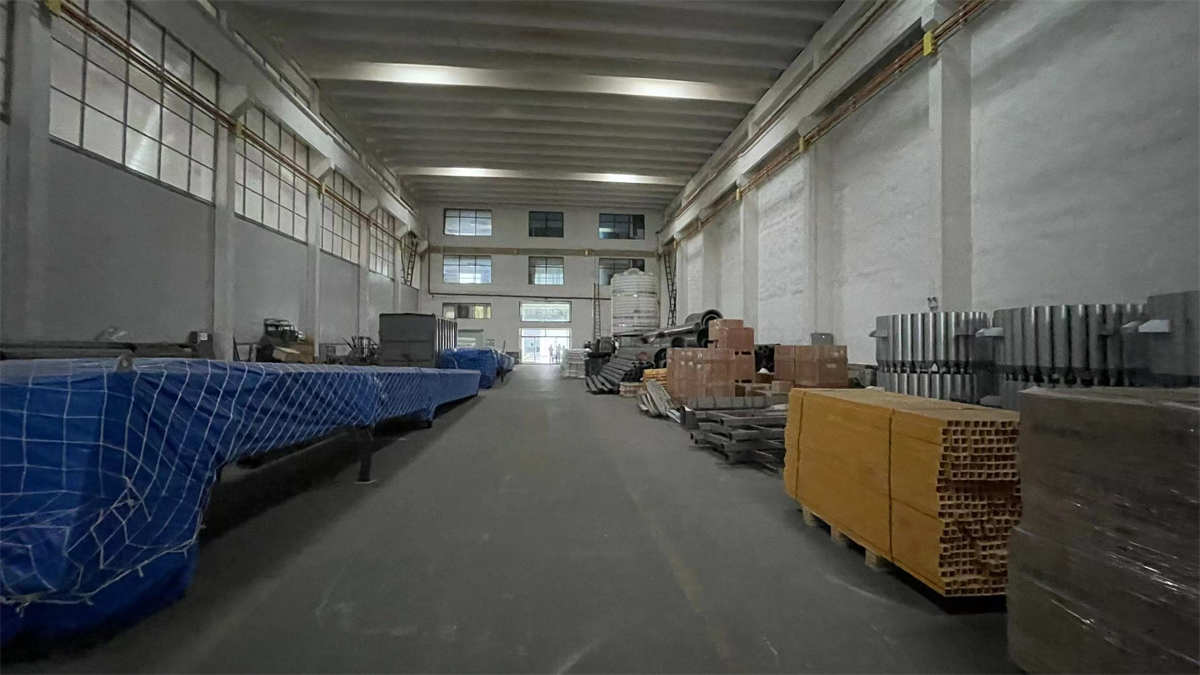
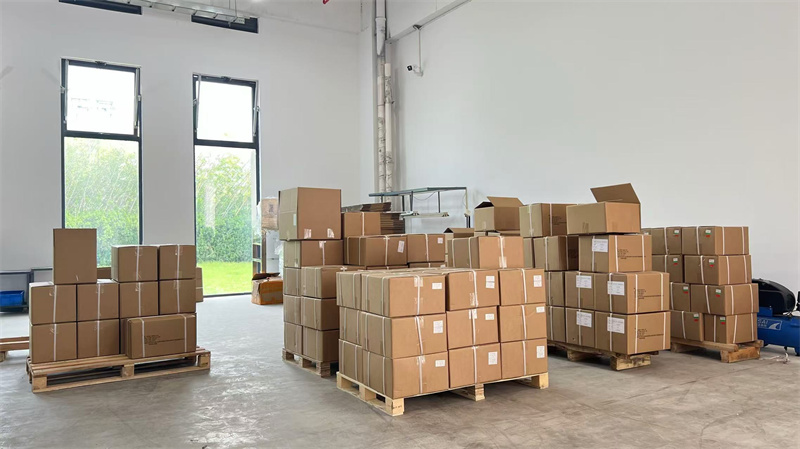
Step-by-step insight into our vertically integrated fabrication process, ensuring CE-compliant structure safety and dimensional tolerance.
Understanding how different filter press architectures respond to varied sludge and chemical parameters.
Industrial filtration requires specific configurations depending on the chemical composition of the suspension, solid particle size distribution, temperature, and pH. At Jovios, we categorize our separation mechanisms into three predominant technical pathways to aid engineering optimization:
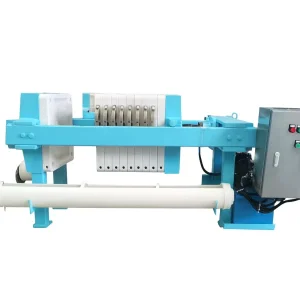
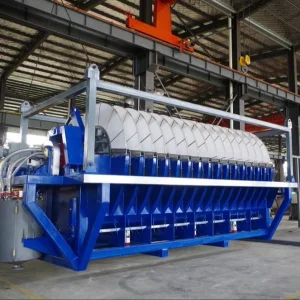
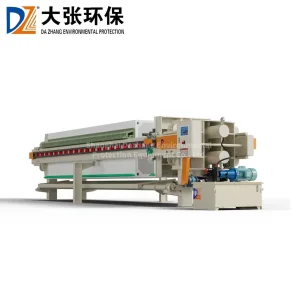
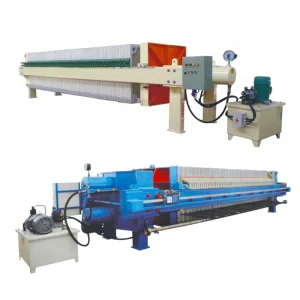
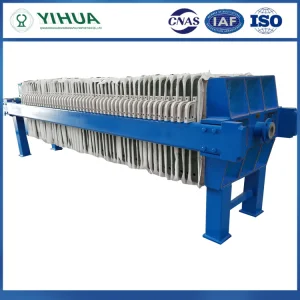
The chamber filter press is the workhorse of industrial solid-liquid separation. It utilizes feed pumps to drive slurry into internal chambers formed by consecutive recessed plates. As solids accumulate on the filter cloth, pressure rises, driving liquid through the medium. It is ideal for high-solids concentration slurries where chemical washing of the cake is not primary.
Membrane squeeze plates incorporate an expandable membrane layer (often manufactured from EPDM or customized polypropylene). Once the initial chamber filling and filtration cycle concludes, high pressure water or compressed air is introduced behind the membrane. This mechanically compresses the cake, reducing residual moisture by an additional 10-25% over chamber configurations.
Belt presses process continuously via two tensioned porous belts that pass over a system of rollers. The slurry is introduced in a gravity drainage zone before being squeezed between the belts. This system is exceptionally well-suited for high-volume, low-solids organic sludge, such as municipal biological waste streams.
Custom-engineered processing packages tailored to meet regional environmental mandates and maximize operational efficiency.
Tailings management requires high-capacity operations. Our recessed chamber presses are designed with heavy-duty structural steel to withstand highly abrasive slurries, ensuring zero leakage and rapid cake discharge cycles.
With cities producing millions of tons of biological waste, our automated dewatering belt and membrane systems reduce sludge volumes, saving municipal operators up to 40% in transport and incineration costs.
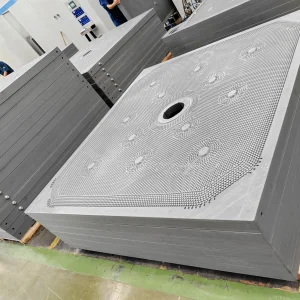
Handling acidic or alkaline process streams demands chemically inert materials. We utilize customized EPDM and polypropylene filter plates, coupled with corrosion-resistant structures, to maintain long-term operational safety.
Adapting filtration technology to local standards, environment configurations, and dynamic industrial regulations.
In North American municipal and mineral facilities, compliance with ASME pressure vessel parameters and OSHA safety guidelines is essential. Automatic presses are equipped with Class 1 Div 1/Div 2 explosion-proof electronics for hazardous extraction sites. Systems are optimized to meet the EPA Clean Water Act requirements, specifically targeting reduction in Total Suspended Solids (TSS).
EU installations require CE marking, adhering to the Machinery Directive and EN standards for hydraulic operations safety. Further, REACH regulations govern chemical contact with processing elements. High-efficiency automatic membrane presses are configured to minimize grid power consumption, in line with European energy-efficiency goals.
For rapidly growing manufacturing hubs in countries like Vietnam, Indonesia, and India, resource recovery and cost efficiency are crucial. Here, we offer integrated systems configured for food processing (such as cassava starch separation) and textile wastewater treatment, designed for reliable operation under high ambient temperatures and humidity.
Tracing the evolution of industrial filtration into the era of smart automation, IoT, and high-efficiency material science.
Standardizing programmable logic controllers (PLCs) with human-machine interfaces (HMI) to coordinate hydraulic clamping, slurry feeding, core blowing, cake washing, and plate shifting without manual intervention.
Integrating real-time sensor arrays to monitor feed pressure, filtrate turbidity, hydraulic oil temperature, and structural strain. Data is streamed to cloud platforms to enable predictive maintenance and prevent frame failure.
Developing next-generation ceramic membrane filter plates and composite media that resist high temperatures, abrasive wear, and harsh chemicals, while maintaining structural integrity at high pressures.
Explore our highly durable plates, high-efficiency cloths, and specialized sludge treatment equipment.
Our engineering team answers common technical questions regarding filtration parameters, maintenance, and system design.
 Jovios Equipment