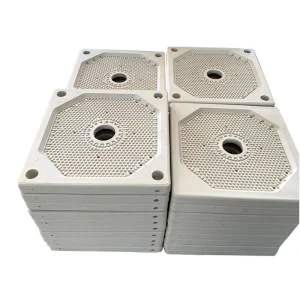
Explore our state-of-the-art filter plates, frame assemblies, and heavy-duty separation apparatus designed for high-pressure operations and harsh chemical environments.
In the contemporary industrial epoch, water scarcity has transitioned from an environmental concern to a defining geopolitical and economic bottleneck. Rapid urbanization, intensive industrial processing, and shifting climatic patterns have combined to place unprecedented stress on freshwater resources. Global mega-industries—ranging from chemical processing and heavy mineral extraction to municipal utilities and maritime transport—increasingly depend on advanced seawater desalination and industrial wastewater reclamation technologies to ensure uninterrupted operations.
Within this context, the role of pre-treatment and primary phase separation has emerged as a critical driver of economic feasibility. Reverse Osmosis (RO) membranes, nanofiltration blocks, and thermal distillation evaporators represent significant capital expenditures. However, their efficiency is intrinsically vulnerable to suspended solids, biological macromolecular fouling, and physical abrasiveness. Herein lies the absolute necessity of high-integrity pre-treatment infrastructure: heavy-duty filter presses, high-capacity chamber systems, and robust membrane filtration arrays.
By effectively removing suspended colloids, micro-particulates, and highly concentrated industrial sludges before water reaches sensitive membrane units, modern industrial filter systems extend downstream lifecycle duration by up to 300%. For multi-billion-dollar desalination installations in regions like the Middle East, North Africa, and coastal Southeast Asia, this represents millions of dollars saved annually in replacement membranes, cleaning down-times, and energy overheads.
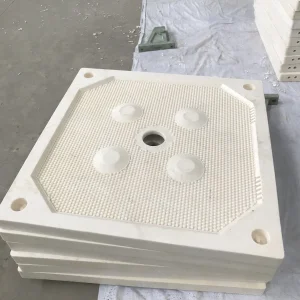
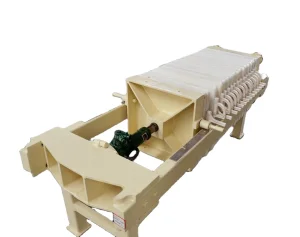
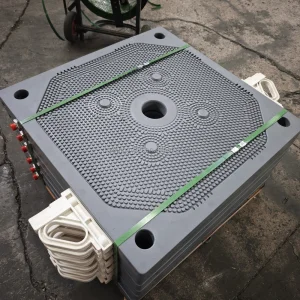
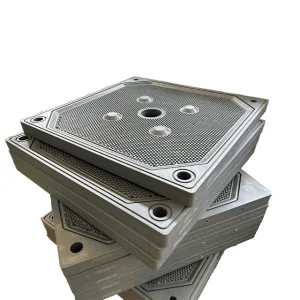
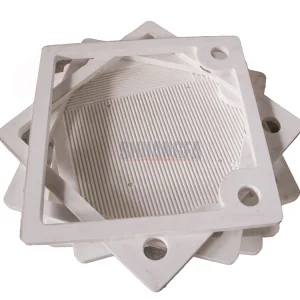
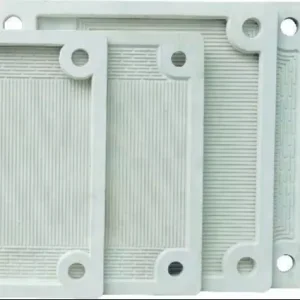
The core mechanic of desalination pre-treatment and industrial dewatering relies on the thermodynamic and mechanical manipulation of slurry solids. Modern filtration configurations employ recessed plates, membrane squeeze chambers, and optimized filter media to achieve optimal moisture removal and cake dryness. The choice of plate architecture directly influences cycle duration, throughput capacity, and energy expenditures.
Utilizes secondary high-pressure liquid or pneumatic inflation to mechanically compress the filter cake, minimizing residual moisture content to unprecedented levels.
Constructed from premium high-molecular-weight Polypropylene, duplex stainless steel (SS316L), and robust cast iron to withstand aggressive chemicals and saline environments.
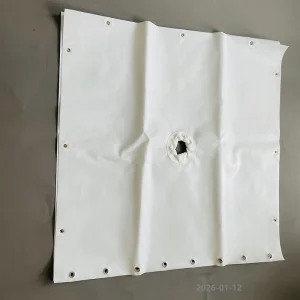
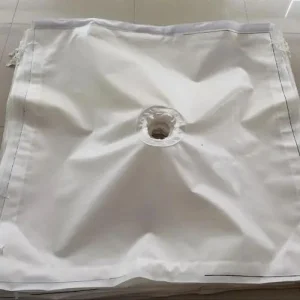
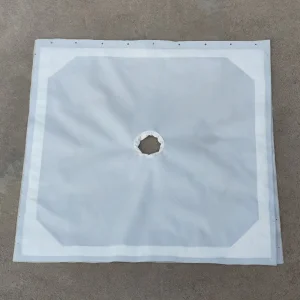
Incorporates specialized woven monofilament and multifilament fabrics engineered for instant cake release, preventing particulate entrapment and reducing wash cycles.
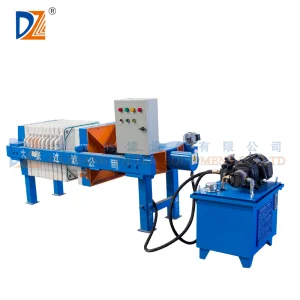
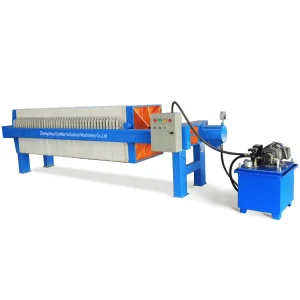
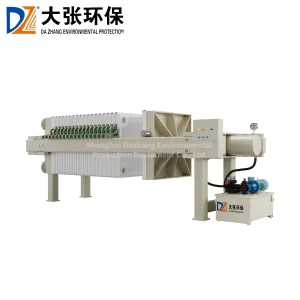
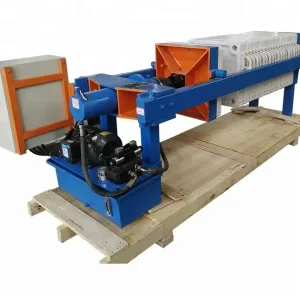
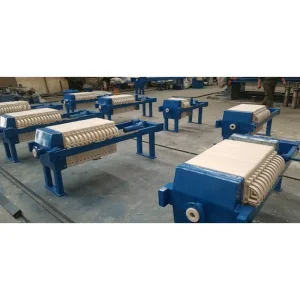
In standard operations, the slurry is pumped under high pressure into the chambers formed by adjacent filter plates. The liquid phase permeates the filter cloth, draining out through internal channels, while the solid phase forms a consolidated cake. In membrane filter presses, once the initial chamber filling is complete, an elastic membrane (commonly composed of high-strength PP or elastomers) is expanded against the cake. This extra squeeze phase forces out capillary-bound water, producing a significantly drier waste product ready for dry disposal or thermal incineration, while recovering maximum clean water filtrate.
A professional manufacturer and solution provider specializing in solid-liquid separation and environmental protection equipment.
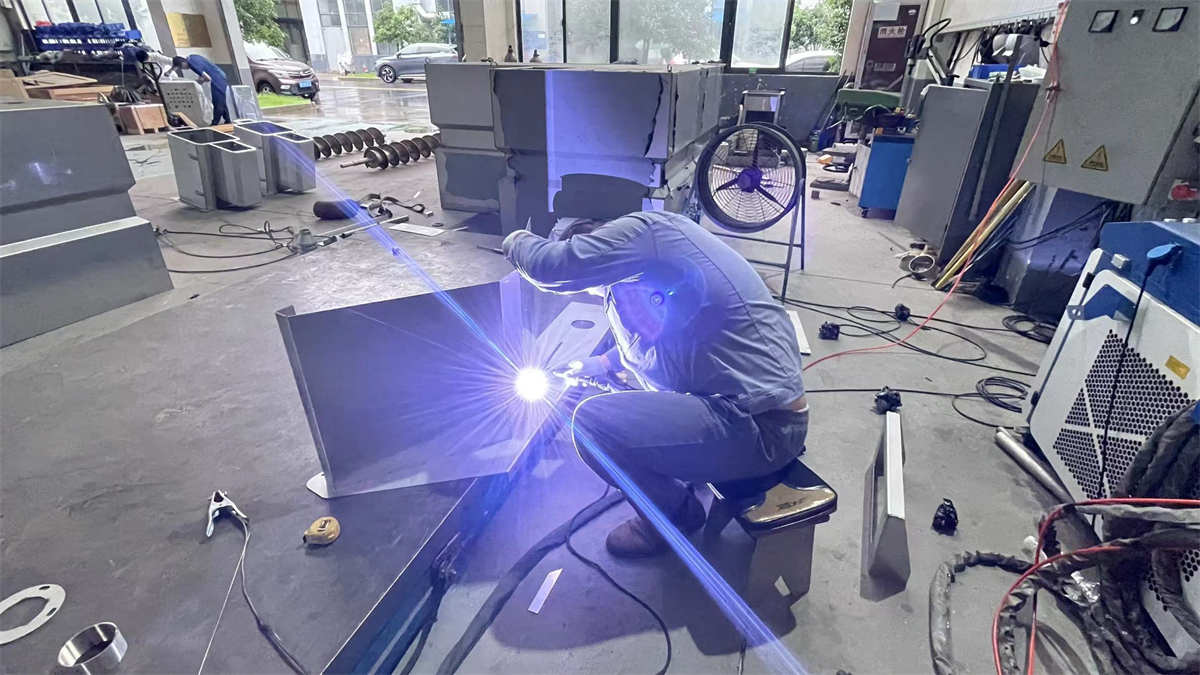
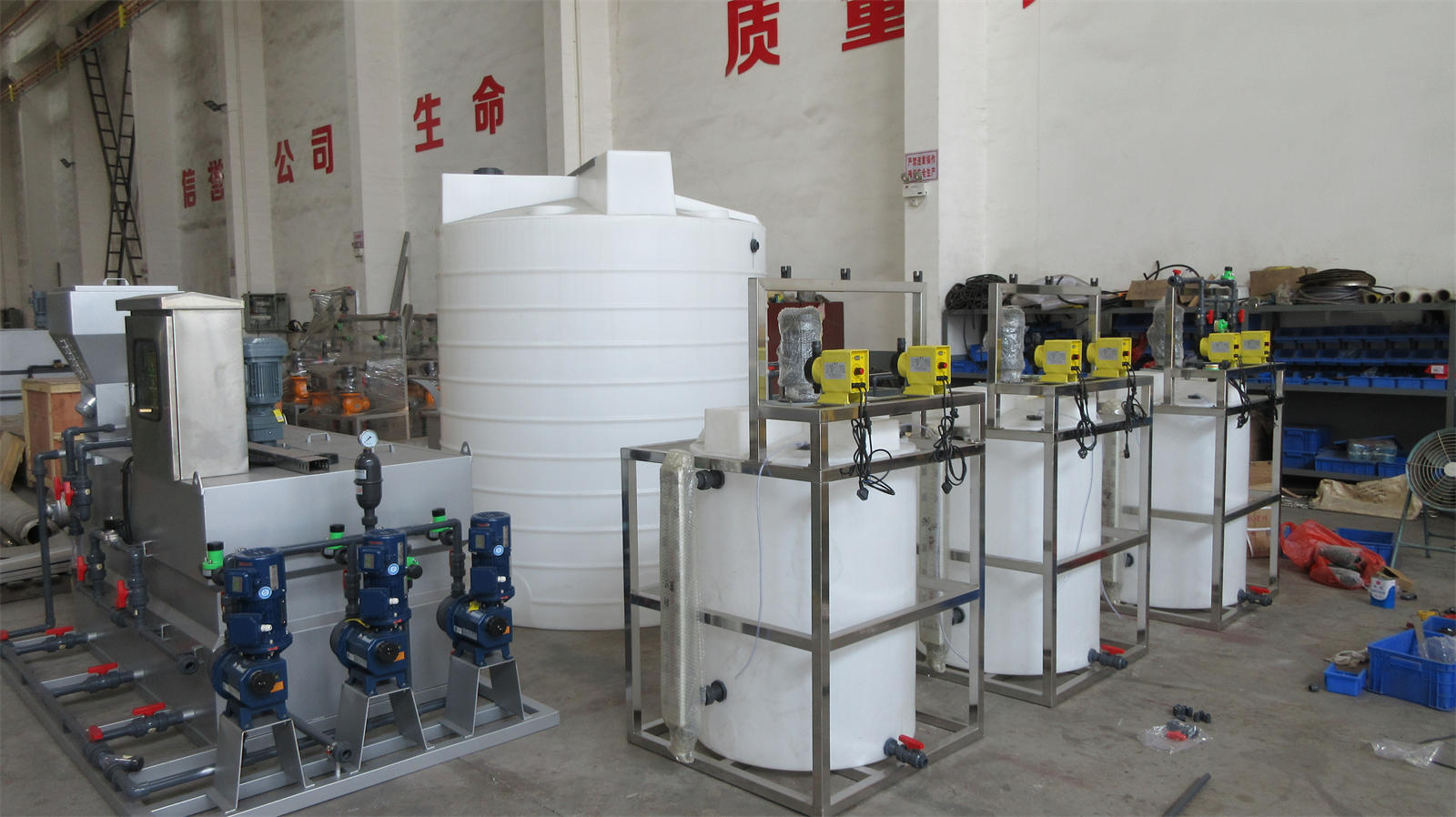
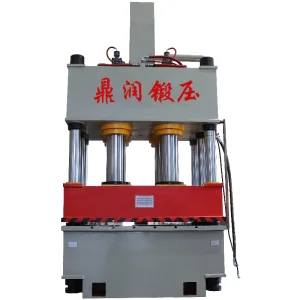
Located in the Changzhou National High-tech Industrial Development Zone, Jiangsu Province, China, Changzhou Jovios Equipment Co., Ltd. operates a modern manufacturing base covering more than 50,000 square meters. The facility is equipped with advanced production machinery, automatic welding systems, heavy-duty hydraulic pressing complexes, and a comprehensive quality inspection center. We independently design, develop, and manufacture a complete range of filtration and separation equipment, including plate and frame filter presses, membrane filter presses, automatic filter presses, intelligent filtration systems, as well as high-performance filter plates and filter cloths.
With an annual production capacity exceeding 1,000 units, our products are widely applied in municipal wastewater treatment, chemical processing, petroleum, mining, metallurgy, pharmaceuticals, food and beverage production, paper manufacturing, textile dyeing, ceramics, building materials, and many other industries. Supported by an experienced research and development team consisting of more than 30 senior engineers and technical specialists, Jovios continuously integrates innovative technologies into product development, ensuring reliable performance, higher efficiency, and sustainable operation.
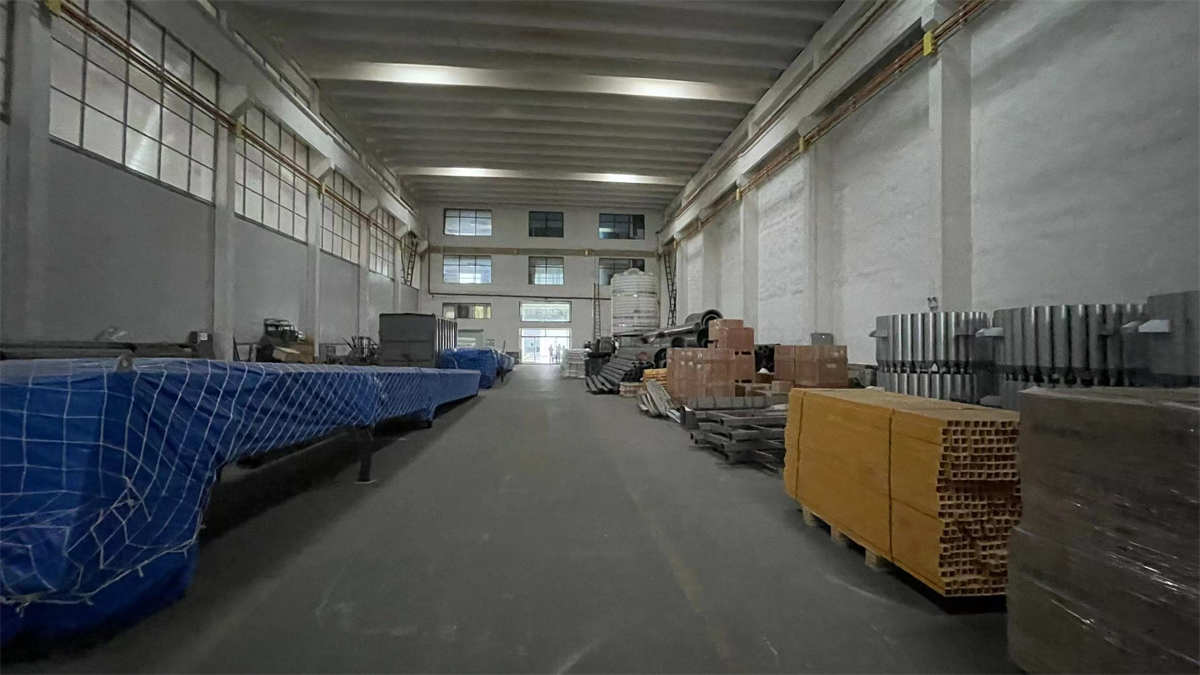
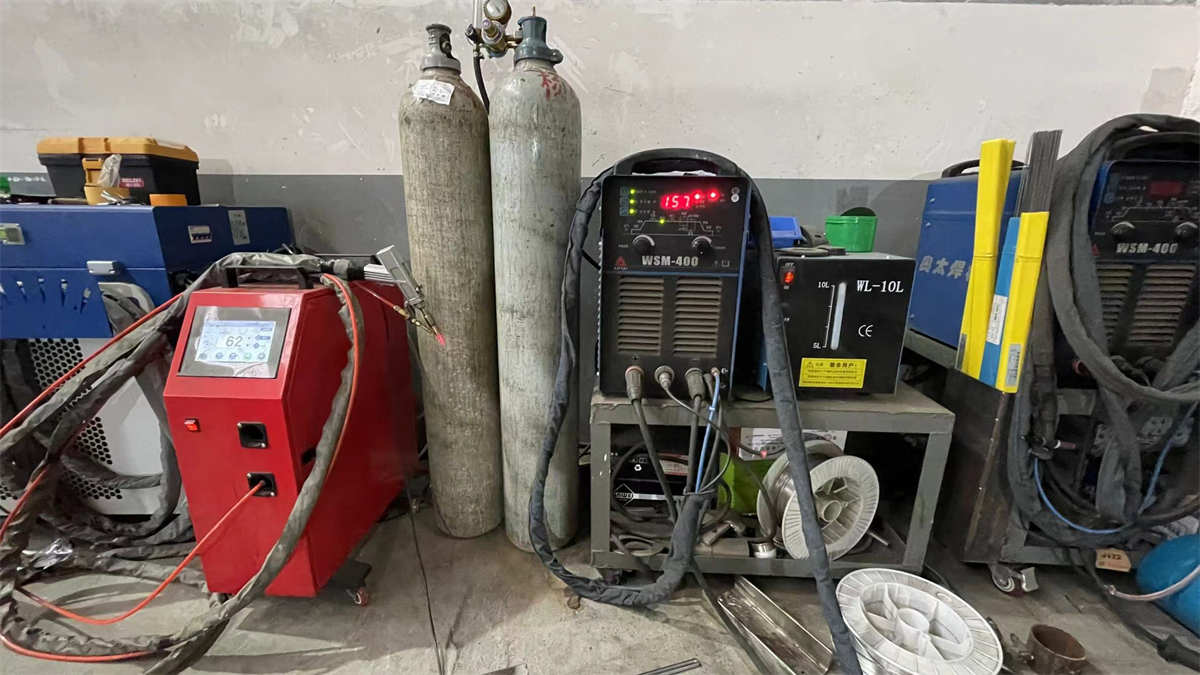
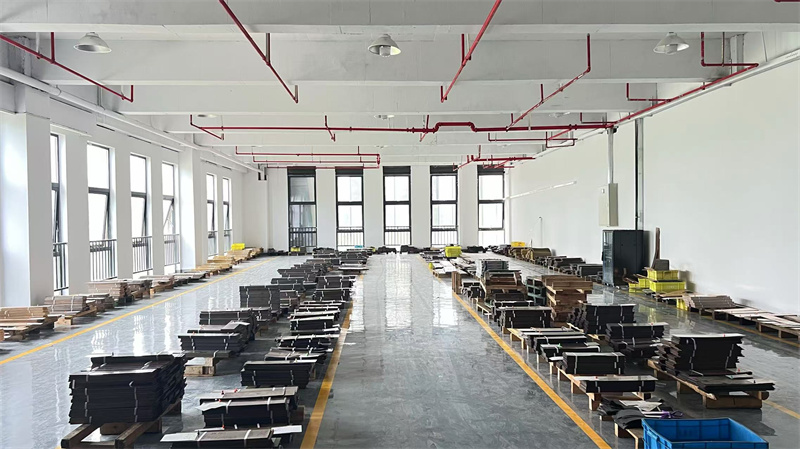
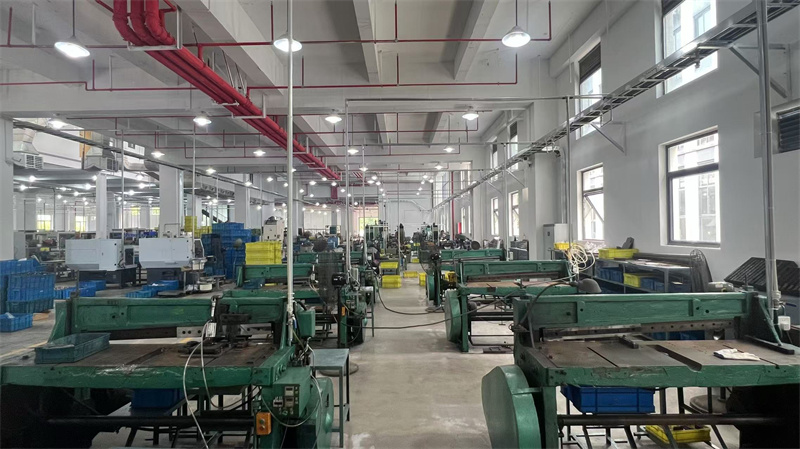
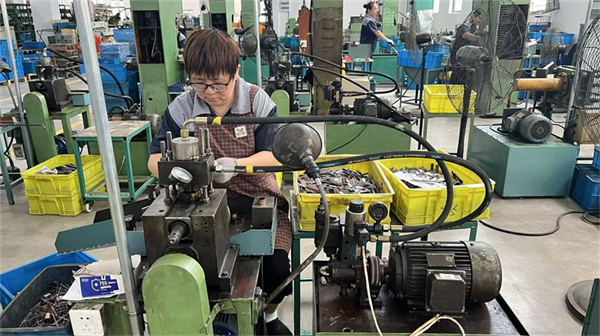
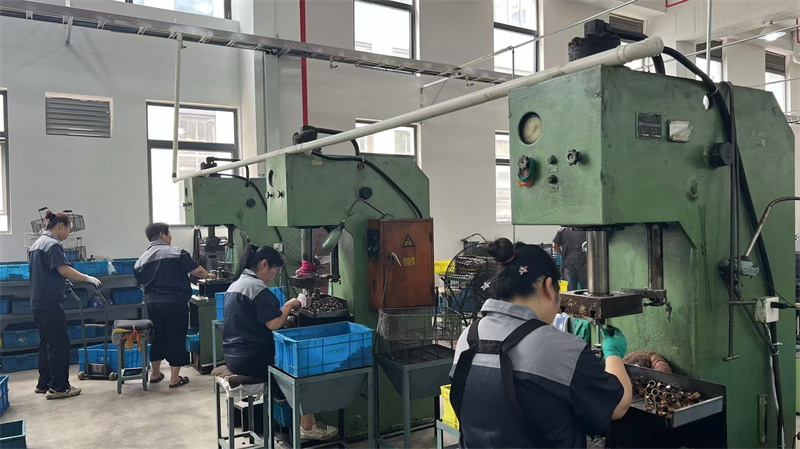
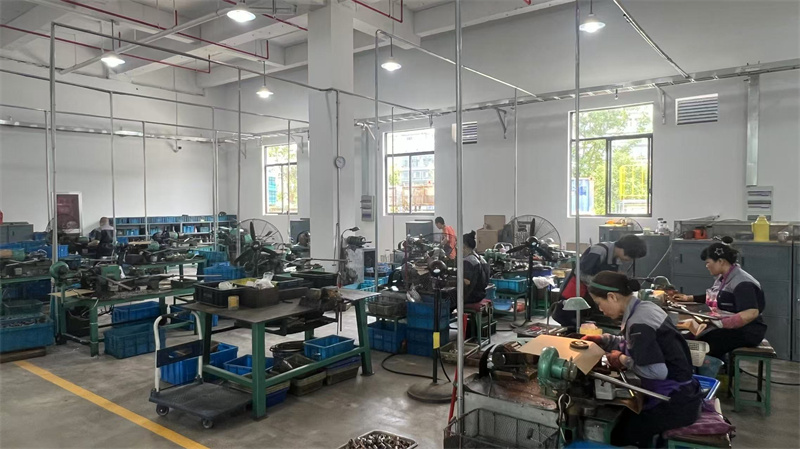
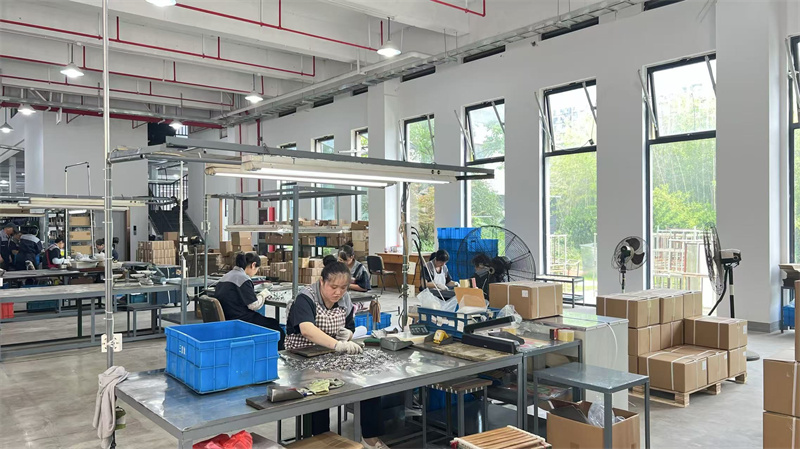
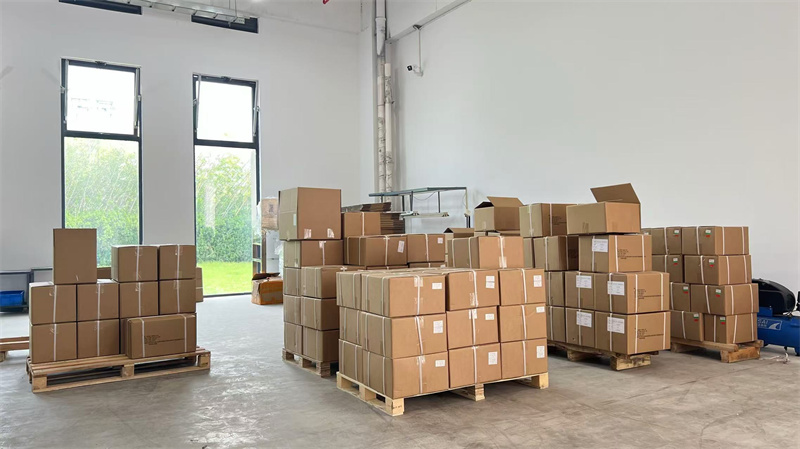
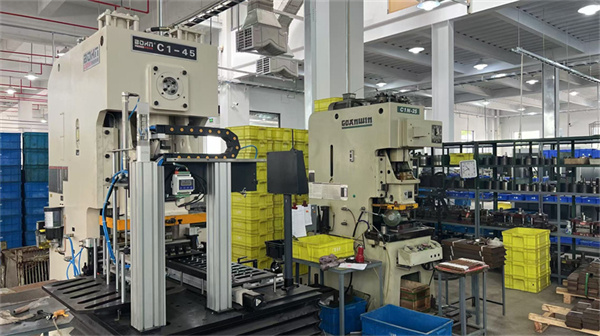
The global competitiveness of Jovios filtration systems is fundamentally anchored in the integrated industrial ecosystem of China's Yangtze River Delta. As a specialized industrial hub, Changzhou provides immediate access to world-class steel fabrication, advanced polymer synthesis (essential for our high-purity virgin Polypropylene plates), and state-of-the-art hydraulic control systems. This local network minimizes material transit times and maximizes production efficiency.
Unlike regional distributors or assembly-only firms, Jovios operates as a true manufacturer with vertical control over the production lifecycle. From raw plate casting and heavy frame machining to advanced automation integration, every step is governed in-house. This comprehensive manufacturing structure yields significant benefits:
"By maintaining complete ownership of raw material preparation, shearing, roll bending, punching, edge chamfering, and assembly, Jovios guarantees that no component exits the factory without verifying structural integrity, dimensional precision, and chemical compatibility."
From mineral processing plants in South America to municipal dewatering stations in the EU, Jovios solid-liquid separation solutions deliver field-tested reliability across diverse sectors.
In high-tonnage mining zones (e.g., copper, gold, iron ore tailing ponds), heavy-duty filter presses equipped with anti-blinding wear-resistant filter cloths handle abrasive sludges, maximizing water recovery and facilitating dry stack waste disposal.
Operating under high temperature and strong acid/alkali conditions, our specialized fluoropolymer, polypropylene, and stainless steel (304/316L) chambers ensure corrosion resistance, protecting operator safety and system longevity.
For coastal municipal desalination projects, our large-scale filter systems separate marine silt, organic macro-biomass, and biological suspended solids, preventing the premature fouling and destruction of downstream RO membrane arrays.
The future of solid-liquid separation is defined by automation, energy efficiency, and material intelligence. As ESG metrics become stricter, industrial facilities must reduce energy consumption during filtration cycles and completely eliminate landfilling of high-moisture waste sludges. Industry trends are focusing on:
Expert technical insights to help engineers, plant managers, and procurement officers make informed solid-liquid separation decisions.
Discover our comprehensive collection of industrial filter presses, custom plate configurations, and specialized acid-alkali fabrics engineered for severe service environments.
 Jovios Equipment