Jovios Equipment
1 / 5
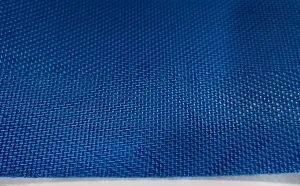
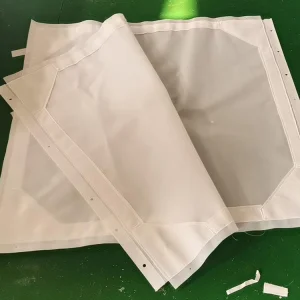
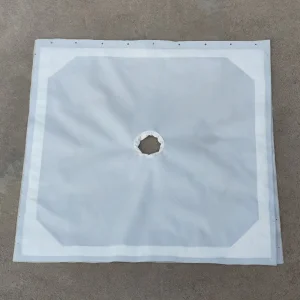
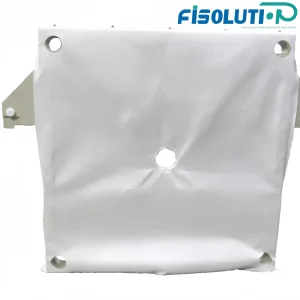
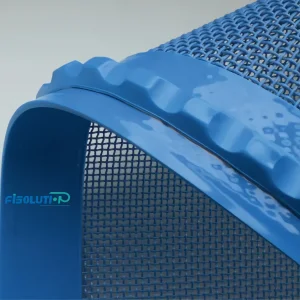
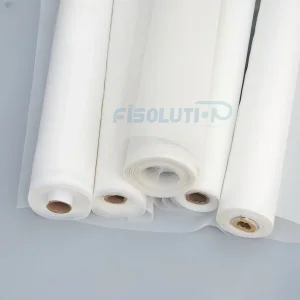
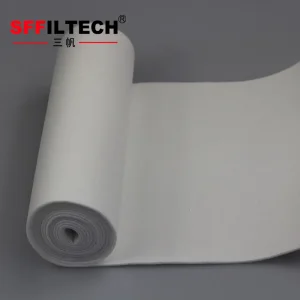
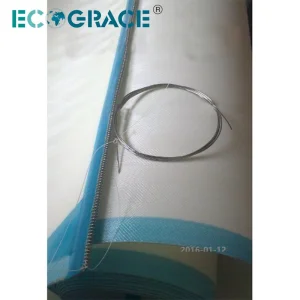
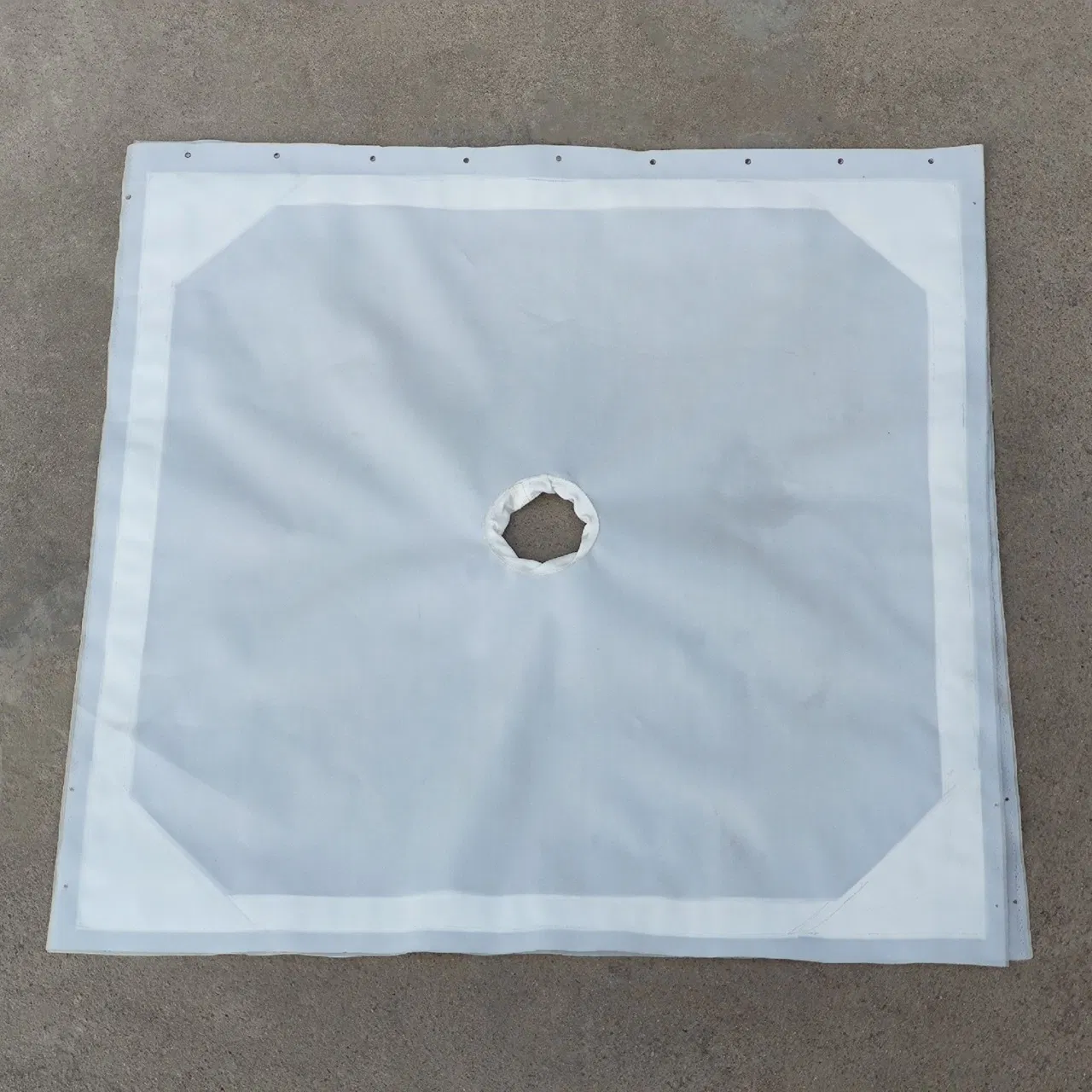
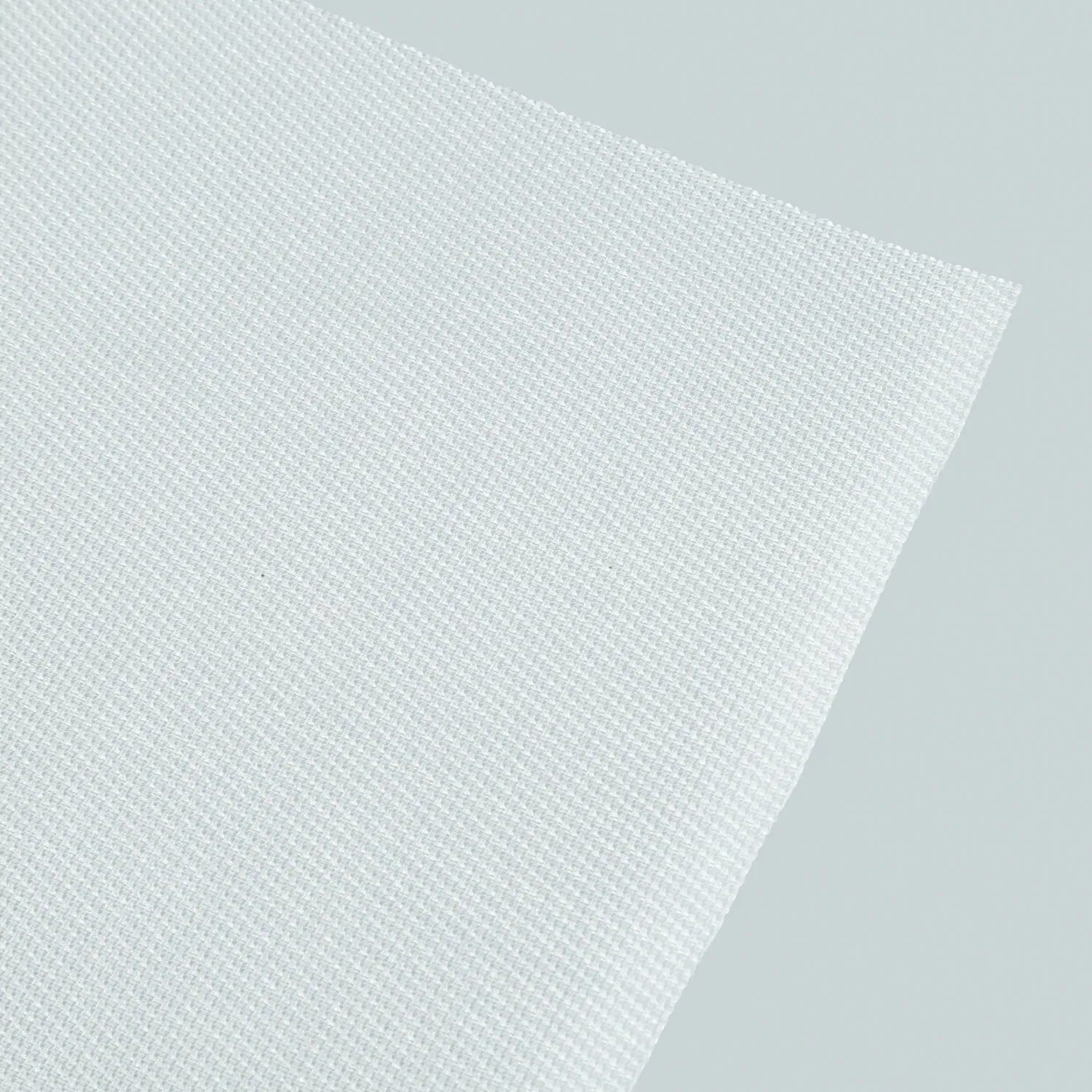
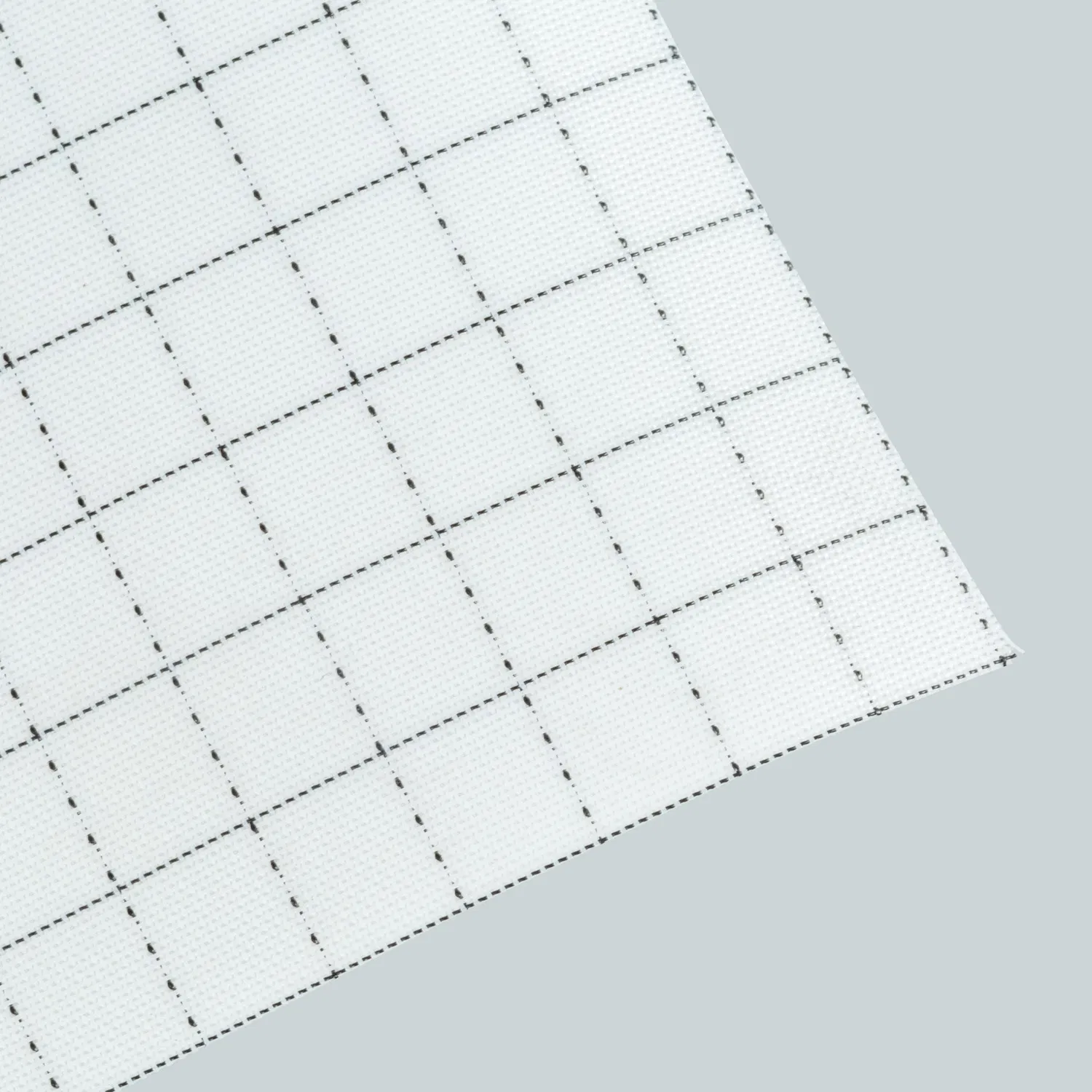
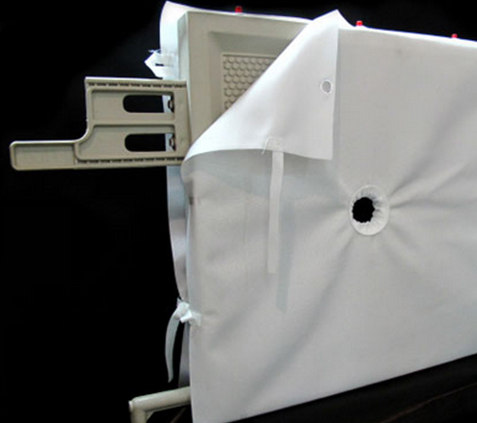
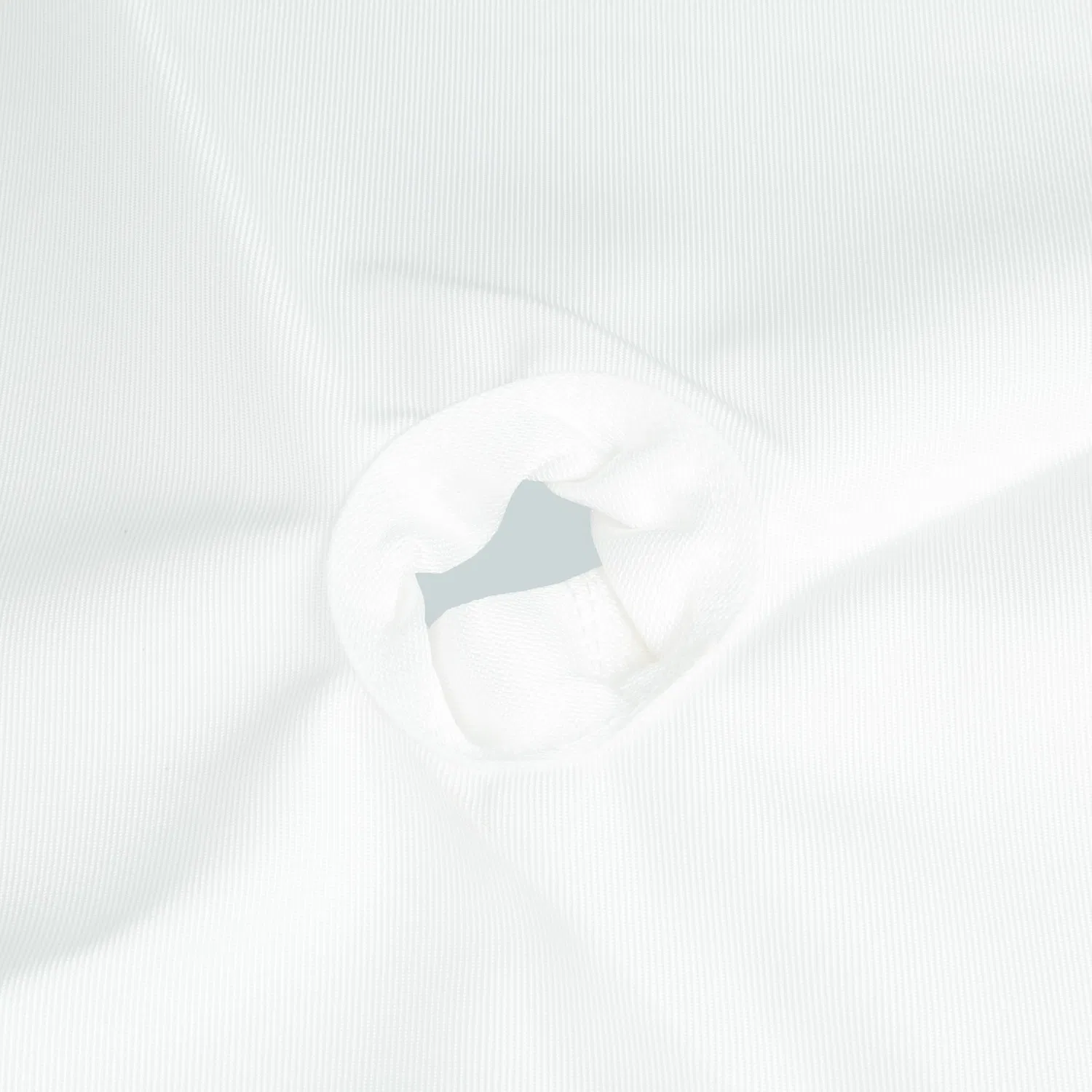
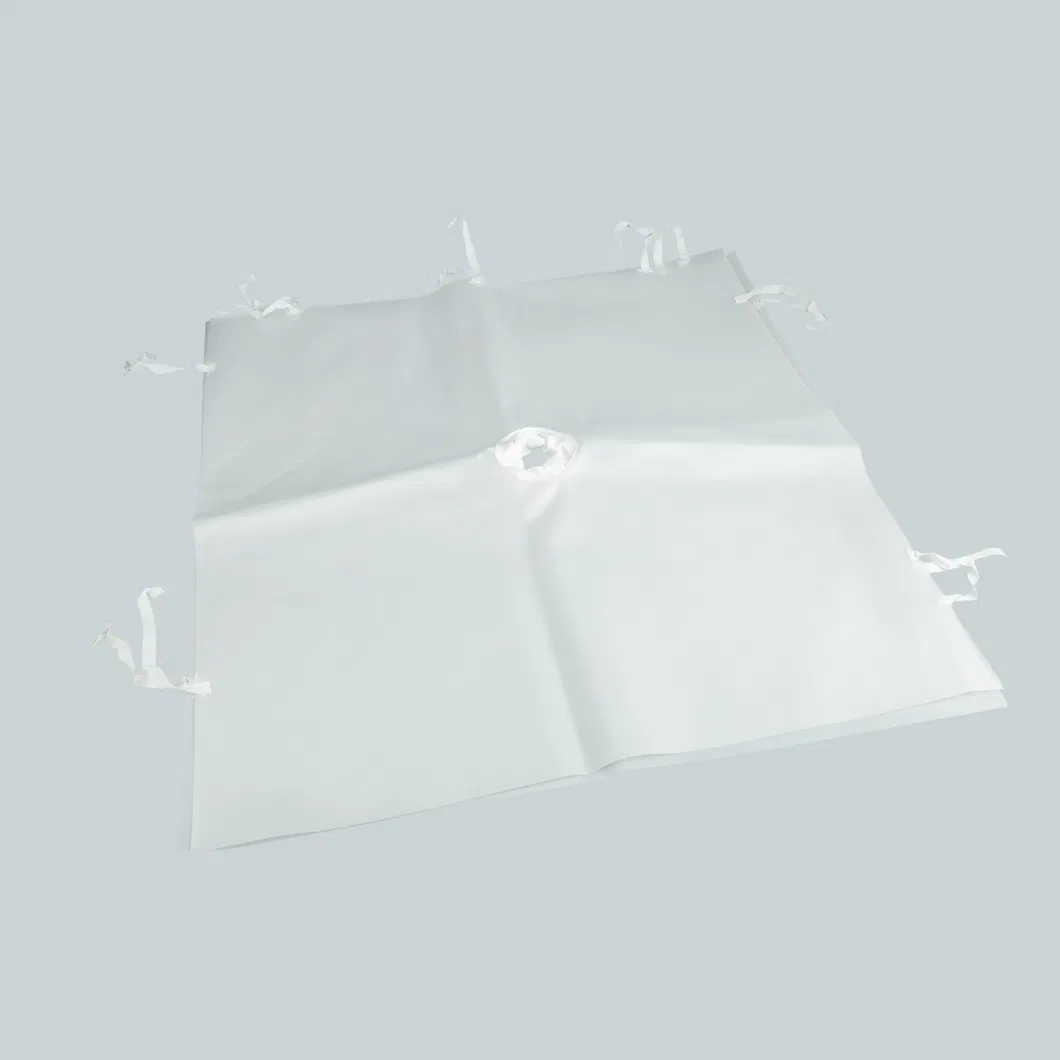
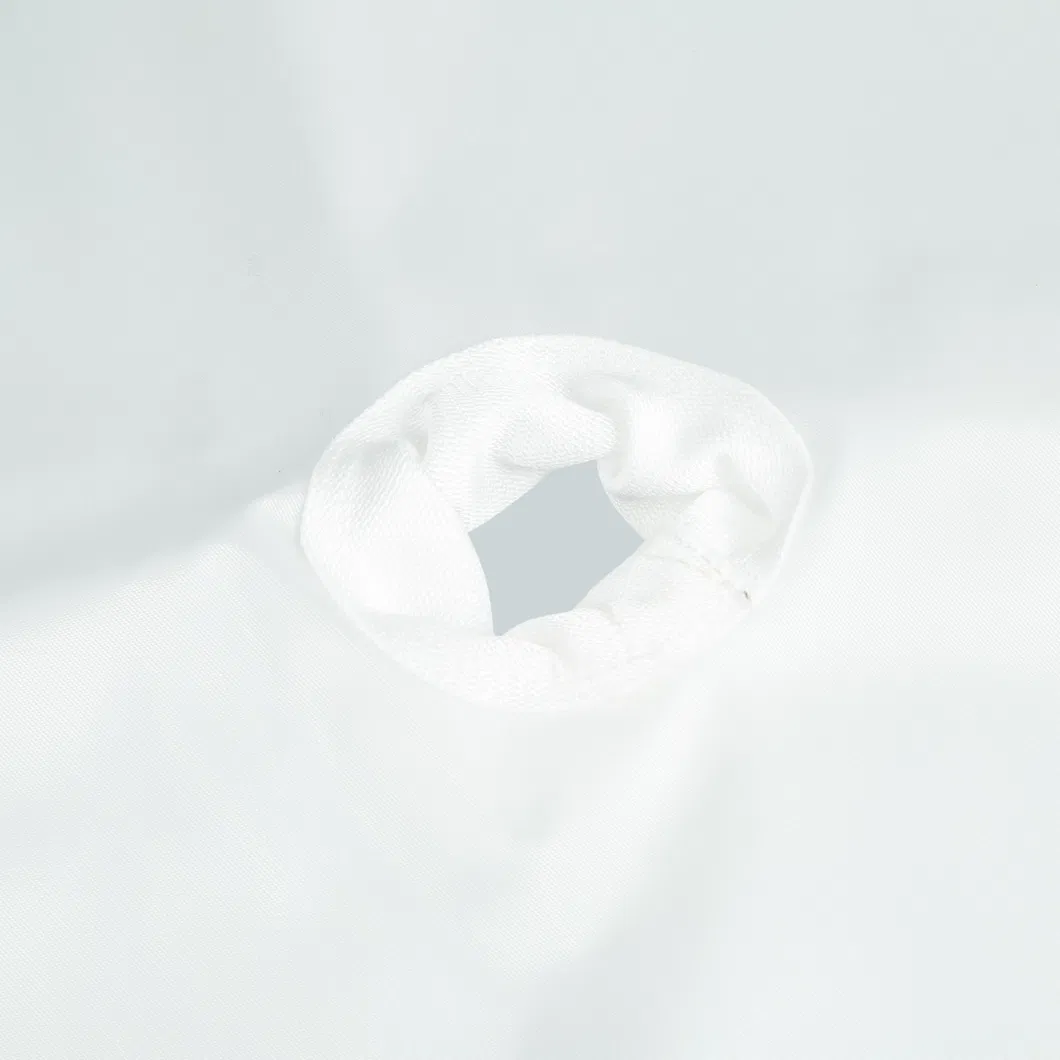
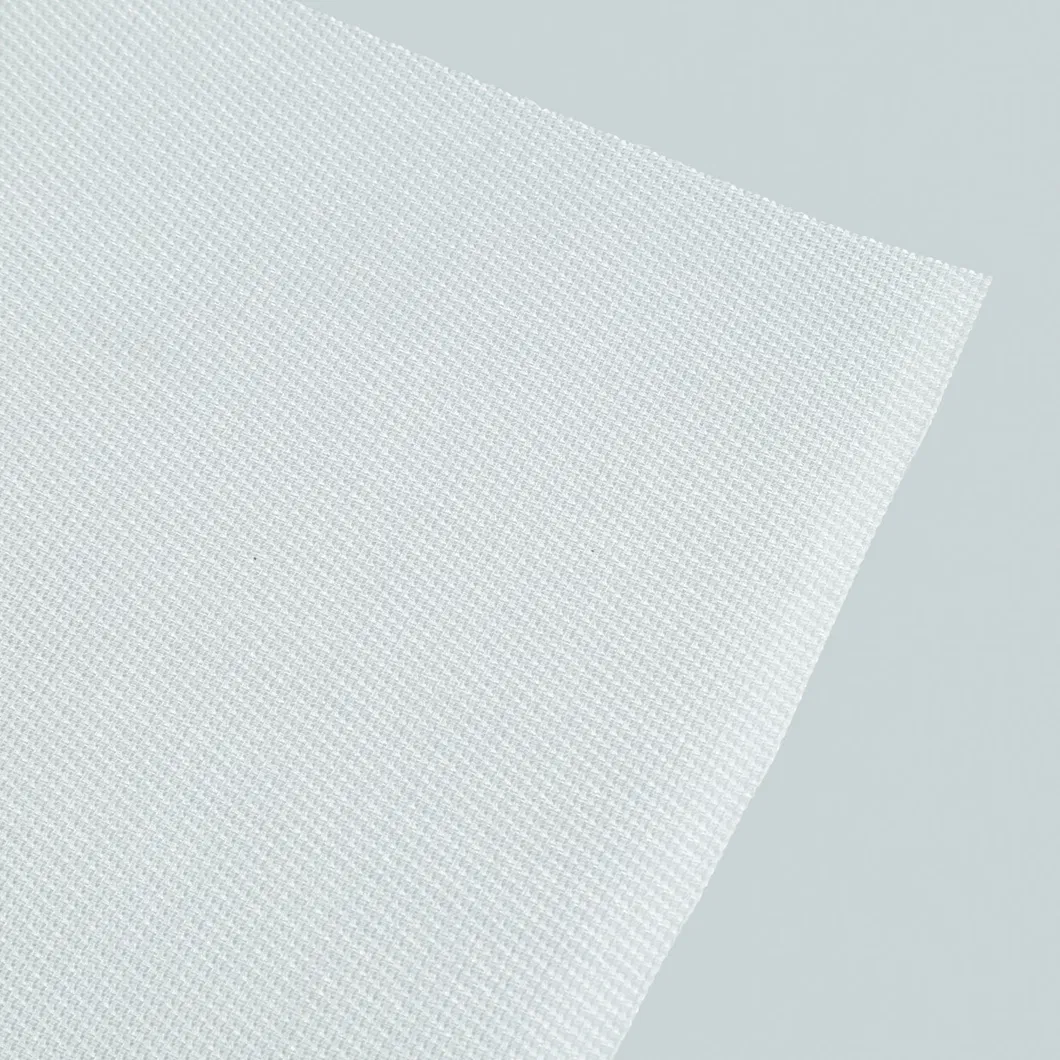
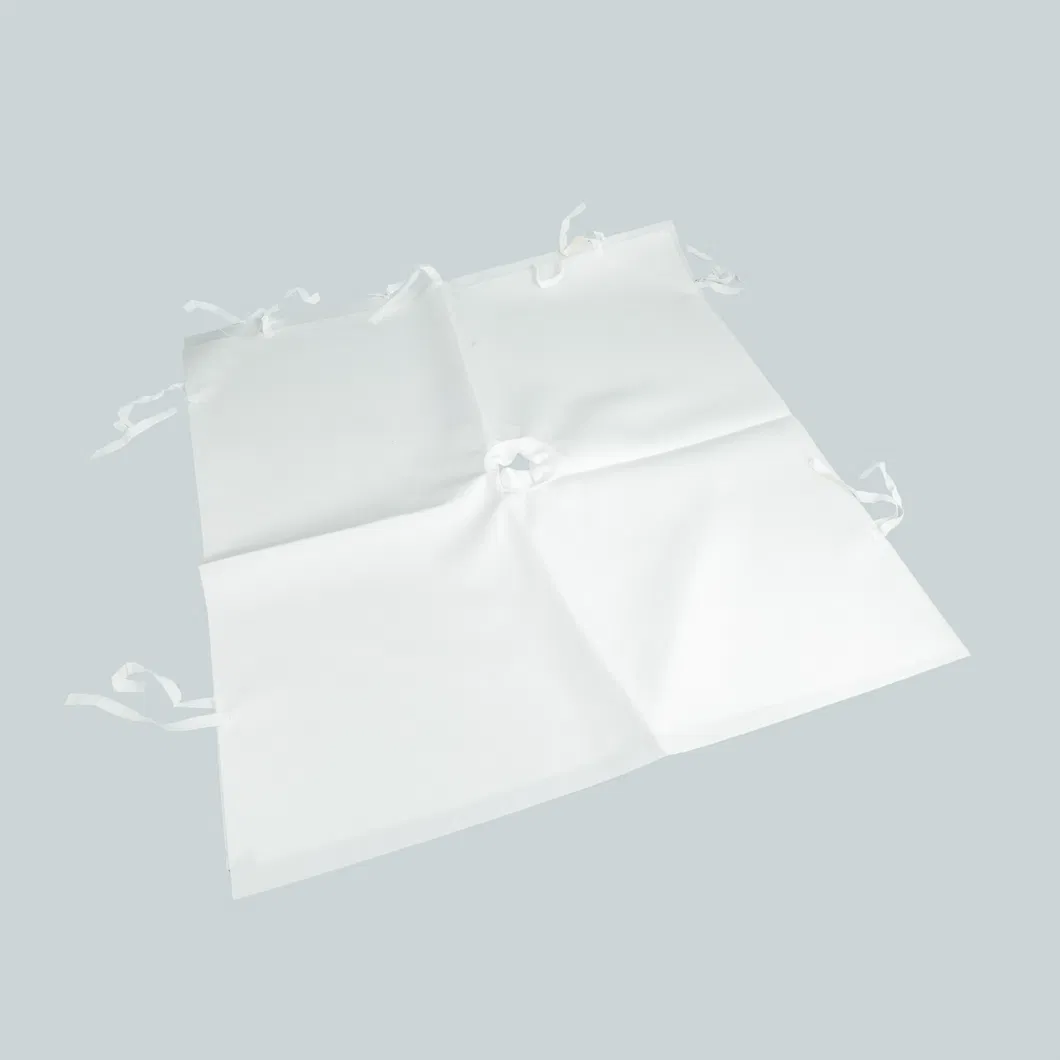
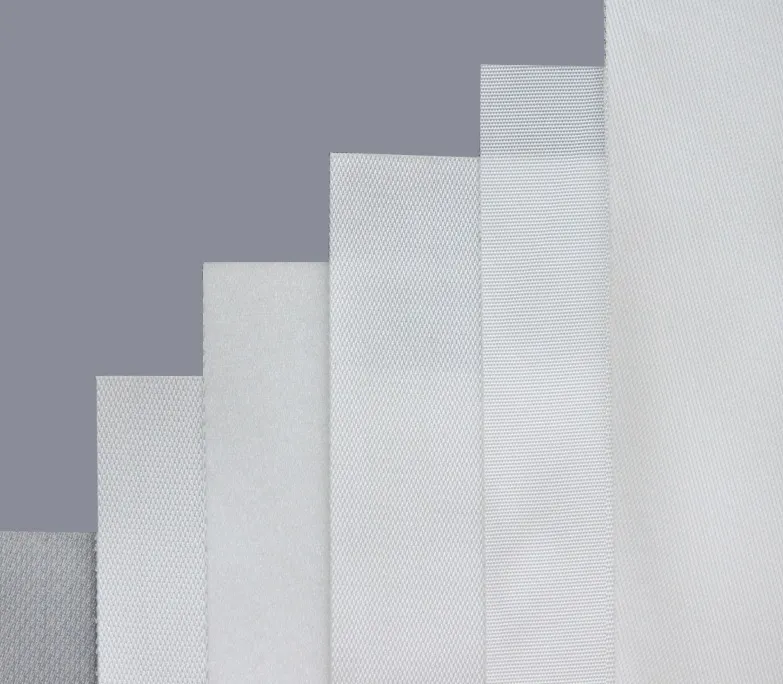
Our filter cloth products are well-suited to all press types. These products can be tailor-made for your specific requirements. The surface finishing of Pyrocondensation and Calandered will make filter cloth reach High Filtration Efficiency, good cake discharge, good cake washing, highest tensile strength, and longer using life!
| Model | Material | Weight | Thickness | Air Permeability | Breaking Strength | Elongation | Density(pc/10cm) | Weave |
|---|---|---|---|---|---|---|---|---|
| (g/m²) | (mm) | (l/m².s) | (N/5x20CM) | (%) | (ºC) | |||
| PP 750A | PP | 450 | 0.79 | 26 | warp: 3104 | warp: 38 | Peak: 222 | PLAIN |
| weft: 2663 | weft: 30 | Cont: 154 | ||||||
| PP 750B | PP | 517 | 1.27 | 30 | warp: 2608 | warp: 35 | Peak: 256 | TWILL |
| weft: 2050 | weft: 28 | Cont: 151 | ||||||
| PP 750BB | PP | 740 | 1.4 | 8 | warp: 10115 | warp: 35 | Peak: 582 | PLAIN |
| weft: 3030 | weft: 30 | Cont: 110 | ||||||
| PP 750AB | PP | 650 | 1.3 | 20 | warp: 7800 | warp: 26 | Peak: 450 | TWILL |
| weft: 5200 | weft: 20 | Cont: 170 | ||||||
| PP 4212 | PP | 380 | 1.07 | 123 | warp: 2972 | warp: 24 | Peak: 236 | TWILL |
| weft: 1942 | weft: 37 | Cont: 123 |

Q1: What materials are available for your industrial filter cloths?
A: We offer filter cloths made from PET (Polyester), PP (Polypropylene), PA6 (Nylon 6), and PA66 in monofilament, multifilament fabric structure, and interwoven filter yarn configurations.
Q2: How does the surface finishing affect the filtration performance?
A: The surface processing methods like Pyrocondensation and Calandering enhance filtration efficiency, ensure excellent cake discharge and washability, offer high tensile strength, and extend the service life of the filter cloth.
Q3: Which types of equipment are these filter fabrics compatible with?
A: Our products are highly compatible with plate and frame filter presses, chamber press equipment, and various other industrial filtration presses.
Q4: Are the dimensions and specifications of the filter cloths customizable?
A: Yes, we provide custom configurations matching specific operational sizing, thickness, density, and air permeability requirements.
Q5: In which industrial processes are these filter fabrics commonly used?
A: They are widely applied in solid-liquid separation tasks across sectors such as petrochemical processing, ceramic manufacturing, mining operations, food and beverage production, pharmaceutical preparation, and cement fabrication.