Basic Information
Manufacturing Method
Manufacturing Cloth
Air Permeability
5~50L/M2/S
Transport Package
Woven Bag/Carton/Pallet
Packaging & Delivery
Package Size
40.00cm * 55.00cm * 60.00cm
Package Gross Weight
33.000kg
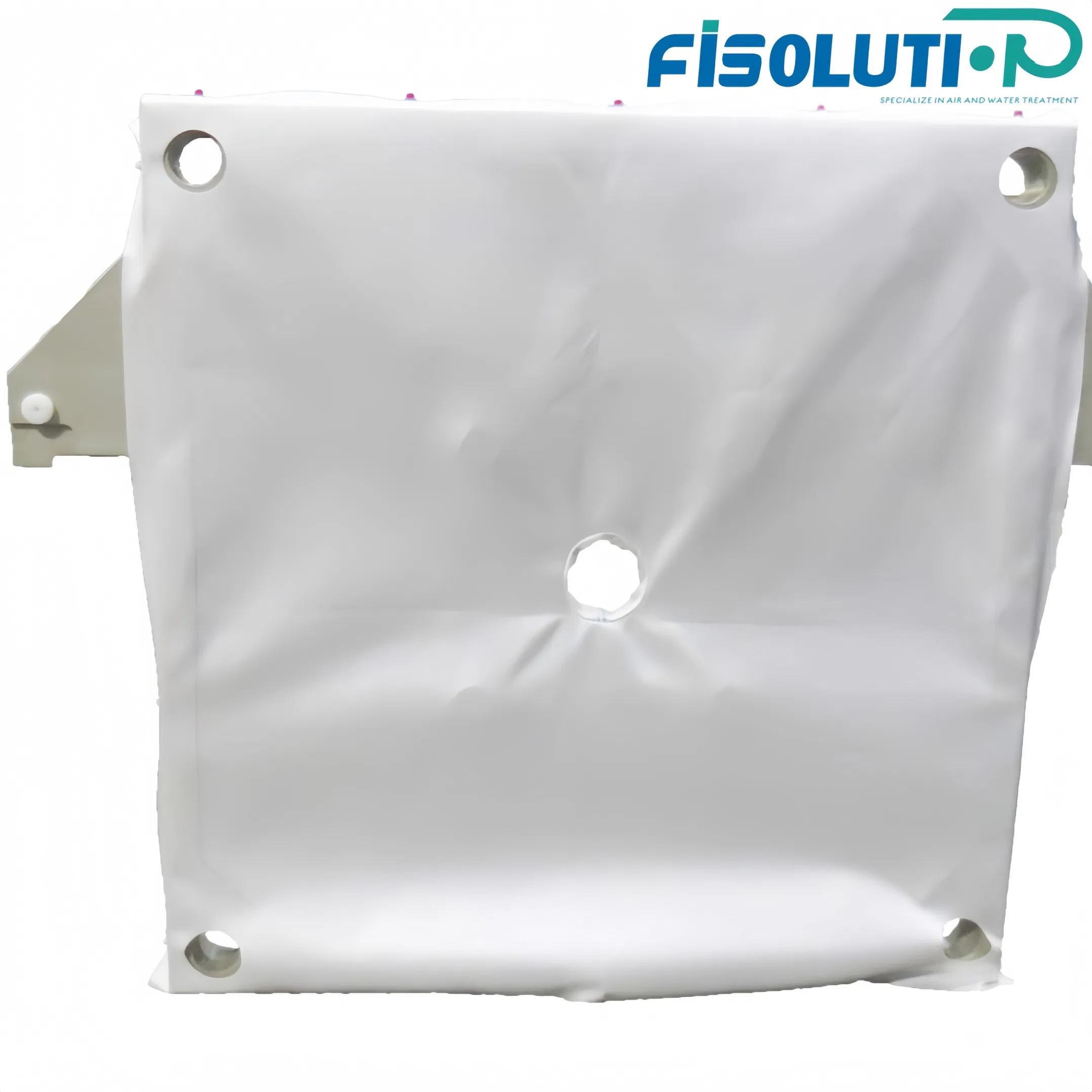
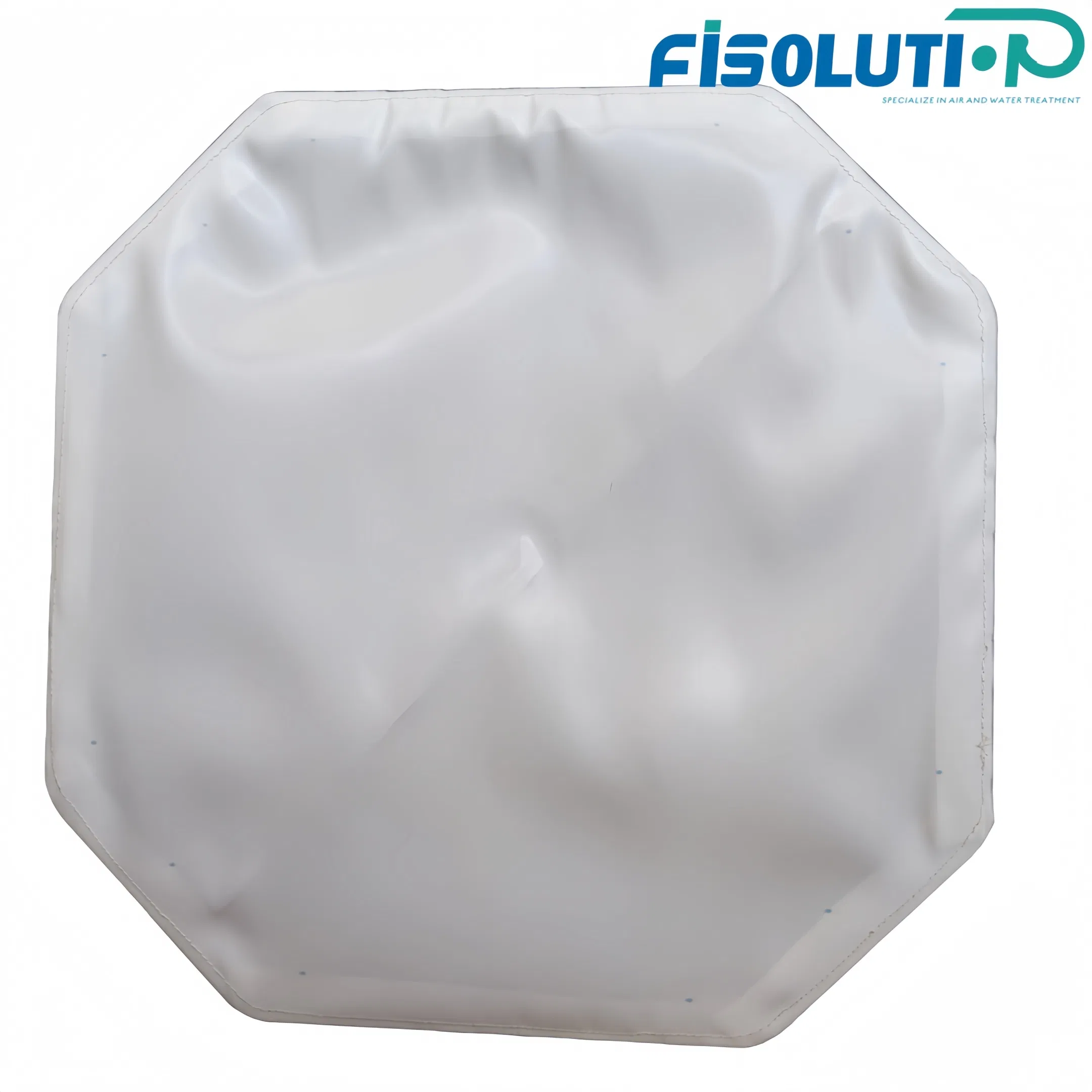
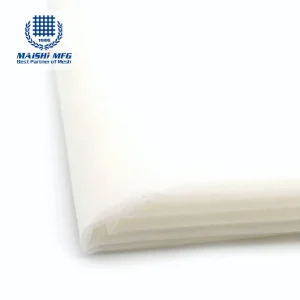
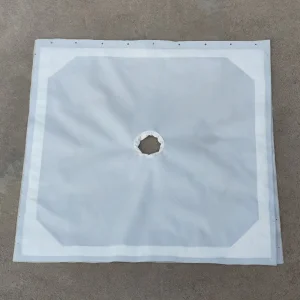
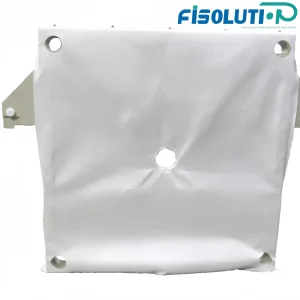
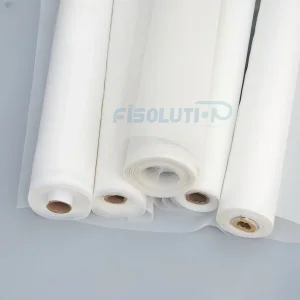
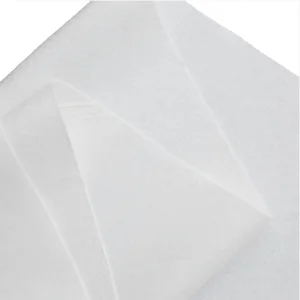
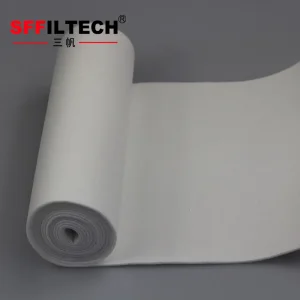
Product Description: Filter Press Cloths
With extensive experience in many applications, we offer ready-made filter elements adapted to fit customers' requirements, such as cake moisture, particle retention, and more.
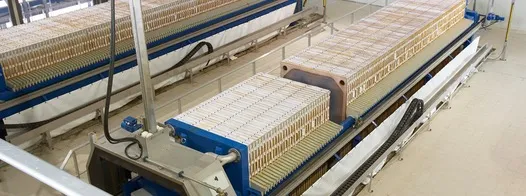
Industry Solutions for Filter Press Equipment
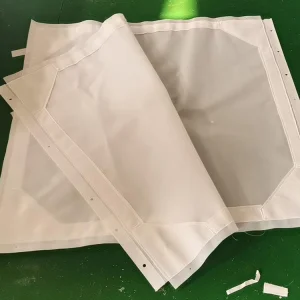
Providing design and production of chamber and membrane cloths for filter press machines, also known as horizontal, mix pack, or vertical plate pressure filters. With 30 years of global experience, the focus remains on personal technical support and addressing specific application needs.
Core Experience & Product Stability
- Chemical, mechanical, and abrasive resistance.
- Dimensional stability.
- Food compliance: FDA.
- Media resistance against clogging, blinding, or scaling with high regeneration capacity.
- High strength resistance against tearing.
Technical Knowledge and Performance
Continuous internal studies and specialized laboratory testing ensure the media for filter press cloths meet critical performance standards:
- Cake moisture (dryness/content) and thickness control.
- Filtration efficiency and filtrate clarity.
- Optimum cake release (discharge).
- Efficient cake washing.
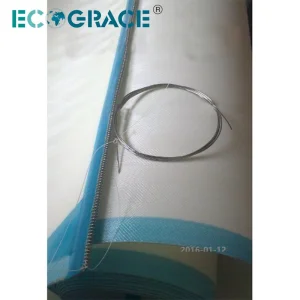
Fabrication Solutions
Tailored solutions for all customer plate designs (single, double, or overhang) including:
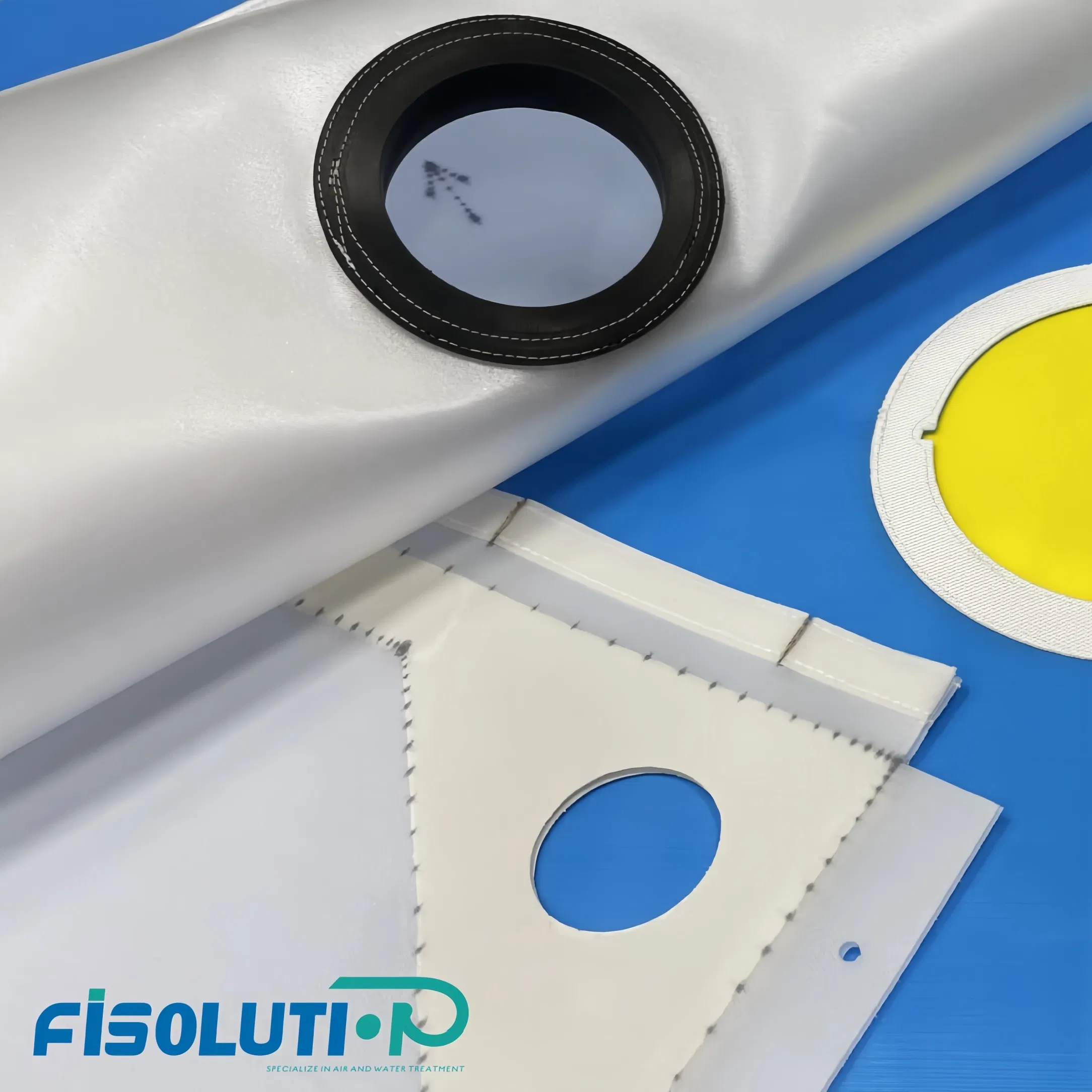
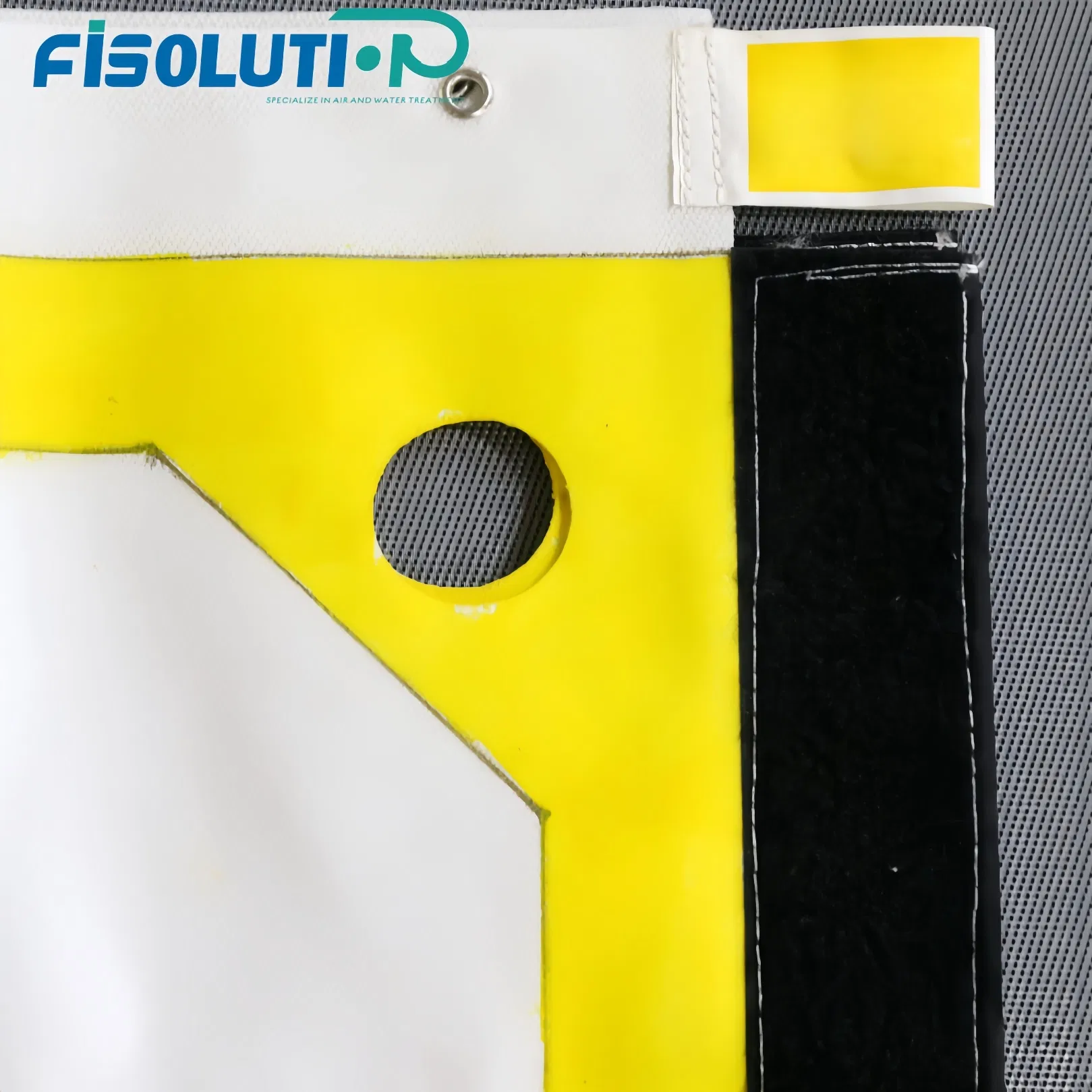
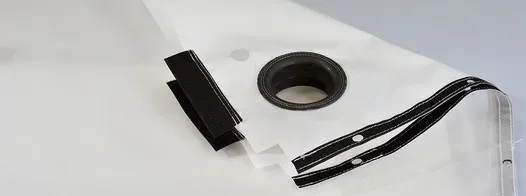
- Metallic or food-grade US Eyelets (corrosion resistant).
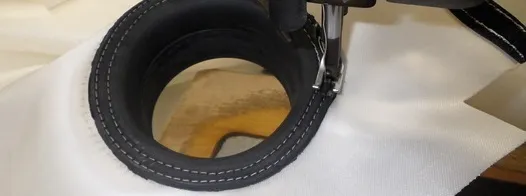
- Waterproof barrel and rubbernecks for harsh chemical environments.
- Edge sealing (coating or reinforcement) to prevent leakage.
- Support or backing cloth to increase drainage and lifetime.
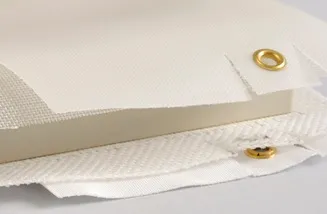
Metallic eyelets
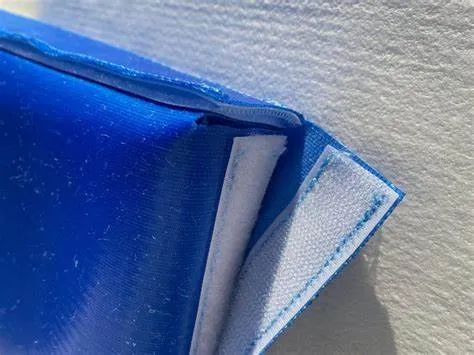
Fastener
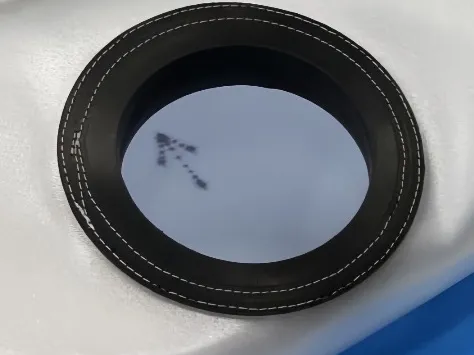
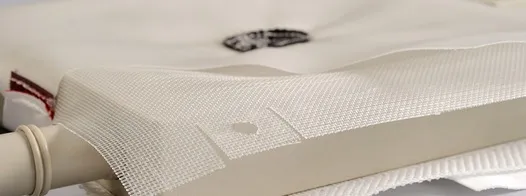
Barrel neck
Filter Media Technology
A complete range of fabrics: monofilament, multifilament, mixed mono-multifilament, and staple fibers. Available in Polypropylene (PP), Polyamide (PA/Nylon), Polyester (PET), and PBT.
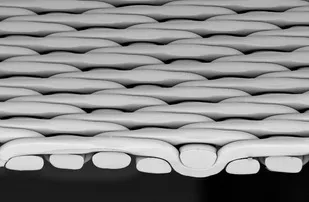
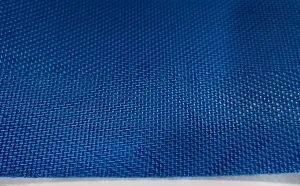
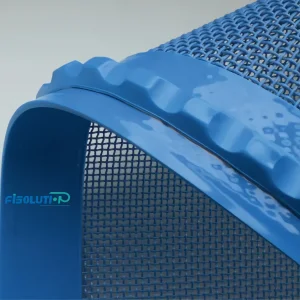
Monofilament Fabric
For good filtration and better cake discharge
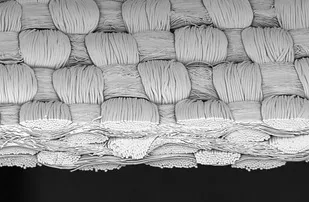
Multifilament Fabric
For maximum particle retention and strength
| Item Code |
Material |
Weight |
Thickness |
Air Permeability |
Breaking Strength |
Weave |
Finishing |
| FIS-A057 |
Polypropylene |
420g/m2 |
0.7mm |
5-100L/m2/s |
4200N/5cm |
Plain |
Calendered |
Applications
Environment
Potable Water, Urban & Industrial Waste Water, Galvanic Treatment.
Chemical
Polymers, Resin, Pigments, Fertilizers, Precipitated Silicate.
Mineral
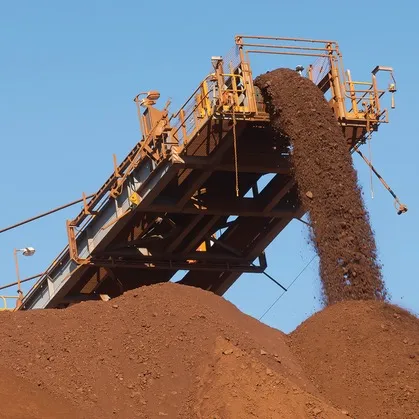
Alumina, Cement, Coal, Iron, Lithium, Copper, Gold, and Tailings.
Frequently Asked Questions
Q: What are the primary materials used for these filter cloths?
A: The cloths are available in various polymers including Polypropylene (PP), Polyamide (PA/Nylon), Polyester (PET), and PBT to cover a wide range of chemical requirements.
Q: How do you ensure the dimensional stability of the filter media?
A: All media are properly thermo-fixed during the manufacturing stage to ensure high dimensional stability and reliability in industrial processes.
Q: What is the benefit of calendered finishing on filter fabrics?
A: Calendering provides a smooth surface that is essential for excellent cake release and easier cleaning during the regeneration cycle.
Q: Can these filter cloths be used in food-grade applications?
A: Yes, options include FDA-compliant materials and food-grade certified coatings for edge sealing and eyelets.
Q: What is the difference between monofilament and multifilament fabrics?
A: Monofilament fabrics are preferred for better cake discharge and filtration speed, while multifilament fabrics offer maximum particle retention and superior mechanical strength.
Q: How is air permeability monitored?
A: Air permeability is monitored continuously during the finishing stages to warrant uniformity, reliability, and specific pore size distribution across the fabric.
 Jovios Equipment