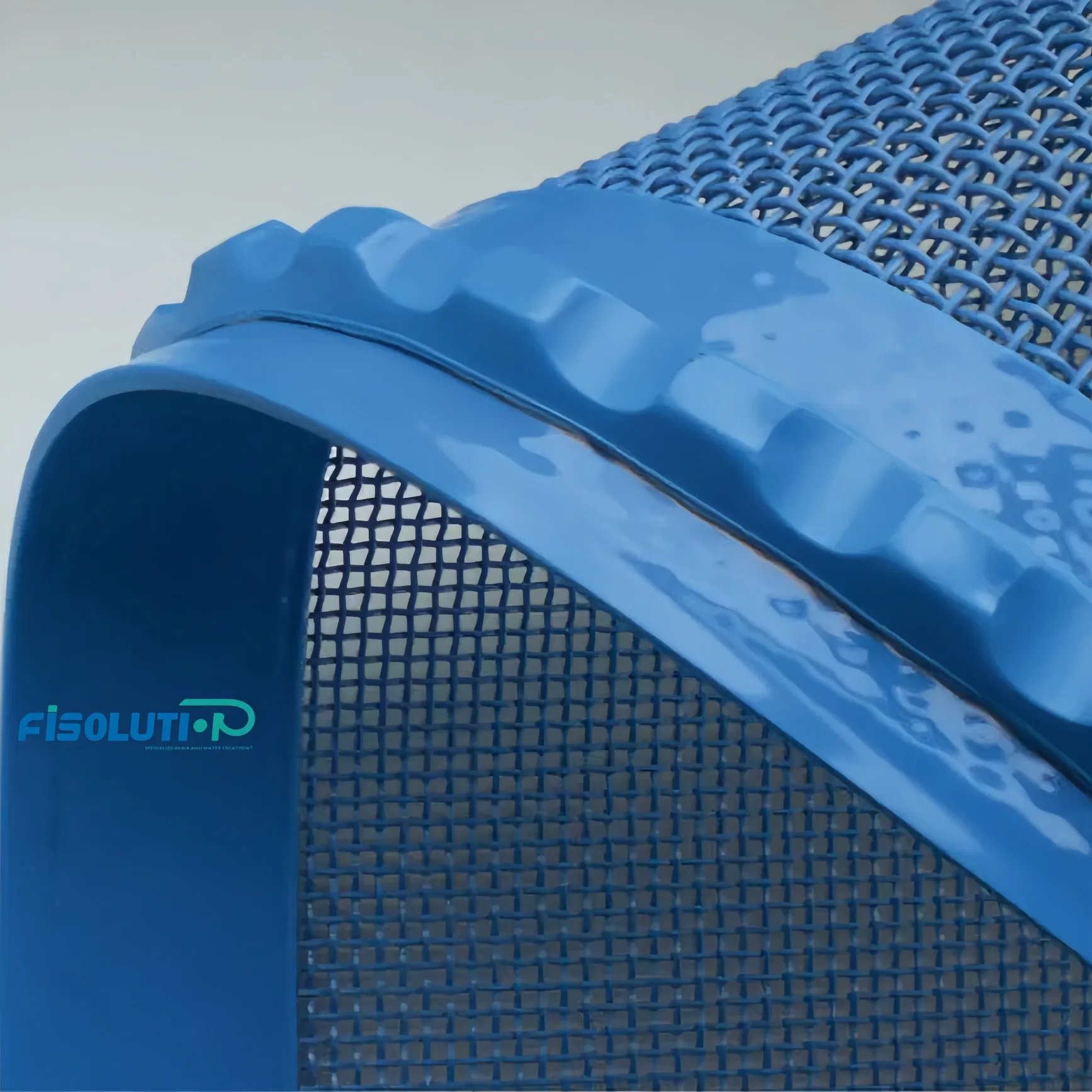
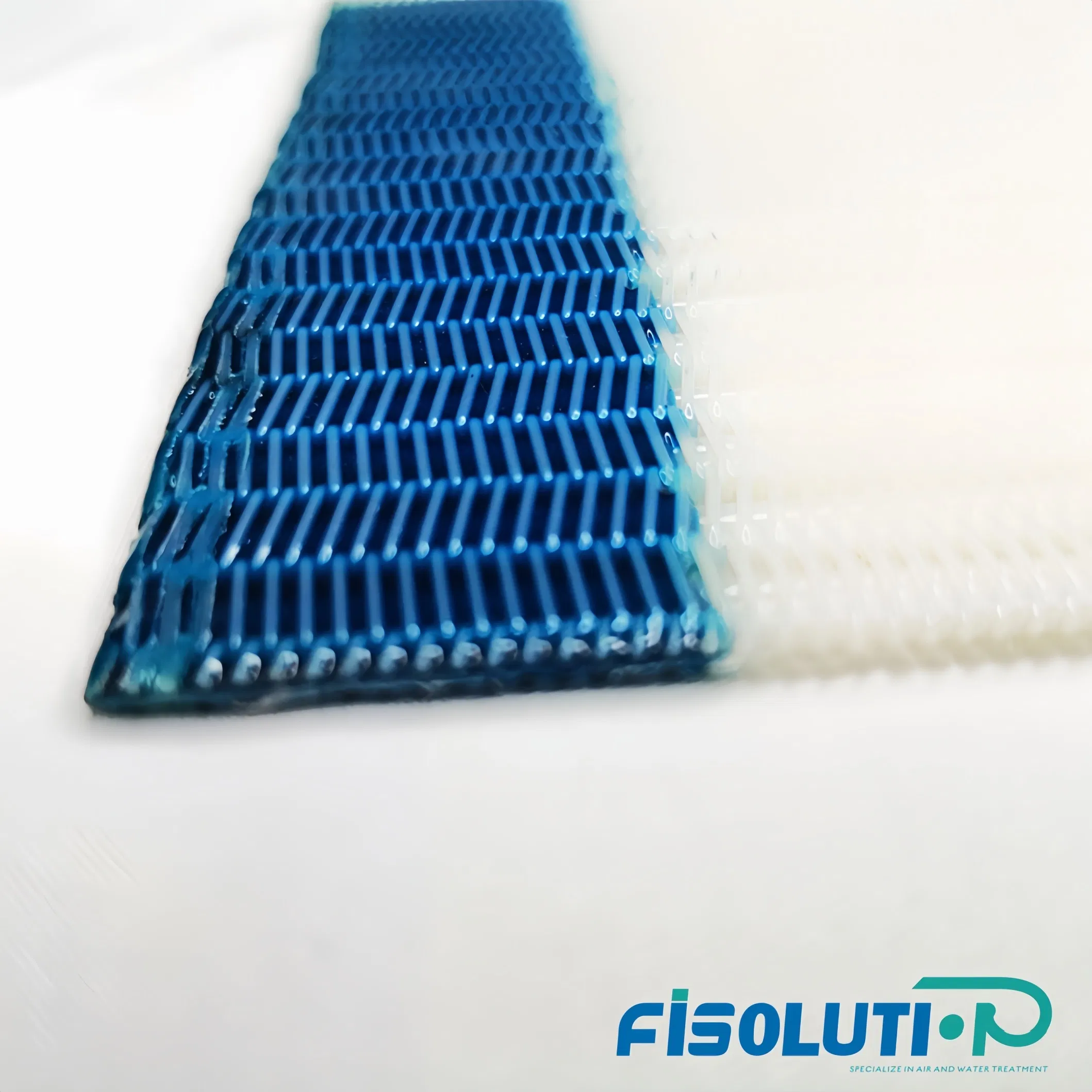
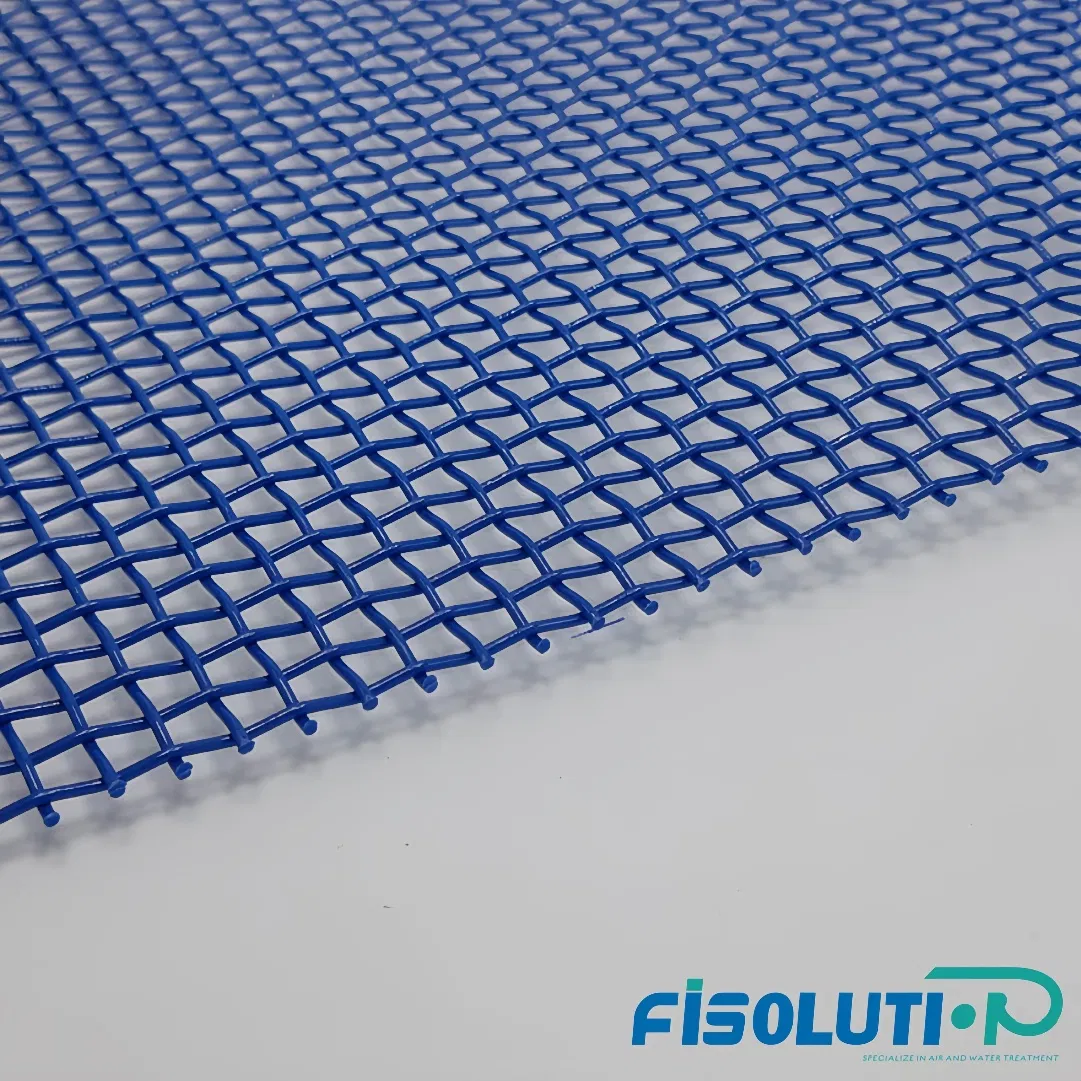
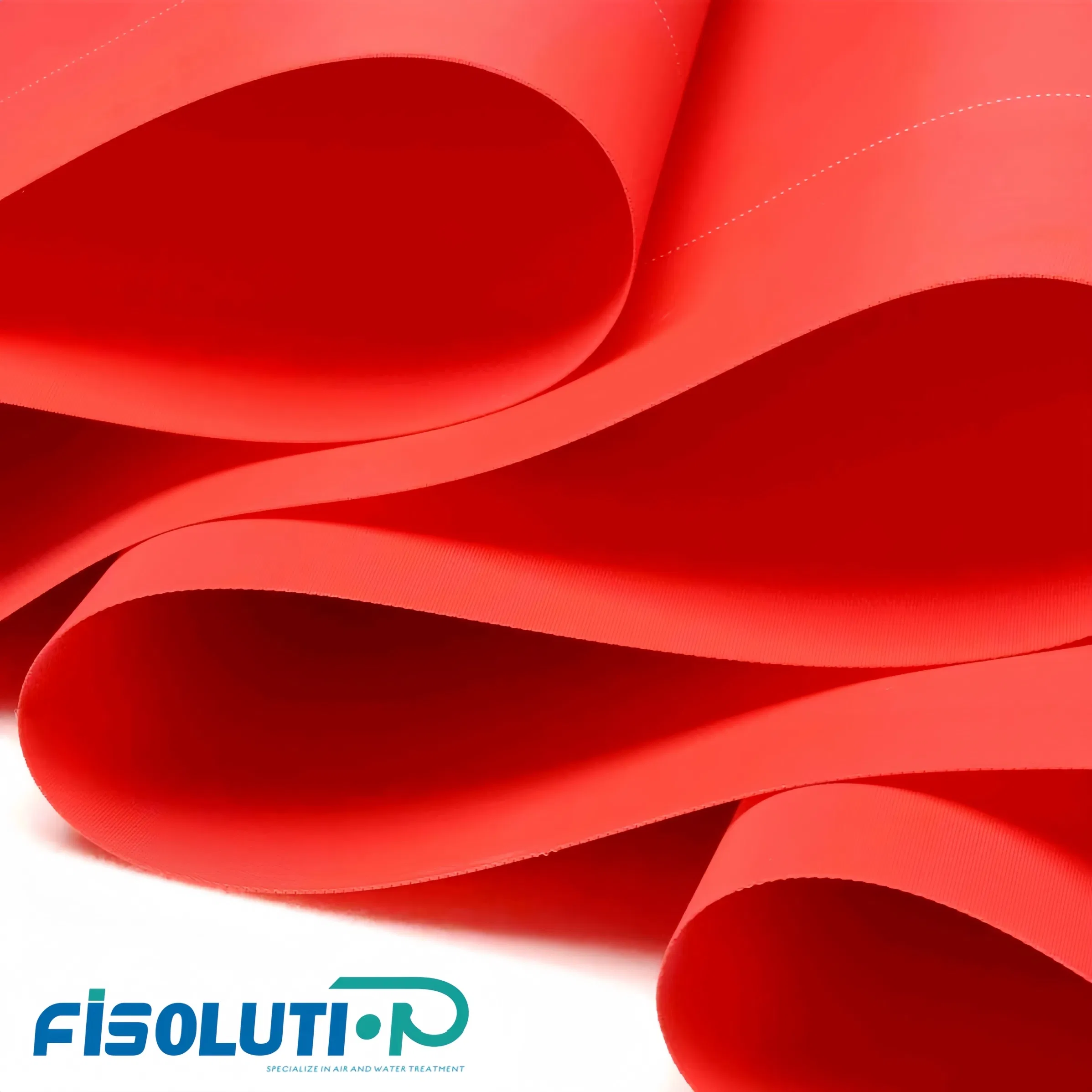
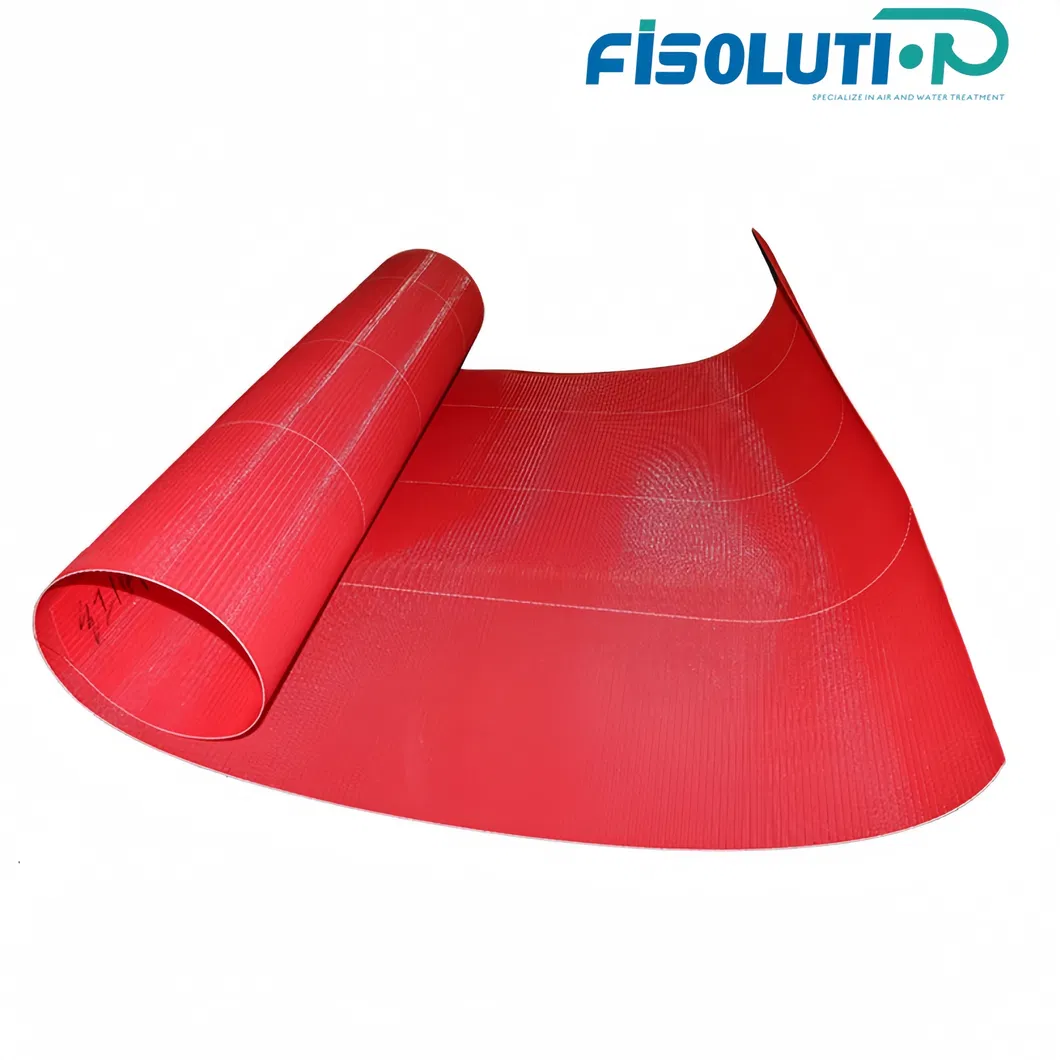
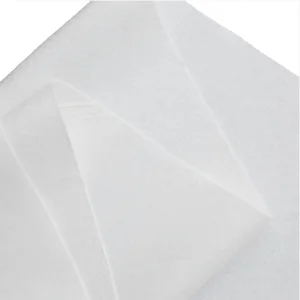
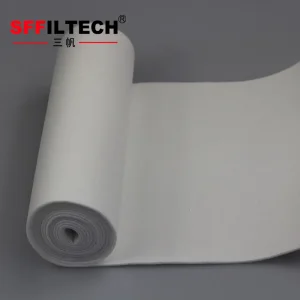
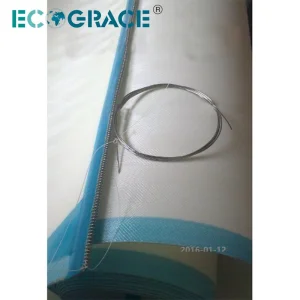
Polyester Conveyor Belt Press Filter Cloth Water Wastewater Treatment Mining Industry

Still deciding? Get samples of $ !
Order Sample

Product Description

Basic Information
Model NO.
FIS-16903
Inside Material
Fabric
Feature
Acid And Alkali Resistant, Tear-Resistant, Heat-Resistant, Cold-Resistant, Wear-Resistant
Tensile Strength
Strong
Transport Package
Woven Bag
Specification
width 1500-4000mm
Trademark
Fisolution
HS Code
5910000000
Production Capacity
50000m2/Month
Packaging & Delivery
Package Size
50.00cm * 60.00cm * 70.00cm
Package Gross Weight
33.000kg
Company Profile

We manufacture our filter belts and accessories with a focus on quality, design, and performance, offering exceptional availability and delivery. You can turn to us to customize your dewatering press belts, dewatering screens, industrial belts, and dewatering tank linings.
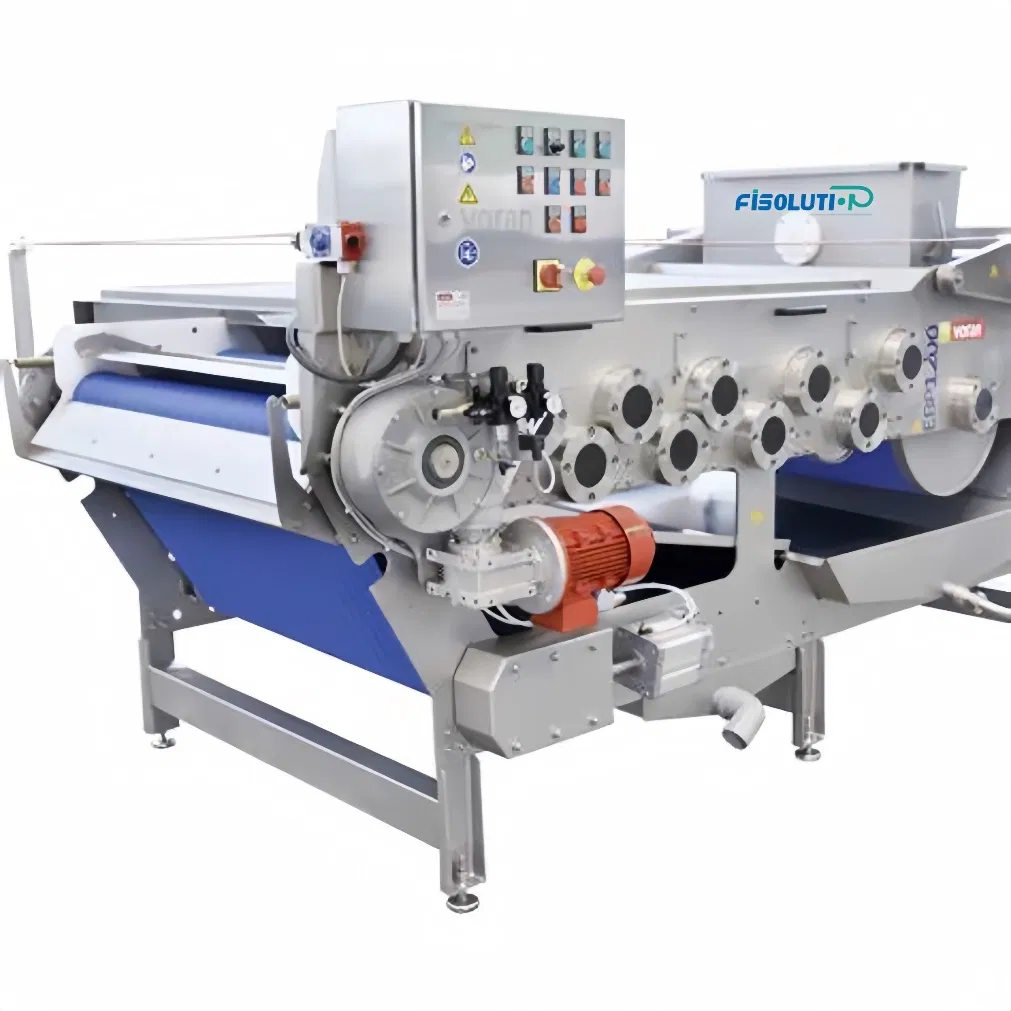
Filter Cloth Production
Product Description

Conveyor Belt Filter Cloth

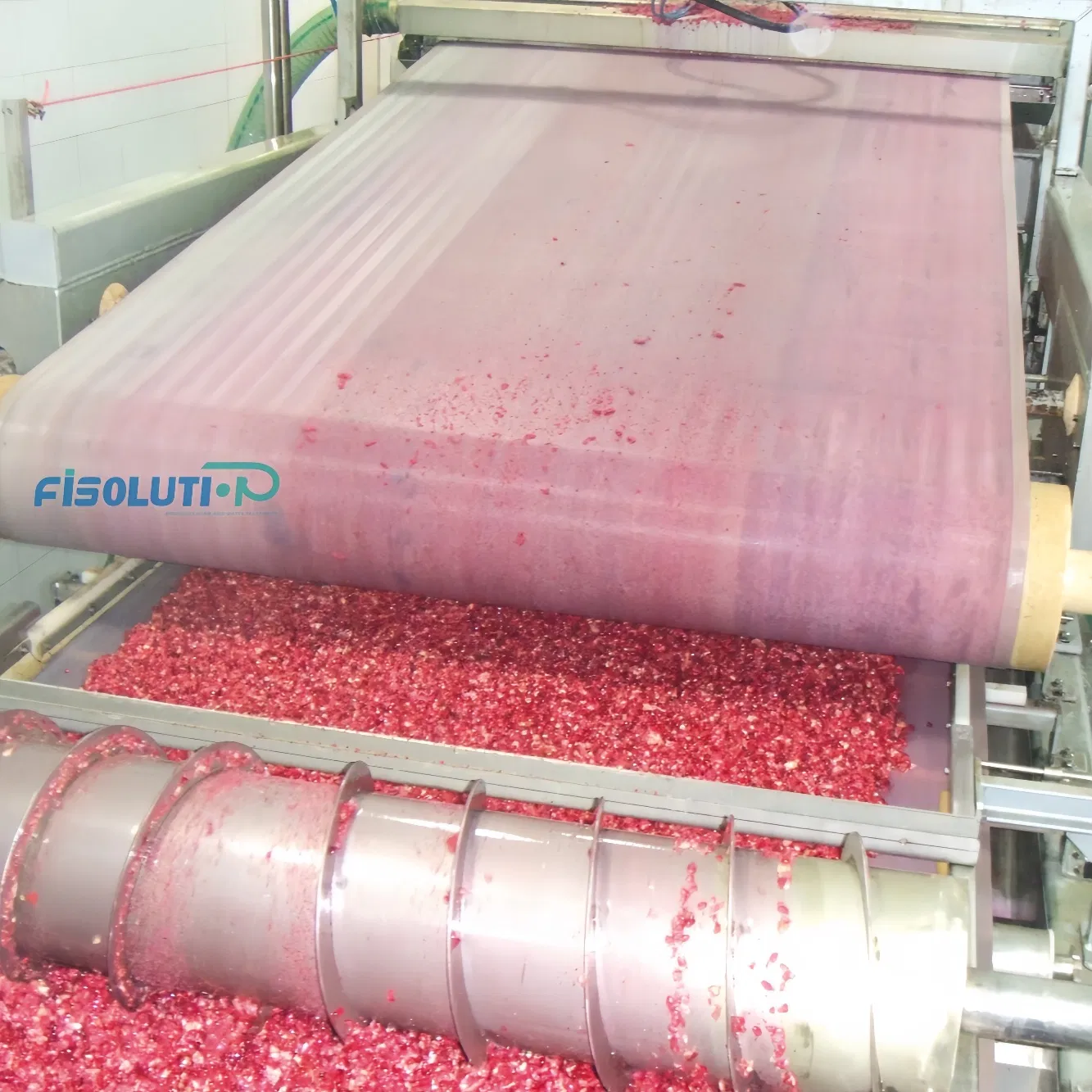
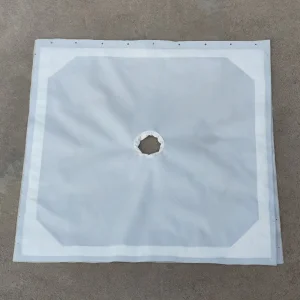
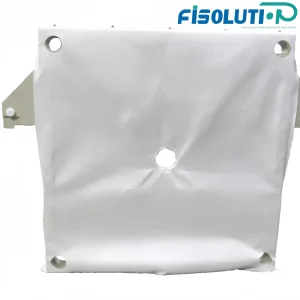
The filter belt within a belt filter press is a key element of the filtration system, as it determines the actual output and quality of the dehydrator. We provide expert solutions for belt filter presses as well as other pressure filtration solutions for filter presses and leaf filters.
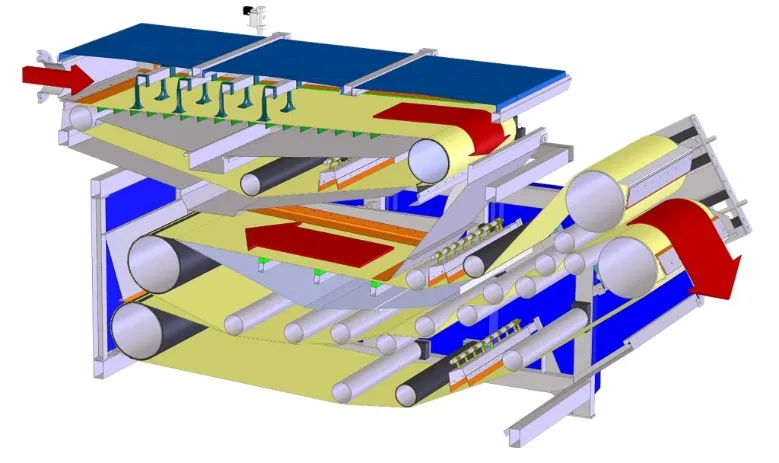
Product Detail

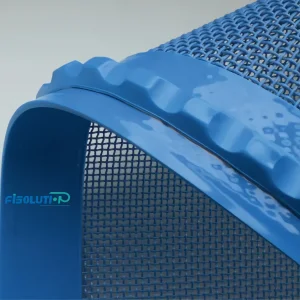
From braided belts to spiral belts, many belt filter press belt options are available to meet your precise needs:
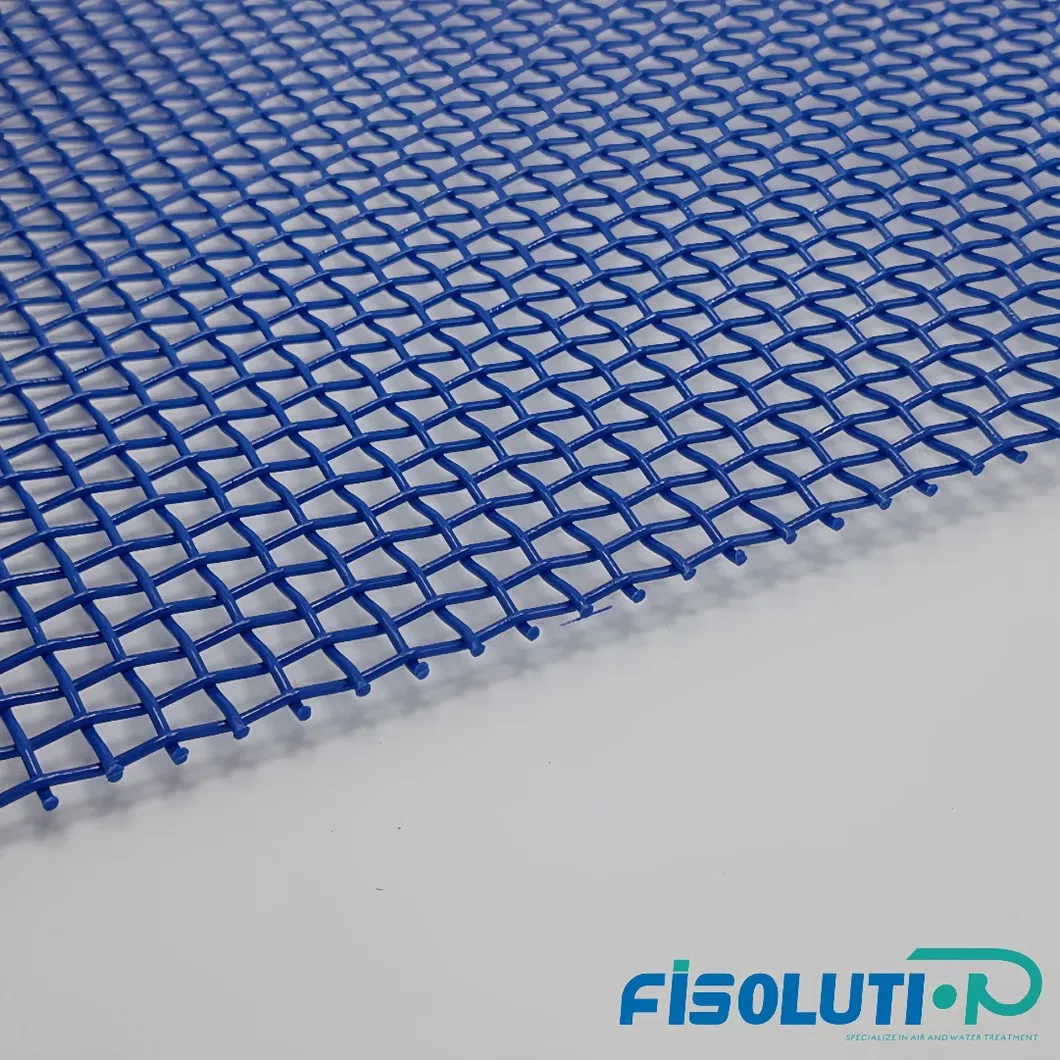
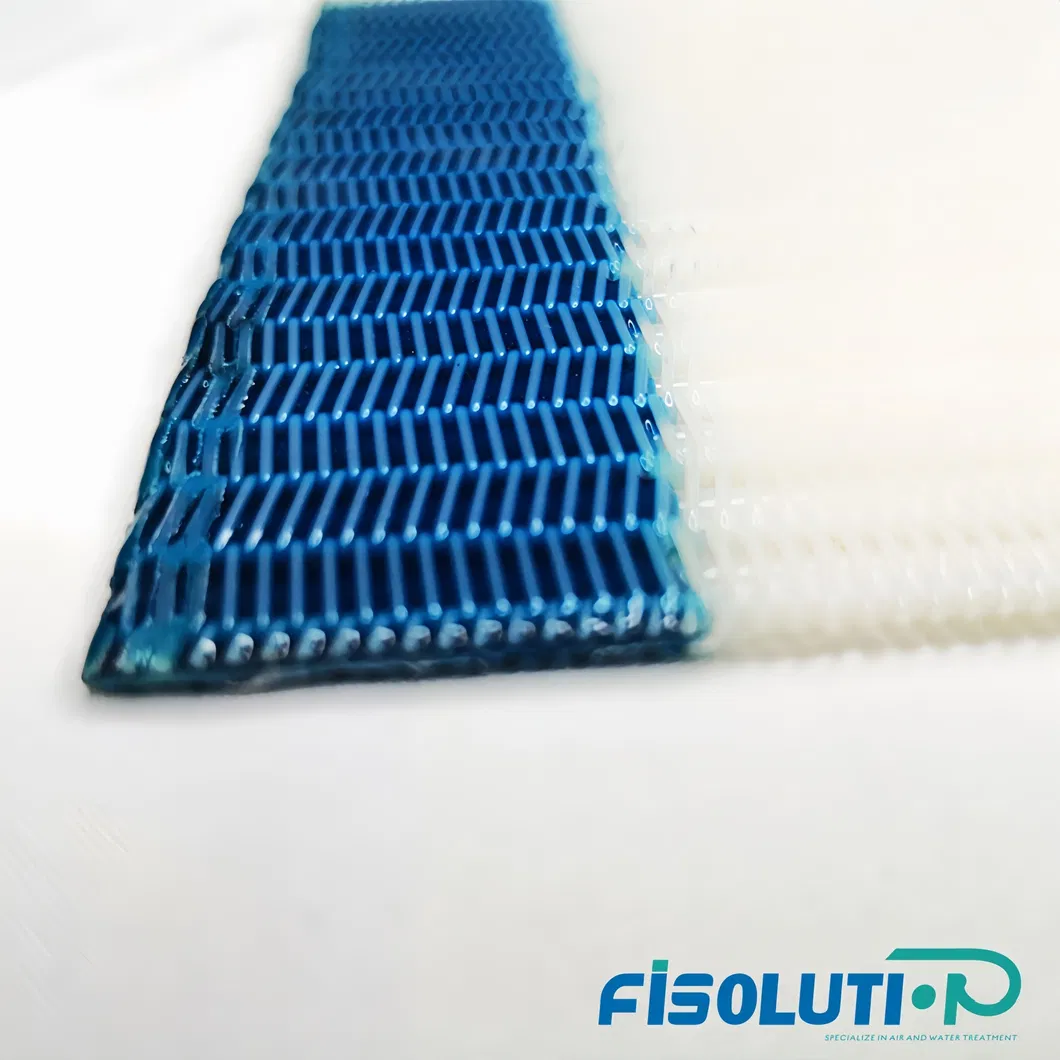
  • Fully customizable sizes
  • Material options: Nylon, Polyester, Stainless steel
  • Filter belt suitable for any belt filter press
  • Belts capable of meeting OEM specifications
  • Conveyor belts that can be made to food grade quality
  • Endless braided belt options
Filter Belt type 1
Filter Belt type 2
Filter Belt type 3
Our Advantages
Q
Quality

In a belt press, belts are brought together to exert gentle pressure on wastewater, industrial and agricultural slurries. This pressure requires your belt to be of the highest quality to avoid unnecessary wear and tear.

C
Customization

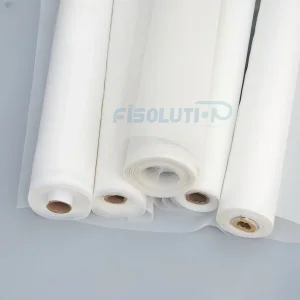
We cut the woven fabric to exact widths and lengths to meet your precise belt conveyor needs. We then square the fabric, trim the edges, and finish with professional seams.

I
Innovation

You can increase the life expectancy of your belt with our patented seams. Innovation is central to our process as we strive to make our filter belts the best on the market.

E
Experience

With over 20 years of manufacturing experience, we have built a proven track record of producing high-quality belt press belts to meet specific application needs.

Product Parameters
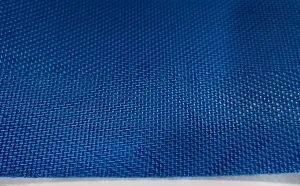
Item Code Material Weight Thickness Air Permeability Weave Fiber Type Finishing Temp (℃)
FIS-16903 Polyester 1400g/m2 1.80mm 3000L/m2/s Satin Mono/Mono-filament Heat set 130~150
Applications
Life Science

Integrated production methods include verifiable traceability for various life science applications.

Life Science Application
Chemical Industry

Polymers, Resin, Terpene derivatives, Naphthalenesulfonate, Precipitated Silicate, Colors, Pigments, and Fertilizers.
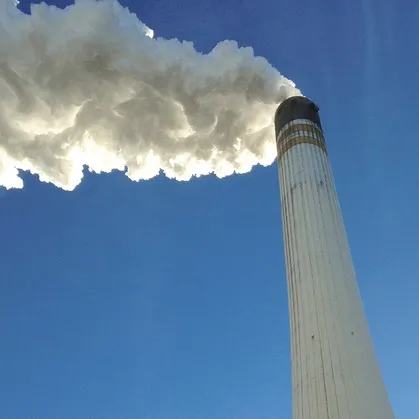
Chemical Application
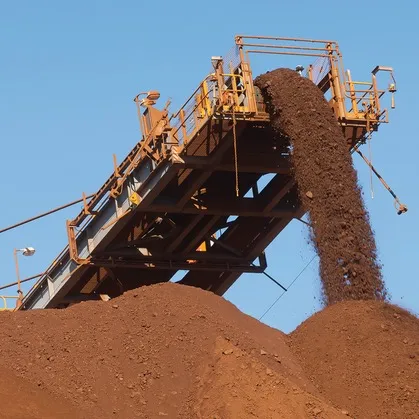
Minerals & Environmental

Alumina red mud, cement, chalk, coal, concentrates & tailings (copper, gold, iron, silver, zinc), gypsum, lithium, and titanium dioxide.
  • Water treatment
  • Food processing
  • Chemical sludge
  • Medical waste
  • Petrochemical
  • Metallurgy
  • Mining industry
  • Pulp & paper
Mineral Application
Frequently Asked Questions
What materials are used for your filter belts?
We offer belts made from high-grade Polyester, Nylon, and Stainless steel, depending on your specific industrial requirements.
Can I get a custom size for my existing machinery?
Yes, we provide fully customizable sizes. We cut and finish woven fabrics to your exact required widths and lengths.
Are your conveyor belts suitable for food processing?
Absolutely. We can manufacture conveyor belts that meet food-grade quality standards for juice production and other food waste applications.
What is the heat resistance of your polyester filter belts?
Our standard polyester filter belts (FIS-16903) are designed to withstand temperatures ranging from 130°C to 150°C.
What makes your filter belt seams different?
We utilize patented innovative seams that are designed to increase the life expectancy of the belt and minimize downtime.
In which industries are these belts most commonly used?
They are widely used in wastewater treatment, mineral mining, chemical processing, pulp and paper waste management, and the petrochemical industry.

Related Products