In the modern industrial era, solid-liquid separation is no longer just a process step; it is a critical component of environmental sustainability and resource recovery. As a leading China Wholesale Chamber Filter Manufacturer, we recognize that global enterprises in 2024 and beyond are facing unprecedented pressure to optimize "sludge-to-waste" ratios and adhere to strict ESG (Environmental, Social, and Governance) mandates.
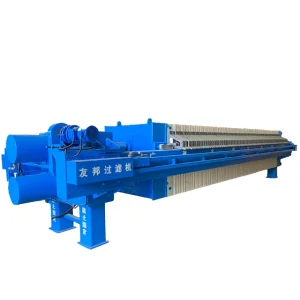
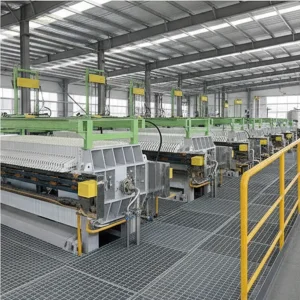
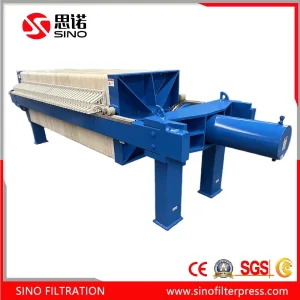
Our chamber filters utilize high-pressure technology to achieve cake moisture levels significantly lower than traditional sedimentation methods, reducing transport costs by up to 40%.
Engineered with reinforced polypropylene (PP) plates and corrosion-resistant frames, our systems are built for 15+ years of continuous industrial operation.
Integrated PLC control systems allow for unmanned operation, automatic plate shifting, and real-time monitoring of filtration cycles.
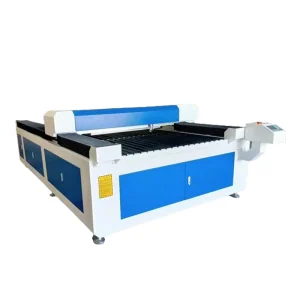
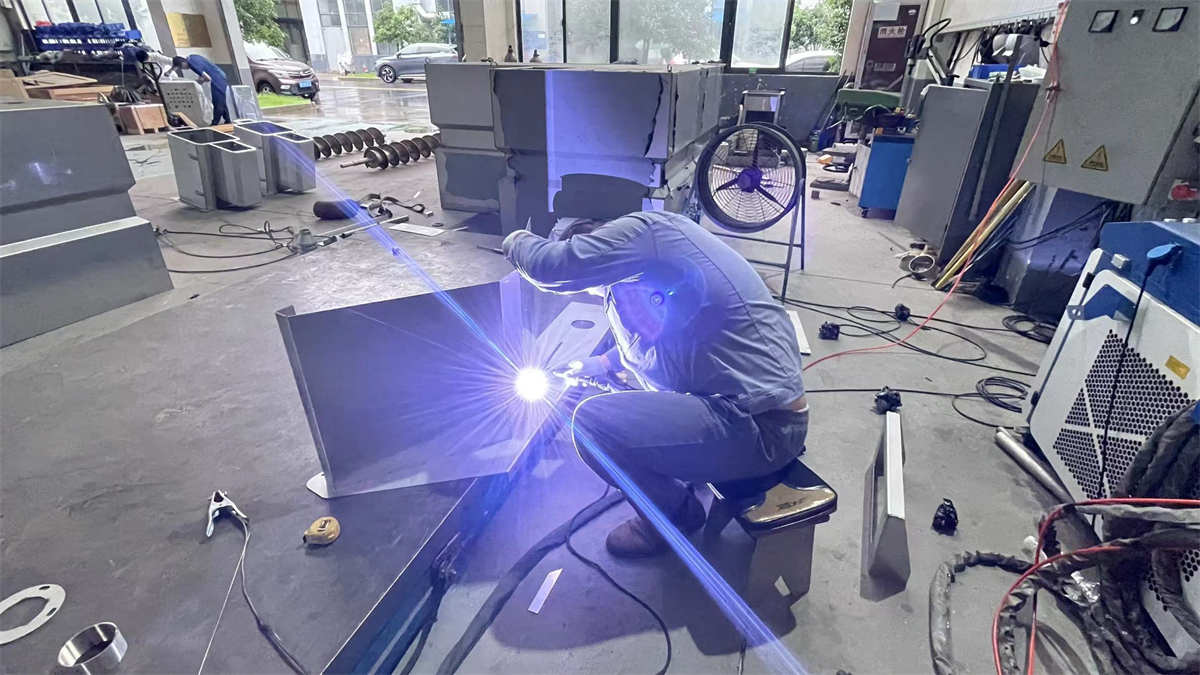
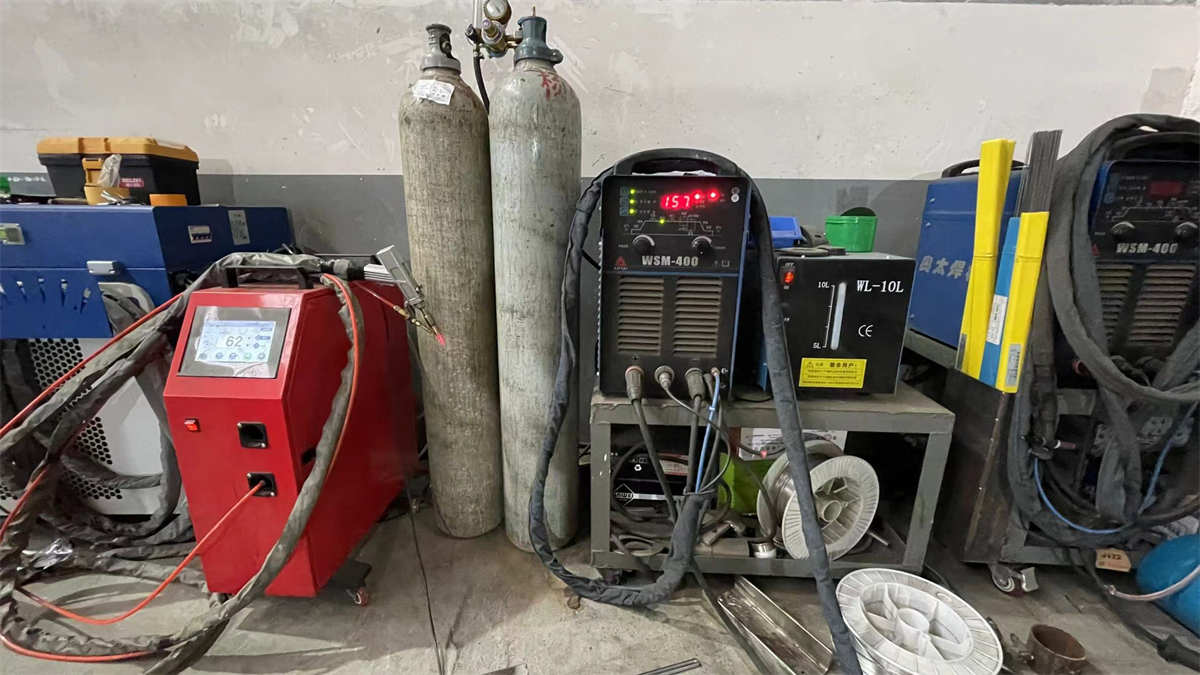
Sourcing from a specialized Chamber Filter factory in China offers more than just cost advantages. It provides access to a matured supply chain ecosystem where "Precision Engineering" meets "Scalable Production." Manufacturers like Changzhou Jovios Equipment Co., Ltd. have integrated advanced laser cutting, robotic welding, and CNC machining into their production lines to ensure every filter plate and frame meets micron-level tolerances.
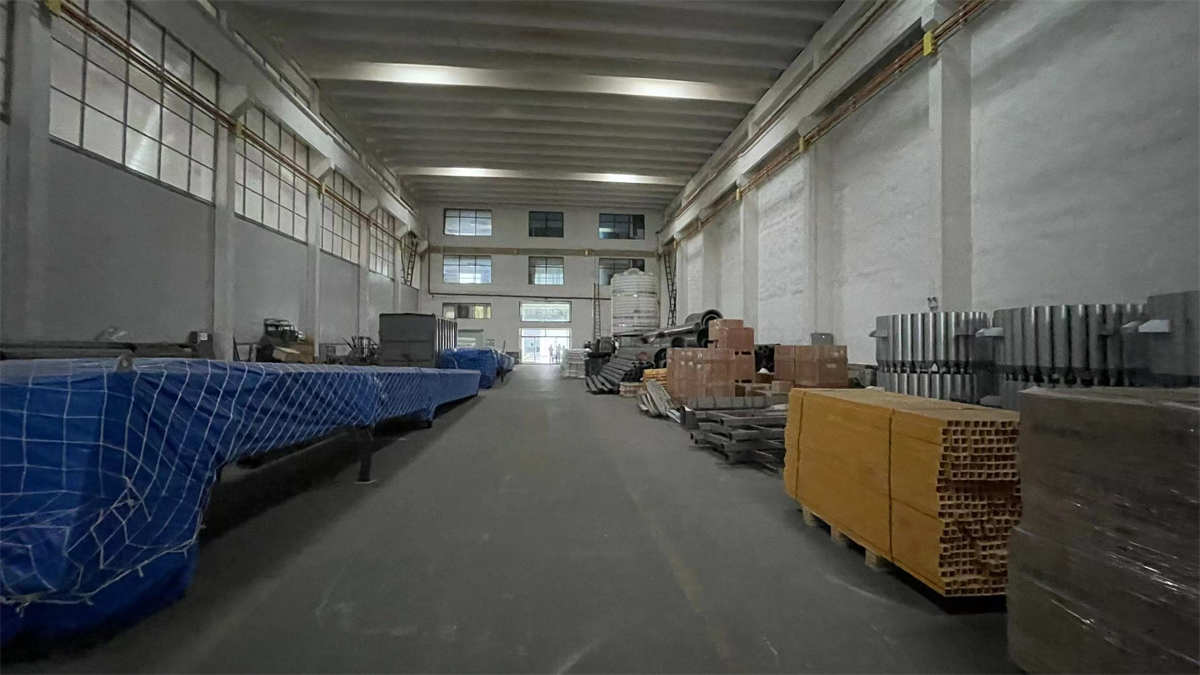
Changzhou Jovios Equipment Co., Ltd. is a professional manufacturer and solution provider specializing in solid-liquid separation and environmental protection equipment. Located in Changzhou National High-tech Industrial Development Zone, Jiangsu Province, China, the company operates a modern manufacturing base covering more than 50,000 square meters, equipped with advanced production facilities and a comprehensive quality inspection center.
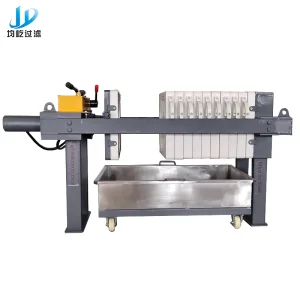
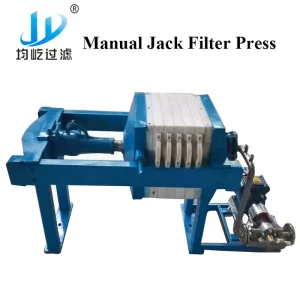
Jovios independently designs, develops, and manufactures a complete range of filtration and separation equipment, including plate and frame filter presses, membrane filter presses, automatic filter presses, and intelligent filtration systems. With an annual production capacity exceeding 1,000 units, our products are widely applied in municipal wastewater treatment, chemical processing, mining, and food & beverage production.
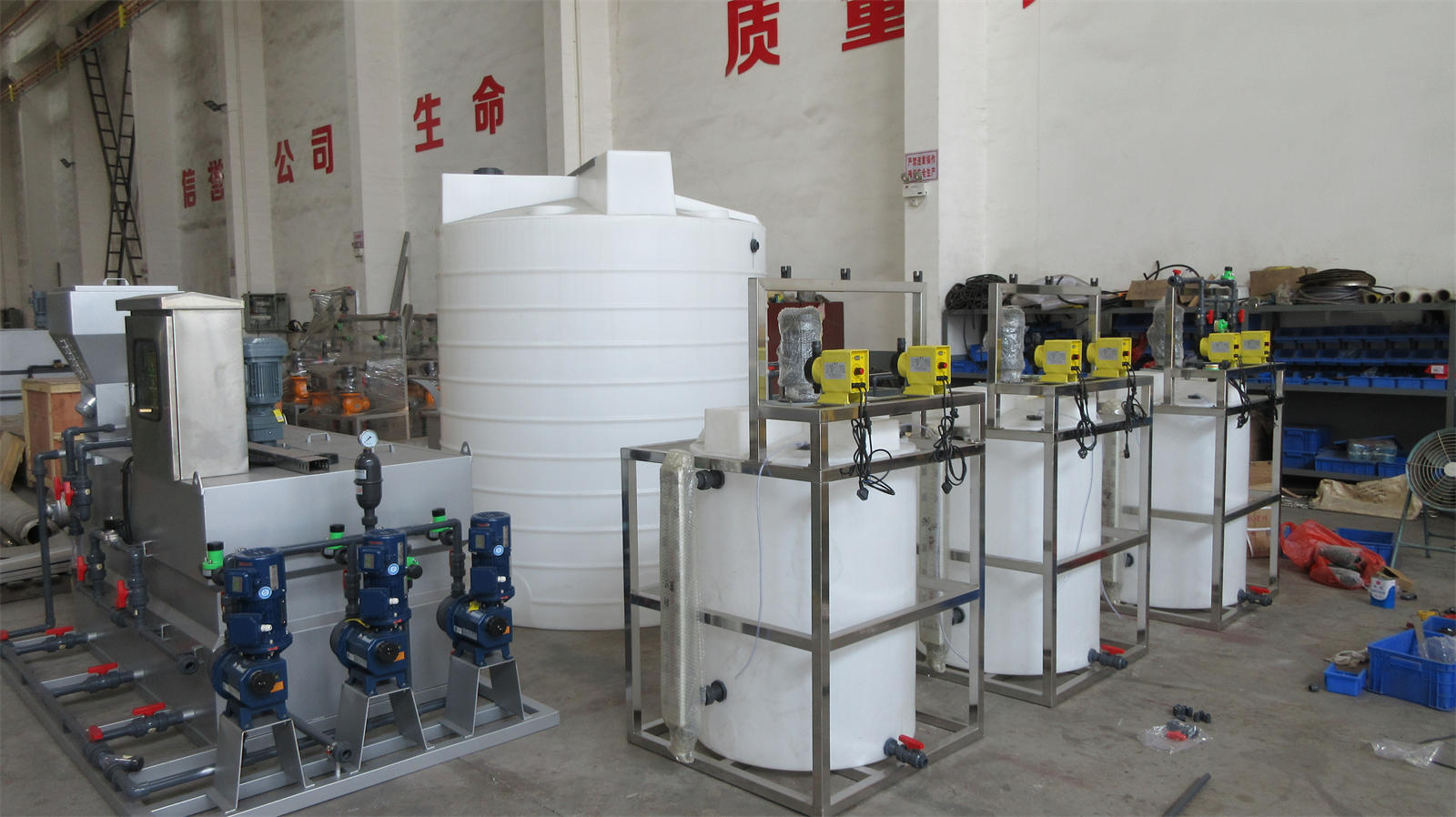
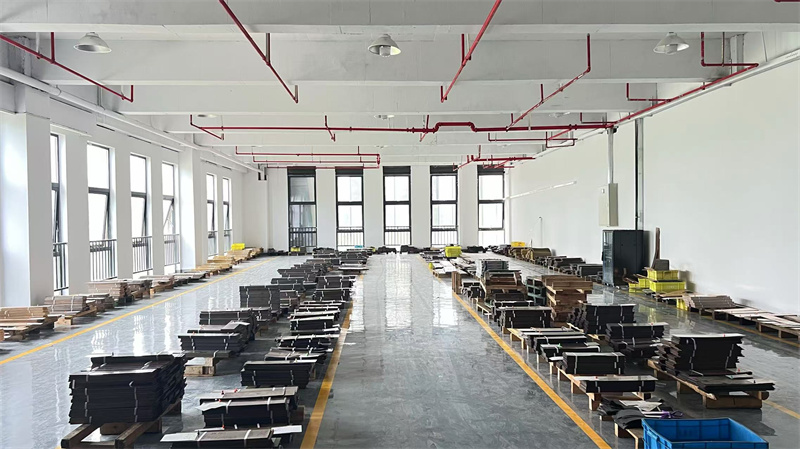
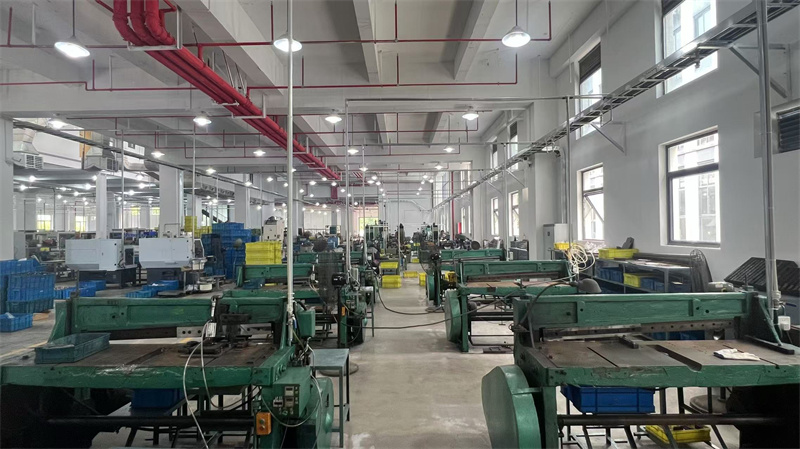
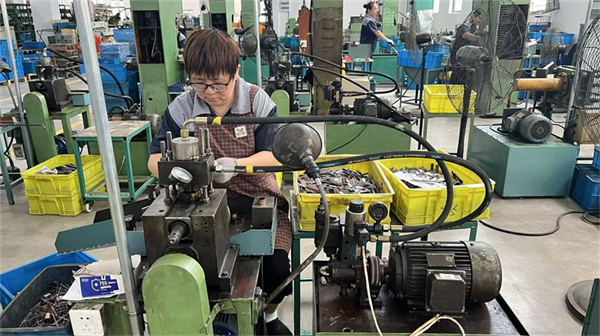
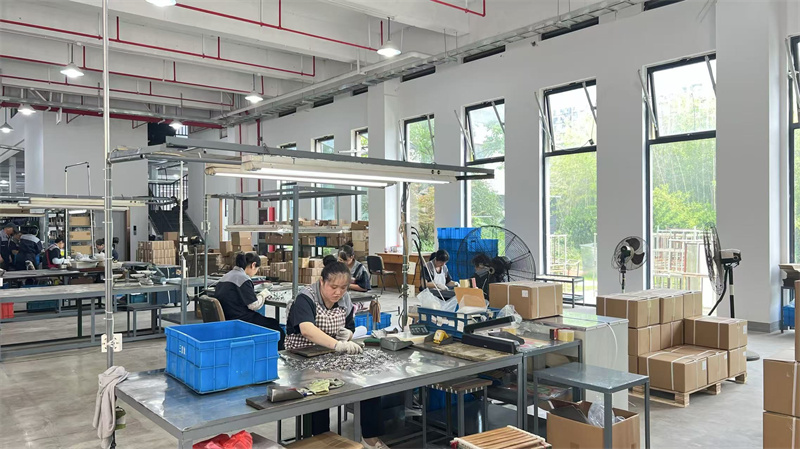
Our engineering team doesn't just sell machines; we provide turnkey filtration ecosystems. By analyzing the particle size distribution, chemical composition, and temperature of the slurry, we customize the technical route for optimal performance.
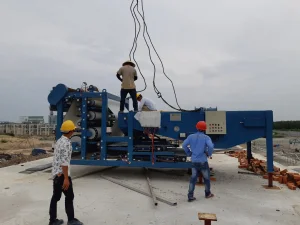
Managing large-scale tailings requires high-volume throughput. Our heavy-duty chamber presses handle high-density slurries, enabling water recycling in arid mining regions.
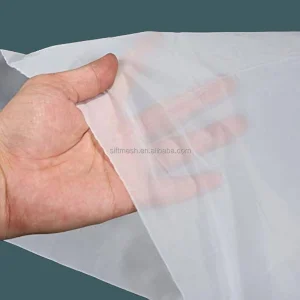
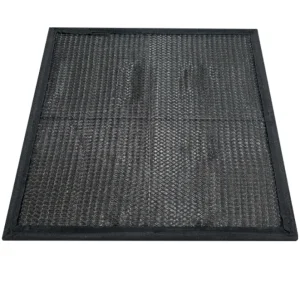
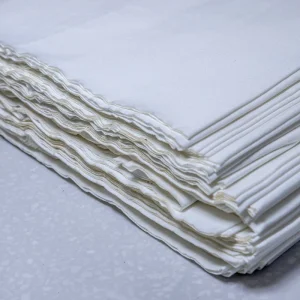
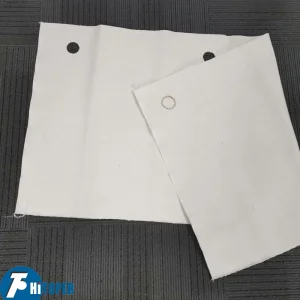
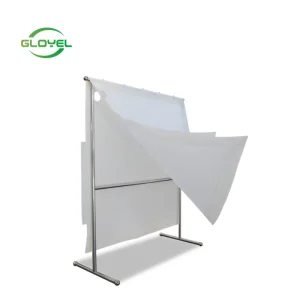
Utilizing laser-cut PA66 and Polyester filter cloths, we ensure zero contamination and chemical stability for sensitive high-purity processing.
FDA-compliant materials and "Clean-in-Place" (CIP) systems allow our filters to be used in soy milk, juice, and edible oil refining with 99.9% clarity.
The next decade of Chamber Filter technology will be defined by AI-driven Predictive Maintenance. Jovios is currently developing sensors that monitor cloth blinding and hydraulic pressure fluctuations, alerting operators via mobile apps before a downtime event occurs. Our commitment to innovation ensures that our clients stay ahead of the technology curve.
International procurement often involves complex compliance hurdles. As a leading manufacturer, we provide full support for:
A standard chamber filter press uses fixed-volume chambers. A membrane filter press includes flexible membranes that are inflated (with air or water) after the filtration cycle to further squeeze the cake, significantly reducing moisture content further.
Nylon (PA66) is excellent for alkaline conditions and has high abrasion resistance. Polyester is better for acidic environments and offers better dimensional stability under heat. We provide customized laser-cut options for both.
Yes. Our "Intelligent Filtration Systems" include automatic plate shifting, cloth washing, and cake discharge, reducing manual labor requirements to nearly zero.
Standard units usually ship within 30-45 days. Custom-engineered systems or large-scale multi-unit production lines may take 60-90 days depending on complexity.
 Jovios Equipment