Jovios Equipment

The Strategic Evolution of Construction Filtration in the Era of Sustainability
In the contemporary landscape of global infrastructure, Construction Filtration has transitioned from a peripheral utility to a core strategic imperative. As environmental regulations tighten globally—from the European Union's Green Deal to North America's stringent EPA standards—the demand for high-efficiency solid-liquid separation systems has surged. China, as a global manufacturing powerhouse, has evolved from a simple exporter to a leading innovator in filtration technology, offering wholesale construction filtration solutions that combine cost-efficiency with high-end engineering precision.
Global Industrial Status and Information Gain
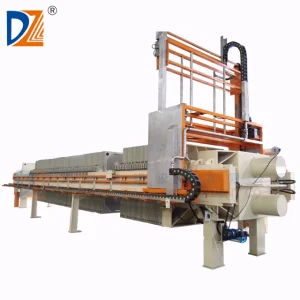
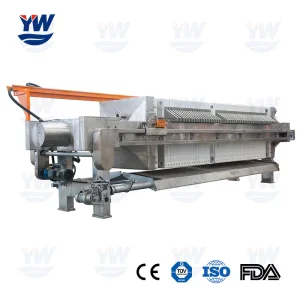
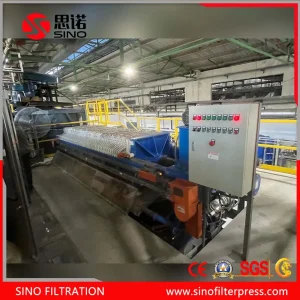
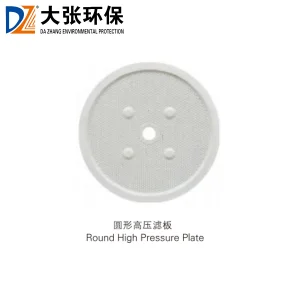
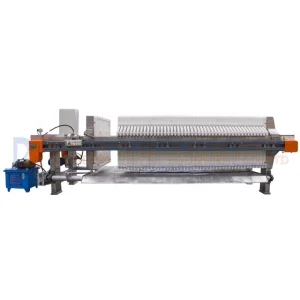
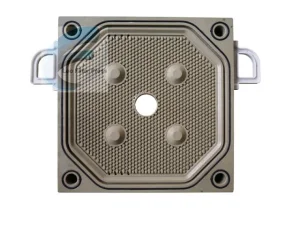
Traditional construction sites often struggle with "sludge management," where high water content in waste leads to astronomical disposal costs. Current industry data suggests that by implementing Recessed Chamber Filter Presses or Membrane Plate systems, projects can reduce waste volume by up to 75%, effectively turning slurry into manageable, stackable "cakes" with low moisture content. This is not just a filtration process; it is a value-recovery mechanism that enables water recycling and reduces the carbon footprint of logistics.
Localized Application Scenarios: Engineering for the Real World
Municipal & Urban Infrastructure
Managing tunnel boring machine (TBM) slurry in densely populated cities requires compact, high-throughput systems. Our automatic filter presses provide continuous operation with minimal footprint.
Industrial Chemical Processing
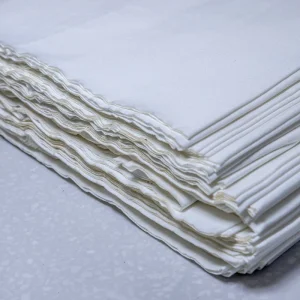
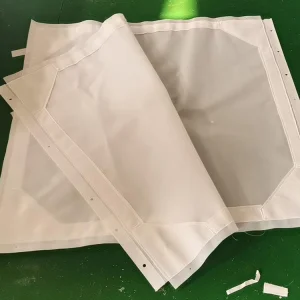
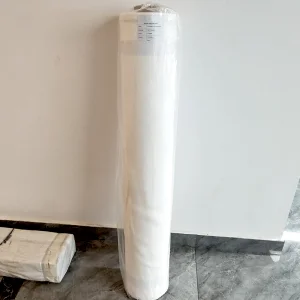
Using specialized Polyester and Nylon filter cloths with precise micron ratings (25 to 1000 microns) ensures the recovery of expensive chemical catalysts and ensures effluent purity.
Mining & Tailings Management
High-pressure diaphragm presses are utilized to dewater mineral concentrates and tailings, facilitating "Dry Stack" tailings management which is critical for dam safety.
Technical Roadmap & Future Outlook
The roadmap for construction filtration is moving towards Industry 4.0 Integration. Future systems will feature:
- IoT-Enabled Monitoring: Real-time pressure and flow sensors to predict filter cloth wear and optimize cycle times.
- Energy Recovery: Hydraulic systems designed to recover potential energy during the plate opening phases.
- AI-Driven Optimization: Machine learning algorithms that adjust flocculant dosage based on the turbidity of incoming sludge.