Explore our high-performance line of certified filter media, high-precision industrial press systems, and state-of-the-art CNC processing machinery engineered to optimize industrial throughput.
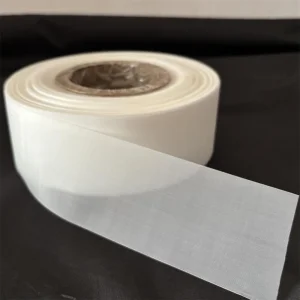
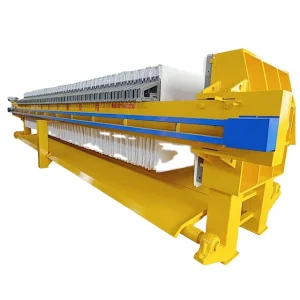
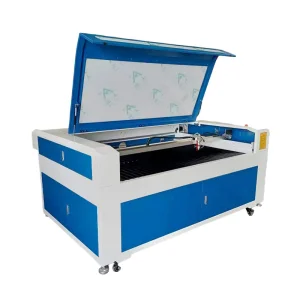
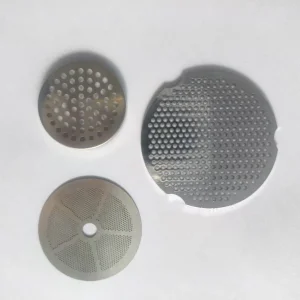
A Professional Manufacturer and Solution Provider Specializing in Solid-Liquid Separation
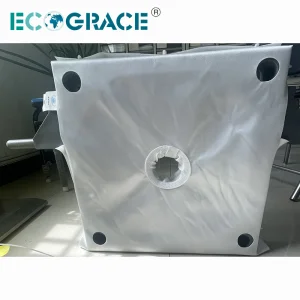
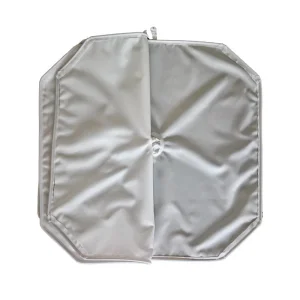
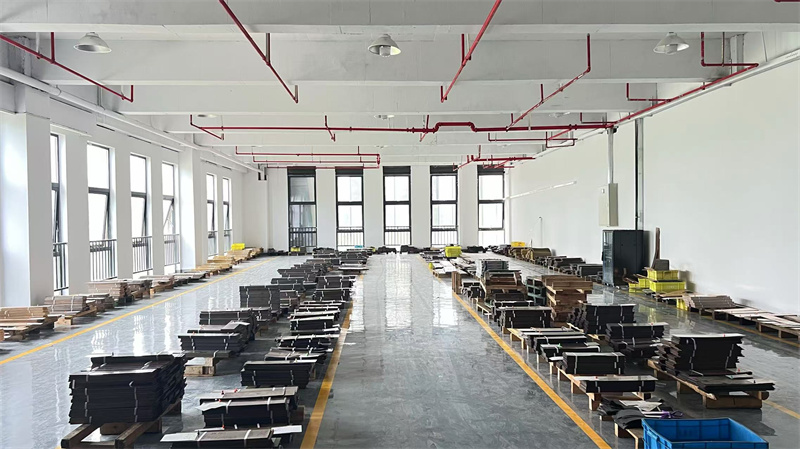
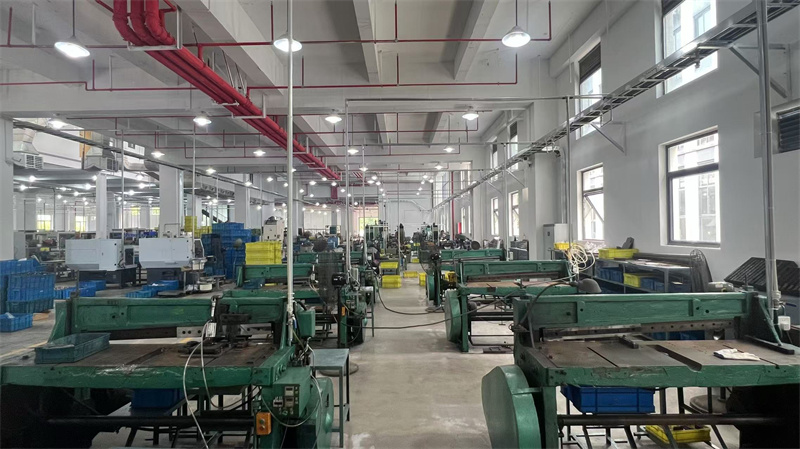
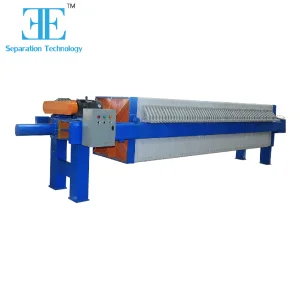
Located in the Changzhou National High-tech Industrial Development Zone, Jiangsu Province, China, Changzhou Jovios Equipment Co., Ltd. operates a modern manufacturing base covering more than 50,000 square meters. We design, develop, and manufacture a comprehensive range of separation systems—including plate and frame filter presses, membrane filter presses, automatic intelligent filtration units, as well as high-performance press plates and media.
With an annual capacity exceeding 1,000 units, our engineered solutions support municipal wastewater, advanced chemical processing, metallurgy, food & beverage, and strict pharmaceutical filtration standards. Driven by an R&D team of over 30 senior engineers, we integrate industrial design with process chemistry to help global enterprises optimize yield, reduce operating costs, and meet compliance metrics.
"Our Mission: Delivering efficient, energy-saving, and environmentally responsible separation solutions through rigorous engineering, enabling sustainable operations across global supply chains."
How engineered solid-liquid separation addresses contamination control, productivity, and waste reduction across key global industries.
High-purity solid recovery, active pharmaceutical ingredient (API) crystallization separation, and sterile filtration. Incorporates non-shedding monofilament media and non-reactive plate materials complying with global pharmacopoeias.
Corrosion-resistant plate and frame configurations designed for acidic, alkaline, and high-temperature organic solvent processing. Ensures maximum dry cake weight to minimize solvent recovery costs.
Heavy-duty filtration systems capable of high solids throughput, tailing dewatering, and mineral concentrate recovery. Built for continuous operation under severe abrasive wear.
High-efficiency dewatering systems for biological and chemical sludge treatment. Engineered to produce maximum dry solids, reducing transportation and disposal footprints.
FDA-compliant materials (such as virgin polypropylene and high-grade nylon) designed to preserve organoleptic properties while delivering clarity and sterile stability in liquids.
Particulate filtration using chemical etching stainless steel structures and high-purity cellulose membranes to ensure zero bypass in gas processing systems.
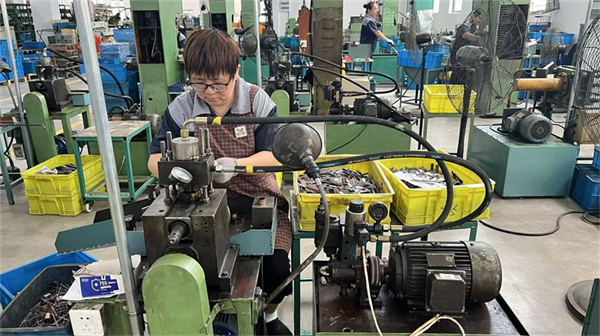
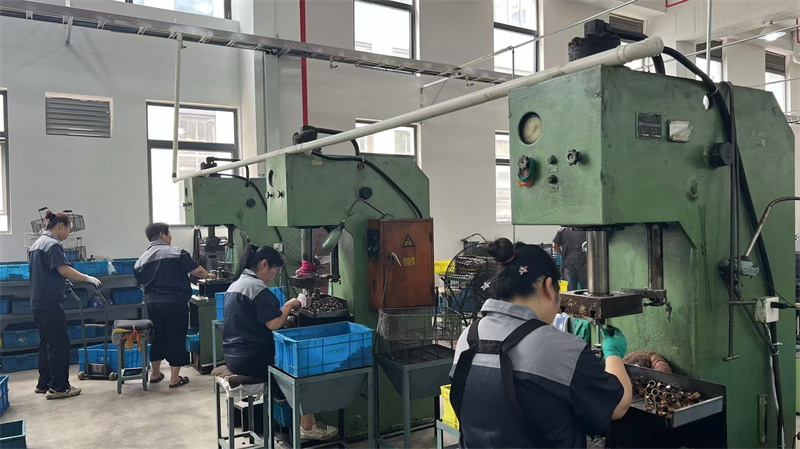
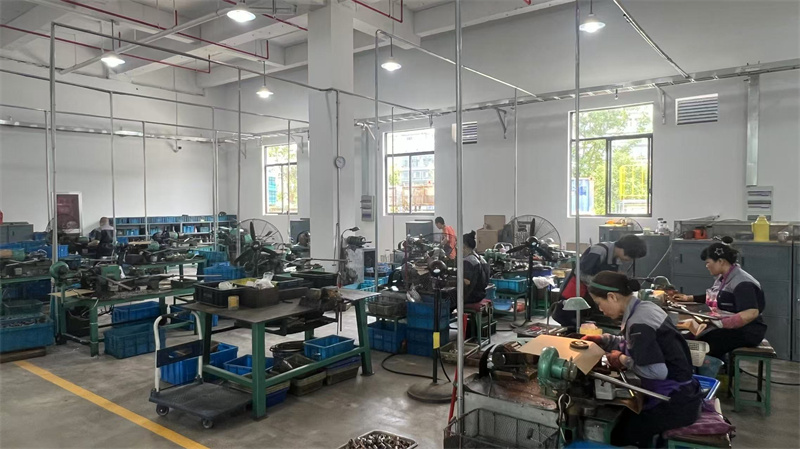
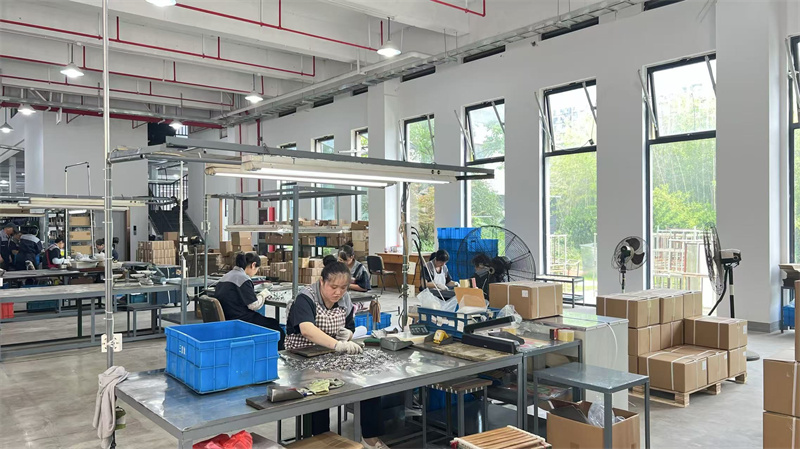
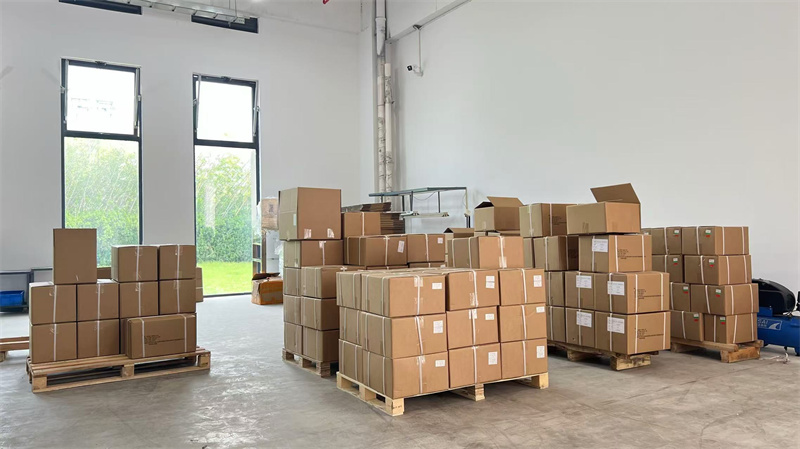
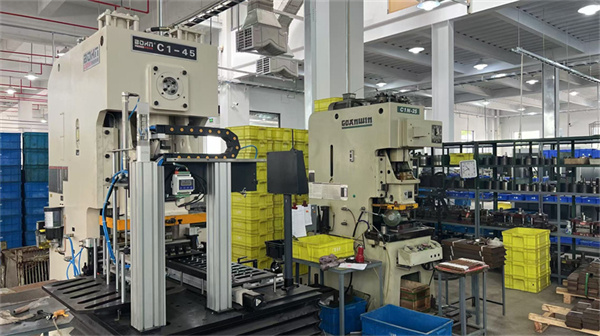
Our state-of-the-art facilities in Changzhou combine heavy industrial automation with micro-precision quality protocols, ensuring that every batch of filter media and each pressure vessel meets international standards.
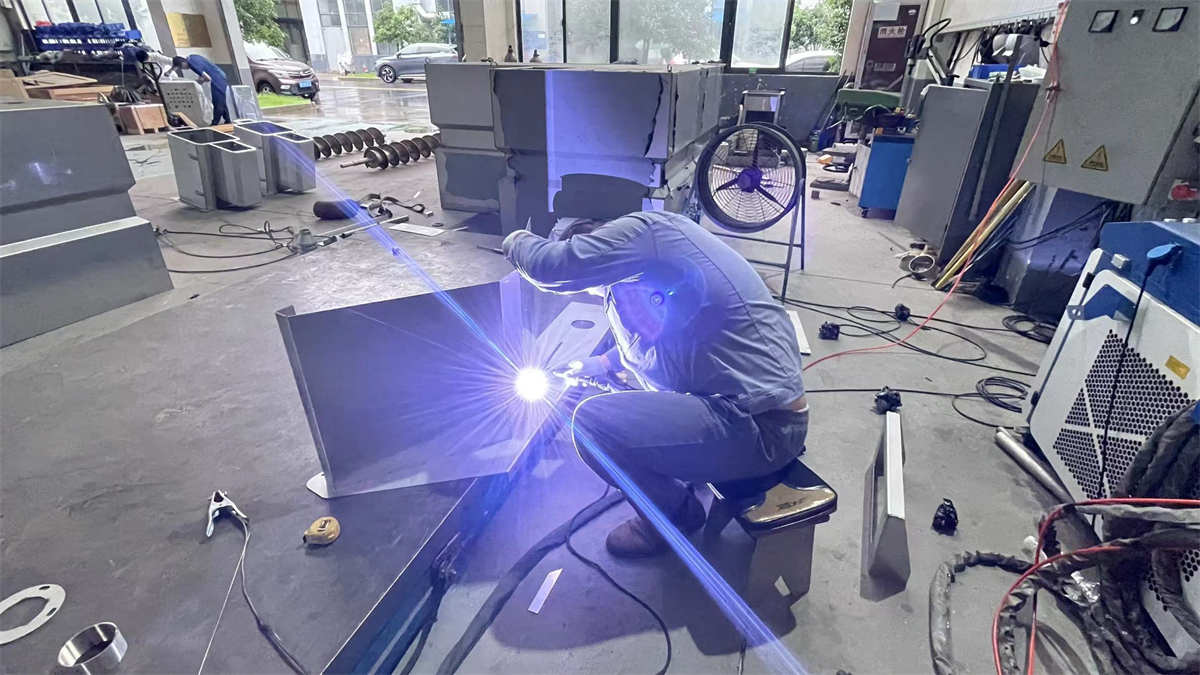
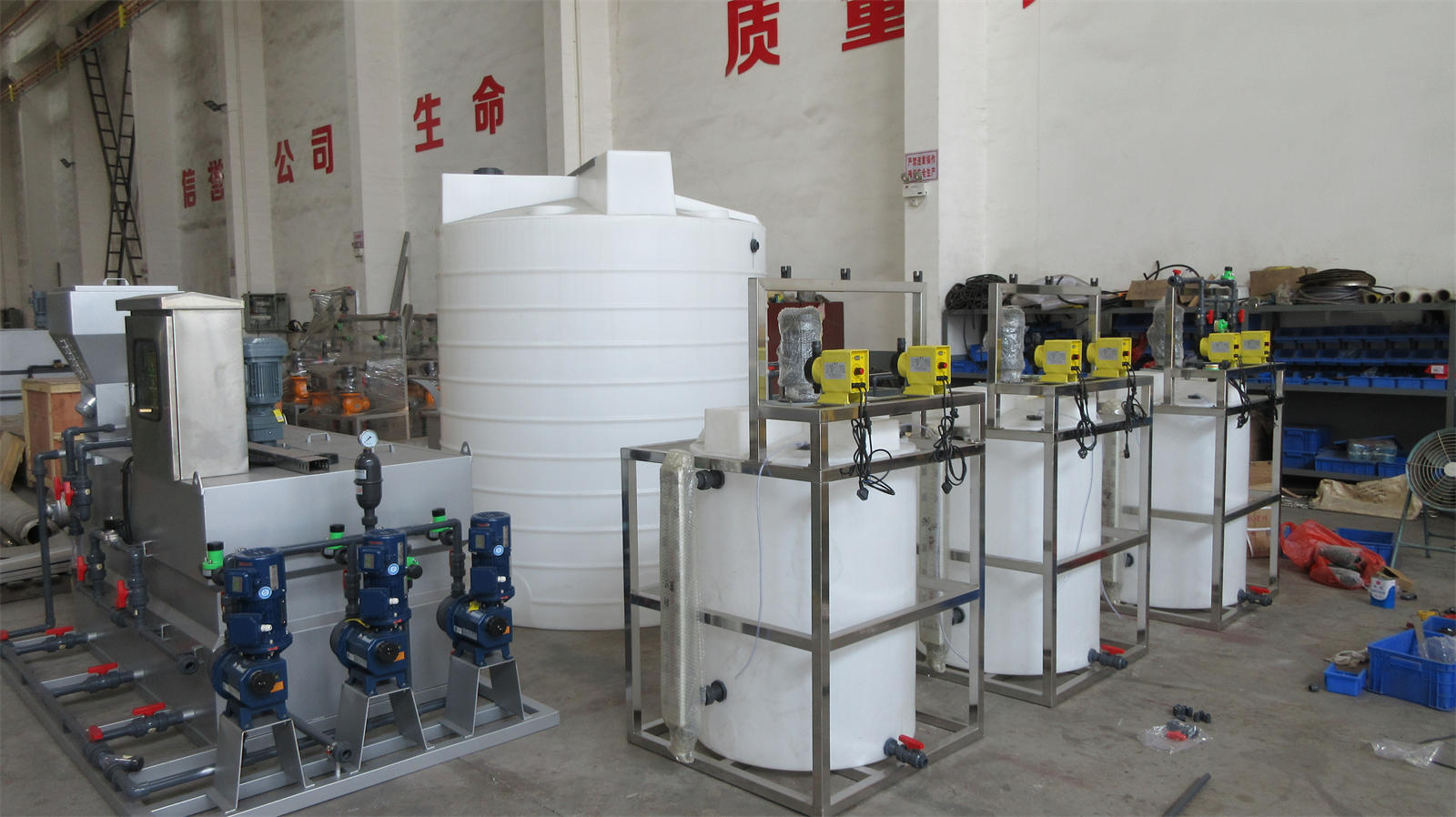
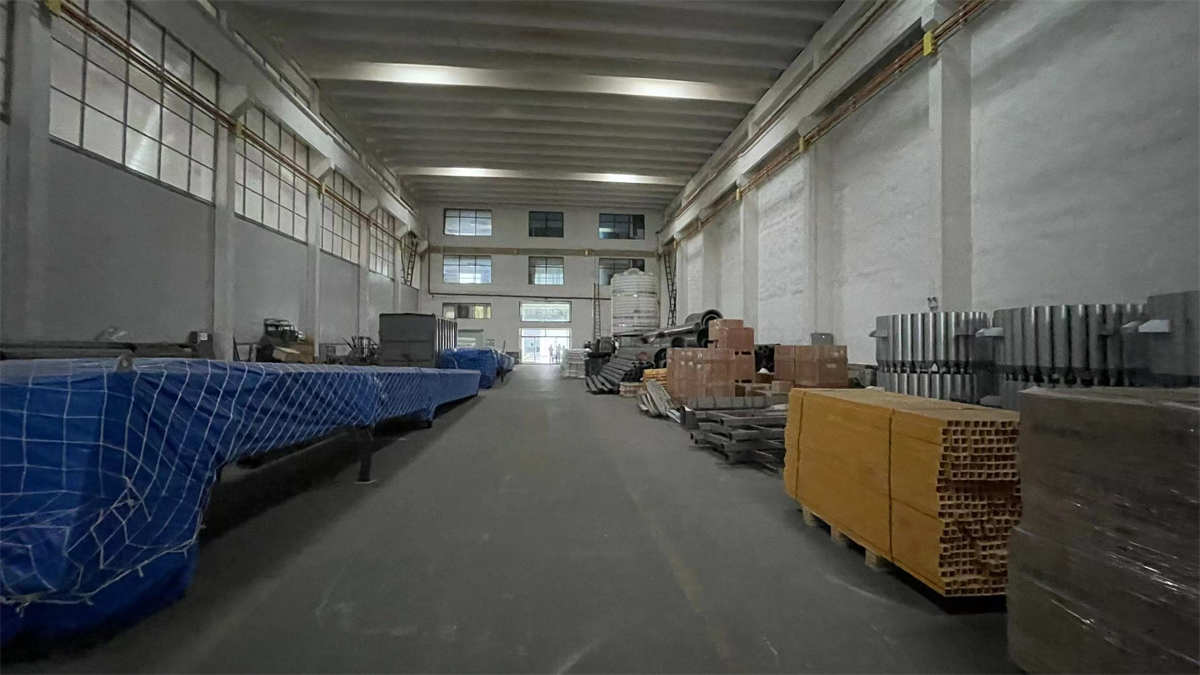
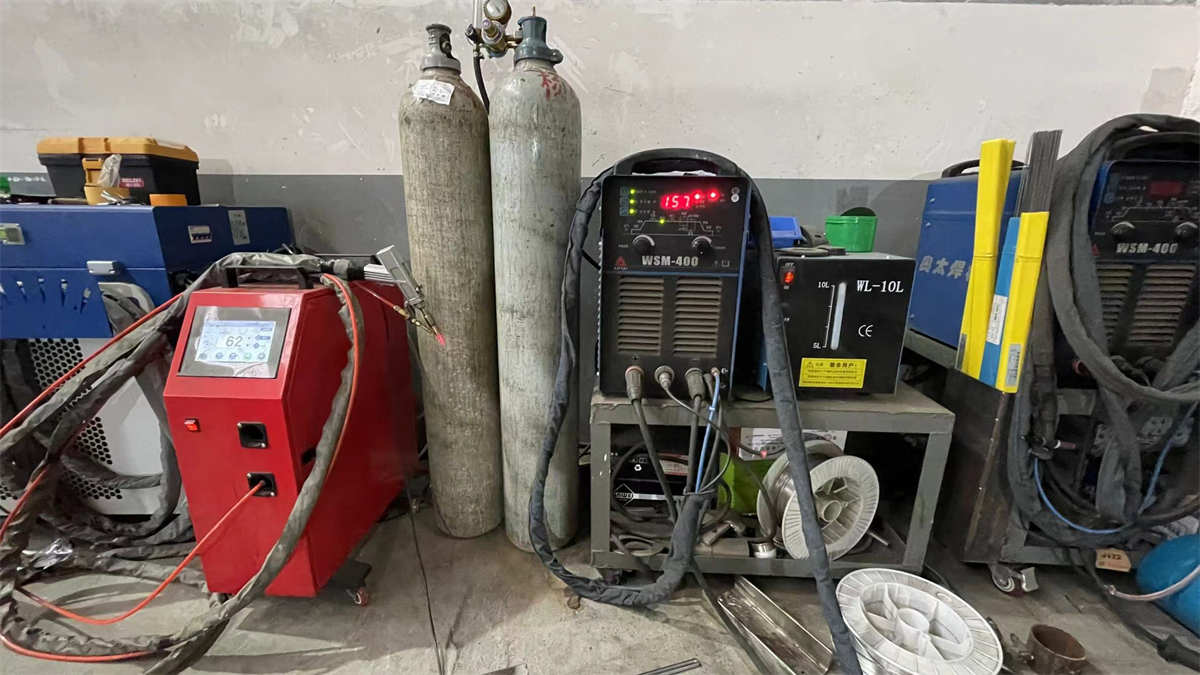
Developing sub-micron polymeric structures combining Polyvinylidene Fluoride (PVDF) and Polyethersulfone (PES) to optimize flux rates while ensuring chemical resistance across varying pH spectrums. These materials offer thermal stability for dynamic Clean-In-Place (CIP) regimes.
Transitioning from basic cycle control to smart filtration systems. Real-time pressure sensors, cake thickness telemetry, and turbidity analyzers adaptively adjust squeezing pressures and wash cycles, reducing energy and water consumption.
Engineering recyclable filter plate assemblies and bio-sourced filter cloths. By optimizing mechanical design and pressure curve parameters, we achieve lower residual moisture levels, reducing downstream thermal drying energy requirements.
Procurement departments in global pharma and fine chemical operations focus on three main metrics when auditing manufacturers:
We support global infrastructure projects by providing engineering and validation documentation to meet localized regulatory requirements.
All contact materials—from nylon meshes to polypropylene plates—are certified inert, extractable-tested, and fully traceable under international GMP protocols.
Our mechanical designs conform to international pressure vessel codes, seismic parameters, and electrical safety standards, enabling integration with existing plant control architectures.
Our engineering team provides comprehensive commissioning support, site acceptance testing (SAT), operator training, and localized parts logistics to minimize downtime.
Discover our advanced structural elements, automated systems, and high-strength filtration textiles designed to handle high pressures and corrosive chemistries.
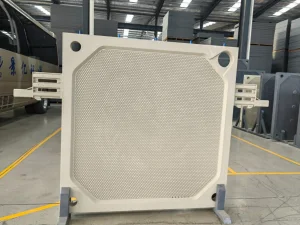
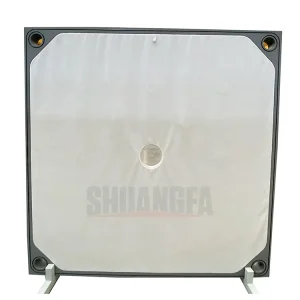
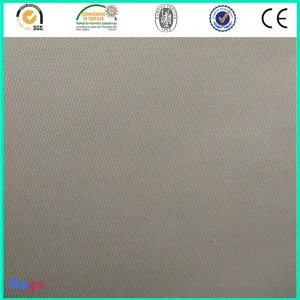
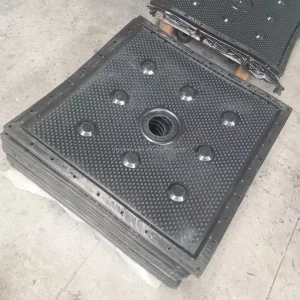
Detailed answers to technical questions about materials selection, industrial performance, and production quality standards.
We use virgin, unpigmented polypropylene (PP) and high-grade nylon polymers that undergo extraction testing. These materials are certified free from plasticizers and surface agents, minimizing extractables to prevent pharmaceutical contamination. Our production lines follow cleanroom handling standards, and each batch includes a material certificate of analysis (CoA) for traceability.
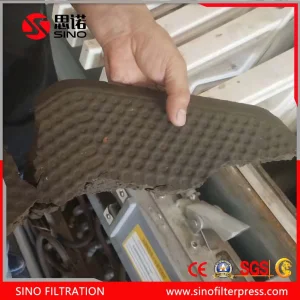
Membrane filter plates feature a flexible membrane face that expands under secondary hydraulic or pneumatic pressure (up to 20 bar). This secondary squeeze mechanically reduces cake moisture levels by 15% to 30% compared to conventional chamber plates, resulting in shorter wash cycles and reduced energy usage for downstream thermal drying.
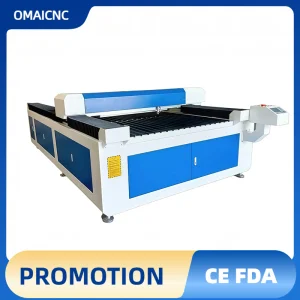
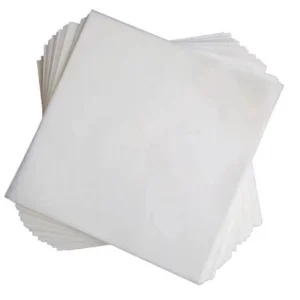
Traditional mechanical cutting can leave raw, frayed edges on woven nylon, polypropylene, and polyester media. CNC laser cutting melts the outer synthetic fibers, sealing the edges to prevent fiber shedding during high-velocity wash cycles. This technique also maintains precise dimensions, preventing slurry bypass around the plate borders.
We conduct laboratory analysis of particle size distribution (PSD) and liquid viscosity, followed by pilot leaf testing. For fine chemical and API crystallization, we select filter media with pore sizes matching the D90 particle size, balancing retention efficiency with flux rate to prevent premature blinding.
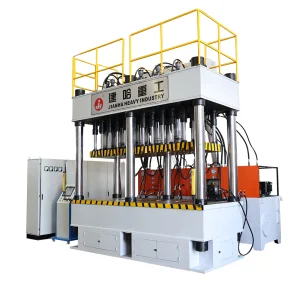
These presses form heavy steel structural components with uniform wall thickness and minimal residual stress. This ensures that the structural frame of our high-capacity filter presses can withstand continuous clamping pressures of up to 400 bar without deformation over long operating cycles.
 Jovios Equipment