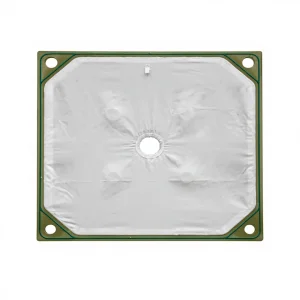
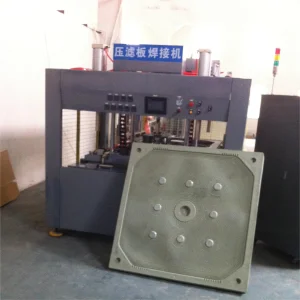
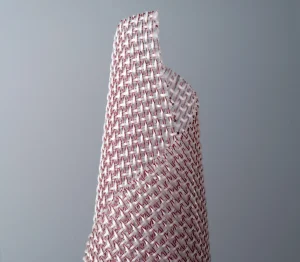
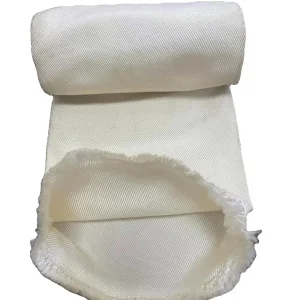
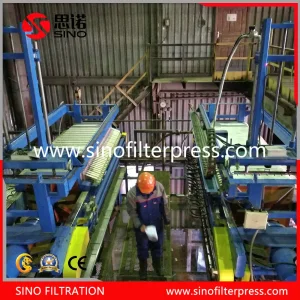
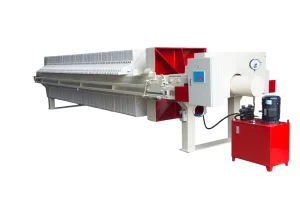
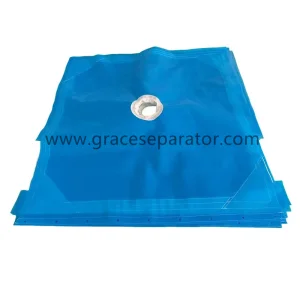
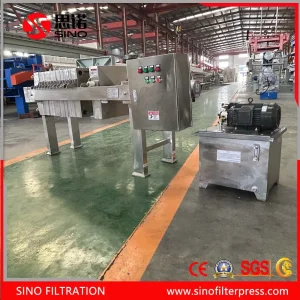
Discover our high-efficiency chamber filter presses, membrane press plates, specialized CGR filter cloths, and auxiliary purification systems engineered for optimal cake dryness.
In modern industrial and municipal operations, the treatment of slurry, tailings, and waste biomass is no longer viewed merely as a compliance cost. Instead, it is recognized as a key component of operational efficiency and ecological stewardship. At the core of this transformation lies the process of cake sludge management: the mechanical extraction of liquid phase from suspension, resulting in dry, transportable solids known as "filter cake."
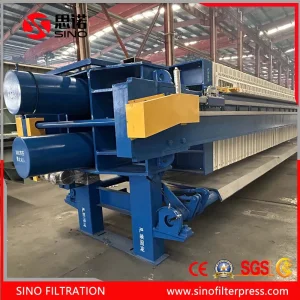
Achieving regulatory compliance within international markets, specifically within the European Economic Area, requires equipment to meet stringent safety, health, and environmental standards. A CE Certified Cake Sludge Management system serves as a benchmark of engineering safety. It guarantees that the hydraulic systems, automatic plate-shifting mechanisms, and high-pressure squeezing systems align with the Machinery Directive 2006/42/EC and related electrical standards.
Efficient sludge de-watering relies on overcoming the bound water within the cellular matrices or colloidal structures of the suspension. Under high mechanical pressure (ranging from 8 bar up to 30 bar in membrane squeezing), capillary water is expelled through a porous medium—the filter cloth. This reduction in volume directly minimizes downstream transport costs and lowers carbon emissions associated with drying or thermal incineration processes.
The global filtration landscape is experiencing rapid evolutionary shifts. Engineering teams must adapt to key trends shape the market:
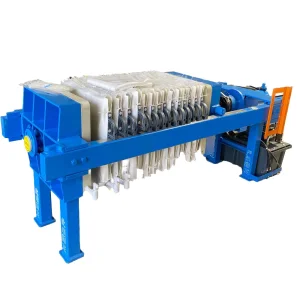
Traditional recessed chamber filter presses rely solely on the feed pump pressure to compact solids. Modern configurations integrate secondary membrane inflation (utilizing pressurized air or water) to achieve mechanical squeezing of the cake. This reduces residual moisture by an additional 10% to 15% compared to non-membrane technologies.
IoT-connected sensors monitor feed flow rate, filtrate clarity, and feed pump torque. Machine learning algorithms analyze these variables in real-time to adjust cycles dynamically, preventing plate blowout incidents and optimizing the duration of the compaction and washing phases.
Tailings and municipal sludge are increasingly mined for valuable components, such as heavy metal recovery in smelting plants and phosphorus recovery in municipal plants. This requires highly clean cake wash cycles to partition specific solutes effectively.
Procurement directors and engineering leads evaluating cake sludge management equipment prioritize long-term durability and minimized operating expenditures (OPEX). Essential engineering requirements include:
Designing a cake sludge management system requires analyzing the material properties of the target slurry. Standard configurations fall into three technical families:
| Technology System | Typical Feed Pressure | Target Cake Moisture | Primary Industrial Applications |
|---|---|---|---|
| Chamber Recessed Filter Press | 6 - 10 Bar | 25% - 40% | Chemical synthesis, stone cutting wastewater, mineral processing. |
| High-Pressure Membrane Squeeze | 12 - 25 Bar | 15% - 25% | Biological municipal sludge, fine chemical tailing, high-viscosity residues. |
| Automatic Plate Frame Wash System | 8 - 12 Bar | 20% - 35% | Food starch processing, pharmaceuticals, pigment production. |
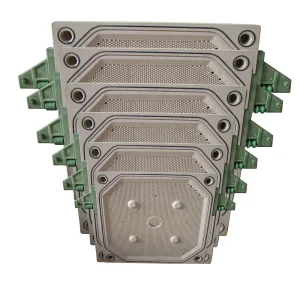
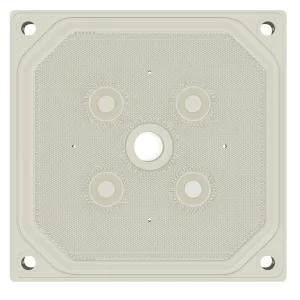
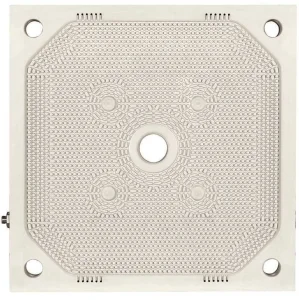
To support high-purity processing, systems are often outfitted with CGR (Caulked, Gasketed, Recessed) plate configurations. These plates establish a tight seal between the plate and the fabric, eliminating product leaks and ensuring a clean process line.
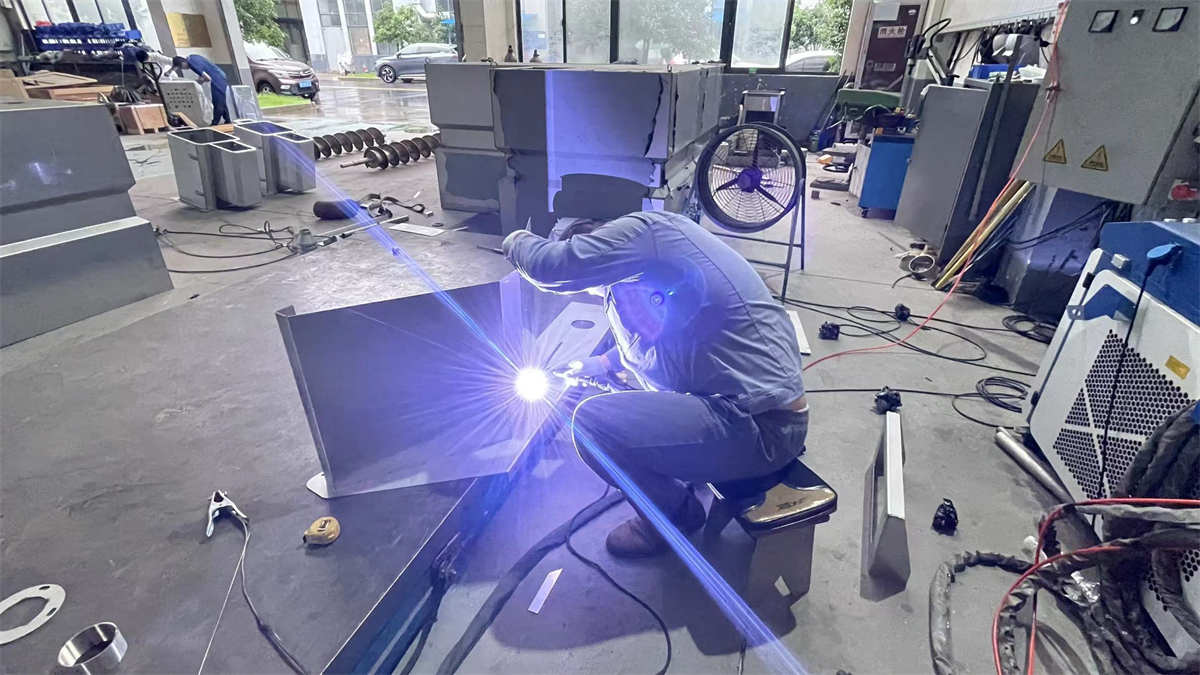
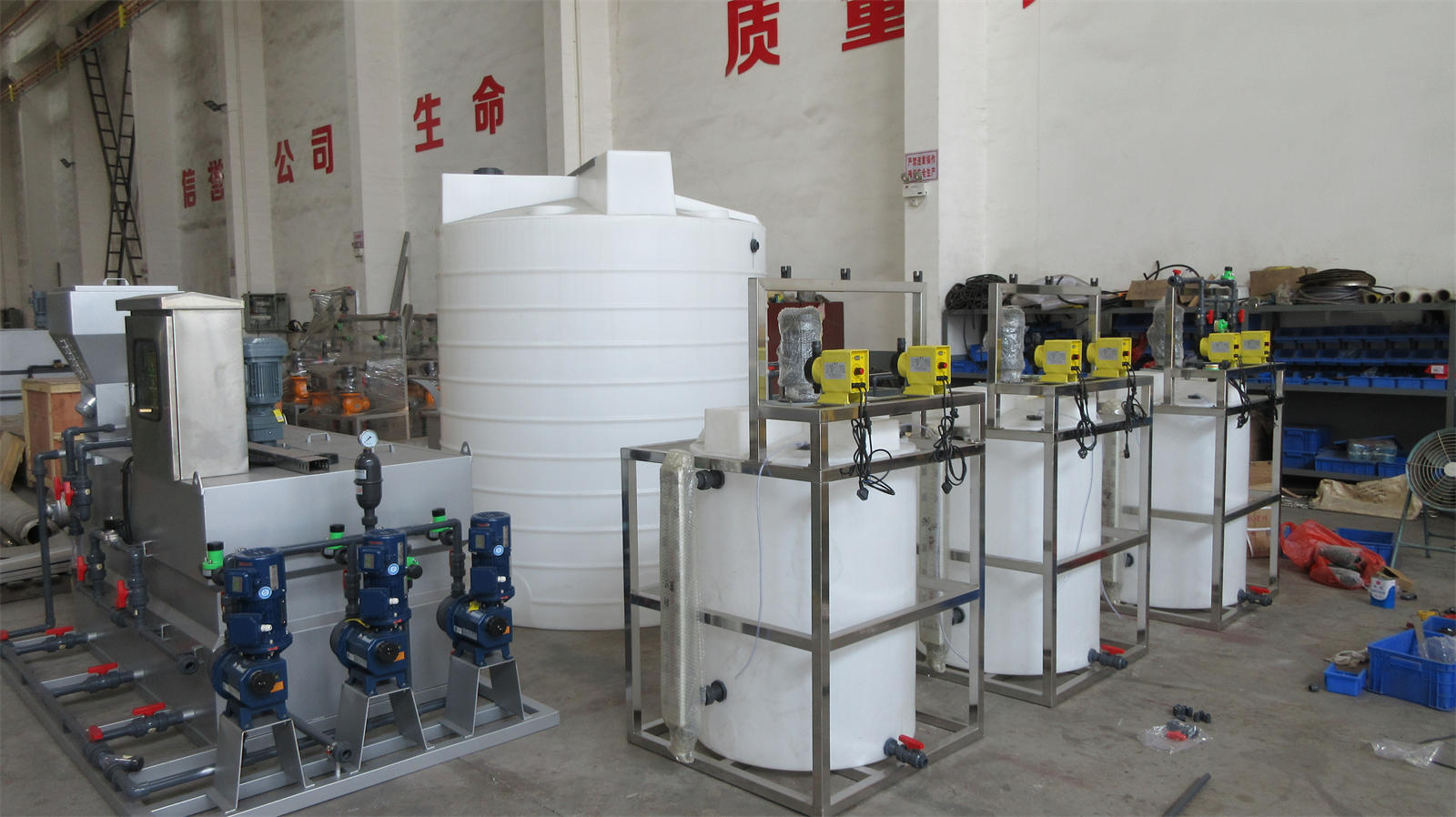
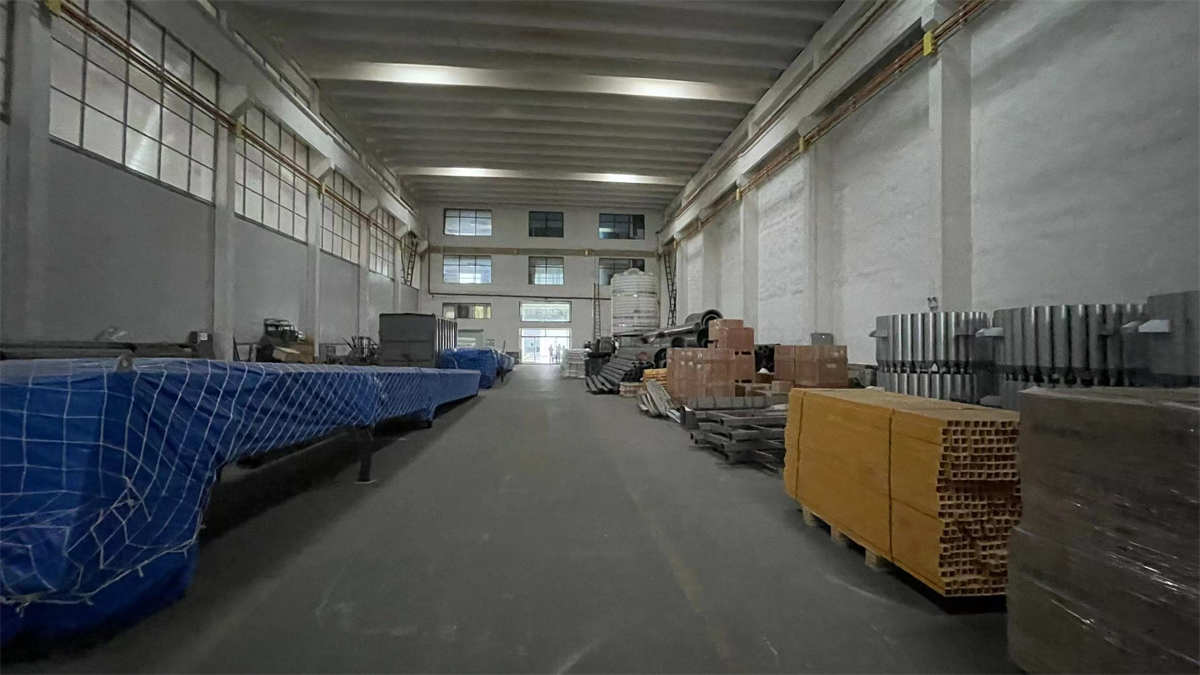
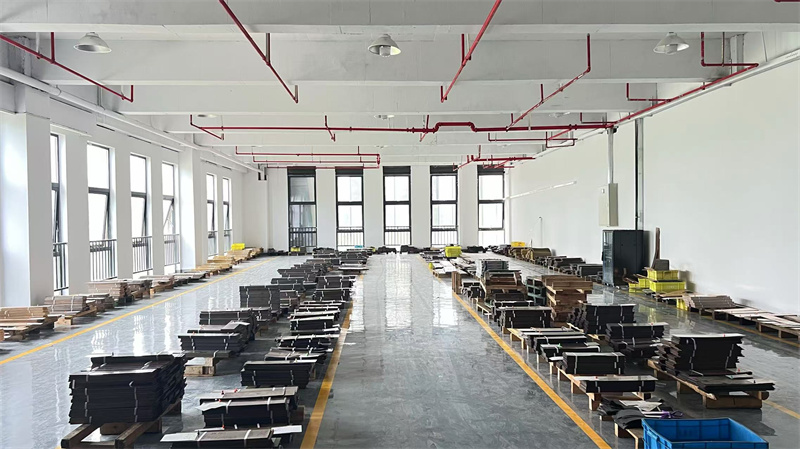
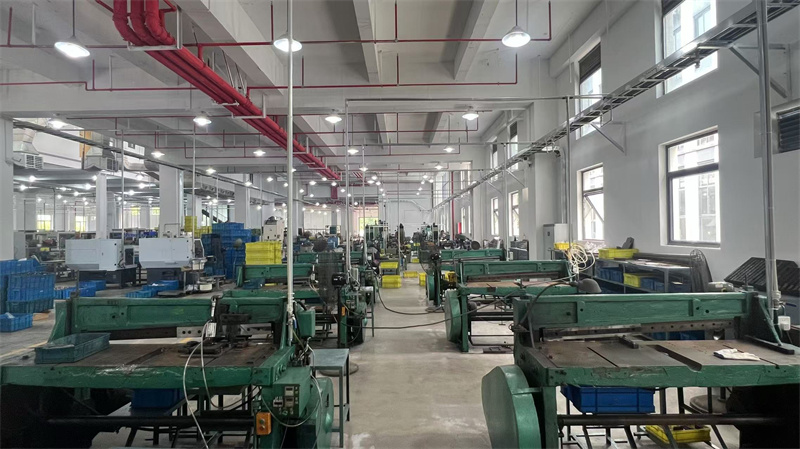
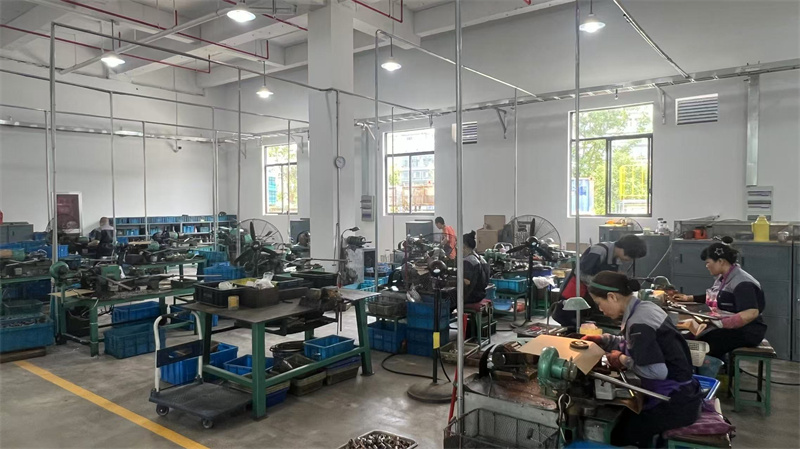
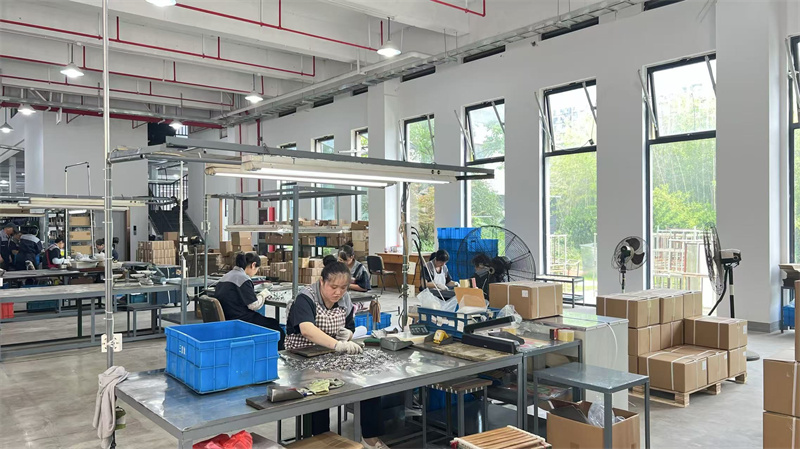
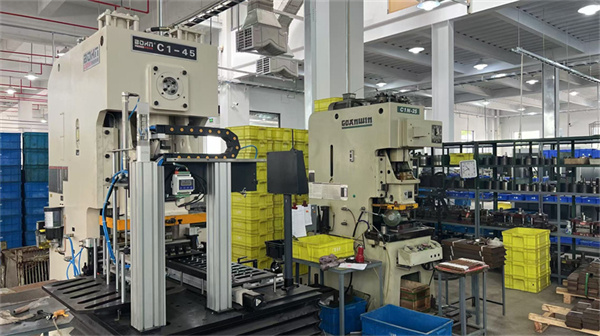
Changzhou Jovios Equipment Co., Ltd. is a professional manufacturer and solution provider specializing in solid-liquid separation and environmental protection equipment. Located in the Changzhou National High-tech Industrial Development Zone, Jiangsu Province, China, the company operates a modern manufacturing base covering more than 50,000 square meters. The facility is equipped with advanced production machinery, rigorous testing environments, and a dedicated quality assurance team.
Jovios independently designs, develops, and manufactures a comprehensive catalog of filtration equipment, including plate and frame filter presses, high-pressure membrane filter presses, intelligent automated filtration systems, and supporting separation consumables. Through a commitment to quality and engineering research, Jovios products serve municipal wastewater, mineral tailings, pharmaceuticals, and industrial process lines globally.
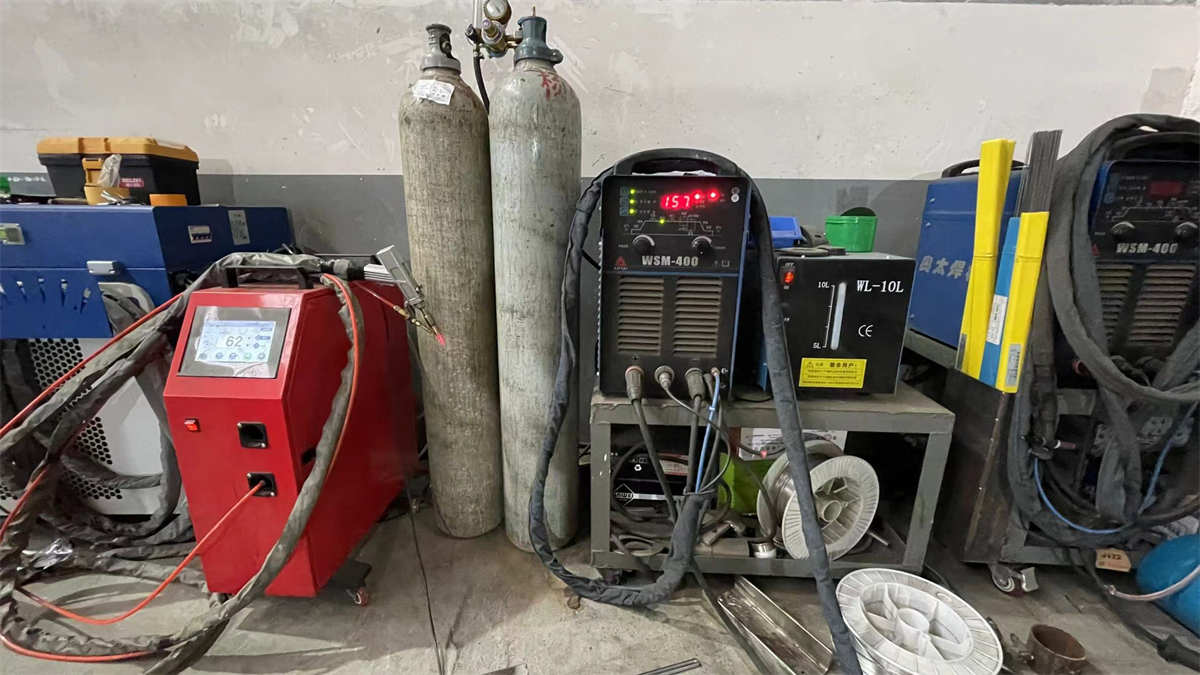
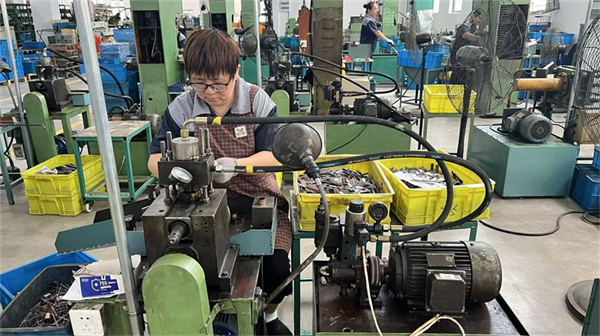
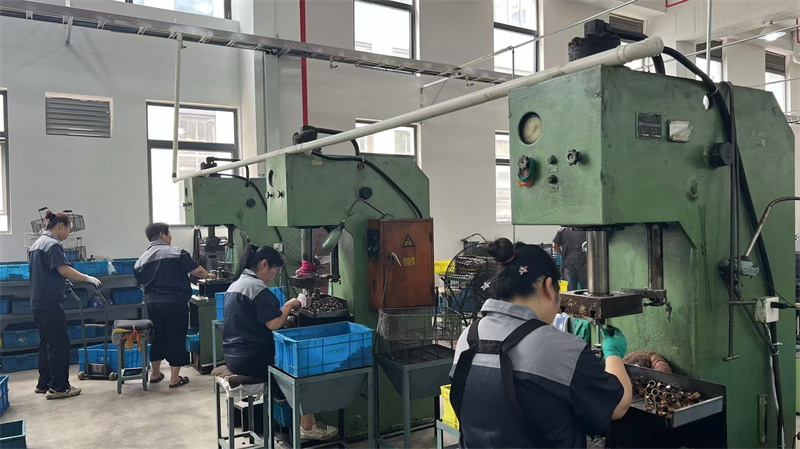
Our commitment to quality is reflected across every phase of production. We utilize specialized tooling, high-precision machining, and structural stress-relieving processes to ensure the reliability and alignment of our filter presses under high operating pressures.
Compliance is a critical element of global supply chains. At Jovios, we match product manufacturing with localized support infrastructure to help customers meet regional regulatory requirements:
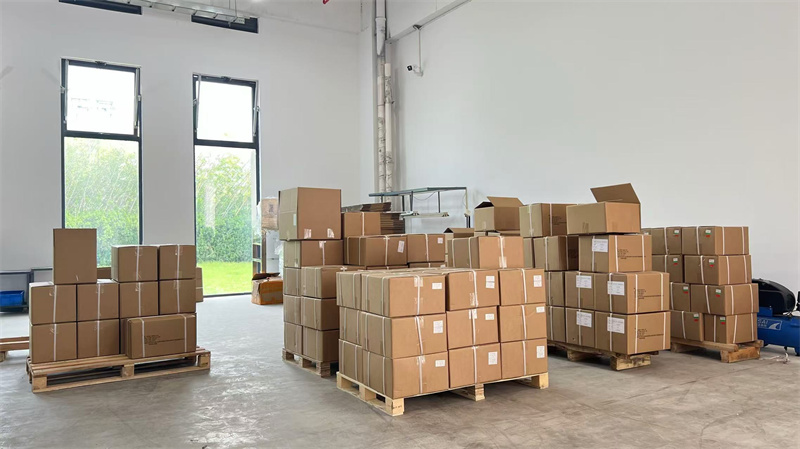
Our entire equipment line is compliant with European Machinery Directive 2006/42/EC, Low Voltage Directive 2014/35/EU, and Electromagnetic Compatibility (EMC) Directive 2014/30/EU. Each shipment includes full technical construction files (TCF) and Declarations of Conformity.
Control cabinets are built using global hardware brands like Siemens, ABB, or Schneider, and programmed with multi-language HMI interfaces (English, German, Spanish, French) to ensure smooth integration into existing plant control systems.
From initial design verification to remote diagnostics and on-site commissioning support, our field service engineers assist throughout the equipment lifecycle to help maintain plant uptime.
As water security regulations tighten globally, industrial facilities are adopting Zero Liquid Discharge (ZLD) strategies. Within a ZLD system, the filter press is tasked with separating the remaining solids from highly concentrated crystallization waste streams.
Jovios is directing R&D efforts toward designing hybrid solid-liquid separation equipment that combines thermal heat recovery with mechanical expression. By utilizing waste heat from upstream processes to pre-warm the slurry in the chamber, the filtration cycle achieves lower cake moisture levels, reducing the heat energy required in subsequent drying stages.
The decision depends on the specific resistance of the cake and the target moisture content. For compressible municipal and biological sludges, a membrane squeeze press is typically preferred because secondary compaction reduces cycle times and expels bound capillary water. For incompressible, crystalline mineral tailings, standard chamber filter presses are often more cost-effective as they rely primarily on high-volume feed pumps.
CE certification requires compliance with directives including the Machinery Directive 2006/42/EC. It ensures the hydraulic closing cylinders, safety light curtains, automatic plate shifters, and high-pressure lines are equipped with redundant safety systems. This reduces the risk of structural failure or operator injury during high-pressure squeezing cycles.
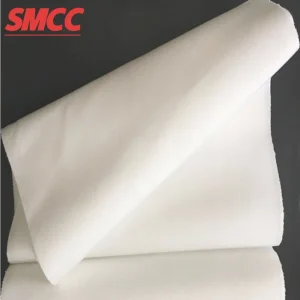
Blinding occurs when fine particles lodge in the weave of the filter cloth, reducing permeability. This can be managed by selecting the appropriate fiber material (such as monofilament PP rather than multifilament), using chemical conditioning agents like coagulants, and integrating an automated high-pressure cloth washing system operating at 80 to 100 bar.
Standard PP filter plates exhibit excellent chemical resistance across a pH range of 1 to 14. However, prolonged exposure to temperatures above 80°C combined with high pressure can cause deformation. For high-temperature applications, we utilize copolymer PP materials and glass-fiber reinforced PP plates to maintain structural stability.
CGR (Caulked, Gasketed, Recessed) plate systems feature O-ring seals around the plate chamber and filtrate ports, securing the cloth within a groove. This creates a leak-free chamber seal that prevents liquid or gas bypass, making it ideal for processing toxic chemicals, volatile organic materials, or pharmaceutical products where zero-leakage is required.
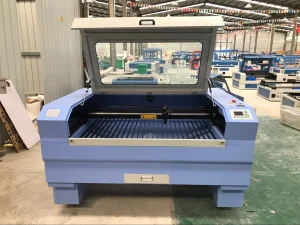
Browse our secondary selection of heavy-duty hydraulic filter presses, precision plate systems, monofilament filter cloths, and fabrication machinery.
 Jovios Equipment