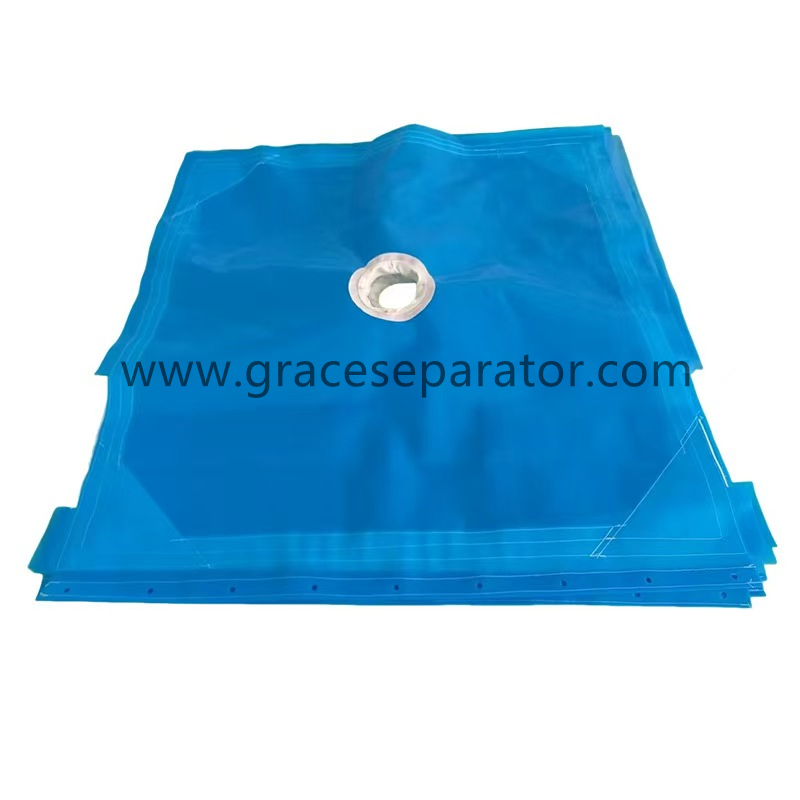
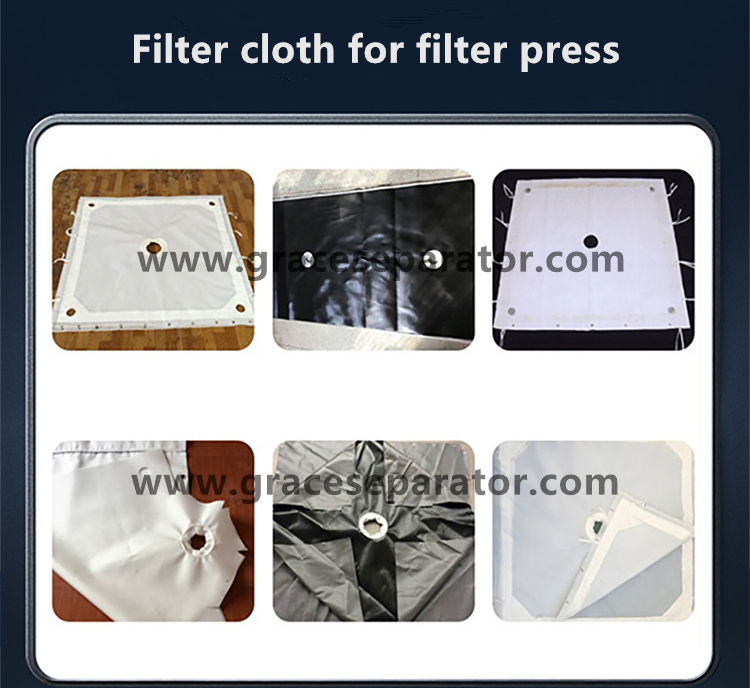
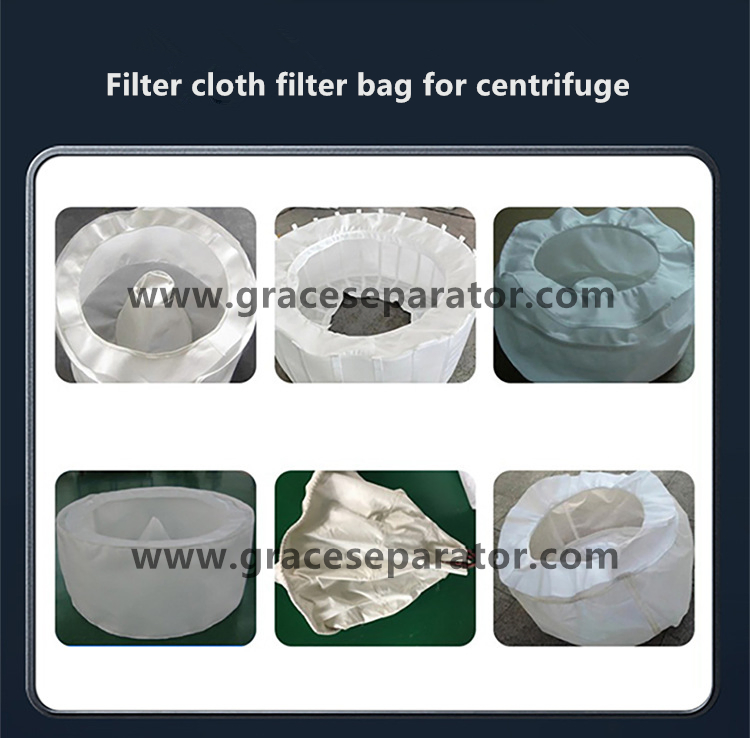
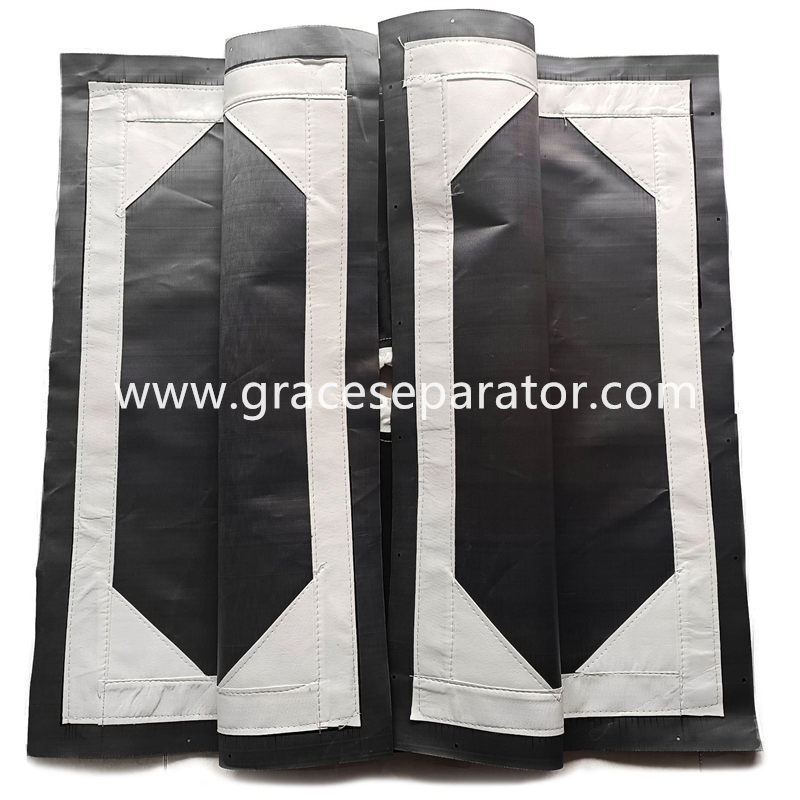
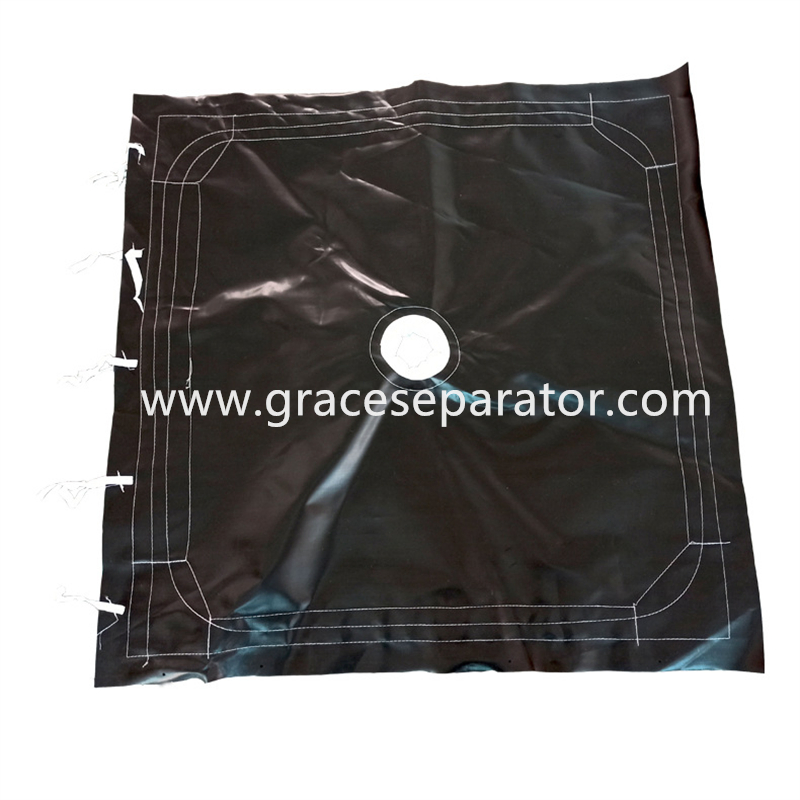
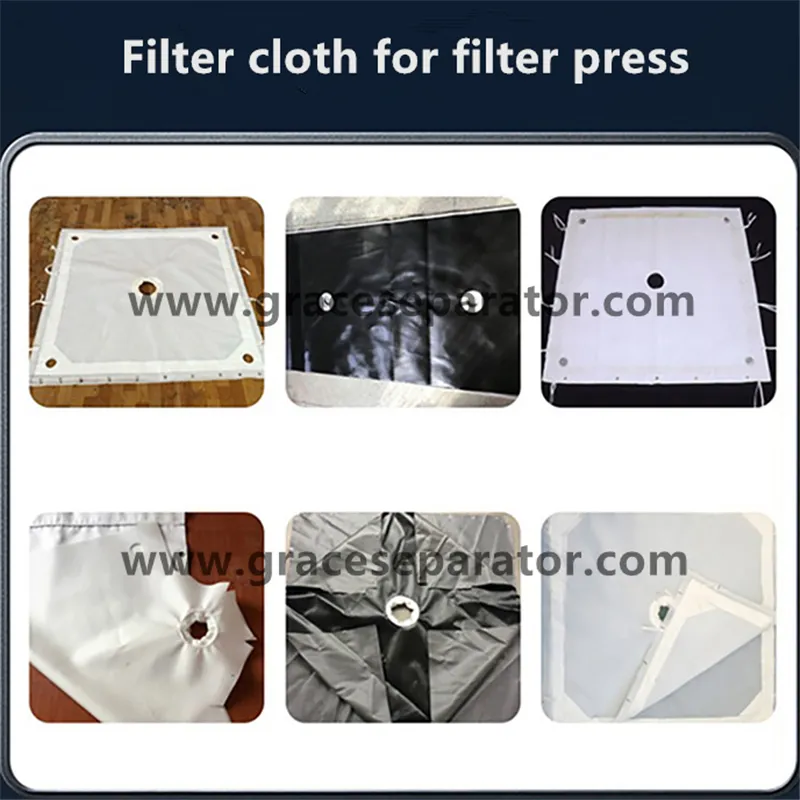
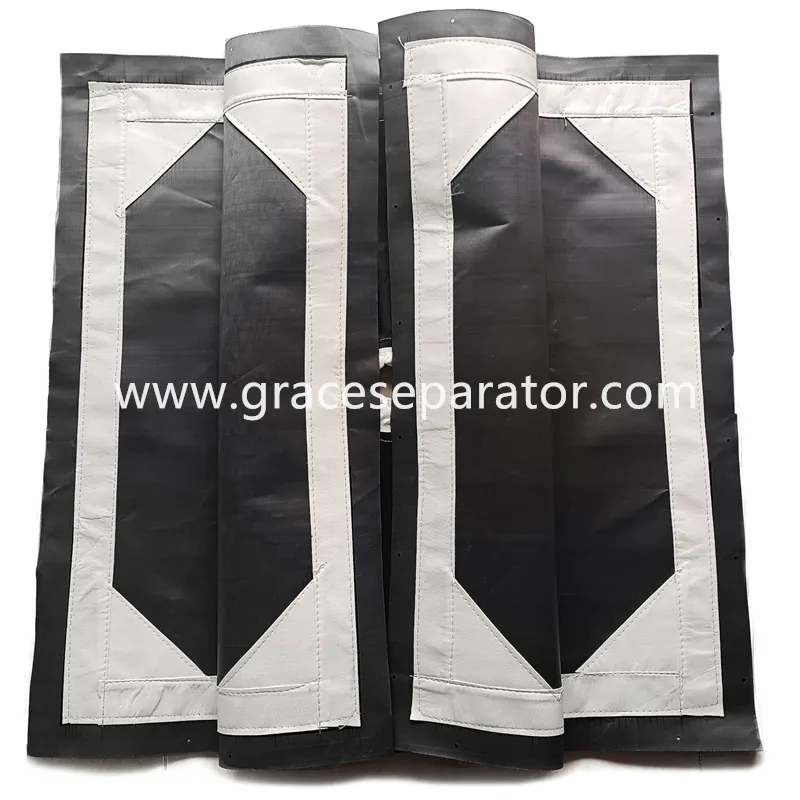
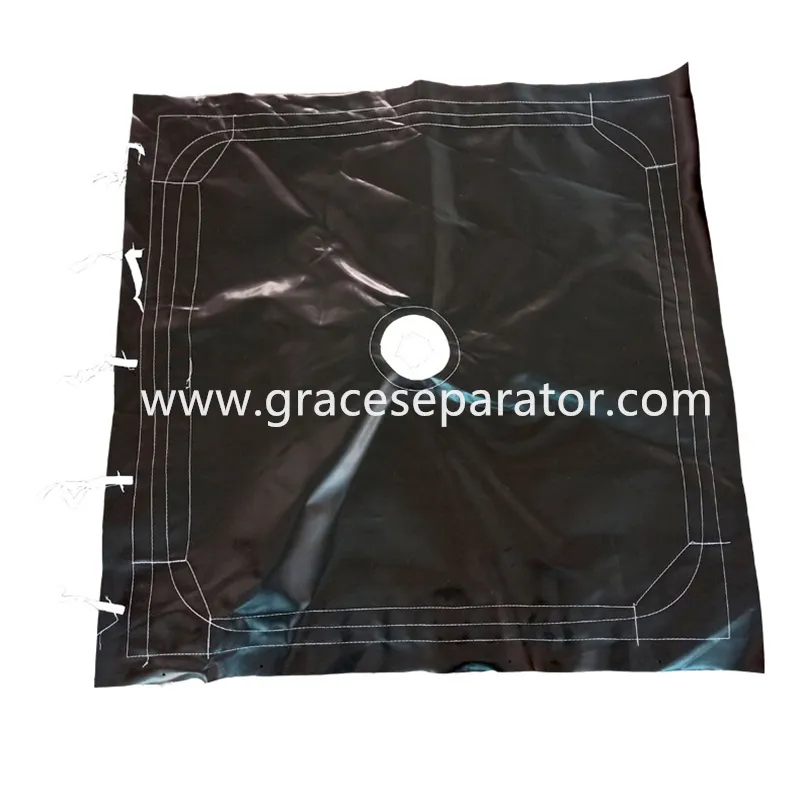
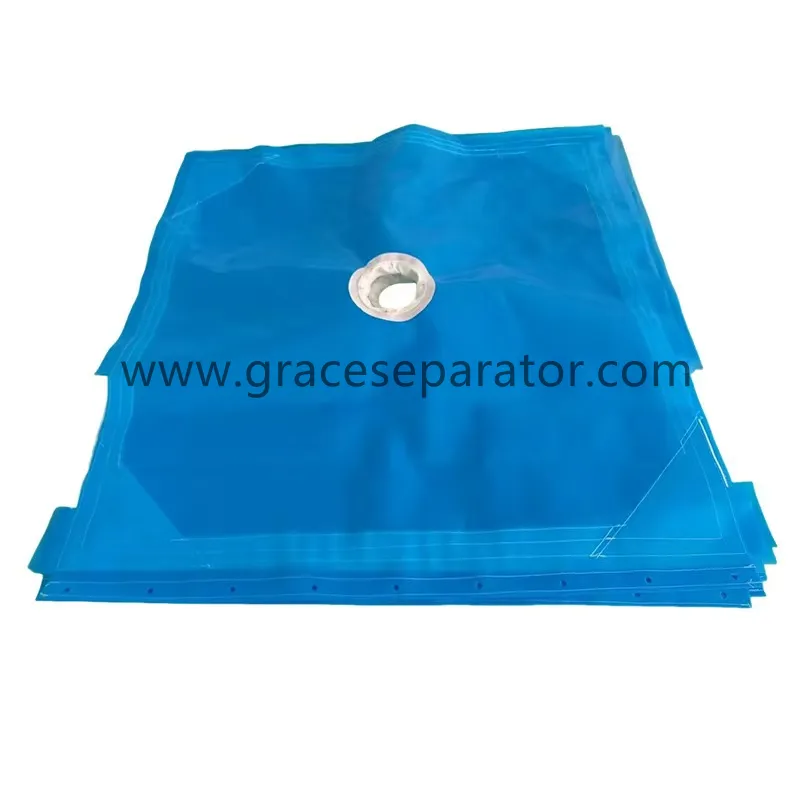
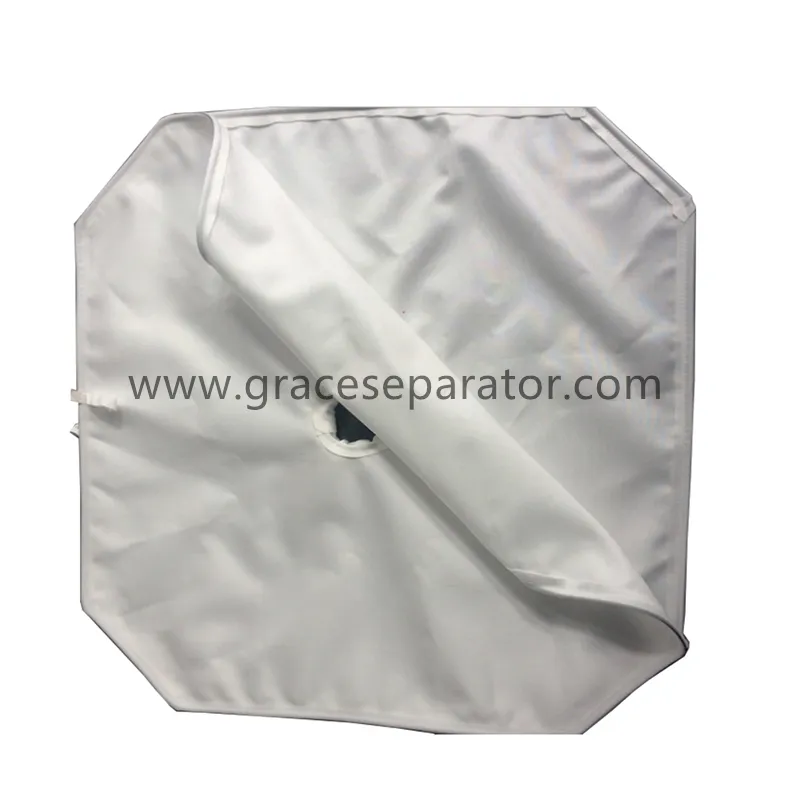
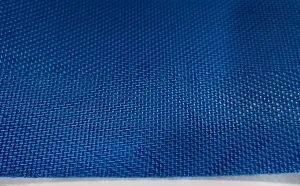
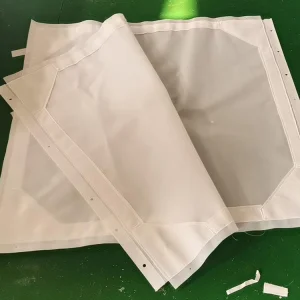
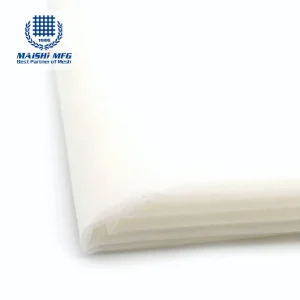
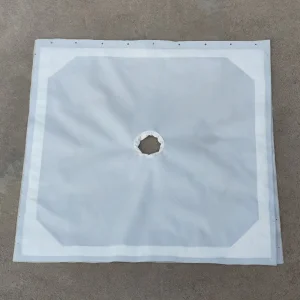
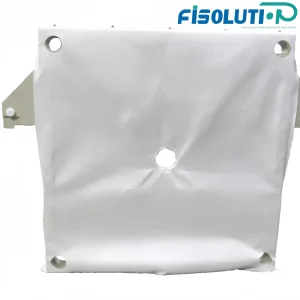
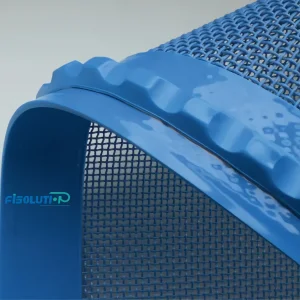
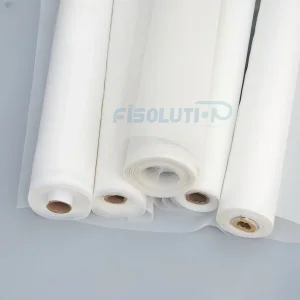
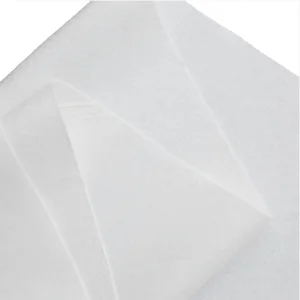
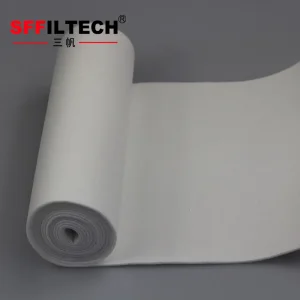
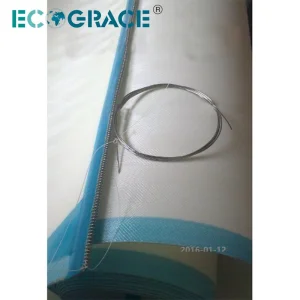
The filter cloth of the pressure filter is the core component for solid-liquid separation, and its selection directly affects the filtration efficiency and cost. Below is the professional selection analysis:
1. Polyester (PET)
- Advantages: Resistant to acids (pH 2-8), high tensile strength, low cost.
- Limitations: Not resistant to strong alkalis, prone to shrinkage at high temperatures (≤140ºC).
- Applications: Chemical acid wash solutions, mineral purification.
2. Polypropylene (PP)
- Advantages: Resistant to strong acids and bases (pH 1-14), lightweight and easy to clean.
- Limitations: Poor heat resistance (≤ 90ºC), not suitable for organic solvents.
- Applications: Dehydration of electroplating wastewater, removal of acid and alkali sludge.
3. Polyamide (Nylon)
- Advantages: Best wear resistance, food-grade safety.
- Limitations: Degraded by strong acids (such as concentrated sulfuric acid).
- Applications: Milk product filtration, juice clarification.
4. PTFE/Fluorine Materials
- Advantages: High temperature resistance (260ºC), resistant to all chemical corrosion.
- Limitations: High cost, requires specialized sewing techniques.
- Applications: Pharmaceutical aseptic filtration, lithium battery material recycling.
1. Micron level: 0.5 - 200 μm (Interceptor of ultrafine particles such as nanomaterials, bacteria)
2. Mesh size level: 20 - 500 mesh (Coarse particle separation such as mineral sand, food residues)
Four-step Matching Method:
- Measure the pH, temperature, and particle size distribution.
- Select locking material based on corrosiveness (e.g., PTFE for strong acids).
- Select precision according to separation requirements (e.g., 5 μm for yeast cells).
- Verify compatibility and dimensions with the filter press for sealing.
Cost Optimization:
For low-value materials like construction sludge, recycled polyester filter cloth can be selected, reducing costs by up to 40%.
We are a professional provider of separation and filtration solutions with over 20 years of experience in design, production, and sales. We master a variety of technologies applied in pharmaceuticals, biology, chemicals, food, and new materials.
The main equipment supplied includes fully automatic scraper centrifuges, bag hoist centrifuges, tubular centrifuges, decanter centrifuges, and filtration equipment such as fully automatic filter presses, diaphragm filter presses, and stainless steel precision filters. Our solutions have been exported to over 50 countries including the United States, Russia, Brazil, and India.
?
Frequently Asked Questions
How do I choose between Polypropylene (PP) and Polyester (PET)?
Choose PP if your application involves strong acids or bases at room temperature. Choose PET for high-strength requirements or acidic environments up to 140ºC.
What is the highest temperature your filter cloths can withstand?
Our PTFE filter cloths can withstand temperatures up to 260ºC, while Polyester is suitable for up to 140ºC.
Are these filter cloths safe for food processing?
Yes, our Polyamide (Nylon) and PP filter cloths are compliant with GMP standards and are suitable for food and beverage filtration.
What filtration precision can be achieved?
We offer a range of micron levels from 0.5 μm for ultrafine particles up to 200 μm for coarse separation.
Can you provide filter cloths for strong corrosive chemicals?
Yes, PTFE and Polypropylene are specifically designed to resist strong chemical corrosion across different pH scales.
 Jovios Equipment