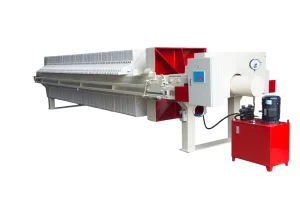
In the era of ESG (Environmental, Social, and Governance) and stringent environmental regulations, industrial waste filtration has evolved from a basic "compliance requirement" to a core strategic asset. As global industries strive toward Zero Liquid Discharge (ZLD) and circular economy goals, the demand for advanced solid-liquid separation equipment has reached unprecedented heights.
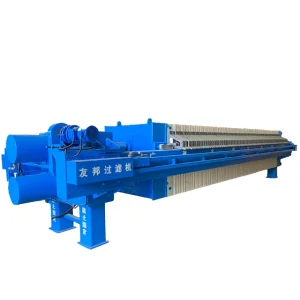
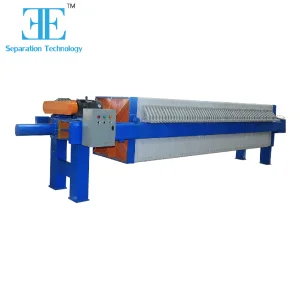
Modern filtration systems are no longer just about waste removal; they are about Resource Recovery. Advanced membrane filter presses allow for the reclamation of process water and valuable minerals from sludge, significantly reducing operational costs and raw material intake.
With global freshwater supplies under pressure, industries in mining, chemical processing, and textiles are adopting High-Efficiency Filtration to enable onsite water recycling, ensuring business continuity in water-stressed regions.
From the EU's Water Framework Directive to China's "Action Plan for Prevention and Control of Water Pollution," discharge standards for COD (Chemical Oxygen Demand) and BOD (Biochemical Oxygen Demand) are tightening globally, mandating the use of Precision Separation Technology.
China has emerged as the global epicenter for industrial filtration manufacturing, combining massive economies of scale with rapid R&D iteration. Chinese factories, particularly those located in industrial hubs like Changzhou, offer distinct advantages that go beyond simple cost-effectiveness.
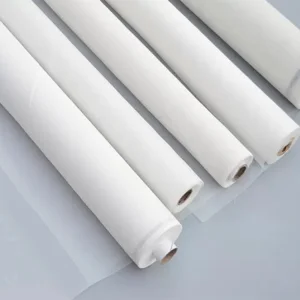
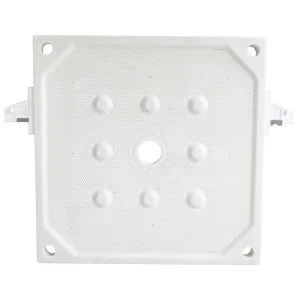
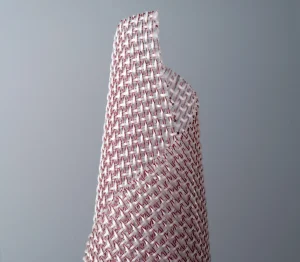
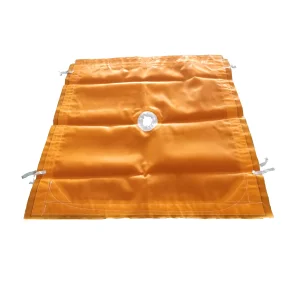
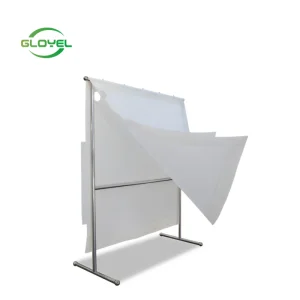
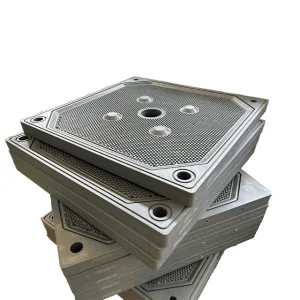
From raw polypropylene (PP) for filter plates to specialized multifilament weaves for filter cloths, China's localized supply chain ensures that every component is engineered for compatibility and performance, reducing lead times by up to 30% compared to Western counterparts.
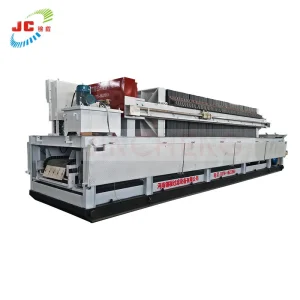
Leading Chinese exporters are now integrating Smart Filtration Systems. These include automatic plate pulling, pressure monitoring via IoT sensors, and AI-driven cycle optimization, which maximizes cake dryness while minimizing energy consumption.
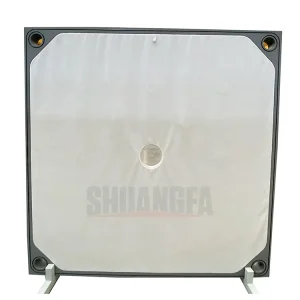
Handling high-volume tailings and mineral concentrates. Our Membrane Filter Plates are designed for the extreme pressures required to dewater fine-grained ores, facilitating dry stacking and environmental safety.
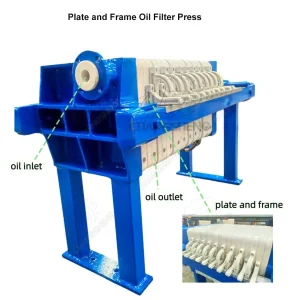
Filtering corrosive liquids and hazardous sludge. Utilizing PP+TPE materials and stainless steel flip plates to ensure chemical resistance and prevent cross-contamination in batch processes.
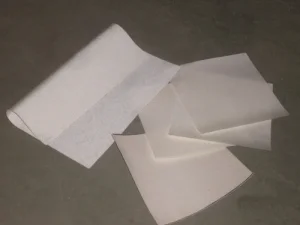
Deploying Food Grade Nylon Mesh and GMP-compliant filter presses. Precision filtration ensures product purity while meeting the highest hygienic standards for human consumption.
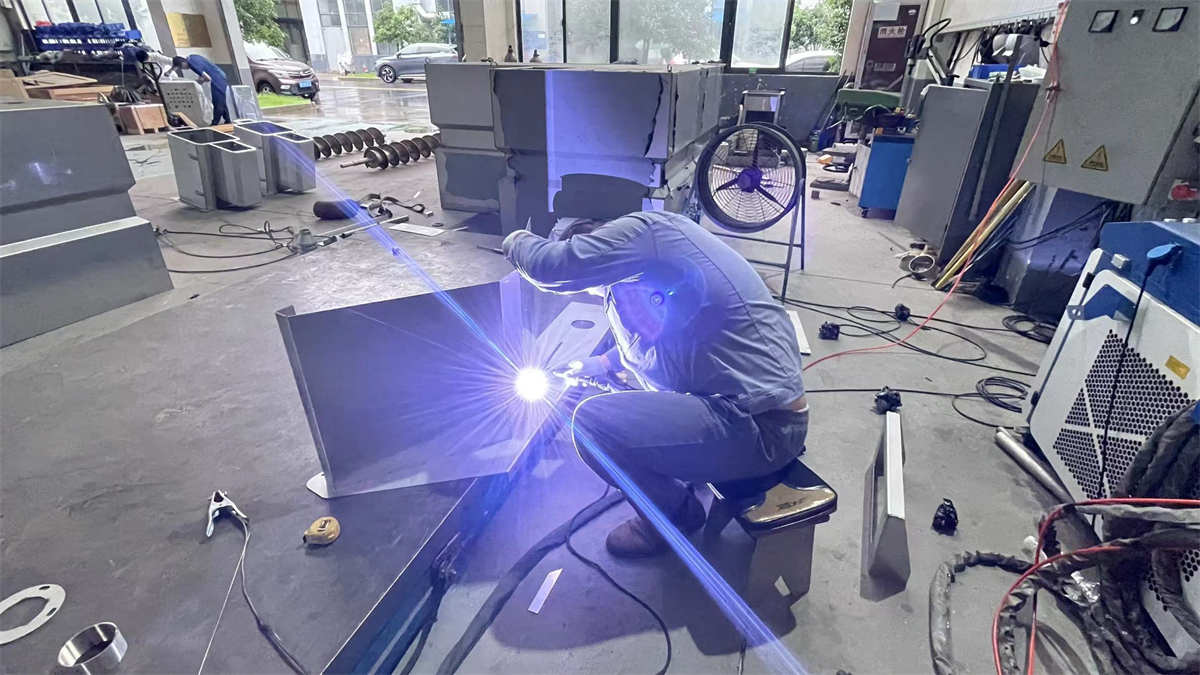
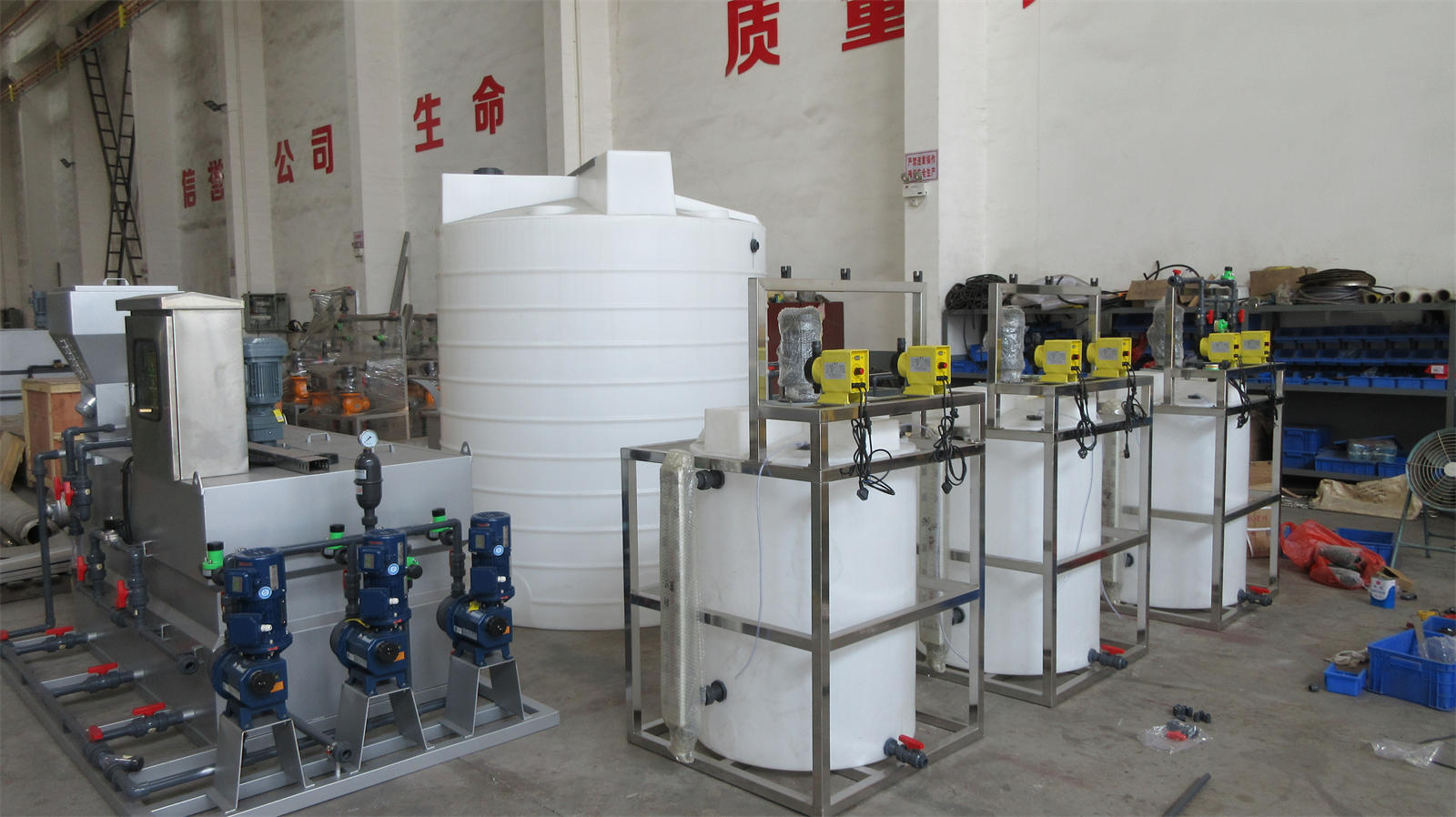
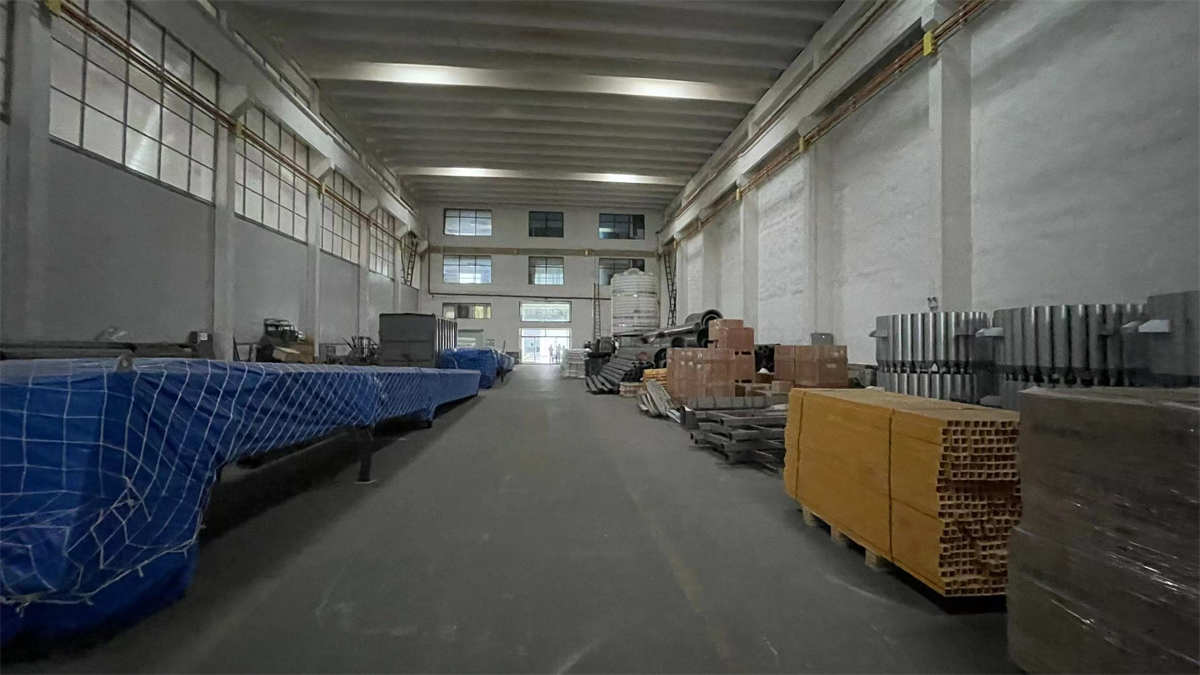
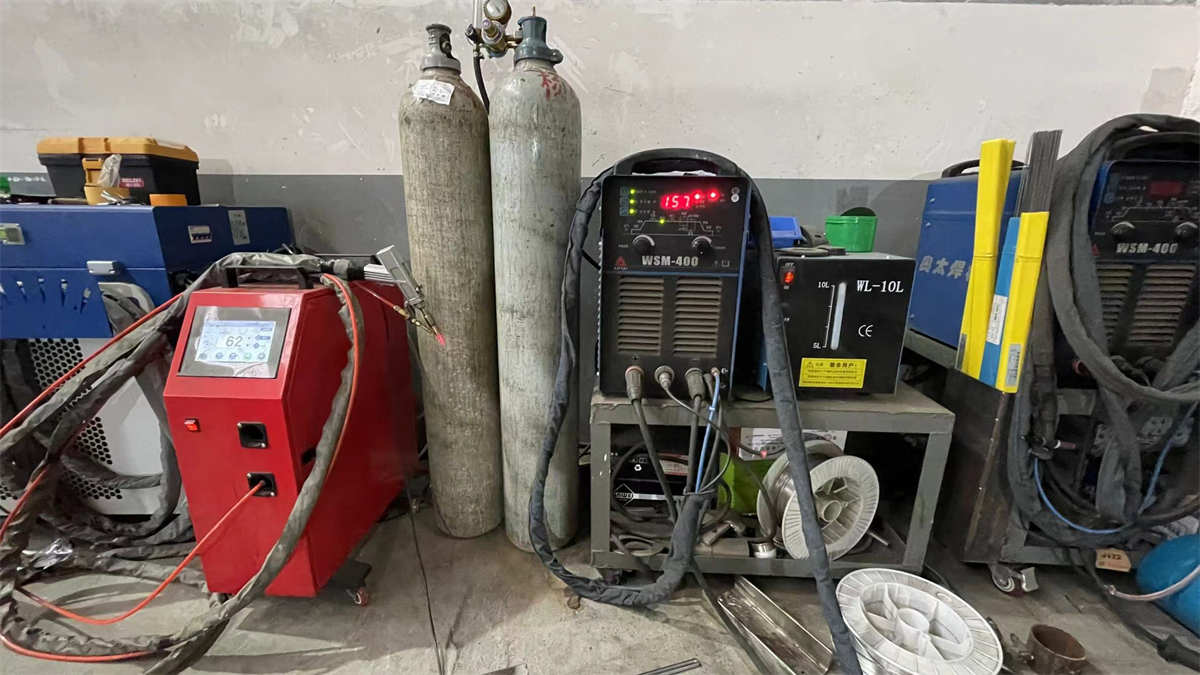
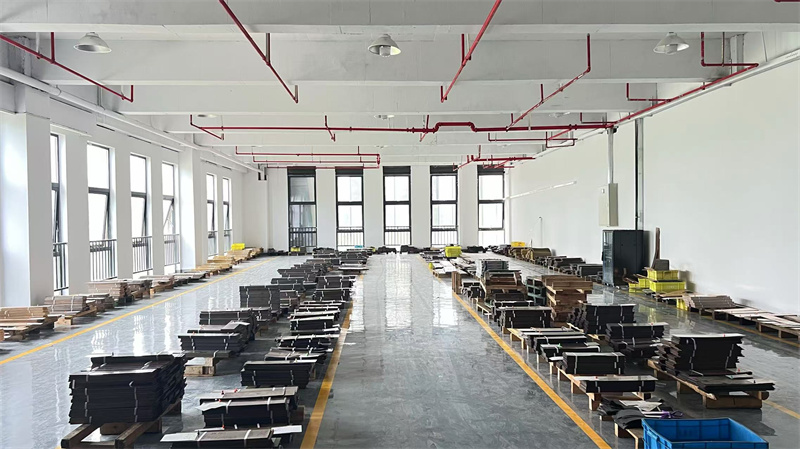
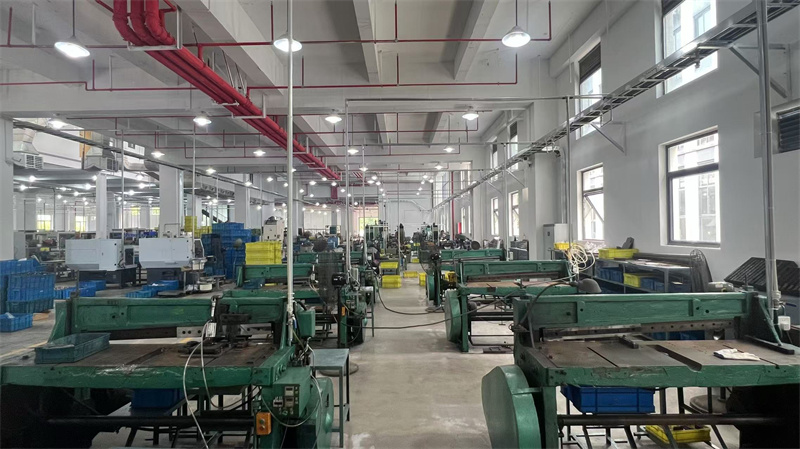
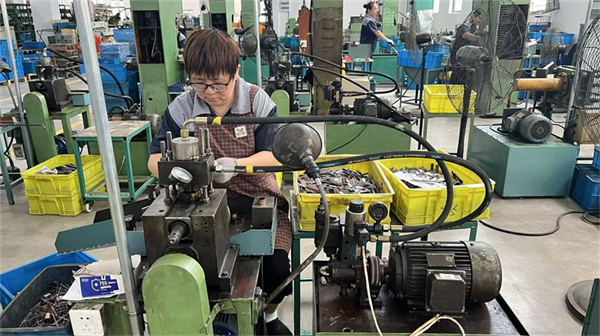
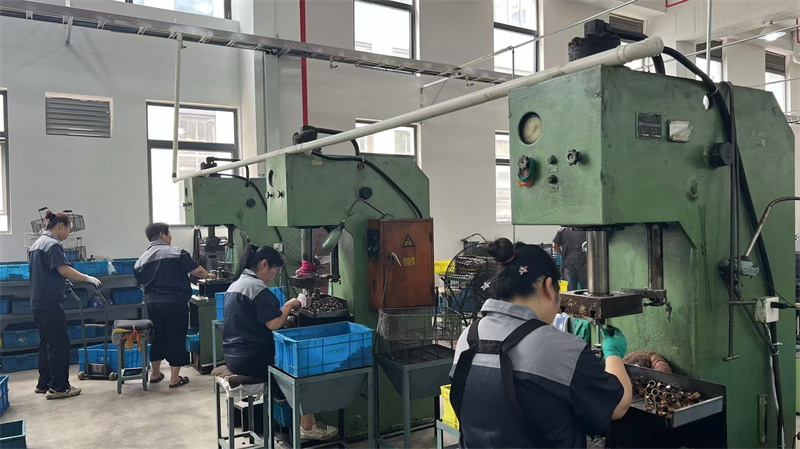
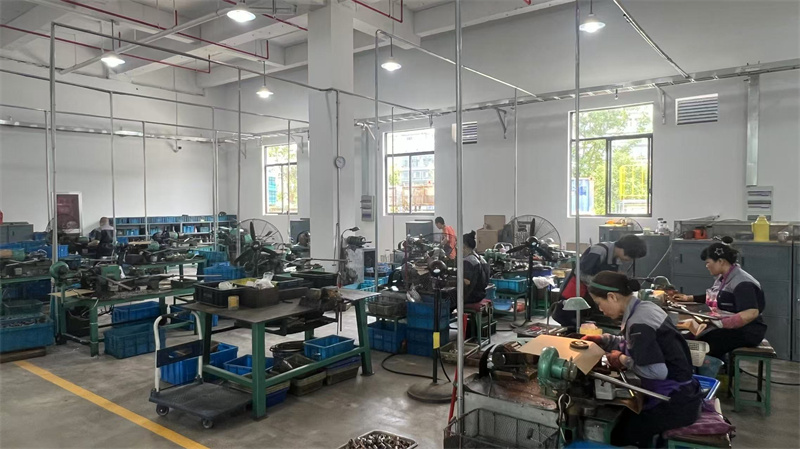
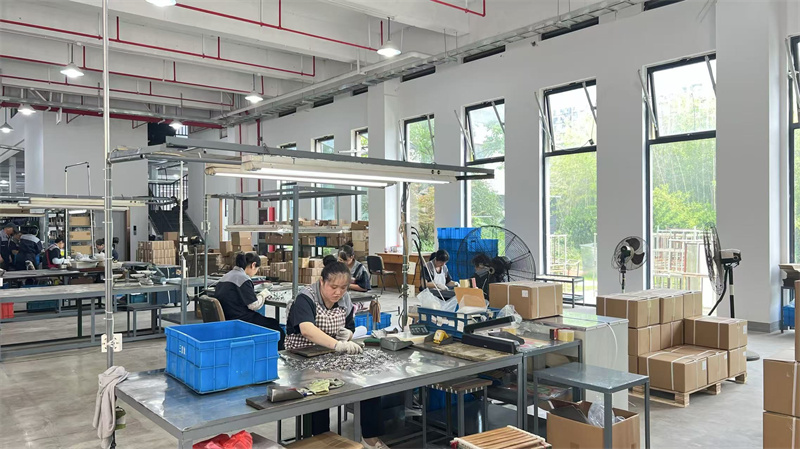
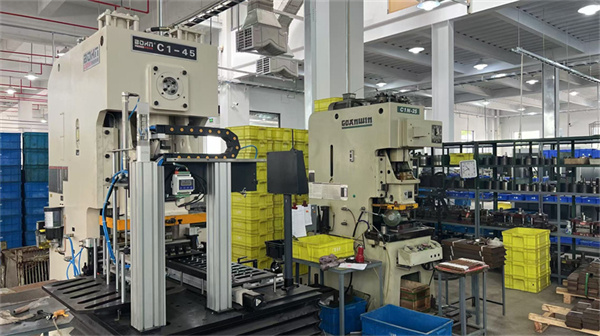
Changzhou Jovios Equipment Co., Ltd. is a professional manufacturer and solution provider specializing in solid-liquid separation and environmental protection equipment. Located in the Changzhou National High-tech Industrial Development Zone, we operate a modern 50,000+ sqm manufacturing base.
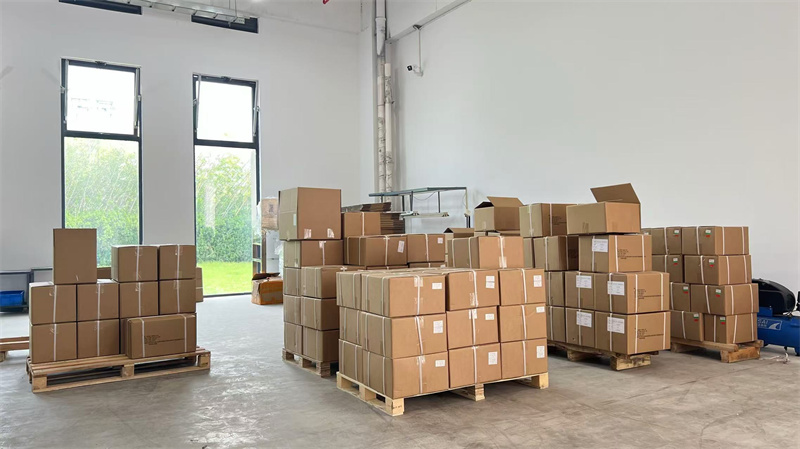
Our mission is to deliver efficient, energy-saving, and environmentally responsible separation solutions. With an annual capacity of 1,000+ units, our equipment serves industries ranging from municipal wastewater treatment to high-end chemical metallurgy.
Next-gen filter presses will use vibration sensors and hydraulic pressure feedback to automatically adjust cycle times, ensuring consistent moisture content in the filter cake despite feed variations.
Systems are being developed to capture and reuse the kinetic energy from hydraulic clamping, reducing the overall carbon footprint of large-scale filtration plants.
The development of ultra-thin, high-strength filter cloths is allowing for the capture of sub-micron particles, essential for the high-purity requirements of the semiconductor industry.
When selecting a China-based industrial filtration partner, global enterprises should evaluate beyond the price tag. Focus on Total Cost of Ownership (TCO):
 Jovios Equipment