Engineered for high filtration efficiency, chemical resistance, and durable long-cycle industrial runs.
Deciphering the material science, global market demands, and critical engineering parameters of modern industrial PP cloths.
In modern industrial processing, solid-liquid separation represents a vital unit operation that directly influences manufacturing productivity, product quality, and environmental compliance. At the heart of this process lies the filter medium, among which Polypropylene (PP) cloth has established itself as the dominant standard. This synthetic polymer, characterized by its repeating propylene monomer units, offers an exceptional balance of mechanical, chemical, and thermal properties. As global environmental regulations grow increasingly stringent and heavy industries seek to minimize water consumption, the demand for engineered PP filter media has expanded rapidly across continents.
Geopolitically and economically, China has transitioned from a high-volume manufacturer to a global leader in high-performance industrial textile engineering. Modern Chinese factories combine state-of-the-art European weaving looms with localized polymer R&D to produce PP filter cloths that compete with traditional Western brands in terms of tensile strength, dimensional stability, and service life. The competitive advantage of top Chinese exporters lies not just in manufacturing scale, but in the capability to tailor weave patterns (such as plain, twill, satin, and basket weaves) and yarn structures (monofilament, multifilament, and staple fibers) to match specific slurry properties.
Polypropylene's inherent hydrophobicity is a key asset in dewatering applications. Unlike natural fibers or other synthetics like nylon, PP does not absorb moisture within its fibers. This property prevents fiber swelling, ensuring that the pore openings remain dimensionally stable even during extended exposure to aqueous slurries. Furthermore, the low specific gravity of polypropylene (approximately 0.91 g/cm³) results in lightweight filter cloths that are easier to handle, install, and wash, significantly lowering operational downtime during cloth replacements on large automatic filter presses.
Changzhou Jovios Equipment Co., Ltd. – Leading the frontier of solid-liquid separation engineering.
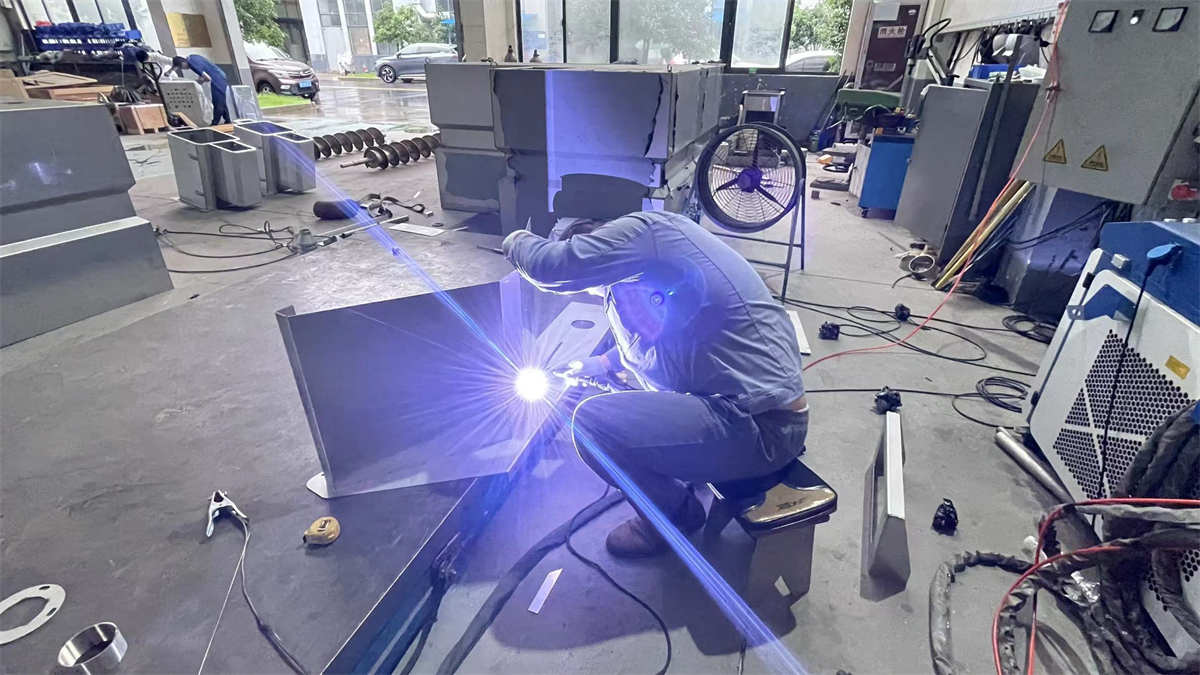
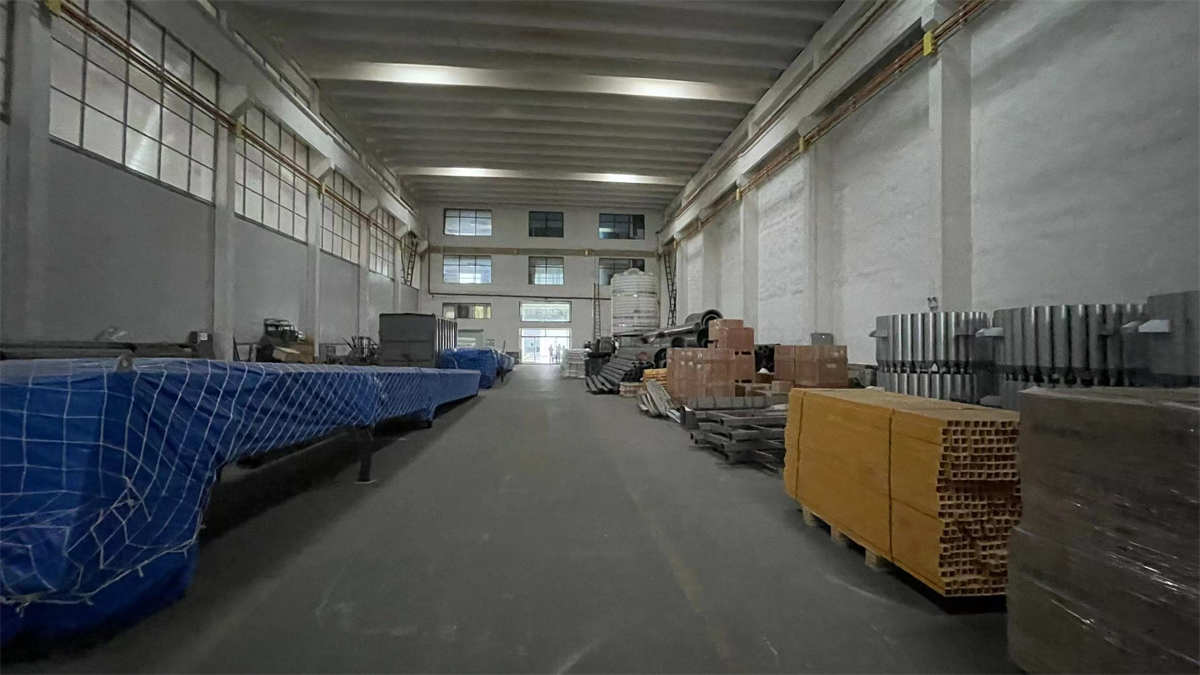
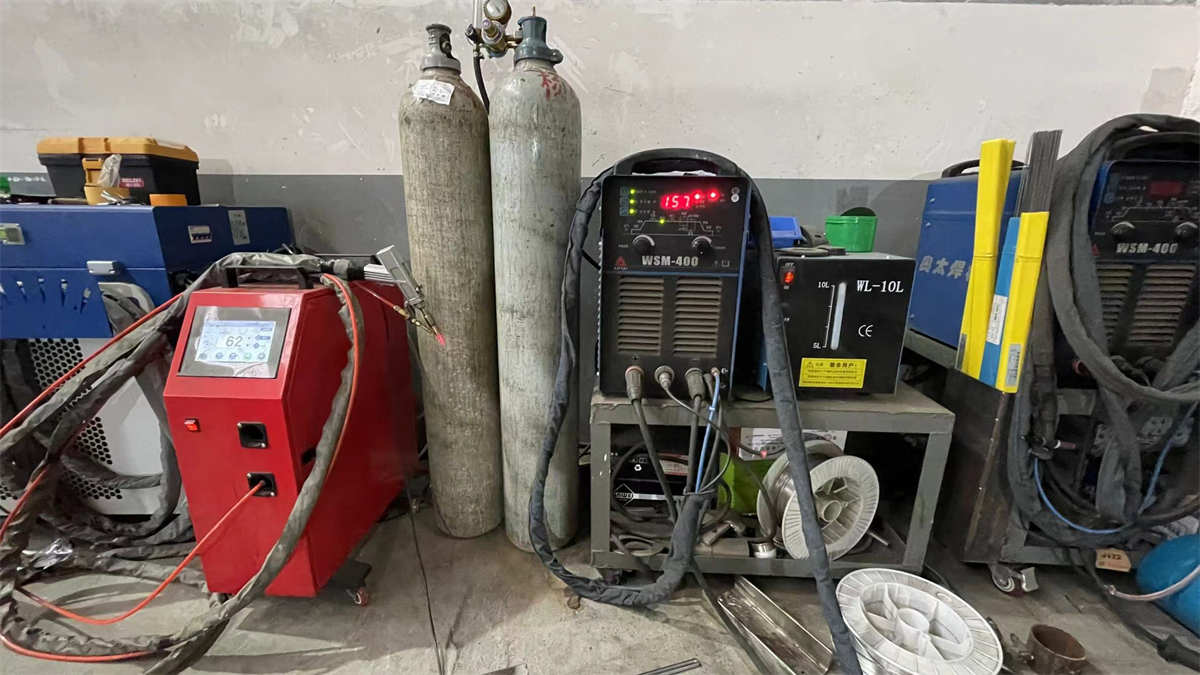
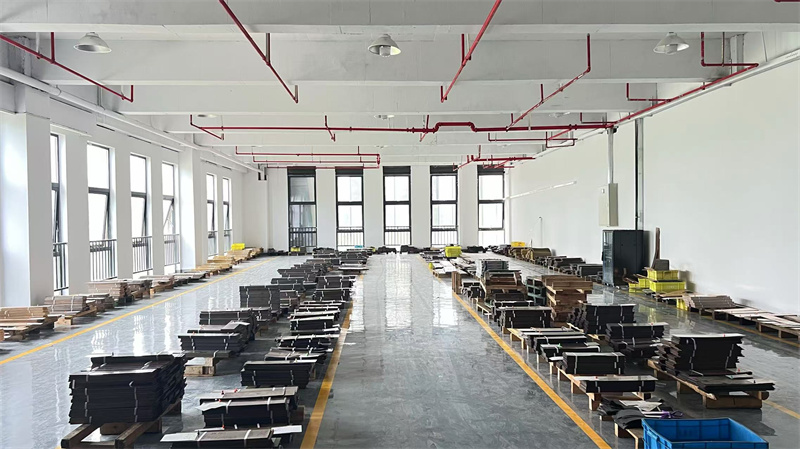
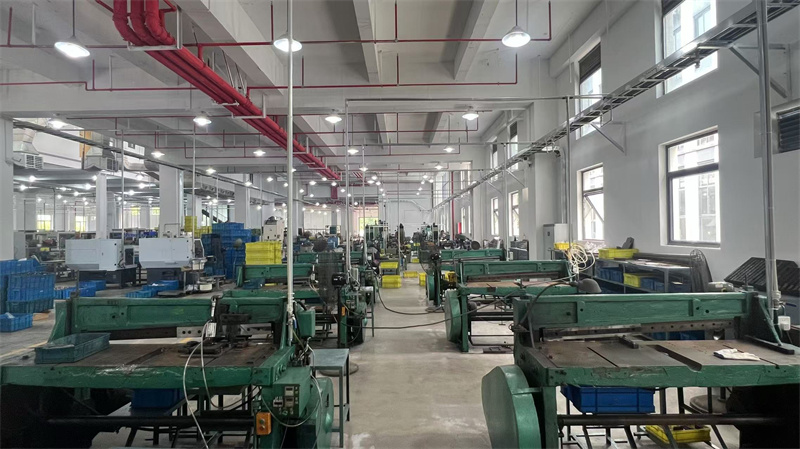
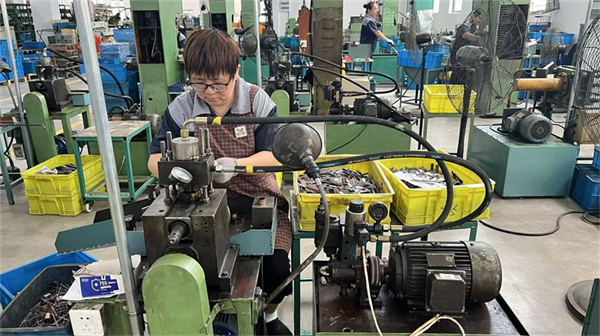
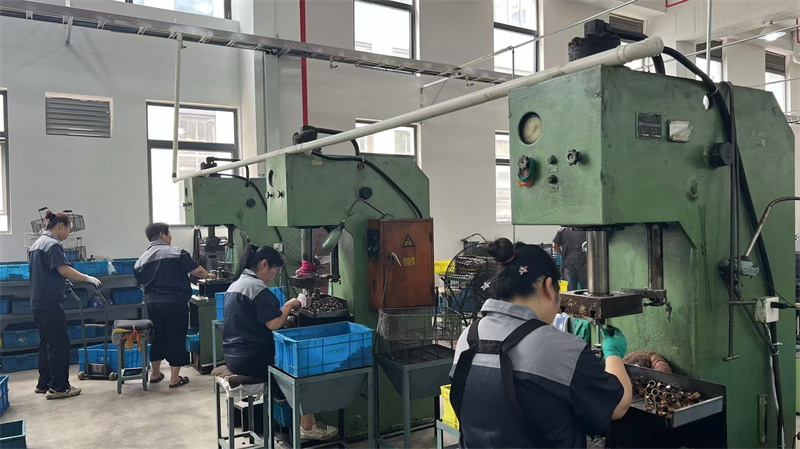
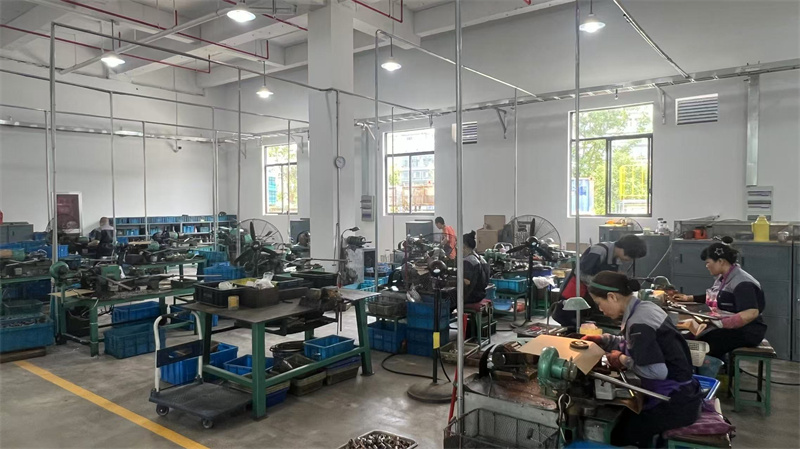
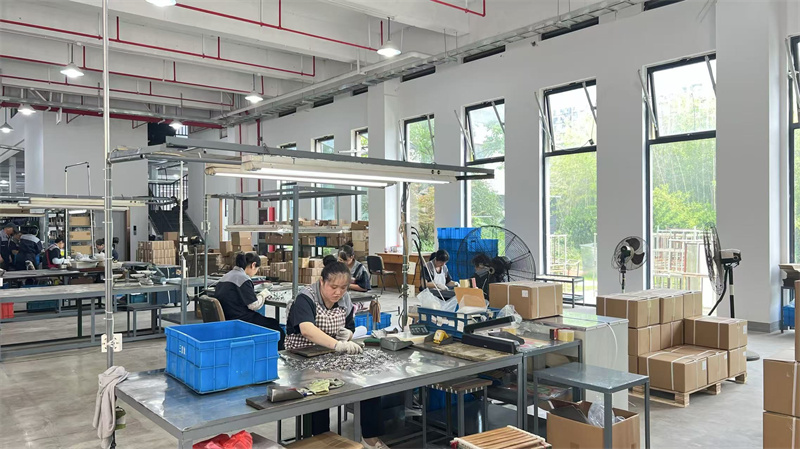
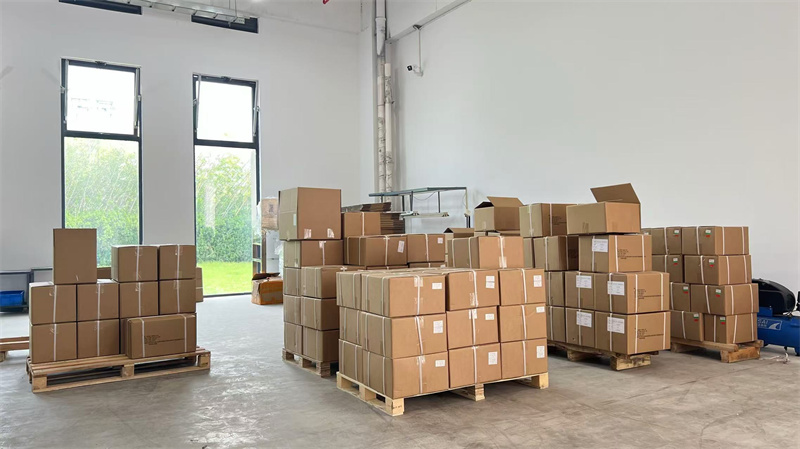
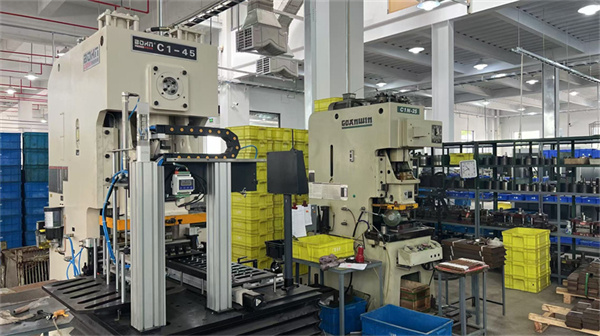
Changzhou Jovios Equipment Co., Ltd. is a professional manufacturer and solution provider specializing in solid-liquid separation and environmental protection equipment. Located in Changzhou National High-tech Industrial Development Zone, Jiangsu Province, China, the company operates a modern manufacturing base covering more than 50,000 square meters, equipped with advanced production facilities and a comprehensive quality inspection center.
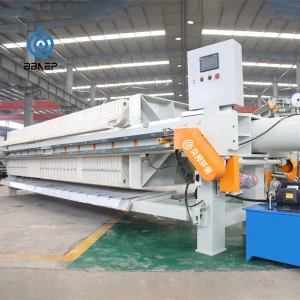
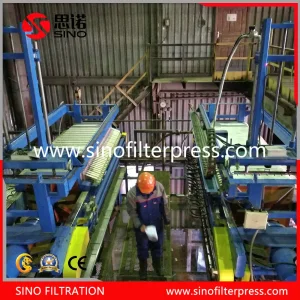
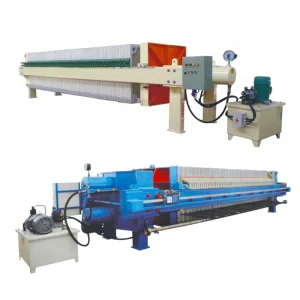
Jovios independently designs, develops, and manufactures a complete range of filtration and separation equipment, including plate and frame filter presses, membrane filter presses, automatic filter presses, intelligent filtration systems, as well as high-performance filter plates and filter cloths. With an annual production capacity exceeding 1,000 units, our products are widely applied in municipal wastewater treatment, chemical processing, petroleum, mining, metallurgy, pharmaceuticals, food and beverage production, paper manufacturing, textile dyeing, ceramics, building materials, and many other industries.
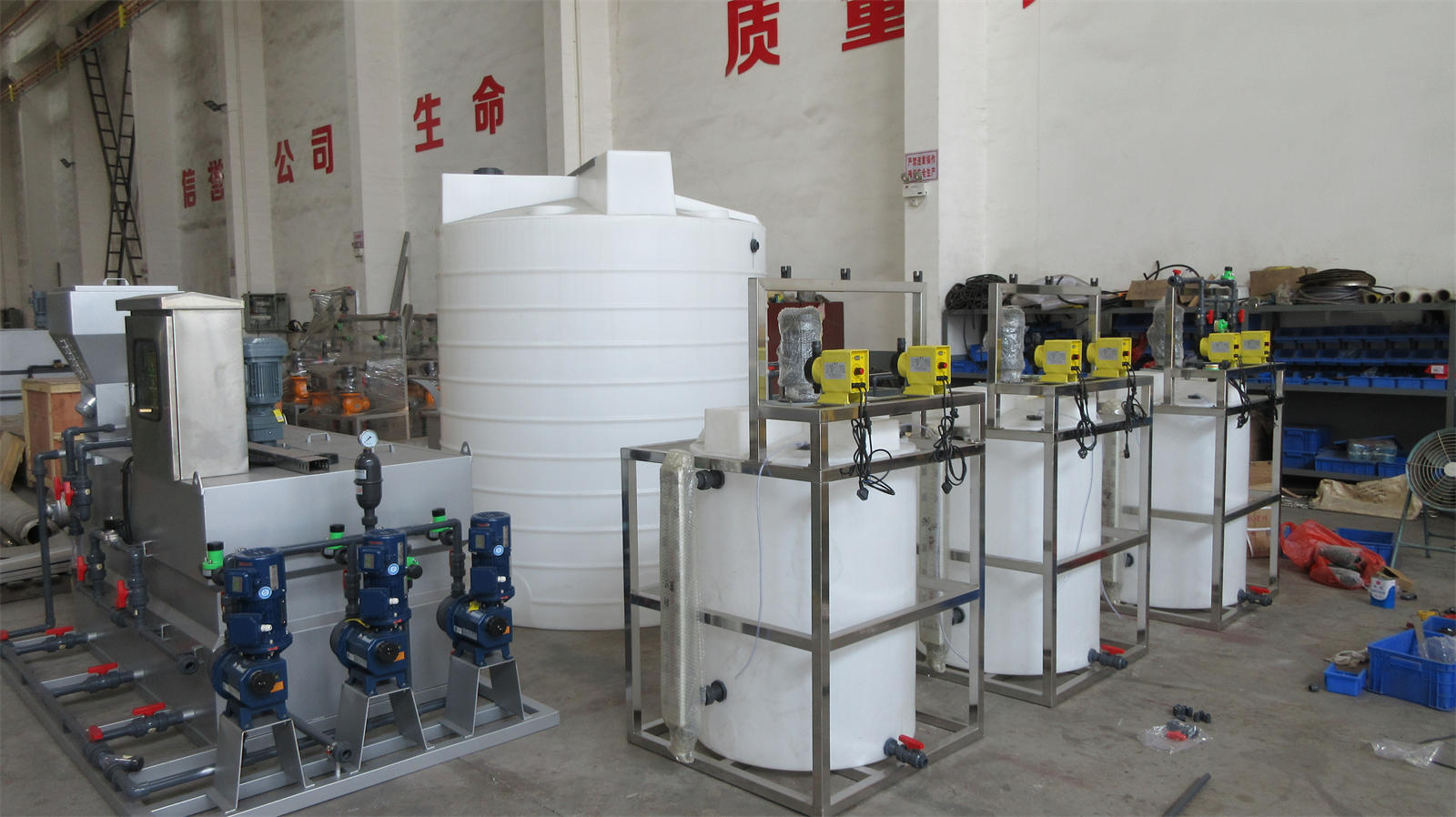
In addition to filtration equipment, Jovios provides complete wastewater treatment solutions and engineering services. From process design and equipment selection to installation, commissioning, and operational support, we deliver turnkey wastewater treatment systems for both municipal and industrial customers worldwide.
Our experienced research and development team consists of more than 30 senior engineers and technical specialists. Through close cooperation with universities, research institutes, and industry partners, we continuously integrate innovative technologies into product development, ensuring reliable performance, higher efficiency, and sustainable operation.
Supported by a growing global sales and service network, Jovios offers comprehensive technical support throughout the entire project lifecycle. From initial consultation and system design to installation, training, and after-sales service, we are committed to providing responsive and professional support wherever our customers operate.
Our Mission: At Jovios, we are dedicated to delivering efficient, energy-saving, and environmentally responsible separation solutions for industrial customers worldwide. Through continuous innovation and customer-focused engineering, we help businesses improve productivity, reduce operating costs, and achieve sustainable growth.
A deep dive into fiber structures, weave dynamics, and surface treatments that define filtration performance.
Choosing the correct PP cloth involves evaluating three primary characteristics: fiber type, weaving structure, and finishing treatment. Each parameter directly affects parameters such as the cake release coefficient, resistance to blinding (clogging), and initial filtrate clarity. At Jovios, we systematically engineer these variables to target distinct industrial processes:
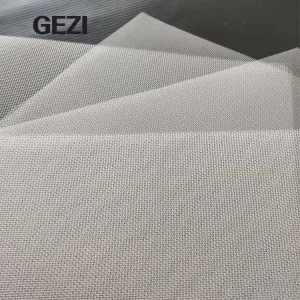
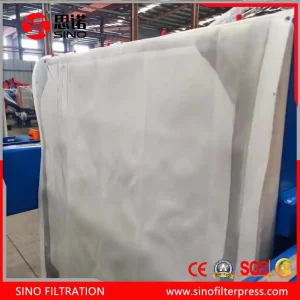
We produce monofilament, multifilament, and staple (spun) yarn PP cloths. Monofilament offers excellent cake discharge and blinding resistance. Multifilament increases tensile strength and particle retention, while spun yarn delivers maximum filtration clarity but requires regular washing due to its hairy surface structure.
Twill weaves provide balanced flow rates and particle retention, making them versatile for general municipal sludge. Satin weaves feature smooth surfaces that minimize cake adhesion, perfect for sticky chemical cakes. Plain weaves yield stable pore distributions but are more prone to progressive blinding over long run times.
Post-weaving modifications include calendering (heat-pressing under pressure to flatten surface fibers and control air permeability), singeing (burning off loose fibers to reduce sticking), and heat setting (aligning polymer chains to prevent shrinkage during thermal transitions).
In high-pressure systems, such as membrane filter presses with squeezing pressures reaching 0.6 Mpa to 1.6 Mpa, the structural stability of the PP cloth under compression is paramount. Standard cloths can deform, leading to uneven pore distribution and localized high resistance zones. Our engineered PP cloths undergo rigorous tensile testing under both wet and dry states, ensuring that warp and weft elongation rates remain under 5% at maximum operating limits.
Providing custom separation systems tailored to specific vertical applications globally.
Every industry faces distinct filtration challenges. Below, we examine three macro-level application areas where Jovios PP filter cloths and machinery have delivered significant process improvements:
In high-throughput mining operations (such as iron ore, copper, coal washing, and gold cyanidation), tailings must be rapidly dewatered for dry stacking or underground backfilling. The slurry is typically abrasive and contains high concentrations of fine silts. Jovios supplies heavy-duty multifilament-monofilament composite PP cloths that can withstand abrasive wear while preventing fine particulates from passing through, ensuring clear filtrate recycling and low cake moisture content.
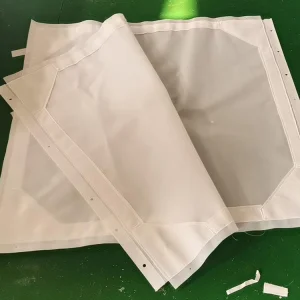
For chemical synthesis, dyestuffs, and pigment production, processing environments are highly acidic or basic. Conventional materials decay quickly under these environments. Polypropylene's exceptional chemical inertness ensures stable operation in contact with concentrated hydrochloric acid, sodium hydroxide, and other reactive solvents. Jovios designs reinforced-edge PP filter cloths that seal tightly against filter plates, preventing corrosive bypass leaks.
Municipal water treatment plants handle vast quantities of biological sludge. This sludge is inherently gelatinous and sticky, making cake release highly challenging. Jovios utilizes calendered PP monofilament cloths that promote spontaneous cake release upon opening the filter plates. This surface modification reduces manual scraping labor, speeds up filtration cycles, and limits washing water usage, lowering operating costs for treatment facilities.
Driving the next generation of filtration technology through material innovation and digitalization.
Looking ahead, the industrial filtration sector is moving toward automation, energy reduction, and sustainability. As a forward-thinking developer, Changzhou Jovios Equipment Co., Ltd. is focusing R&D on the following core areas:
Smart Filtration Fabrics: Integrating conductive or sensor-receptive threads directly into the PP weave structure. These sensor arrays monitor localized pressure differentials, fabric wear, and cake thickness in real-time, feeding data directly to cloud-based IoT management platforms to predict maintenance needs before physical tears occur.
Eco-Friendly Synthetic Alternatives: Standard polypropylene is derived from fossil fuels. Jovios is researching bio-based PP variants synthesized from renewable lipid inputs. These bio-PP cloths offer identical chemical resistances and mechanical strengths while reducing carbon footprints by up to 40% over their lifecycle.
Ultra-Fine Sub-Micron Retention: Developing electrospun nano-fiber membranes laminated onto high-strength PP backing fabrics. This composite media provides high flow rates with true sub-micron filtration precision, replacing costly ceramic membranes in specific wastewater recovery systems.
Answering key engineering questions regarding polypropylene filter cloth selection, optimization, and operation.
Broad-spectrum filtration and processing systems designed for diverse industrial applications.
 Jovios Equipment