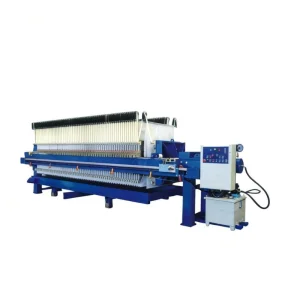
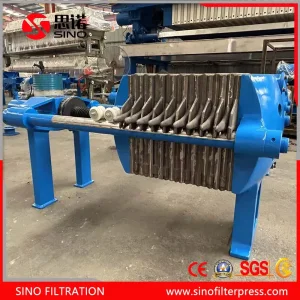
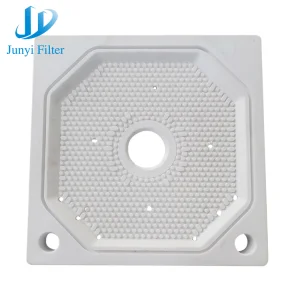
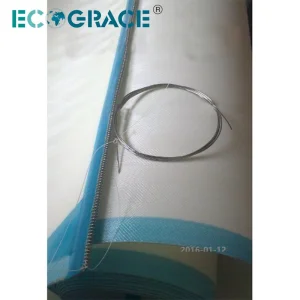
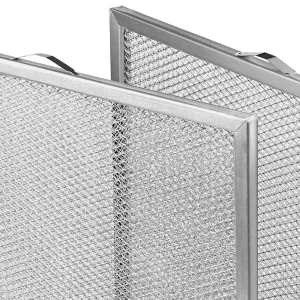
Explore our premier configurations designed for municipal, mineral processing, and chemical sectors.
In solid-liquid separation processes, the filter cloth functions as the primary barrier and mechanical interface between the slurry feed and the filtration equipment. Traditionally, filter media were produced using mechanical blade cutting or shearing. This physical method frequently resulted in raw, frayed edges, structurally compromised yarns, and inconsistent edge margins. In high-pressure operational environments, such mechanical defects lead to serious structural failures—namely yarn slippage, edge fraying, premature fiber migration, and critical bypass leakage along the plate gasket margins.
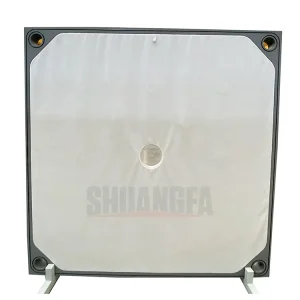
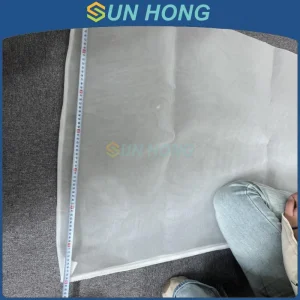
To mitigate these failure modes, modern industrial filtration has shifted toward high-precision CNC laser cutting. Laser-cut filter cloths leverage focused thermal energy to seal the raw edge fibers at the molecular level during cutting. By melting the synthetic thermoplastic polymer fibers (such as polypropylene, polyester, or polyamide) precisely along the path coordinates, laser cutting fuses the warp and weft yarns into an integrated, sealed edge profile. This prevents fraying under mechanical tension, ensures clean hole parameters for feed eyes, and maintains strict dimensional tolerances within ±0.5 mm. Sourcing from a reliable Custom OEM Laser-Cut Filter Cloth Supplier & Exporter guarantees that your filter media will maintain structural integrity through thousands of press cycles.
Selecting the proper polymer is critical to ensuring chemical compatibility, thermal stability, and mechanical durability. Laser cutting performs exceptionally well with thermoplastic synthetic fibers, creating highly stable borders. The matrix below serves as a professional material selection guideline for industrial filtration applications:
| Material Type | Common Acronym | Operating Temperature Range | Chemical Resistance profile | Laser Edge Integrity | Primary Industrial Applications |
|---|---|---|---|---|---|
| Polypropylene | PP | Max 90°C (194°F) | Excellent resistance to strong acids and alkalis | Superior (fuses smoothly) | Chemical manufacturing, mining tailings, municipal sludge |
| Polyester | PET | Max 130°C (266°F) | Excellent resistance to acids, oxidation, and solvents | Excellent (clean bead edge) | Flue gas desulfurization, mineral refining, high-temp slurries |
| Polyamide (Nylon) | PA | Max 110°C (230°F) | Outstanding alkali resistance and abrasion resistance | Excellent (no fraying) | High-abrasion mining ores, coal washing, aggregates |
| Polyvinylidene Fluoride | PVDF | Max 140°C (284°F) | Extreme chemical resistance to aggressive solvents | Good (demands specialized speed) | Corrosive chemical mother liquors, petrochemicals |
In addition to polymer selection, the physical structure of the weave determines key operational factors like cake release, particle retention, and filtration speed. We construct laser-cut cloths using three main thread geometries: Monofilament (optimal for rapid drainage and excellent cake release), Multifilament (providing high tensile strength and superior retention of fine particulates), and Spun Yarns (ideal for highly polished filtrates but requiring robust cleaning protocols).
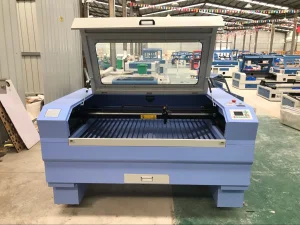
Standard mechanical cutting relies on steel dies or handheld cutting tools. These methods exert localized shear forces that deform the fabric grid, leading to uneven alignment during installation. CNC CO2 laser-cutting tables resolve this by operating via non-contact thermal processing. The laser beam, guided by precise CAD vector layouts, concentrates heat on a sub-millimeter spot, instantly vaporizing the polymer and sealing the edges simultaneously.
By instantly melting the outer synthetic fibers, the laser creates a consistent bead edge that locks warp and weft yarns together. This entirely eliminates loose threads, protecting downstream valves and pumps from clogging.
CNC execution ensures that lock holes, feed ports, and eyelet cutouts align perfectly with the plate structure, preventing cake blowouts and leakage around the feed eyes.
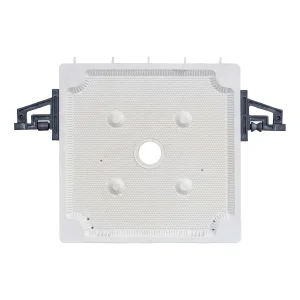
We adapt the laser coordinates to match any OEM filter plate configuration—including recessed plates, membrane squeeze plates, and CGR (caulked and gasketed) plates.
Procurement directors and plant managers face constant pressure to reduce operating expenses while maintaining plant uptime. Substandard filter cloths lead to multiple operational issues: frequent shut-downs for cloth replacement, high chemical washing costs, wet filter cakes that incur high disposal fees, and filtrate bypass that compromises downstream purity. High-quality laser-cut filter cloths help resolve these key production issues:
While laser-cut cloths may have a higher initial acquisition cost than mechanically sheared cloths, their service life is often 30% to 50% longer. By eliminating edge fraying and warp pull-out, these cloths minimize unplanned maintenance cycles, keeping your press systems running at peak productivity.
Laser-cut cloths sit flat and smooth across the plate faces. This precise, wrinkle-free fit prevents solids from lodging in fabric creases, enabling rapid cake release and cleaner discharge cycles. Smoother cake discharge reduces cycle times and helps lower labor costs.
Our custom OEM laser-cut filter cloths are engineered to perform under demanding industrial conditions. Some typical localized application scenarios include:
Tailings dewatering and concentrate filtration demand highly wear-resistant filter media. Our heavy-duty polyamide and polyester laser-cut cloths withstand abrasive mineral slurries (such as iron ore, gold, copper, and coal tailings) while maintaining stable filtration rates.
Process solutions containing strong acids or alkalis require highly stable, chemically resistant filter media. Our laser-cut PP and PVDF cloths maintain their dimensions and structural integrity when exposed to corrosive solvents and high temperatures.
In municipal sewage and industrial effluent treatment, achieving low cake moisture is key to keeping sludge disposal costs down. Jovios filter cloths are designed to optimize cake dryness, helping reduce transport and disposal costs.
Jovios supports global operations with robust compliance standards and localized engineering assistance. We ensure that our filter media align with international regulatory frameworks, making importing and deployment straightforward for our clients:
We supply certified food-grade polyamides and polyesters that meet FDA standards for pharmaceutical processing and food production.
Our manufacturing plant operates under a certified ISO 9001:2015 quality management system, ensuring consistent quality and traceability.
All automated laser cutting machines and filter press systems meet European CE directives, ensuring compliant field operations.
Our raw polymers are thoroughly tested to confirm they are free from harmful plasticizers and heavy metals, meeting REACH and RoHS standards.
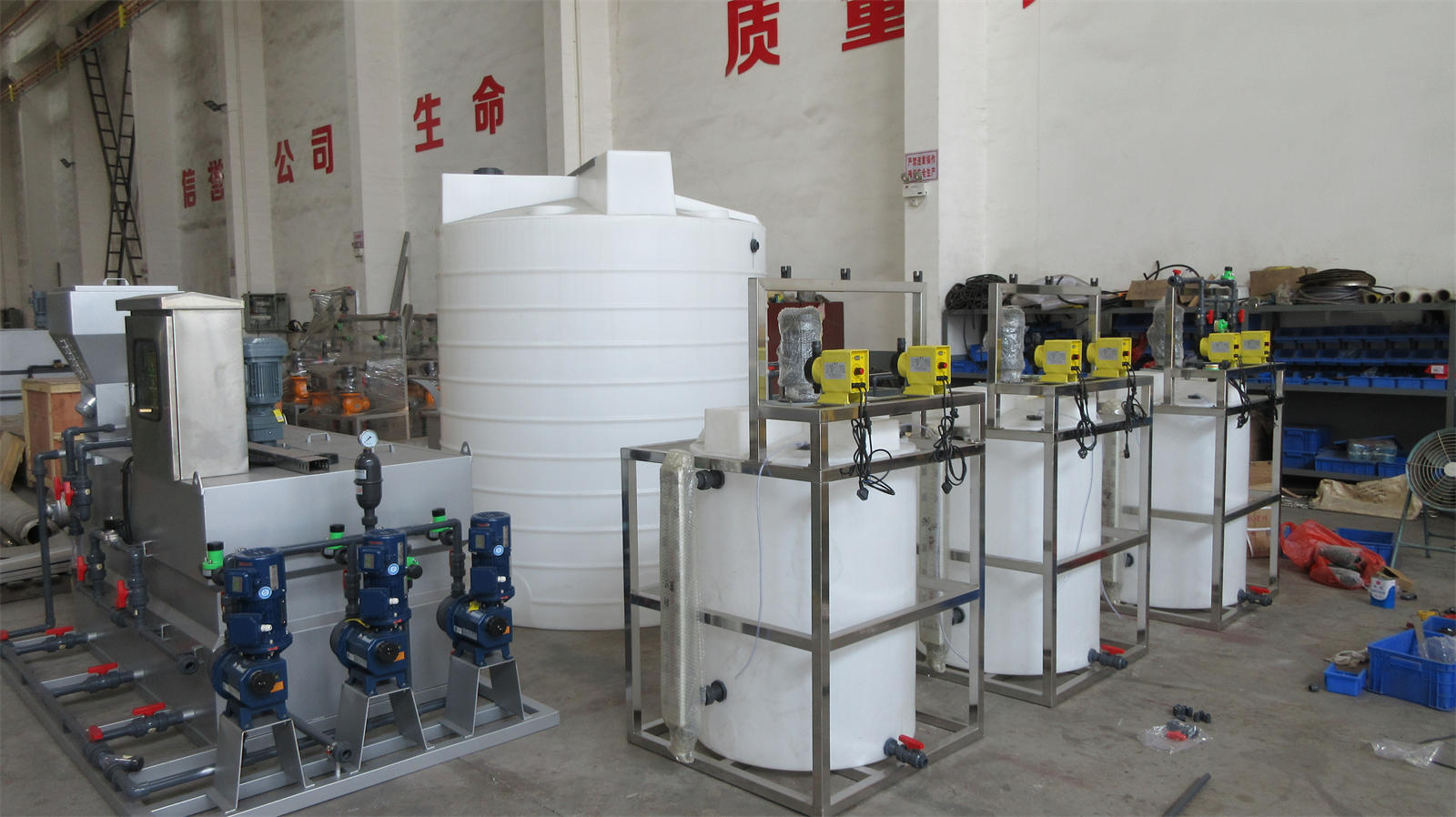
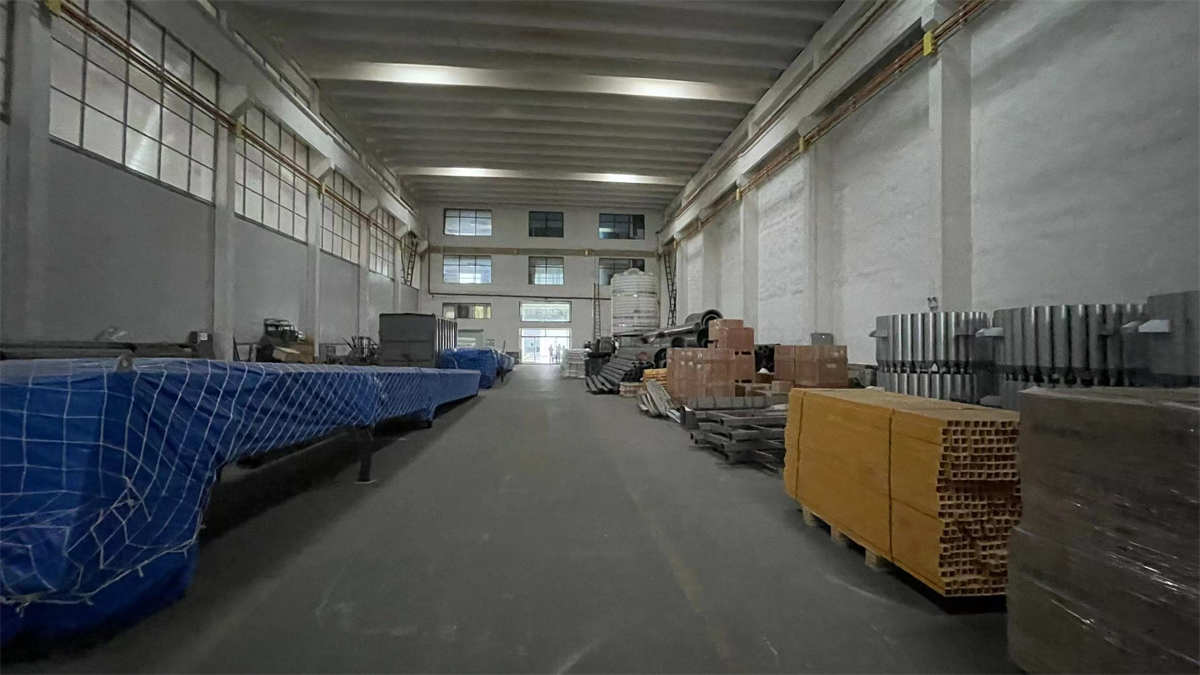
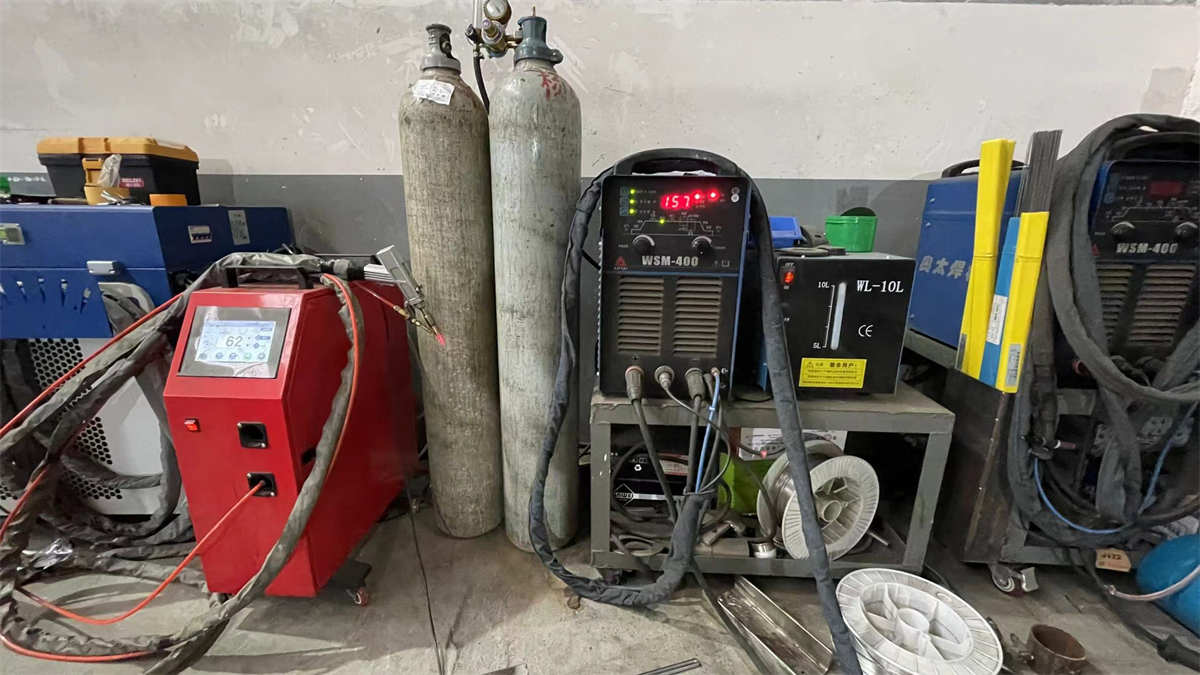
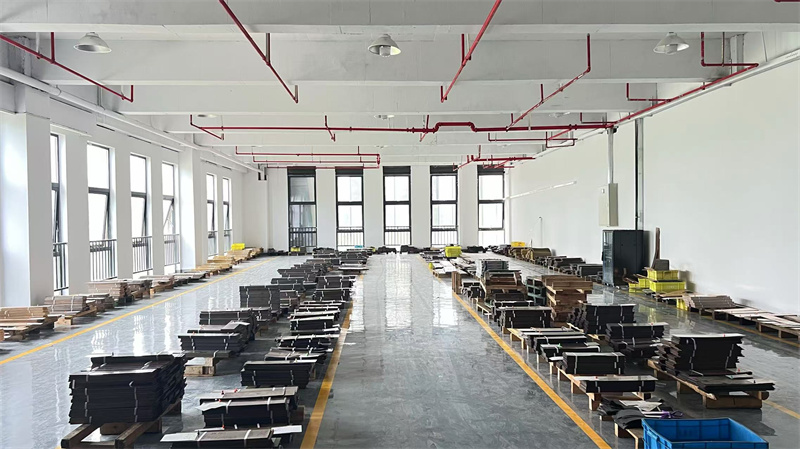
Changzhou Jovios Equipment Co., Ltd. is a professional manufacturer and solution provider specializing in solid-liquid separation and environmental protection equipment. Located in Changzhou National High-tech Industrial Development Zone, Jiangsu Province, China, the company operates a modern manufacturing base covering more than 50,000 square meters, equipped with advanced production facilities and a comprehensive quality inspection center.
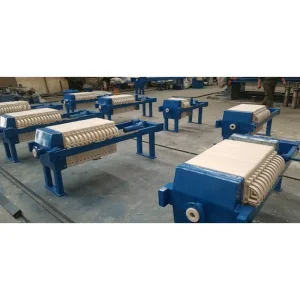
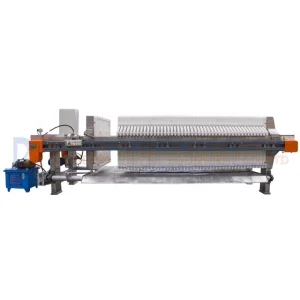
Jovios independently designs, develops, and manufactures a complete range of filtration and separation equipment, including plate and frame filter presses, membrane filter presses, automatic filter presses, intelligent filtration systems, as well as high-performance filter plates and filter cloths. With an annual production capacity exceeding 1,000 units, our products are widely applied in municipal wastewater treatment, chemical processing, petroleum, mining, metallurgy, pharmaceuticals, food and beverage production, paper manufacturing, textile dyeing, ceramics, building materials, and many other industries.
Supported by a growing global sales and service network, Jovios offers comprehensive technical support throughout the entire project lifecycle. From initial consultation and system design to installation, training, and after-sales service, we are committed to providing responsive and professional support wherever our customers operate. Our experienced research and development team consists of more than 30 senior engineers and technical specialists. Through close cooperation with universities, research institutes, and industry partners, we continuously integrate innovative technologies into product development, ensuring reliable performance, higher efficiency, and sustainable operation.
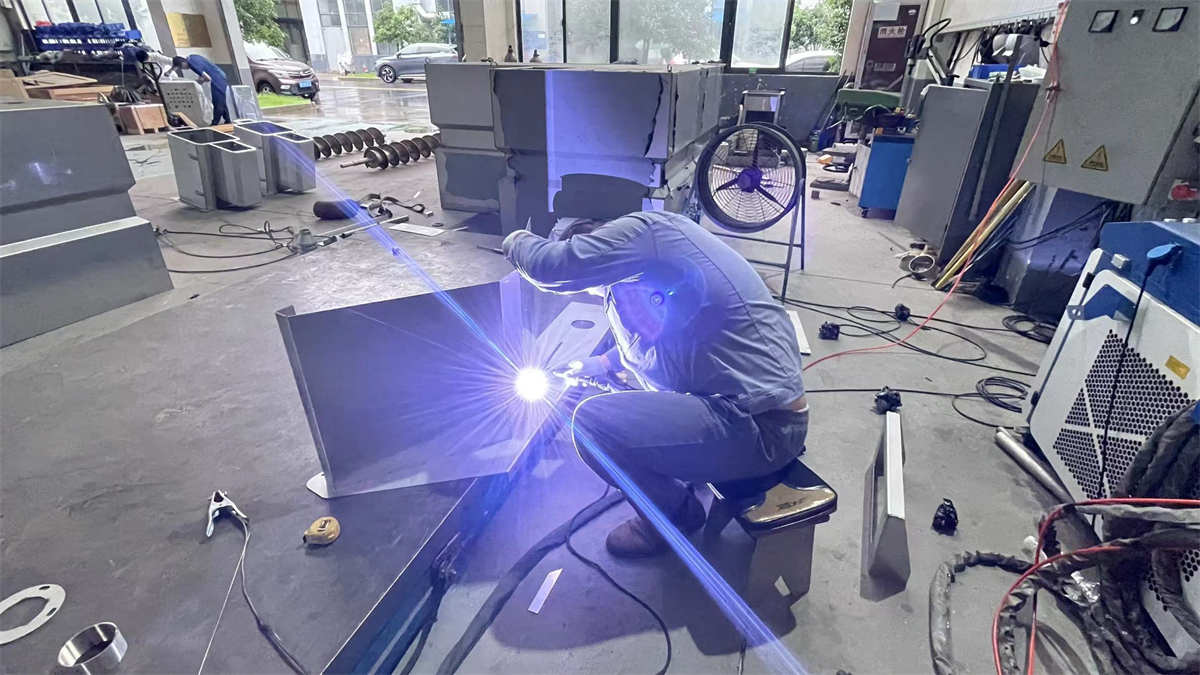
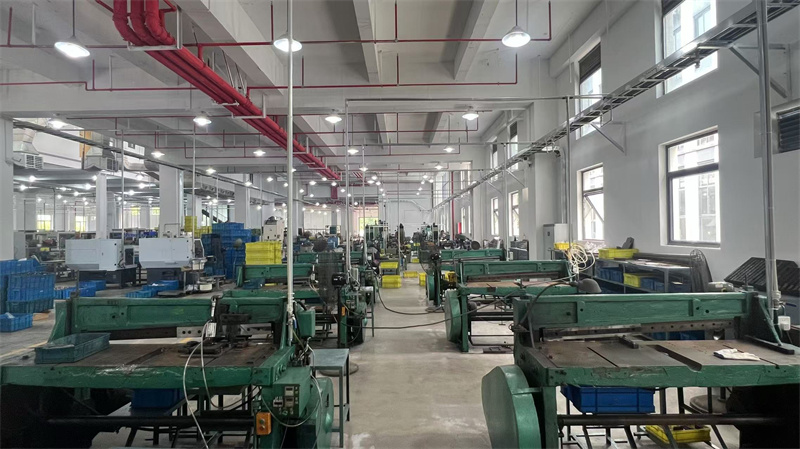
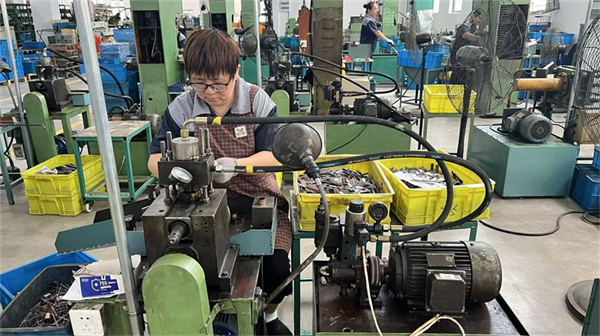
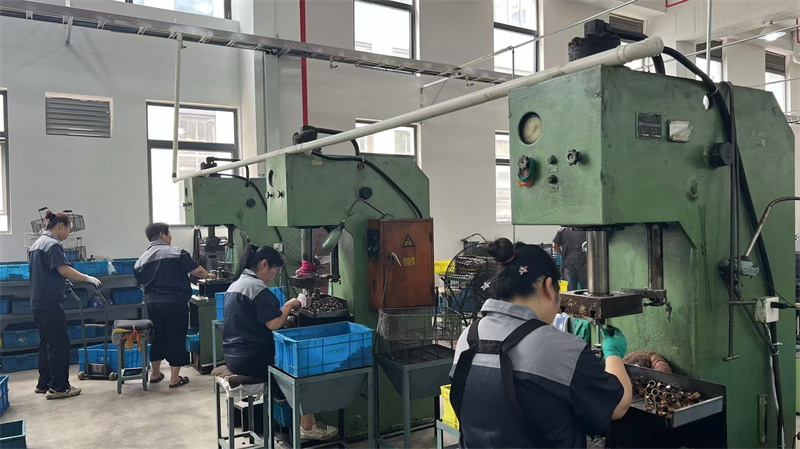
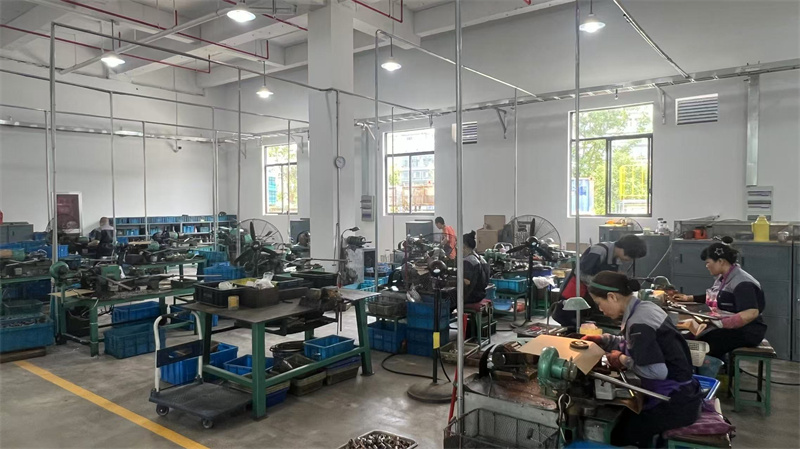
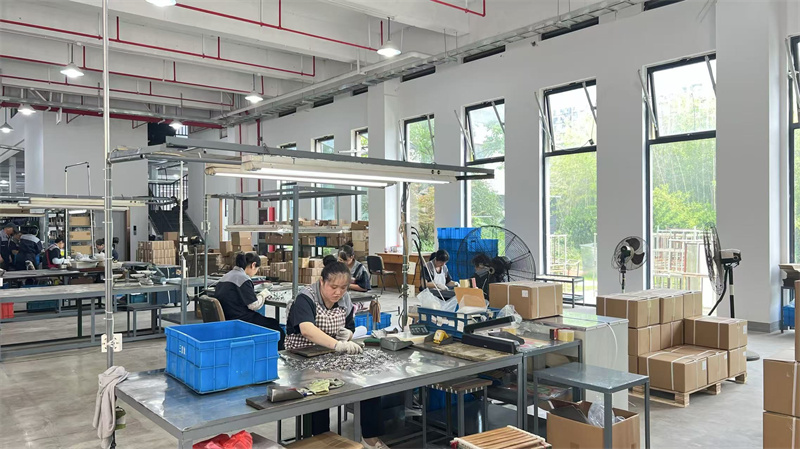
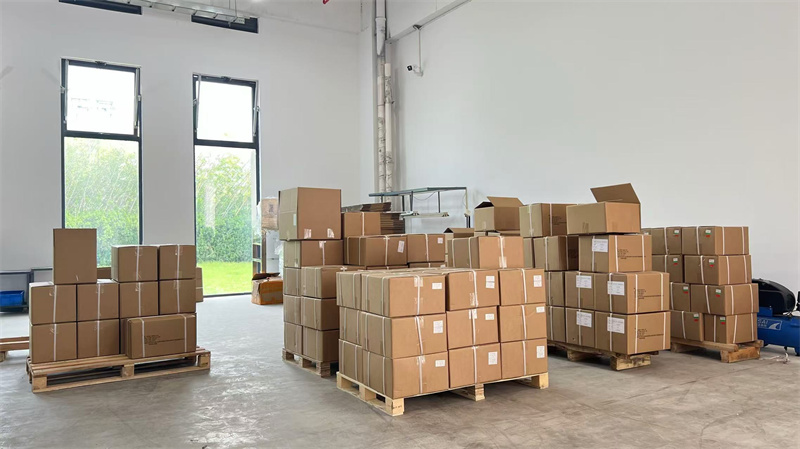
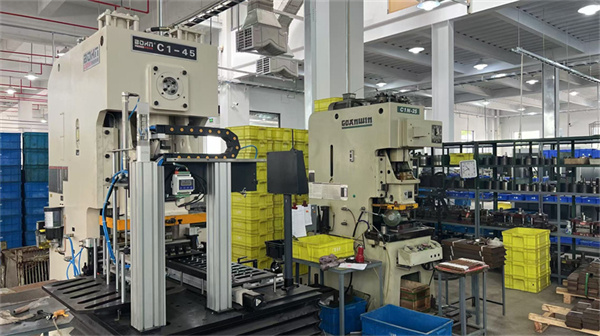
Sourcing from Changzhou Jovios Equipment Co., Ltd. in China offers significant supply chain advantages. The industrial cluster in the Yangtze River Delta provides access to high-quality raw synthetic yarns, reliable chemical additives, and advanced processing machinery. This proximity allows us to secure materials efficiently and maintain strict quality standards.
By combining high-volume raw material sourcing with automated CNC laser cutting, we can offer competitive pricing without compromising on tolerances or material grades. Our location near key transport hubs in Changzhou, Shanghai, and Ningbo enables efficient logistics, helping us deliver custom filtration orders to international markets with reliable lead times.
Get technical insights and practical answers regarding the design, operation, and logistics of our custom OEM laser-cut filter cloths.
Find the ideal components, replacement plates, and filter media configurations for your solid-liquid separation processes.
 Jovios Equipment